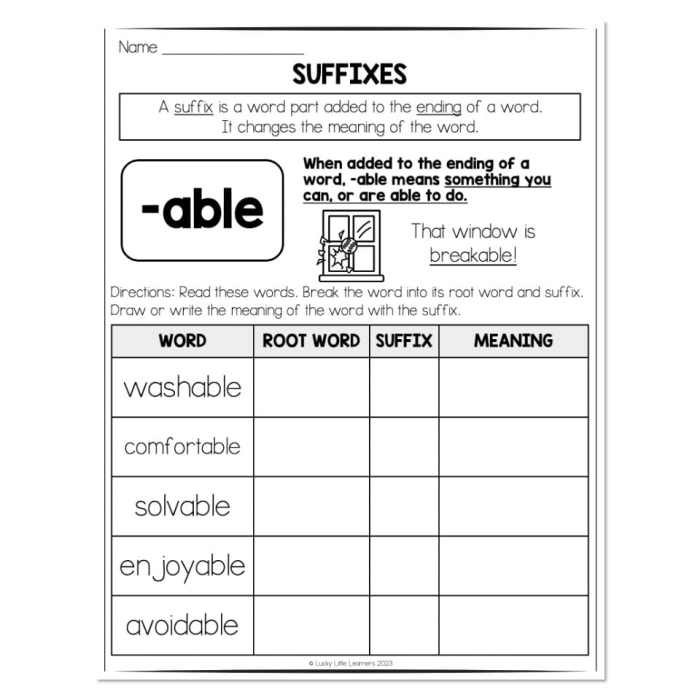
Suffix rules trip up more third graders than almost any other spelling concept. When students add endings like -ed, -ing, or -ly to base words, they often double letters, drop vowels, or change consonants without understanding why. This is where focused practice makes all the difference.
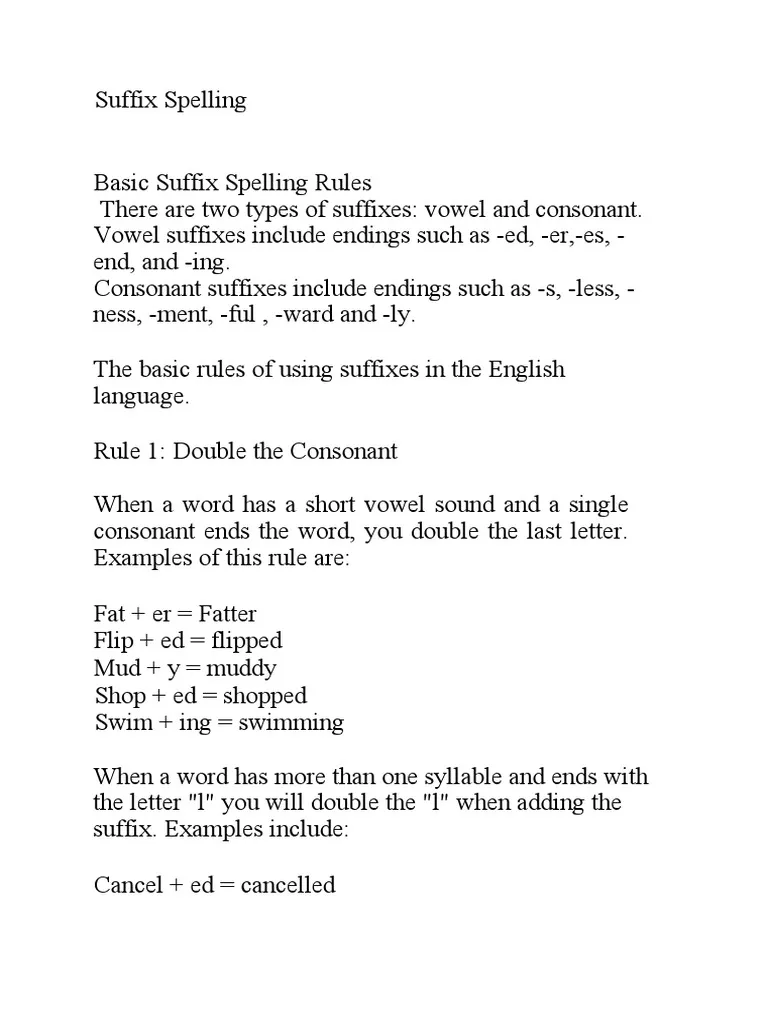
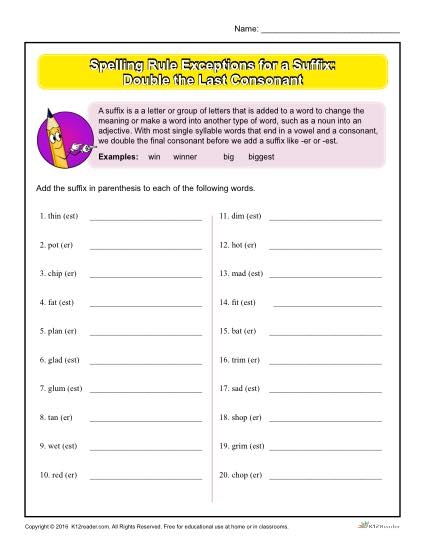
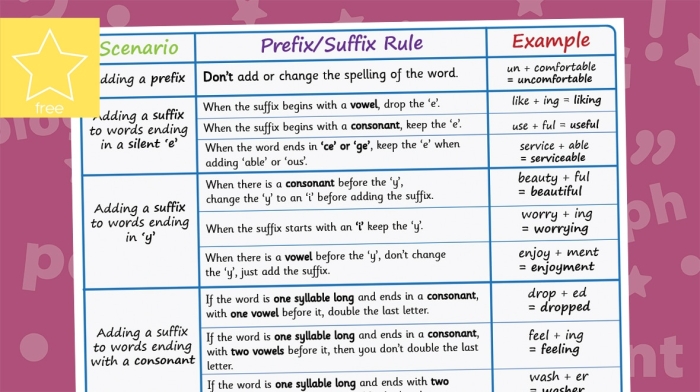
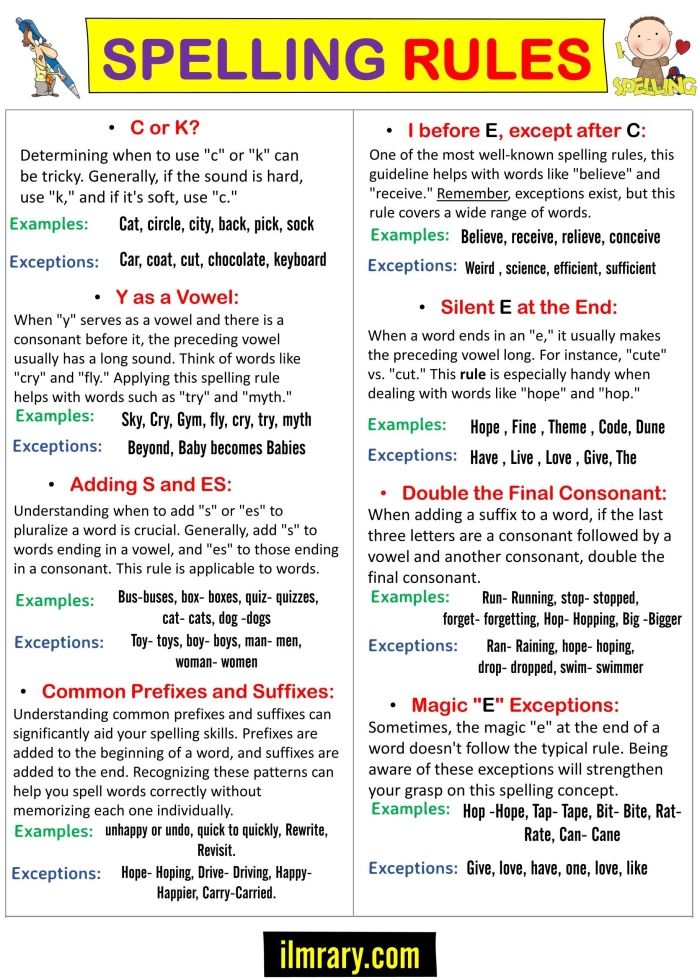
The core challenge stems from how English spelling shifts when suffixes attach. Take the word “hop.” Add -ing and it becomes “hopping,” not “hoping.” Students need to internalize that single-syllable words ending in a consonant preceded by a single vowel require doubling that final consonant before adding a vowel suffix. These patterns don’t feel intuitive at first, which is why repetition through worksheet exercises helps cement the rule in their minds.
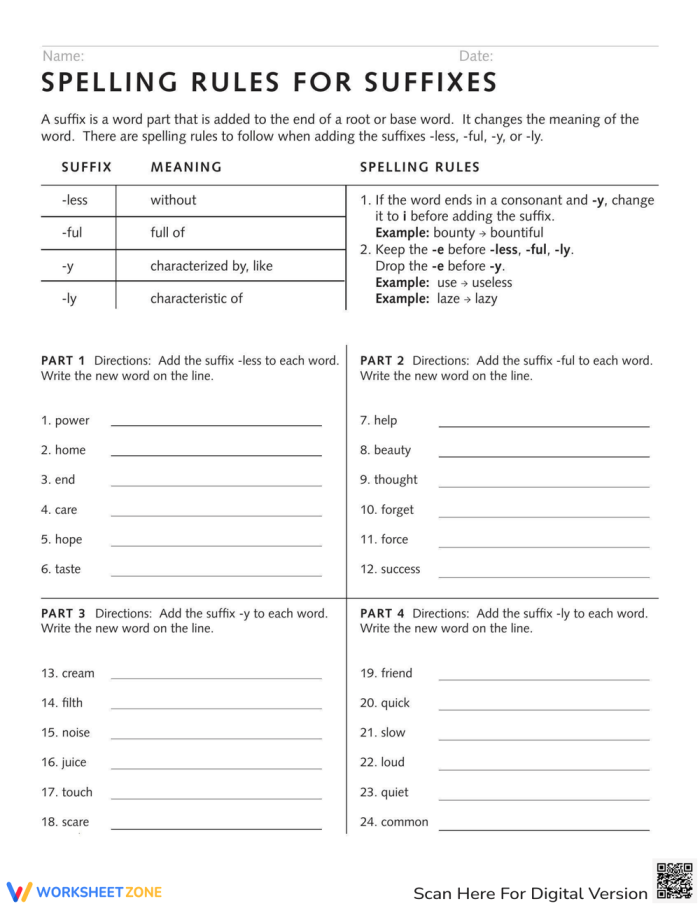
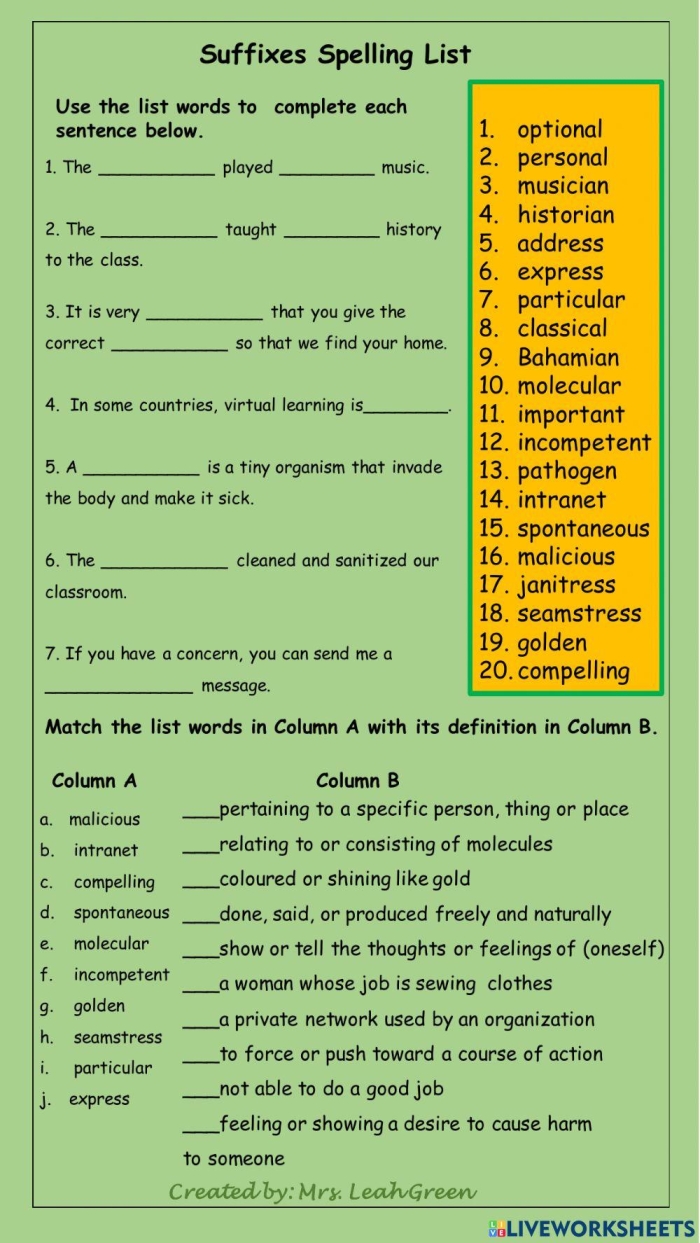
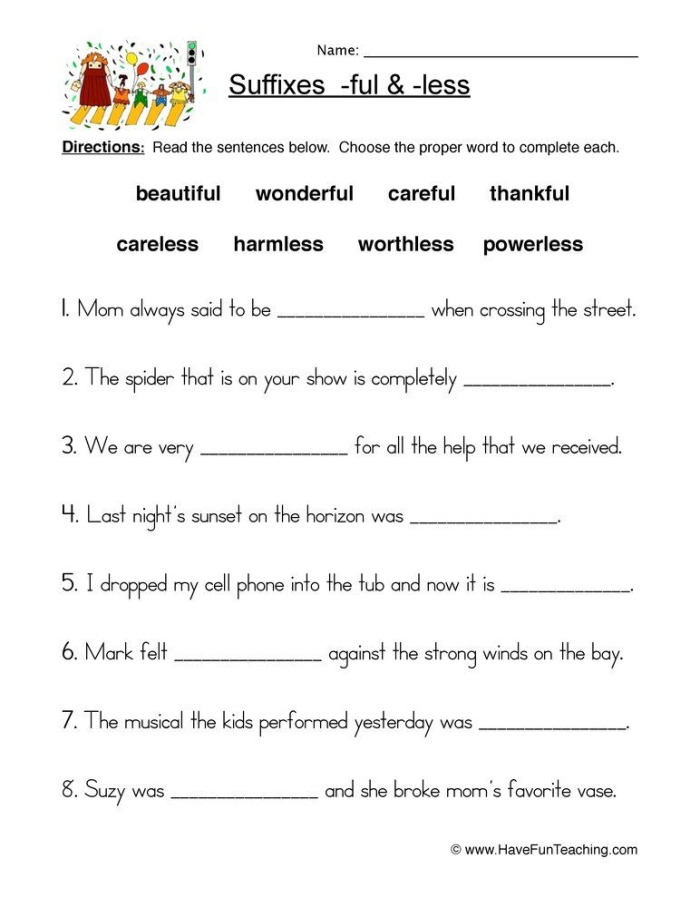
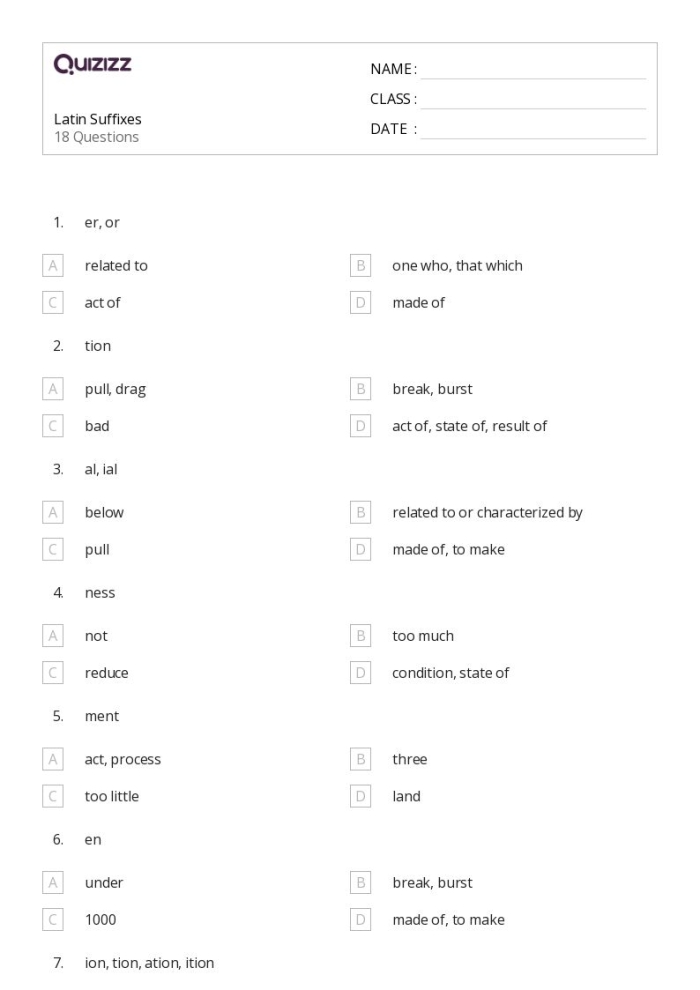
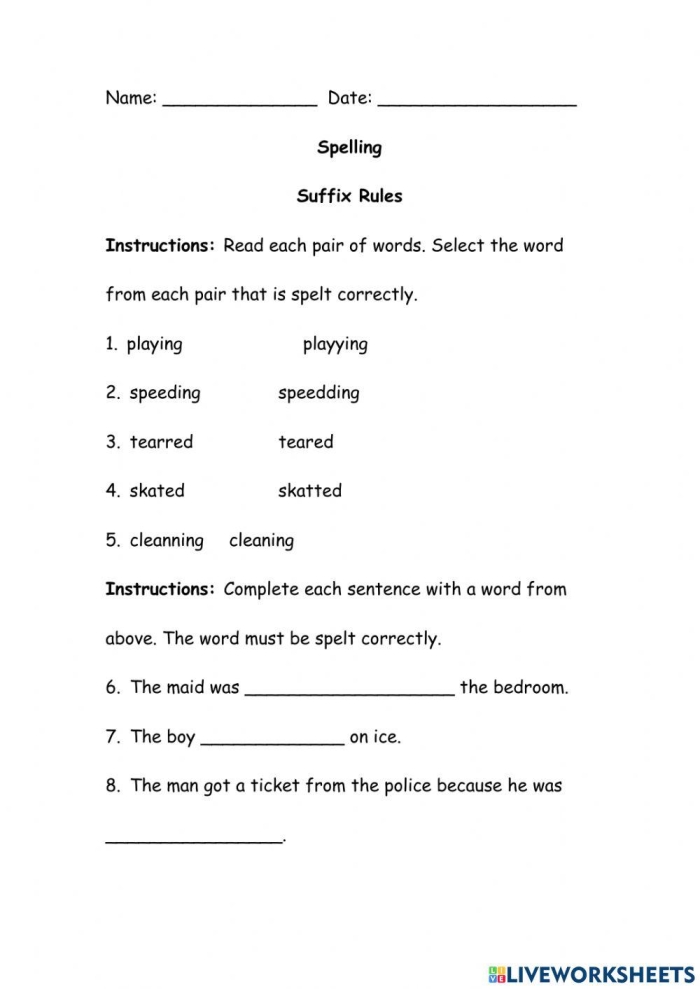
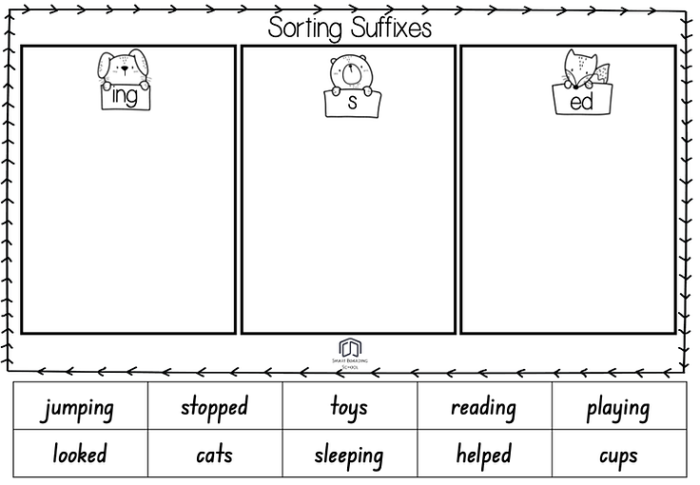
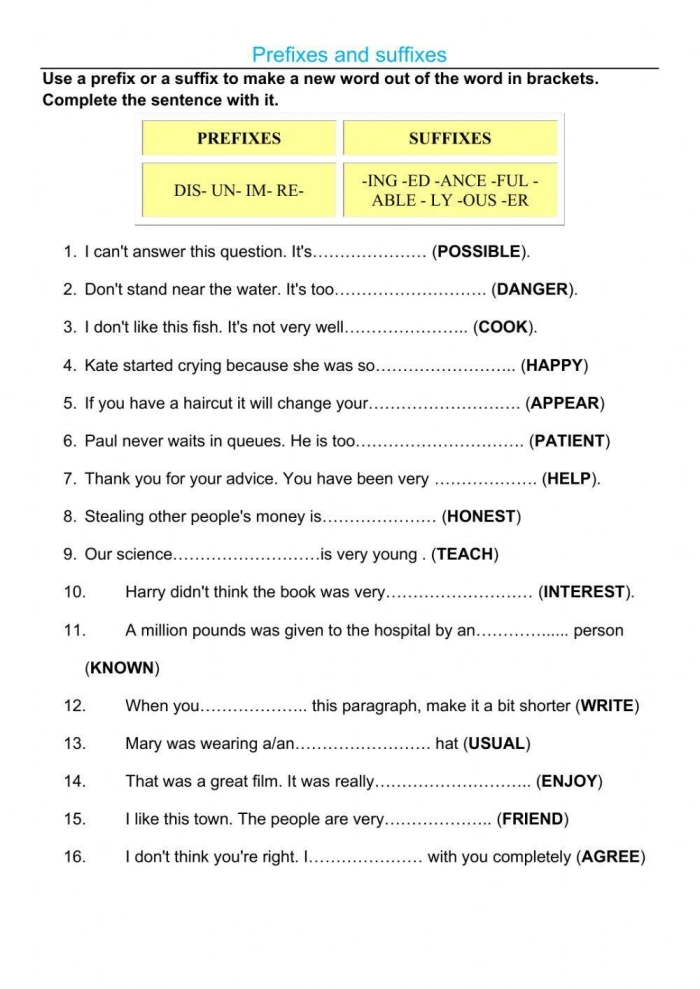
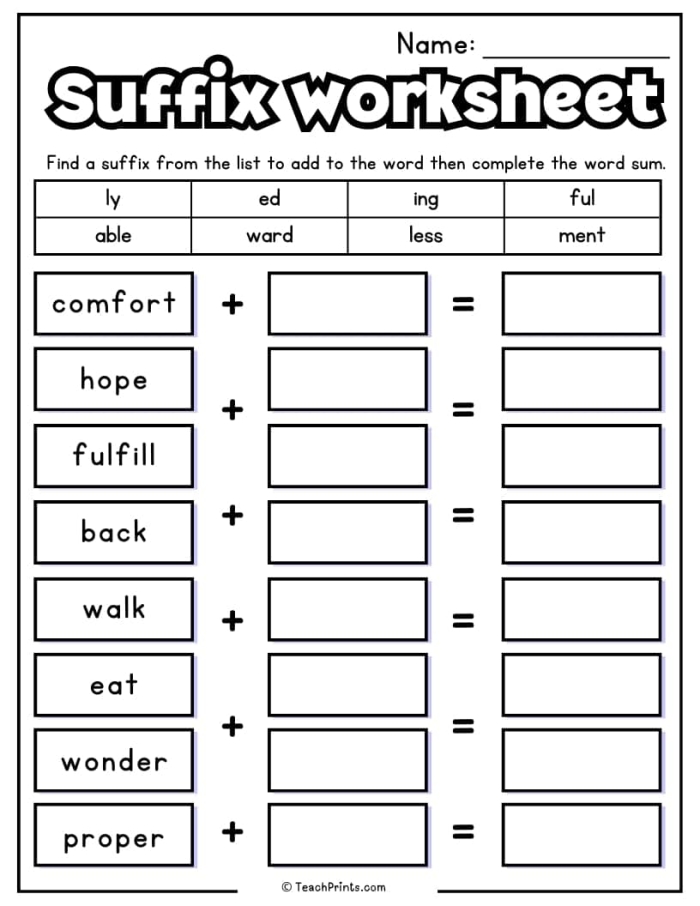
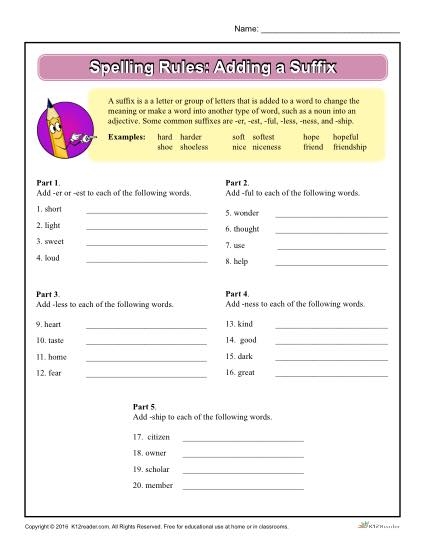
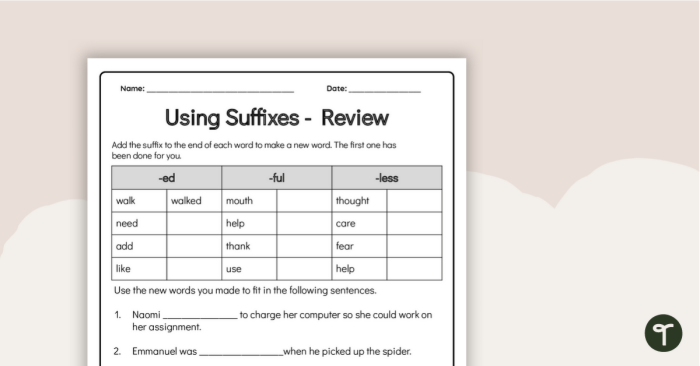
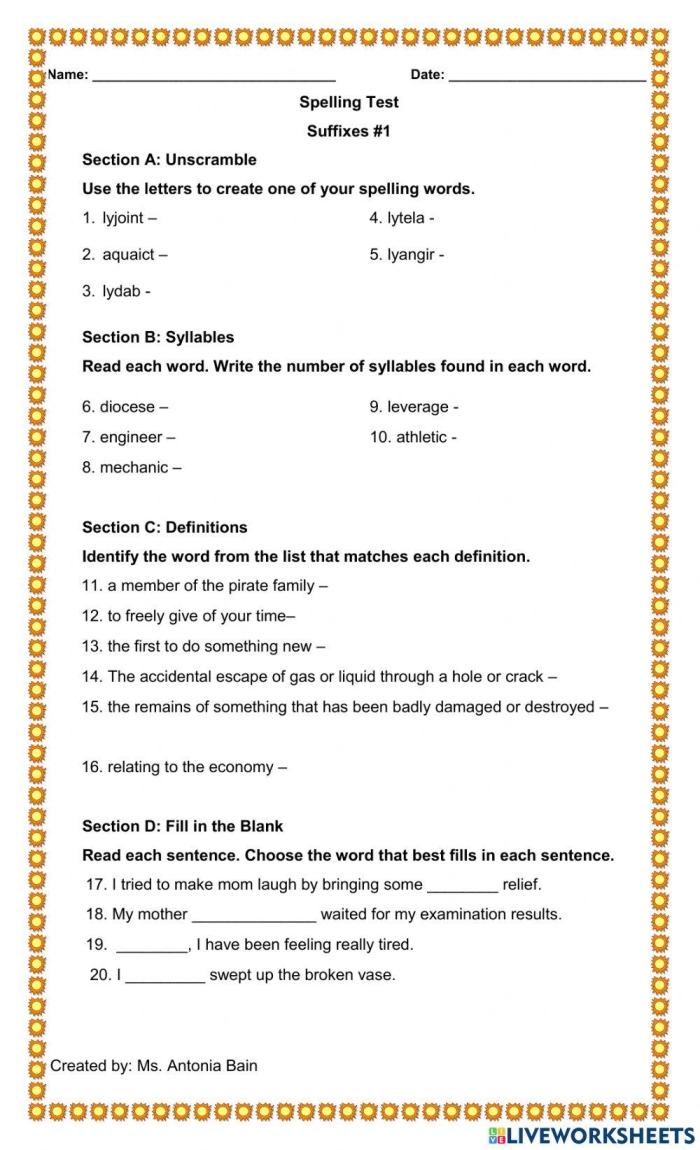
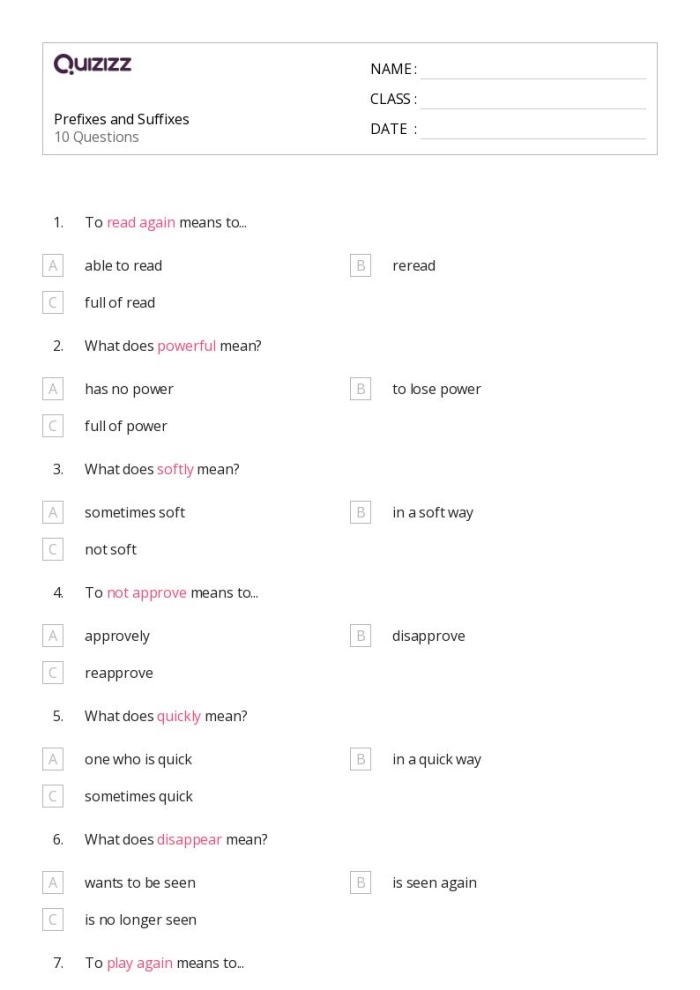
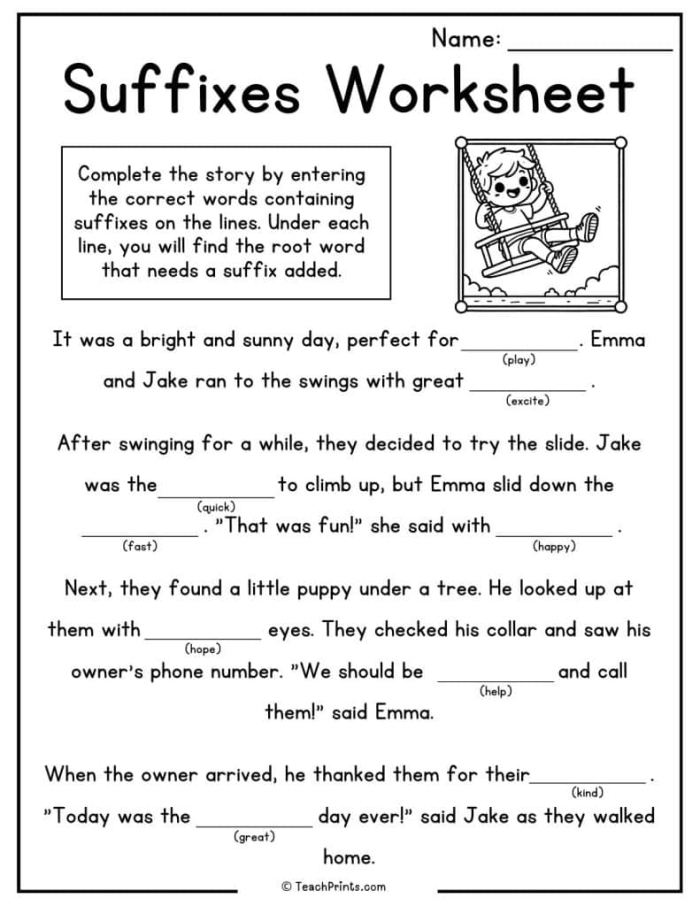
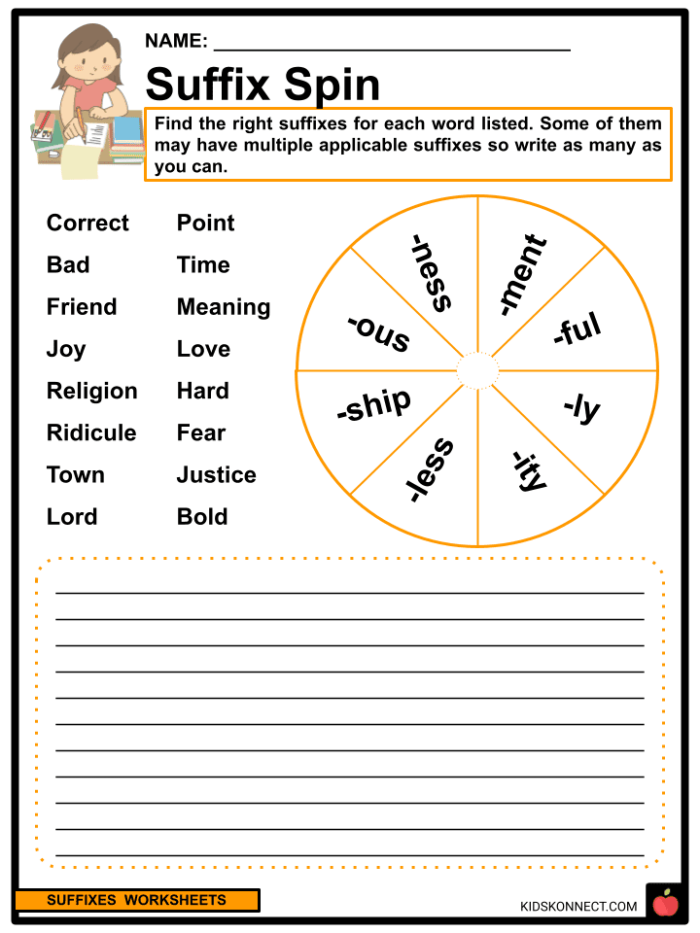
Printable spelling rules for suffixes worksheets give third graders the chance to apply these patterns repeatedly across different word families. Rather than memorizing abstract rules, they see concrete examples: “run” becomes “running,” “plan” becomes “planned,” “happy” becomes “happily.” Each exercise reinforces the logic behind the spelling change.
When introducing this material, pair suffix practice with other third grade algebra skills. Students working on fractions of a set activities benefit from the same structured repetition that makes suffix rules stick. Similarly, those practicing skip counting to 100 develop pattern recognition that transfers directly to recognizing spelling patterns.
The worksheets work best when you introduce one rule at a time. Start with doubling rules, then move to dropping the silent e, then address consonant changes. Have students complete 10 to 15 examples per session rather than overwhelming them with 50 at once. This measured approach builds confidence and accuracy simultaneously.
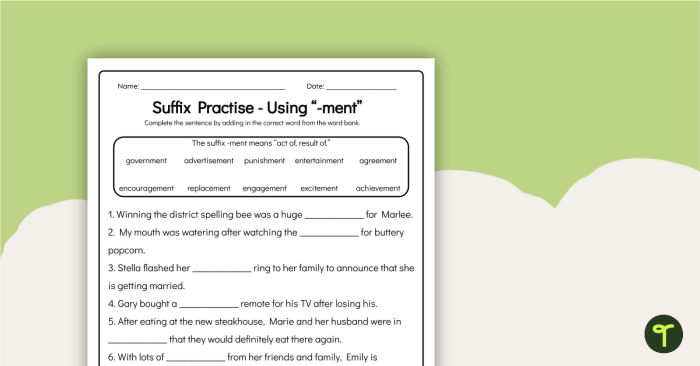
You might also integrate suffix practice with vocabulary work, such as synonym activities, so students see how suffixes change word meaning and function. When spelling rules connect to meaningful language learning, retention improves dramatically.
Worksheet Practice Section