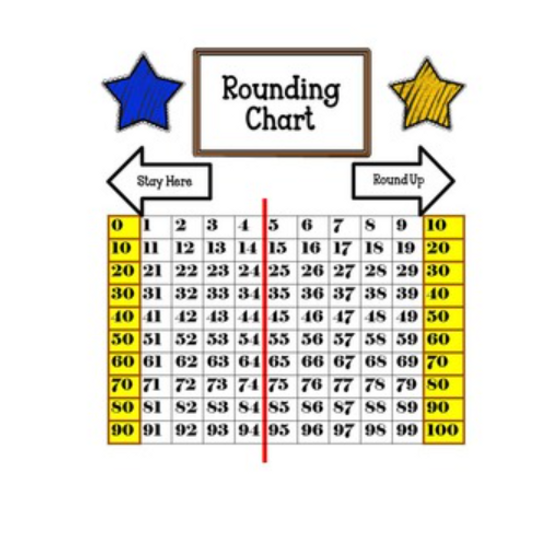
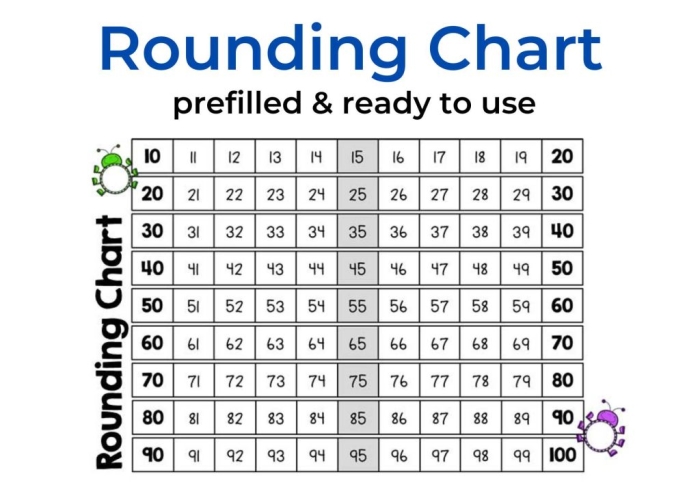
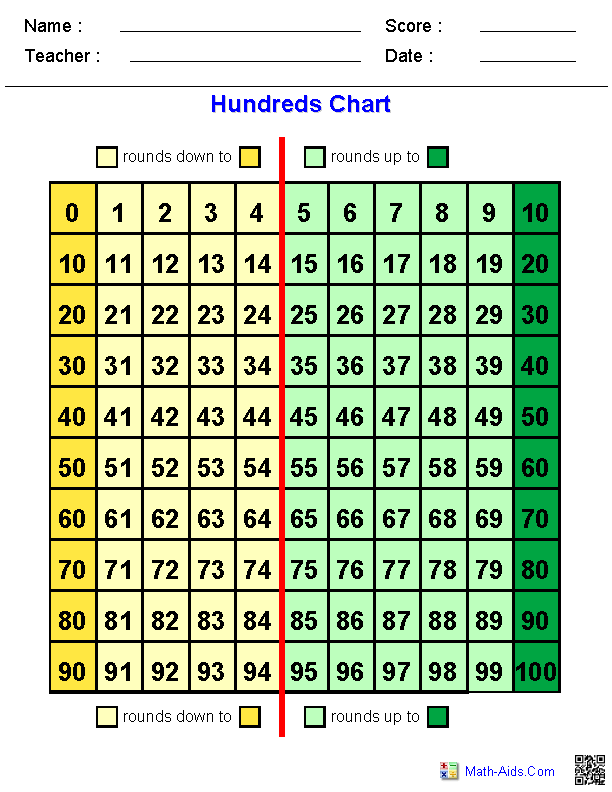
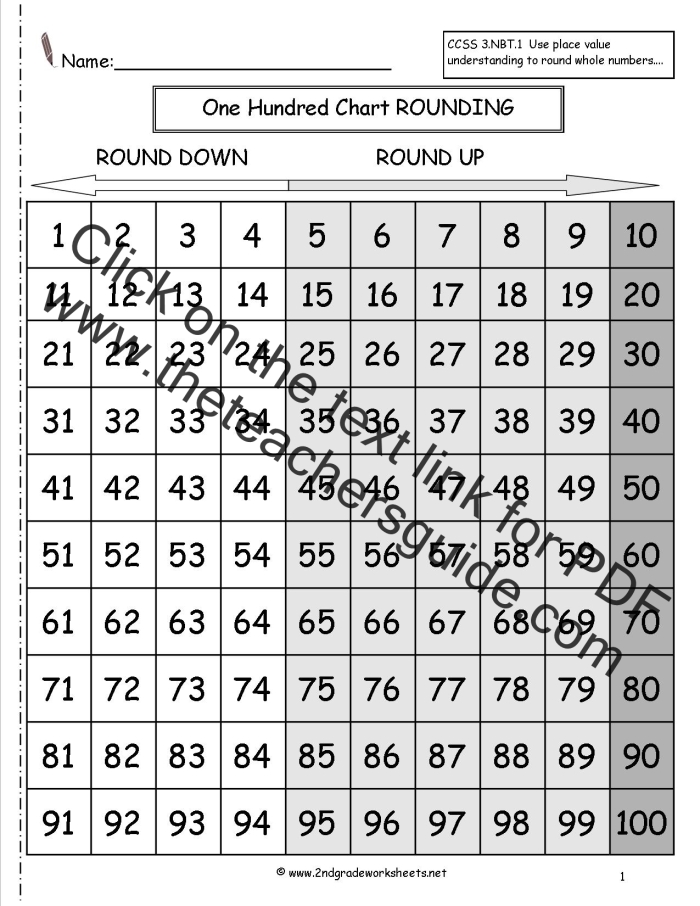
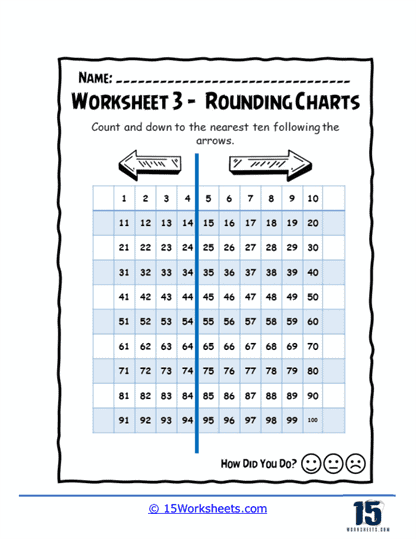
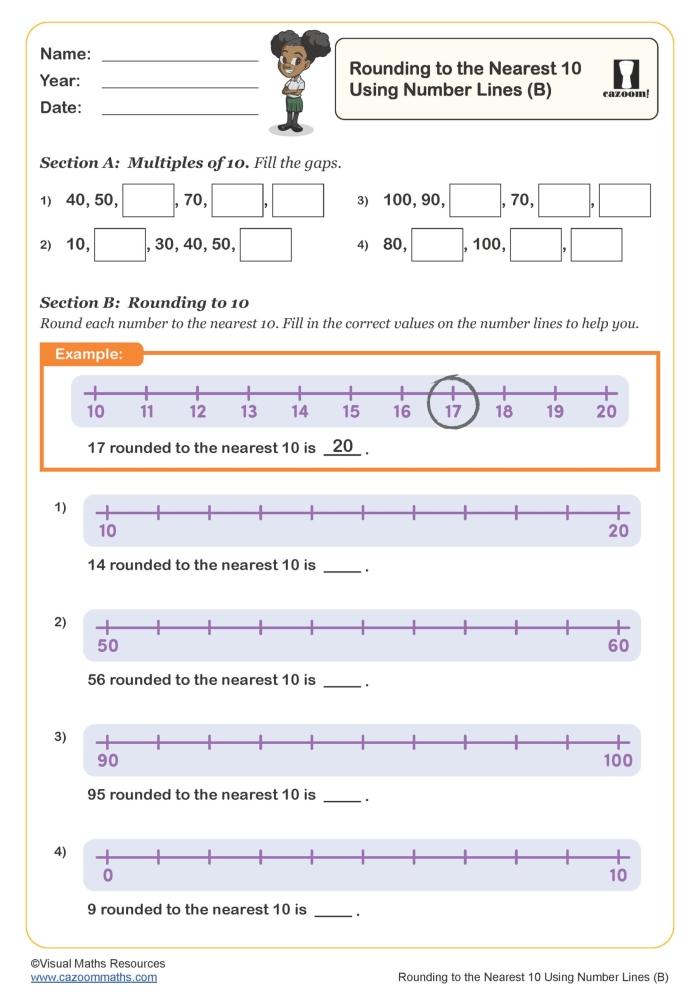
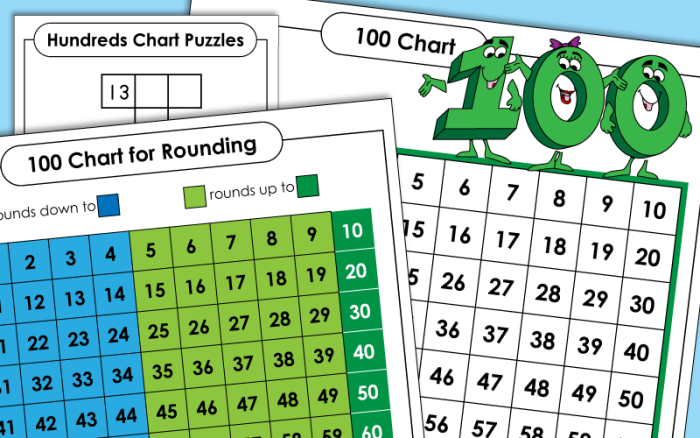
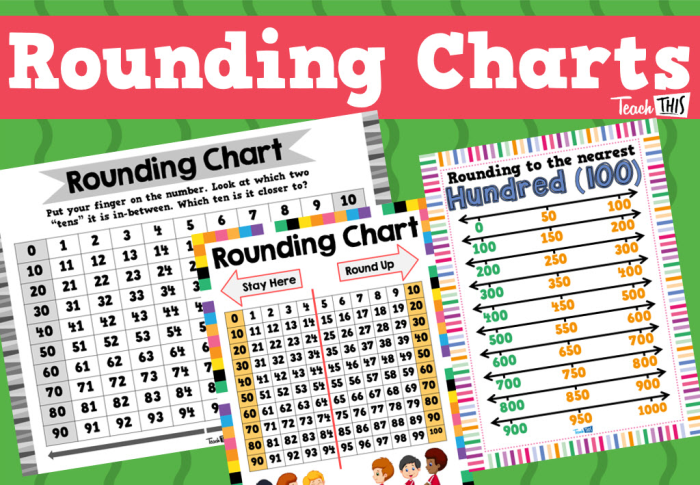
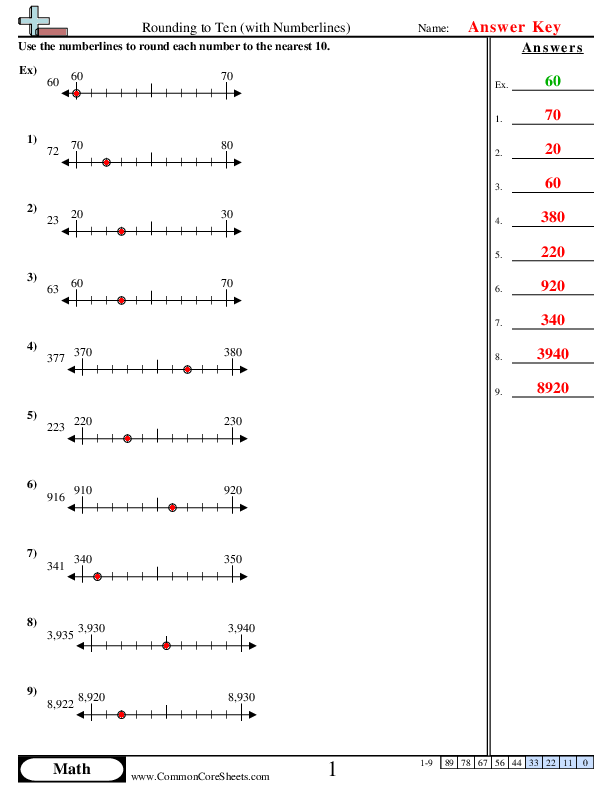
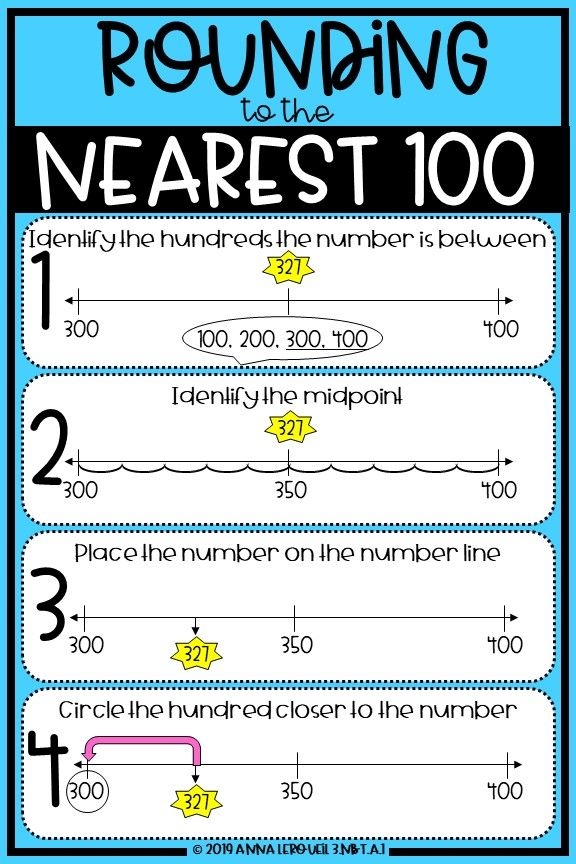
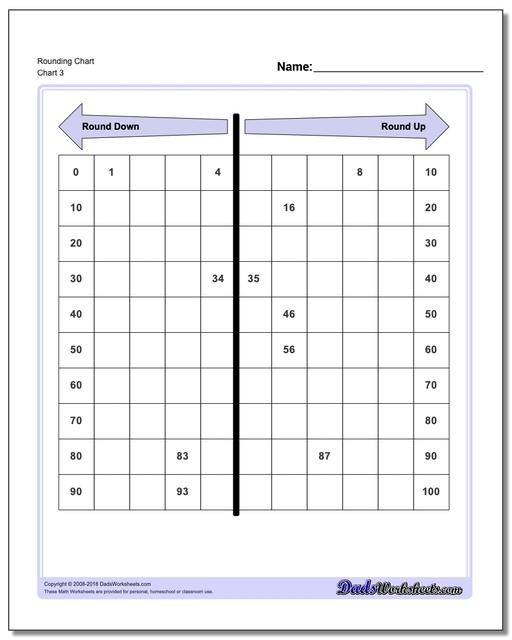
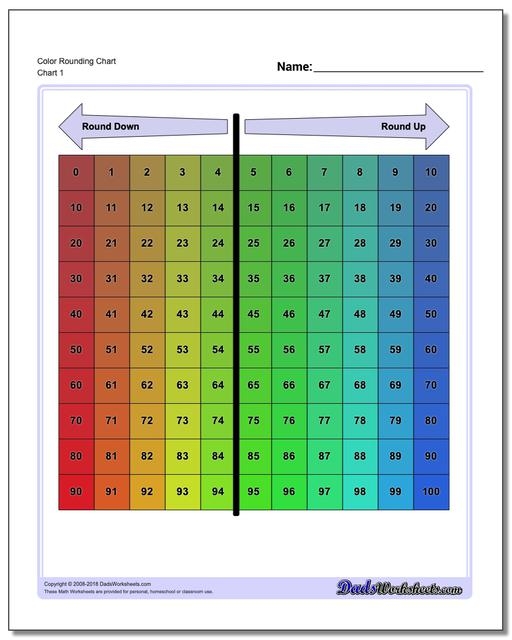
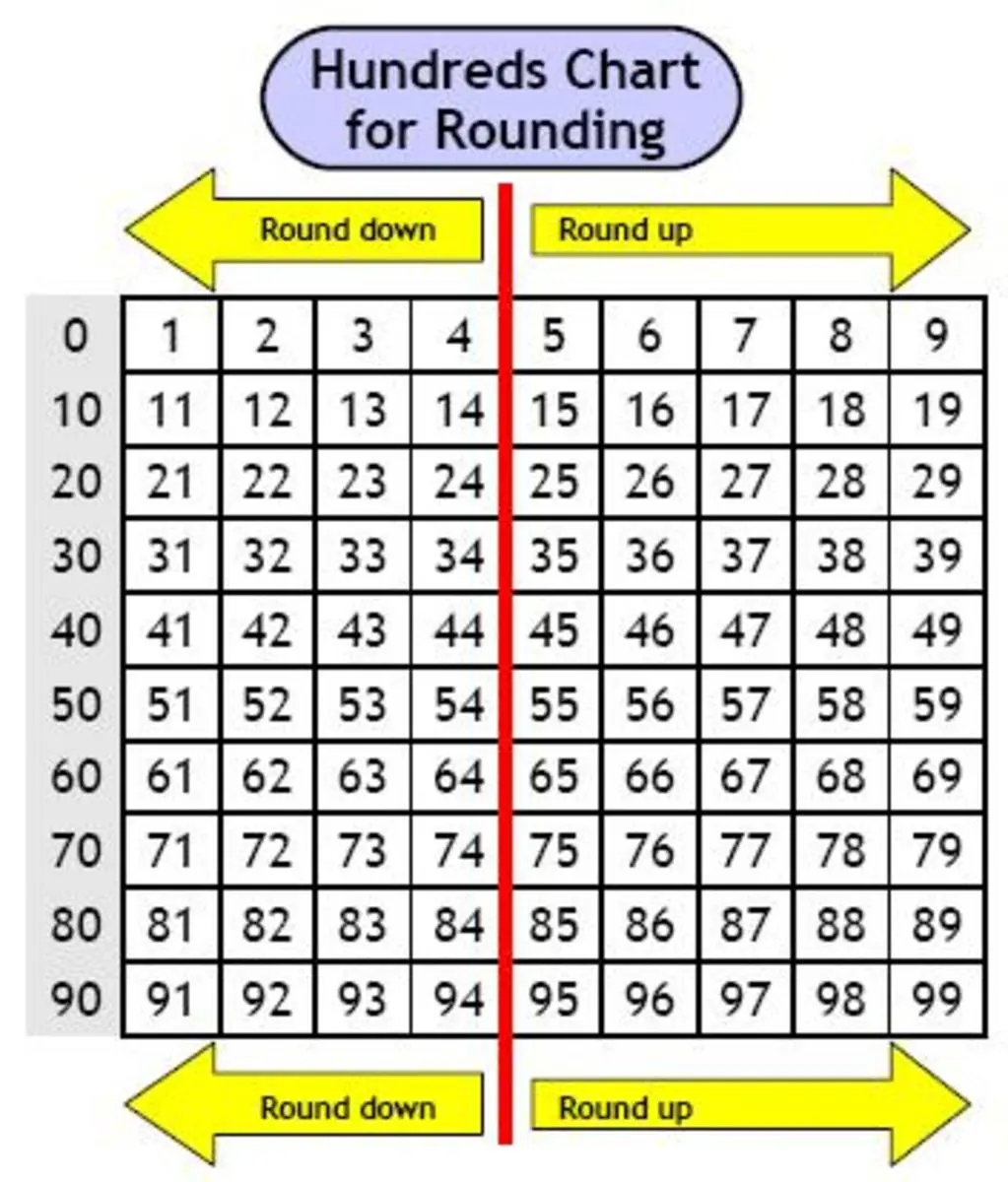
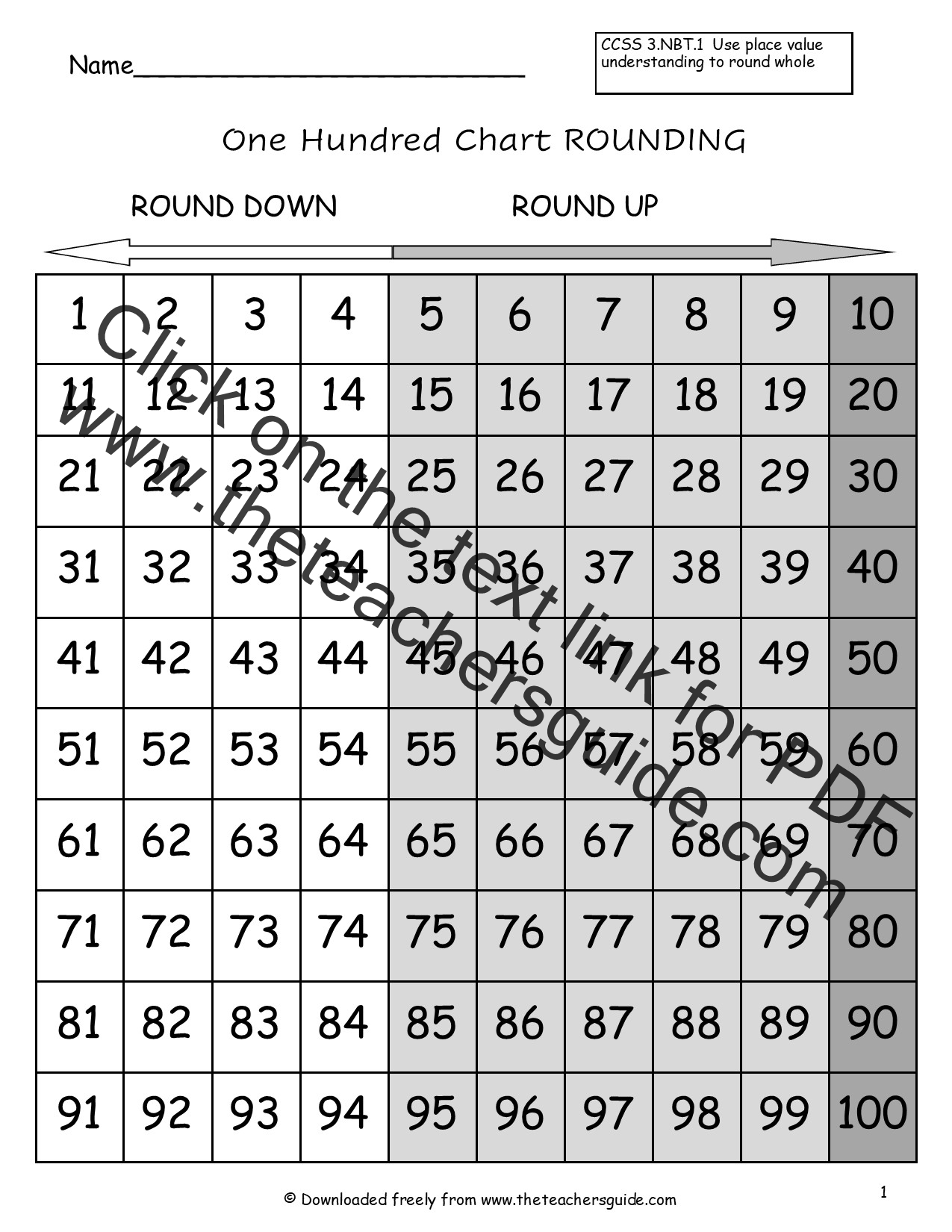
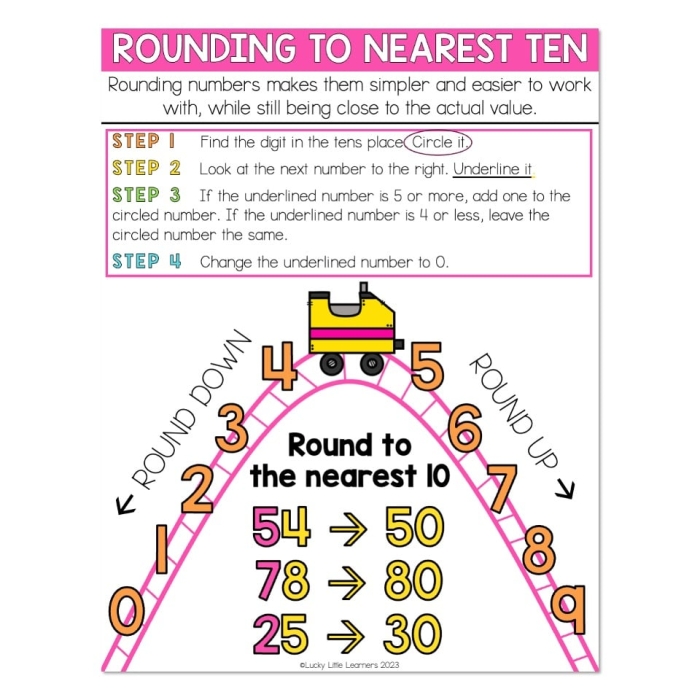
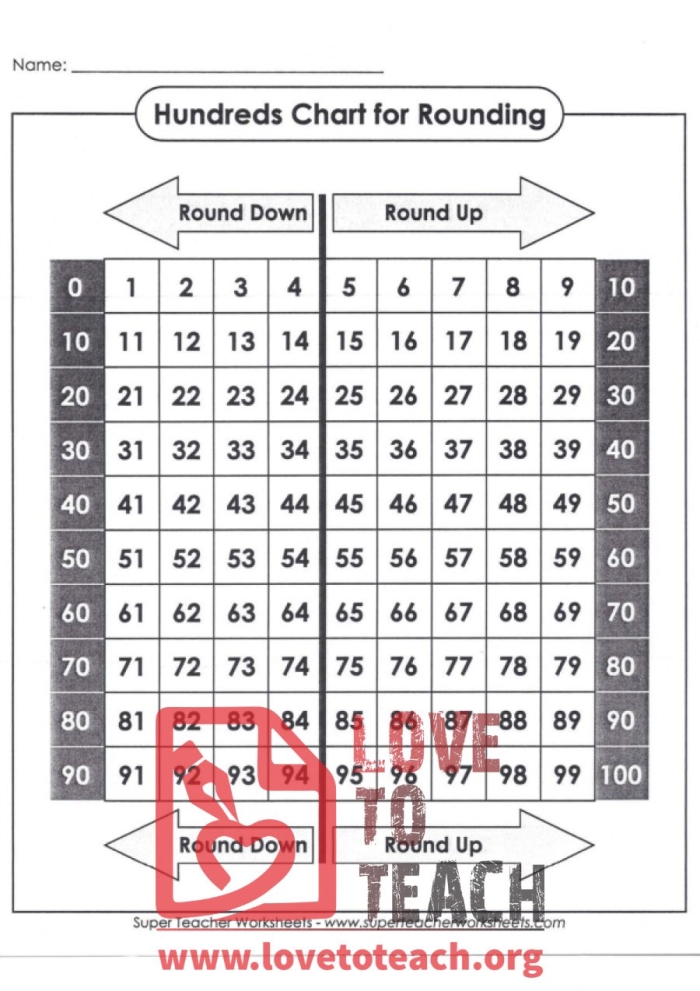
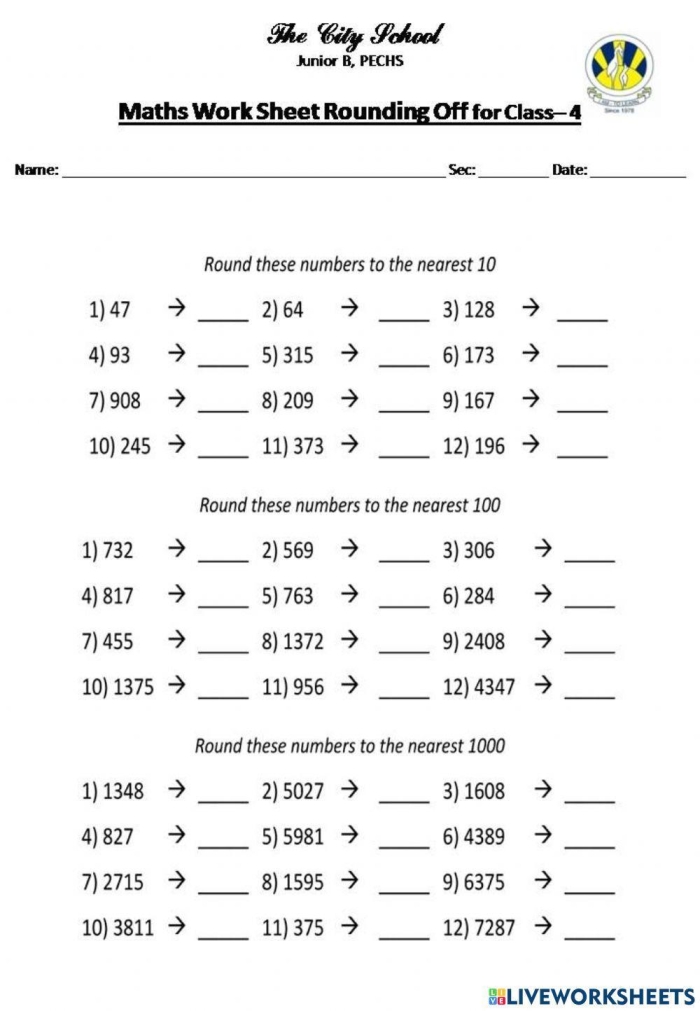
Rounding numbers can be tricky at first, especially for second graders who are just starting to explore writing and math together. It’s a skill that requires practice and patience, but the right tools can make a big difference. One effective way to help students grasp rounding is by using a chart that breaks down the steps clearly. This visual aid guides them through deciding whether to round up or down based on the digit they see.
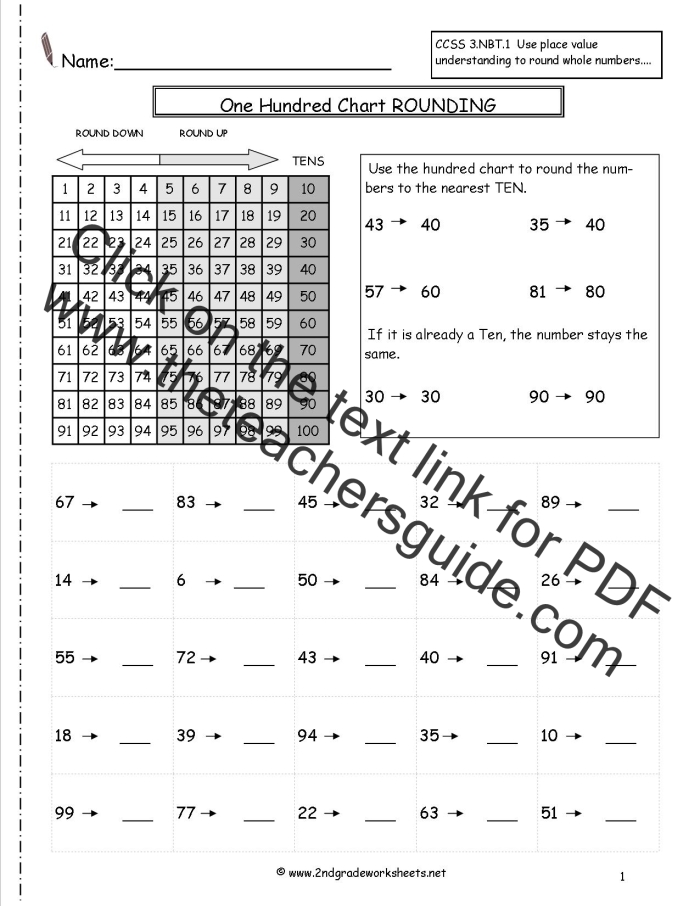
For example, when rounding to the nearest ten, the chart can show that if the number in the ones place is 5 or higher, the student should round the tens digit up by one. If the ones digit is 4 or lower, they keep the tens digit the same and change the ones digit to zero. Having this simple rule displayed on a chart reduces confusion and builds confidence. It also supports their writing skills by helping them explain their reasoning in complete sentences—a key part of second grade writing standards.
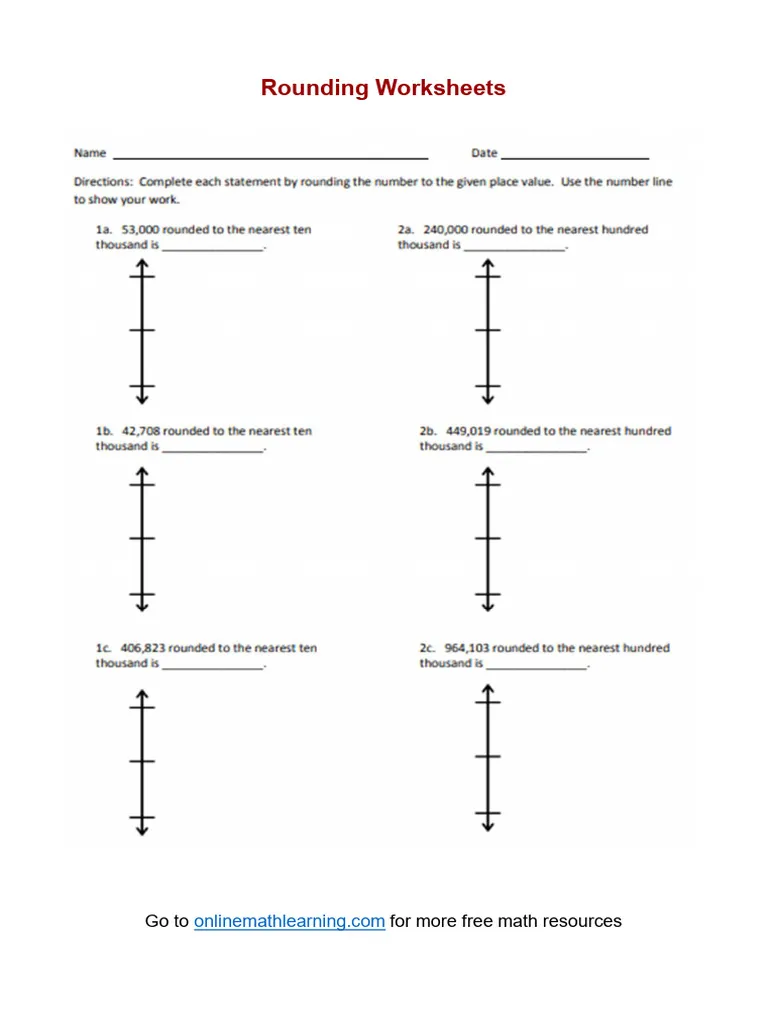
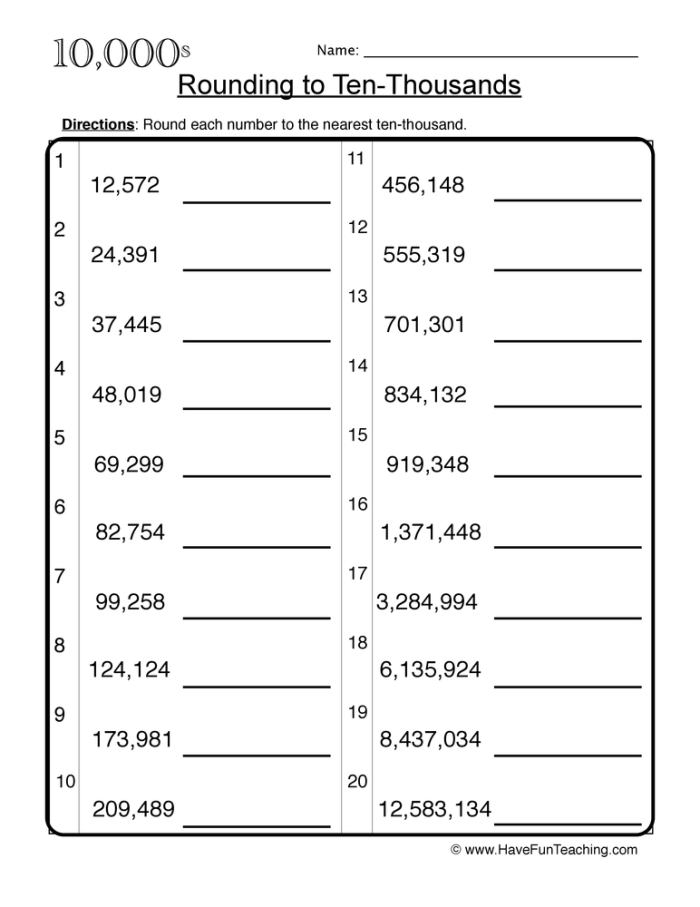
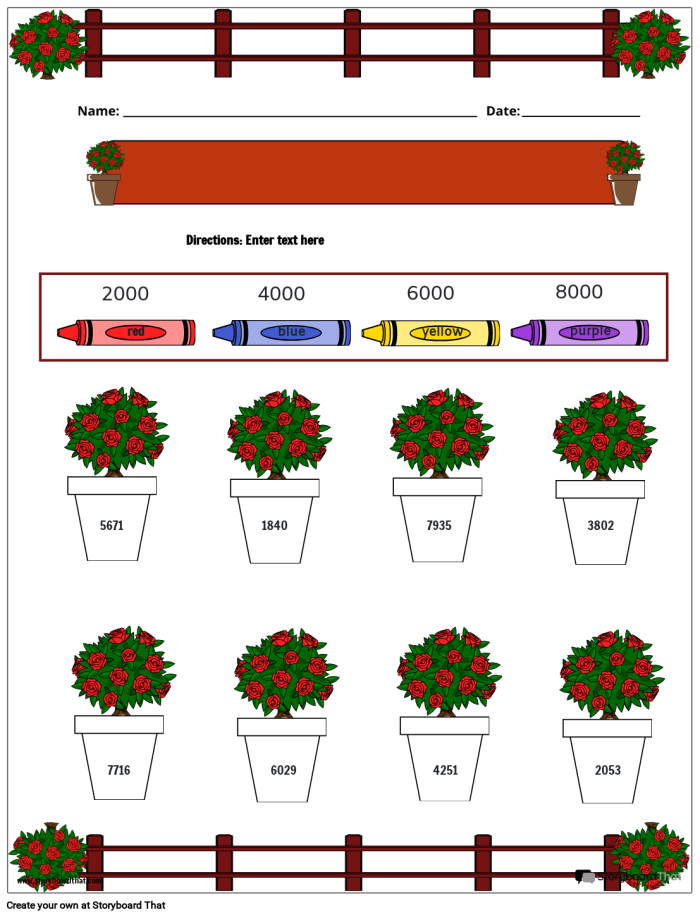
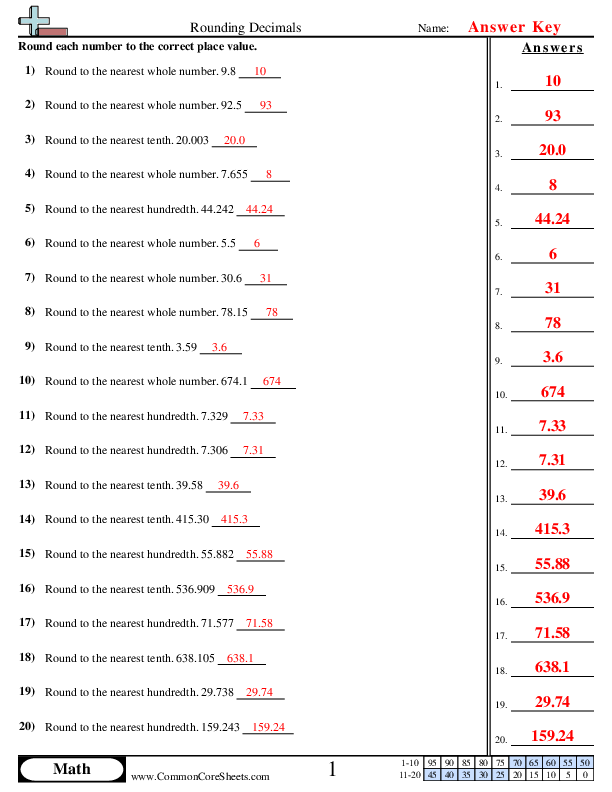
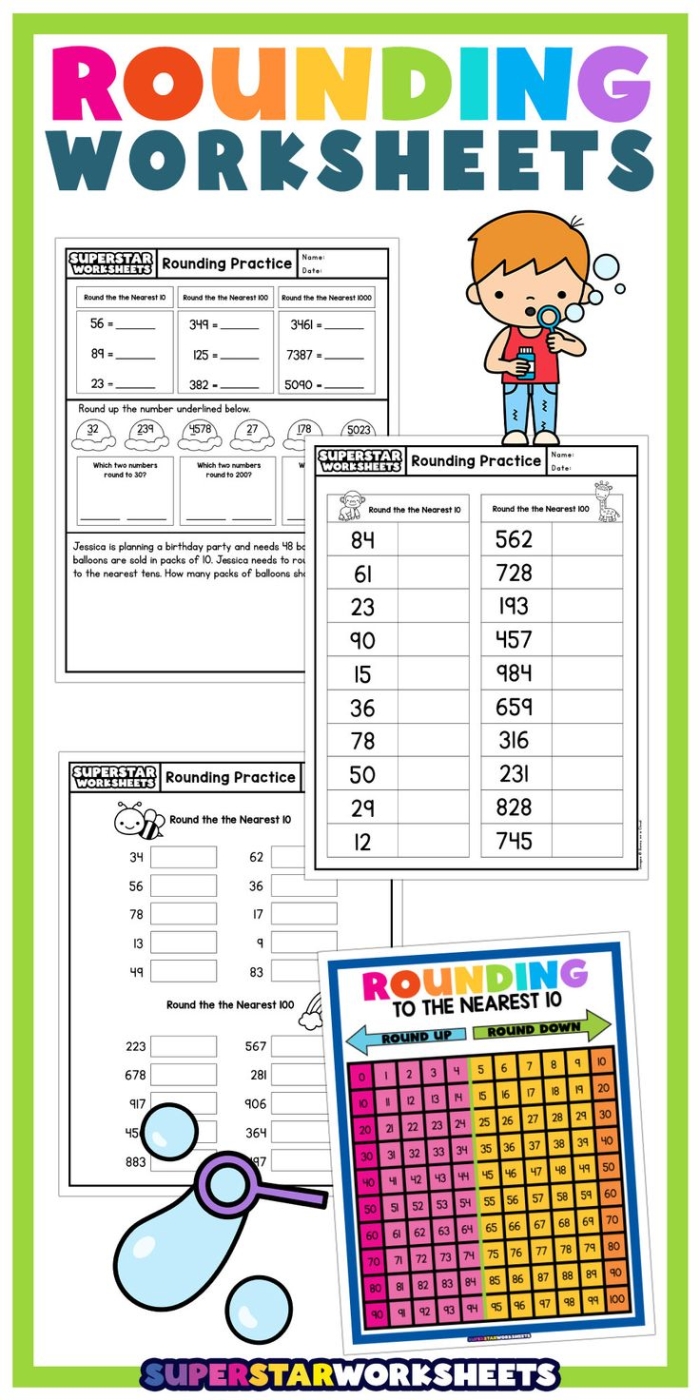
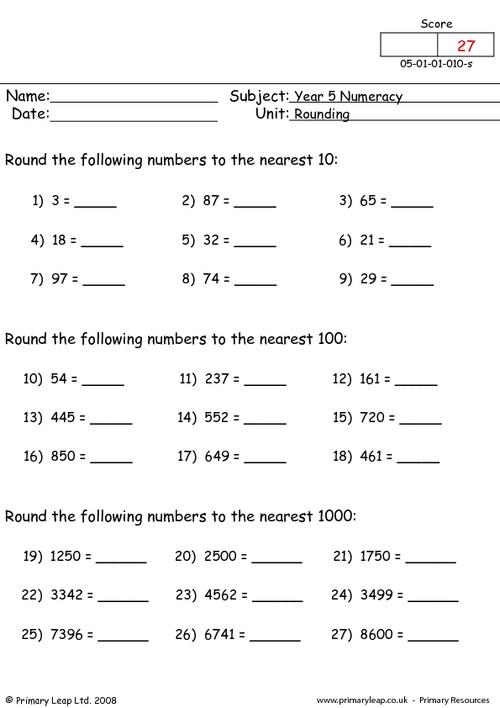
Printable rounding with a chart worksheets are especially useful because they combine practice with structure. Students can work through several rounding problems while referring back to the chart. This hands-on approach helps them internalize the method instead of just memorizing answers. When they can explain, for instance, “I rounded 47 up to 50 because the 7 is greater than 5,” they show understanding beyond just getting the right number.
Integrating rounding exercises with other writing activities can reinforce learning even more. Try pairing rounding practice with storytelling or simple math journals, where students write about their process. This technique fits well with resources like writing prompts centered on characters and points of view, which encourage expressive skills alongside logical thinking.
By giving your student repeated opportunities to use a rounding chart, you help them develop a reliable strategy. It’s a practical tool that supports both math and writing growth in second grade. For additional practice, you might explore materials that mix rounding with other concepts, such as double-digit subtraction and fractions, to keep lessons engaging and connected.
Boost Skills with These Worksheets