Sorting out different perspectives in a complex book can be challenging, especially for young learners. One effective way to help students, particularly those in second grade, engage deeply with their reading material is to analyze how different characters respond to the same events or challenges. This exercise not only enhances their comprehension but also encourages empathy and critical thinking.
Consider a scenario where two characters experience the same event, such as a storm disrupting a school picnic. One character may feel disappointed because they were looking forward to the fun, while another might see it as an opportunity for an exciting adventure. By guiding students to explore these contrasting emotions, they can better understand how perspective shapes our experiences. This method also aligns perfectly with teaching multiplication concepts, as students can frame their thoughts in terms of quantities—how many students were excited, and how many felt let down?
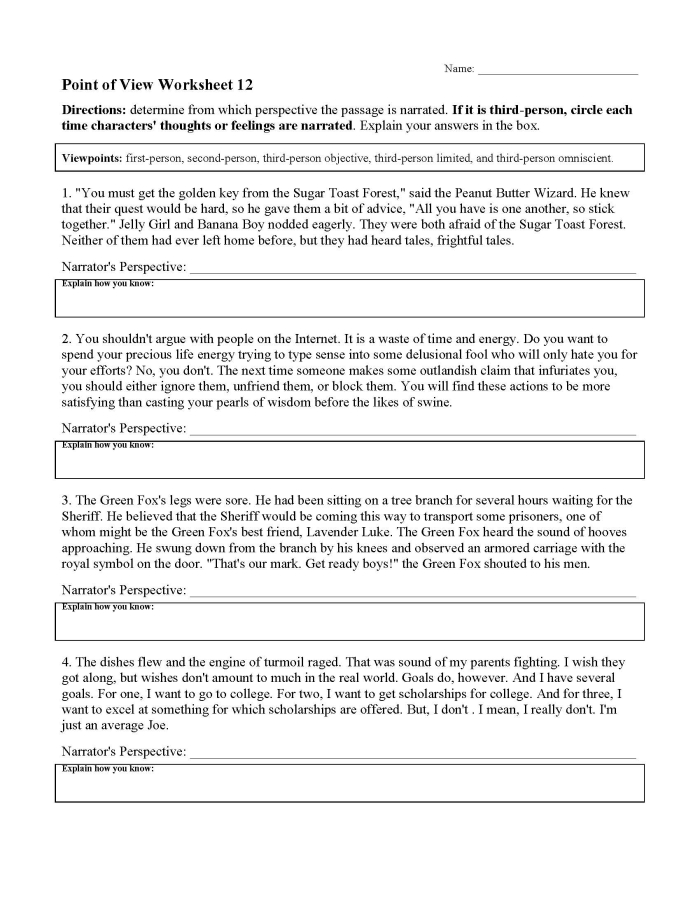
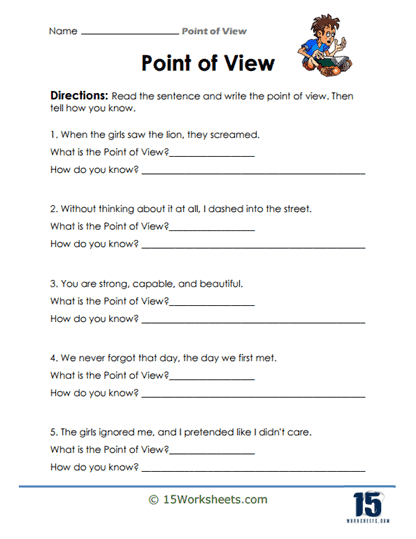
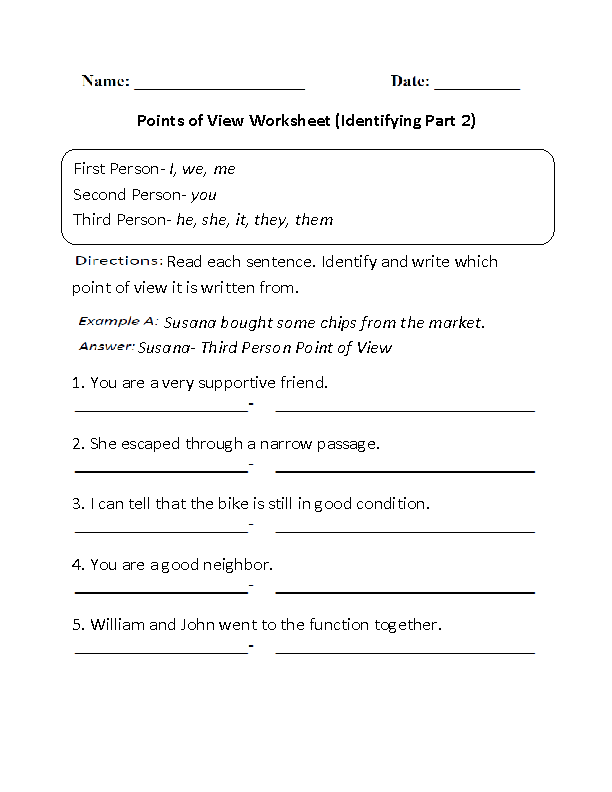
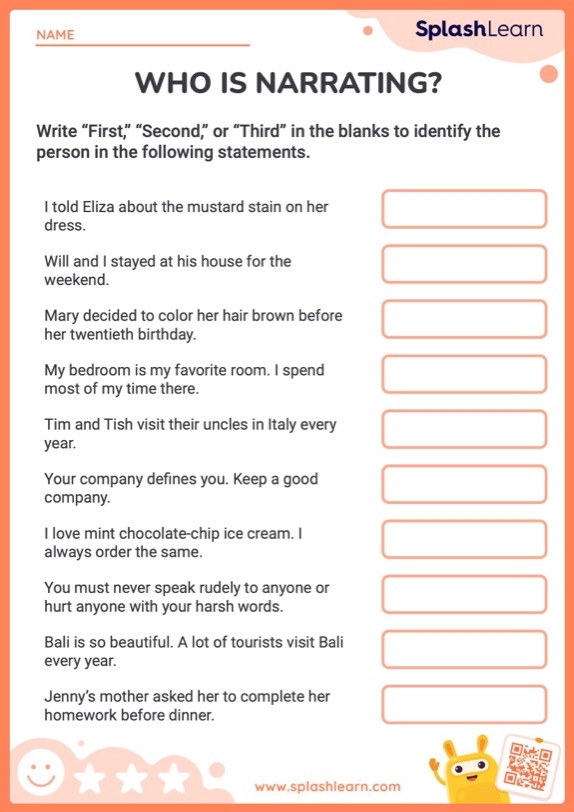
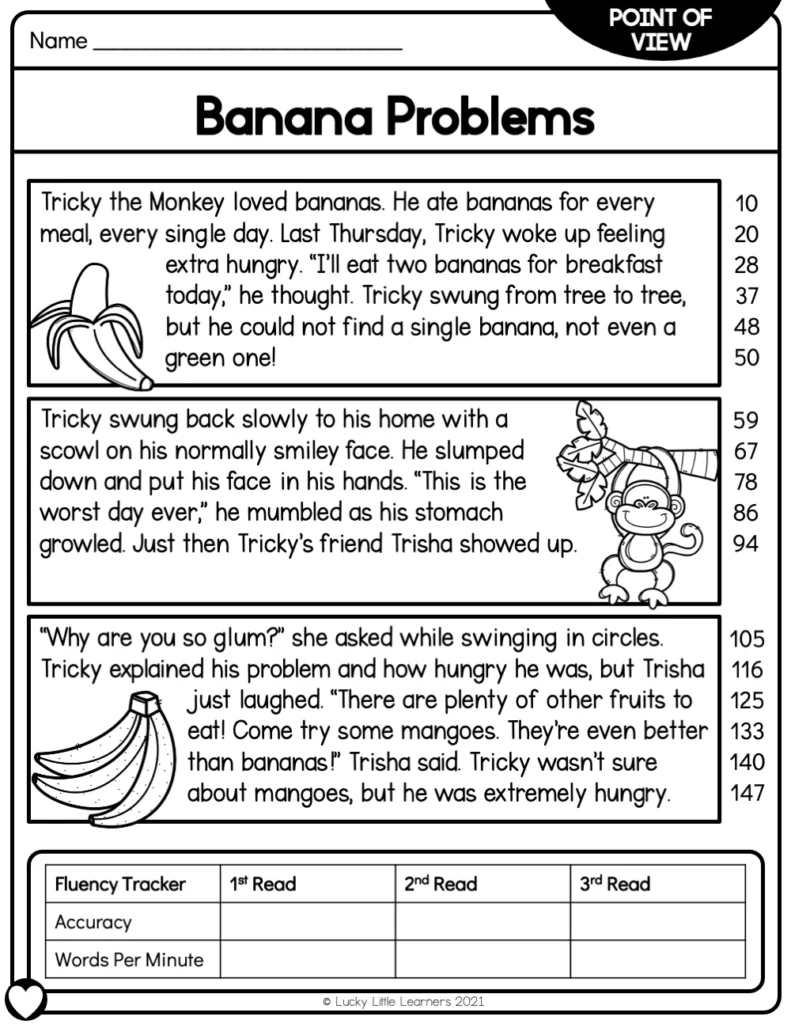
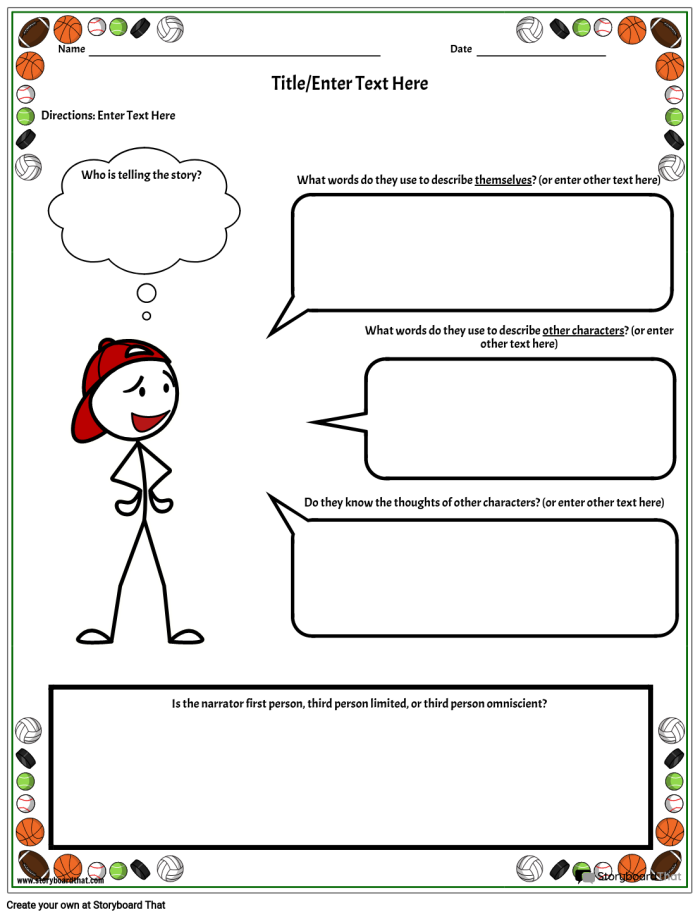
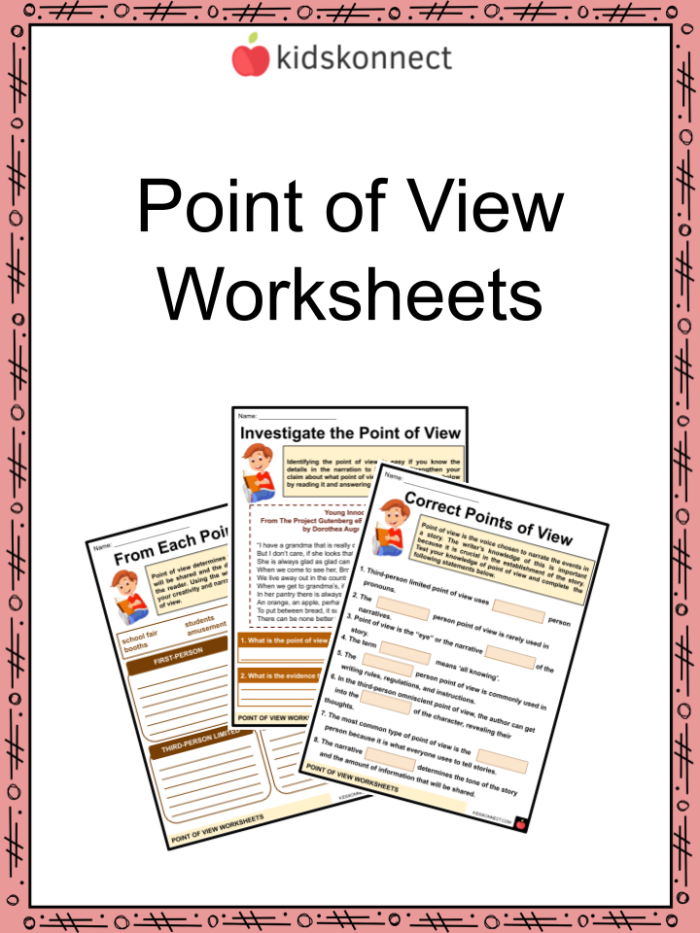
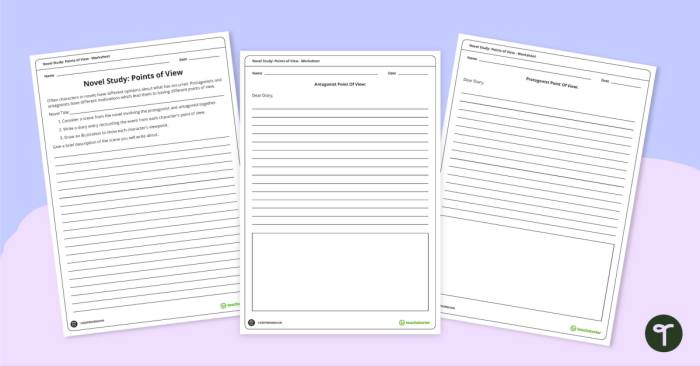
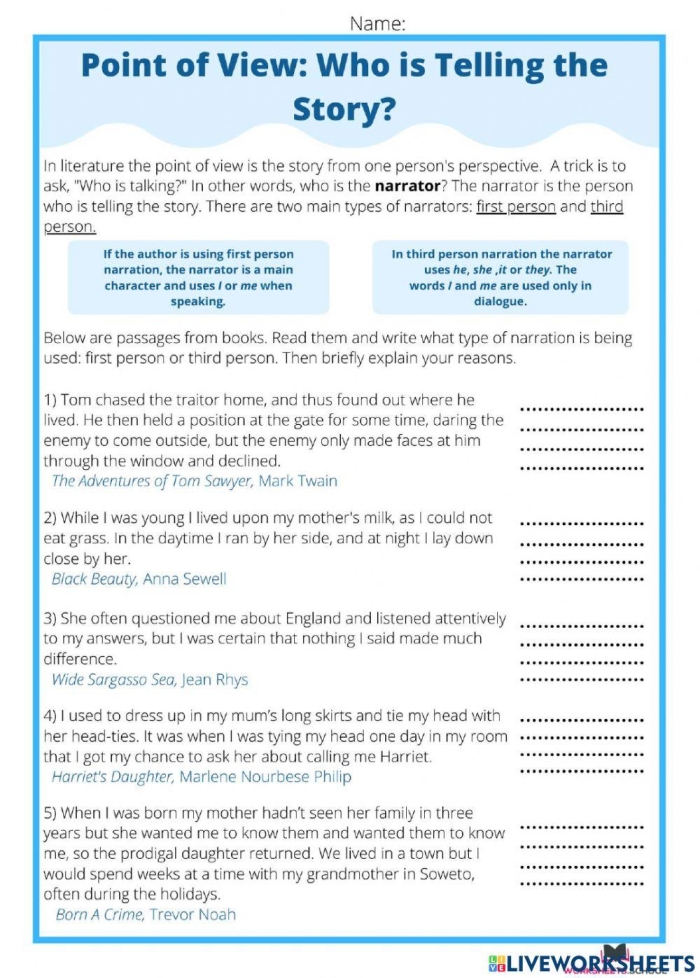
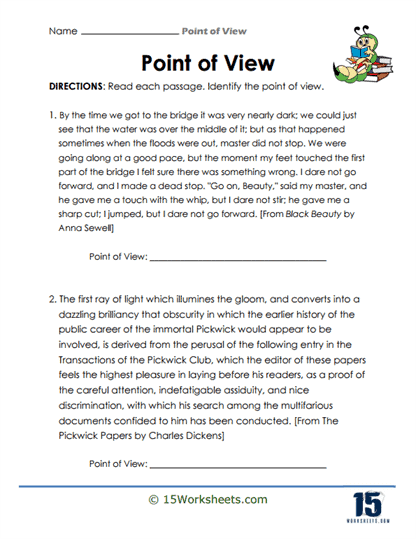
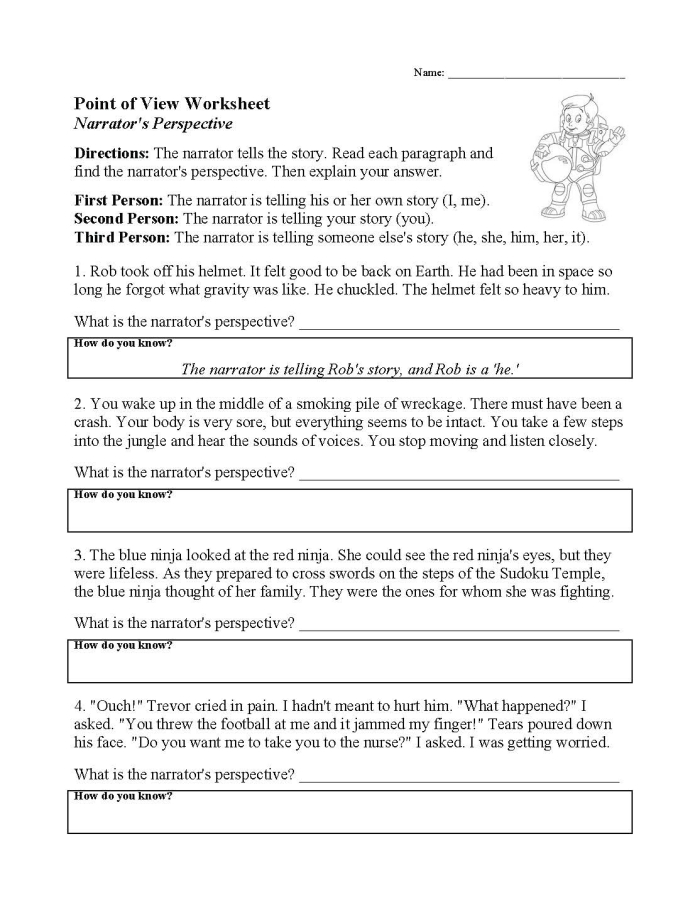
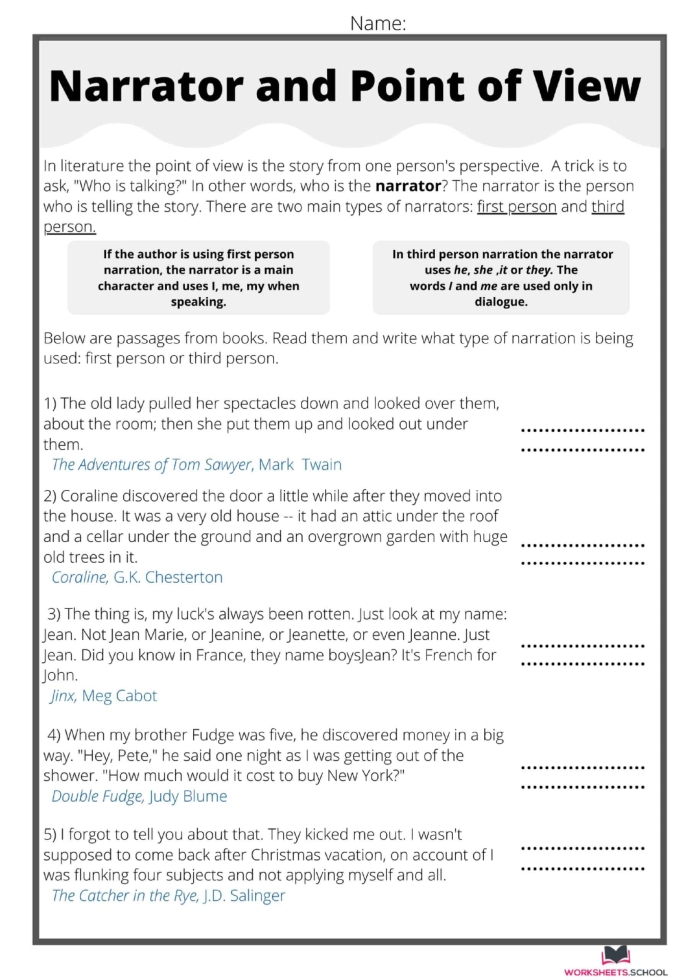
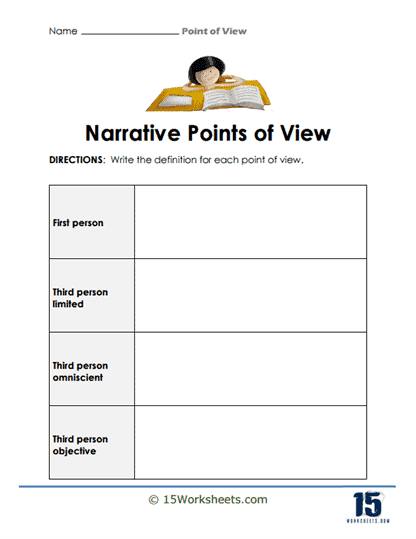
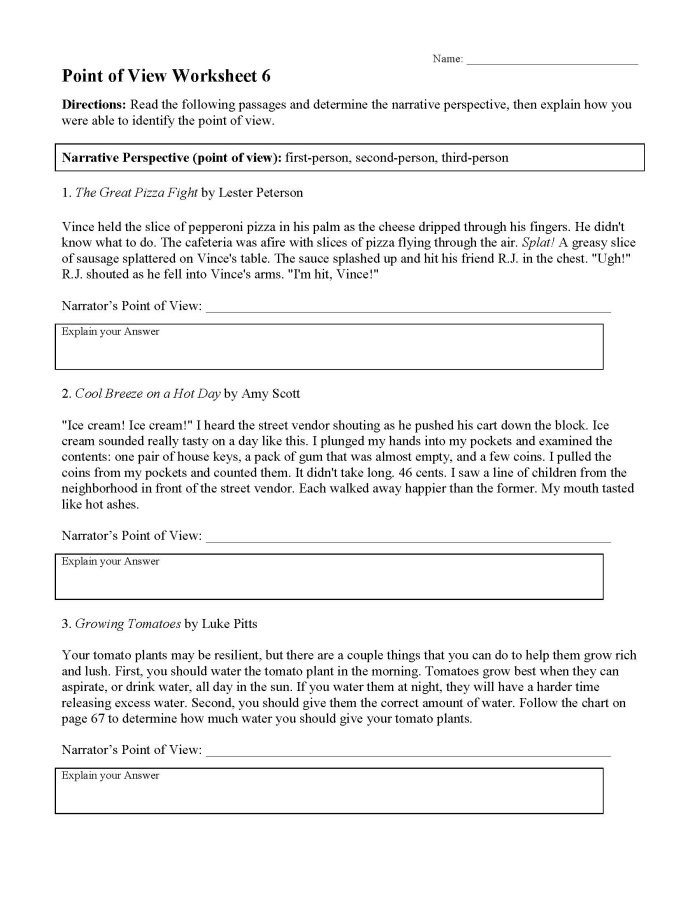
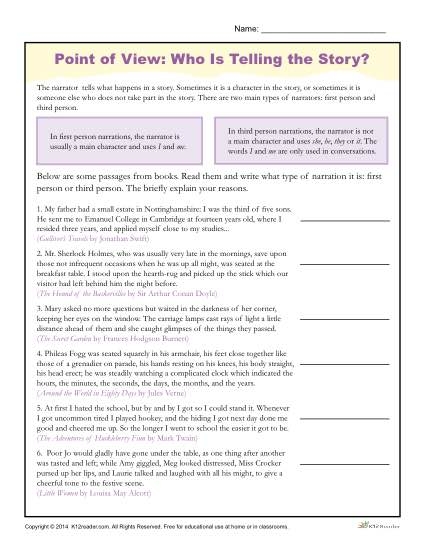
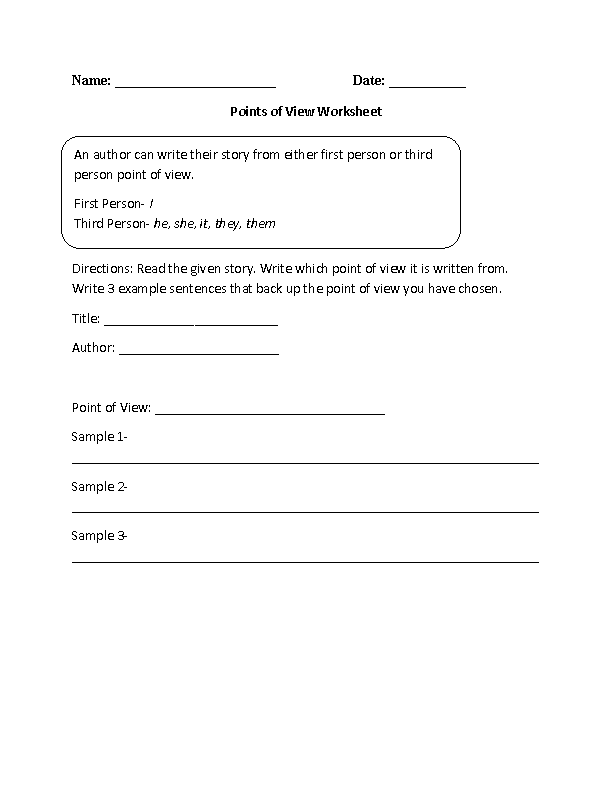
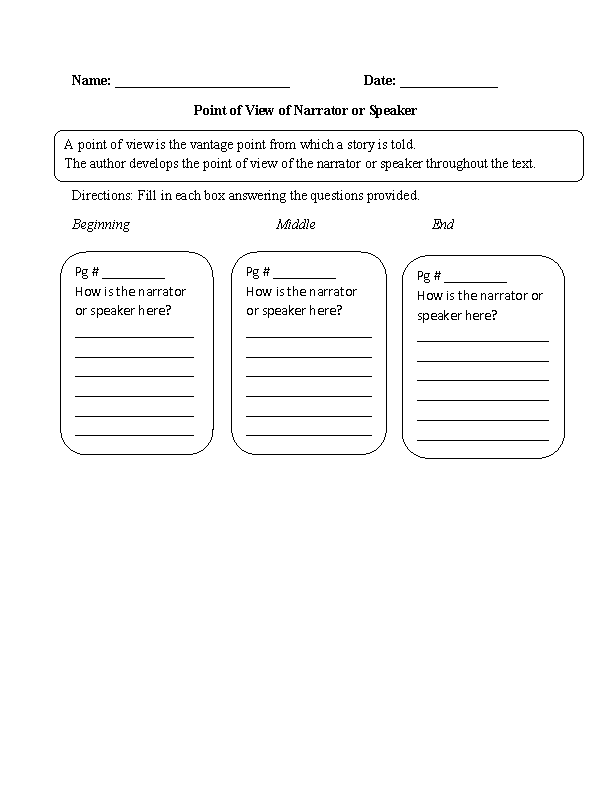
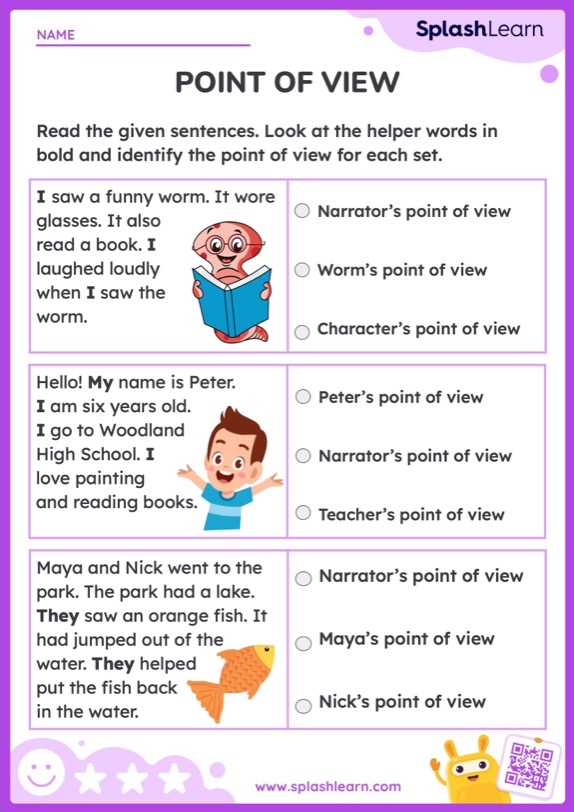
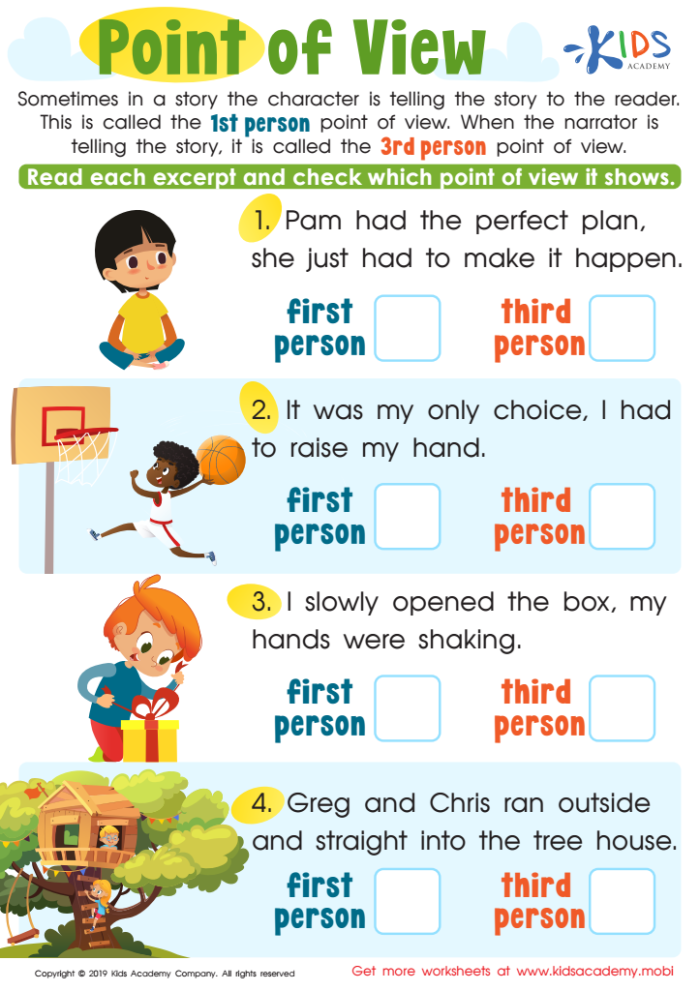
Printable worksheets focusing on characters’ points of view can be a valuable resource in this learning process. These worksheets can prompt students to write down how each character feels and why, fostering a deeper connection to the text. Activities like this allow learners to practice their writing skills while also engaging with multiplication in a fun and practical way. For instance, you can ask them to illustrate how many ways the characters could have turned the situation around, linking it to math problems.
To further enrich this learning experience, consider integrating activities that connect to other subjects. For example, using a telling time worksheet can help students relate the characters’ feelings to time management during the event. Additionally, exploring how the characters’ decisions could have led to different outcomes could lead to discussions about cause and effect, enhancing their analytical skills.
Incorporating various perspectives not only makes reading more enjoyable but also helps students develop critical skills that will benefit them across different subjects. By encouraging second graders to think about characters’ points of view in a structured way, you are laying the groundwork for their future learning.
Start Practicing with These Worksheets