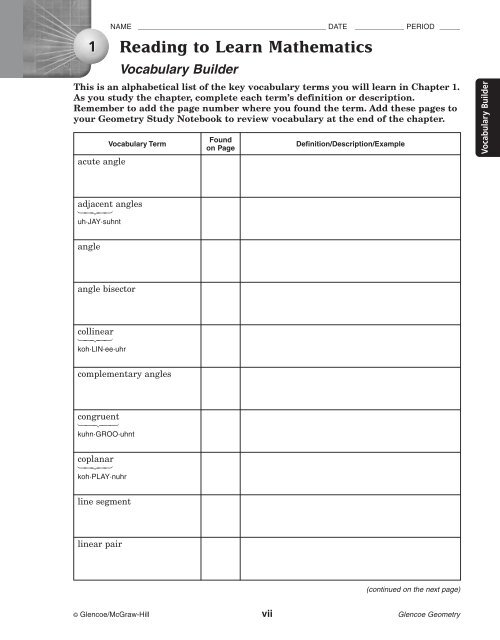
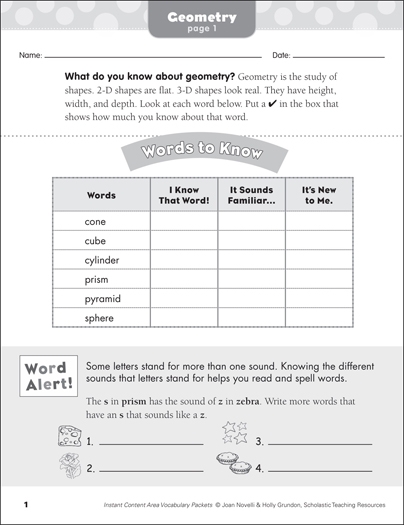
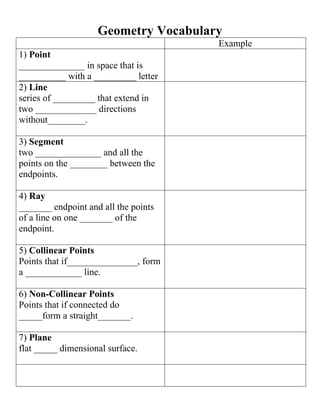
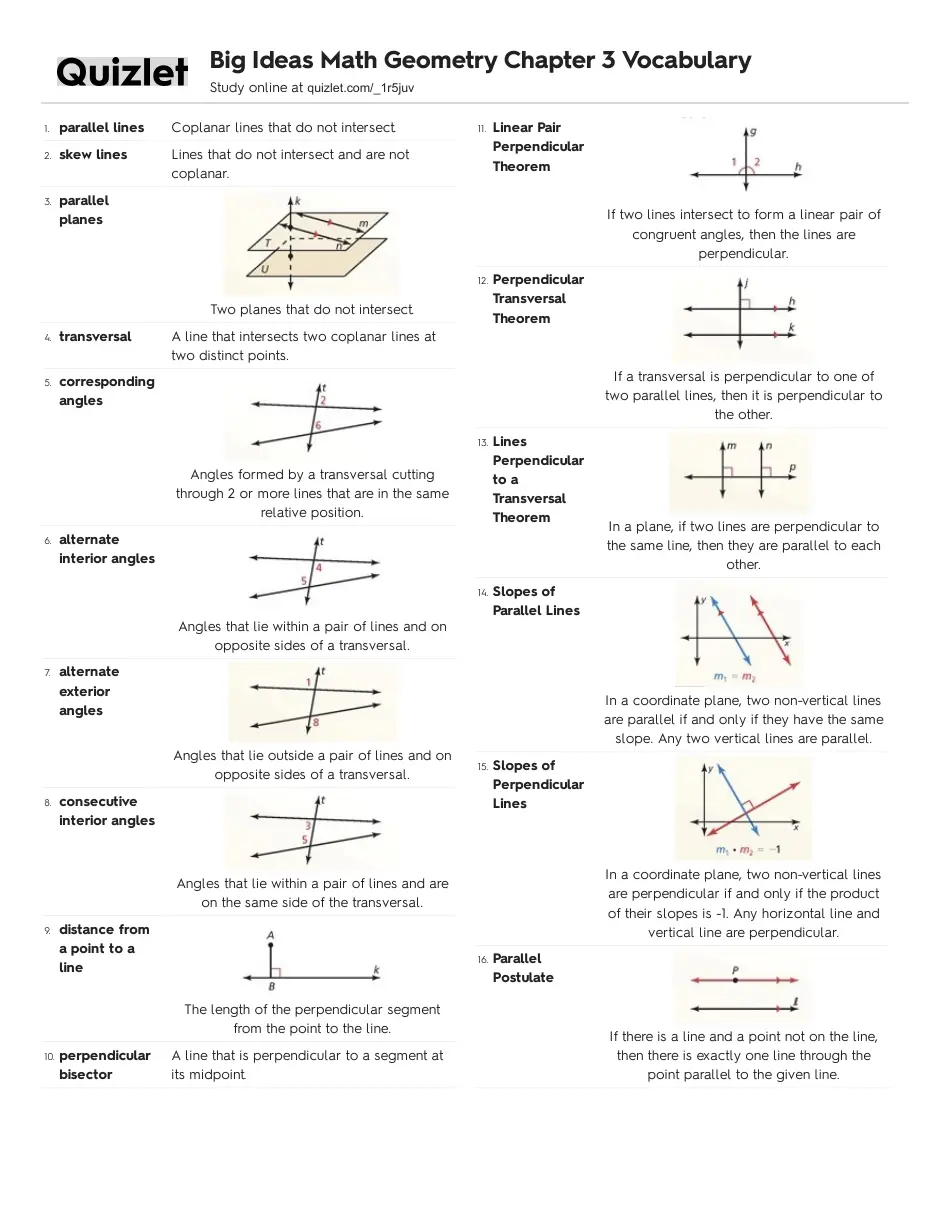
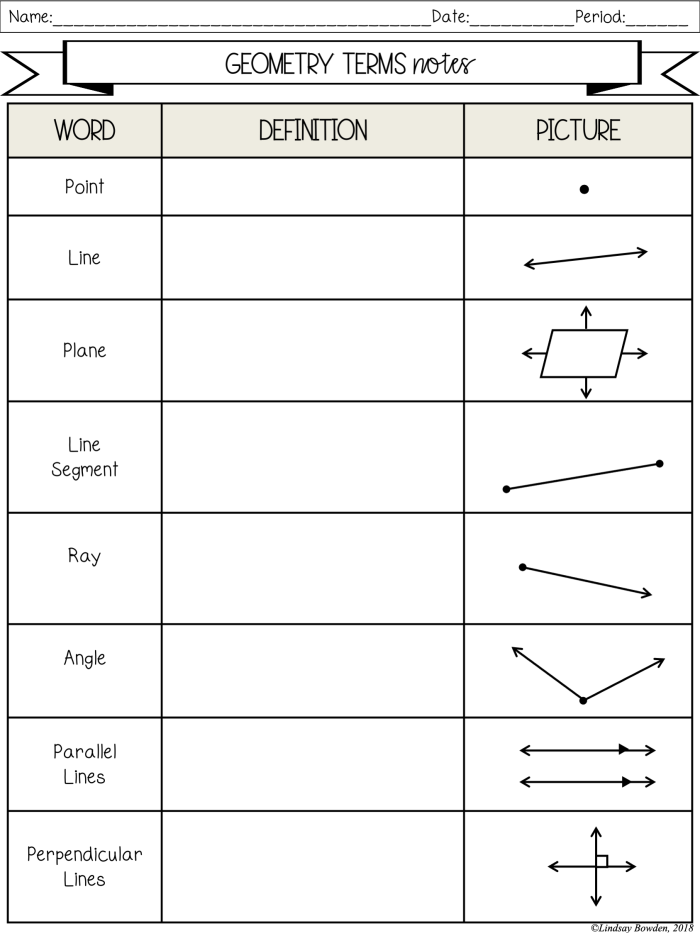
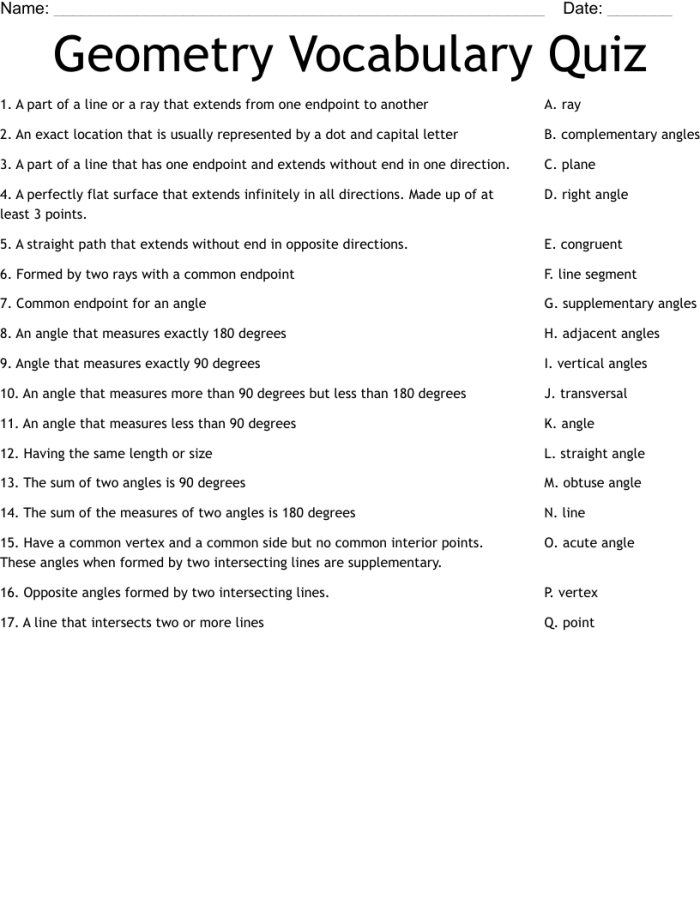
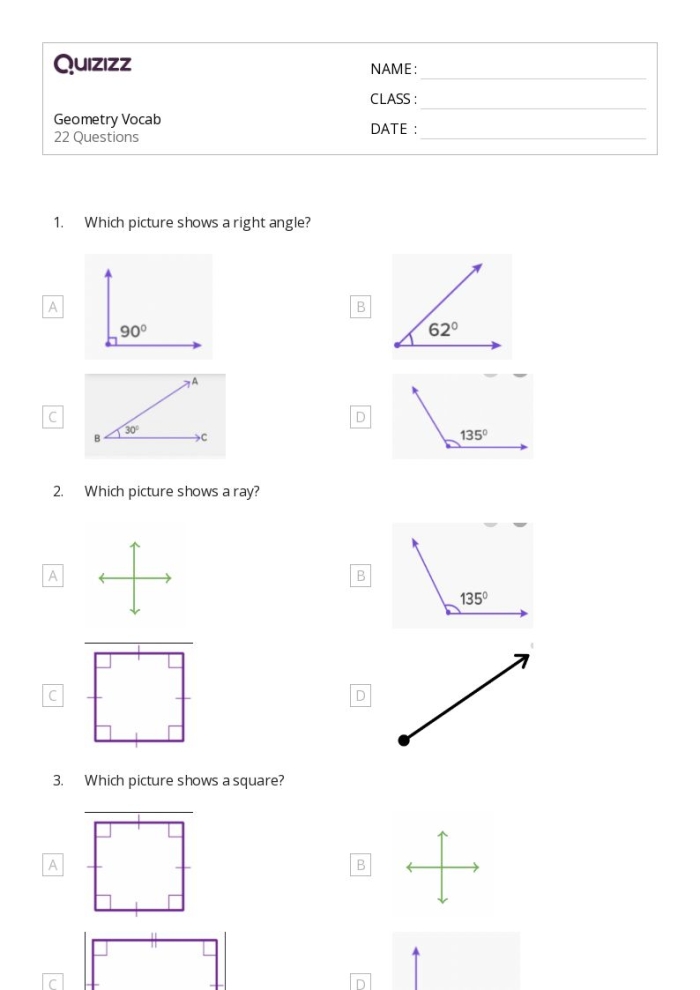
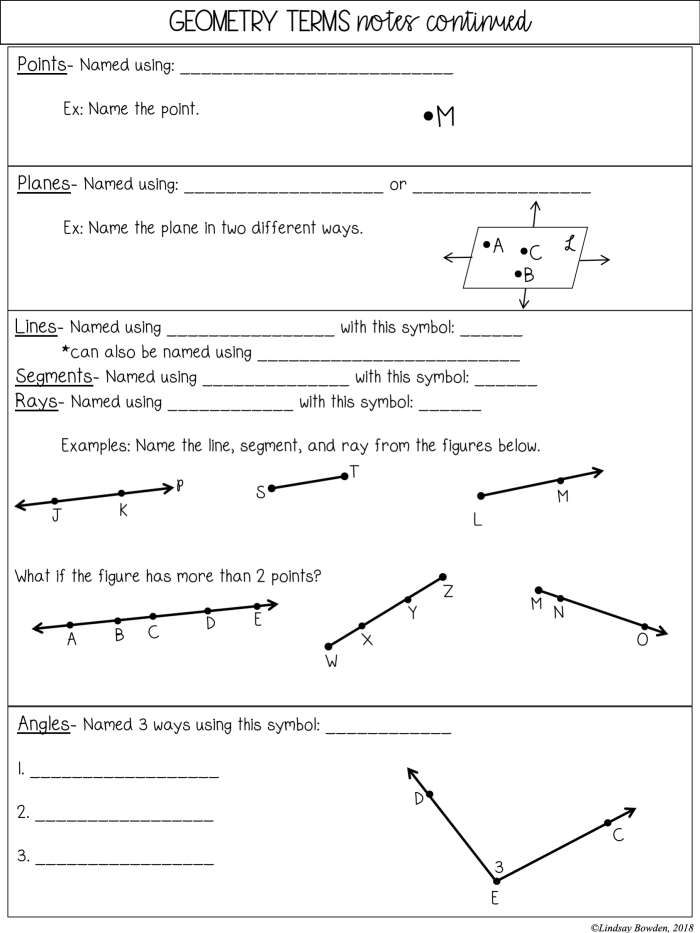
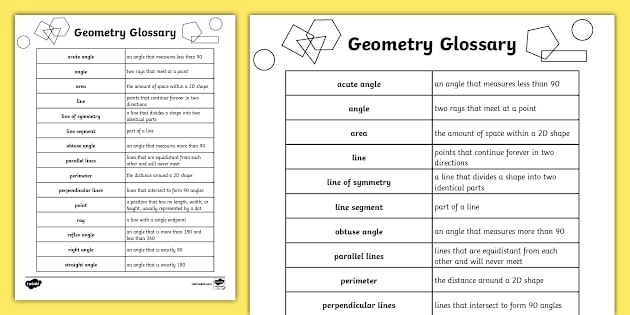
Understanding geometry can be a challenge for many fourth graders, especially when it comes to specialized vocabulary. The Glossary: Geometry Vocabulary: Lines is an essential tool that can transform how students engage with this mathematical field. This resource not only introduces key terms but also helps clarify their meanings, making geometry more accessible and enjoyable.
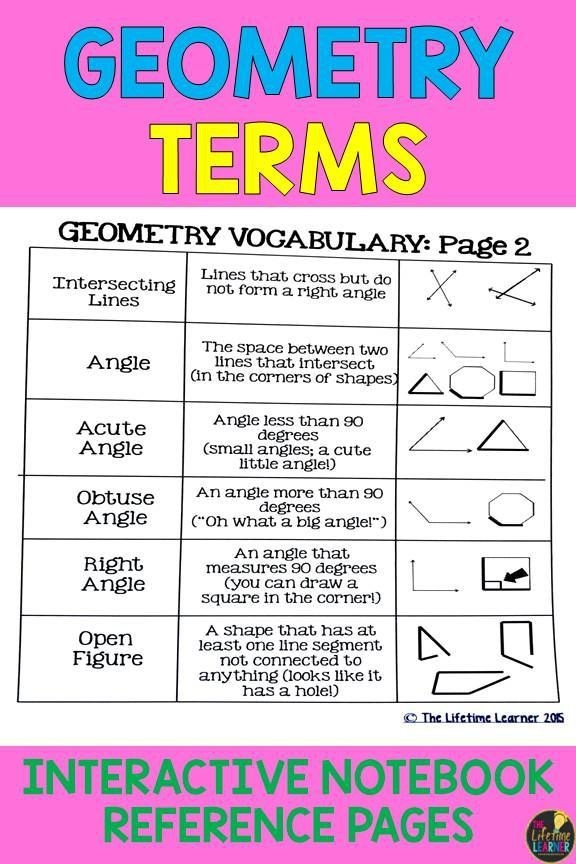
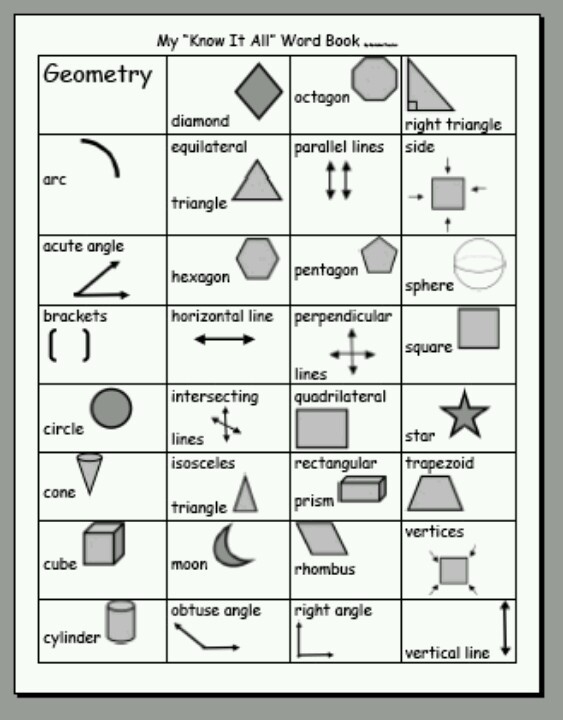
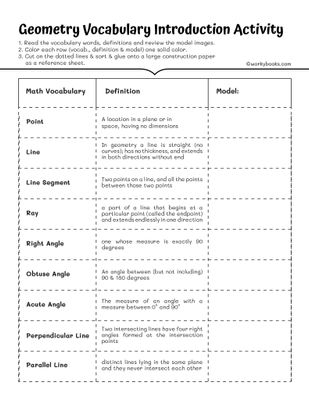
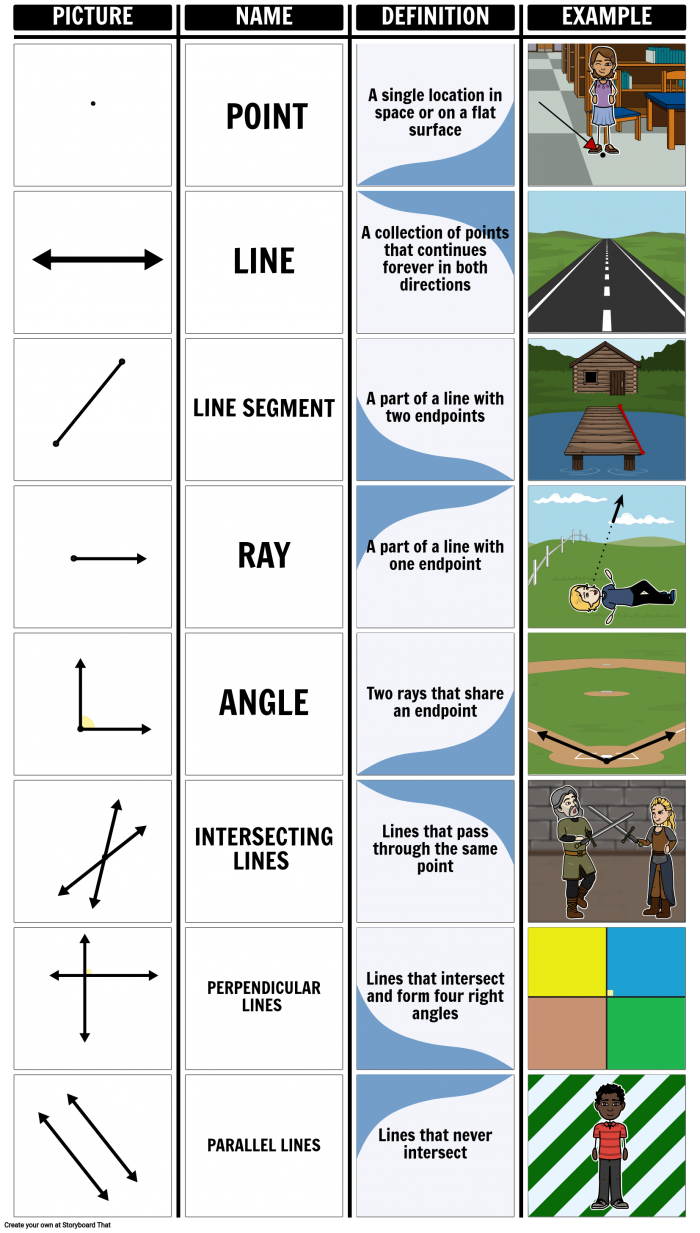
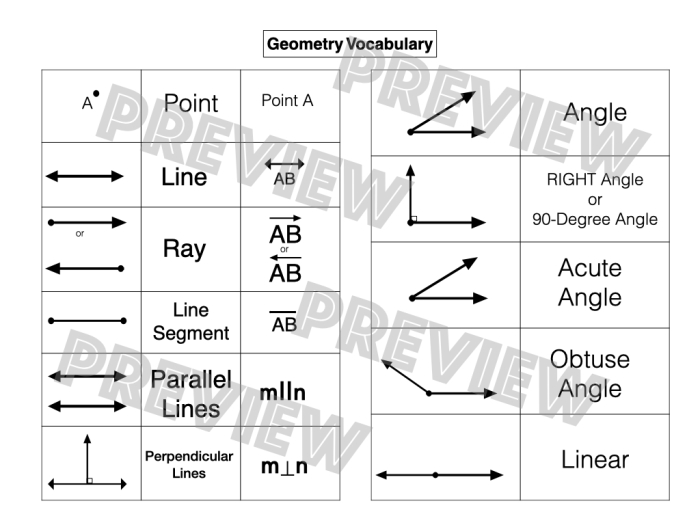
Lines are fundamental elements in geometry, and grasping their characteristics is crucial for young learners. For example, students will learn about different types of lines, such as parallel, perpendicular, and intersecting lines. Each type has unique properties that can be illustrated with simple diagrams. By utilizing the glossary in conjunction with the EL Support Lesson, students can easily reference definitions and examples while working on their geometry assignments.
One practical use of this glossary is in classroom projects. Let’s say students are tasked with creating a poster that visually represents different types of lines. With the glossary, they can quickly find and understand the terminology needed for their project. This not only reinforces their learning but also enhances their ability to communicate geometric concepts effectively.
Additionally, the glossary supports various learning styles by offering clear definitions and relatable examples. For instance, while teaching about parallel lines, the glossary might include a visual aid showing train tracks as a familiar representation. This connection to real-life scenarios can help solidify students’ understanding of the term.
As students navigate through the intricacies of geometry, having a reliable reference like the Glossary: Geometry Vocabulary: Lines becomes invaluable. It empowers them to approach their studies with confidence and curiosity. The integration of this glossary not only aids in their immediate learning but also lays a strong foundation for future mathematical concepts.
Download These Worksheets for Practice