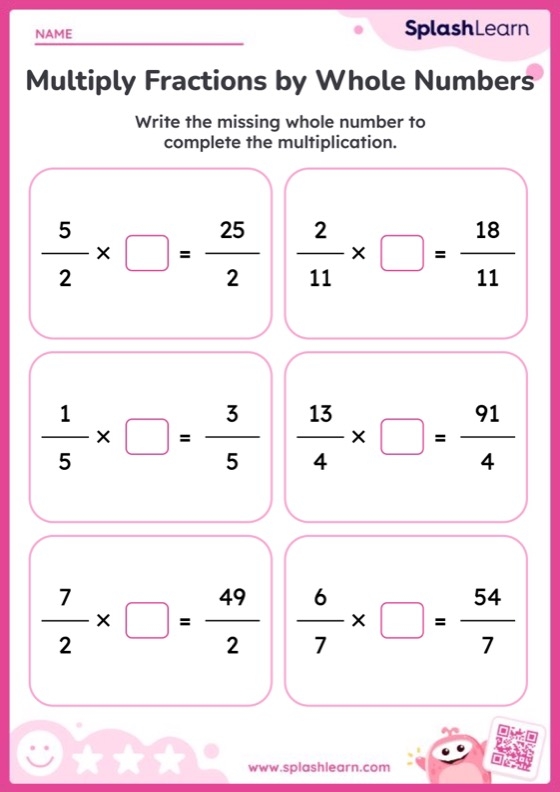
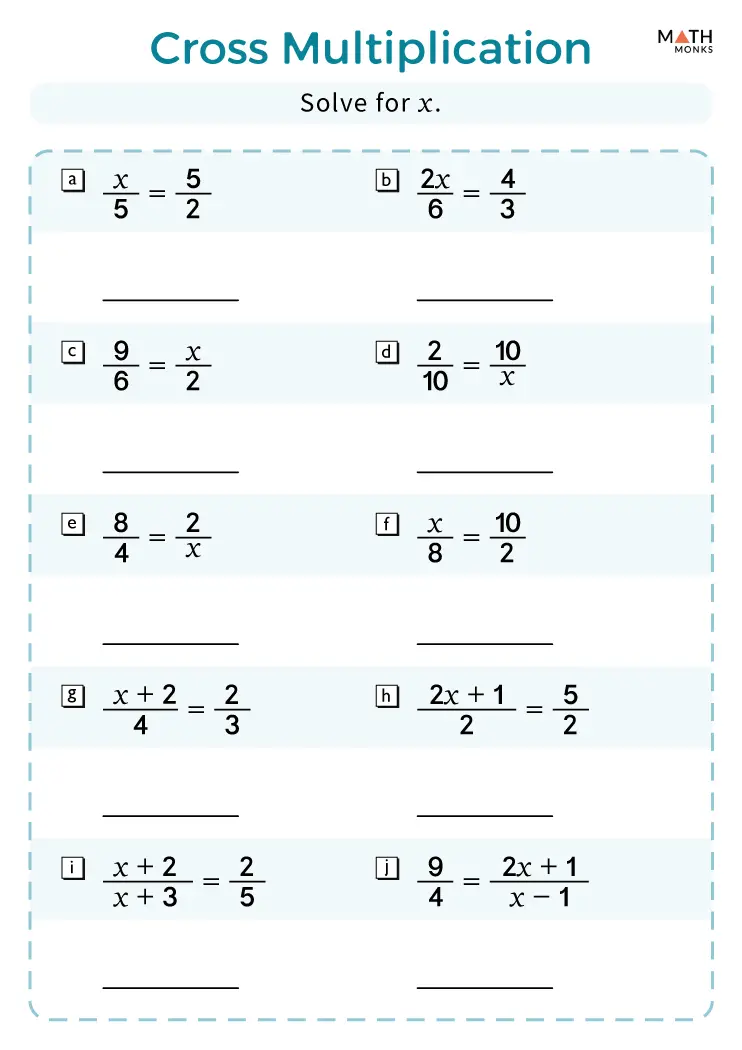
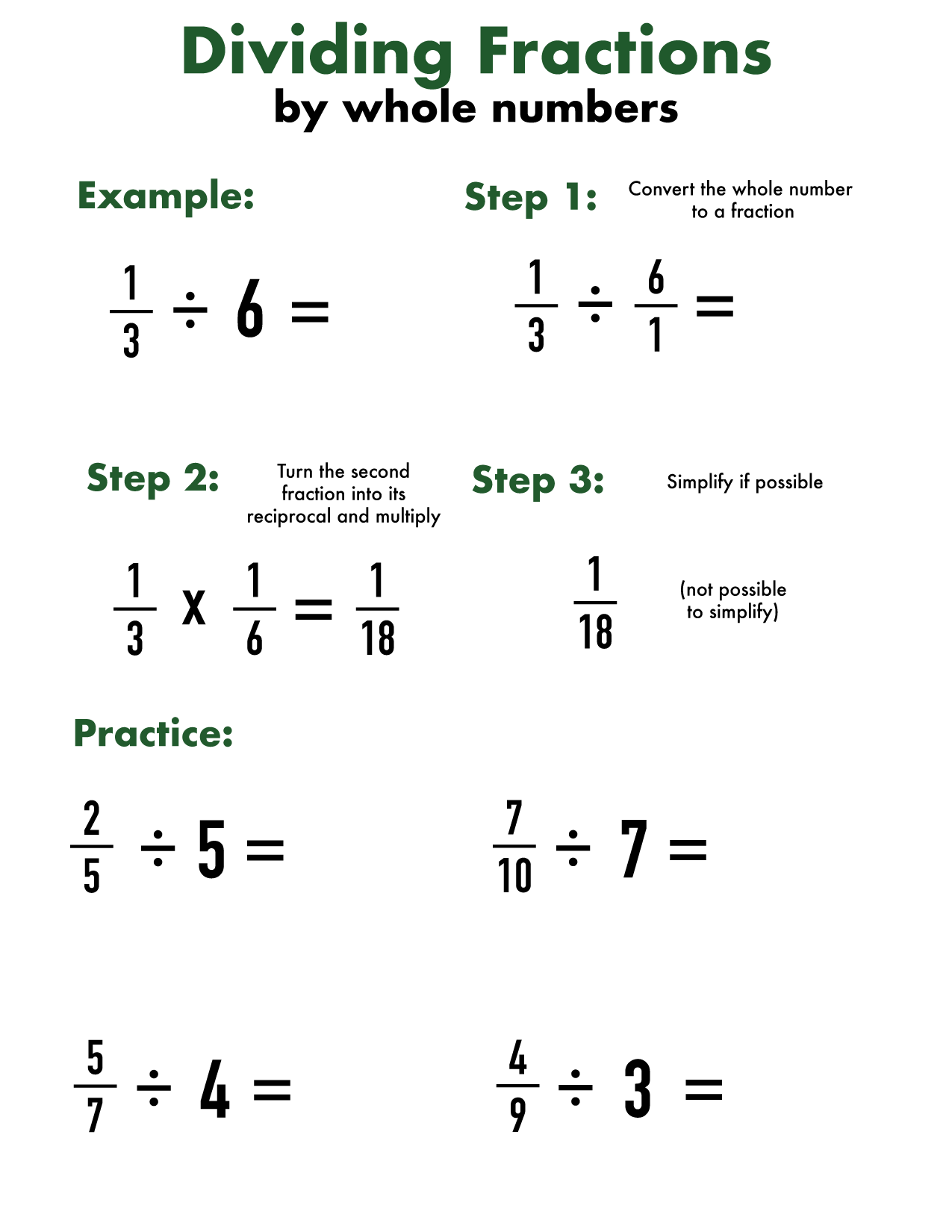
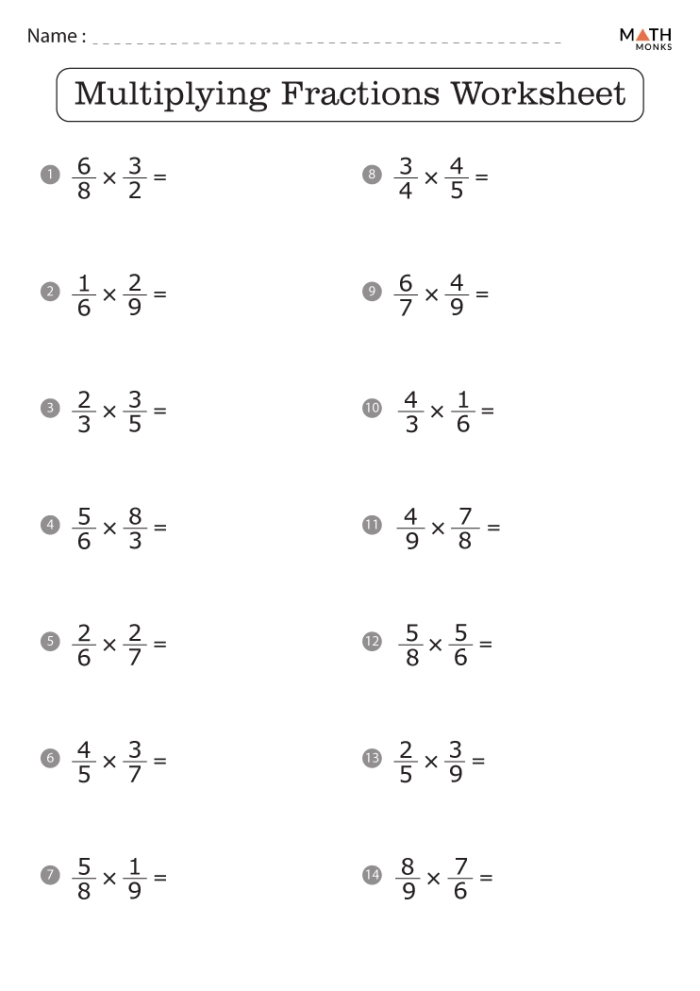
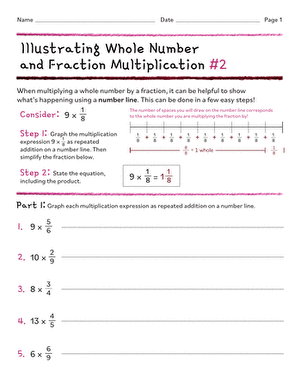
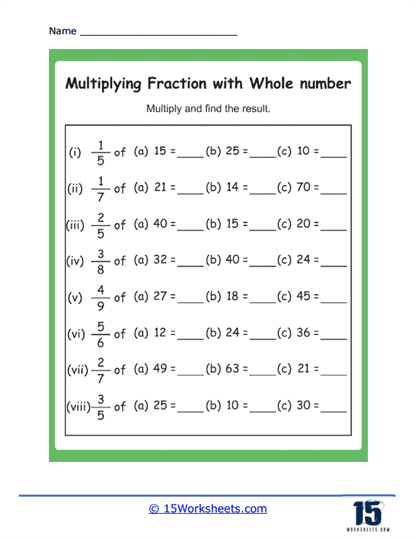
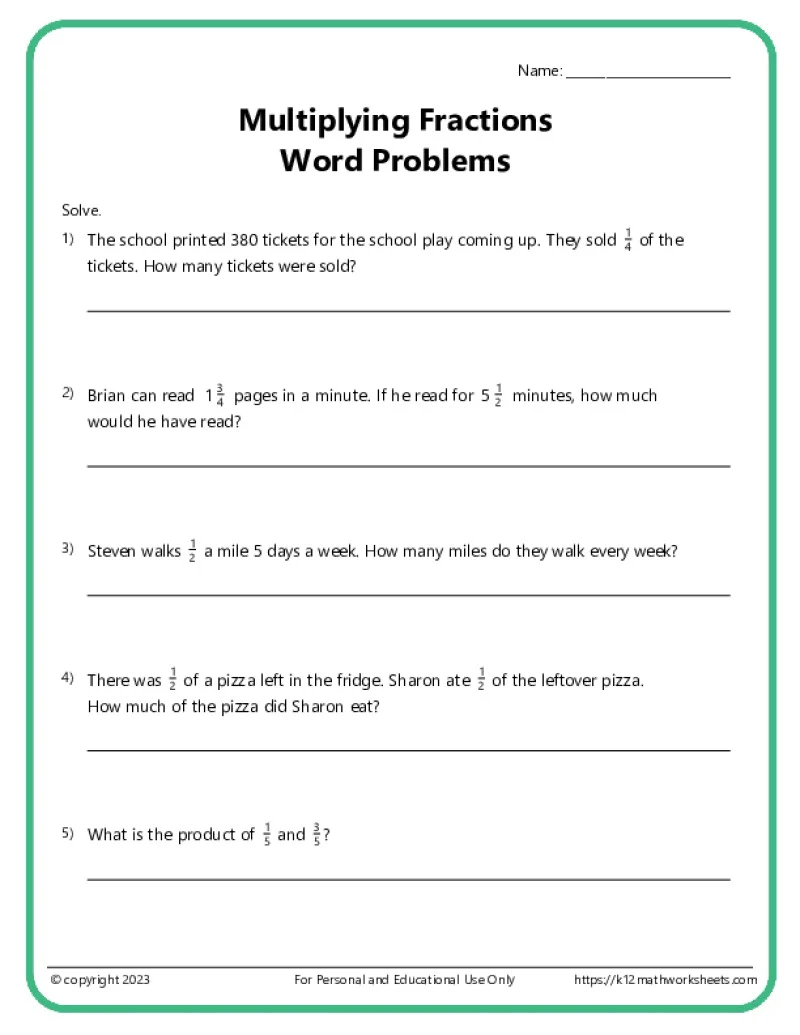
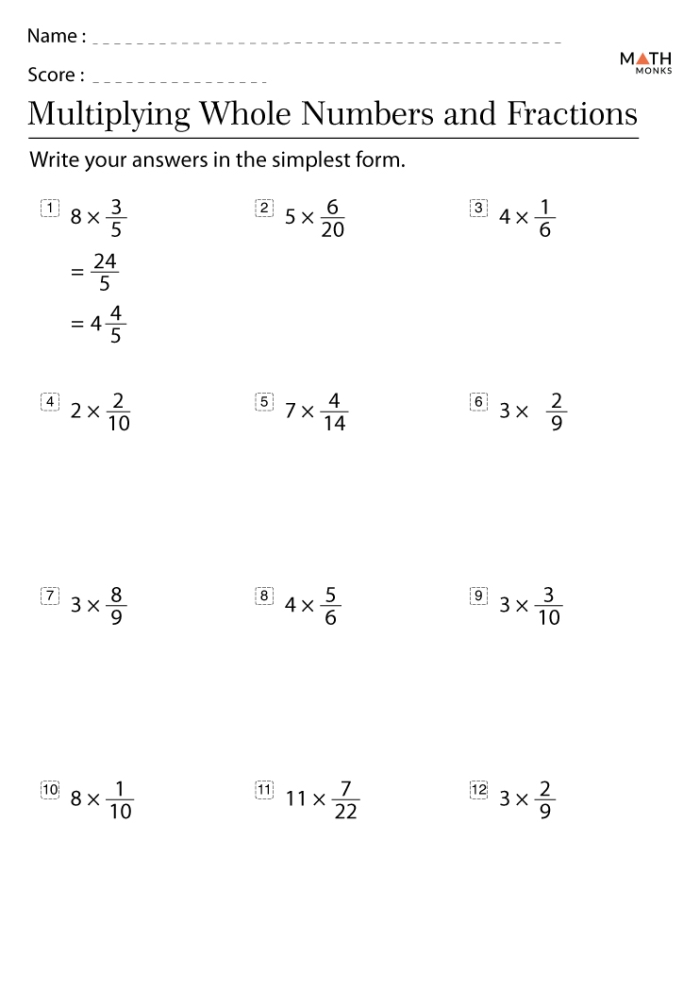
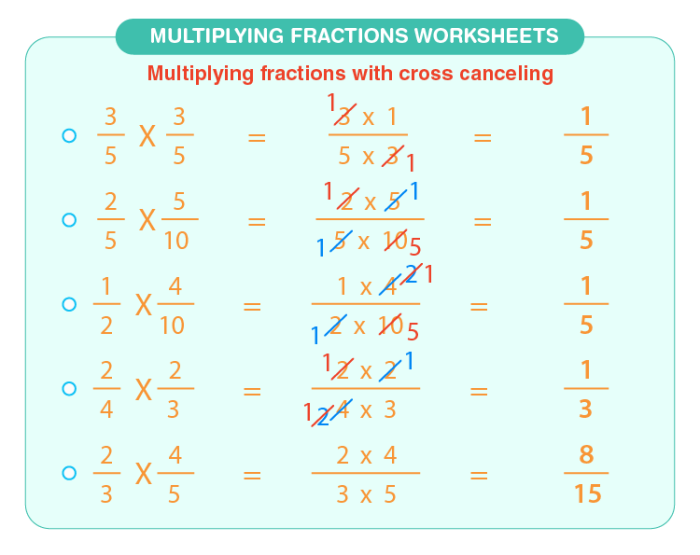
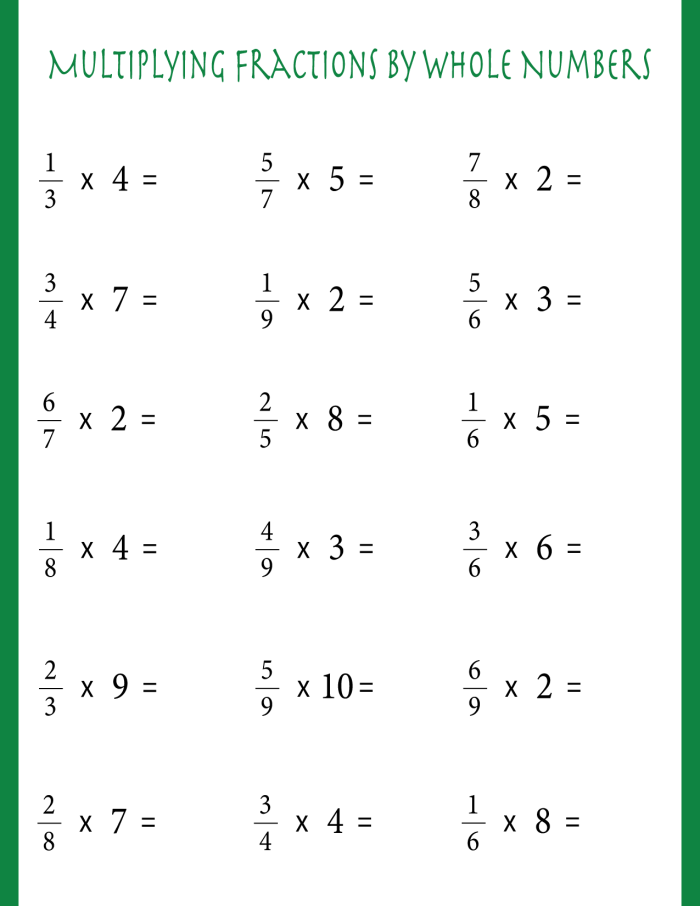
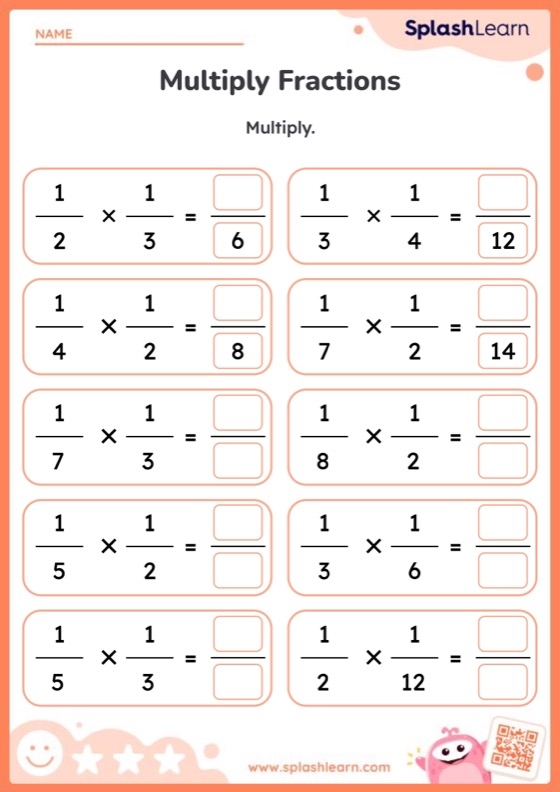
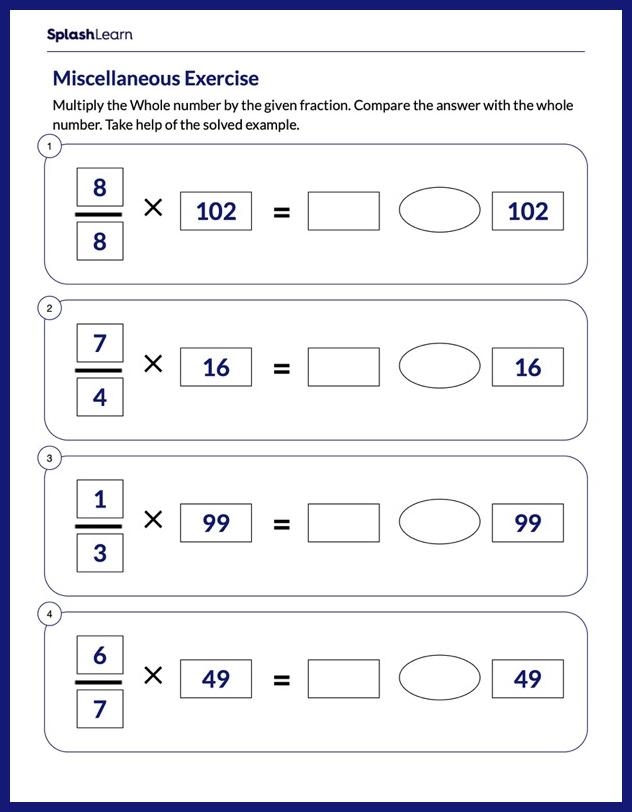
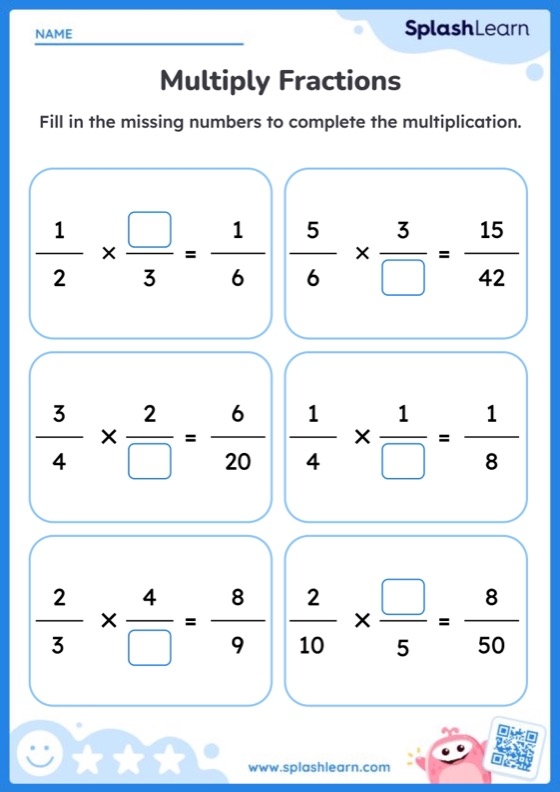
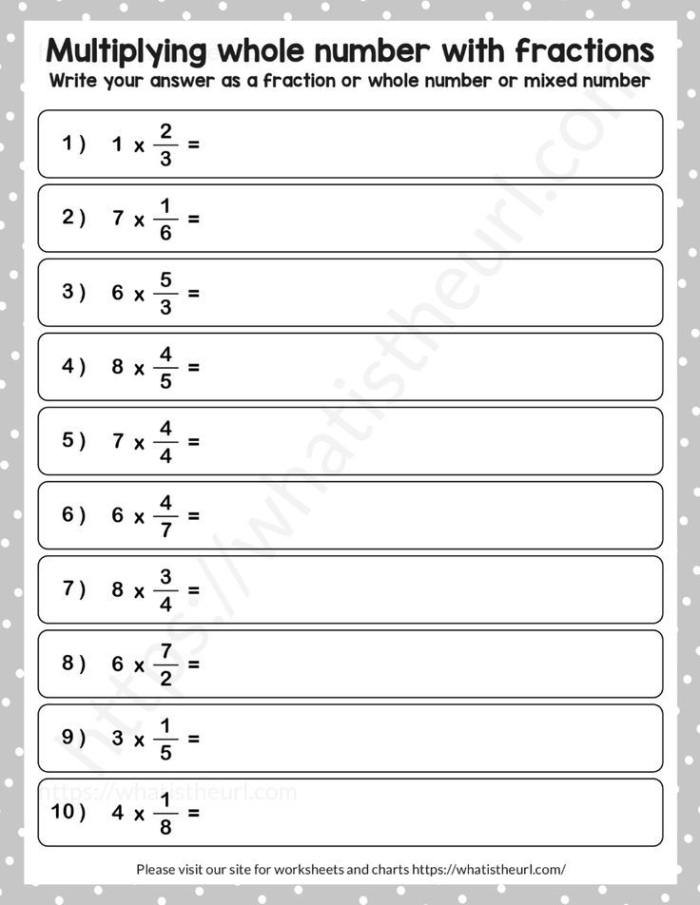
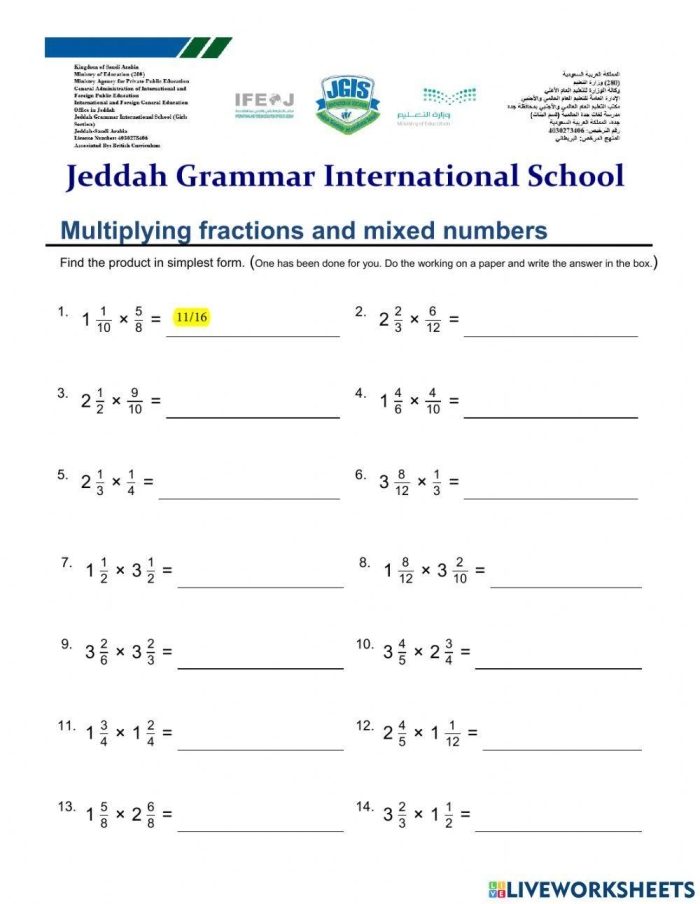
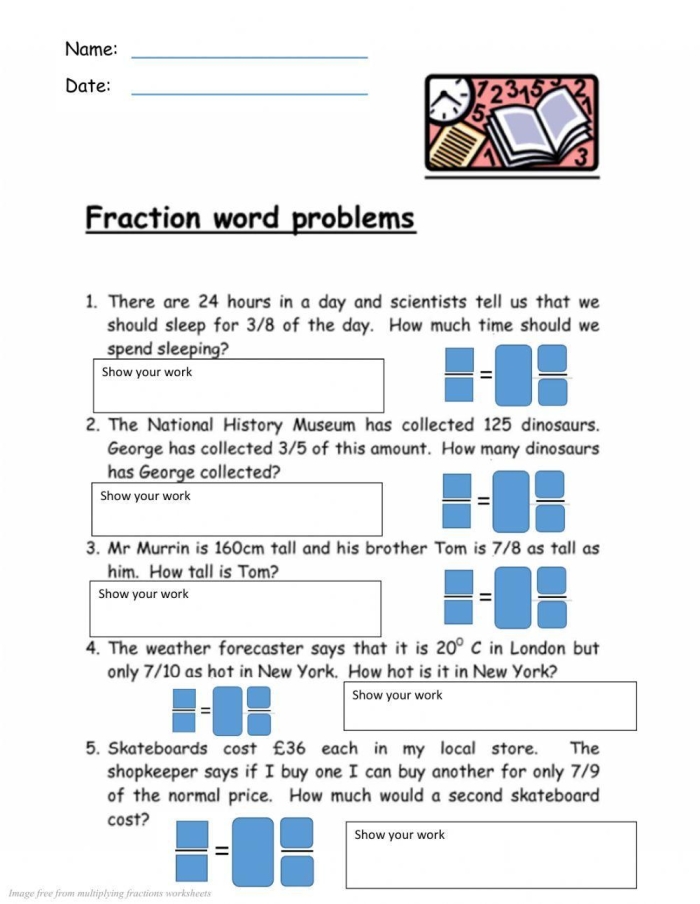
Fractions become especially meaningful when you want to identify a smaller group within a larger one. This concept often challenges fifth grade students, but teaching them to find a fraction of a whole number through multiplication makes the process clearer and more practical. Instead of seeing fractions as isolated parts, students can understand them as multiplication problems, which fits naturally into their growing grasp of arithmetic.
For example, if a class of 30 students has one-third who prefer reading over sports, you can find that number by multiplying 30 by the fraction 1/3. Multiplication turns the fraction into a tool to calculate how many individuals belong to that subgroup. The calculation looks like this: 30 × 1/3 = 10. This means 10 students enjoy reading. This method is more straightforward than dividing and helps reinforce the connection between fractions and multiplication.
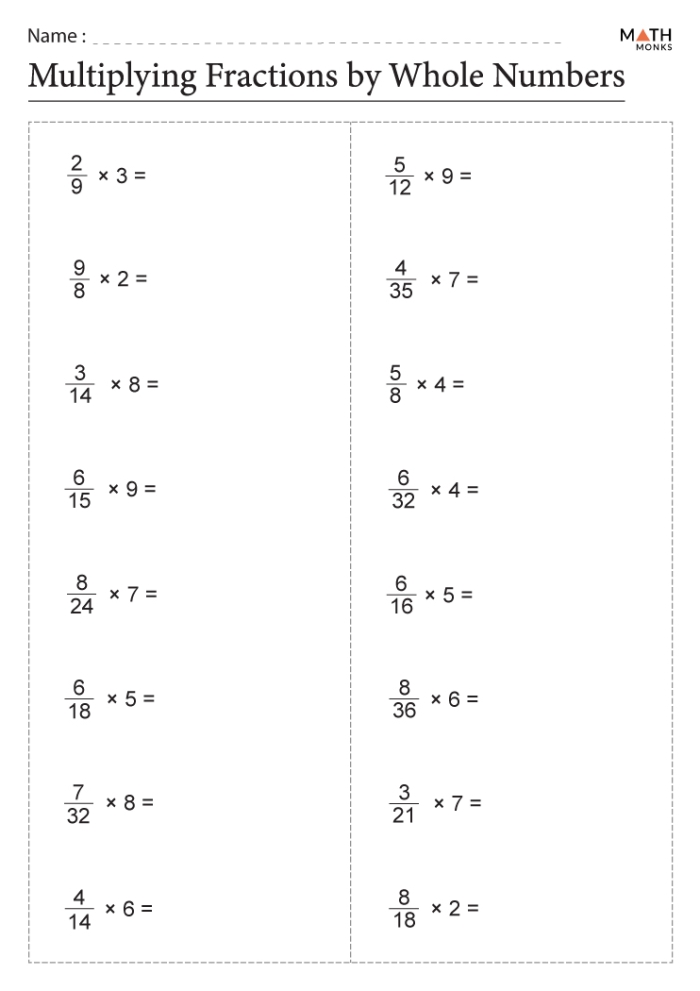
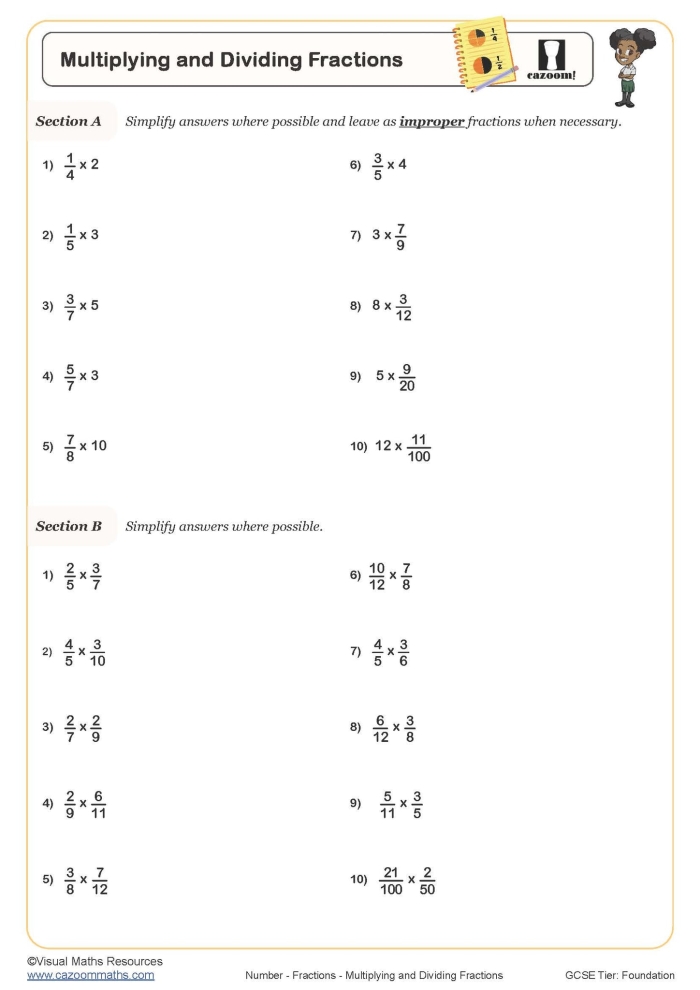
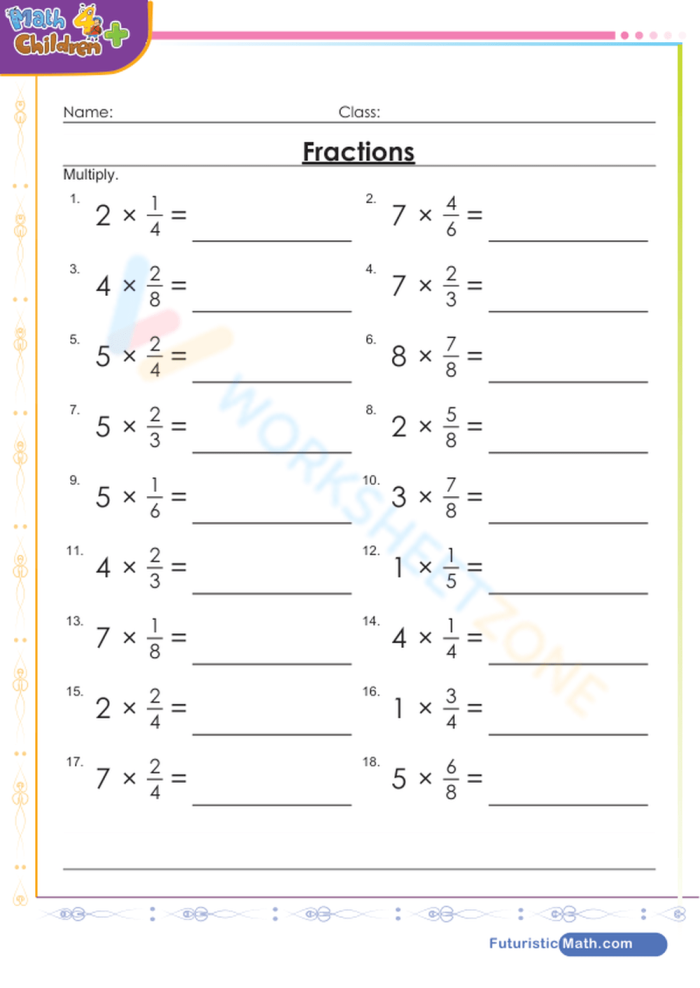
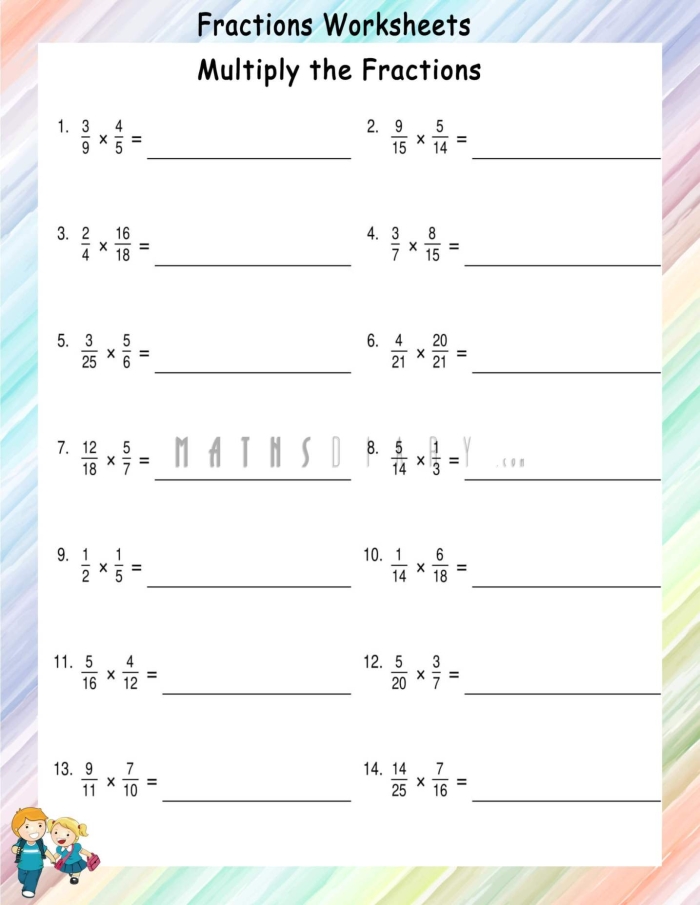
Using multiplication to find fractions of whole numbers also improves students’ number sense and prepares them for more complex math topics like ratios and percentages. When students practice with printable multiplication: fraction of a whole worksheets, they get to apply these ideas repeatedly in different contexts, which solidifies their understanding. Such worksheets often include real-life scenarios, like dividing quantities or parts of shapes, making learning more relatable.
In the category of Data and Graphing, these skills are especially valuable. Understanding fractions as groups within groups supports analyzing parts of data sets or interpreting segments of charts. For instance, knowing that 2/5 of a survey group prefers a certain option can be quickly converted into numbers by multiplying the total number of respondents by 2/5. This approach links numerical reasoning with practical data analysis, a key part of fifth grade math standards.
Teachers looking for effective resources might also explore exercises related to coordinate planes or geometry, which often intersect with fraction concepts. Websites offering targeted fifth grade materials, like those including homophone hero geometry or heart anatomy fractions, provide a diverse range of practice opportunities. These resources reinforce multiplication as a foundation for working with fractions and understanding proportions within different mathematical contexts.
Hands-On Worksheet Activities