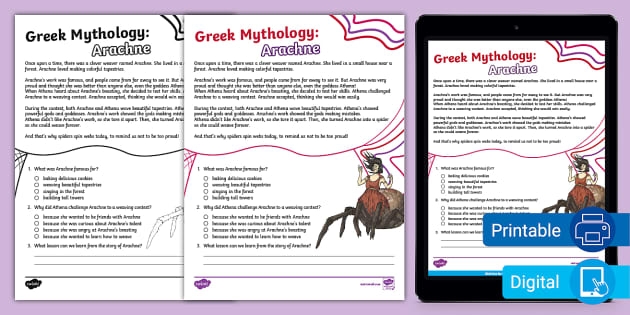
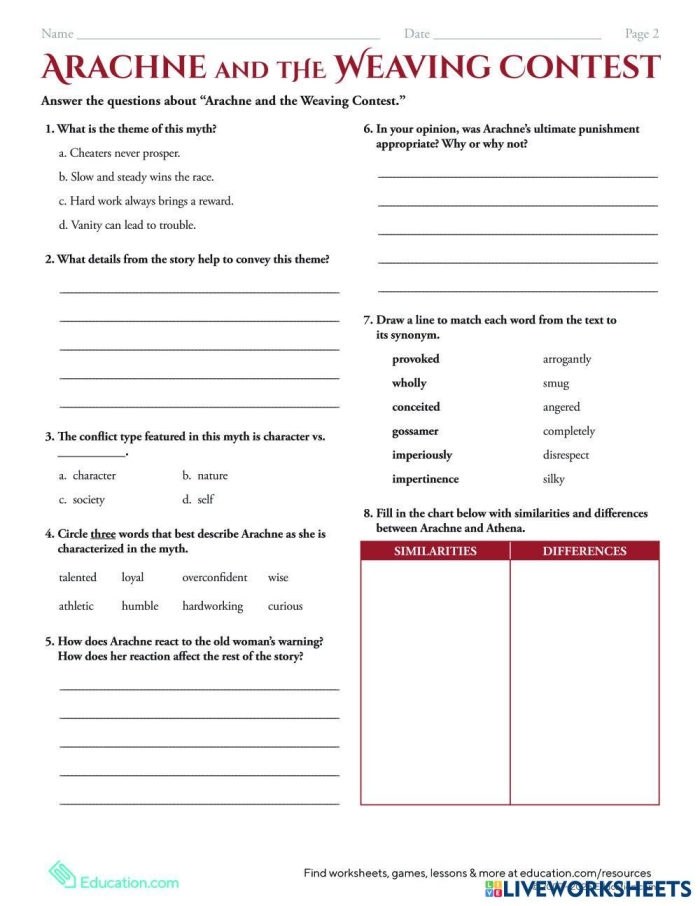
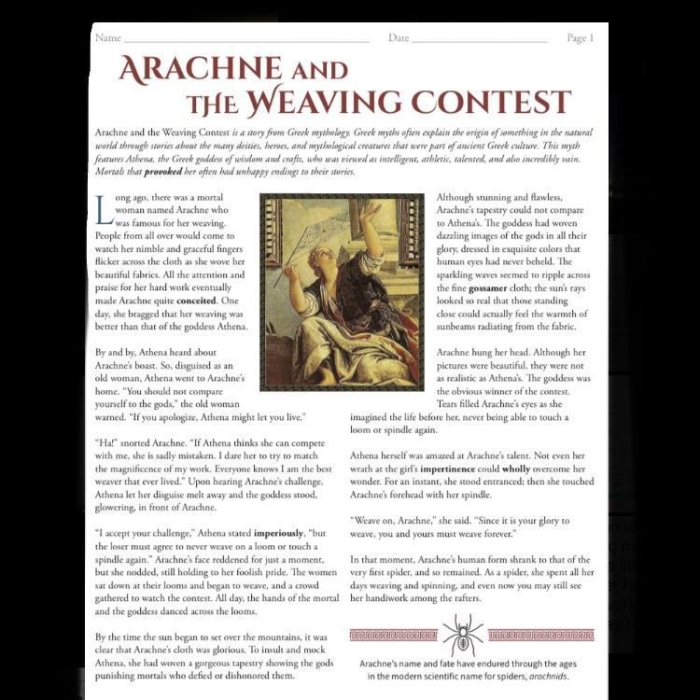
Greek mythology offers some of the most compelling stories for middle school readers, and the tale of Arachne stands out as a particularly engaging choice. This two-page reading comprehension worksheet brings the classic myth to life for seventh grade and eighth-grade learners, offering a structured way to explore themes of pride, talent, and divine consequence.
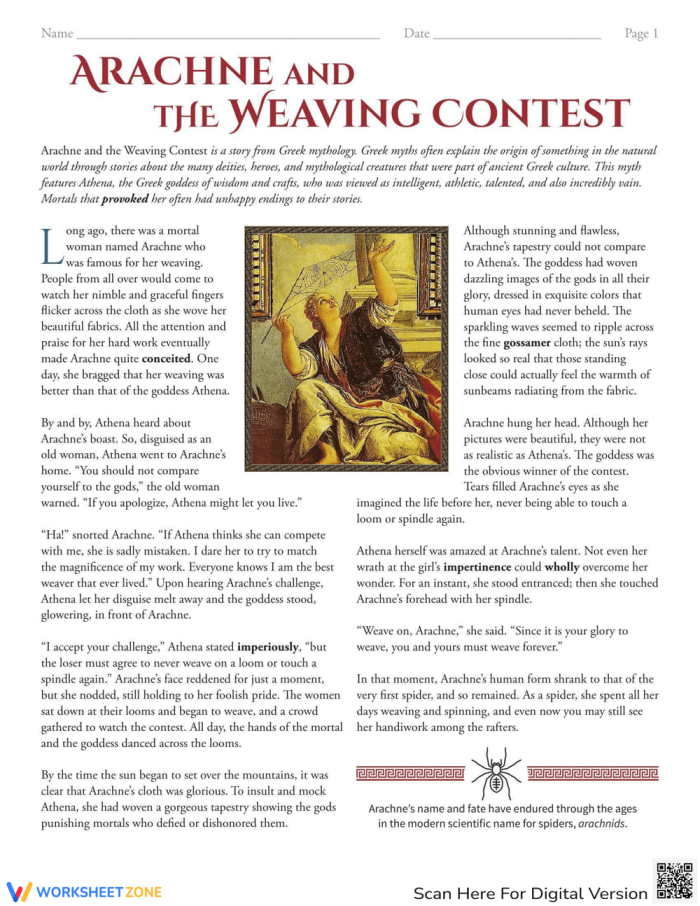
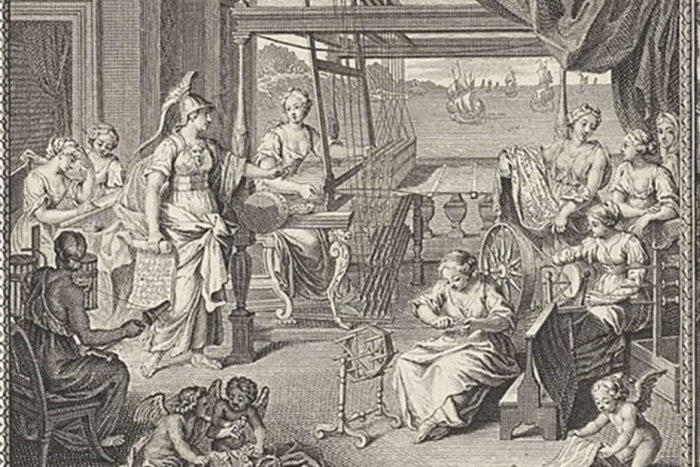
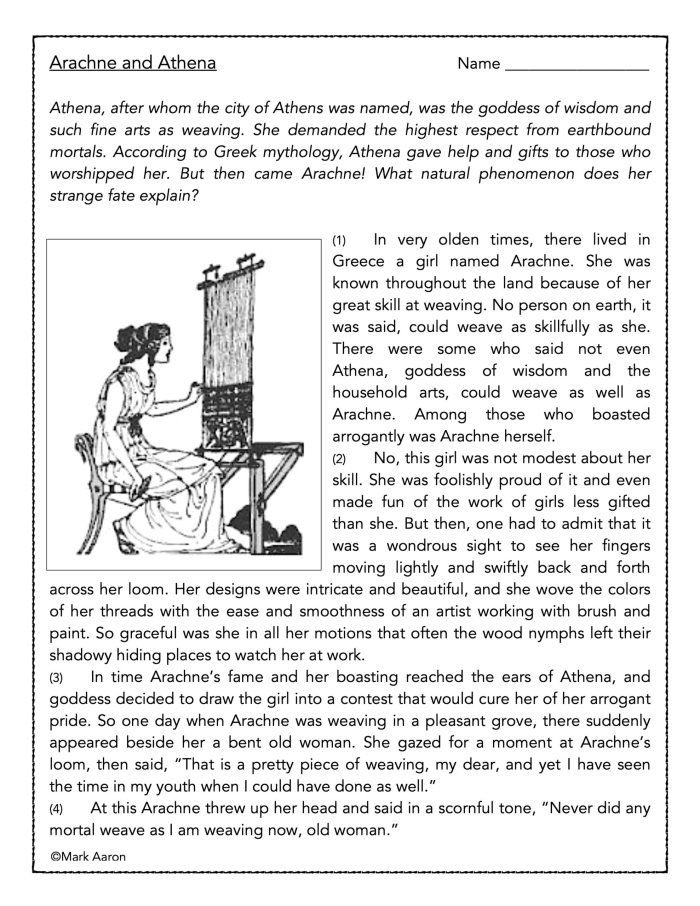
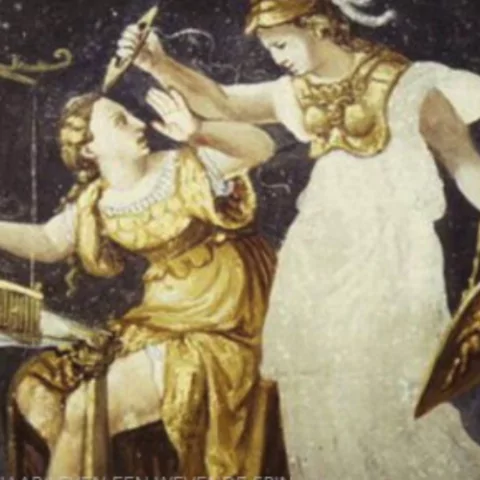
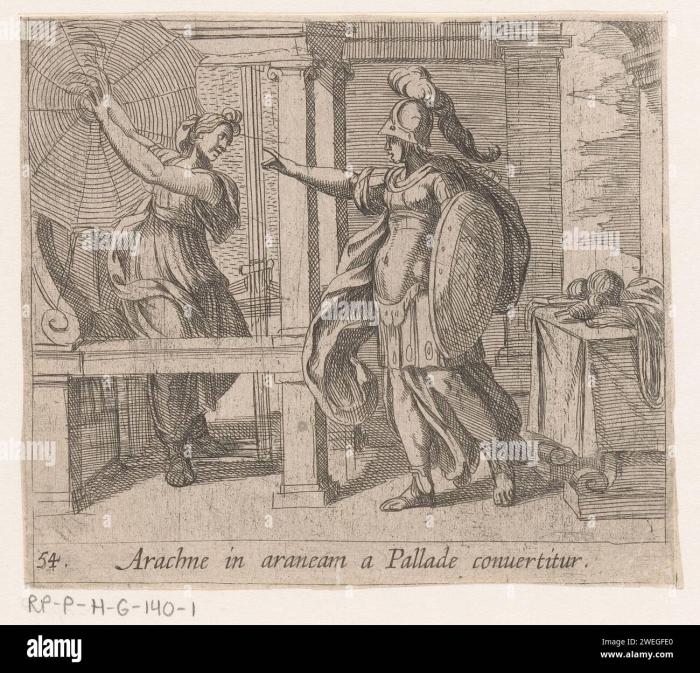
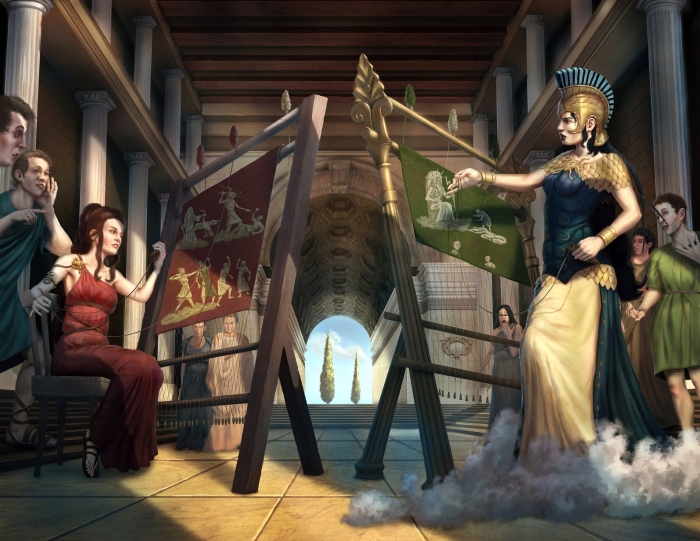
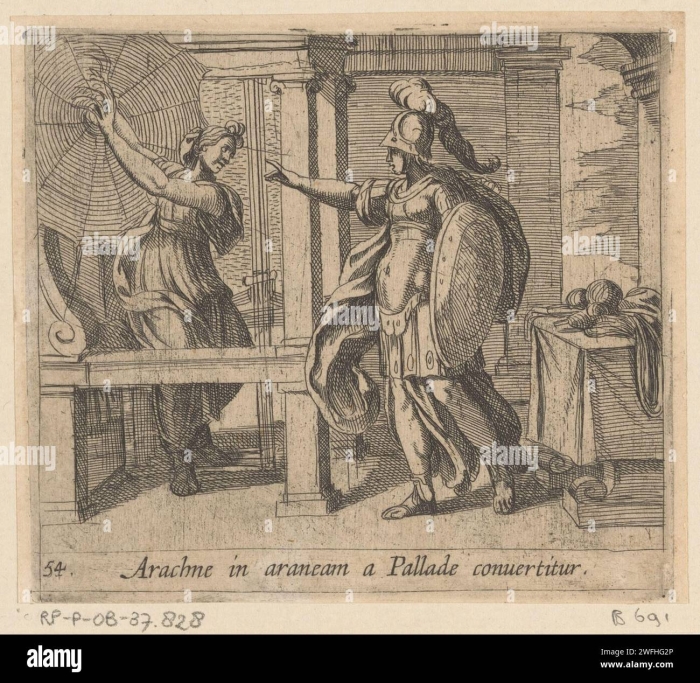
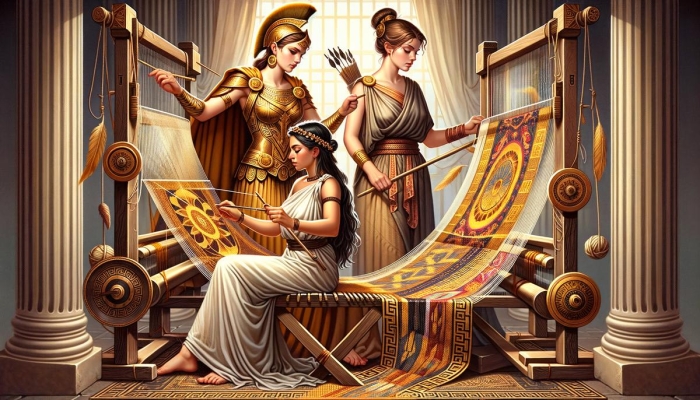
The story of Arachne centers on a young mortal woman whose weaving skills were so extraordinary that people whispered she must have learned from Athena herself, the goddess of craftsmanship. Rather than accept this as a compliment, Arachne grew arrogant and openly challenged Athena to a weaving contest. What unfolds is a dramatic confrontation that reveals how ancient Greeks used mythology to teach lessons about humility and respect for the divine.
Using a worksheet format works particularly well for this narrative because it breaks the myth into manageable sections. Students encounter the rising tension between Arachne and Athena, the actual competition, and the surprising transformation that concludes the tale. This structure helps seventh graders develop stronger comprehension skills while engaging with authentic classical literature rather than simplified summaries.
The two-page format allows room for both reading passages and comprehension questions that push students beyond simple recall. They might identify character motivations, analyze how the author builds suspense, or discuss what the story suggests about ancient Greek values. These activities align well with grammar and mechanics instruction, as students often need to support their answers with textual evidence and clear explanations.
Teachers find this worksheet particularly useful because it connects to broader curriculum goals. Students working on understanding types of phrases and sentence structures can examine how the myth’s language creates meaning. Additionally, discussing the nuanced word choices that convey emotion and intensity deepens both literacy and language awareness.
The Arachne myth remains relevant because it explores universal human experiences: the desire to prove oneself, the danger of unchecked confidence, and the consequences of disrespecting authority. For seventh and eighth graders developing critical thinking skills, this story provides rich material for discussion and reflection.
Try These Printable Worksheets