When the snow melts and temperatures climb, insects wake up from their winter dormancy and emerge hungry and ready to explore. This seasonal shift brings beetles, butterflies, ants, and ladybugs back into gardens, yards, and classrooms. For second grade students learning about life science, springtime offers a perfect opportunity to observe these creatures and understand how they survive cold months.
Insects have fascinating survival strategies. Some, like monarch butterflies, migrate south before winter arrives. Others burrow underground or hide under bark, entering a state called diapause where their body functions slow dramatically. Ants retreat deep into their colonies, while ladybugs cluster together in protected spaces. When spring arrives, these insects emerge and begin searching for food, mates, and places to lay eggs.
Learning about insects connects directly to understanding the broader patterns of nature. A life cycle of a plant worksheet shows how plants also wake up in spring, providing food sources that insects depend on. As students explore these connections in life science lessons, interactive activities help cement their knowledge.
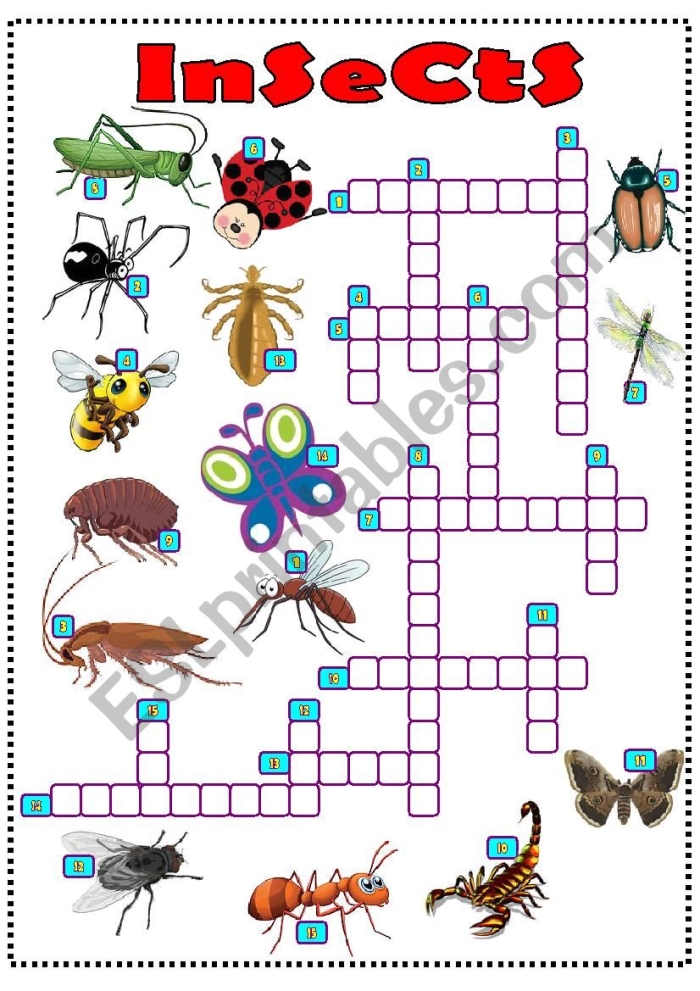
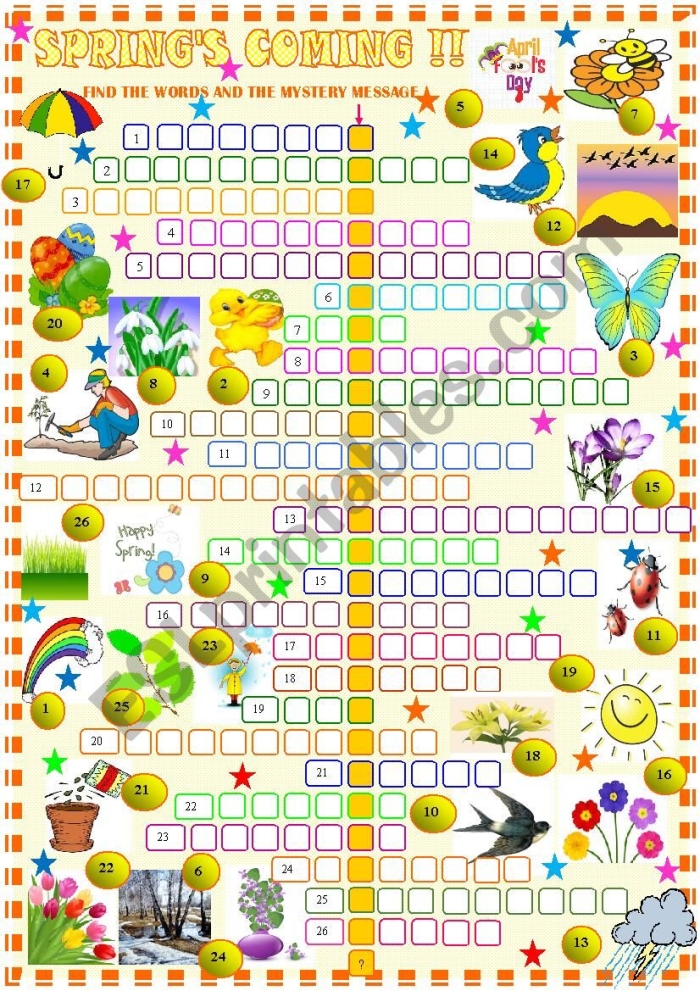
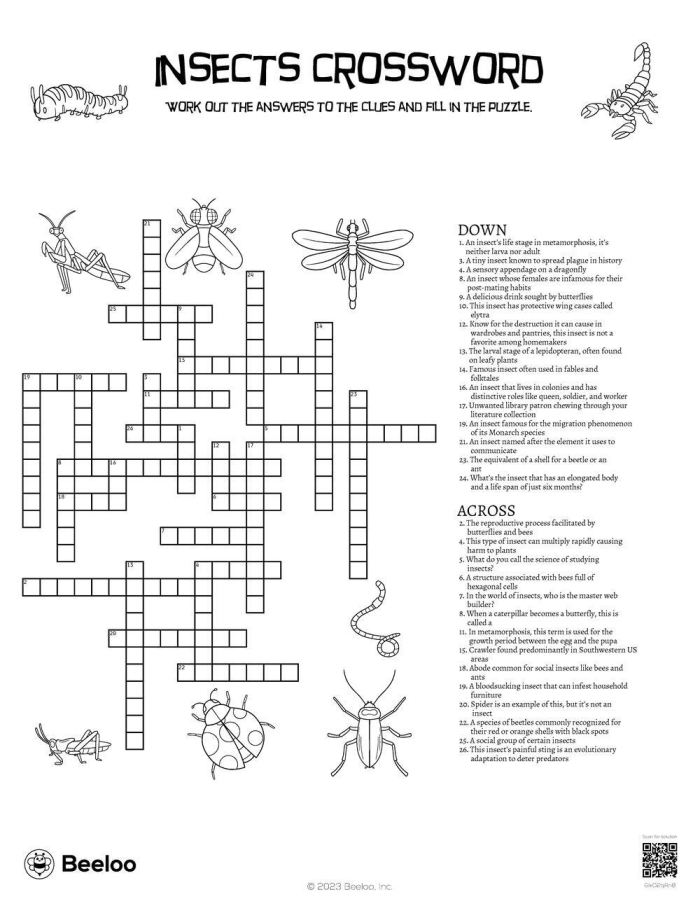
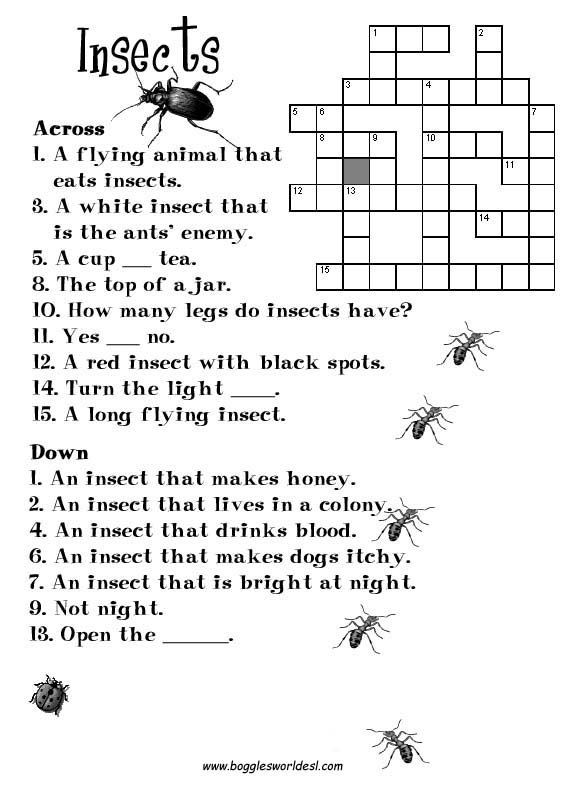
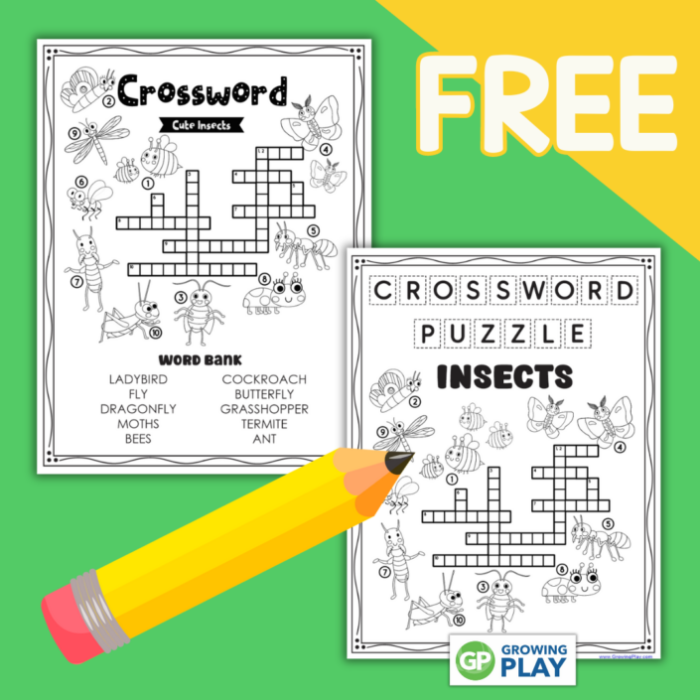
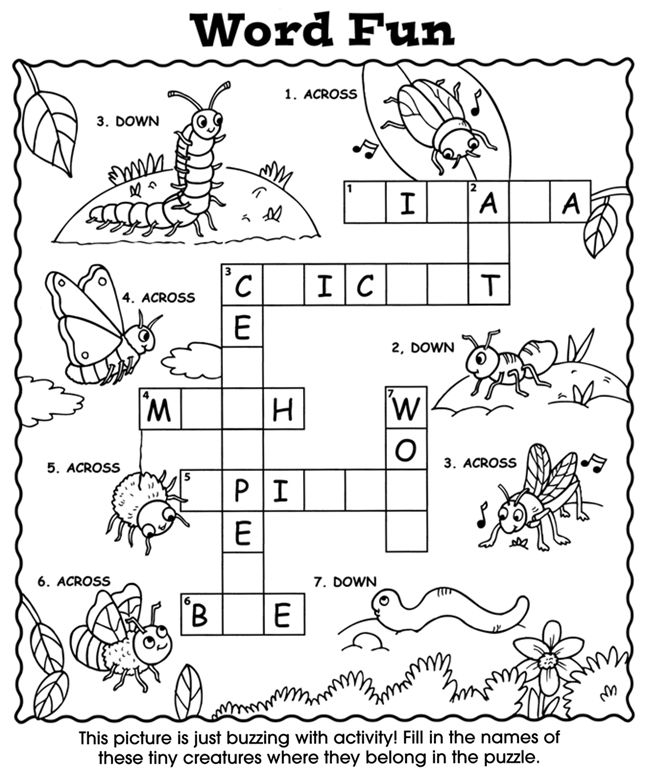
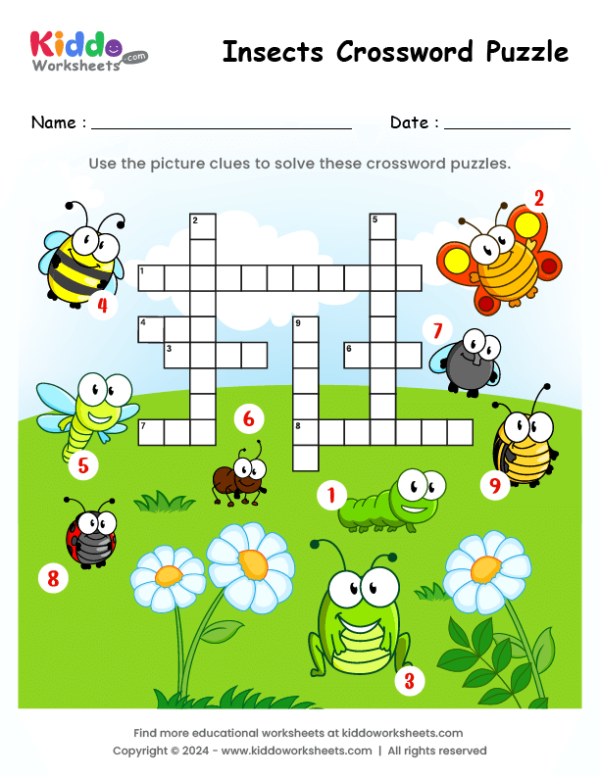
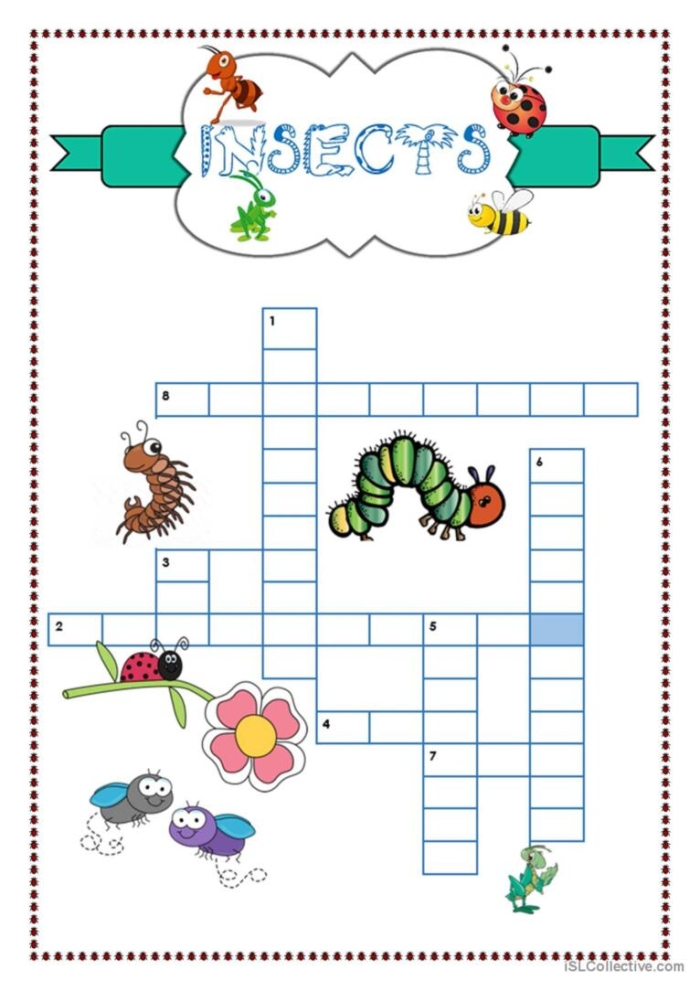
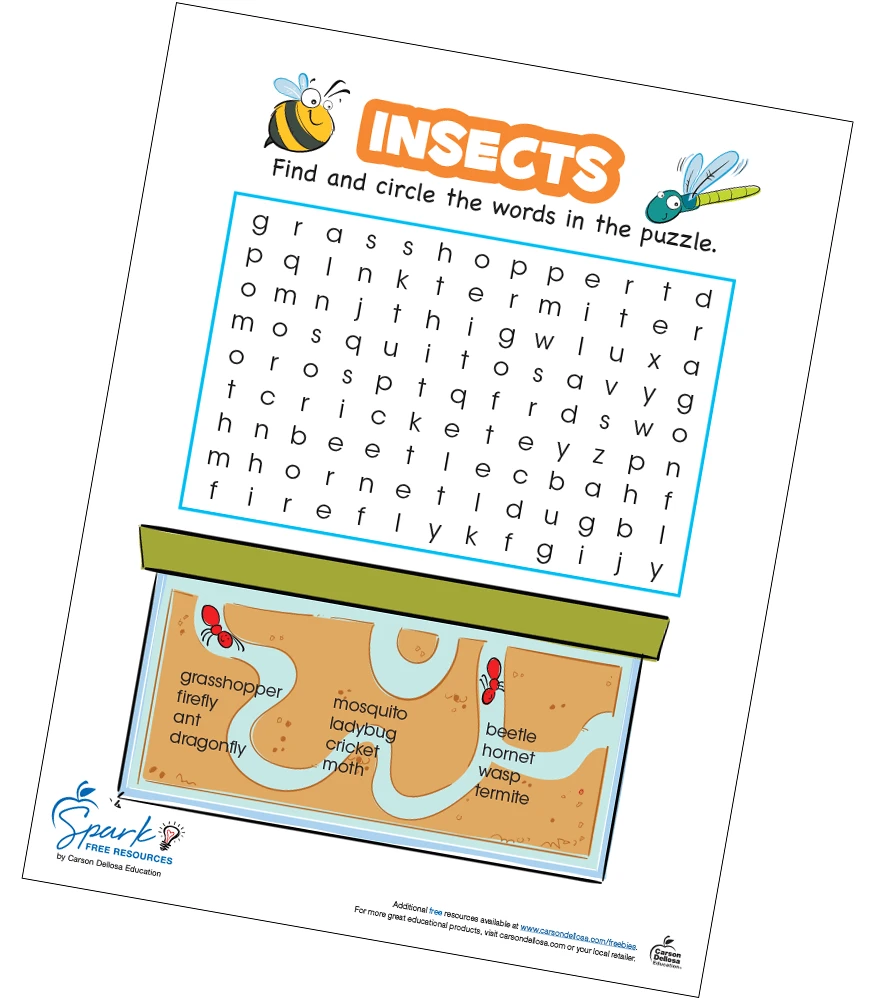
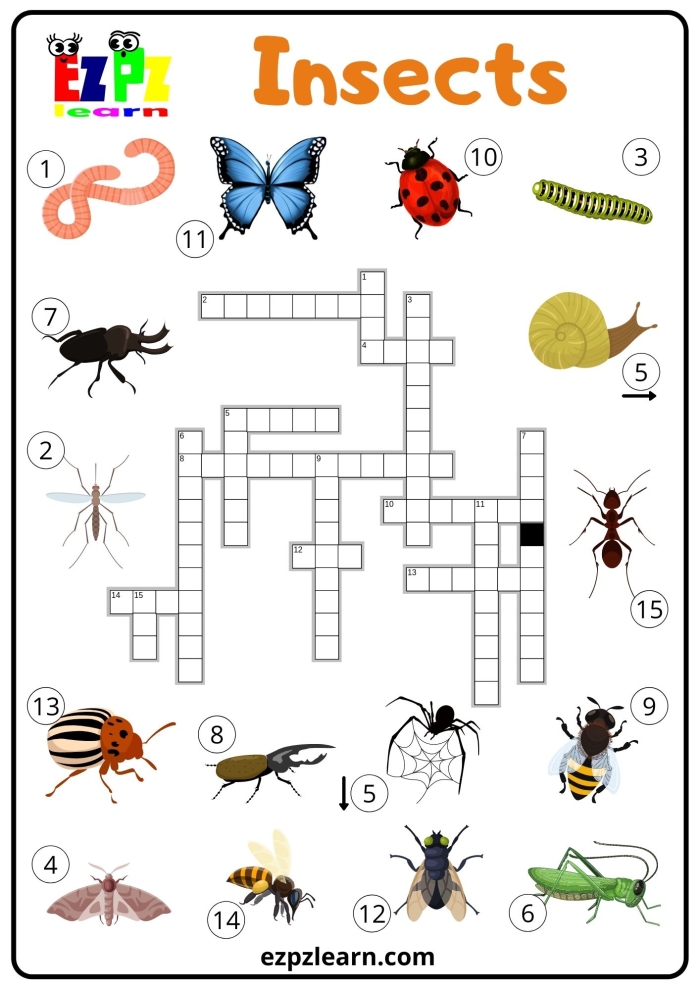
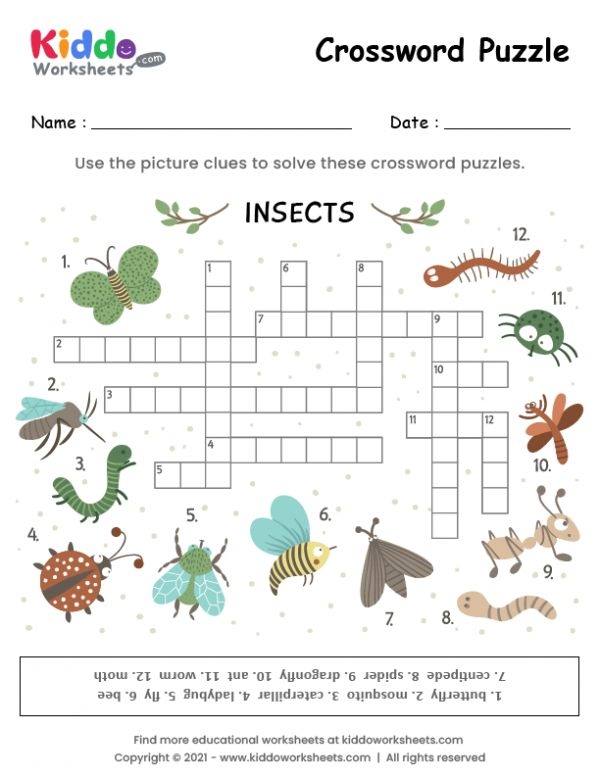
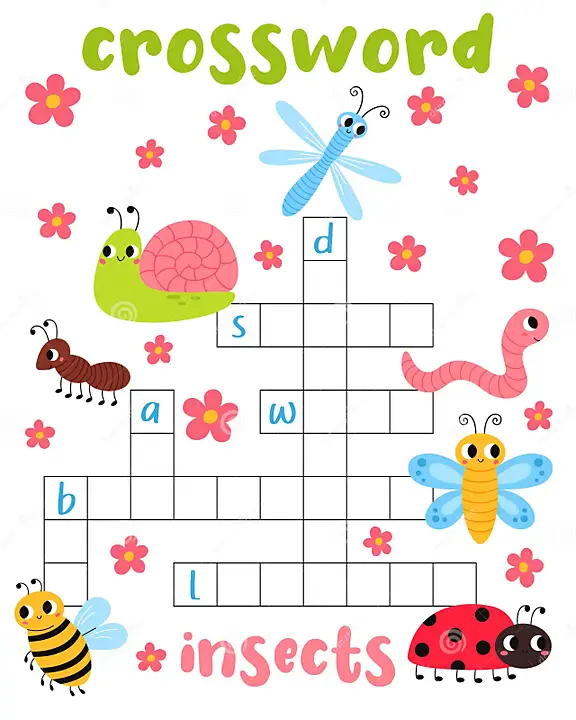
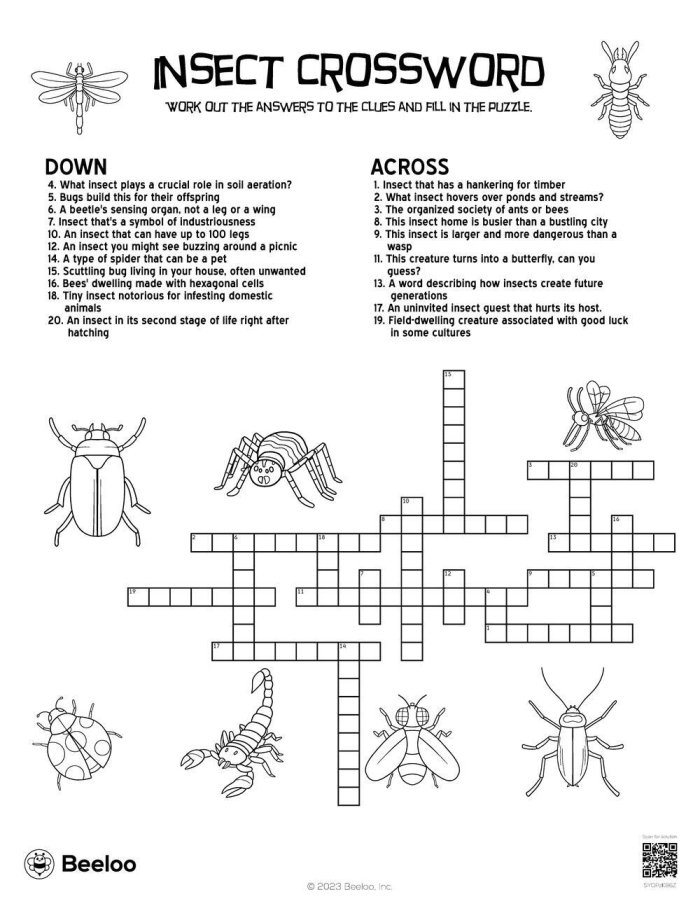
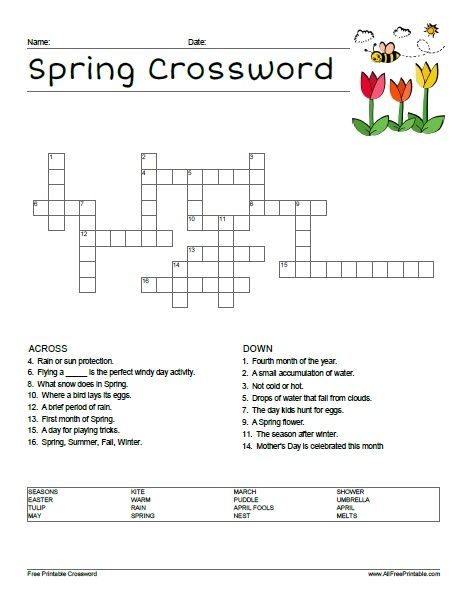
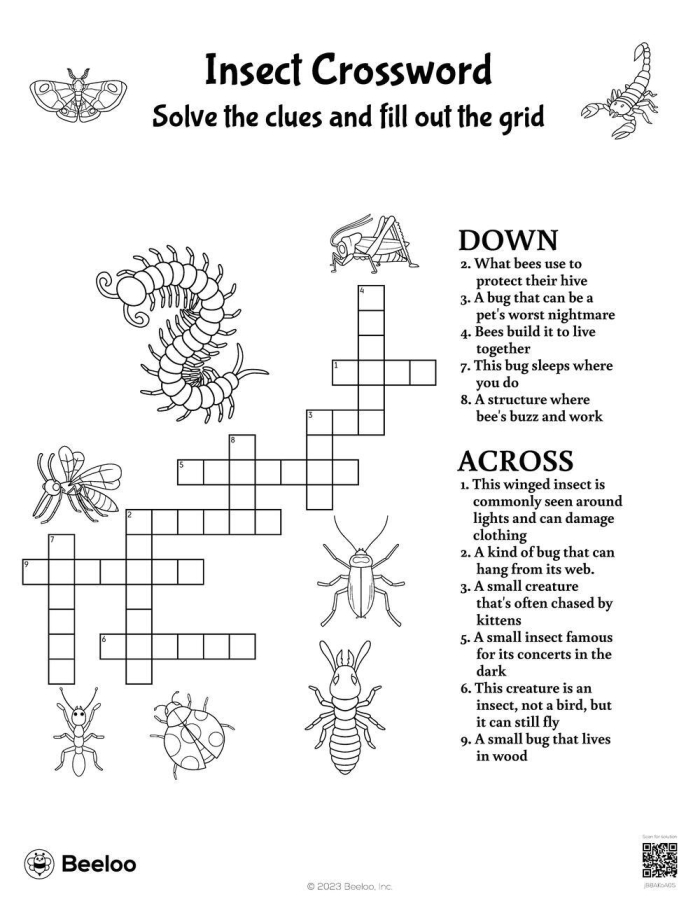
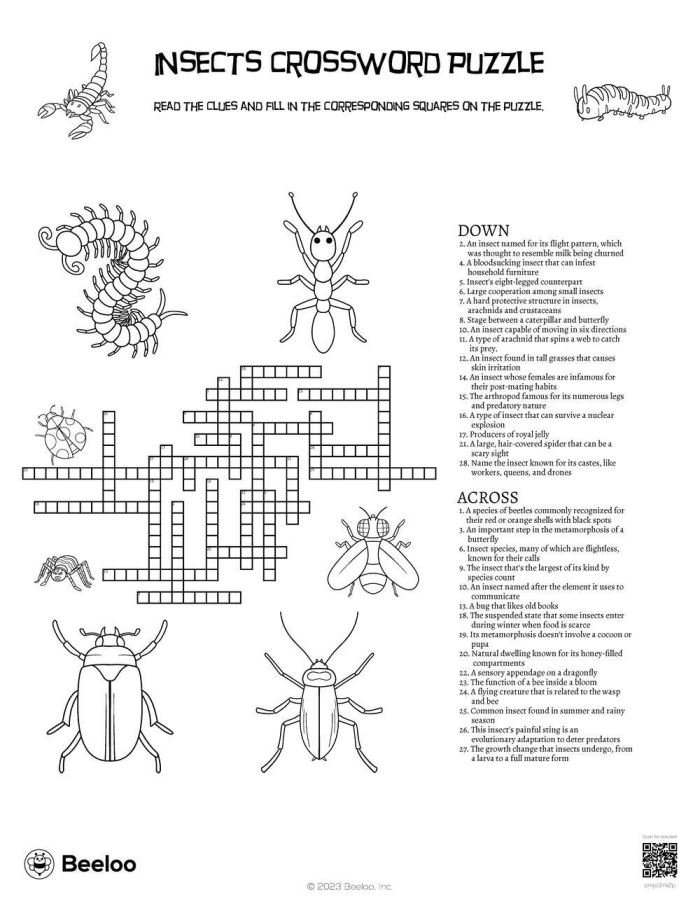
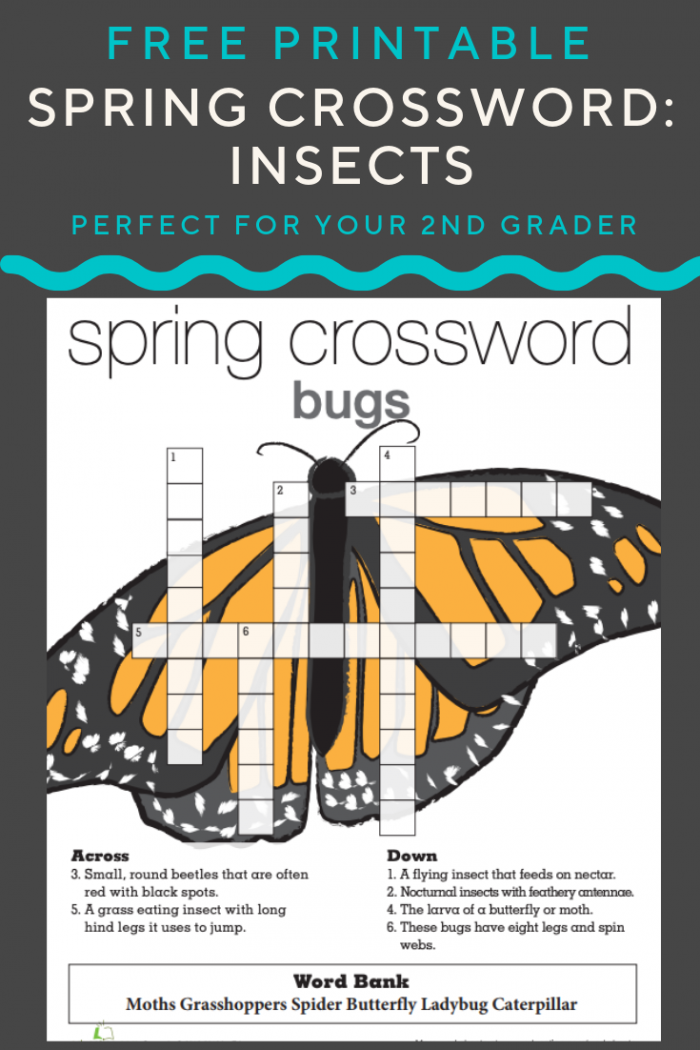
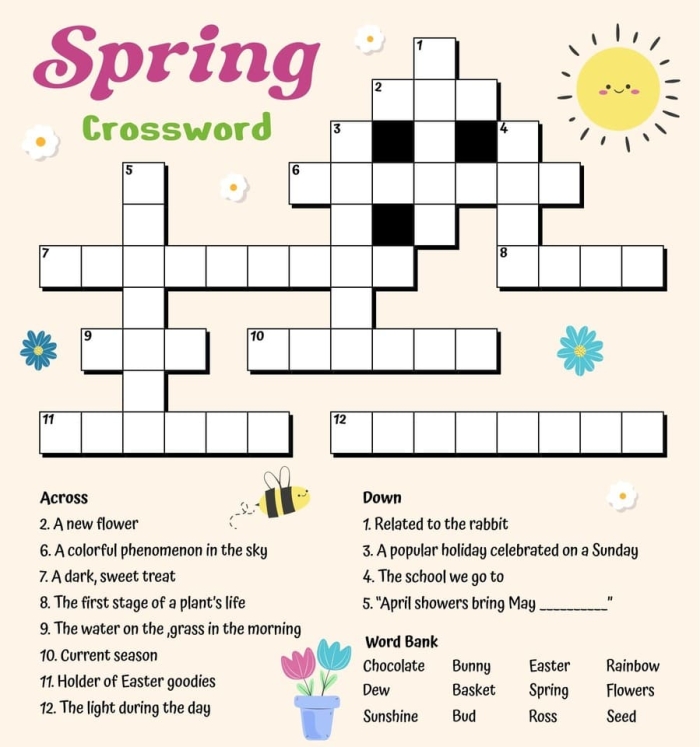
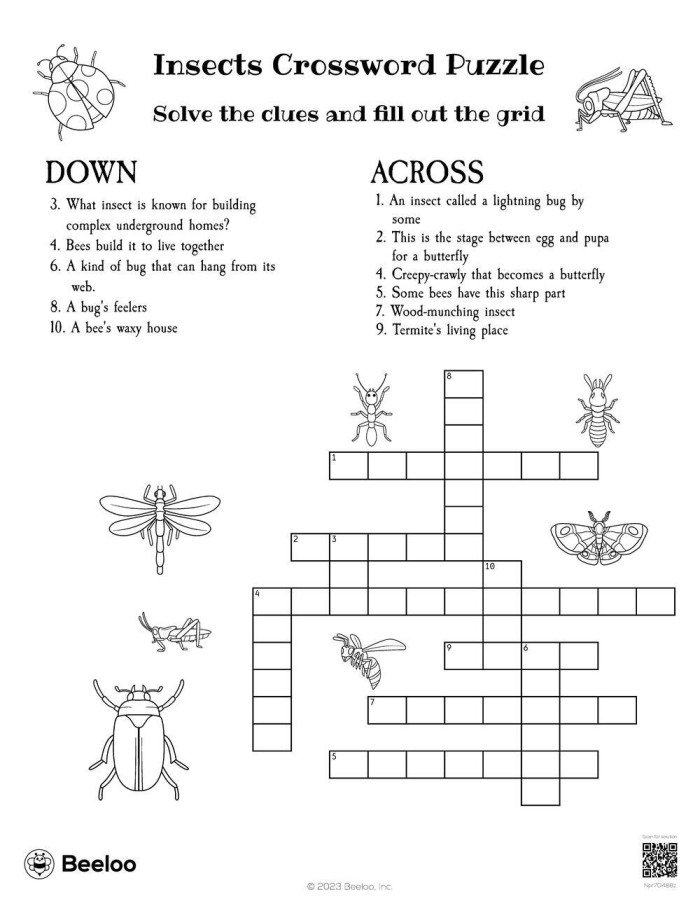
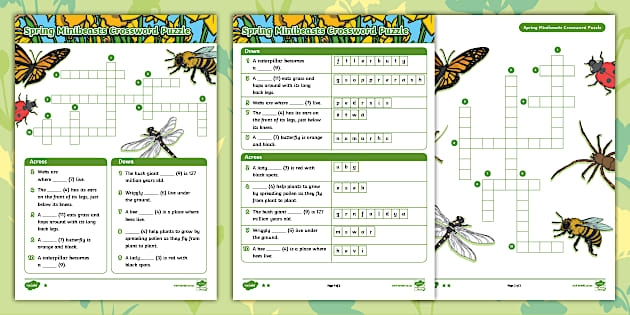
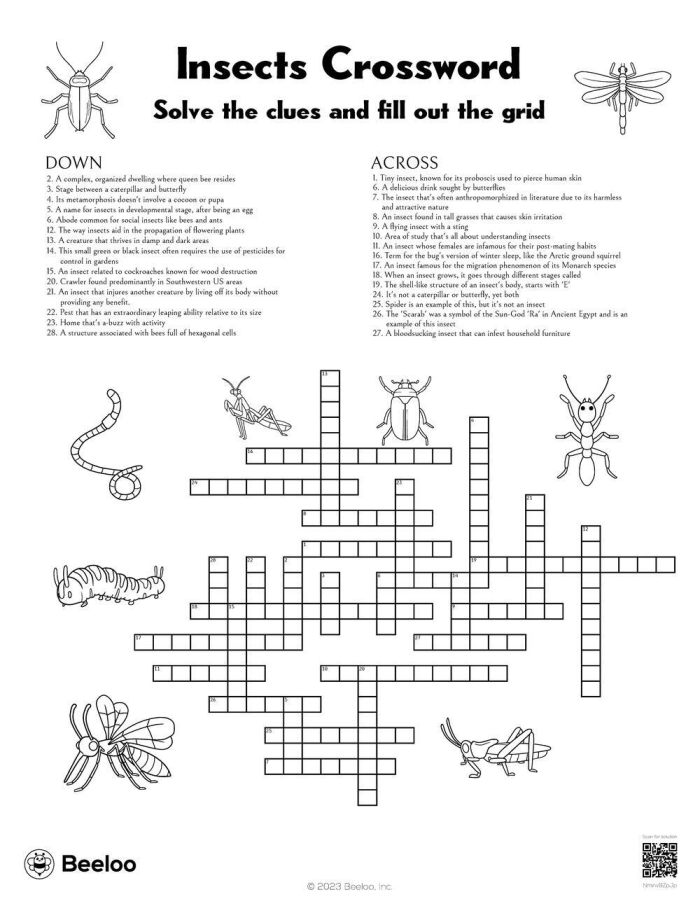
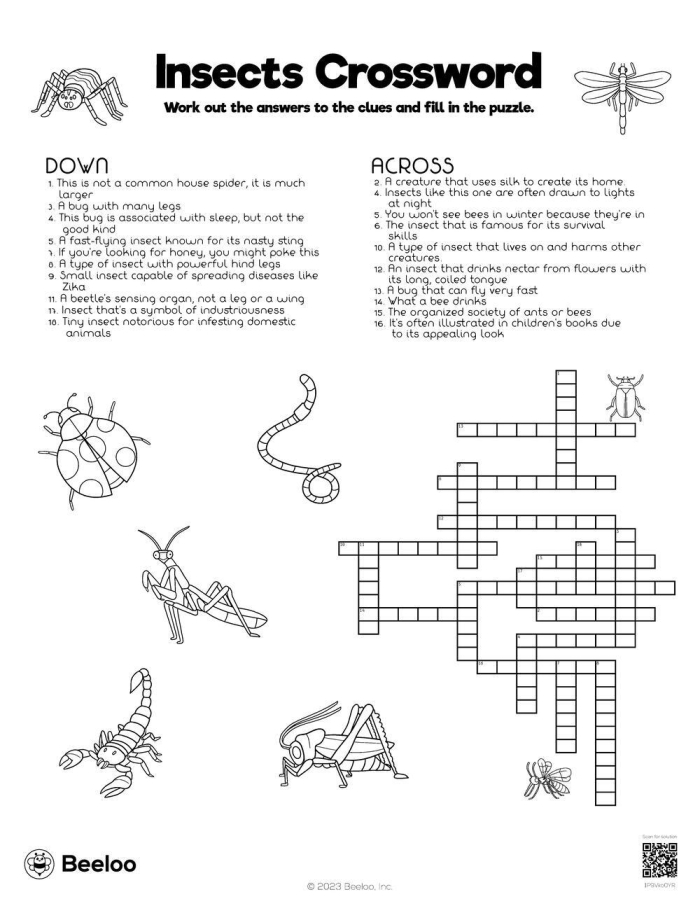
One engaging way to reinforce learning about spring insects is through a crossword puzzle. Working through clues about different insects helps second graders expand their vocabulary while reviewing facts about beetles, bees, caterpillars, and dragonflies. A spring crossword puzzle combines word skills with science content, making it ideal for classroom or home learning.
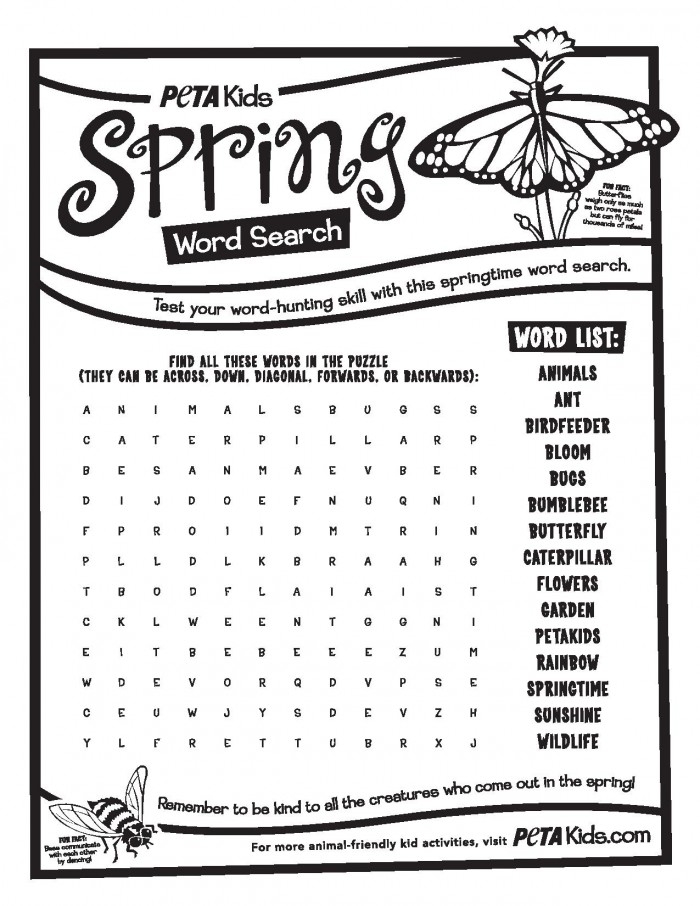
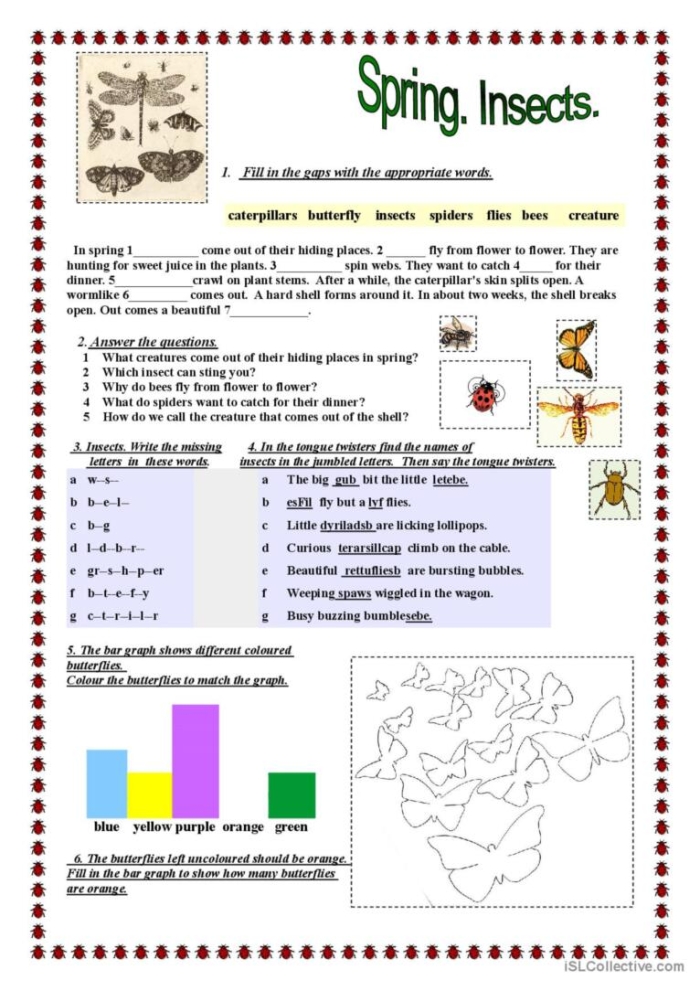
These worksheets work well alongside other learning activities. Pairing a crossword with reading comprehension exercises helps students practice multiple skills at once. Spring offers endless opportunities to observe insects directly, then return indoors to document and celebrate what they’ve learned through puzzles and activities.
Download These Worksheets for Practice