Understanding the differences between gerund phrases, infinitive phrases, and participial phrases is essential for mastering English grammar. These three types of phrases play unique roles in sentences, and recognizing them can enhance both writing and comprehension skills. In a typical seventh-grade classroom, students often engage with grammar worksheets designed to sharpen this understanding.
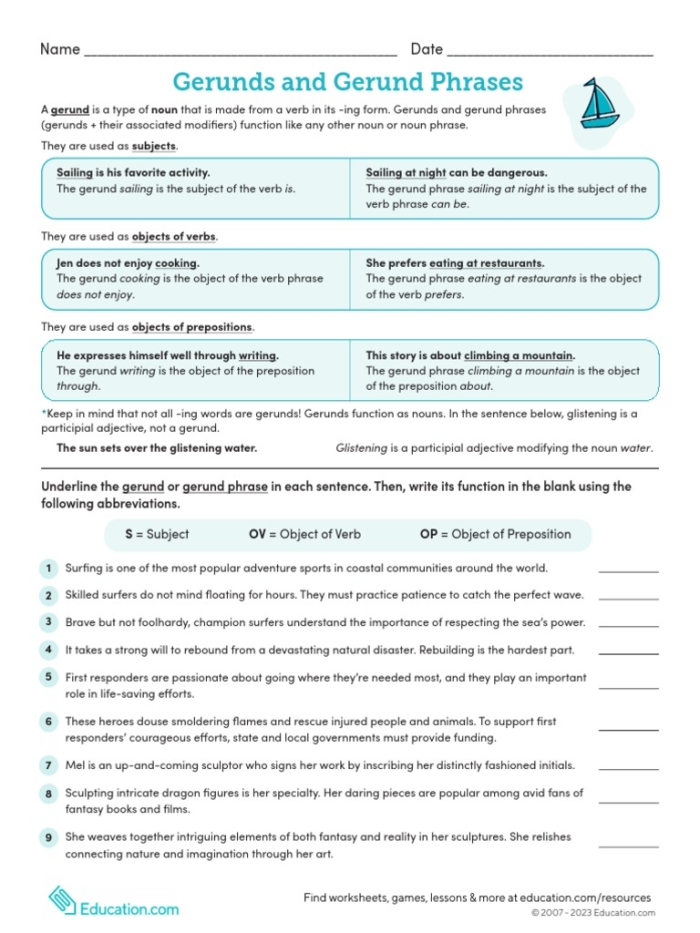
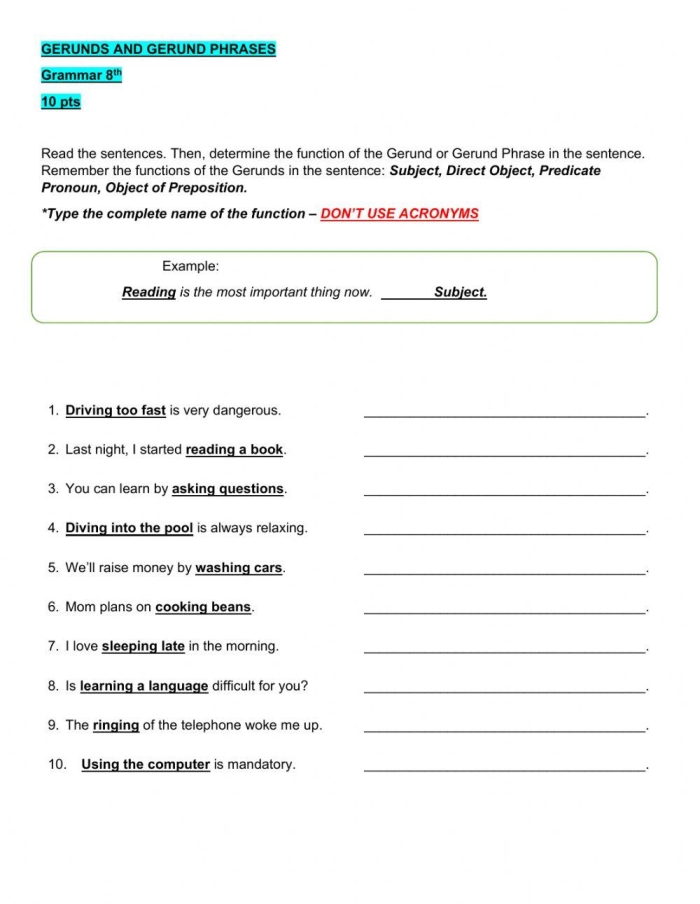
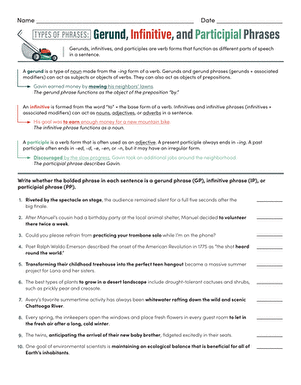
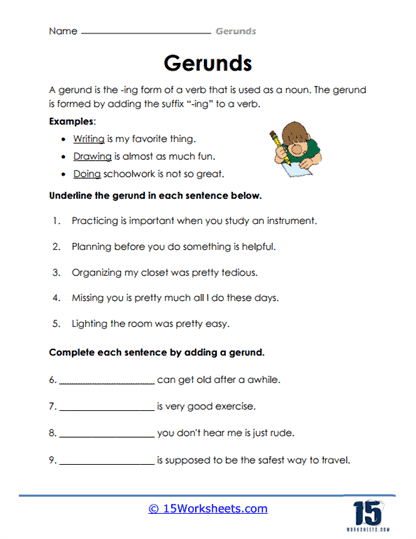
Gerund phrases, which begin with a gerund (a verb ending in -ing), function as nouns within a sentence. For example, in the sentence “Swimming in the ocean is refreshing,” the phrase “Swimming in the ocean” serves as the subject. This type of phrase allows students to explore how verb forms can take on noun-like qualities.
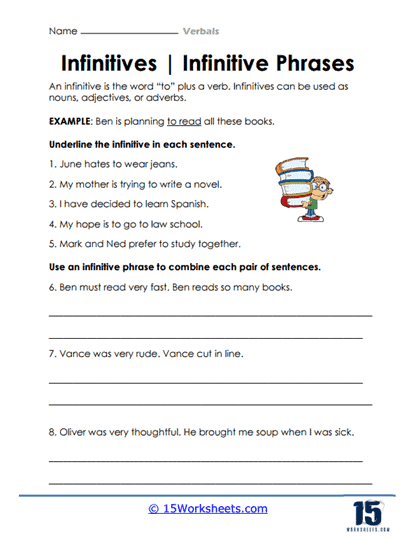
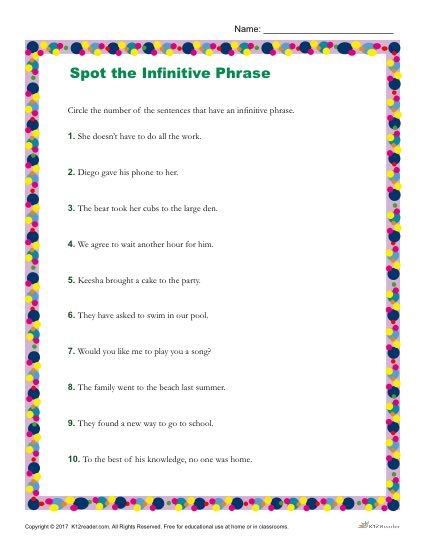
On the other hand, infinitive phrases consist of the base form of a verb preceded by the word “to.” These phrases can act as nouns, adjectives, or adverbs. For instance, in “To run a marathon requires dedication,” the phrase “To run a marathon” acts as the subject of the sentence. This distinction is vital for students as they learn to identify how these phrases can modify or complement other parts of speech.
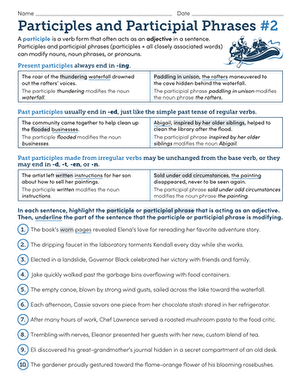
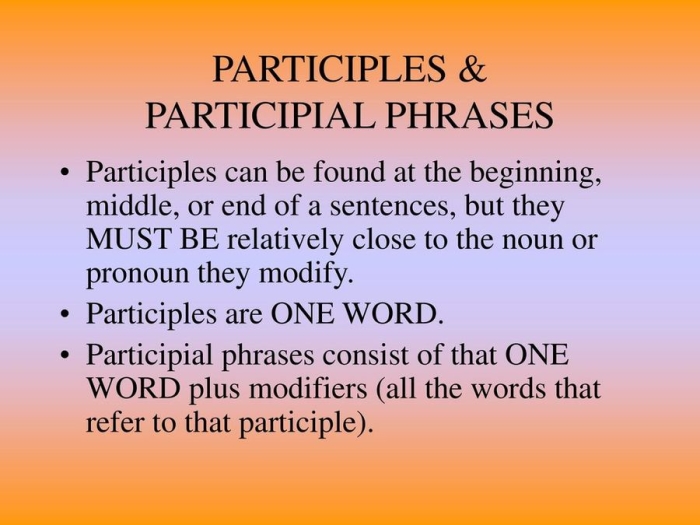
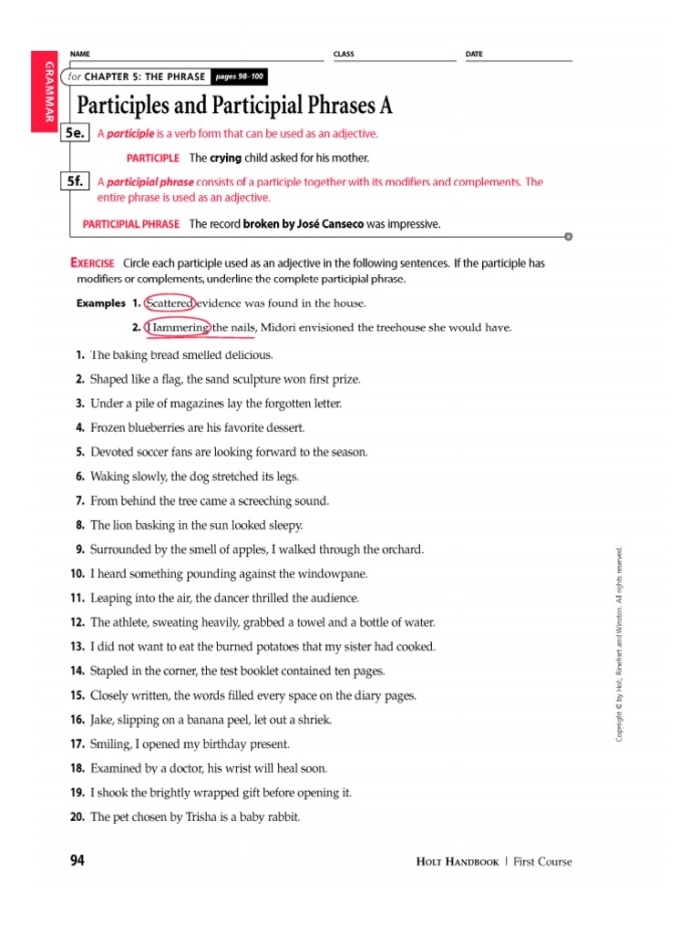
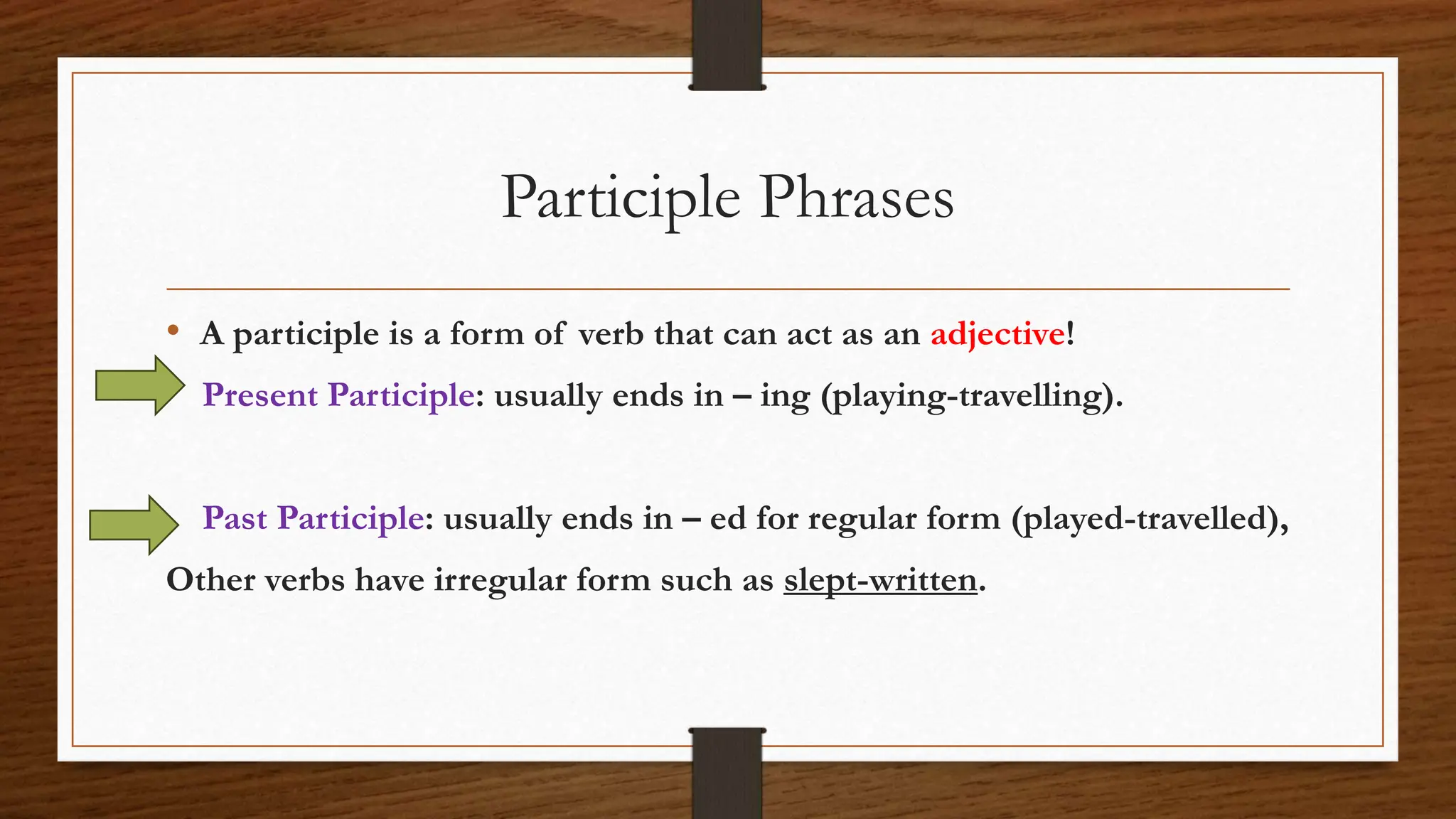
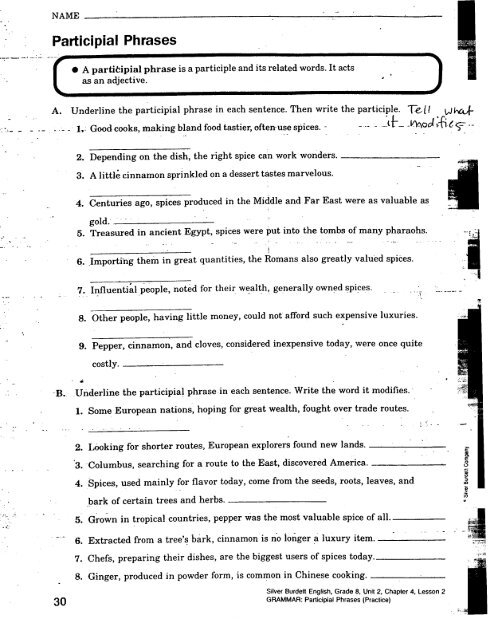
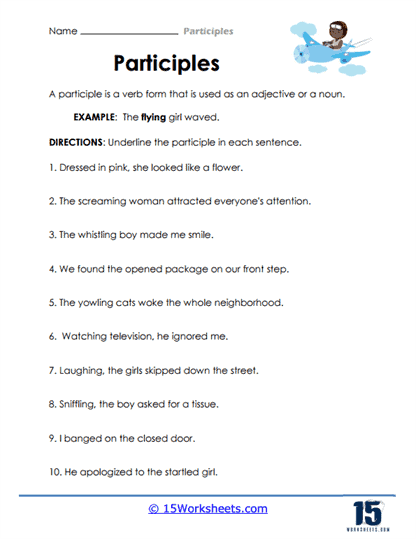
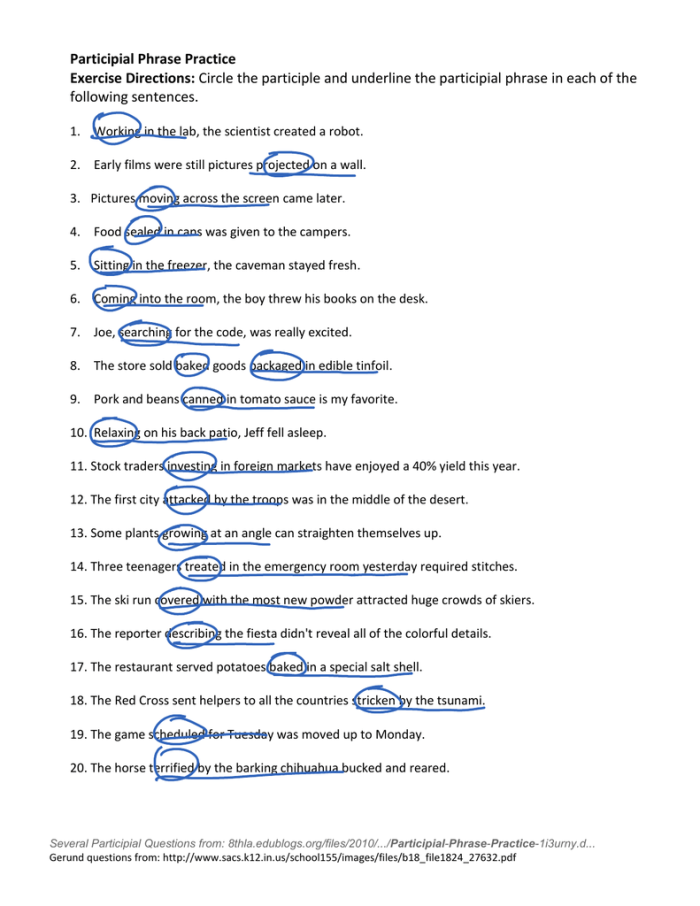
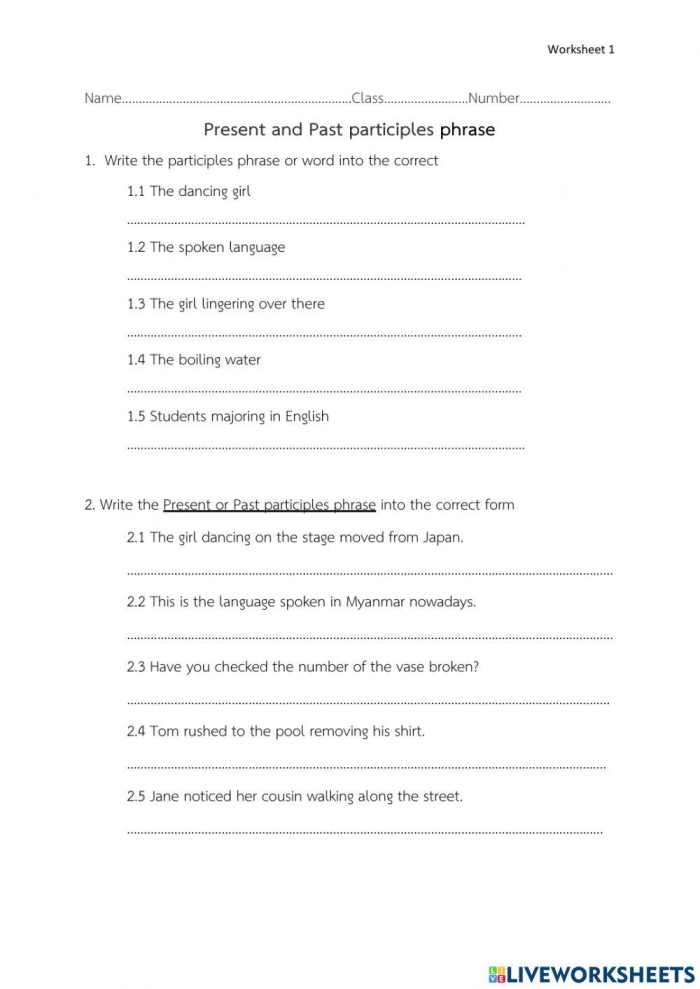
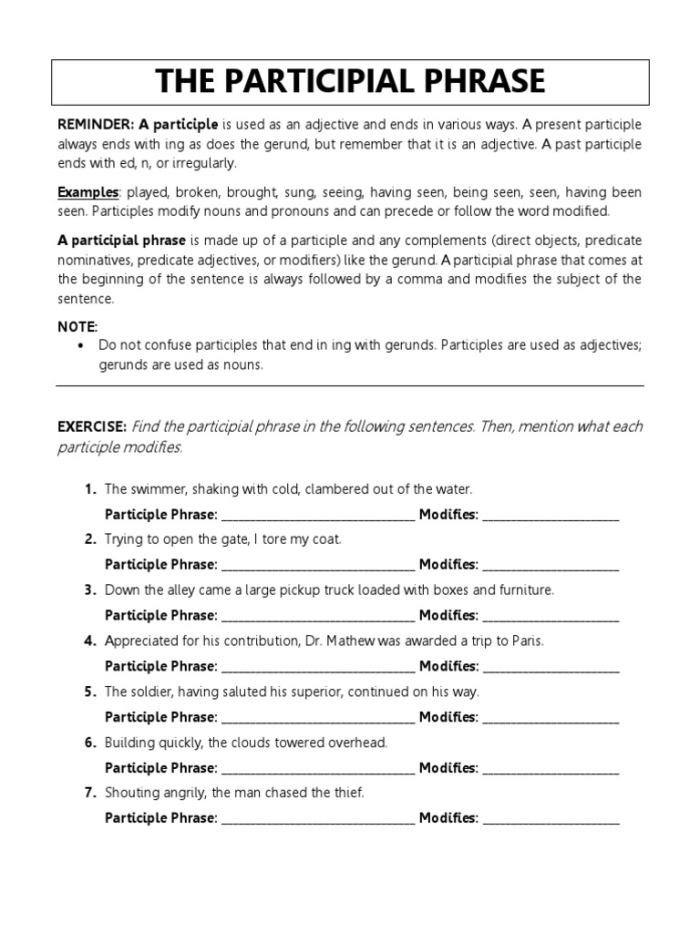
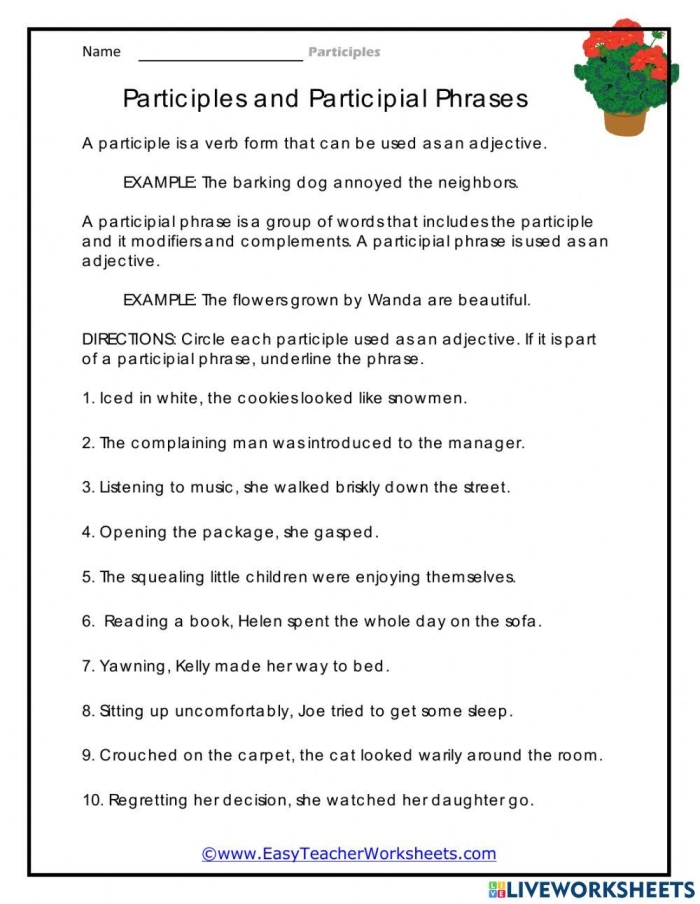
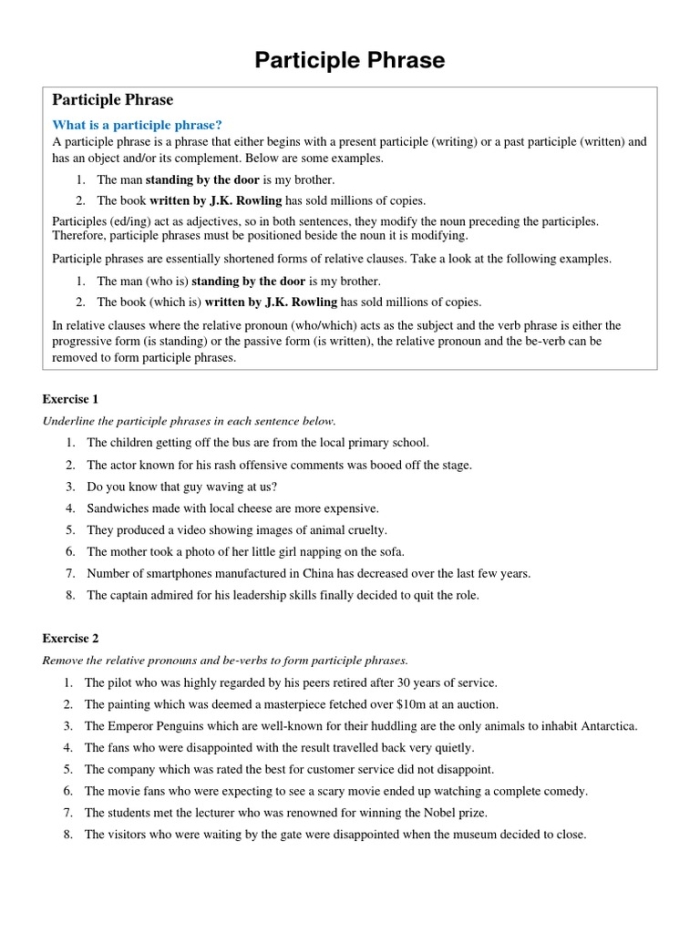
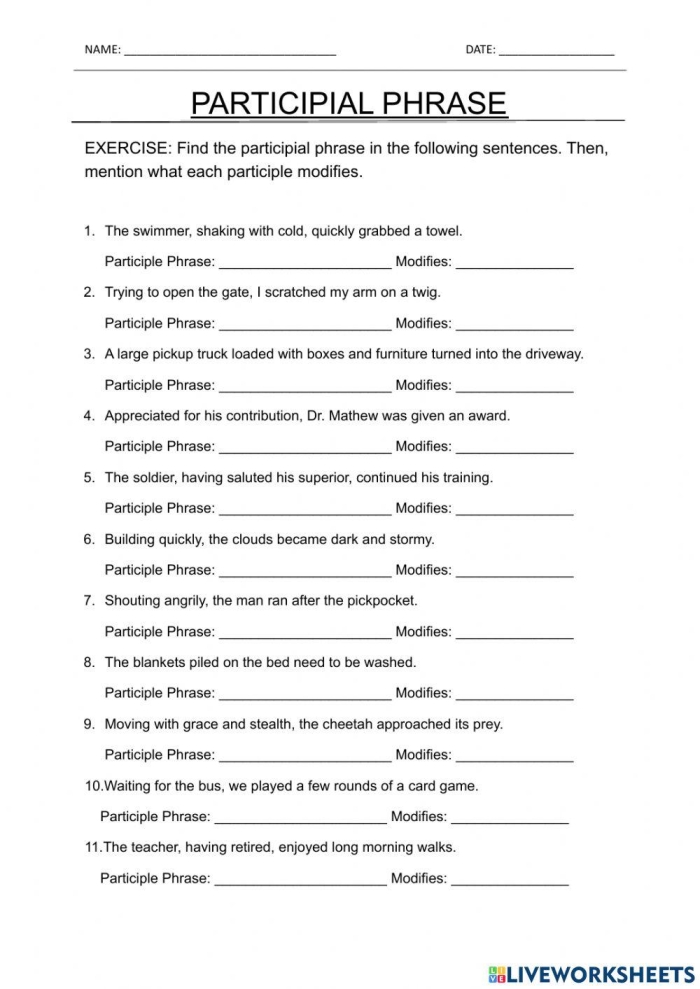
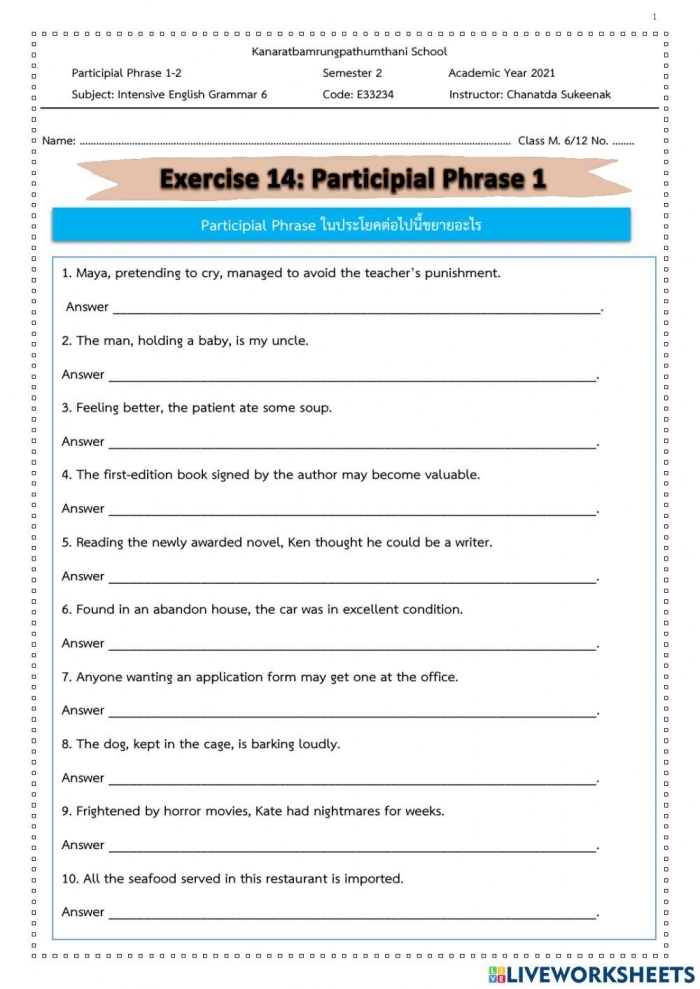
Participial phrases, which include a participle (a verb form used as an adjective), add descriptive detail to sentences. An example is the phrase “running quickly” in “The dog, running quickly, chased the ball.” Here, “running quickly” describes the dog, illustrating how participial phrases can enhance imagery and detail in writing.
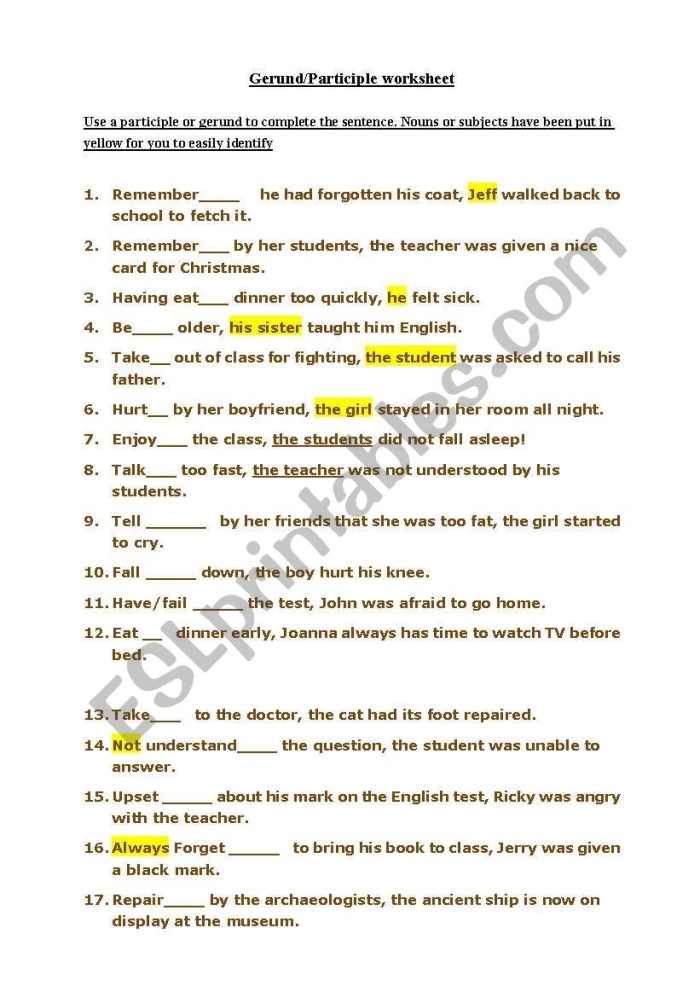
Practicing with worksheets that focus on these phrases is an effective way for students to gain confidence. For example, a worksheet might ask students to identify or create sentences using each type of phrase, helping them to solidify their understanding. Resources such as worksheets on adding and subtracting linear expressions can complement grammar practice by providing varied exercises.
Incorporating these types of phrases into writing not only improves grammar skills but also enhances overall communication. Mastering gerund, infinitive, and participial phrases can empower seventh graders to express their thoughts more clearly and effectively.
Worksheet Practice Section