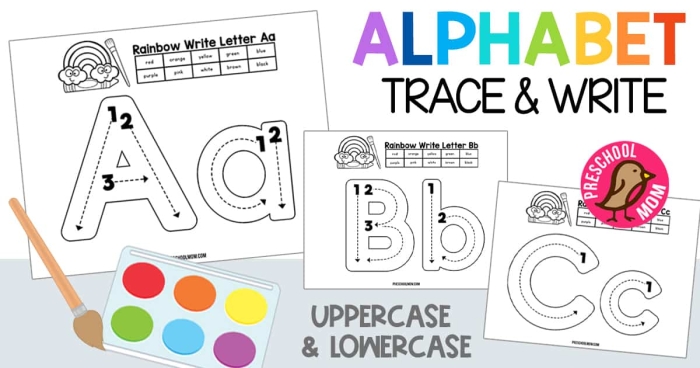
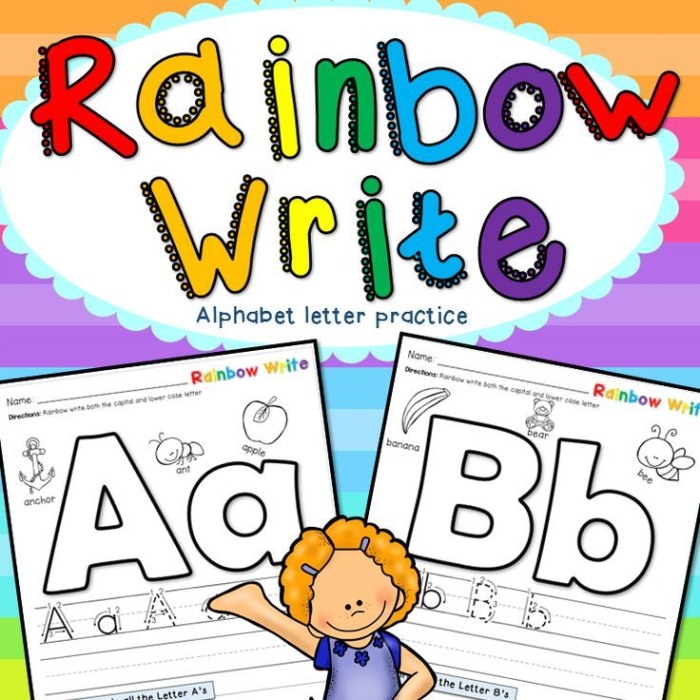
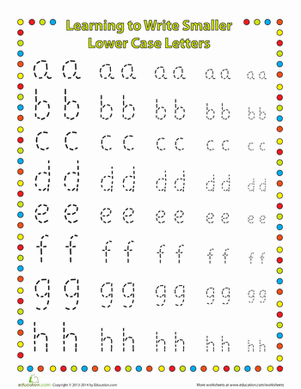
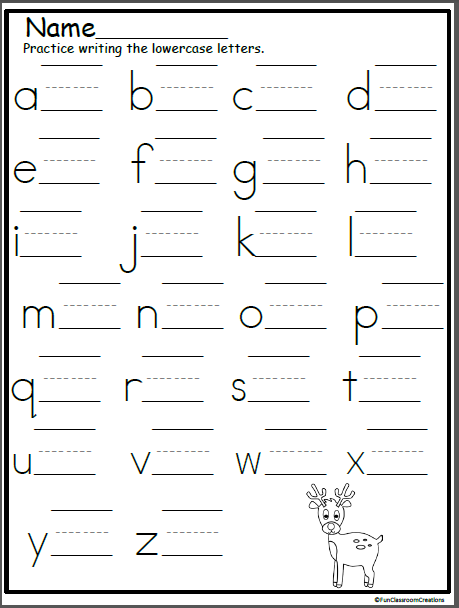
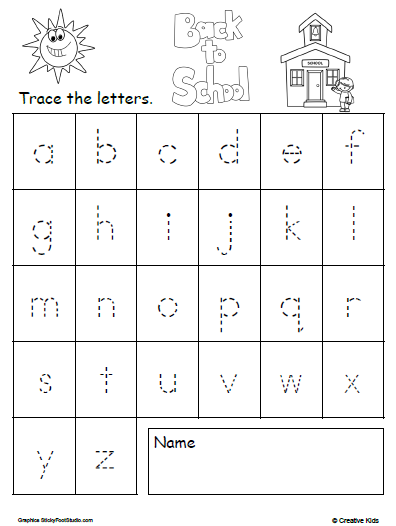
The moment a child picks up a colored pencil to trace a letter, something shifts. What could have been a tedious drill becomes an invitation to play. Rainbow letter practice turns the mechanics of writing into something that feels less like work and more like art.
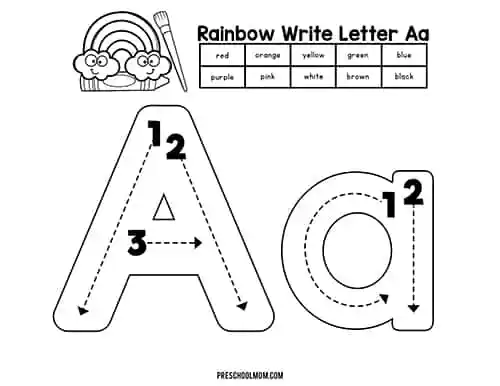
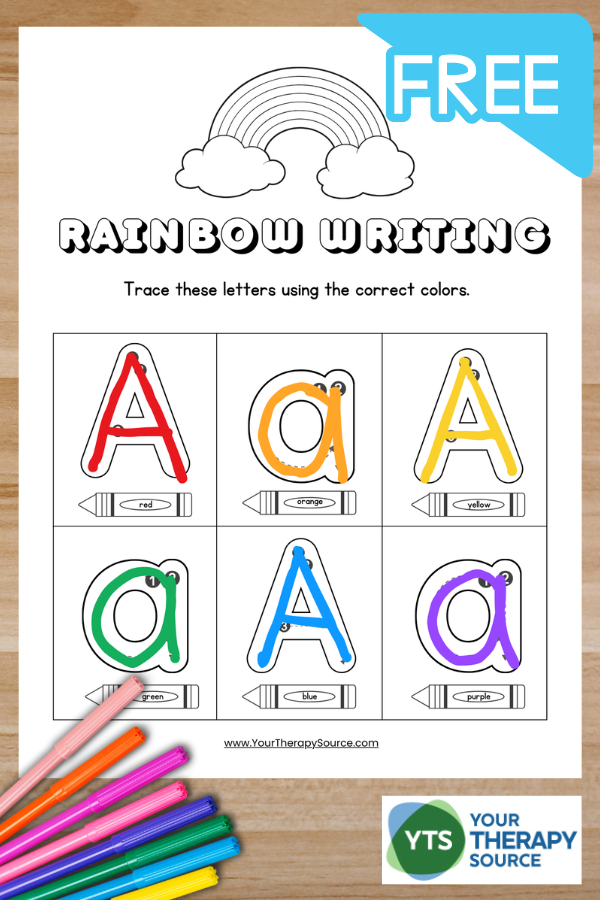
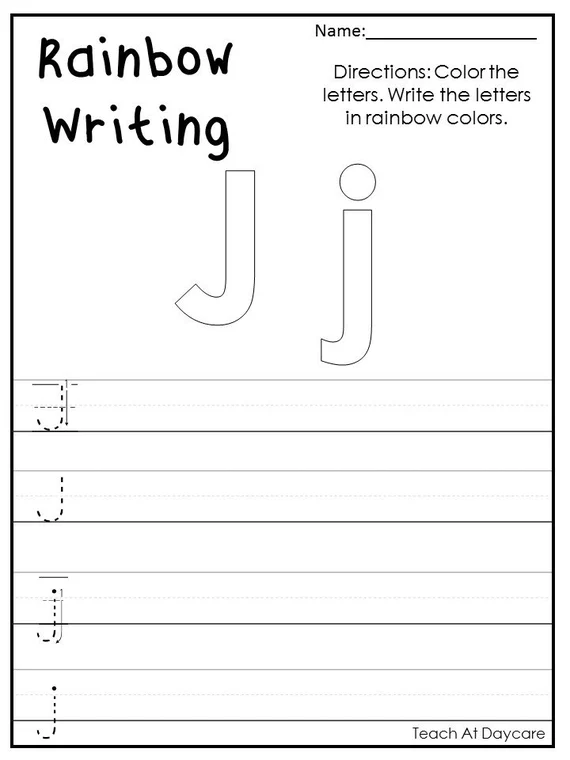
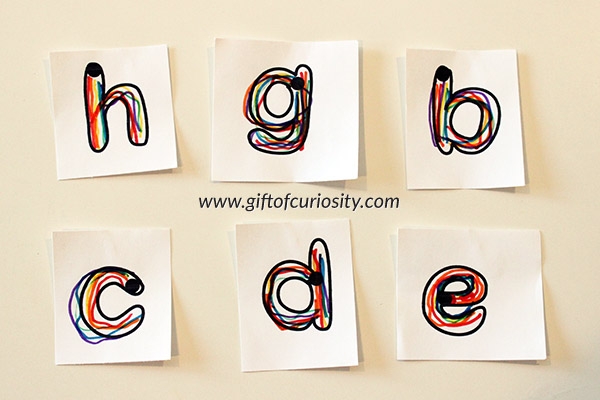
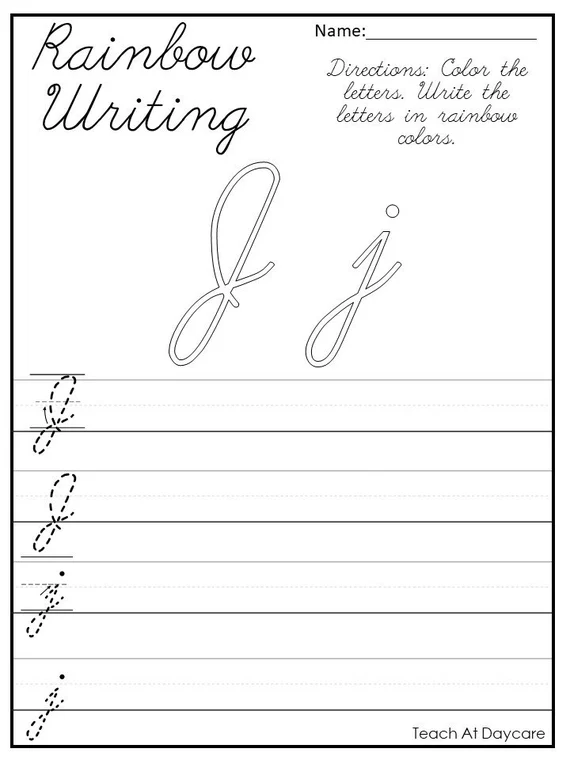
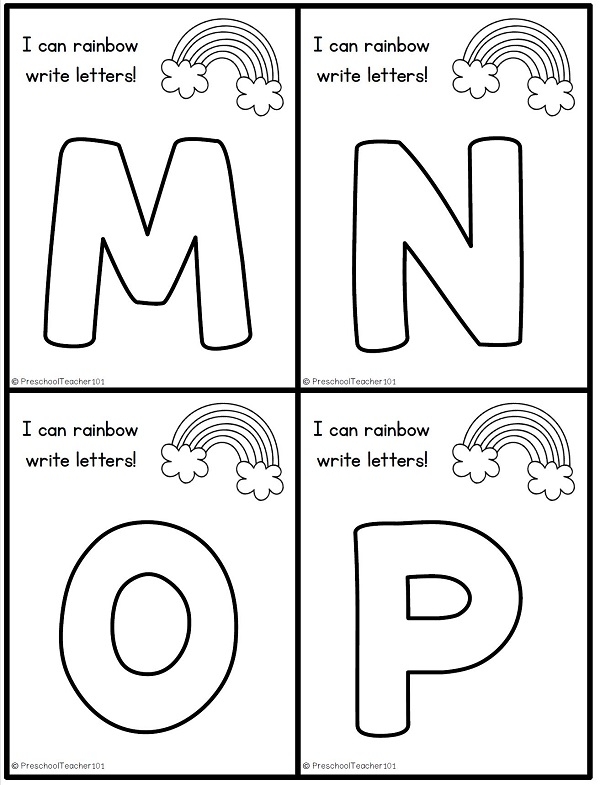
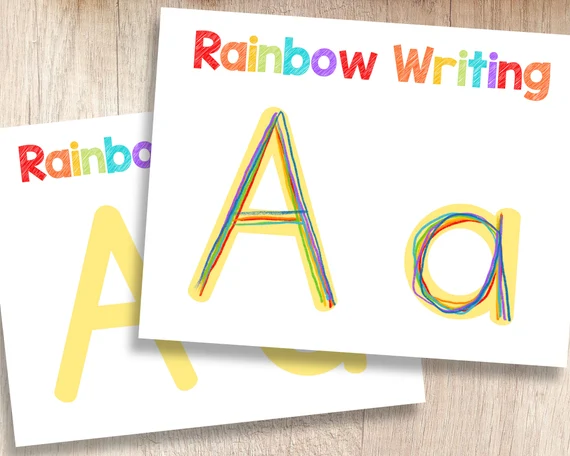
In Pre-K classrooms and home learning spaces, this approach has proven surprisingly effective. Children naturally gravitate toward activities that combine movement with color. When they’re asked to write the letter “a” in red, then trace over it in orange, yellow, green, and blue, their focus sharpens. The repetition required for proper letter formation happens almost without resistance because the child is absorbed in creating something visually interesting.
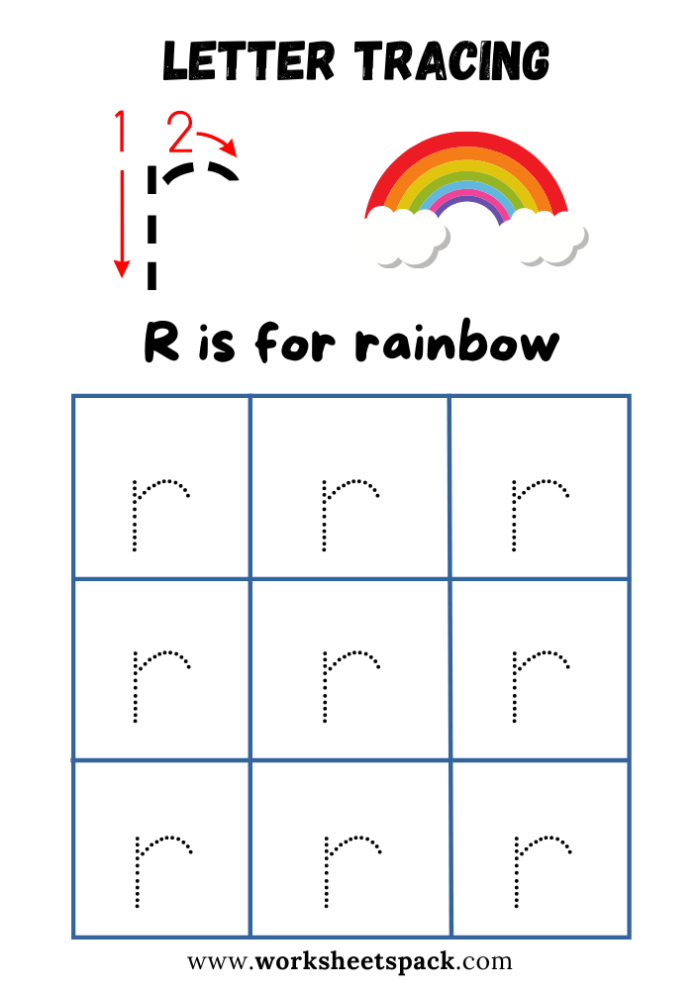
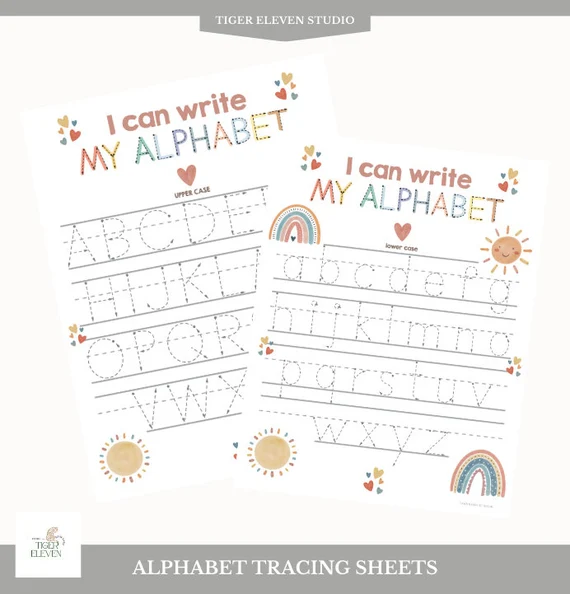
The practice works because it addresses two learning needs at once. First, it builds the fine motor skills necessary for writing through repetitive tracing and formation. Second, it maintains engagement through the reward of creating something beautiful. A child who might abandon a plain letter worksheet after three attempts will happily complete an entire page if each letter becomes a small rainbow.
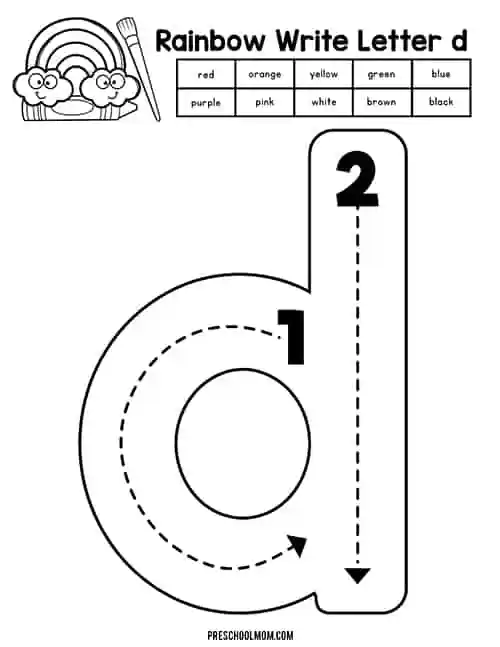
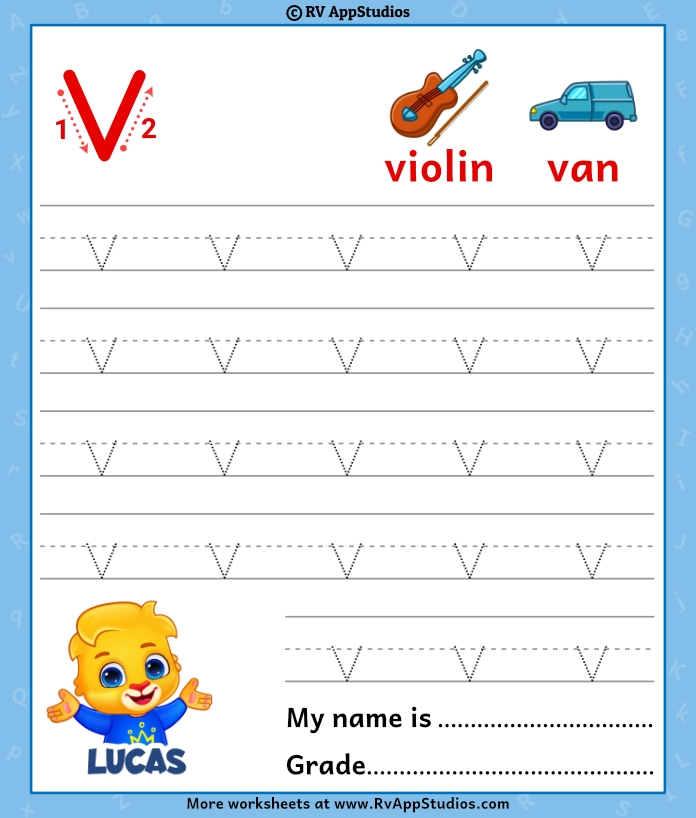
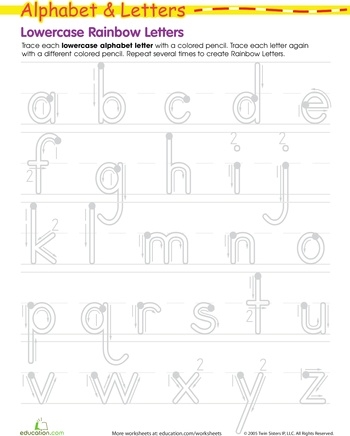
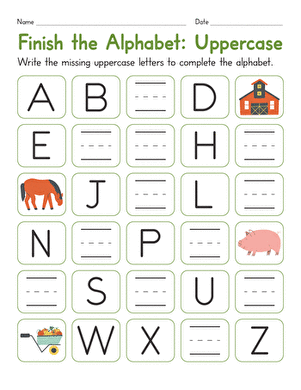
Teachers often pair rainbow letter worksheets with other skill-building activities. A child might practice lowercase letters in the morning, then move on to recognizing shapes and their properties or work through directional language exercises later in the day.
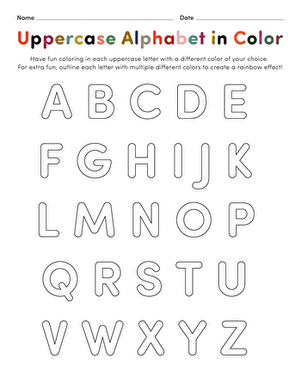
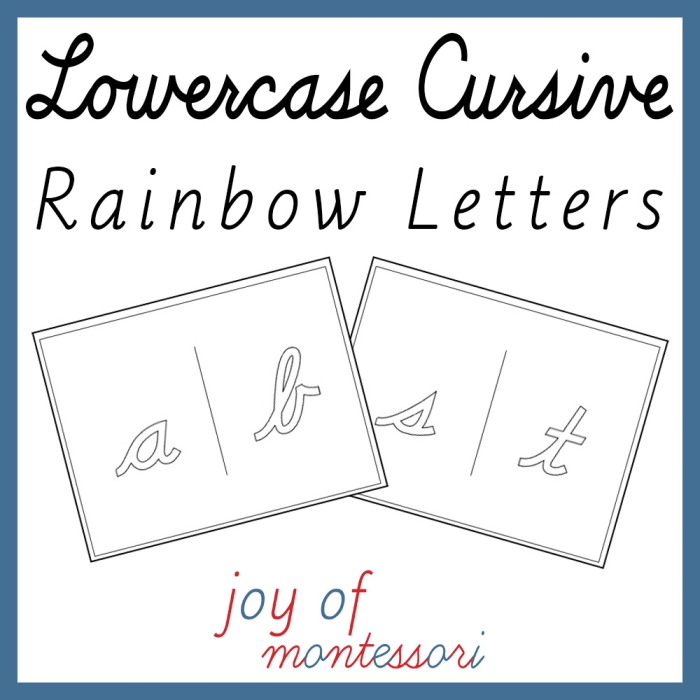
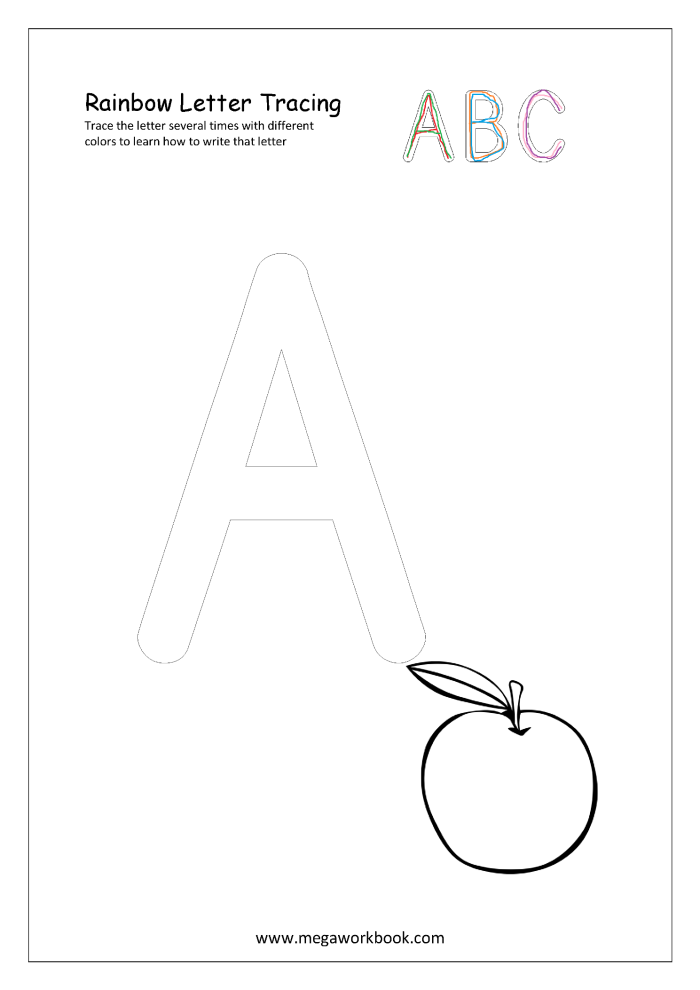
The beauty of this method lies in its simplicity. You need only pencils in different colors and a worksheet with letter outlines. Yet the impact on a young learner’s willingness to practice is noticeable. Rainbow letters transform penmanship from something children endure into something they choose to do, often asking for more pages once they’ve finished.
Grab These Worksheets Now