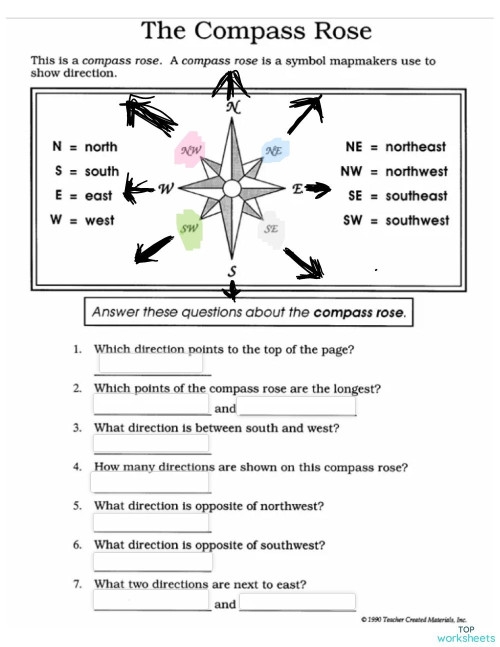
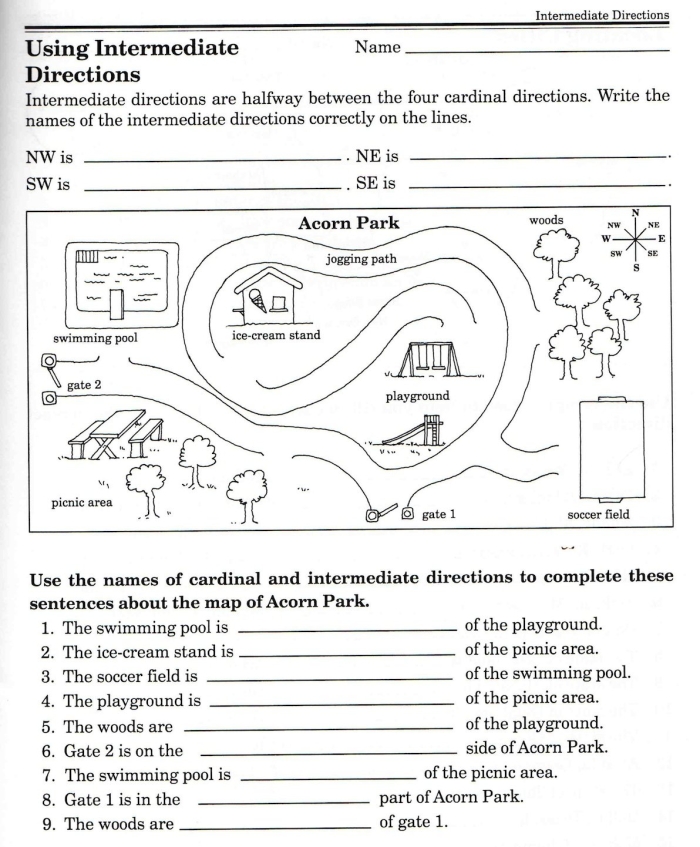
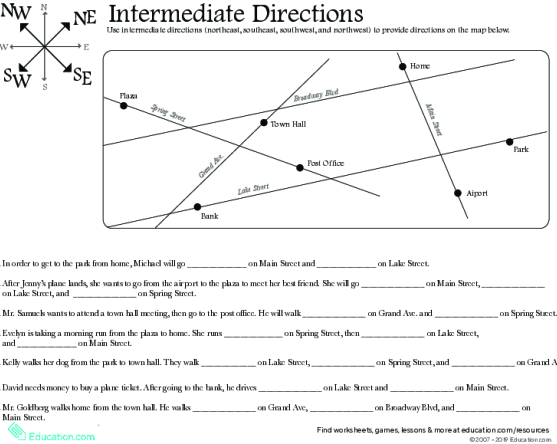
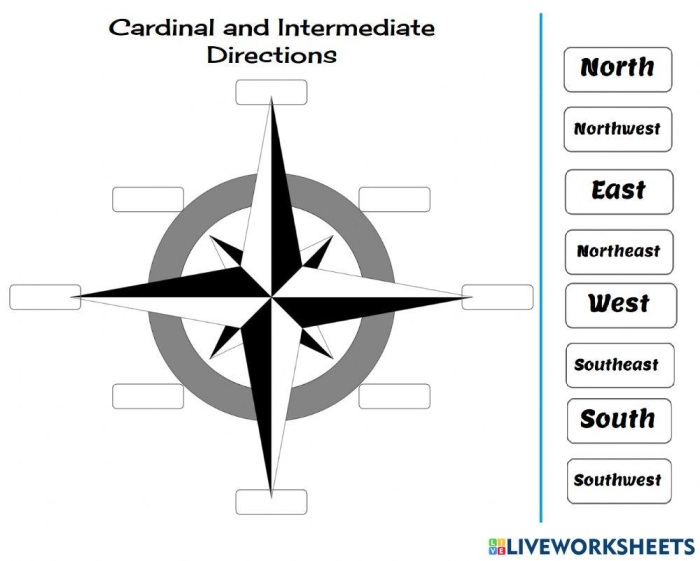
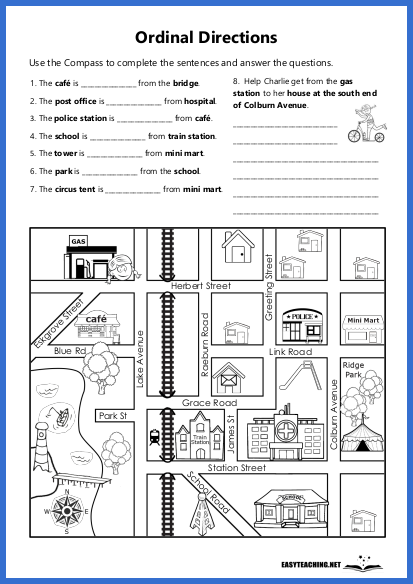
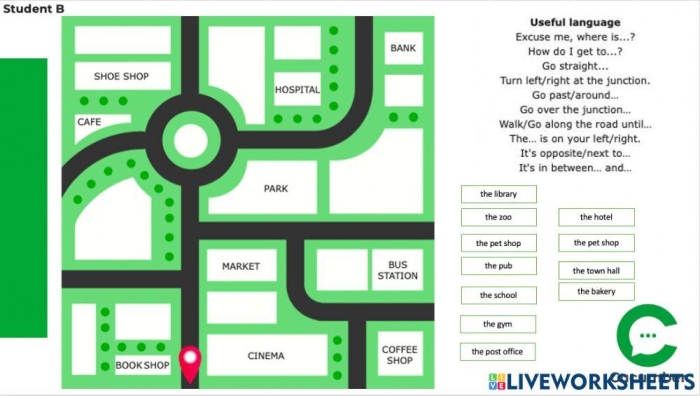
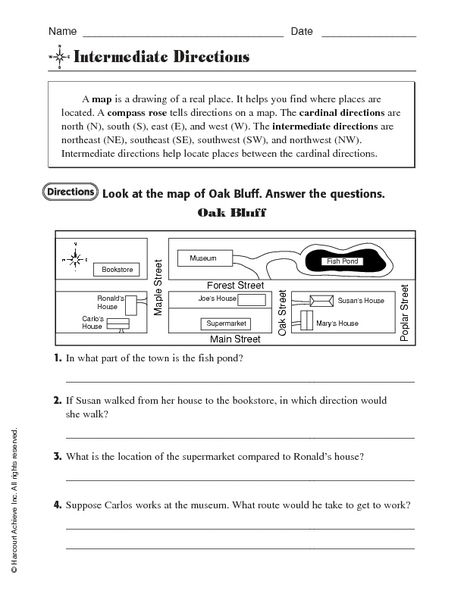
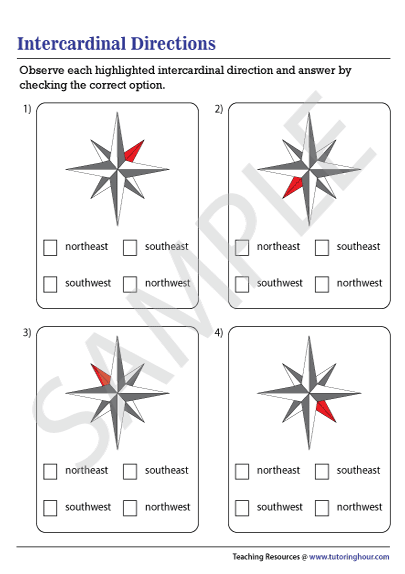
Map reading sits at the intersection of spatial reasoning and directional literacy, skills that third grade students are just beginning to develop with real confidence. When you place a town map in front of a child and ask them to navigate using intermediate directions like northeast, southwest, and southeast, you’re asking them to think in layers: first understanding cardinal directions, then rotating those concepts 45 degrees, then applying them to a realistic setting.
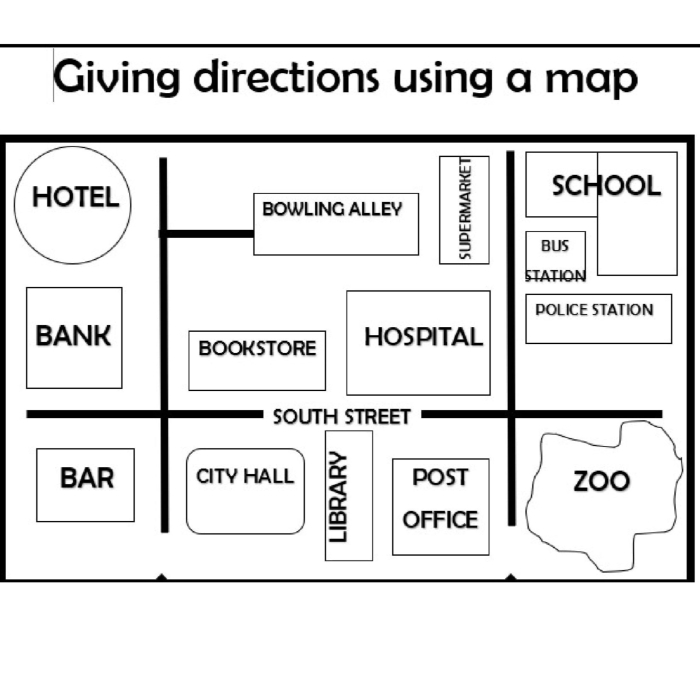
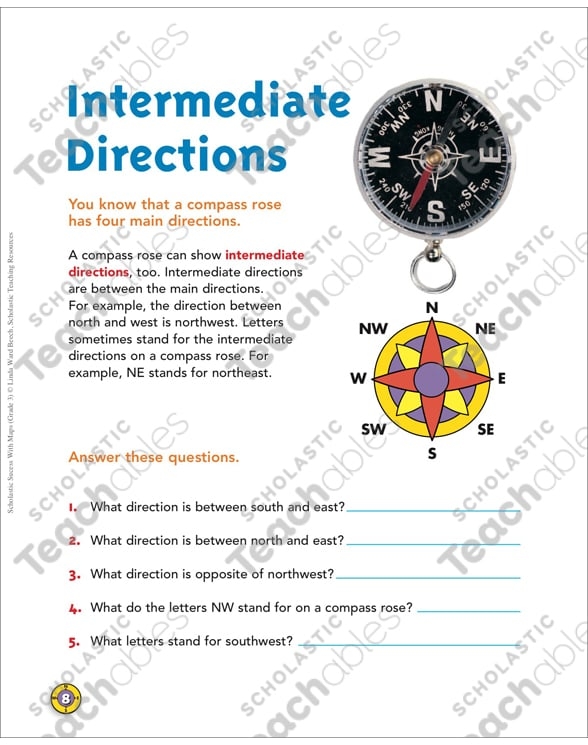
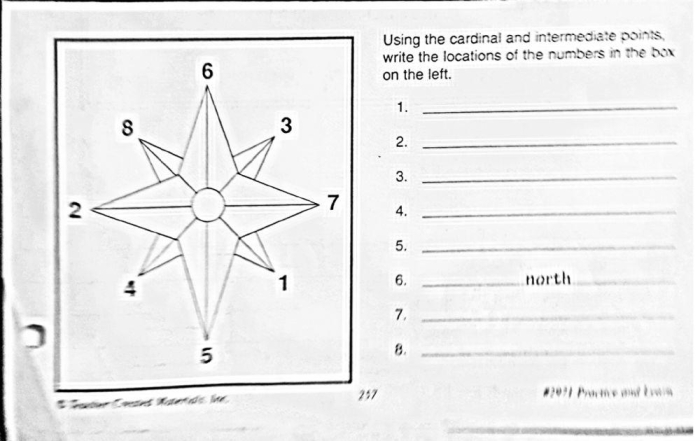
The challenge with intermediate directions is that they require children to visualize angles without seeing them marked on the page. A child might understand that north is up, but grasping that northeast sits between north and east requires mental rotation and spatial visualization. This is exactly why working through a town map, rather than abstract directional exercises, makes the concept stick. When they’re hunting for the library that sits northeast of the town square, they’re not just learning compass points—they’re building a mental map of how spaces relate to each other.
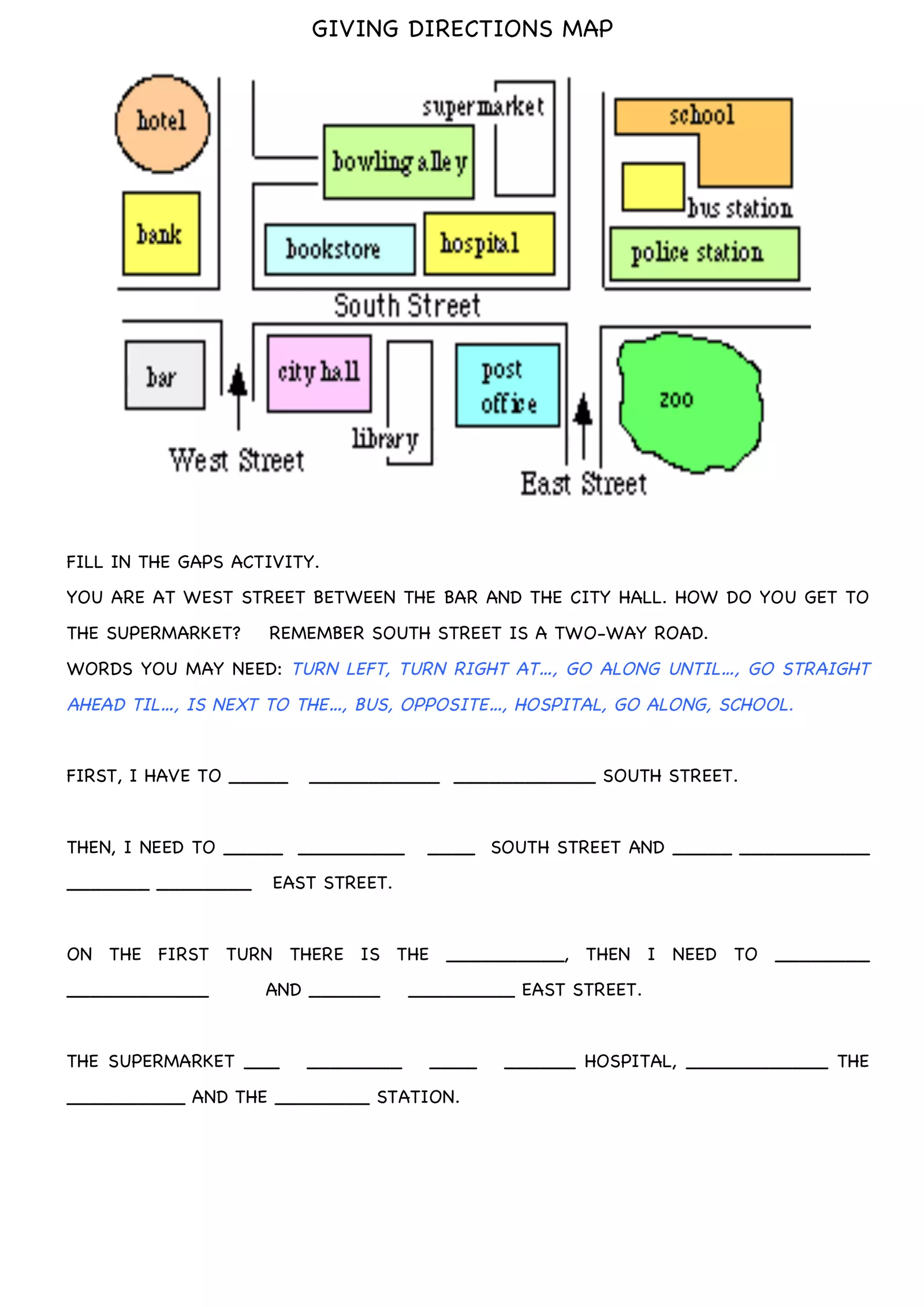
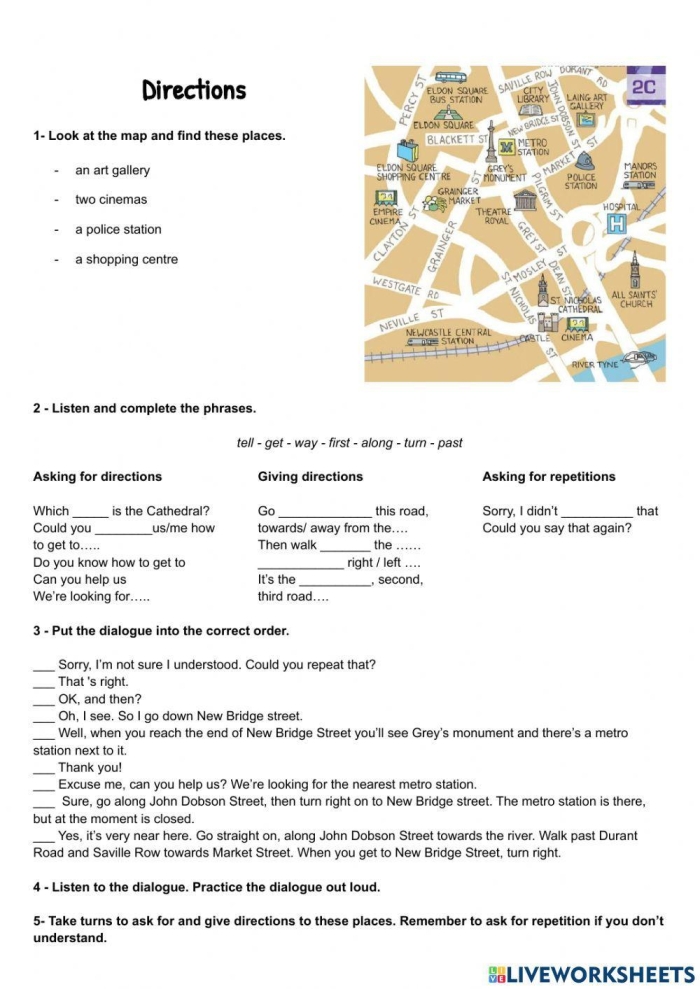
Third grade writing activities often pair with map skills naturally. As children locate buildings and landmarks on a town map, they can write descriptions of routes, explain how to reach destinations, or describe what they find at each location. This combination strengthens both their directional vocabulary and their ability to express spatial relationships in words.
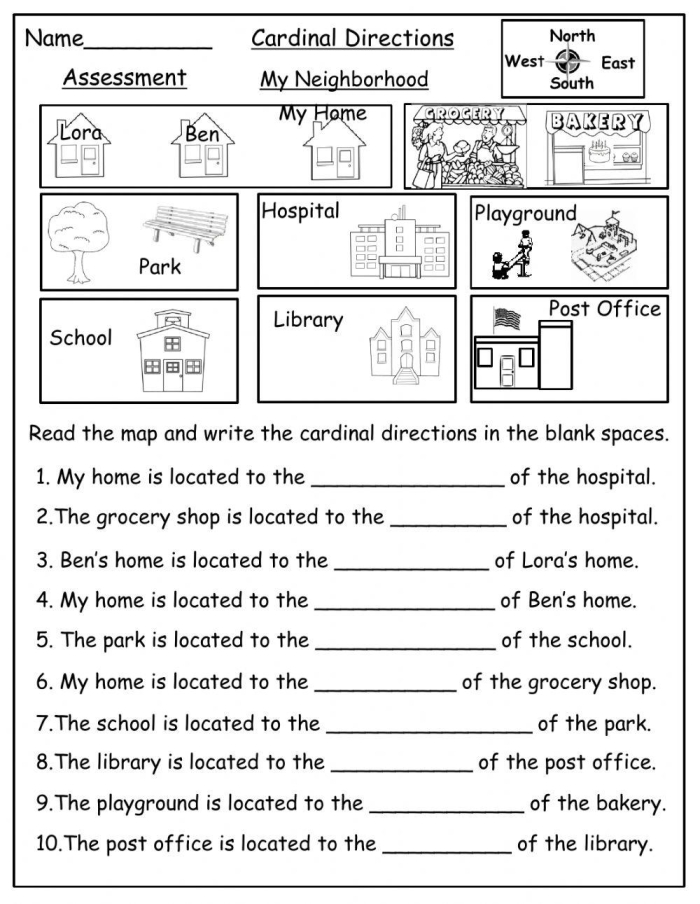
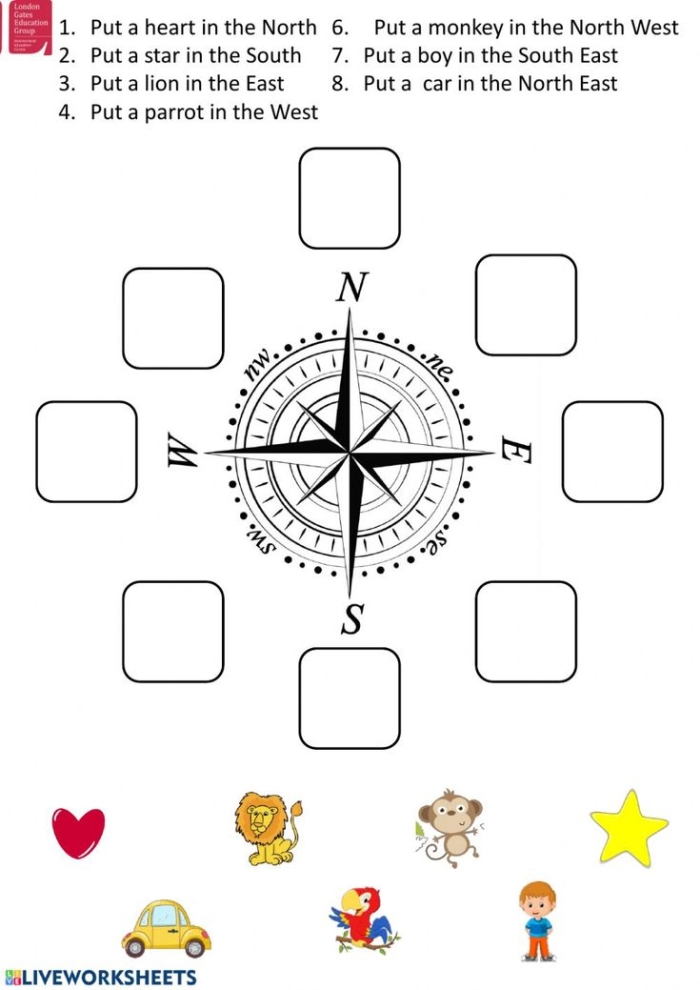
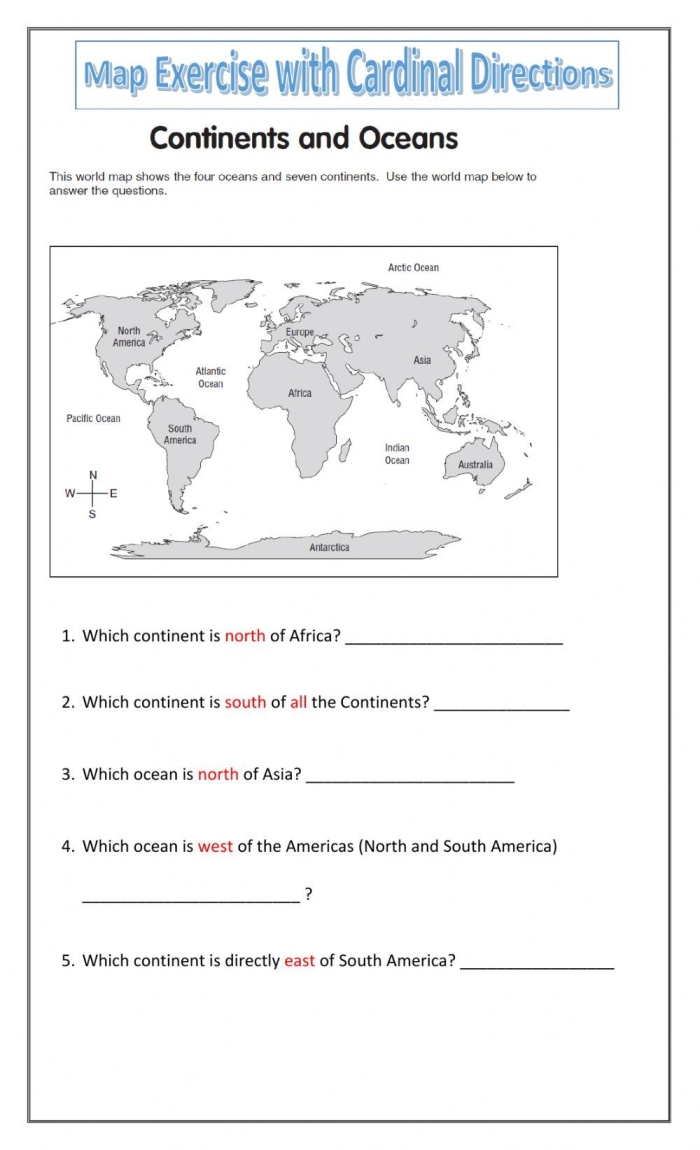
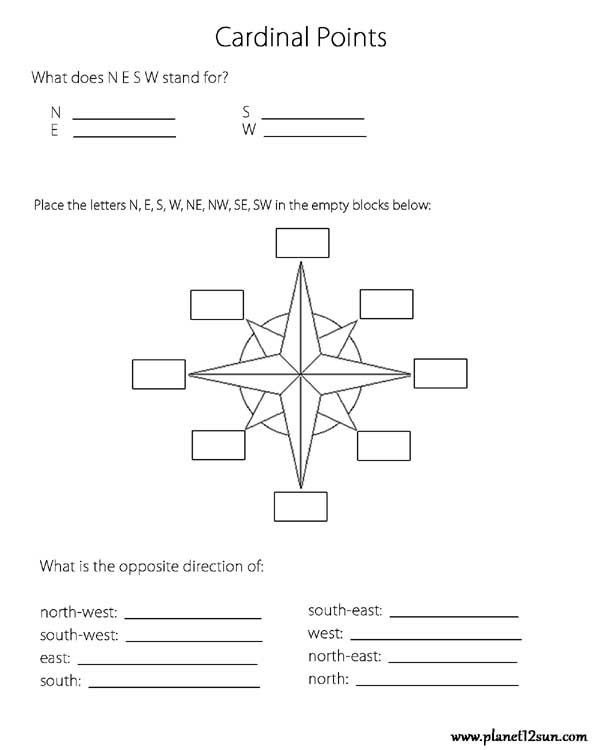
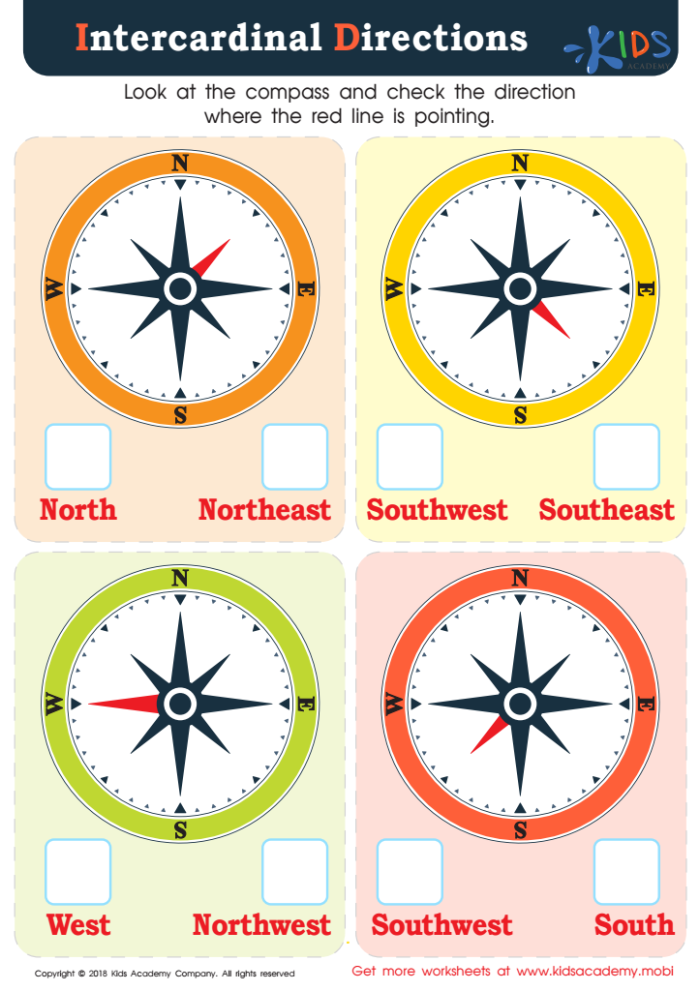
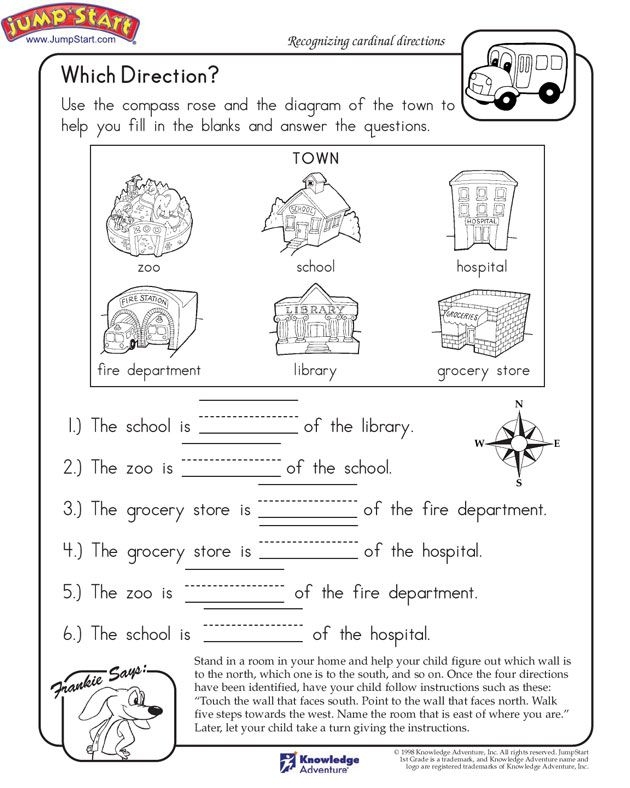
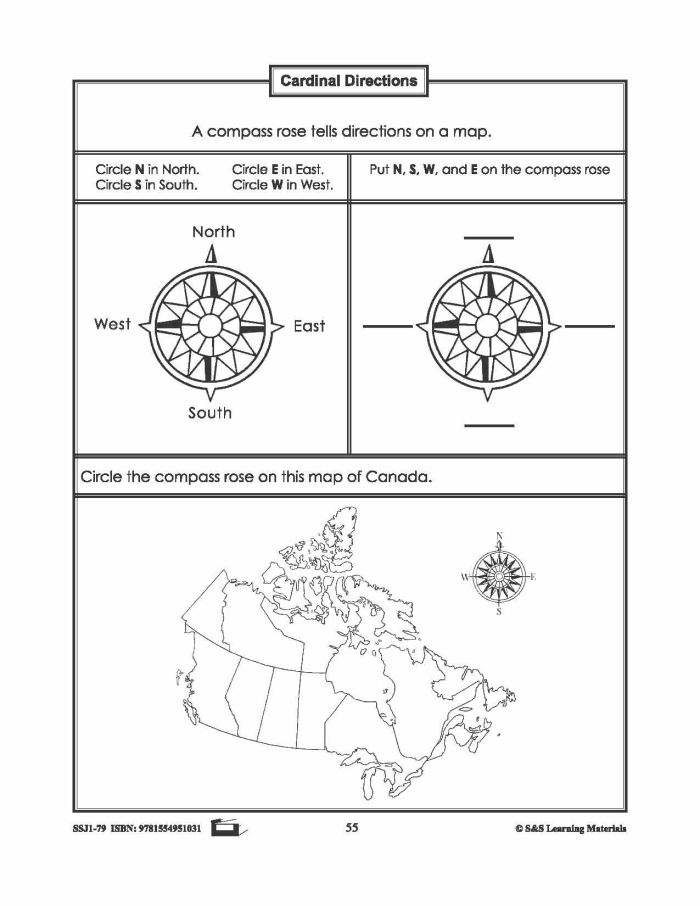
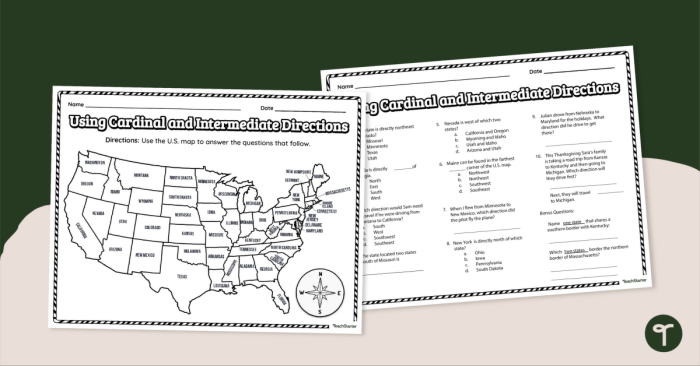
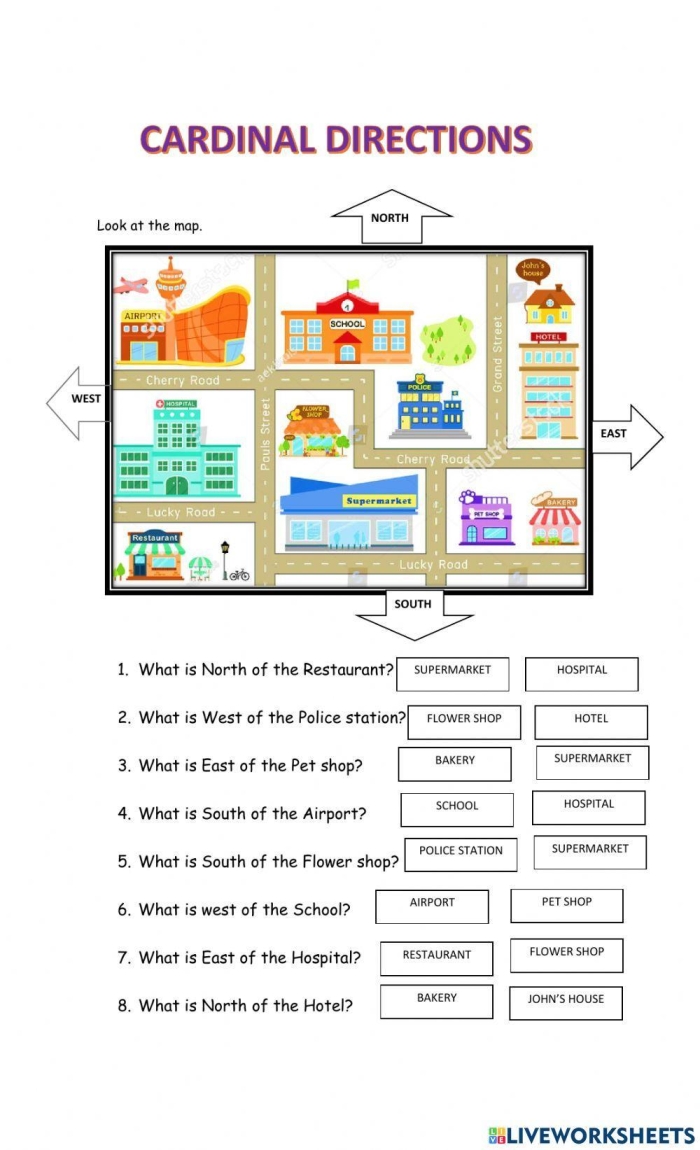
Printable practice intermediate directions worksheets offer a structured way to build this skill progressively. Start with a simple town layout where students identify locations using cardinal directions, then introduce the intermediate compass points. As they work through different scenarios on the same map, the spatial relationships become clearer and more automatic.
You might also explore how possessive nouns in writing can enhance map descriptions, or integrate subtraction practice by calculating distances between locations. These cross-curricular connections help children see that directional skills apply across multiple types of thinking and problem-solving.
Grab These Worksheets Now