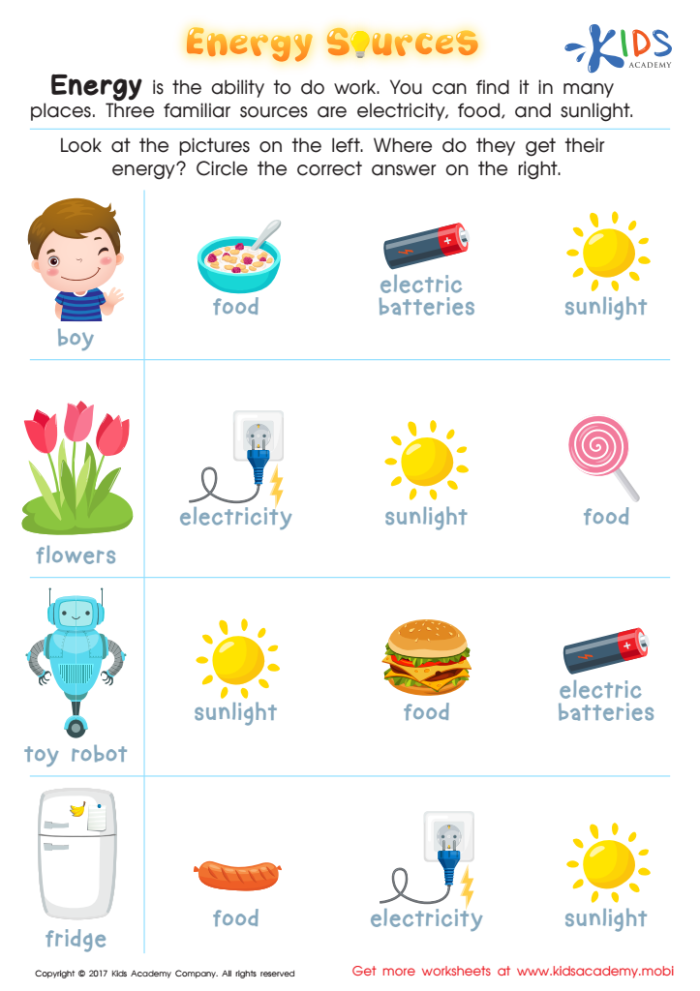
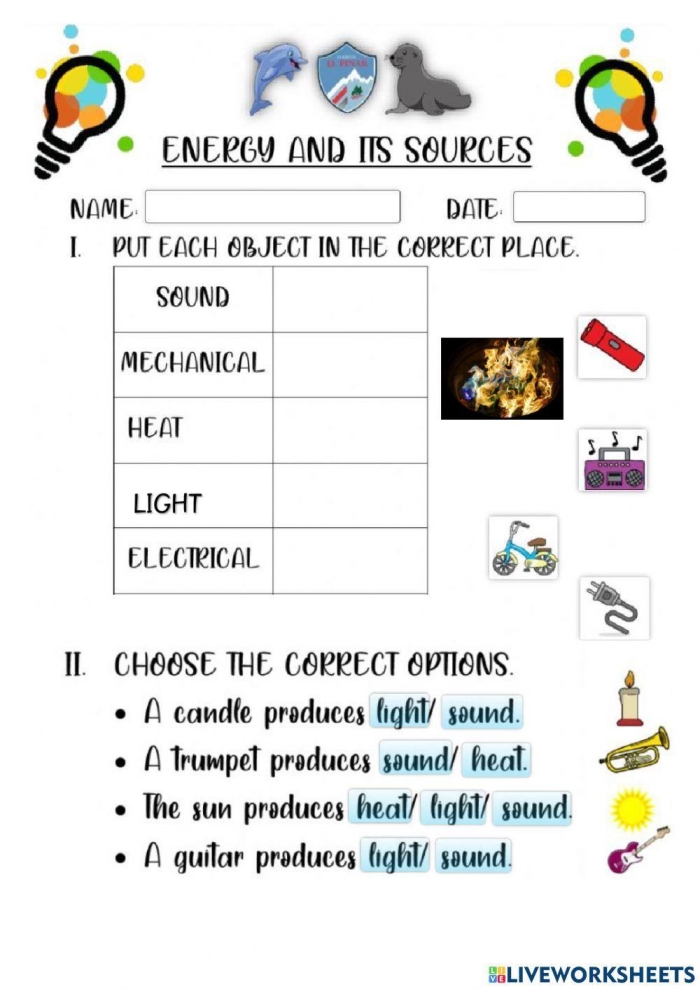
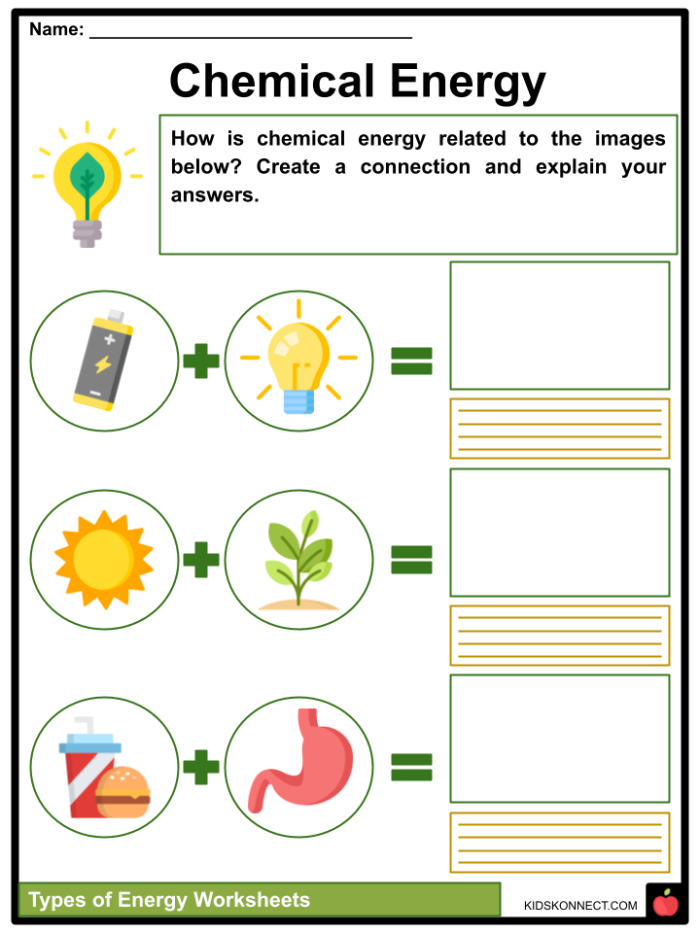
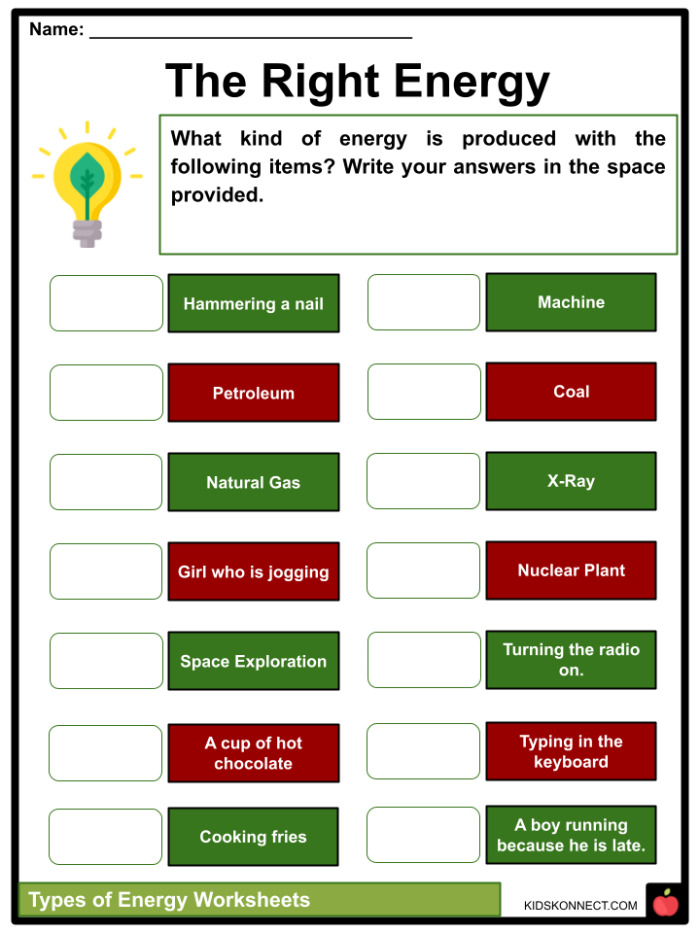
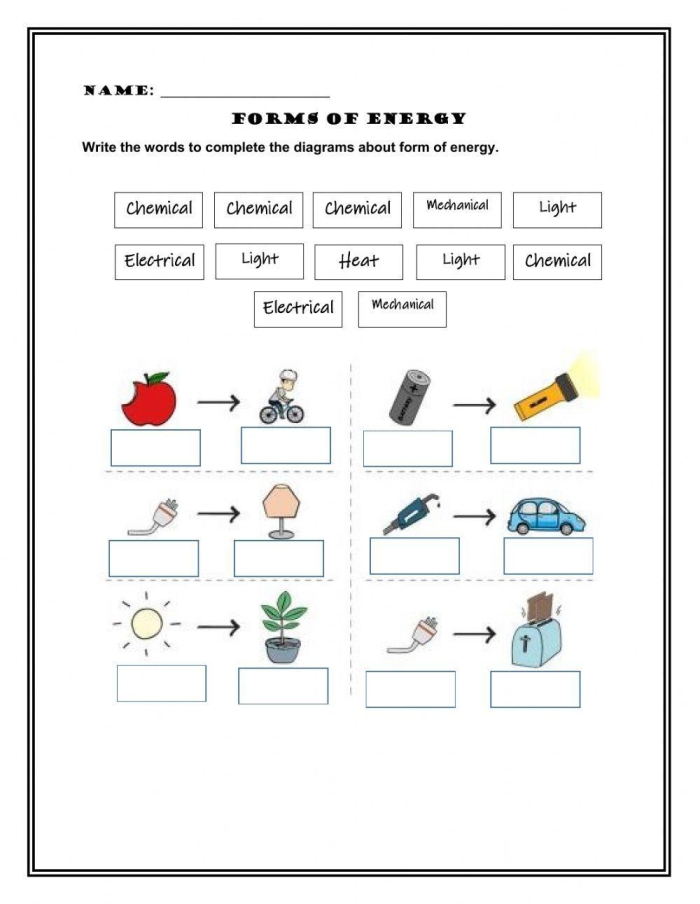
Most third grade students have heard the word “energy” before, but understanding what it actually means and how it shows up in everyday life makes science click into place. Energy isn’t just something abstract in a textbook. It’s the reason your child can run around the playground, why the sun keeps us warm, and how a light bulb glows when you flip a switch.
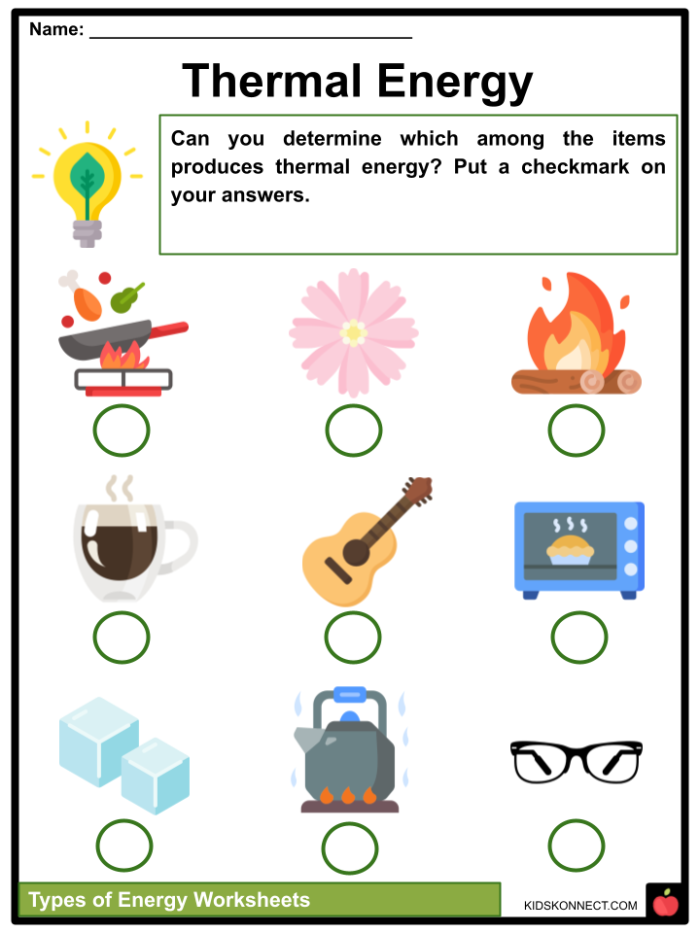
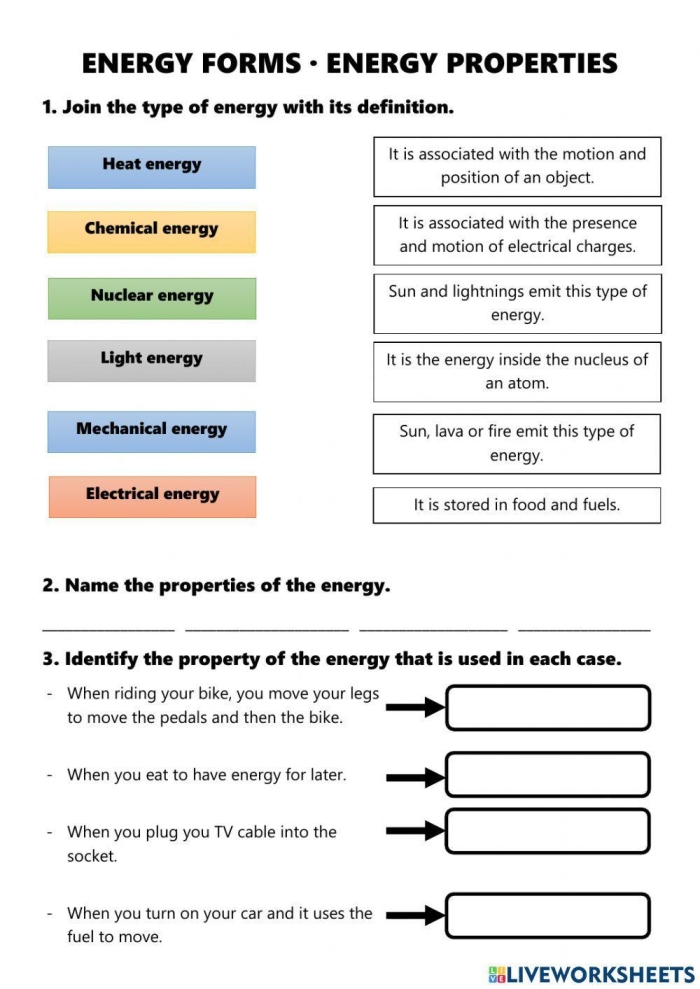
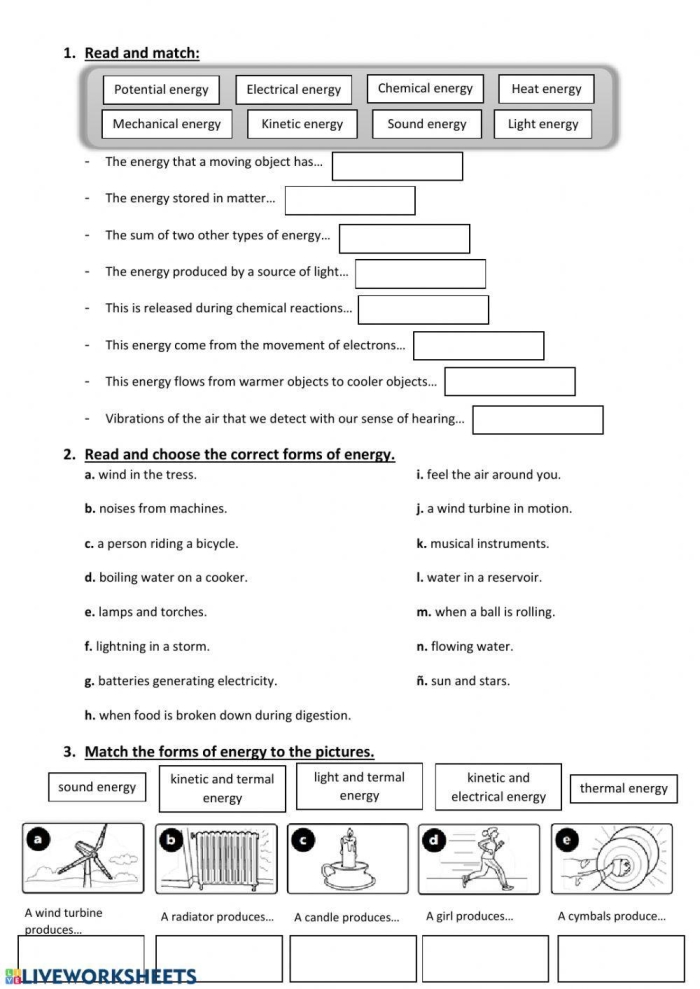
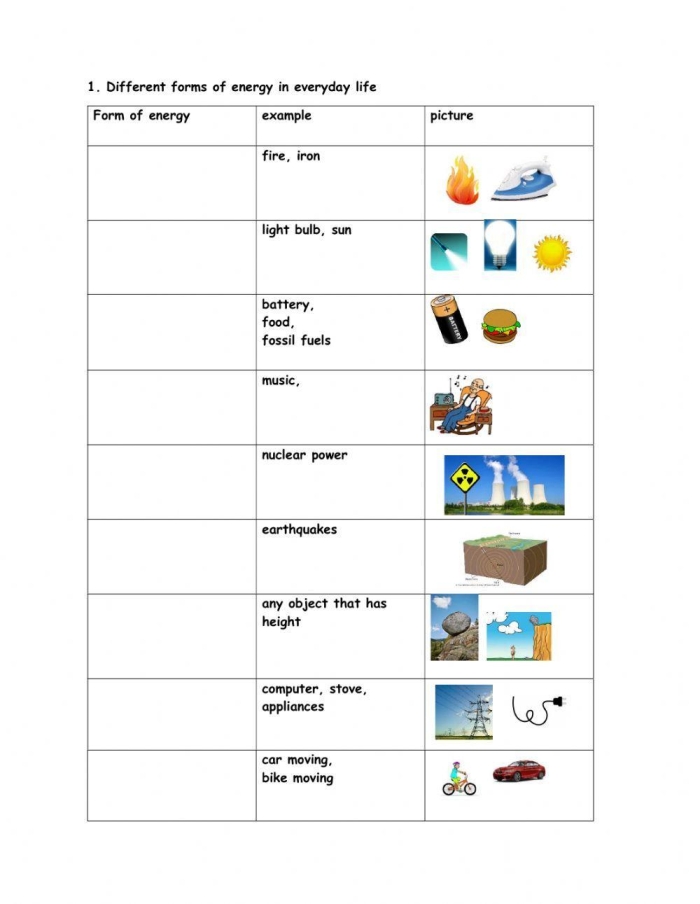
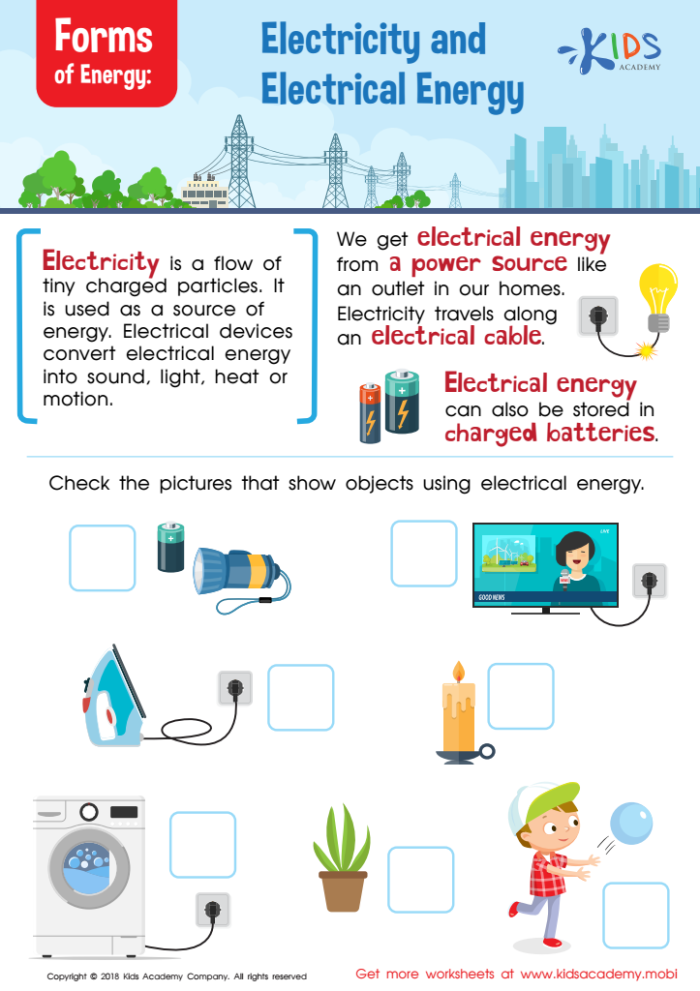
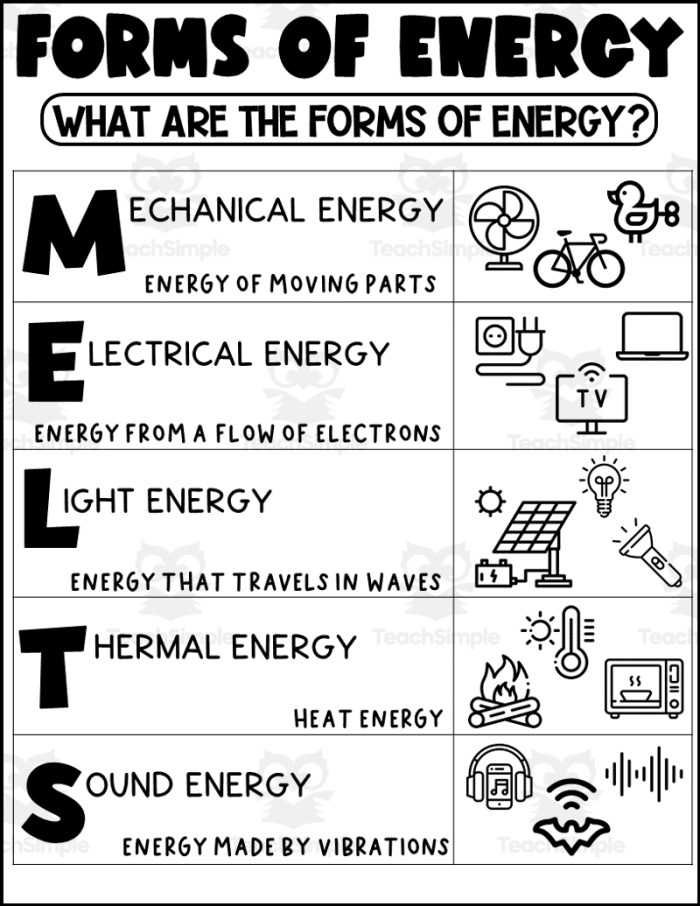
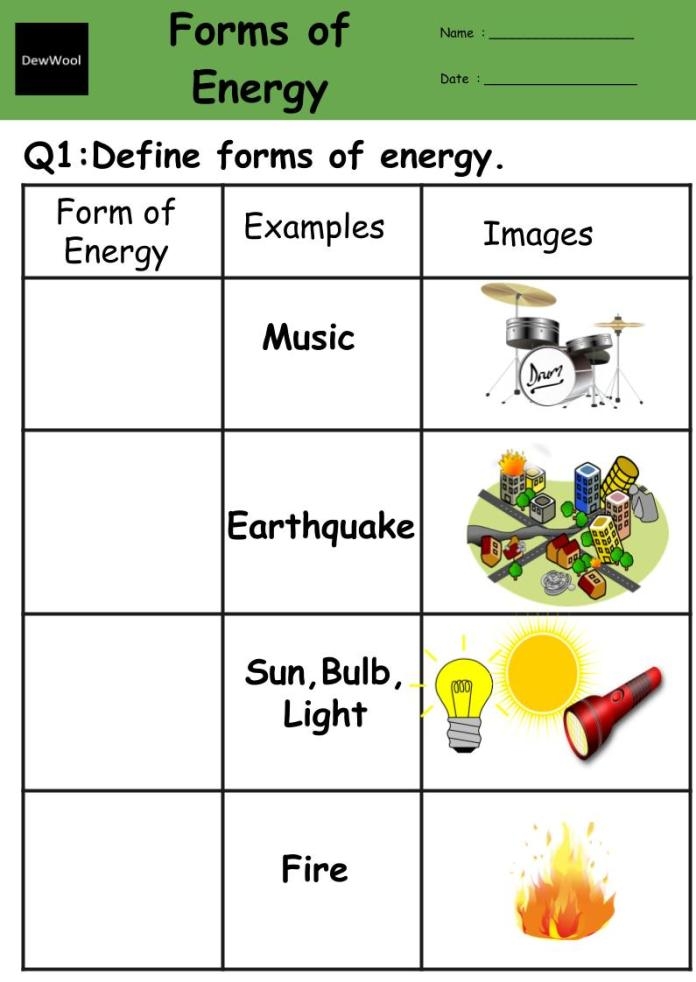
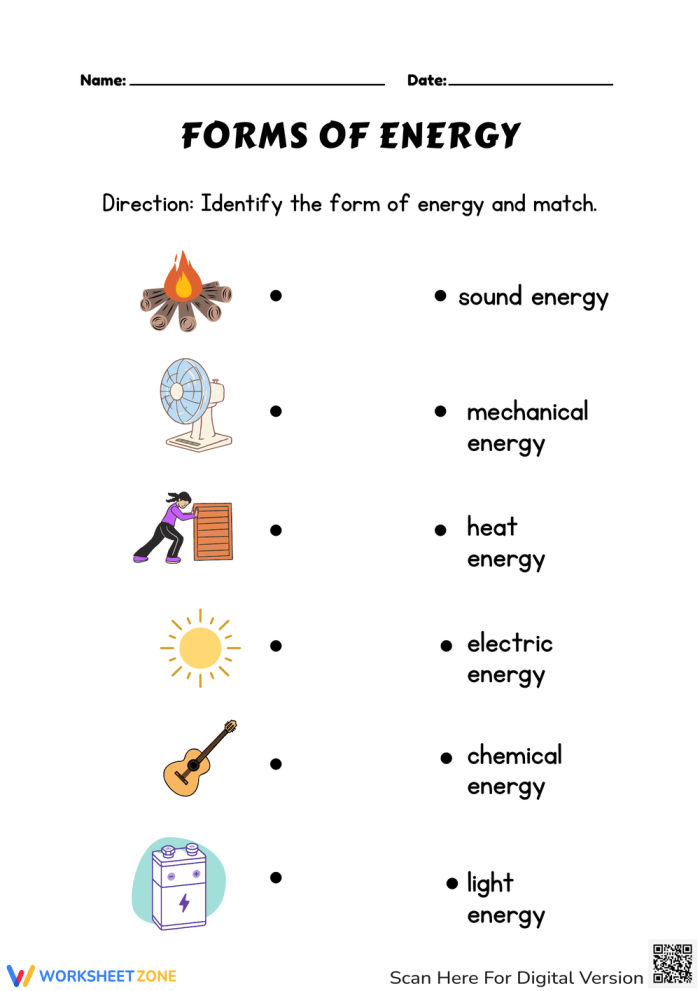
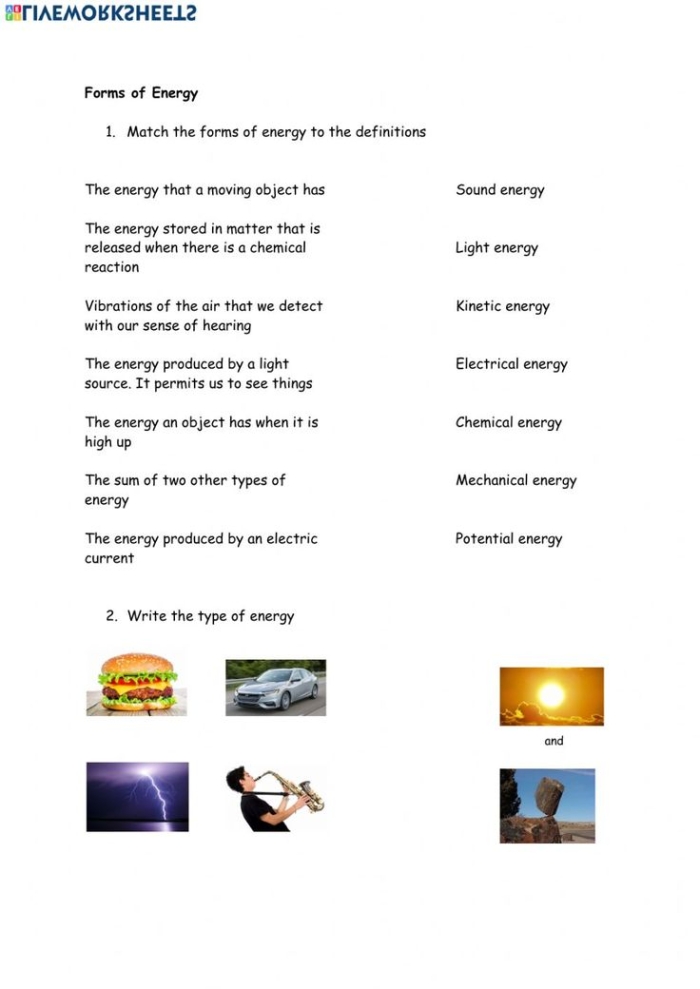
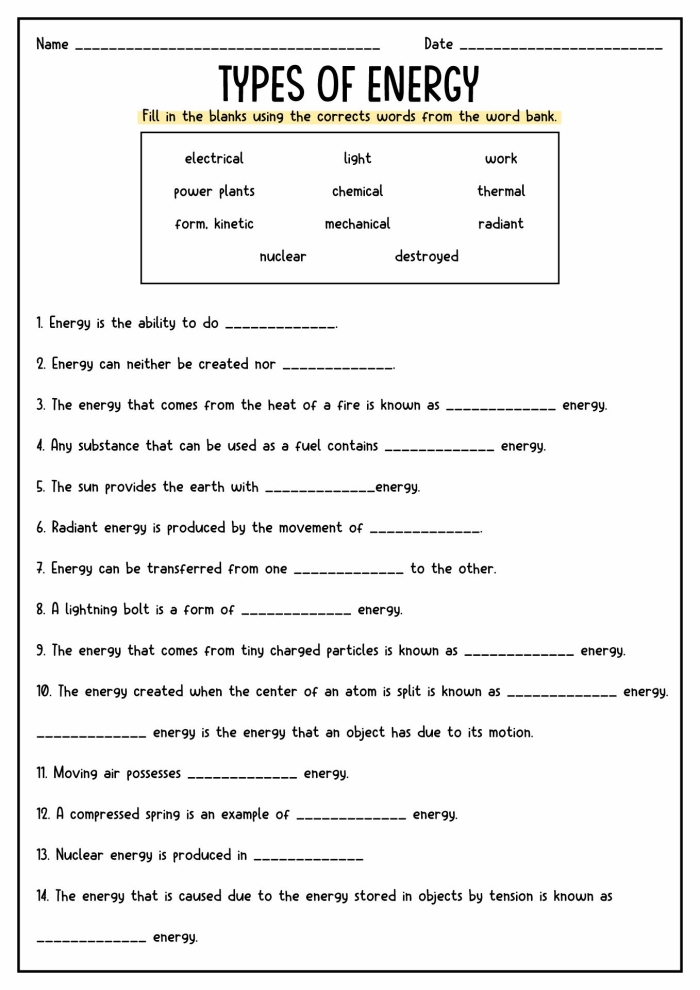
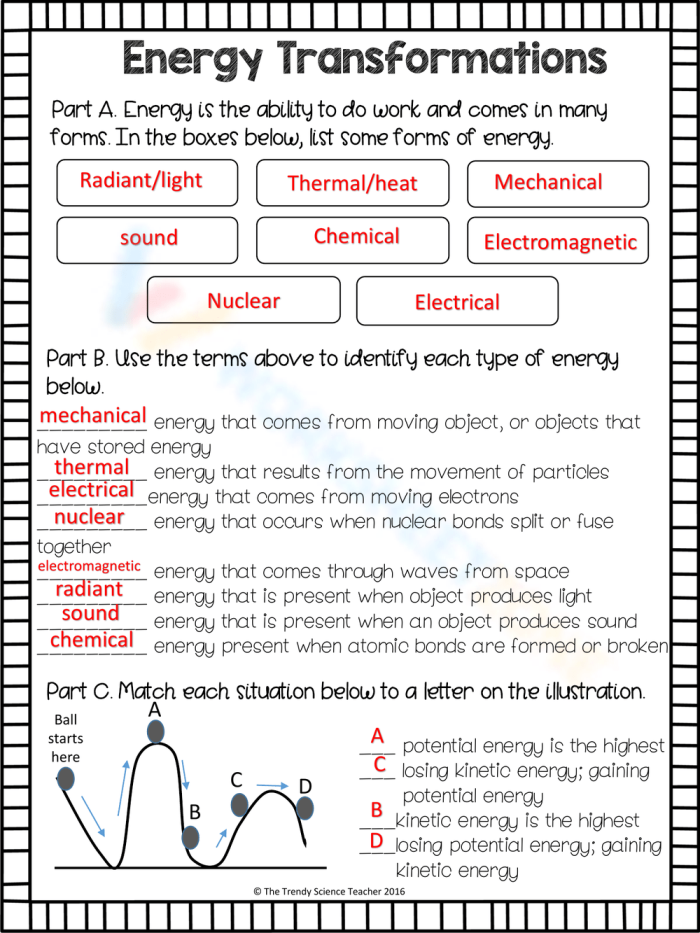
There are several main types of energy worth exploring with your young learner. Kinetic energy is energy in motion, like when a ball rolls down a hill or a child rides a bicycle. Potential energy is stored energy waiting to be released, such as a ball sitting at the top of that same hill or a stretched rubber band. Thermal energy comes from heat, whether from a campfire, the sun, or hot cocoa. Light energy travels in waves and lets us see, while sound energy travels through the air as vibrations we hear. Electrical energy powers our homes and devices.
Teaching these concepts doesn’t require fancy equipment. You can demonstrate kinetic and potential energy by dropping objects or using a pendulum. Show thermal energy by letting your child feel warmth from the sun or a heater. Ask them to identify sound energy sources around your home.
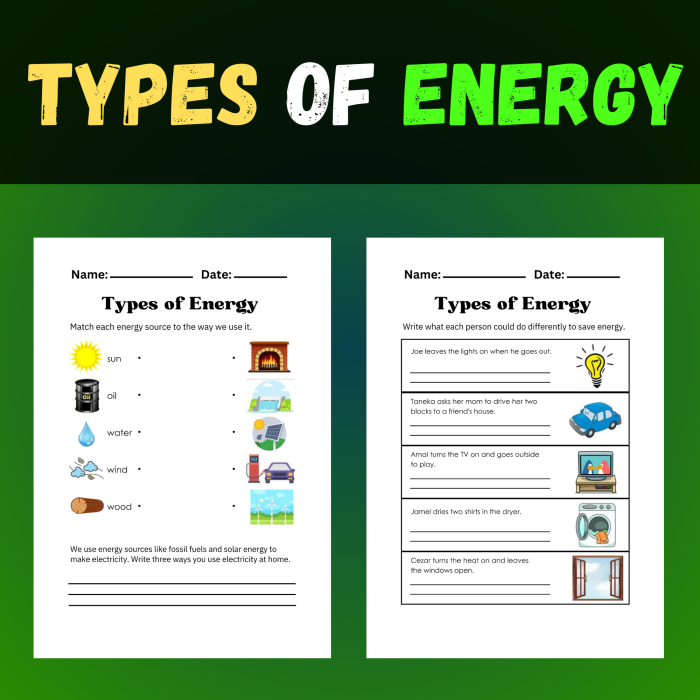
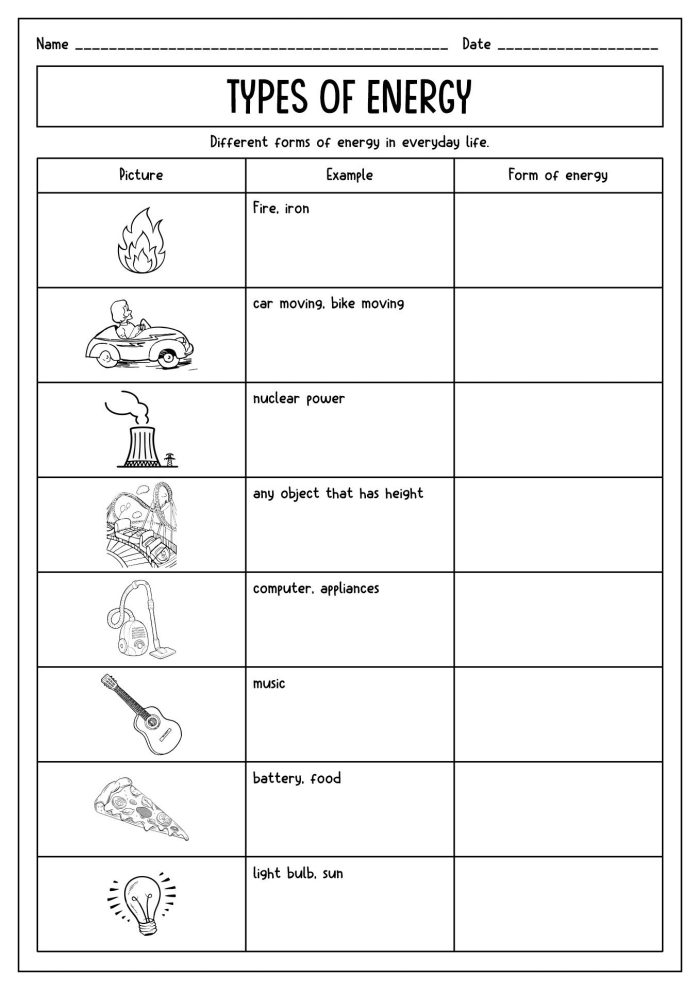
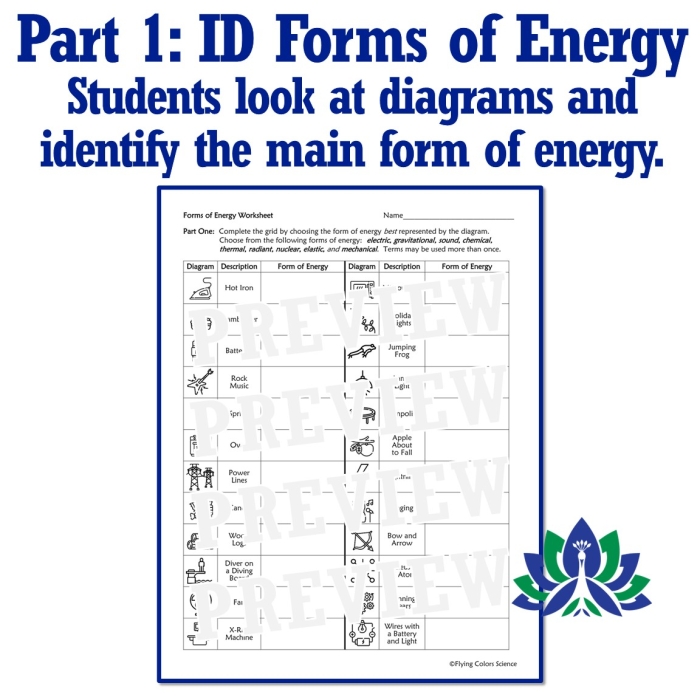
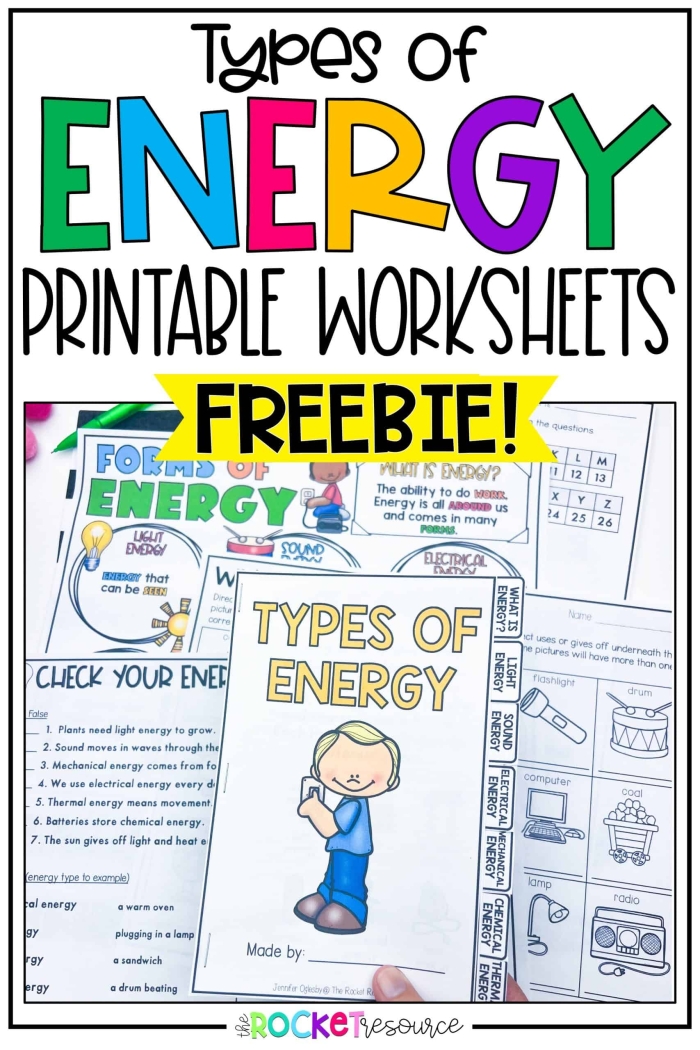
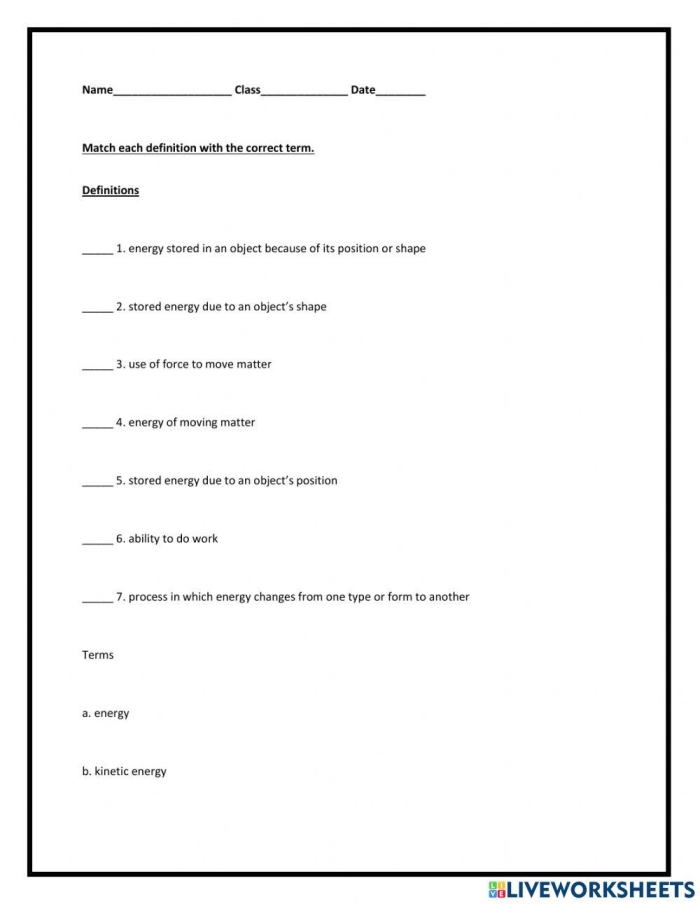
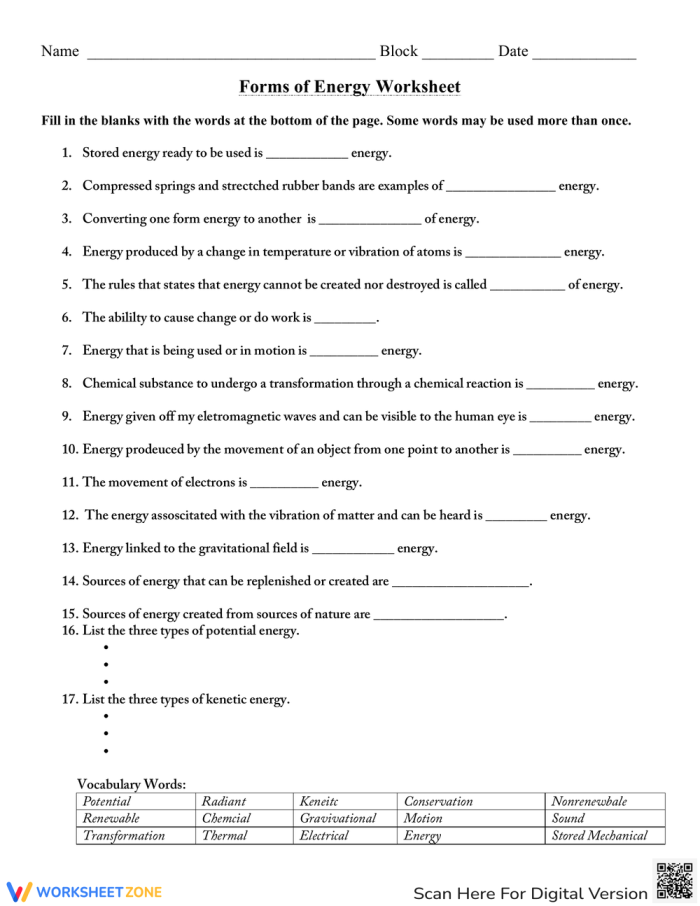
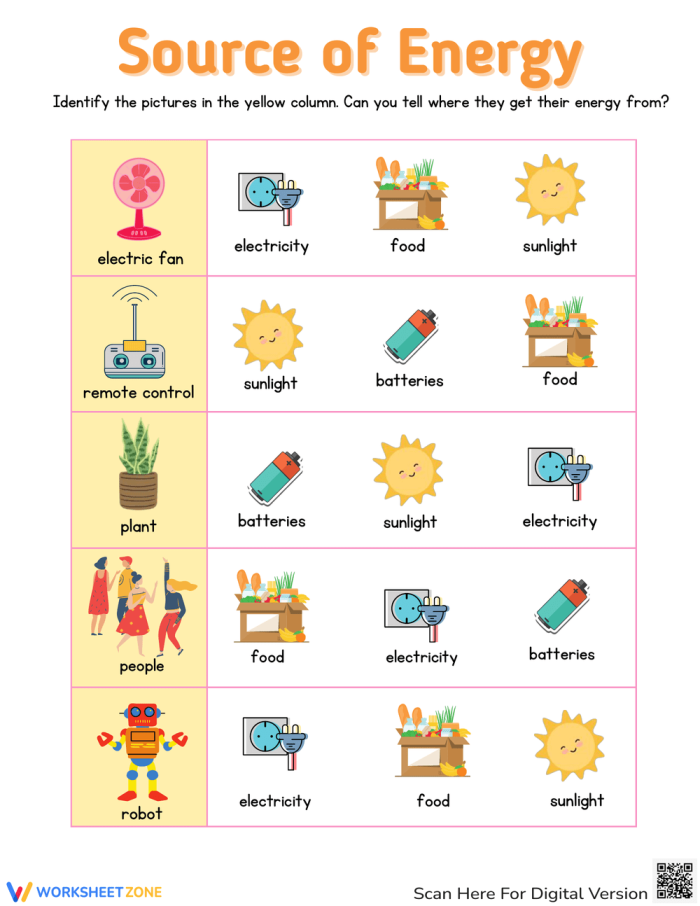
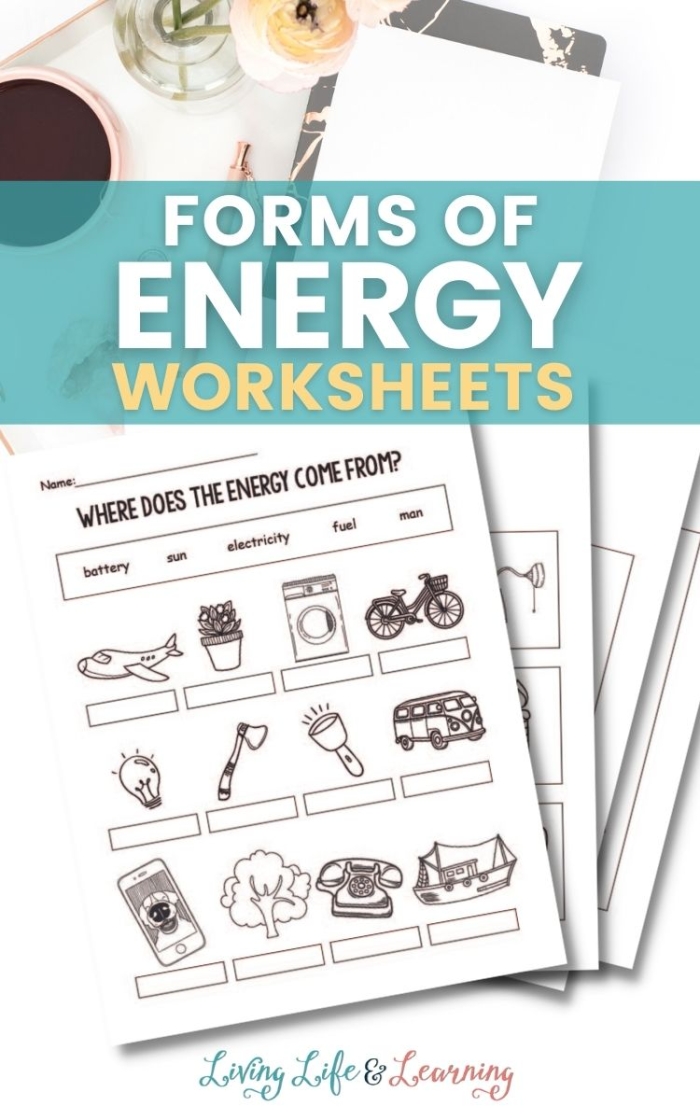
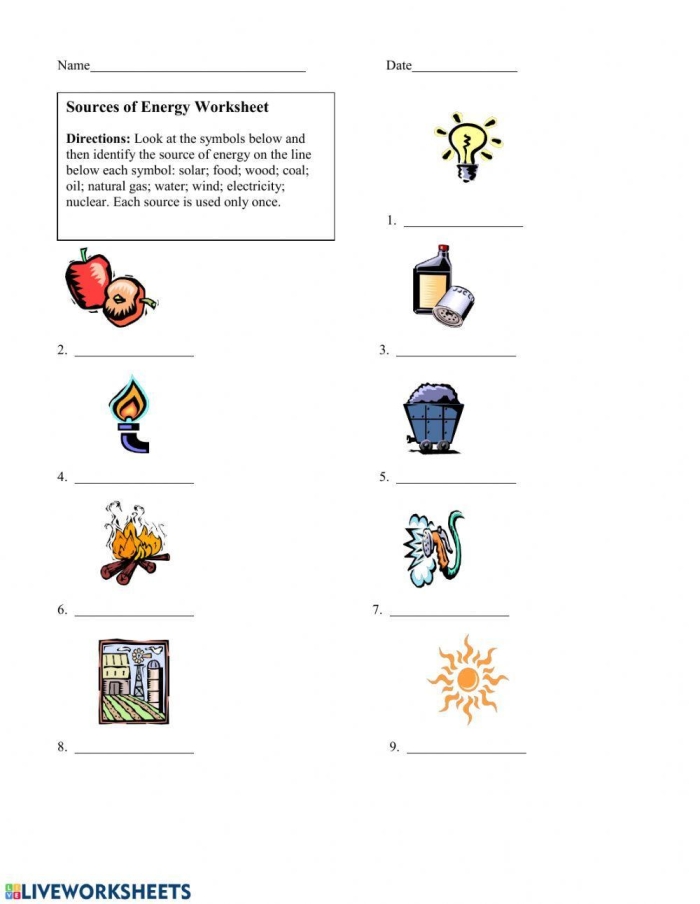
Pairing hands-on exploration with printable types of energy worksheets helps reinforce what your child observes. Look for activities that connect energy concepts to sight words they’re learning in class. Worksheets on measurement and physical science can also support their understanding of how we quantify energy in different forms.
When children understand that energy exists in multiple forms and constantly transforms around them, science becomes less mysterious and more exciting. Your young scientist will start noticing energy everywhere they look.
Download These Worksheets for Practice