Place value is one of those foundational concepts that either clicks early or becomes a persistent struggle. When first grade students understand that the digit 3 means something completely different depending on whether it sits in the tens or ones column, they’ve grasped something fundamental about how numbers work.
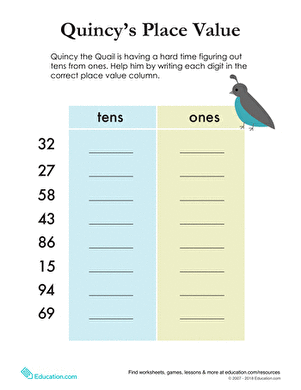
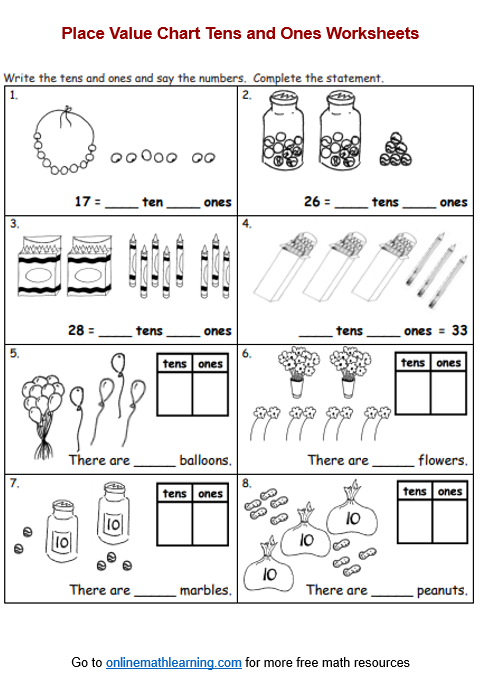
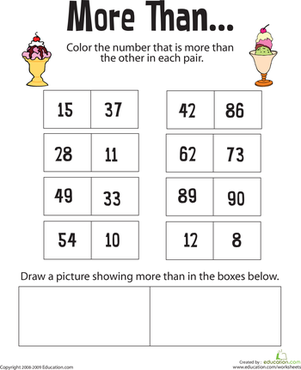
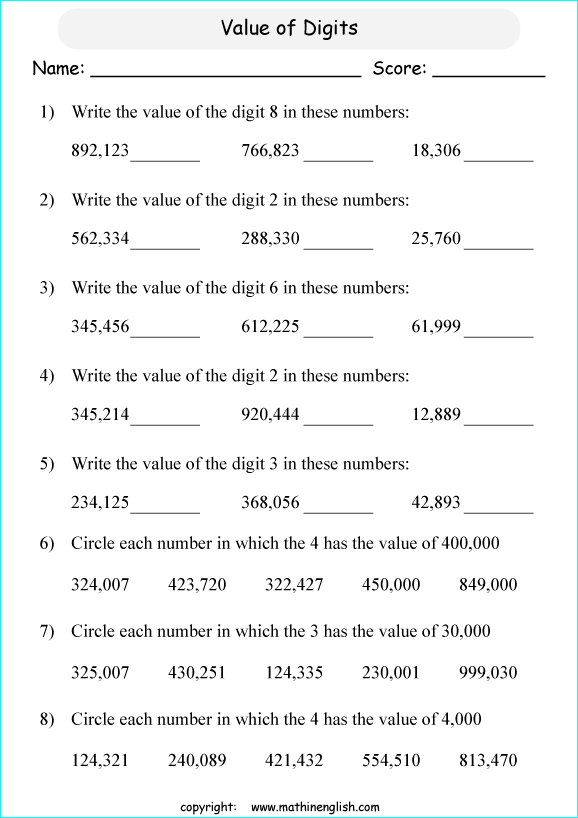
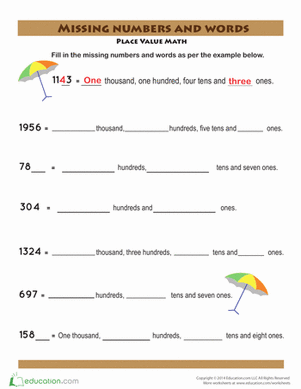
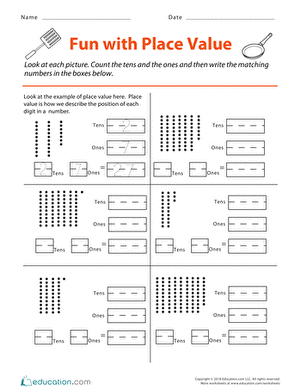
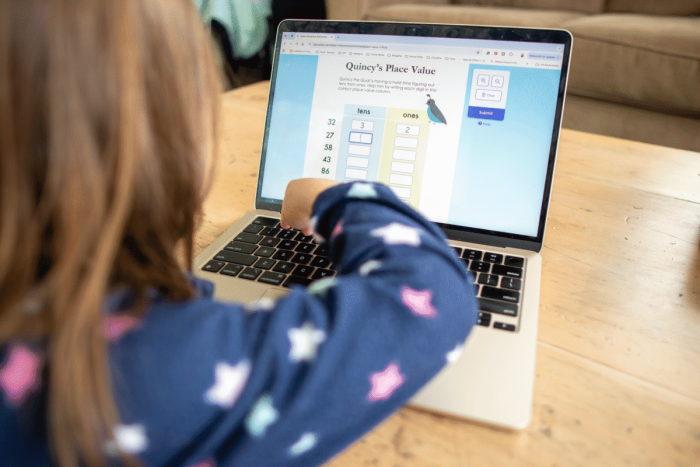
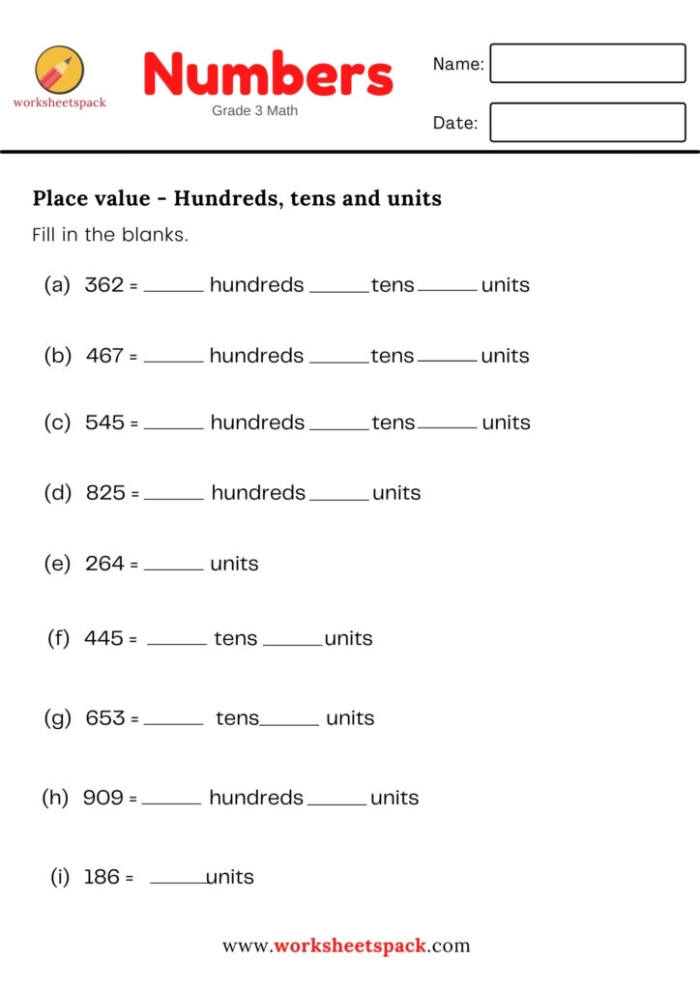
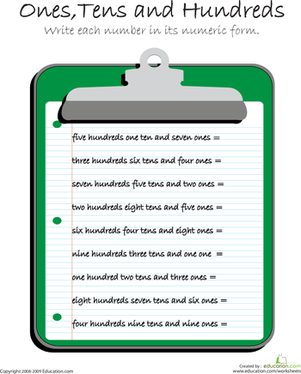
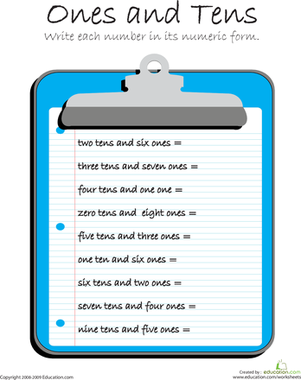
A place value worksheet designed for first grade typically presents two-digit numbers and asks students to identify what each digit represents. The student looks at a number like 24 and recognizes that the 2 belongs in the tens column (meaning two groups of ten) while the 4 belongs in the ones column (meaning four individual units). This isn’t just about memorizing positions, it’s about understanding quantity and structure.
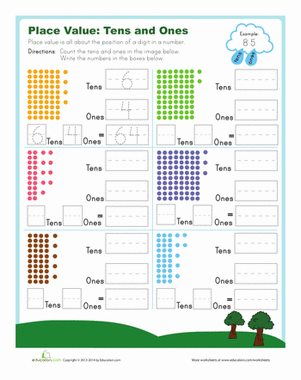
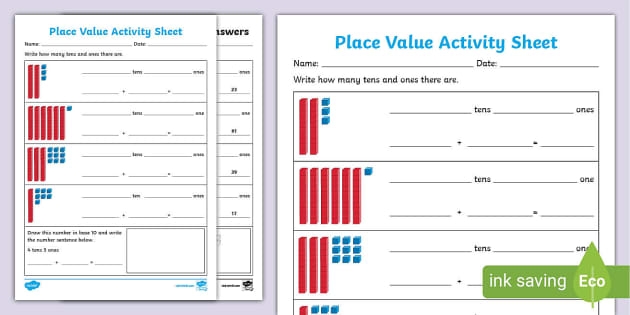
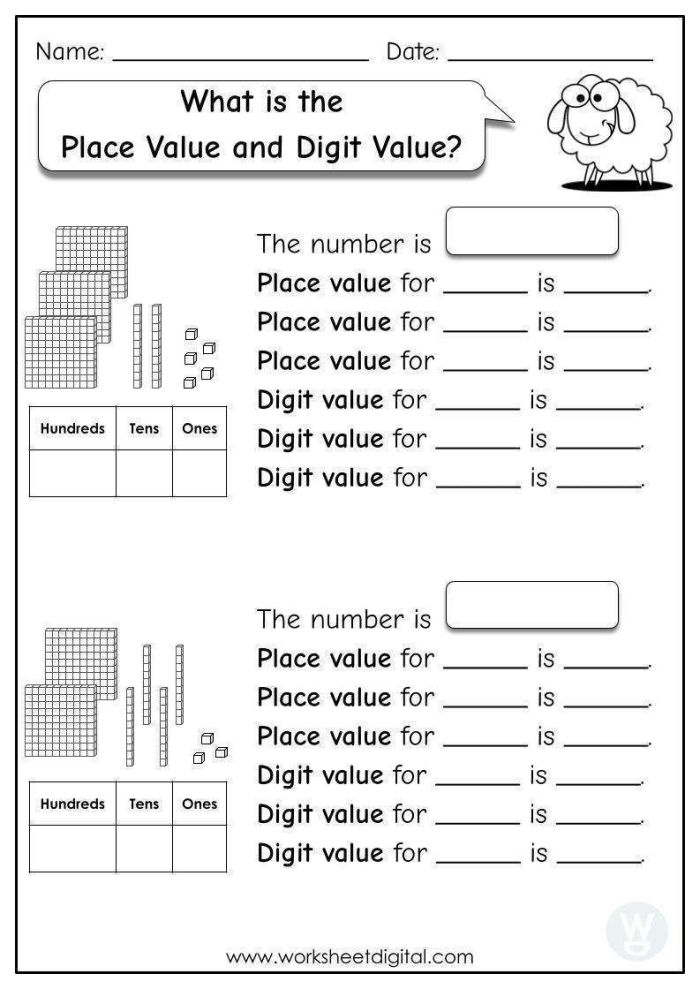
The mechanics of these worksheets are straightforward but effective. Kids read each two-digit number, then write the tens digit in one column and the ones digit in another. Some versions include visual aids like base-ten blocks or ten-frames to reinforce what the columns actually represent. The repetition of this task across multiple numbers helps the concept stick without feeling tedious.
What makes this exercise valuable is that it builds the groundwork for addition, subtraction, and eventually multi-digit multiplication. A child who can confidently separate 47 into 4 tens and 7 ones will later understand regrouping when adding 28 plus 15. The skill transfers directly.
If your first grader is working through place value concepts, pairing this worksheet with other foundational activities strengthens the learning. Activities like reviewing the hundreds chart from 1 to 120 help students see number patterns and sequences, while practicing shape patterns develops the same kind of systematic thinking required for understanding place value columns.
Boost Skills with These Worksheets