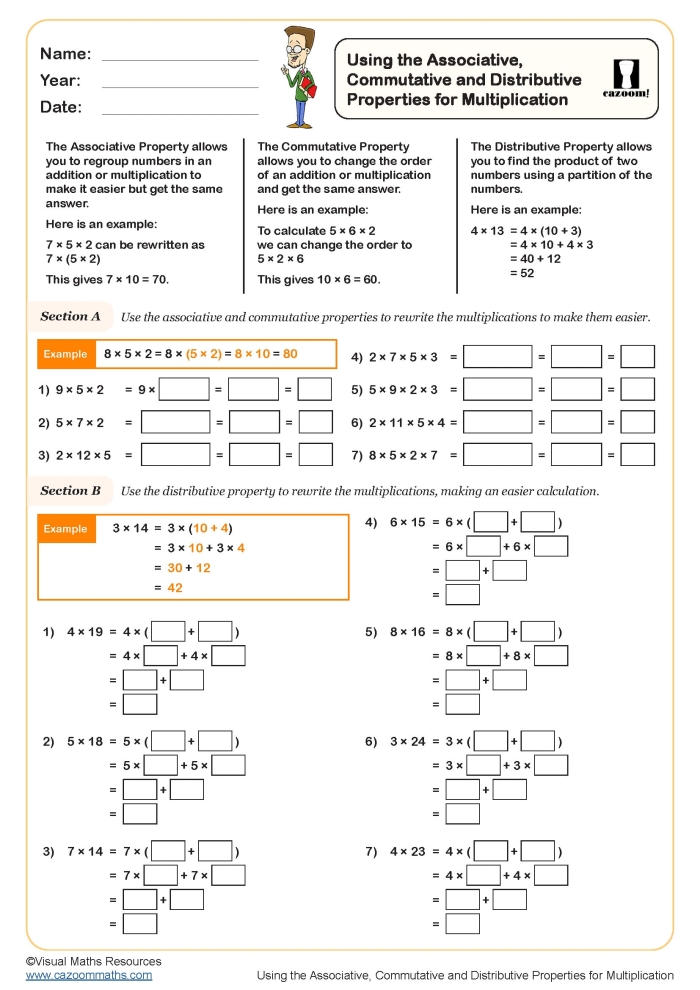
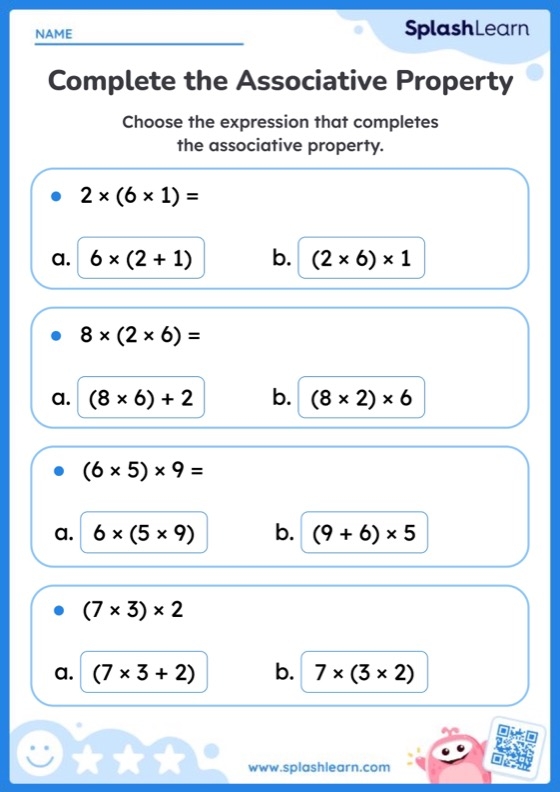
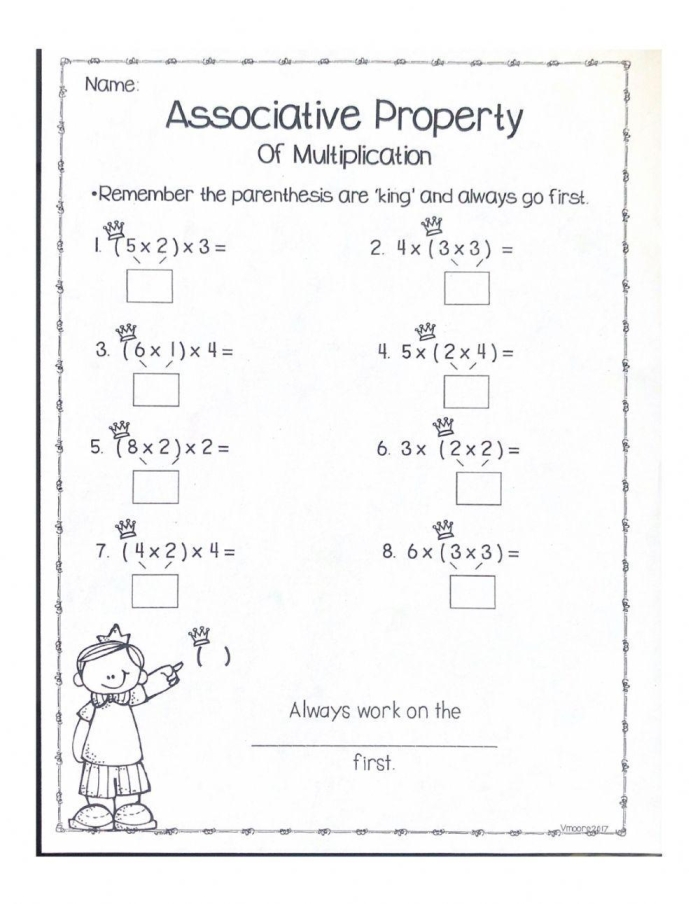
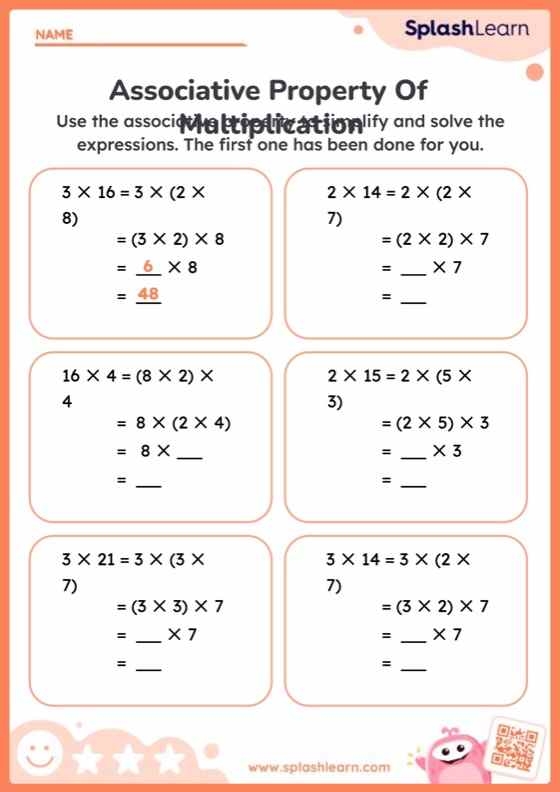
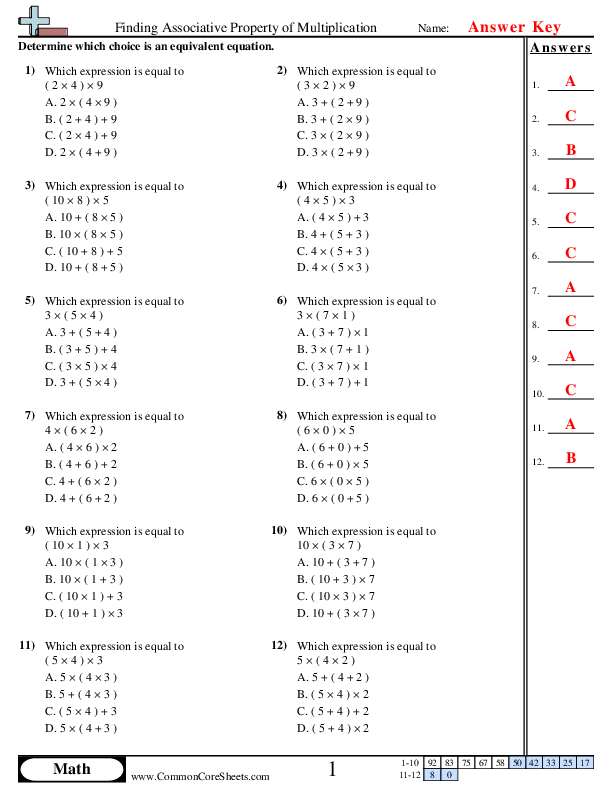
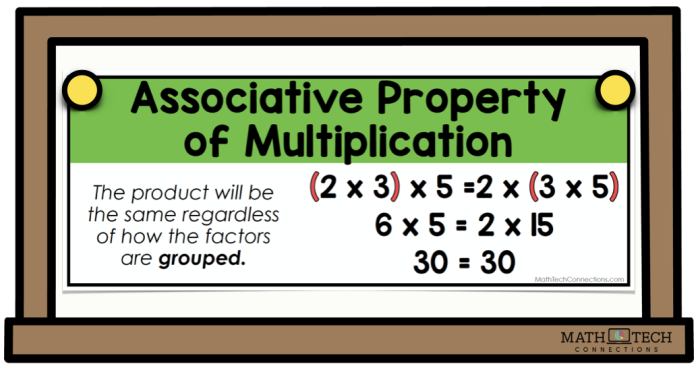
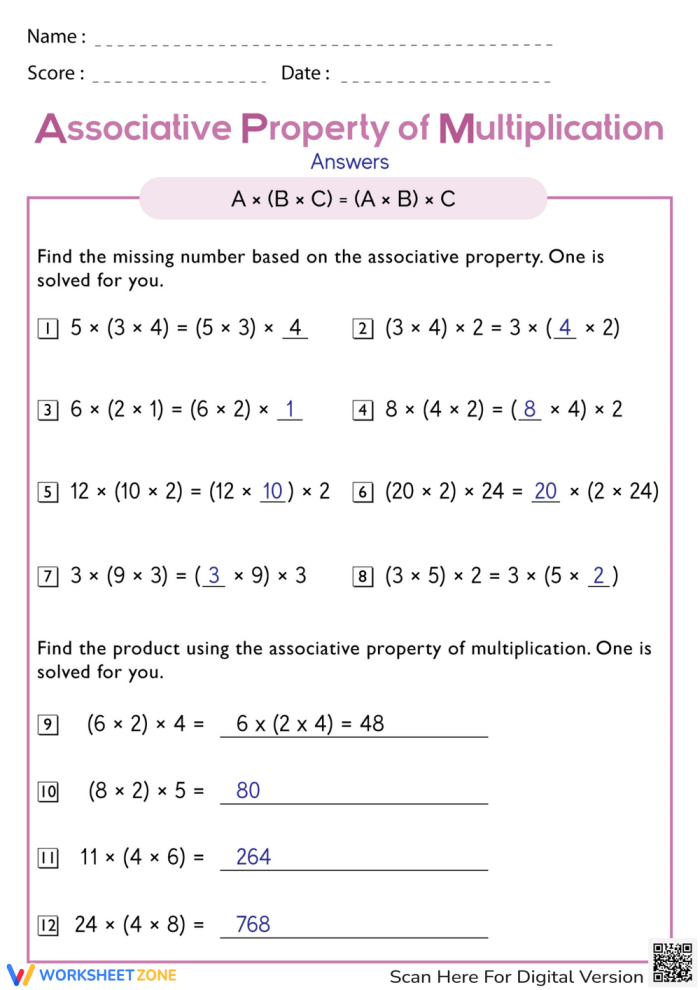
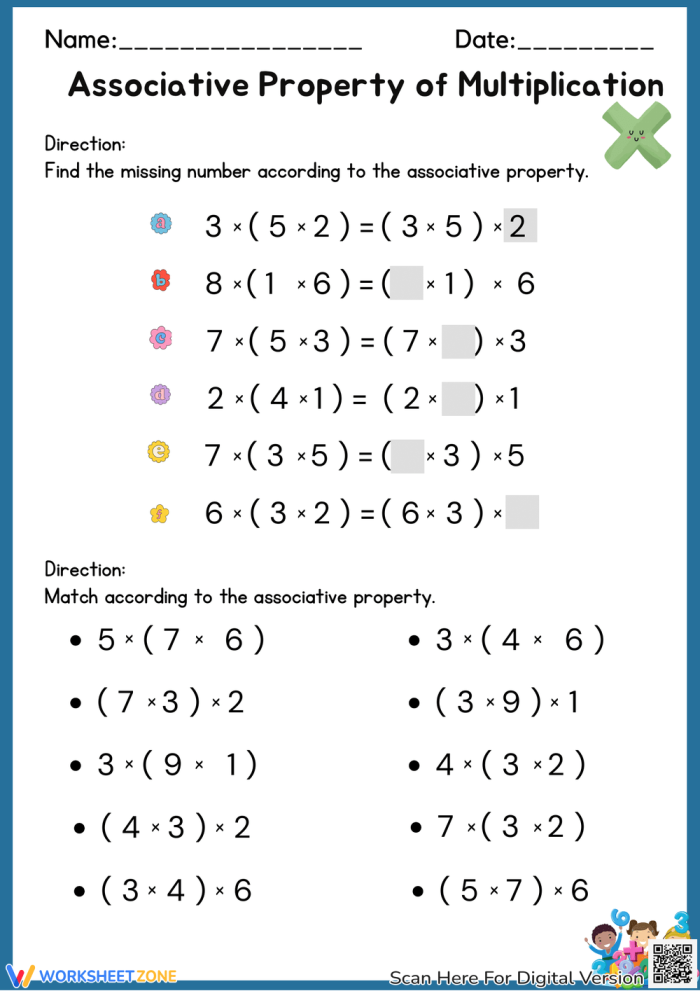
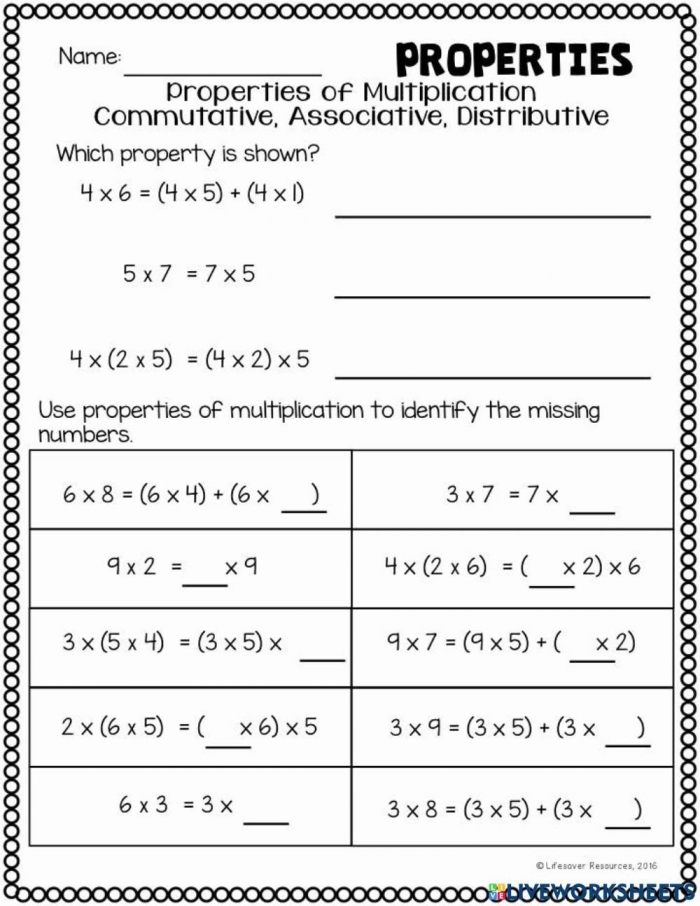
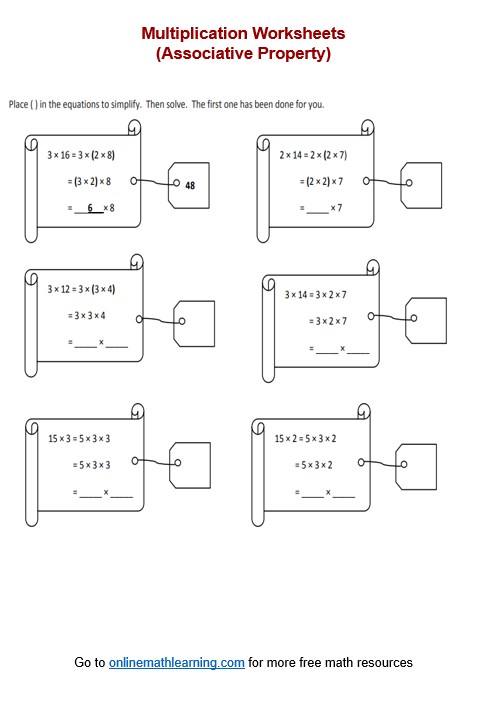
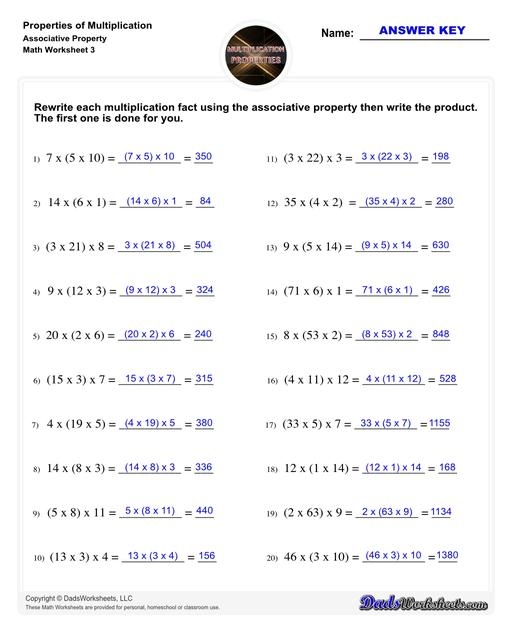
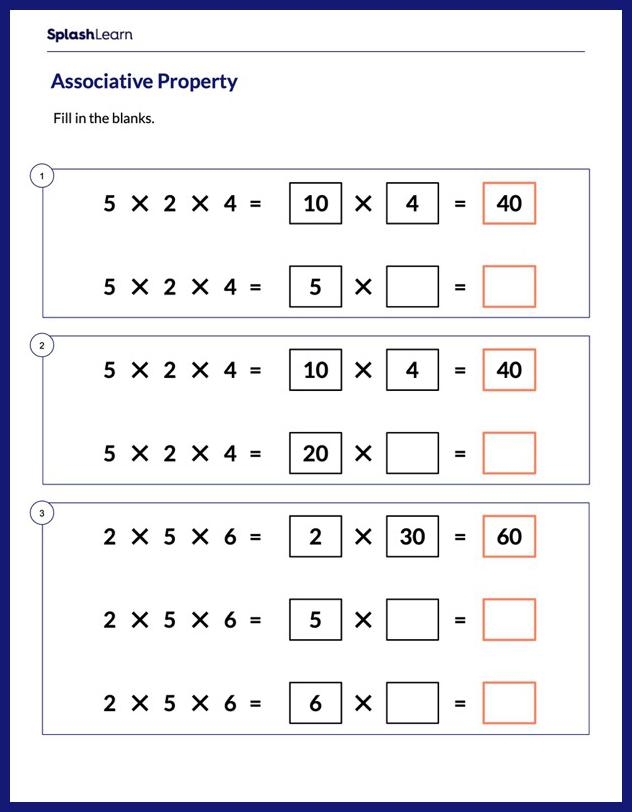
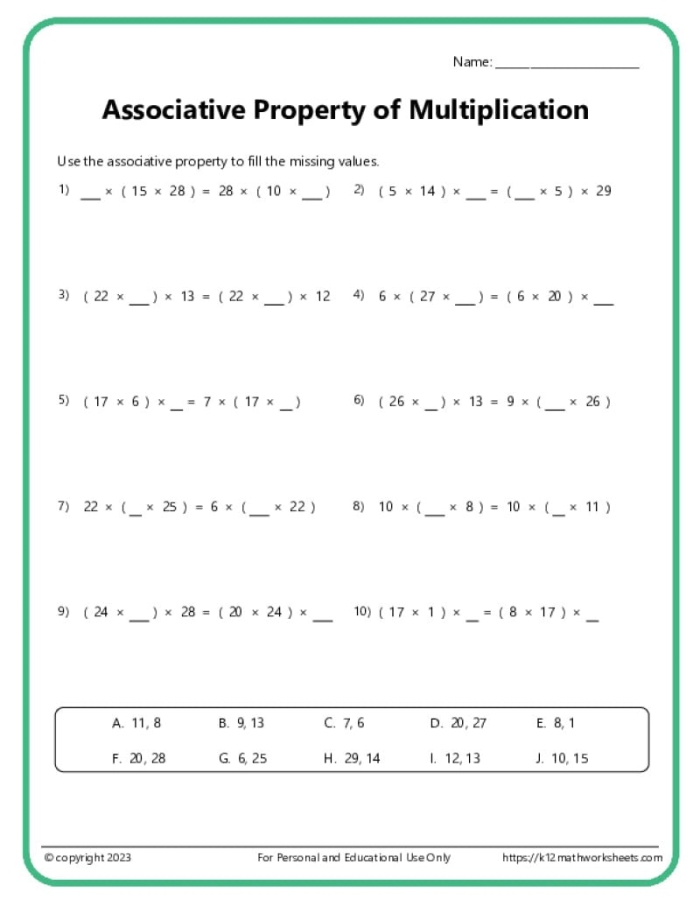
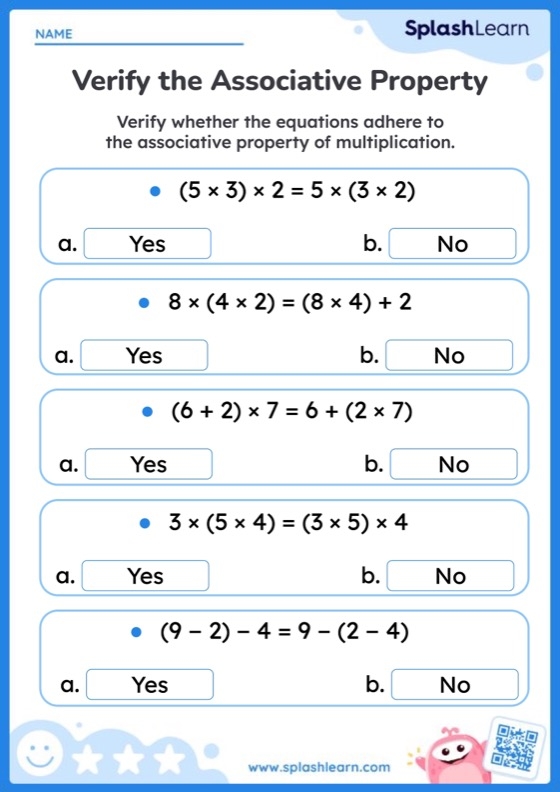
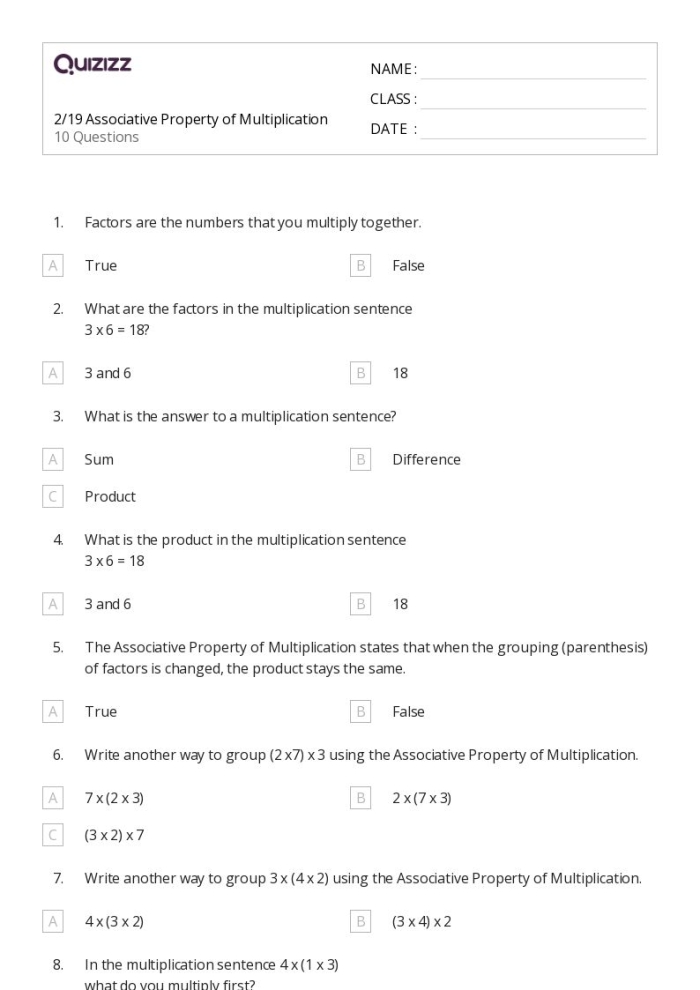
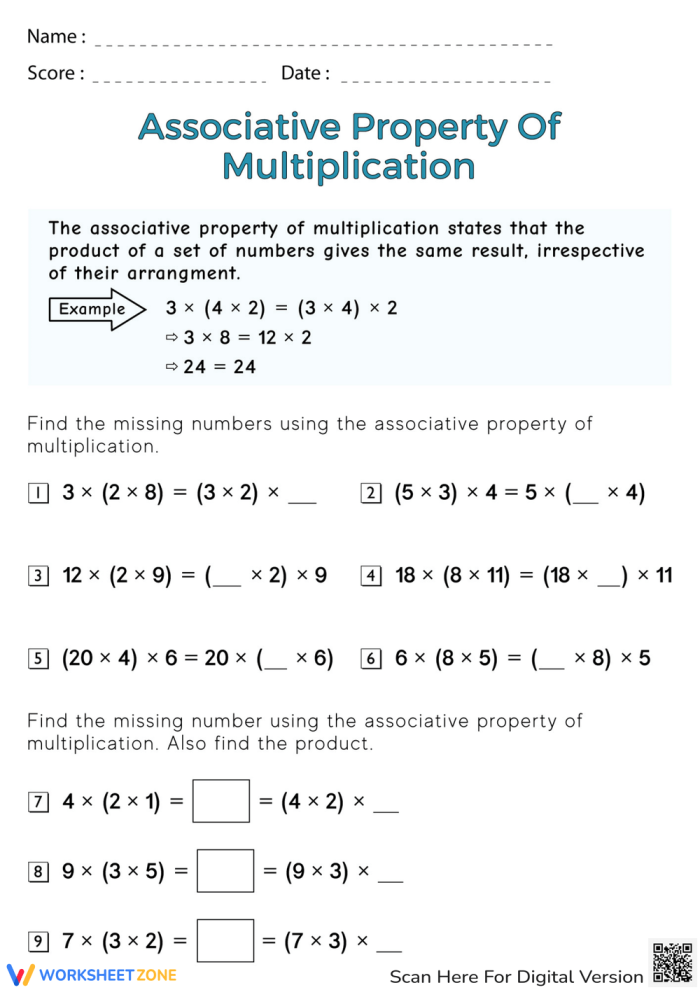
Understanding the associative property of multiplication can sometimes be tricky for third graders. If your child scratches their head when it comes to this concept, a well-designed worksheet can make a significant difference. The associative property states that when multiplying three or more numbers, the way in which the numbers are grouped does not affect the product. For example, (2 x 3) x 4 equals 2 x (3 x 4), and both will yield the same result, which is 24.
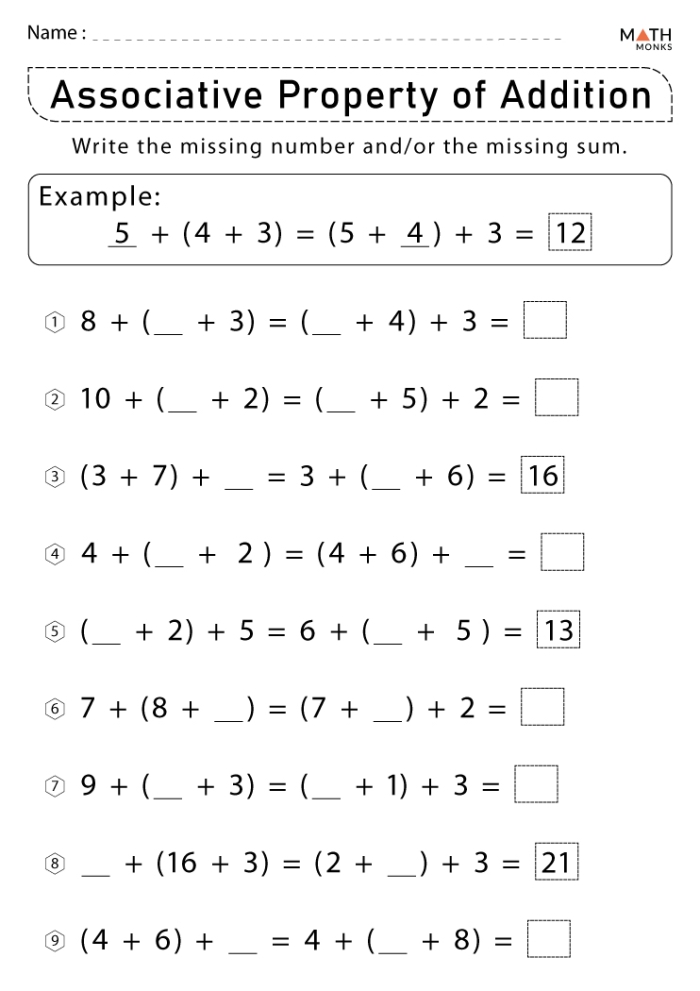
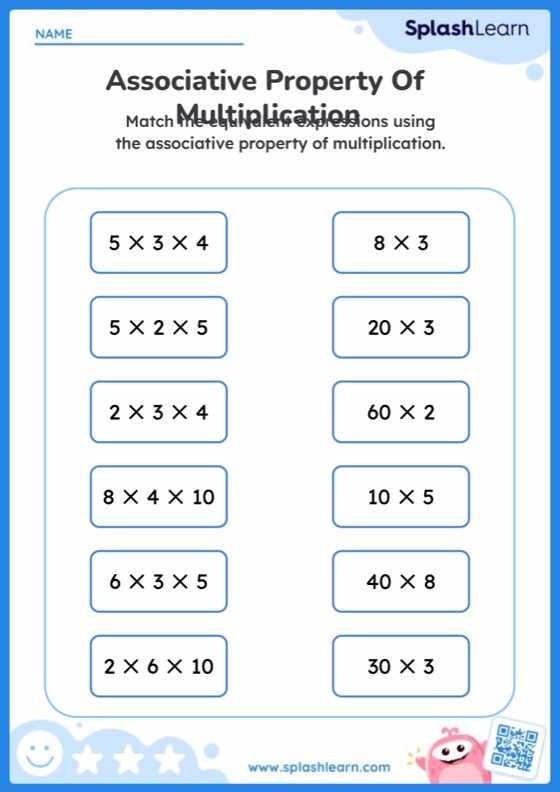
Worksheets that focus on this property can help clarify these groupings visually. They often include engaging exercises that require students to rearrange and group numbers in different ways. This hands-on practice helps reinforce the concept that it doesn’t matter how the numbers are grouped; the end result will remain consistent. By using colorful graphics and relatable examples, such worksheets can transform a confusing topic into an enjoyable learning experience.
Incorporating the associative property into daily math practice can strengthen your child’s overall algebra skills. For instance, they might encounter problems where they have to decide how to group numbers to make calculations easier. This is a valuable skill that extends beyond just the associative property, aiding them in tackling more complex mathematical challenges in the future.
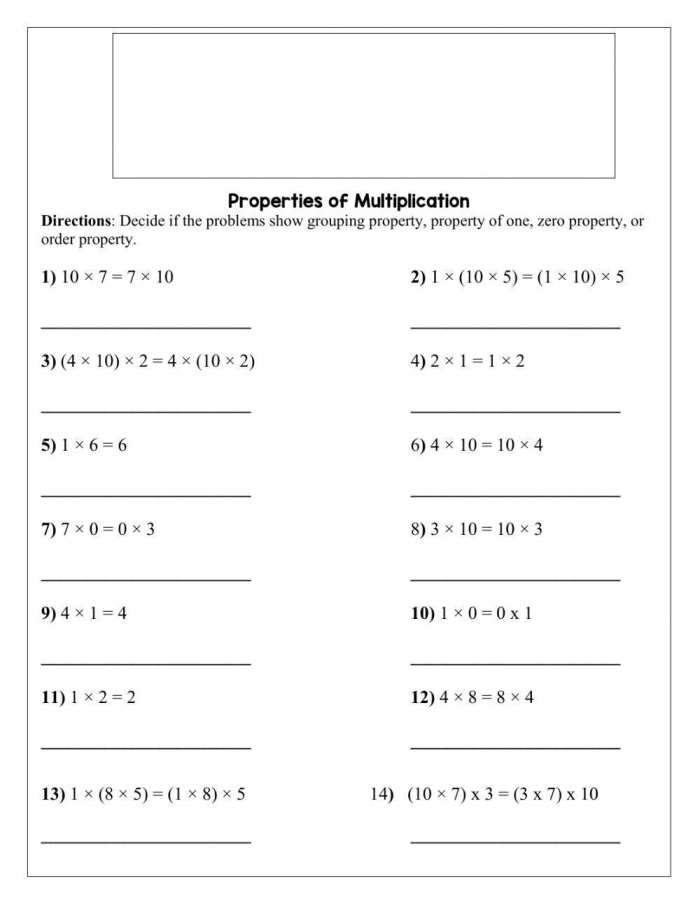
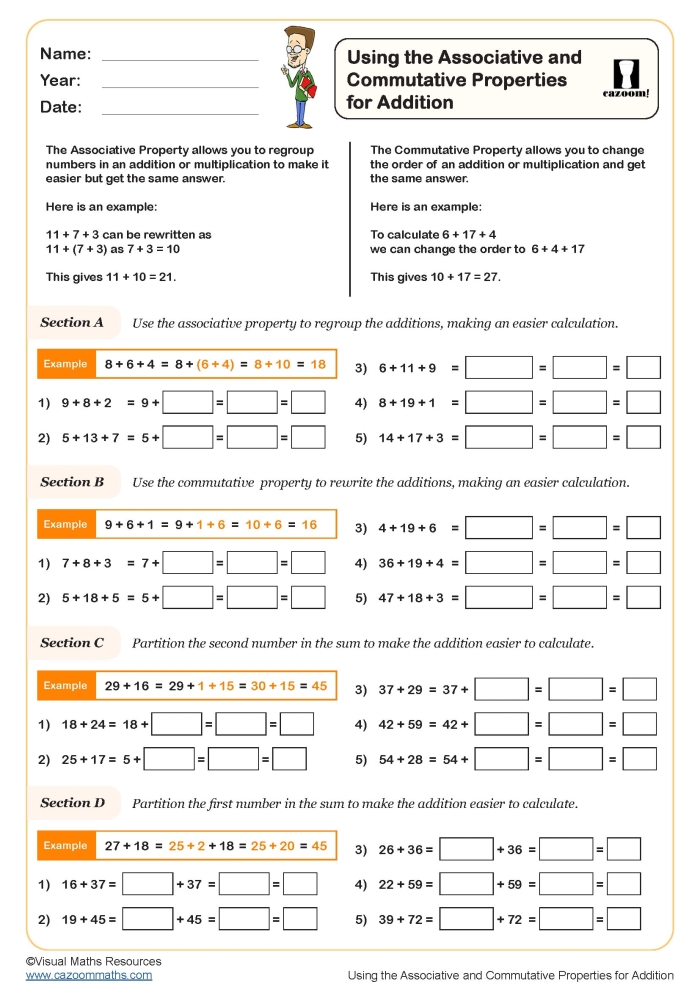
For parents looking for resources, consider exploring printable worksheets that focus on the properties of multiplication. Websites like this one offer tailored materials specifically for third graders, featuring exercises on the associative property alongside other multiplication topics.
By providing your child with accessible tools, you can help them build a solid foundation in algebra. With the right resources, the associative property of multiplication can transition from a source of confusion to a topic they understand and appreciate.
Hands-On Worksheet Activities