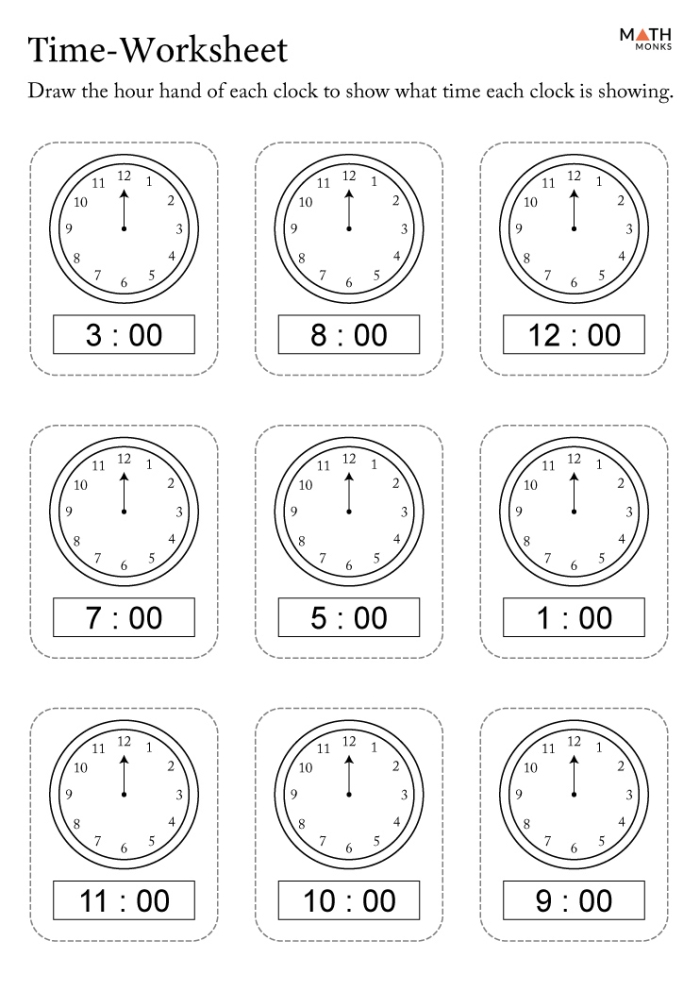
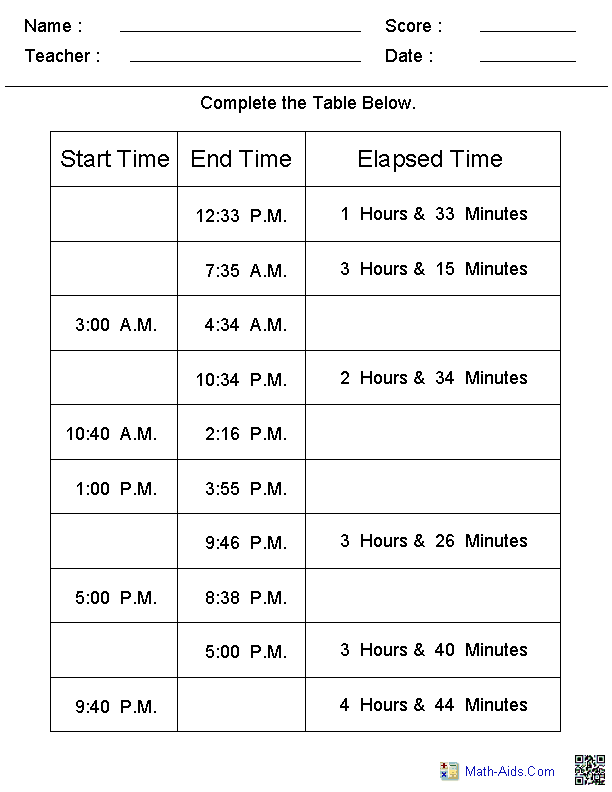
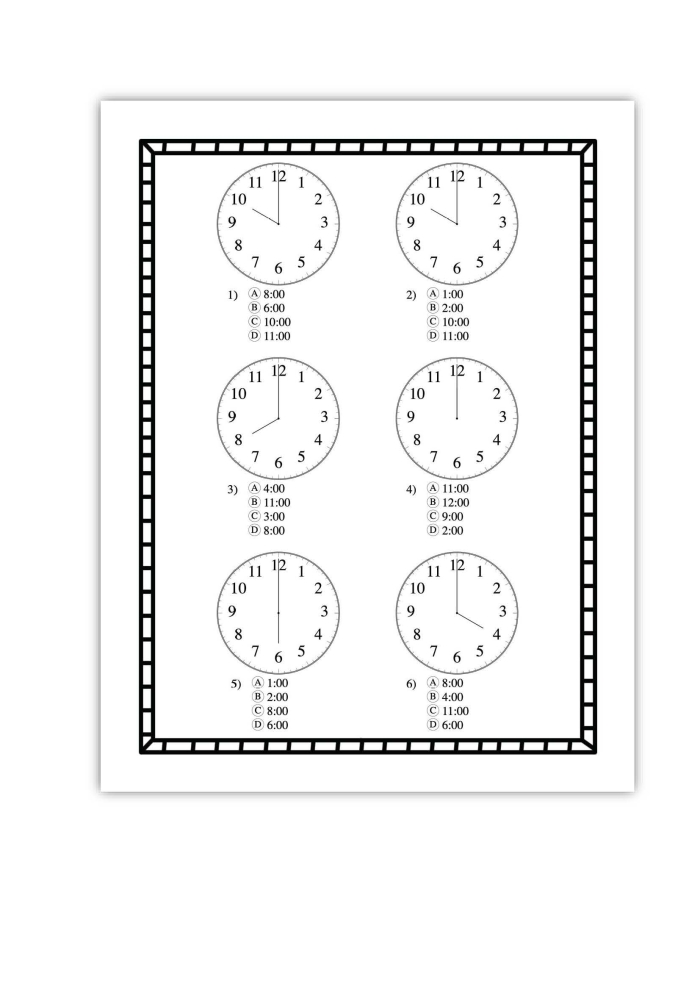
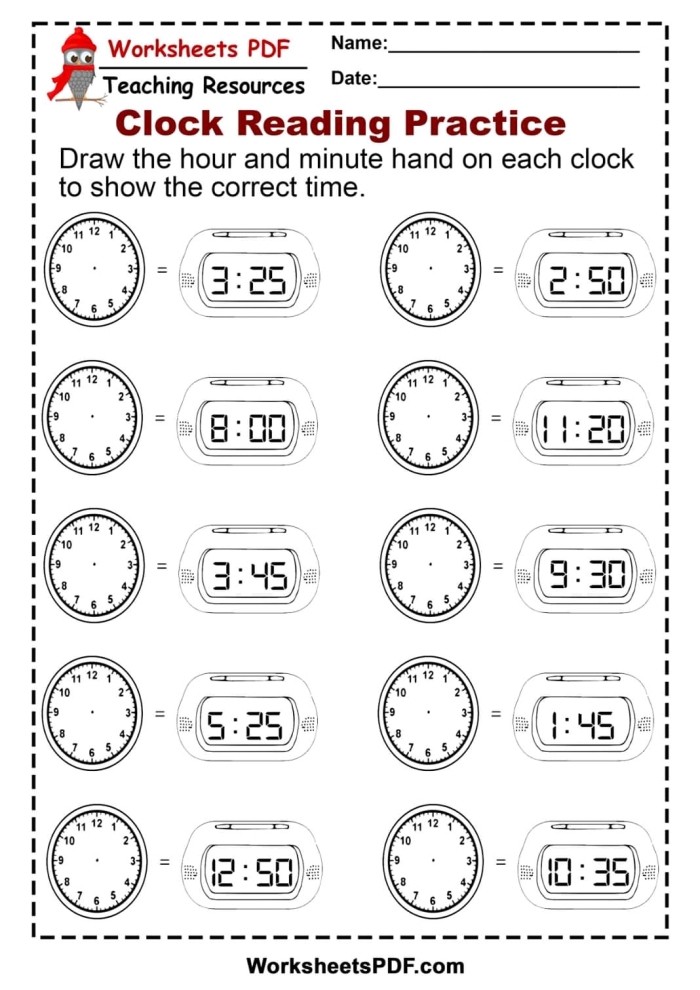
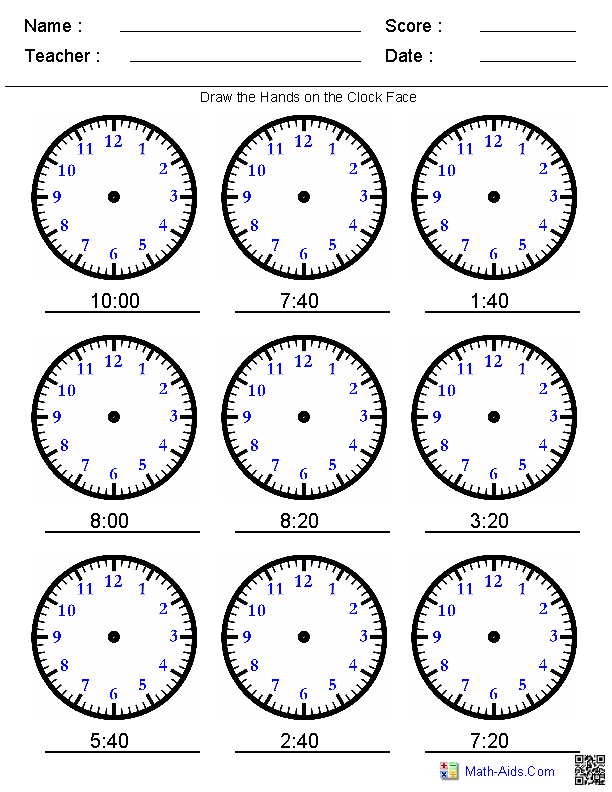
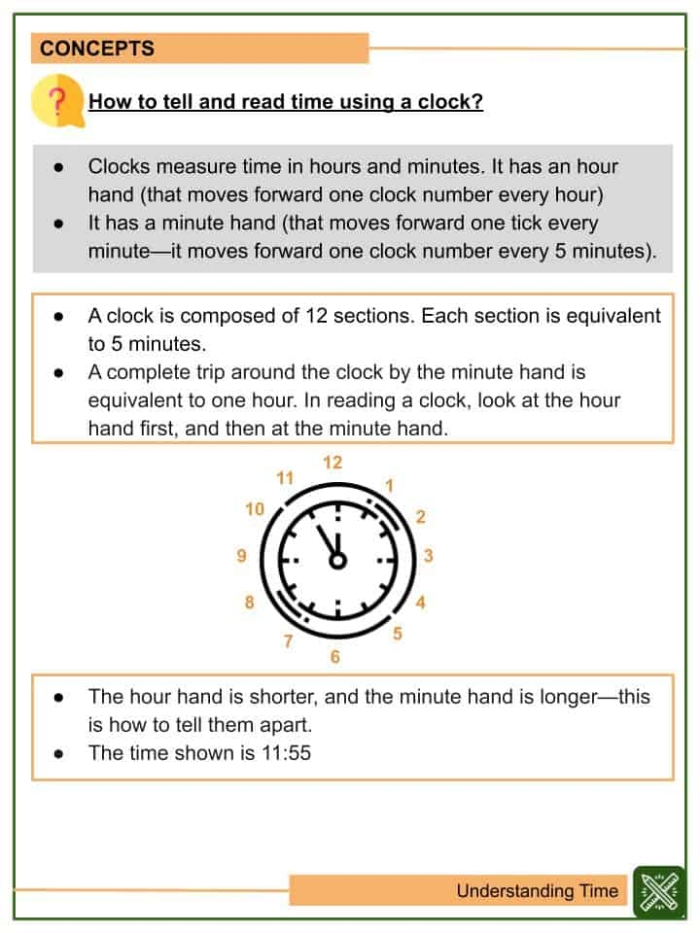
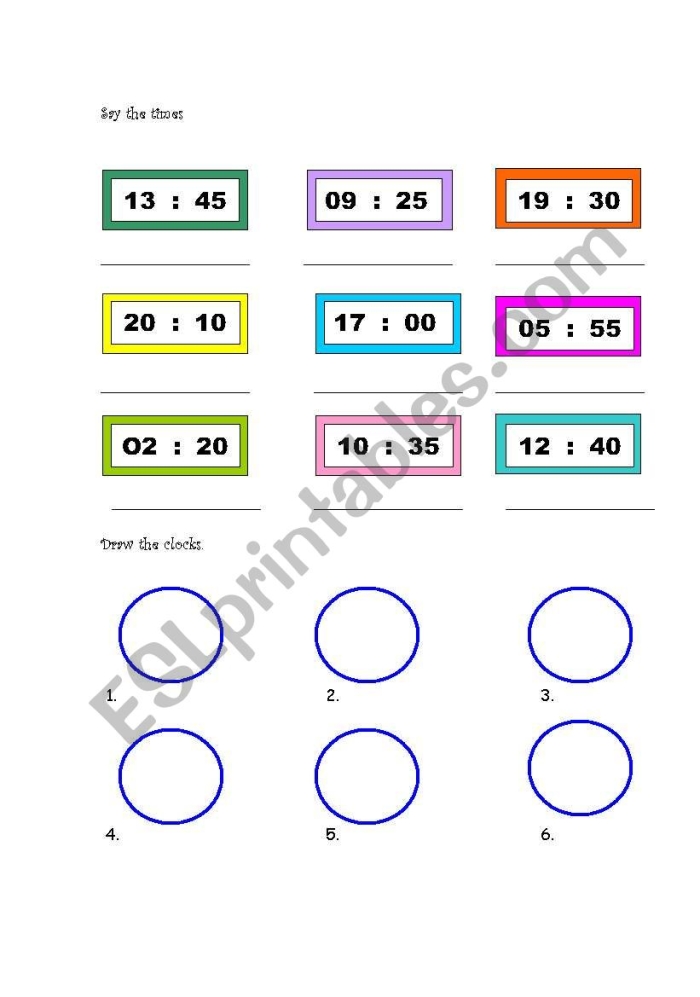
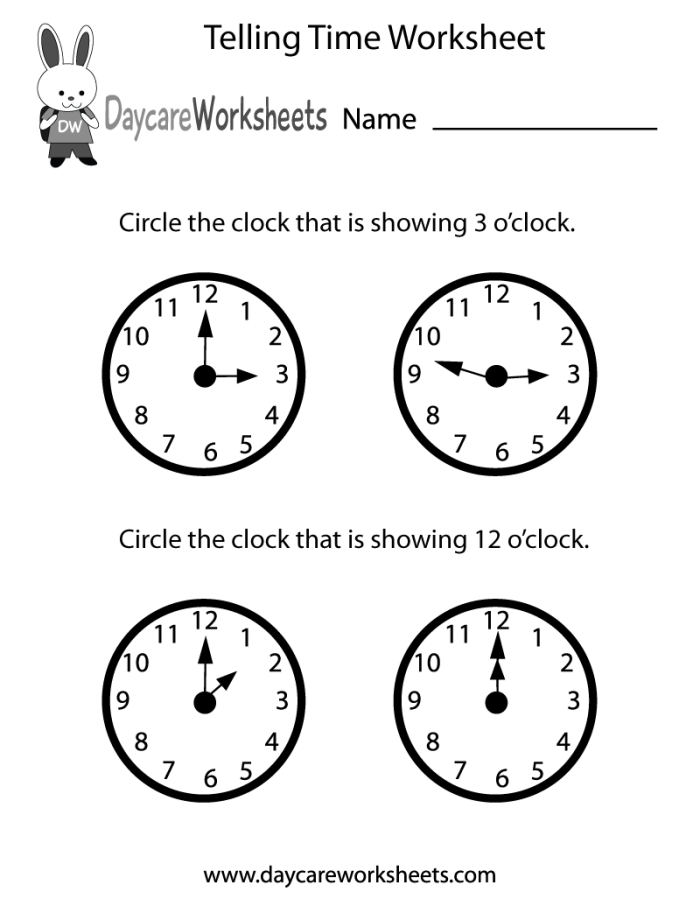
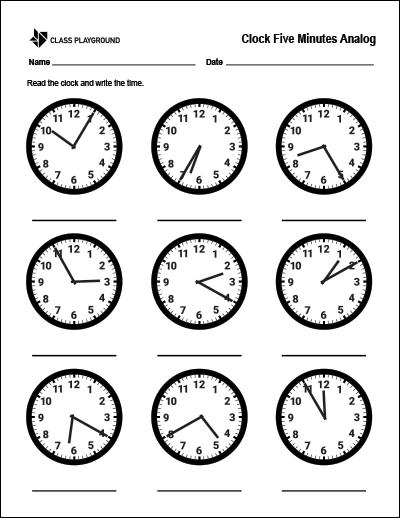
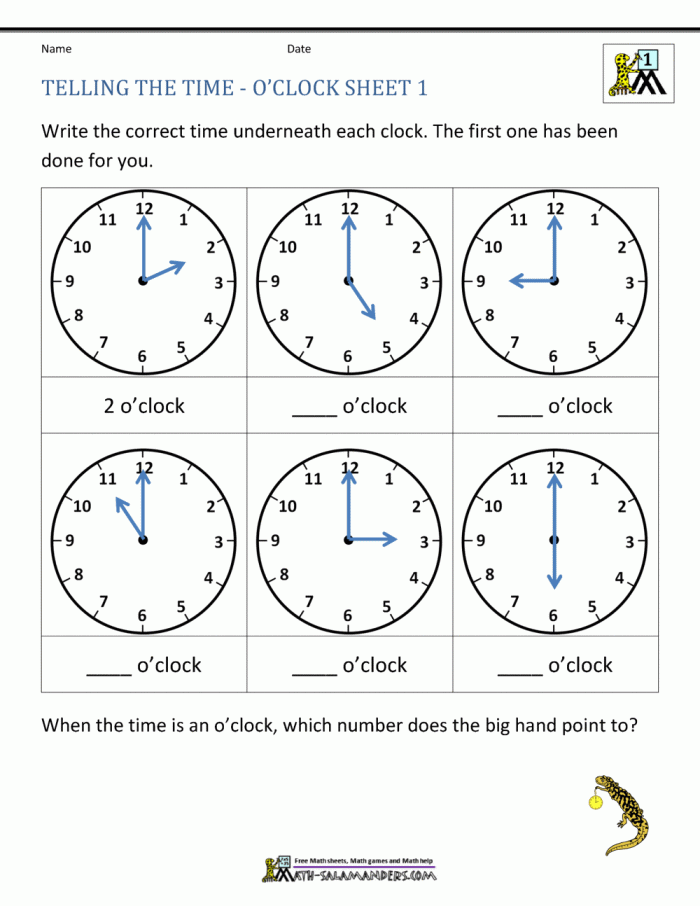
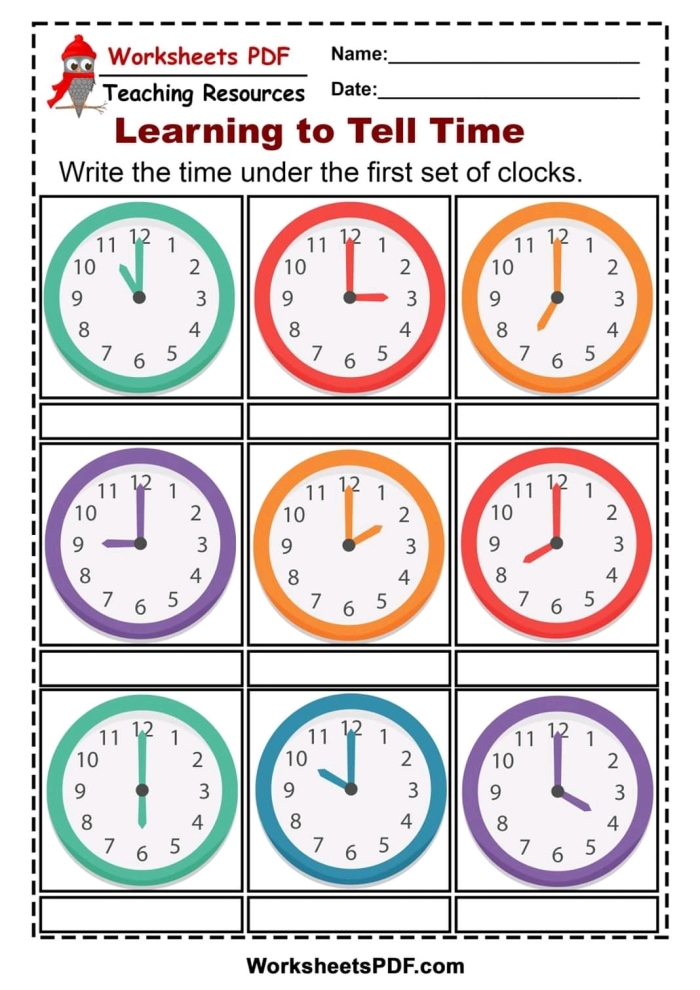
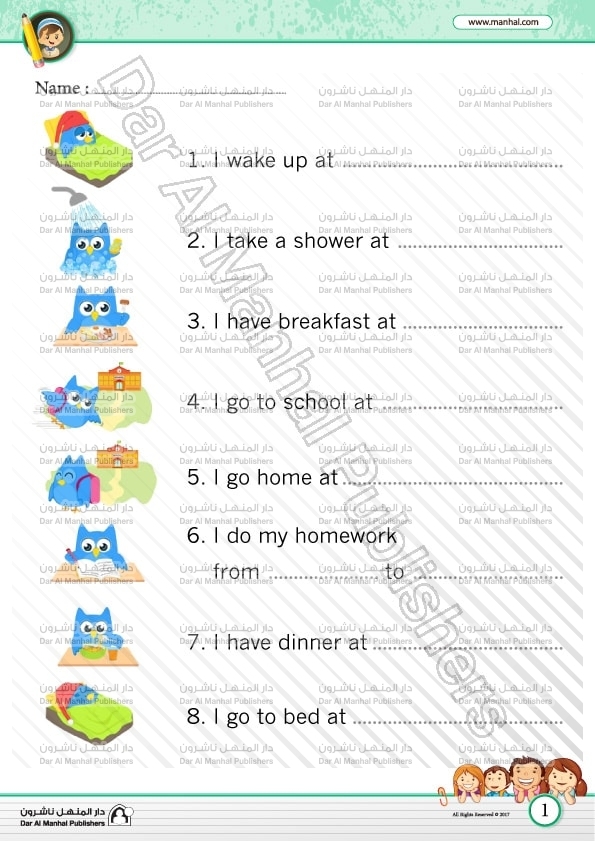
Helping a second grader grasp the concept of time can be tricky, but using relatable stories makes all the difference. One effective way is through a worksheet that invites your child to explore Nina’s busy schedule by answering a few simple questions. This approach allows the abstract idea of time to become concrete and easier to understand.
When children see time connected to everyday activities, it clicks better. For example, Nina’s day might include waking up at 7:00 a.m., going to school by 8:30 a.m., and attending dance class in the afternoon. By asking your second grader to identify what Nina does at specific times or how long certain activities last, the worksheet turns abstract hours and minutes into something tangible. This method supports not only understanding time but also builds reading comprehension and writing skills as your child formulates answers.
With second grade being a critical period for developing these skills, incorporating writing into time lessons is especially helpful. When children write about Nina’s schedule, they practice expressing time-related concepts in their own words. This ties nicely with other areas of learning such as sequencing events and recognizing the order of daily routines.
If you’re looking for more resources that combine writing with math or language arts, consider worksheets that focus on present and past tense verbs or three-digit addition paired with handwriting practice. These help reinforce multiple skills at once, making learning feel natural rather than forced.
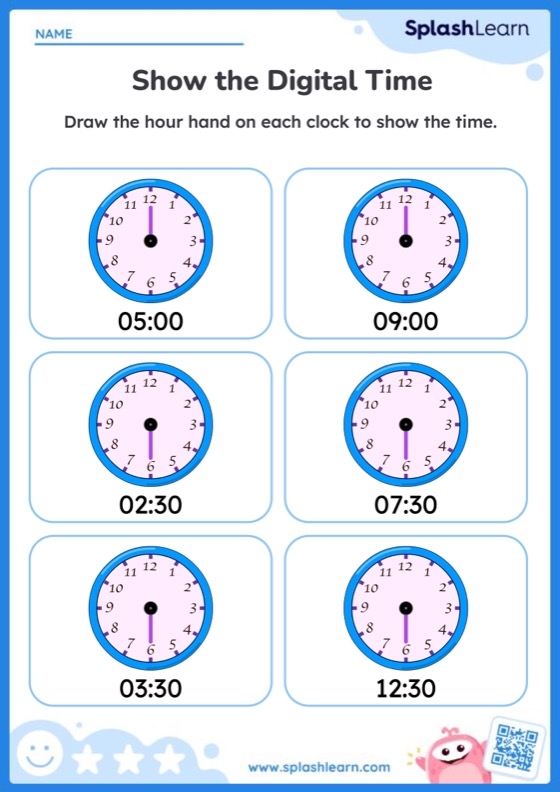
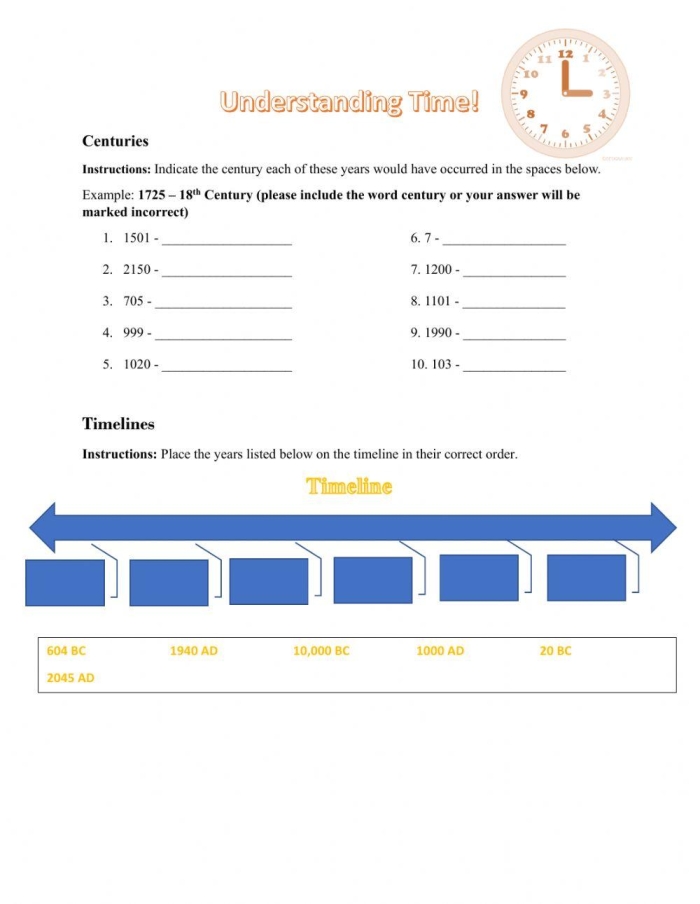
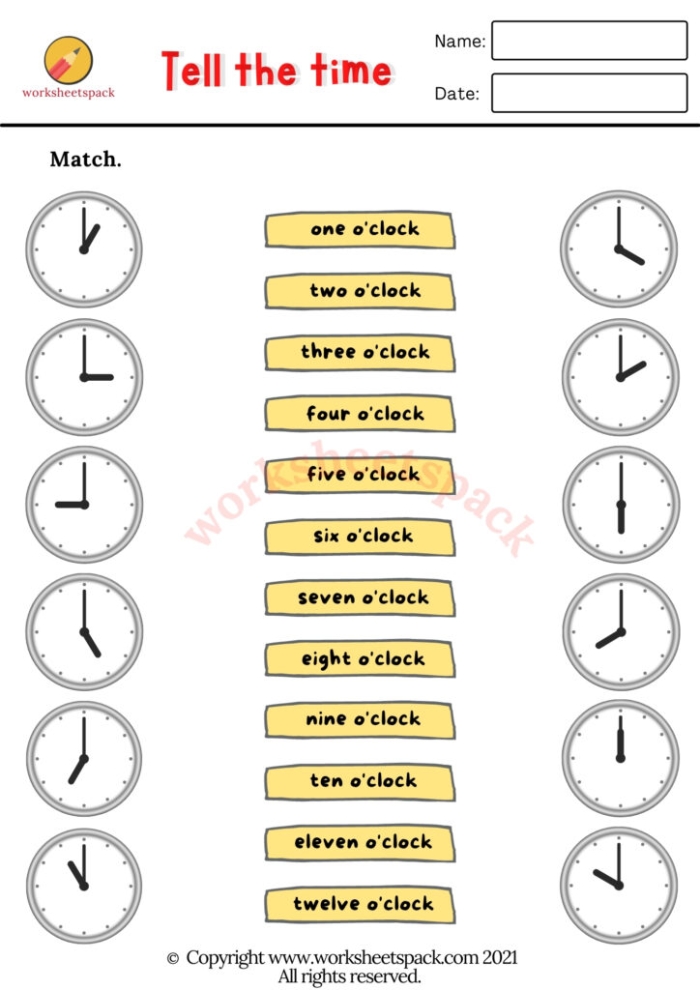
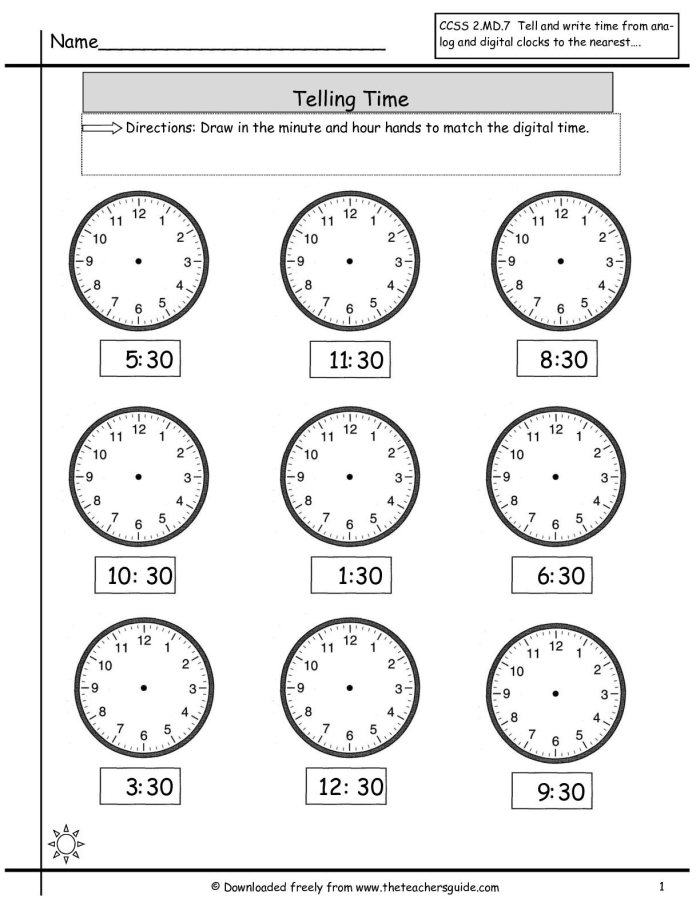
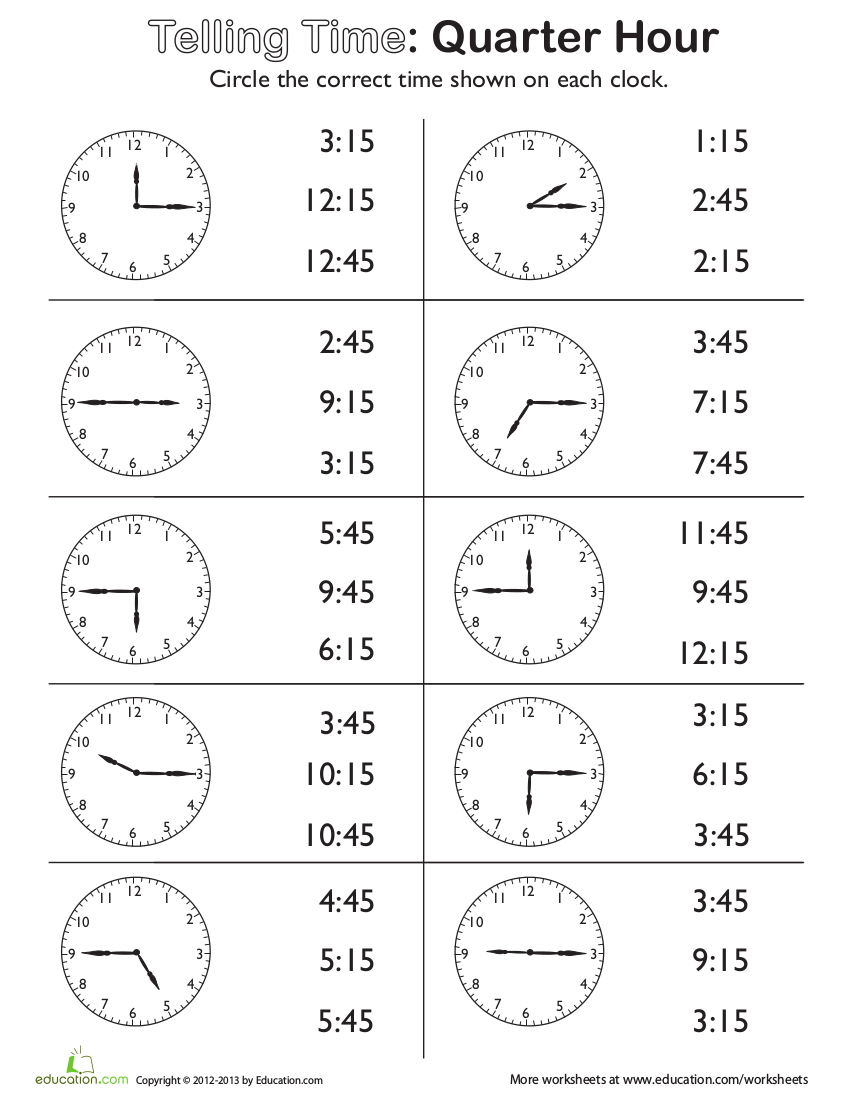
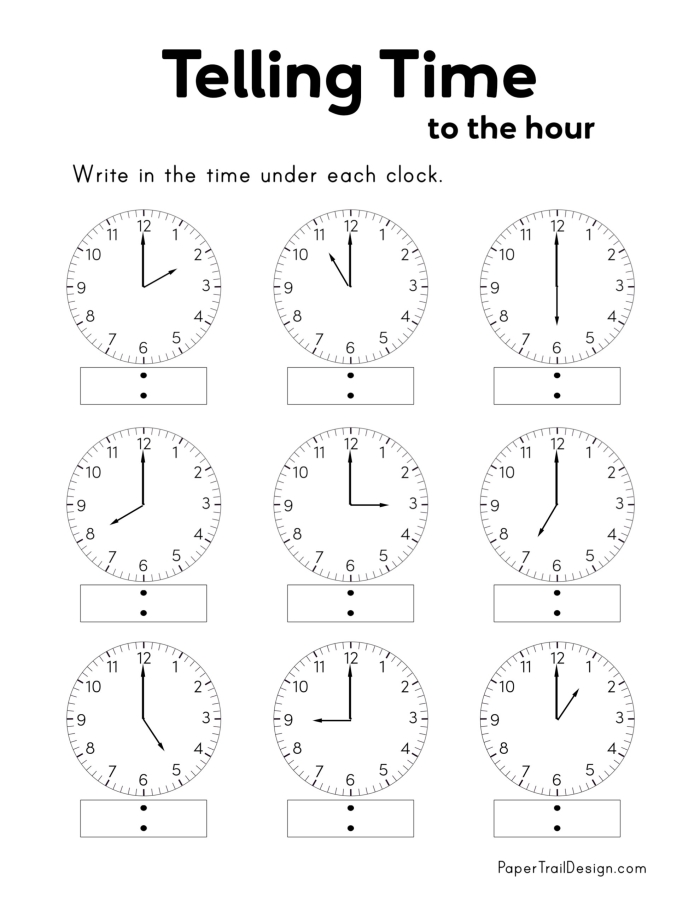
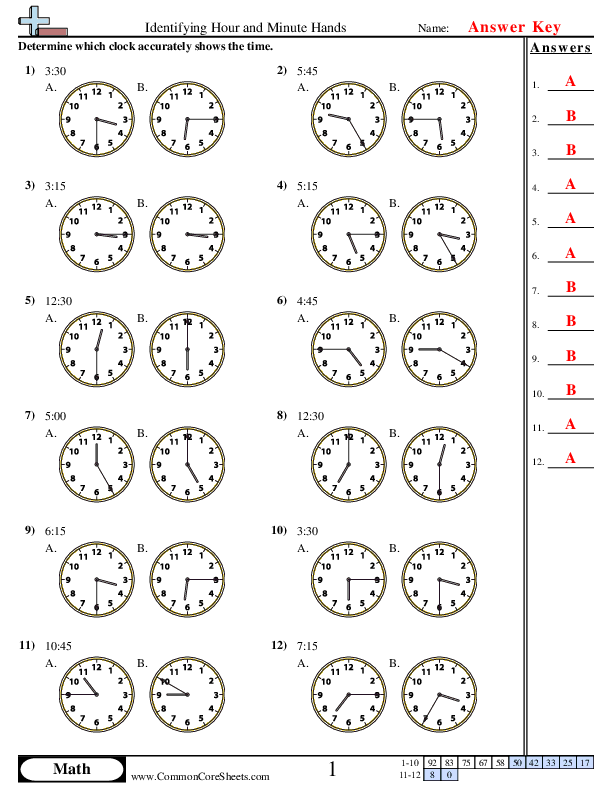
Printable understanding time worksheets like the one featuring Nina’s schedule provide a practical way to anchor time concepts in everyday life. Your second grader not only learns to read clocks but also understands how to organize and describe events, an essential skill throughout school and beyond.
Hands-On Worksheet Activities