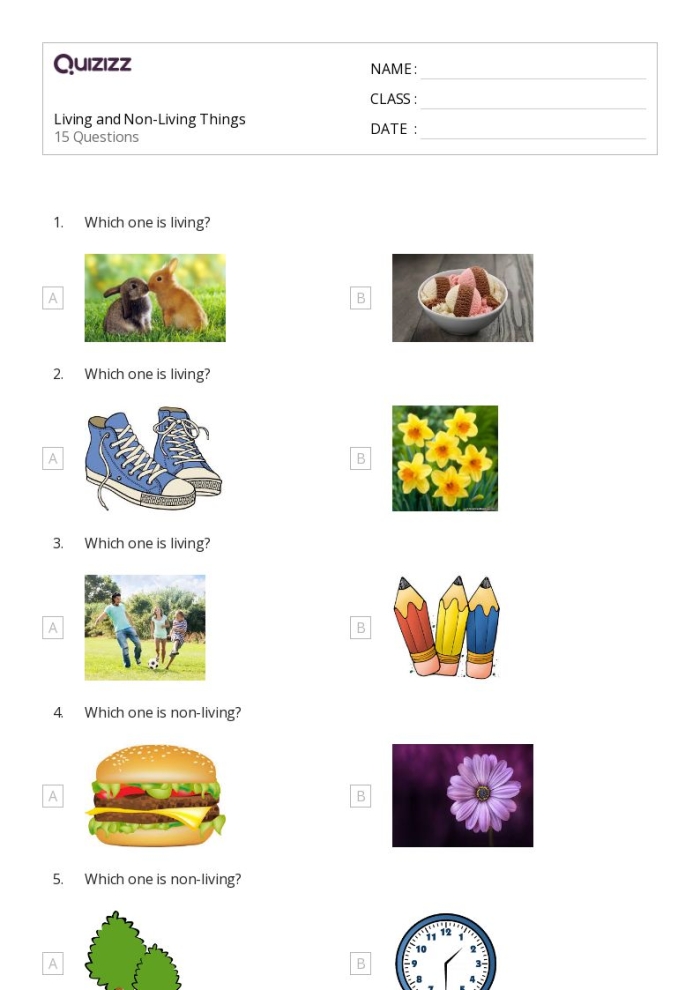
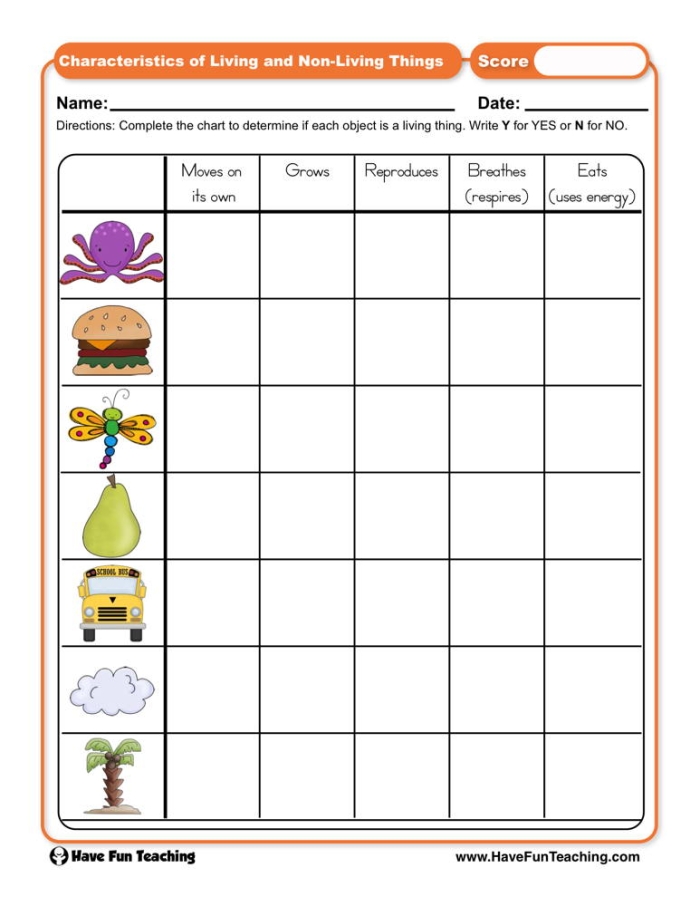
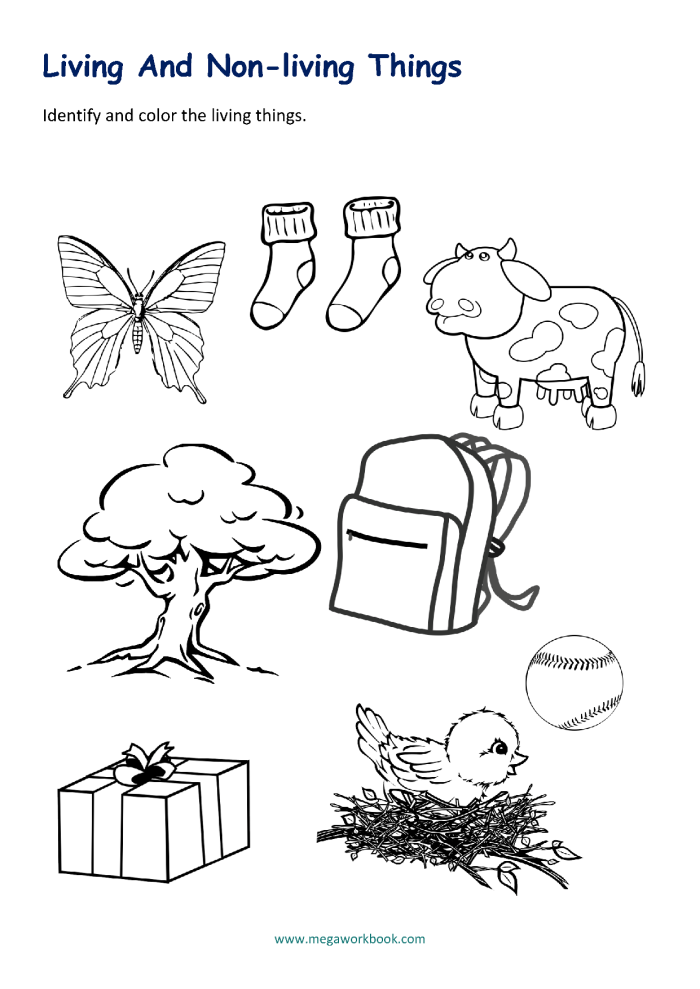
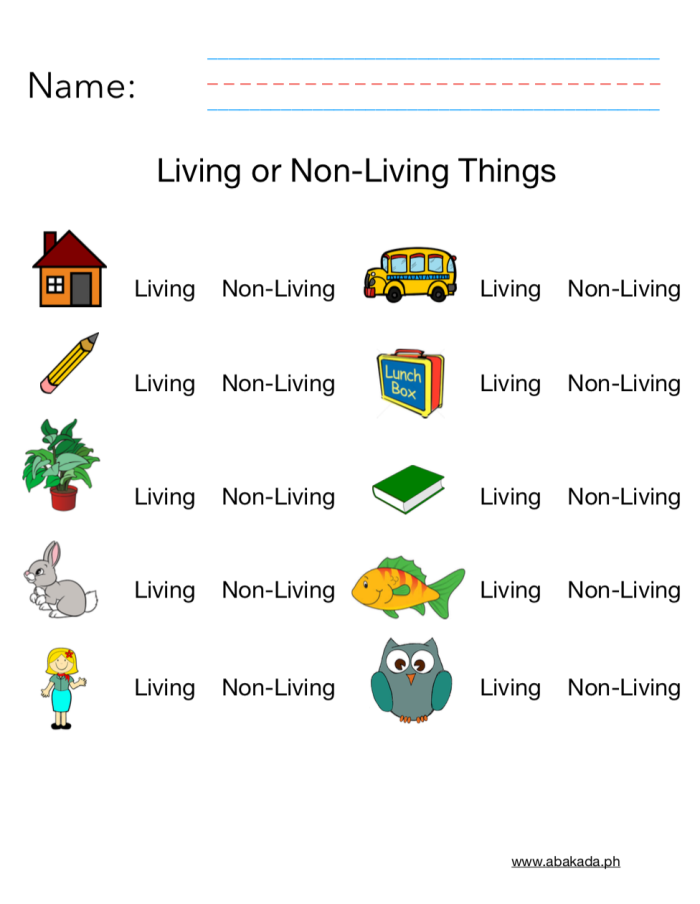
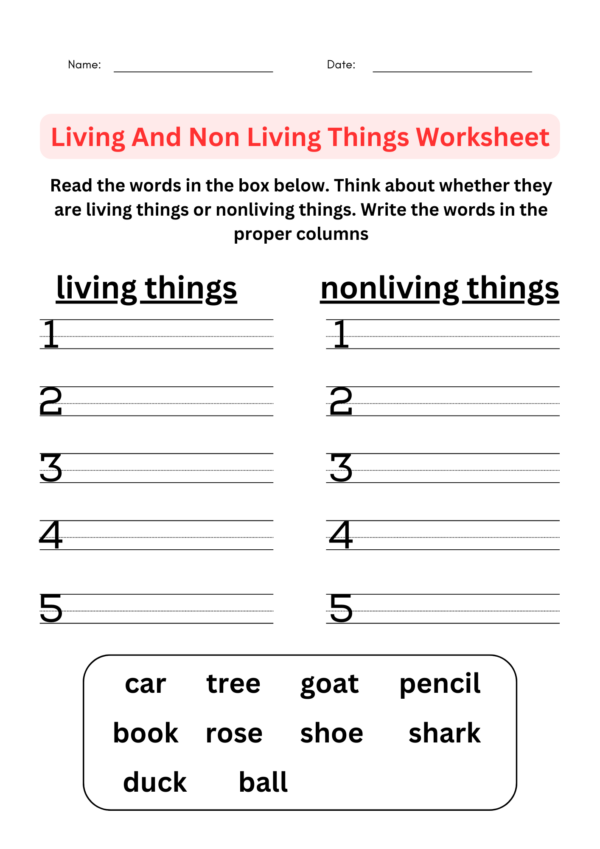
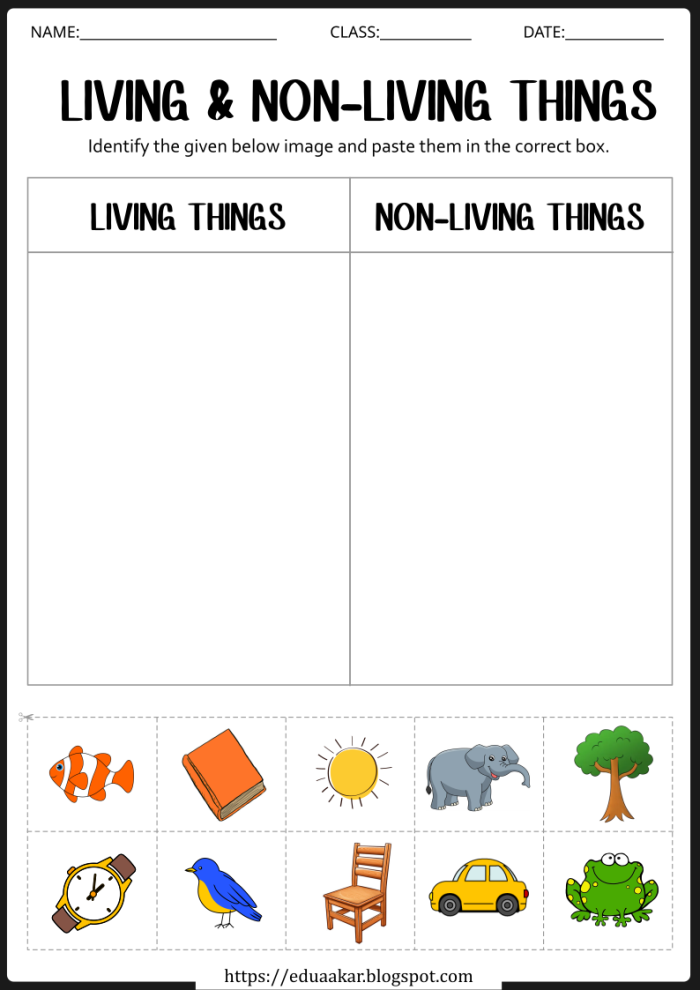
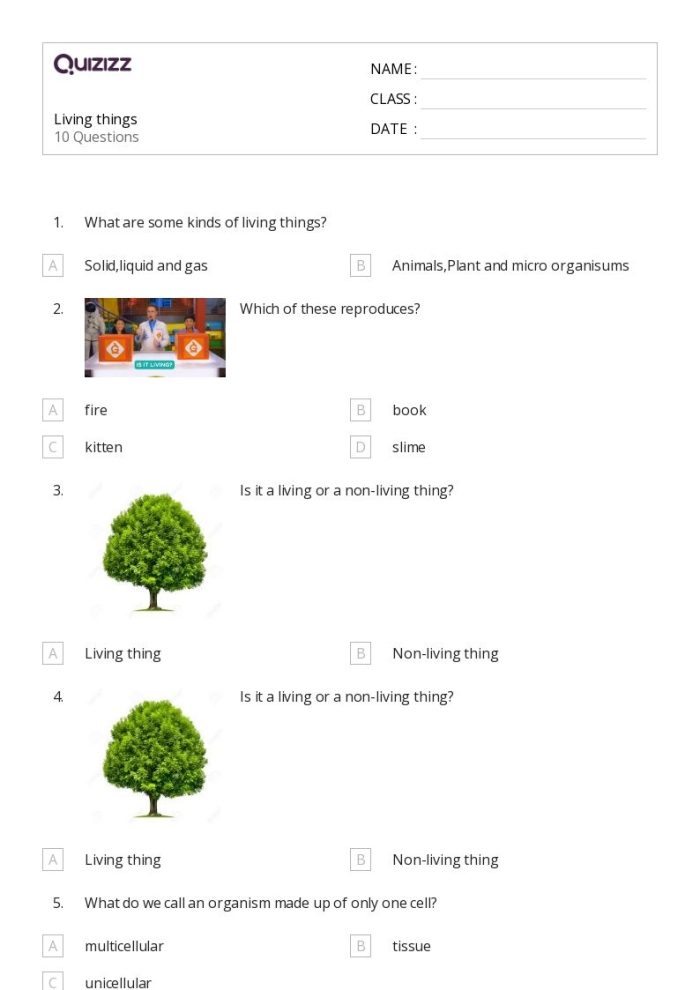
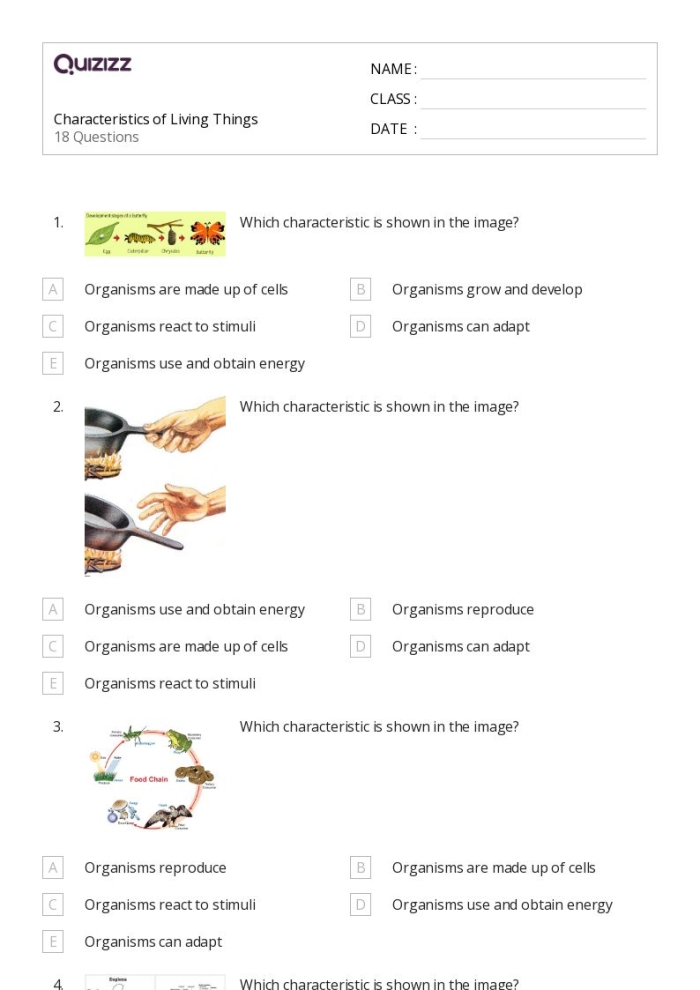
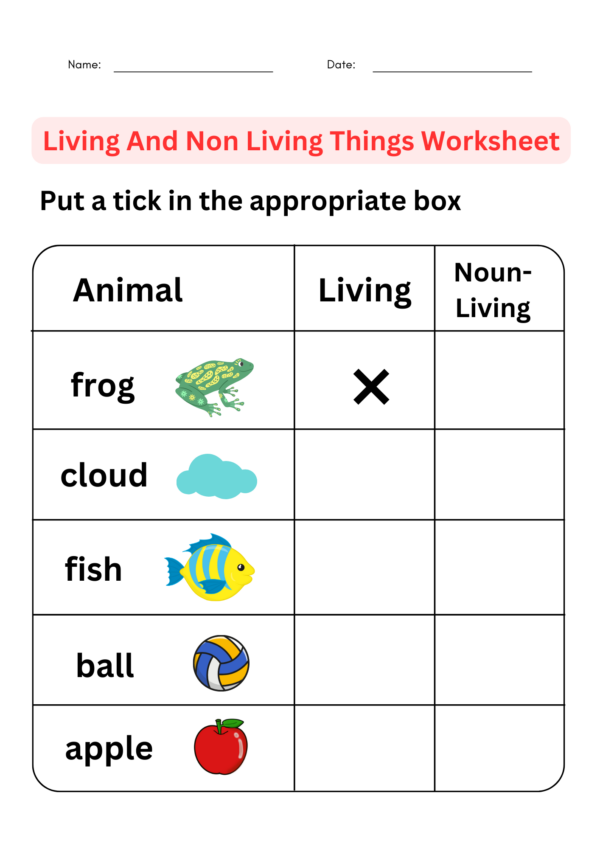
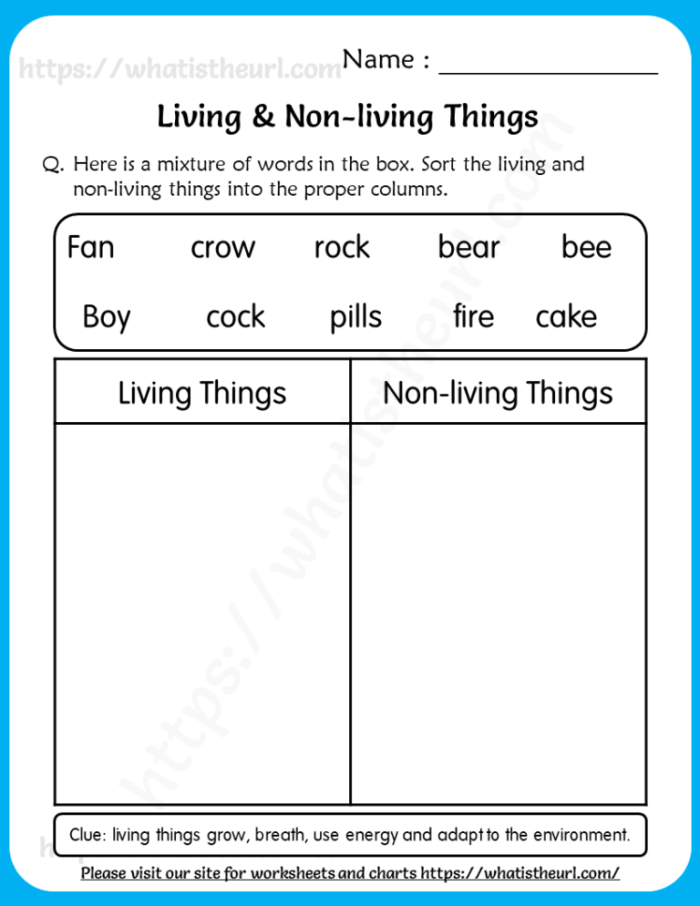
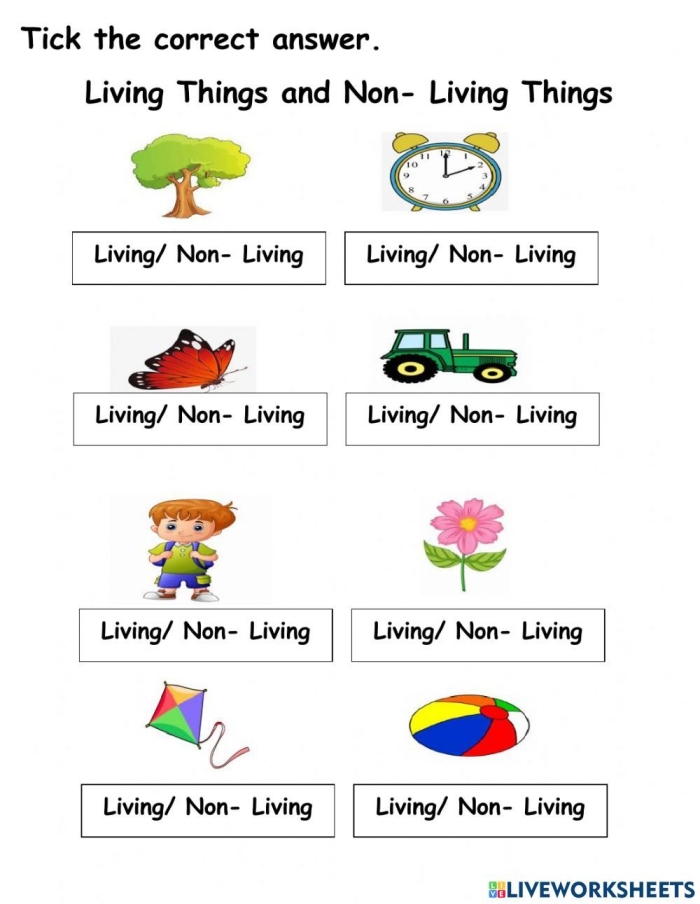
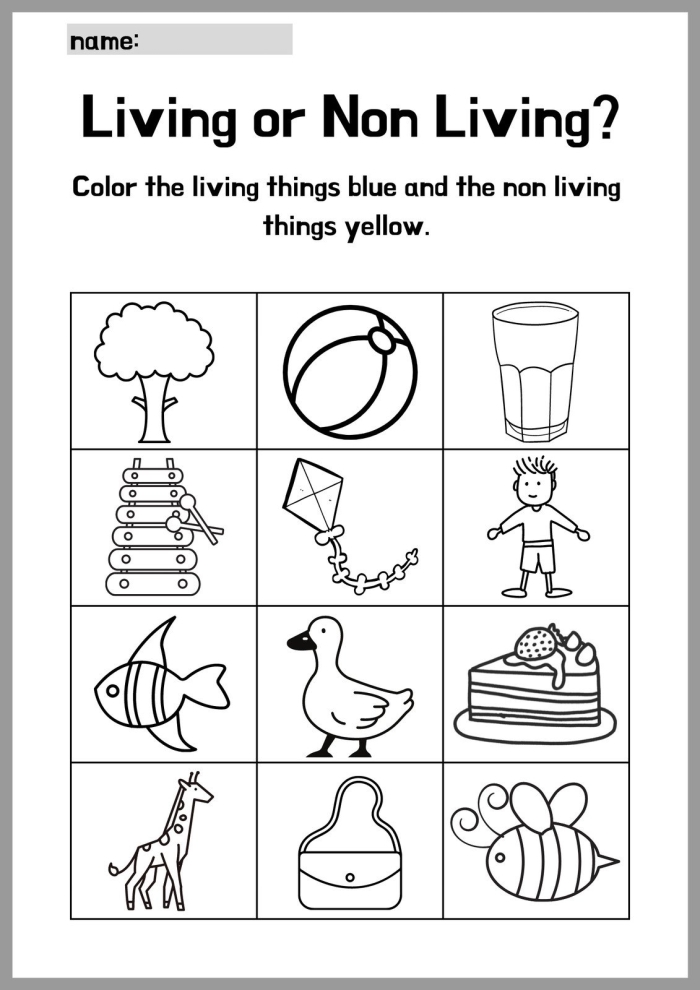
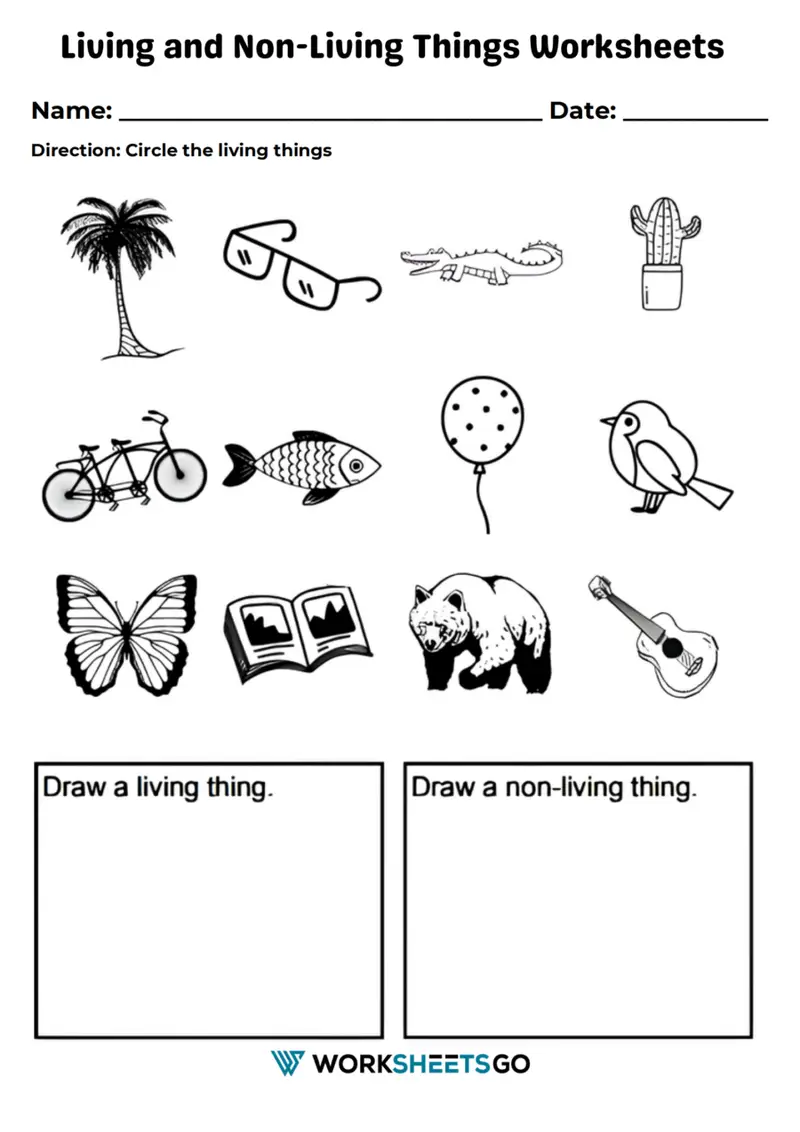
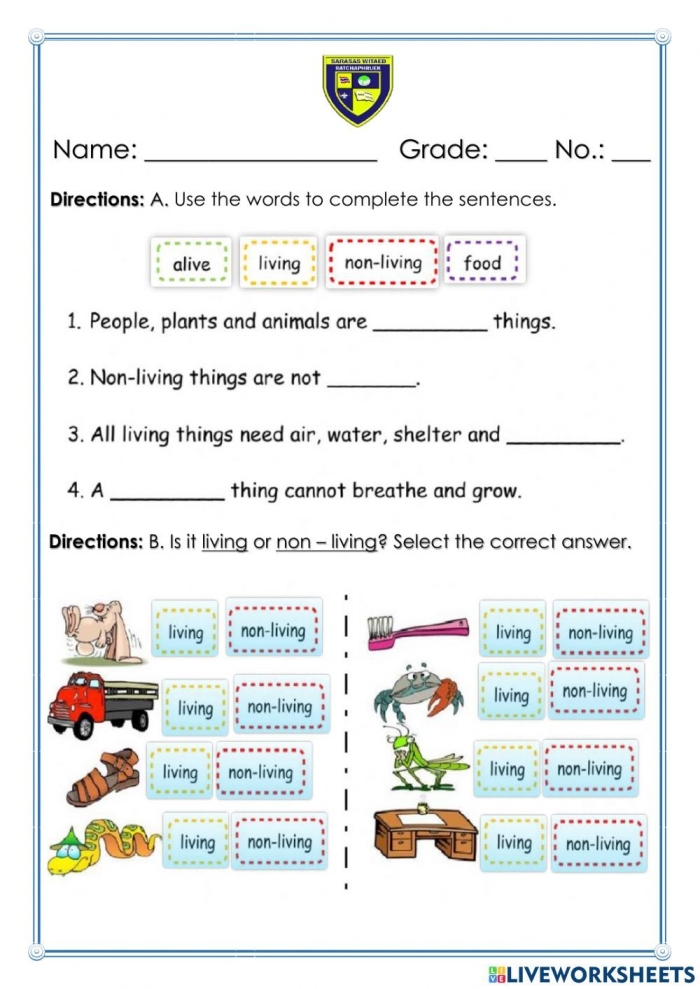
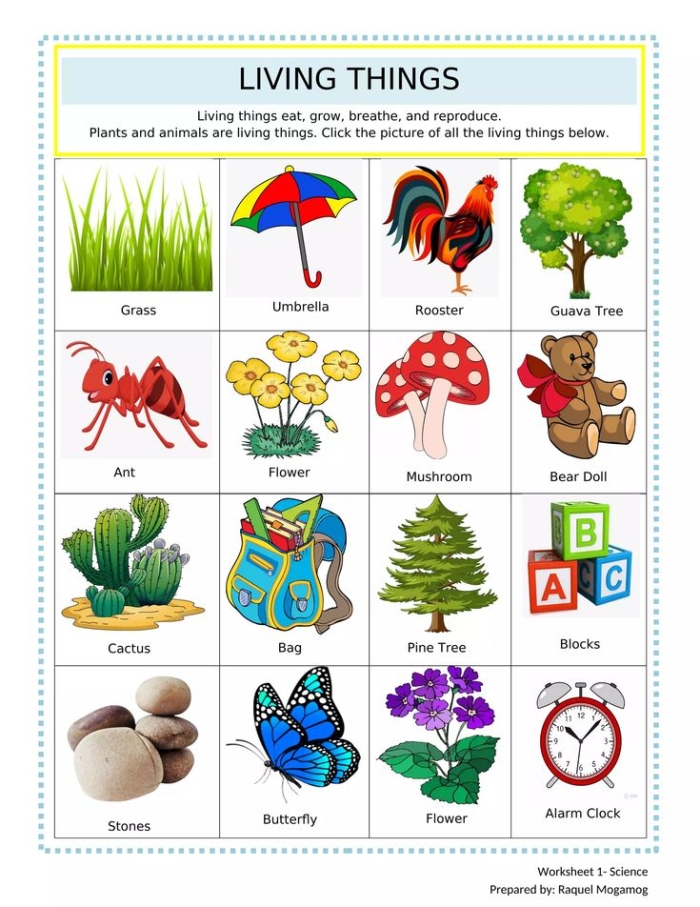
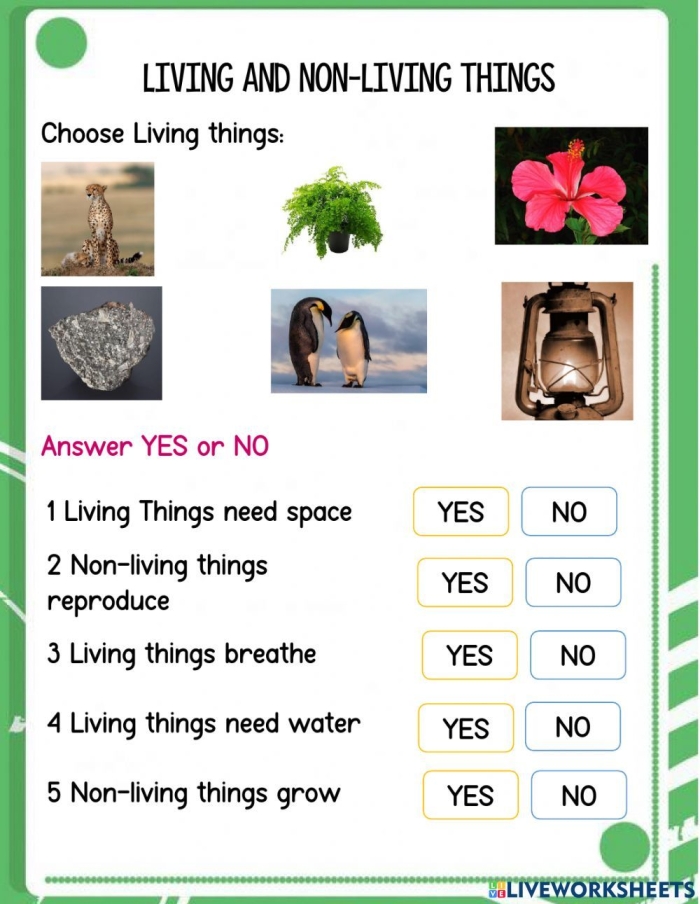
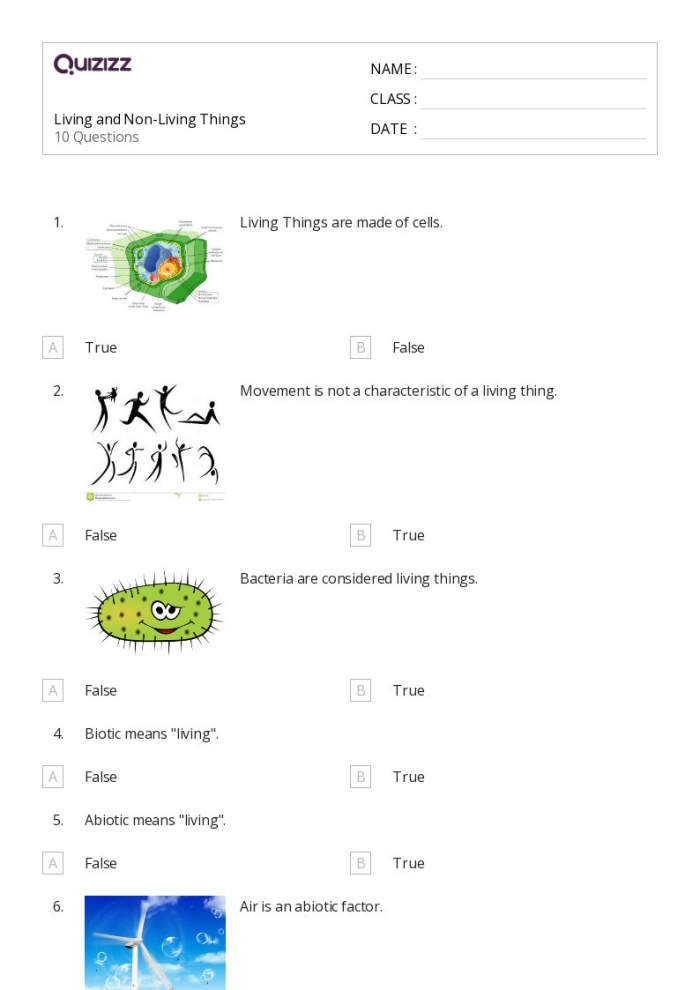
Get your learning lasso ready for this plants and animals round-up! Teaching young children to distinguish between living and non-living things is a foundational science lesson, especially for Pre-K learners. At this stage, kids are naturally curious about the world around them, and helping them recognize what is alive versus what isn’t can spark a lifelong interest in nature and science.
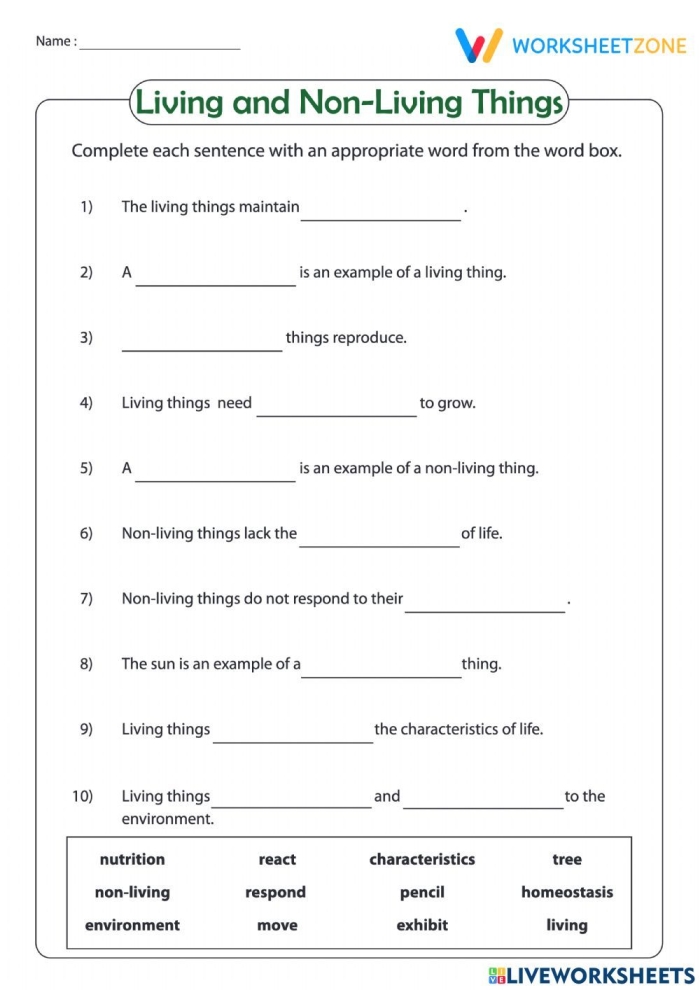
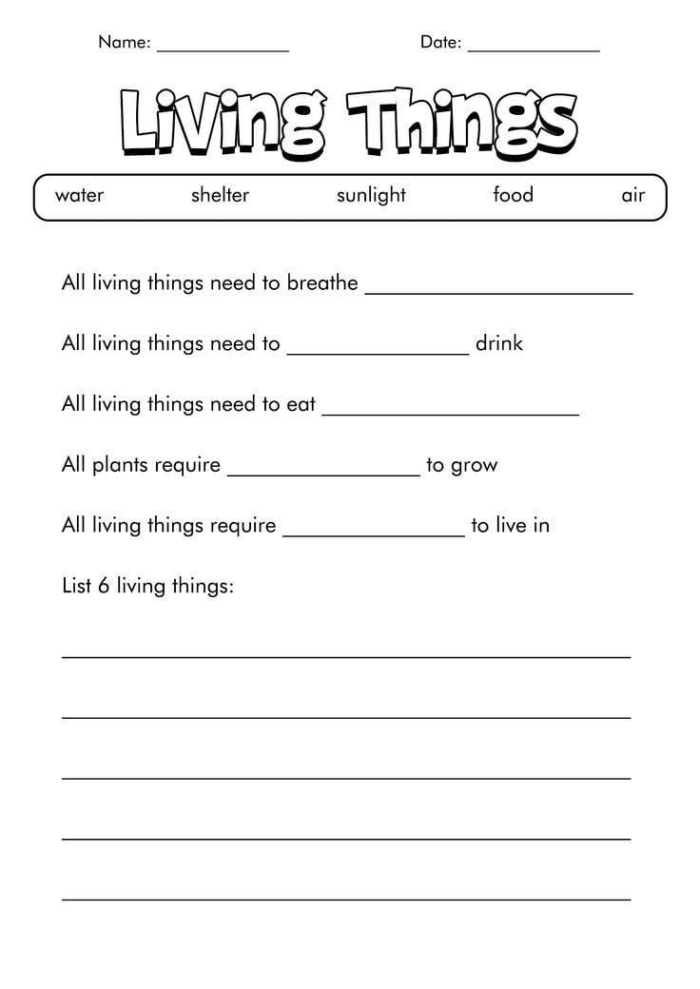
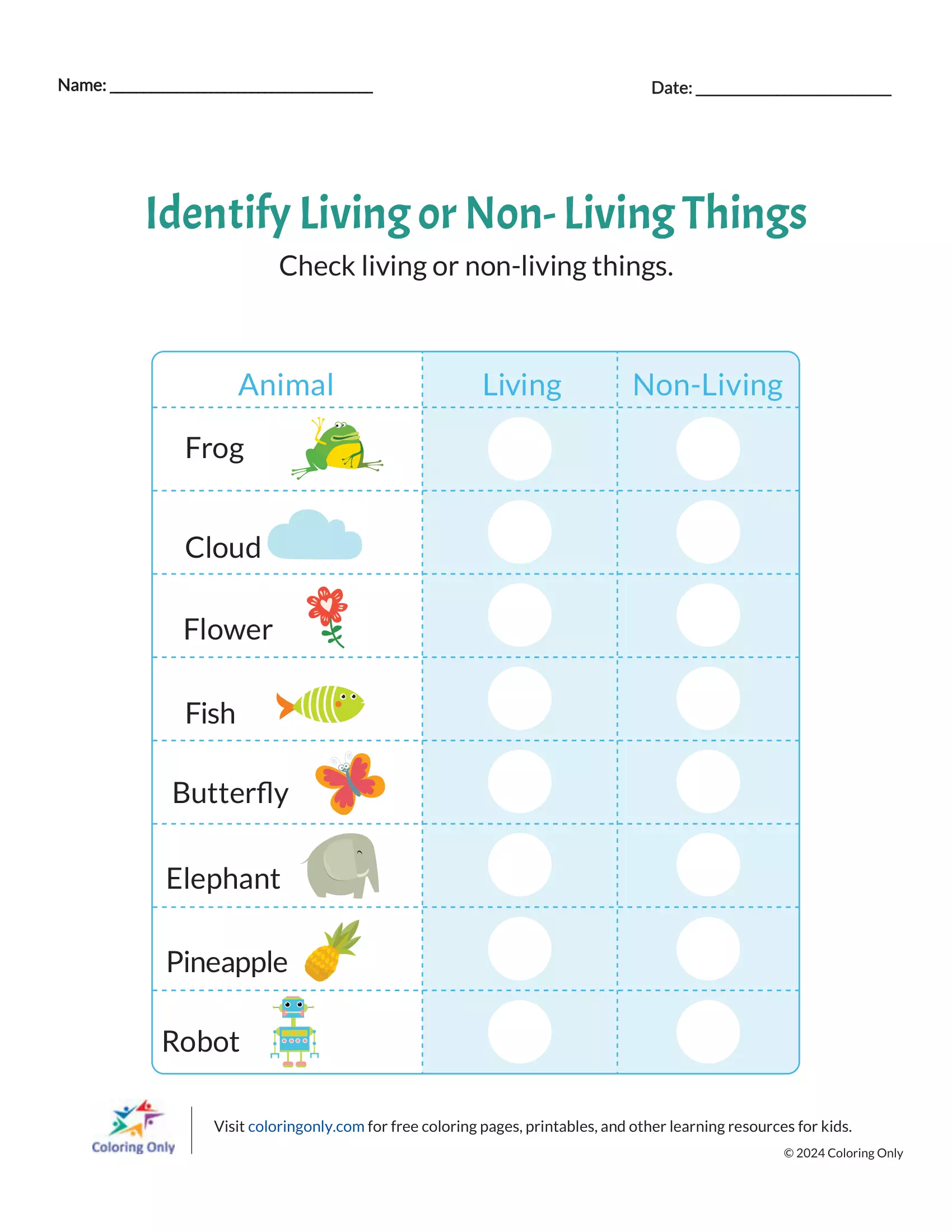
Living things, like plants and animals, share certain characteristics that kids can observe. They grow, breathe, respond to their environment, and reproduce. For example, a sunflower seed planted in soil will sprout, stretch toward the light, and eventually bloom. Animals, like a puppy, eat, move, and grow too. Non-living things, such as rocks or toys, do not grow or breathe. They may change if moved or broken, but they don’t have life processes.
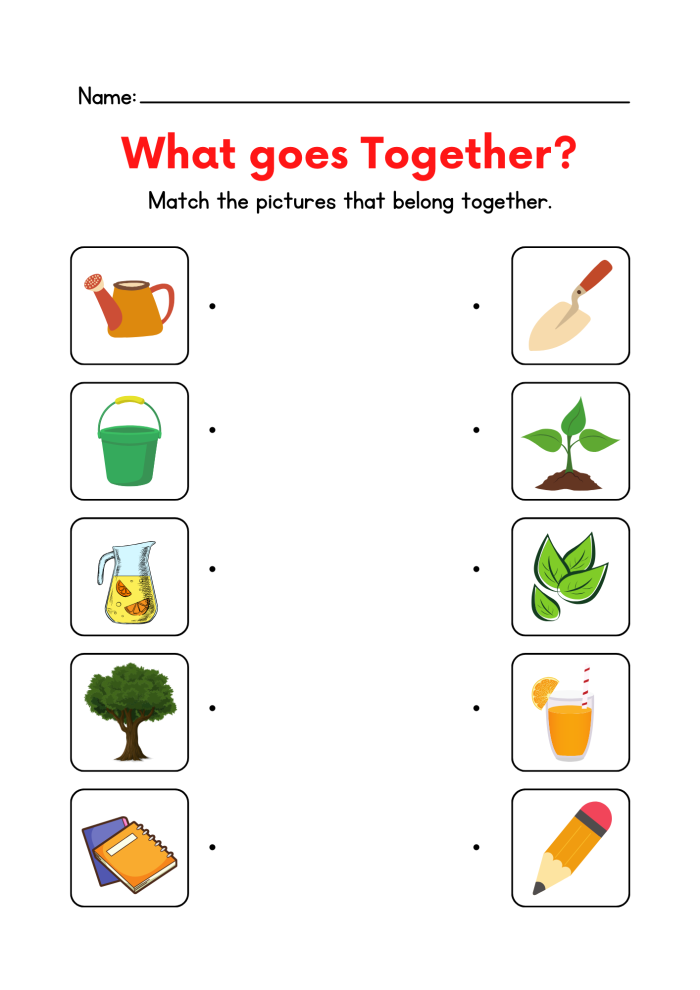
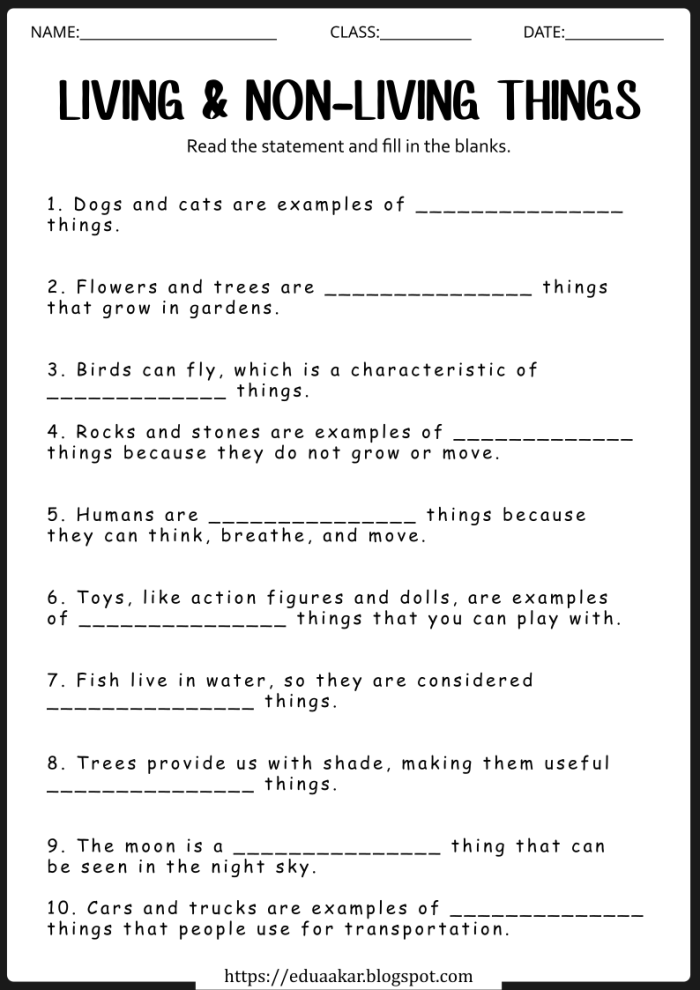
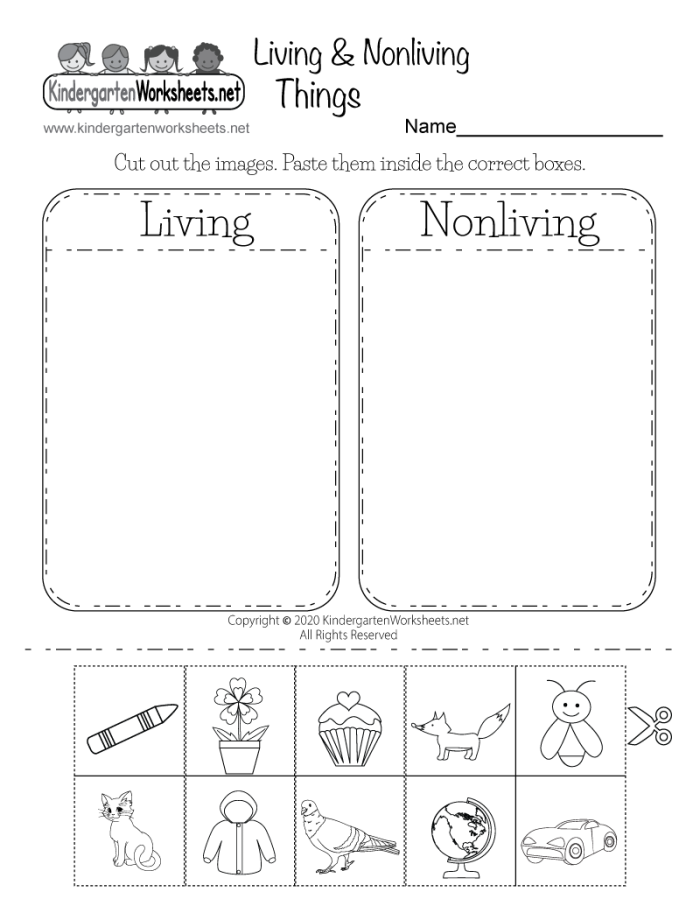
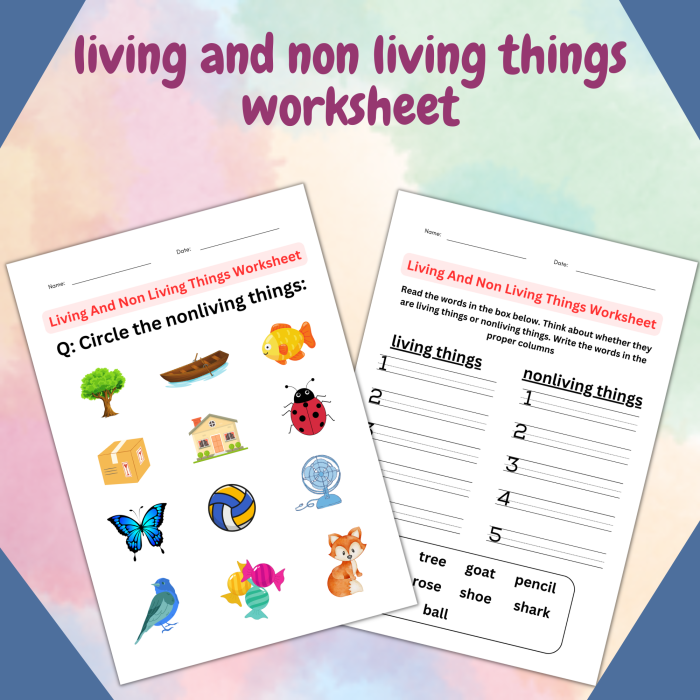
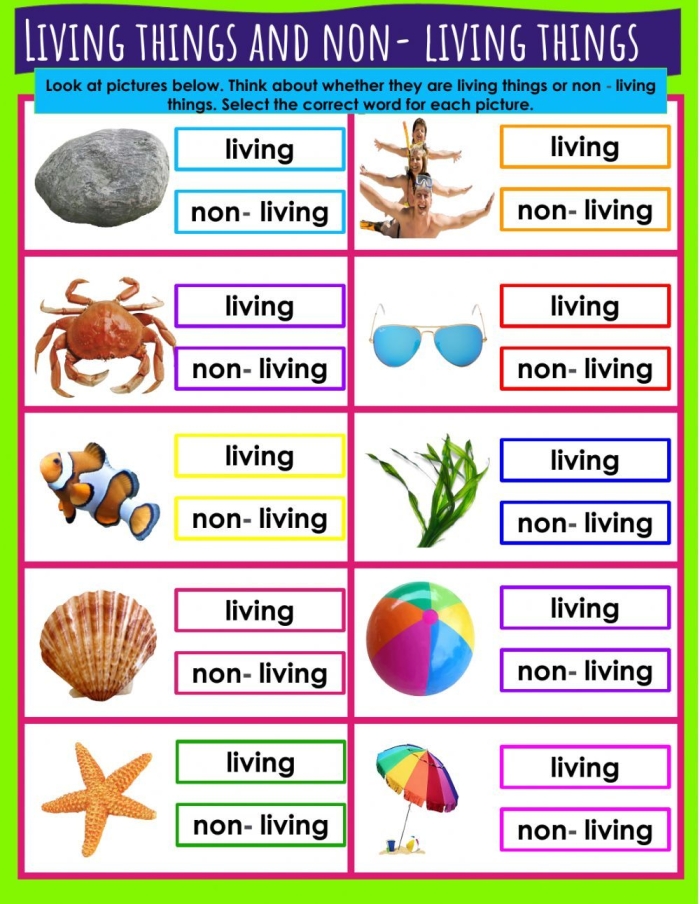
One effective way to reinforce these concepts is through hands-on activities combined with phonics learning. Printable living and non-living things worksheets designed for Pre-K children can provide a fun and interactive experience. These worksheets often include simple sorting tasks or matching games where children identify and categorize pictures or words. Integrating phonics elements, like beginning sounds or letter recognition, supports literacy development alongside science understanding. For instance, worksheets similar to those focusing on the sounds of v and w can be adapted to include vocabulary related to living and non-living things.
When children learn to tell the difference, they also develop observation skills and vocabulary. You might notice your child pointing out a fluttering butterfly or a buzzing bee and saying their names confidently. These moments can be enhanced by exploring related phonics materials, such as worksheets focusing on the letter H or playful sound activities to keep their engagement high.
Encouraging kids to ask questions, like “Why does this plant need water?” or “Can a rock eat food?” helps deepen their understanding. You can create informal quizzes or games during outdoor walks or playtime, making learning both natural and fun. The key is to blend curiosity with clear examples and simple explanations that match their developmental level.
For parents and educators, combining science concepts with phonics practice offers a double benefit: building foundational knowledge in two essential areas. If you’re looking for resources to support this learning, checking out a selection of phonics-focused worksheets can provide varied and engaging materials that complement your child’s exploration of living and non-living things perfectly.
Boost Skills with These Worksheets