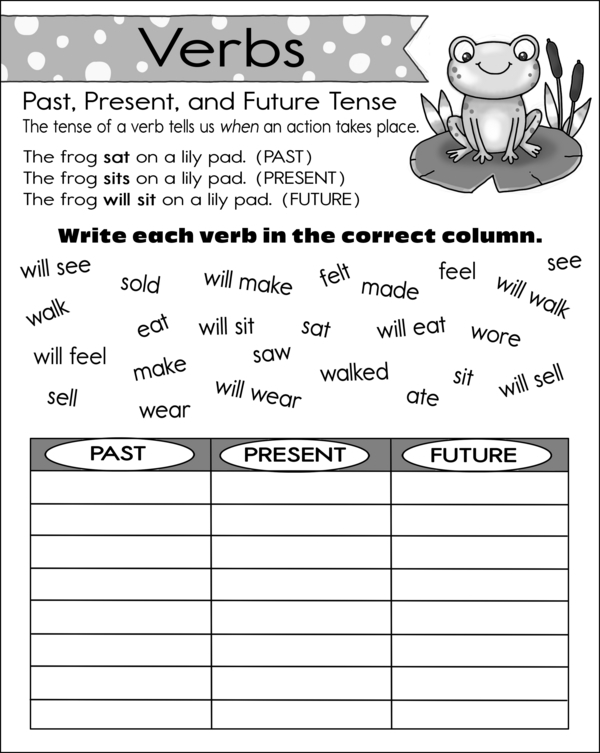
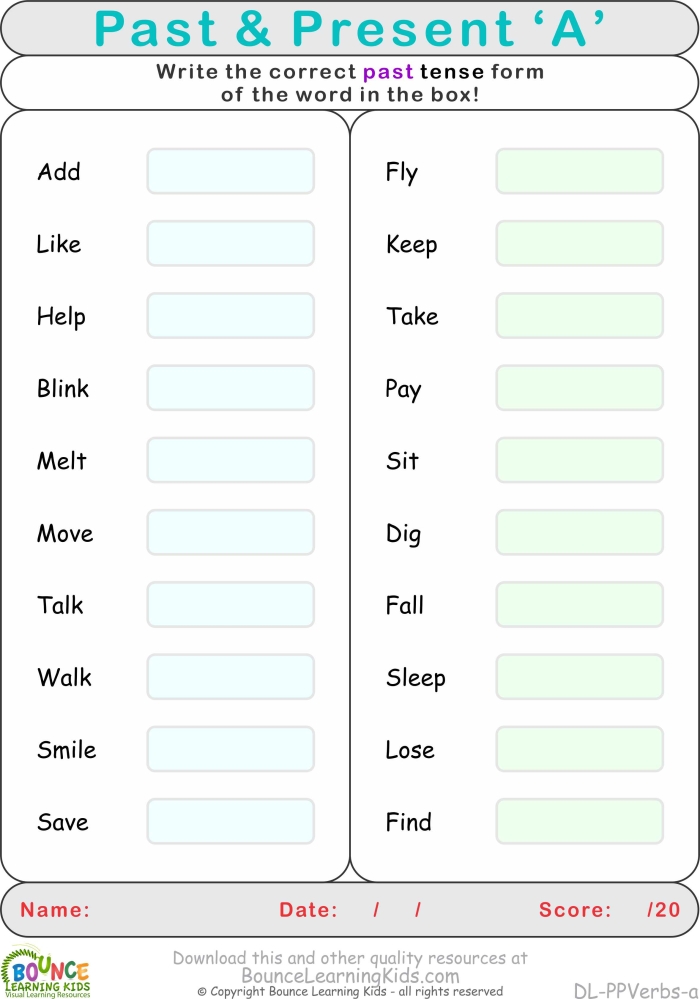
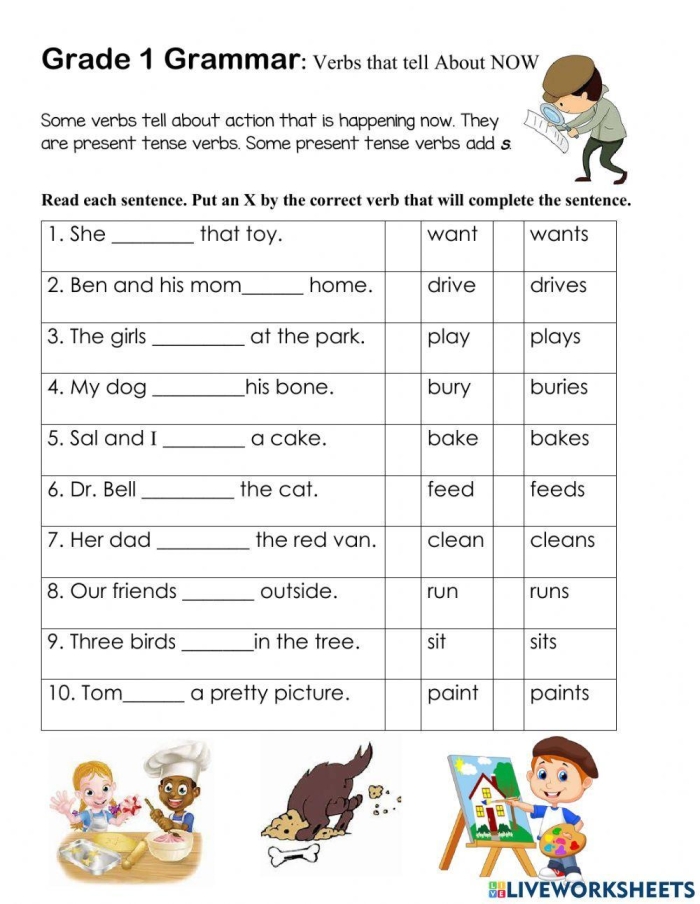
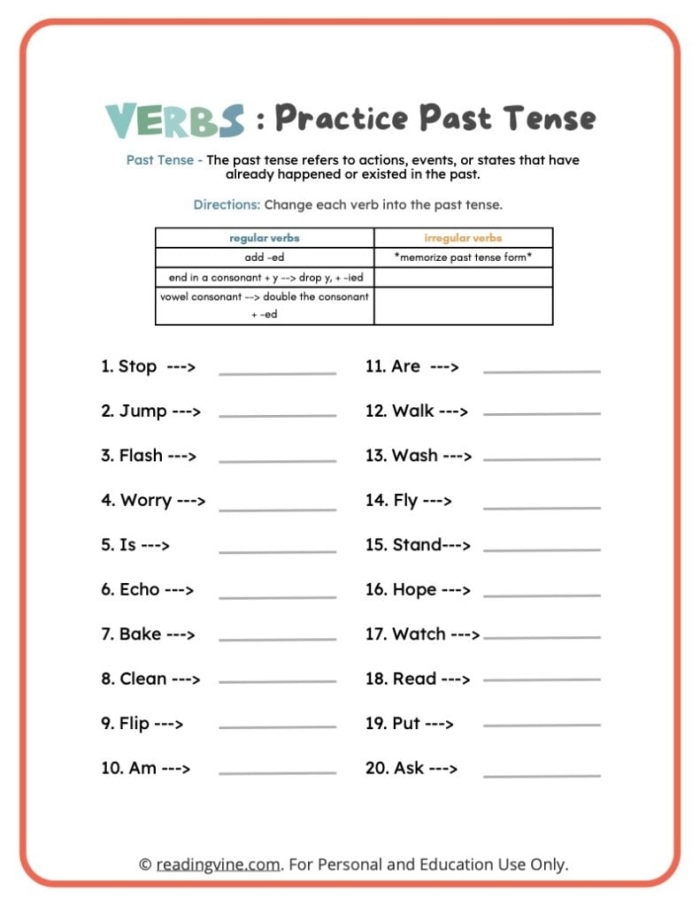
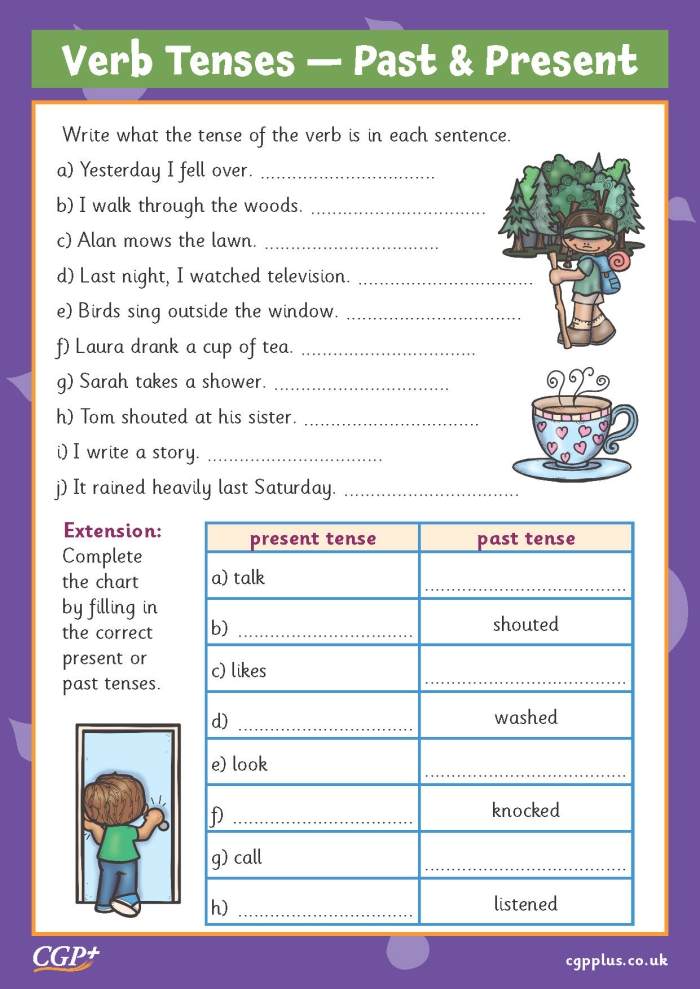
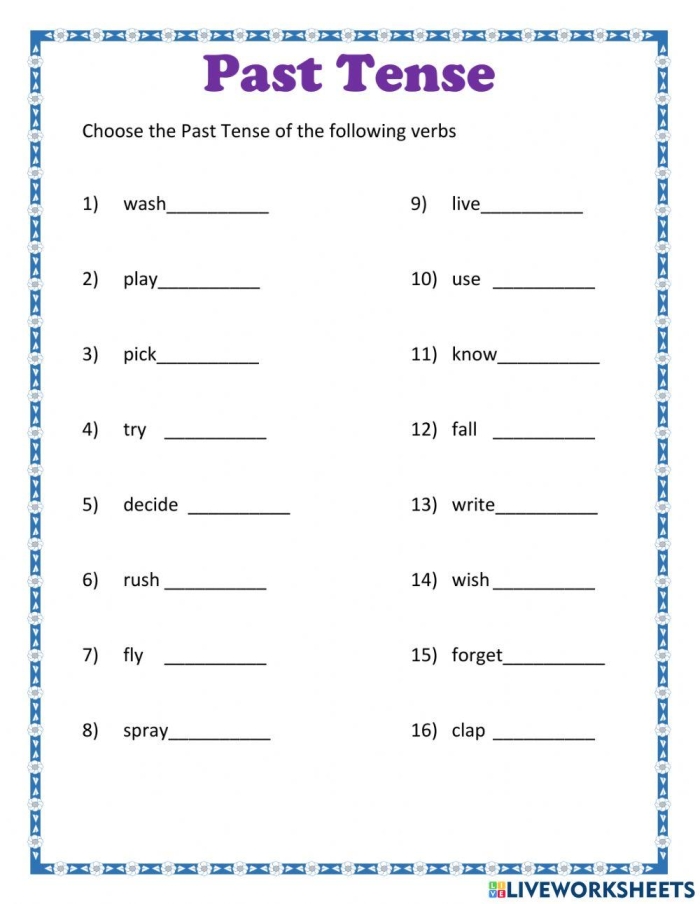
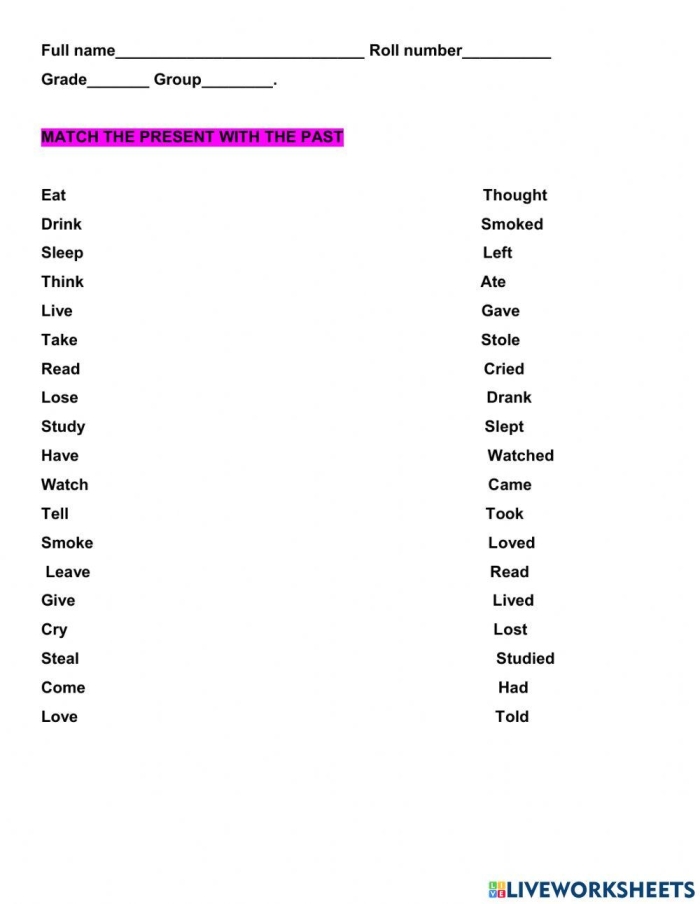
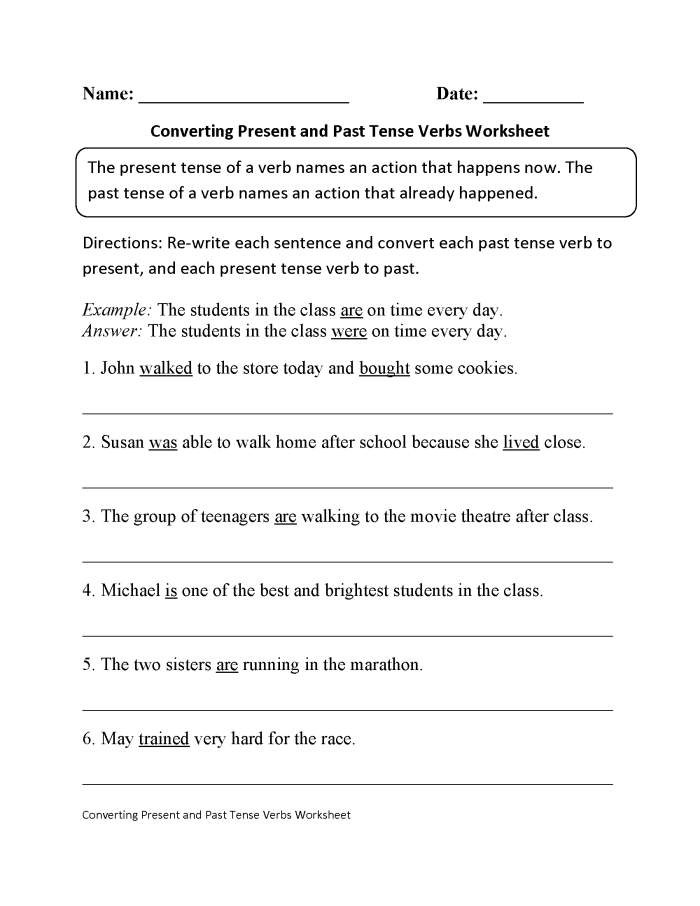
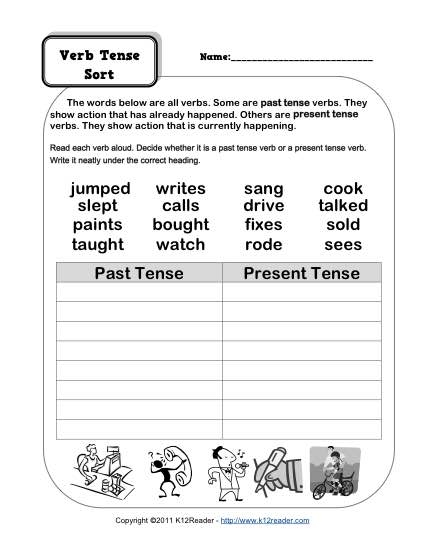
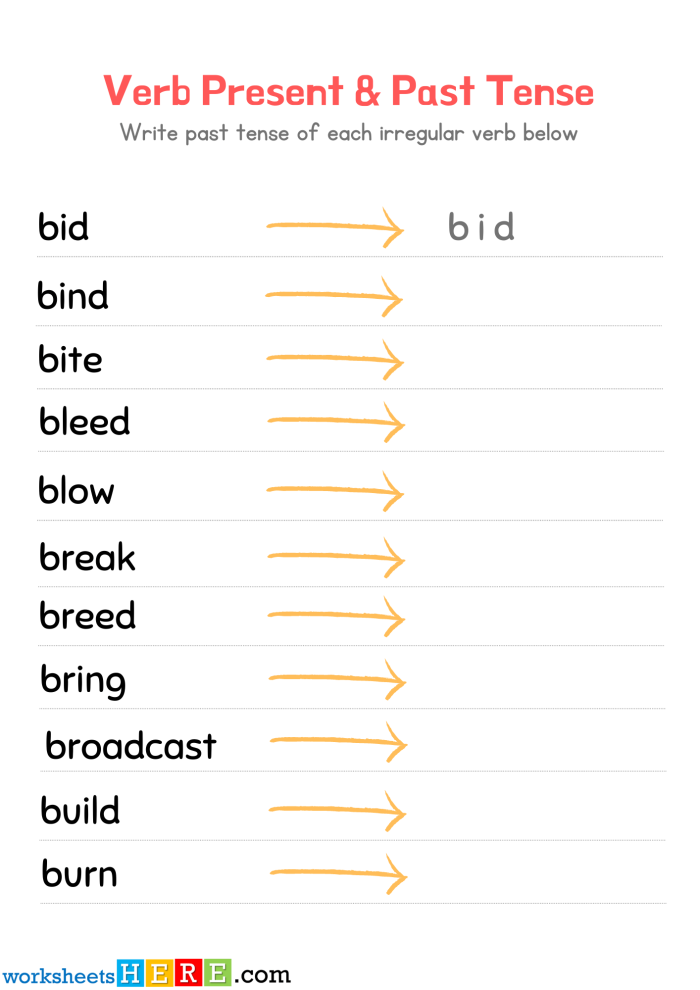
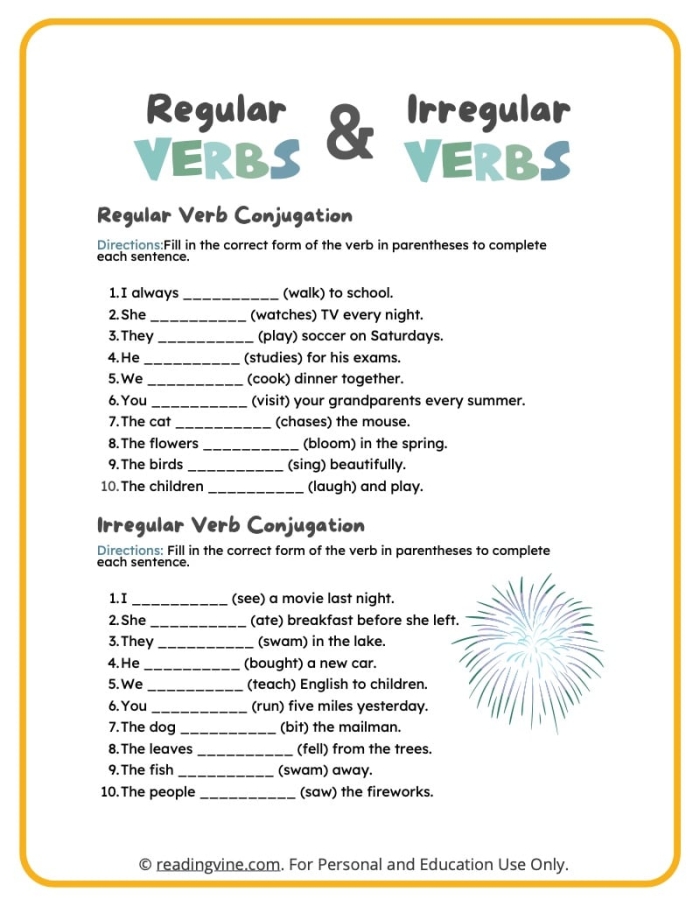
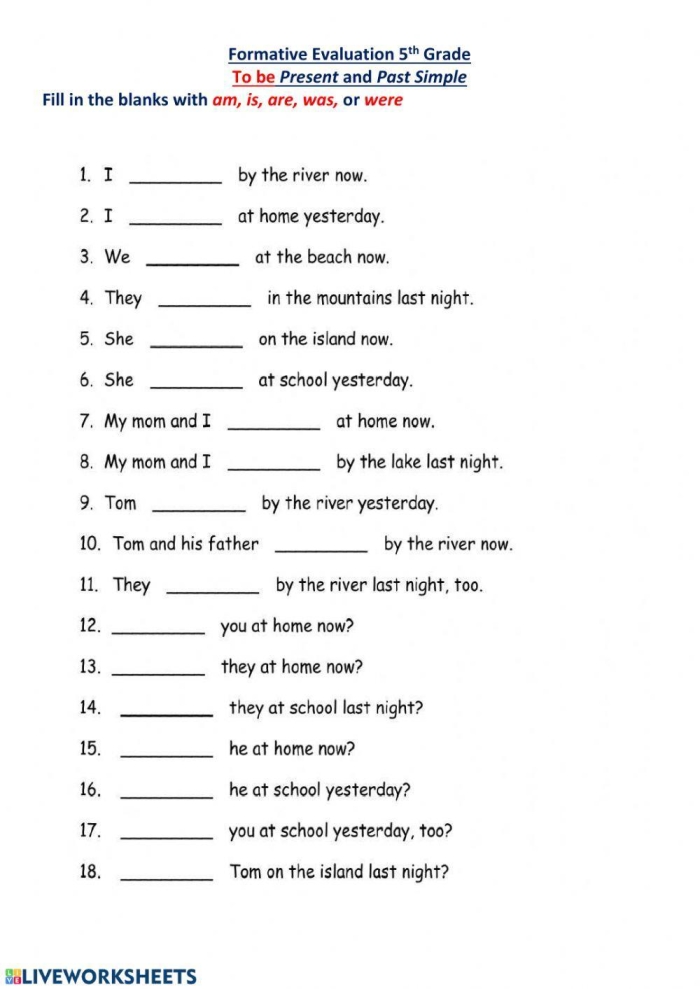
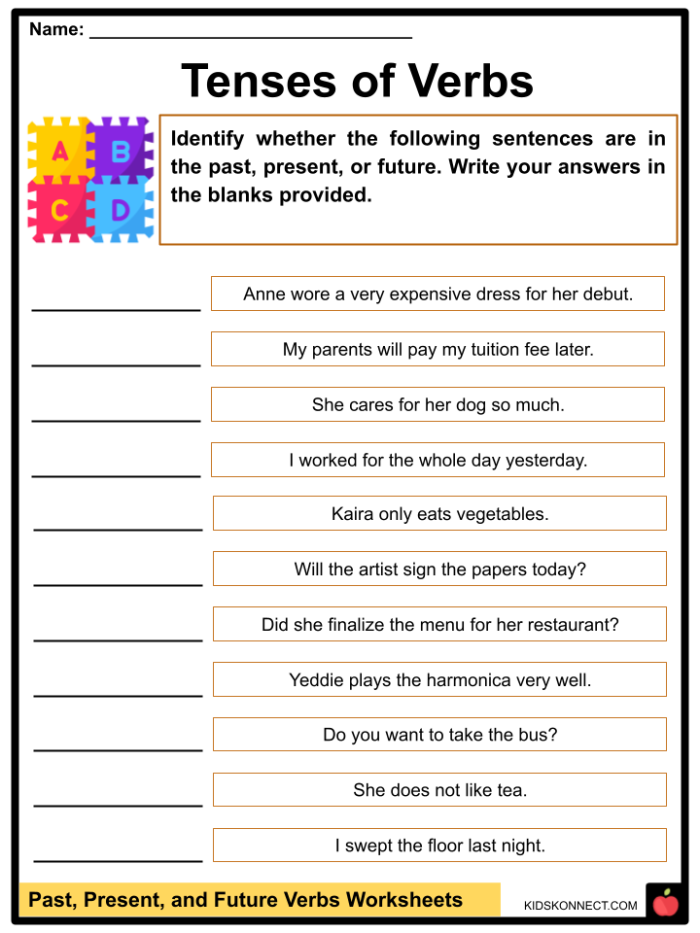
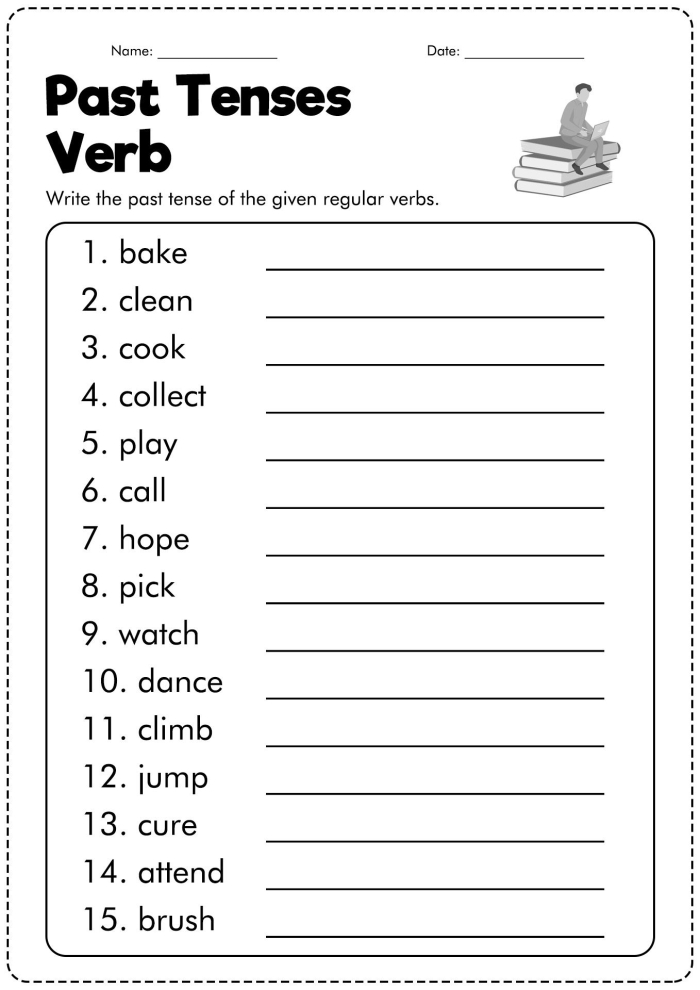
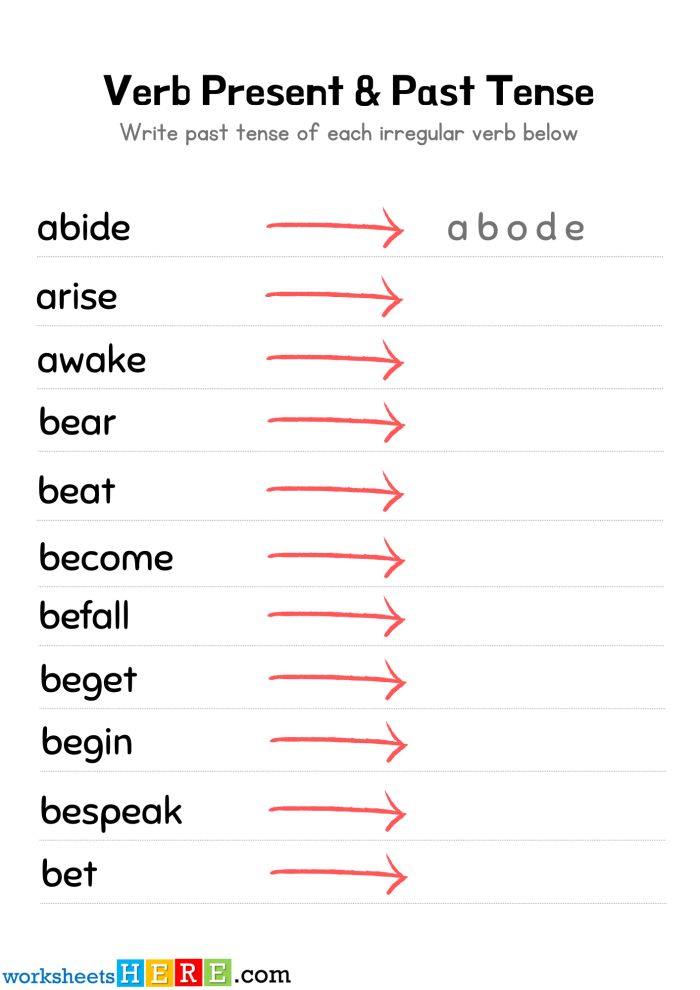
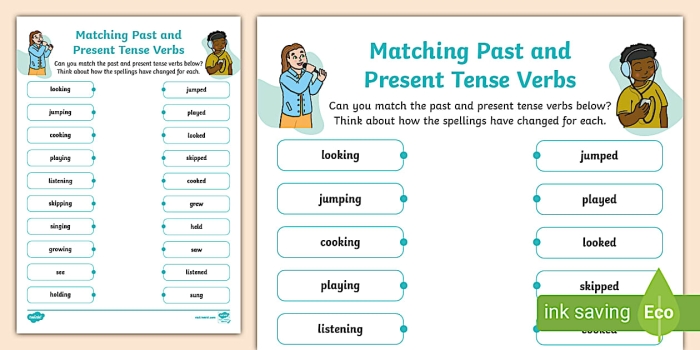
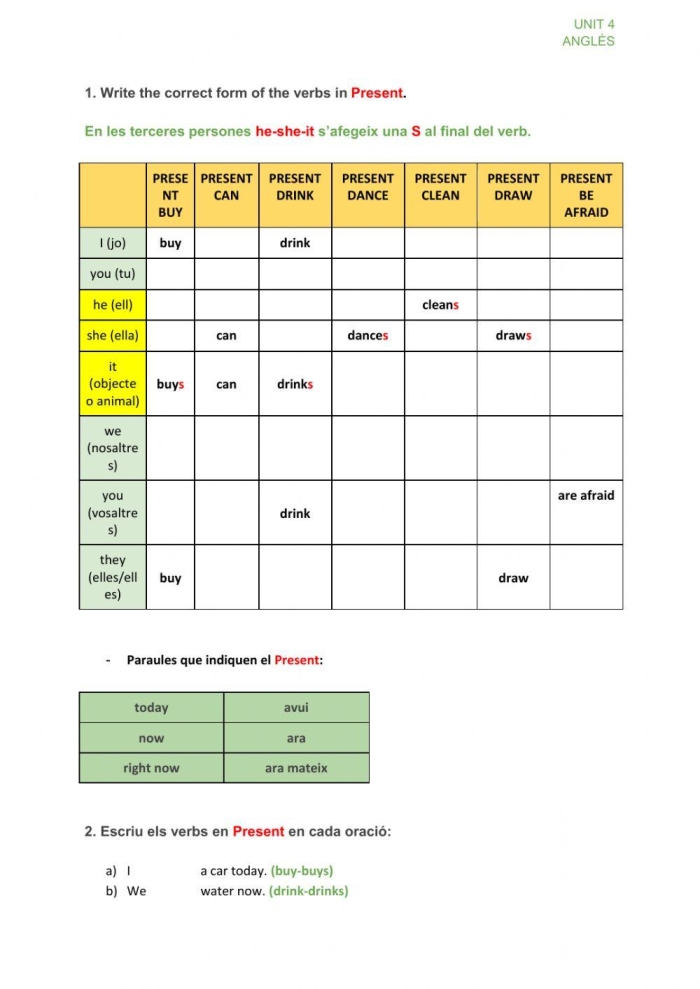
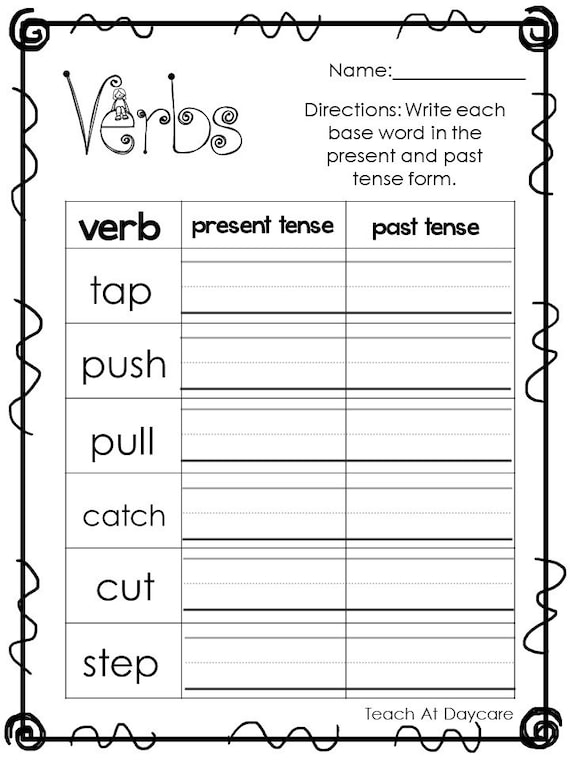
Verb tense can feel abstract to second graders until they see it in action. When kids work through a practice worksheet focused on present and past tense verbs, something clicks. They start noticing the difference between what’s happening right now and what already happened, and that awareness sticks with them.
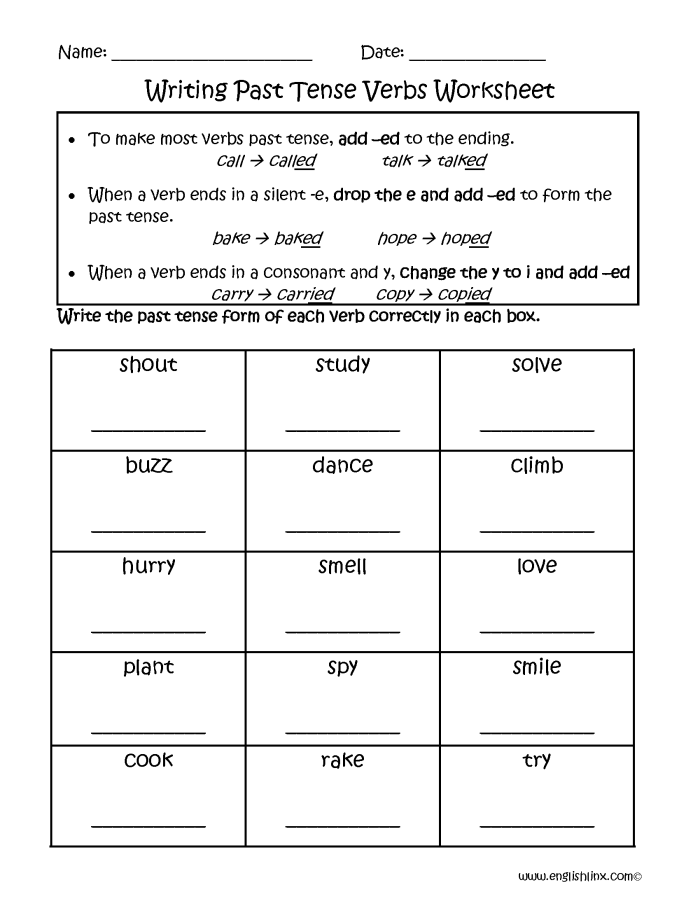
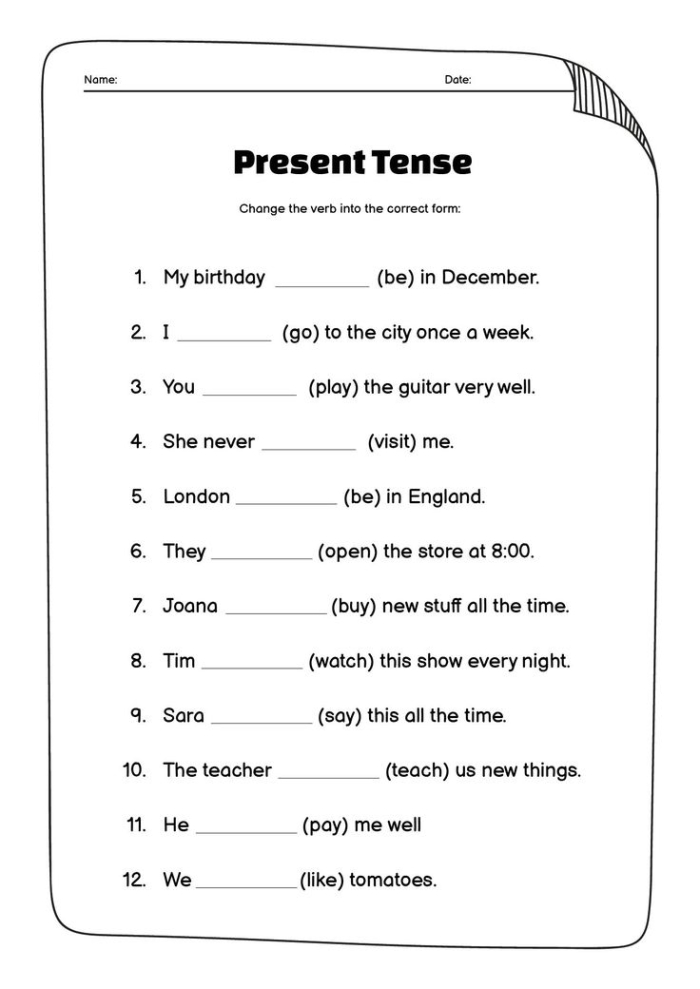
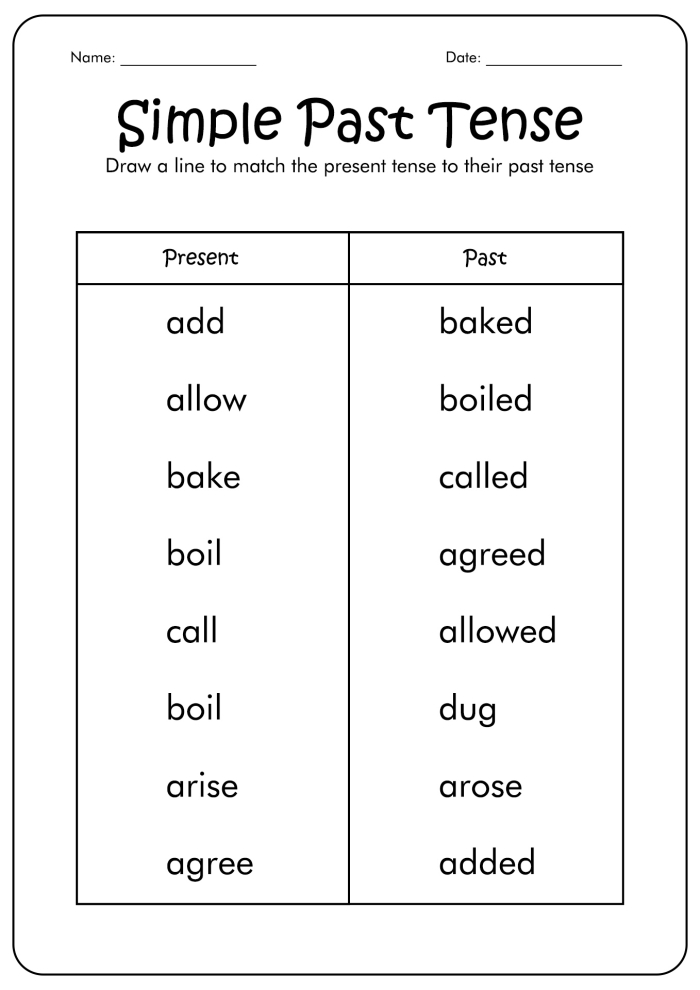
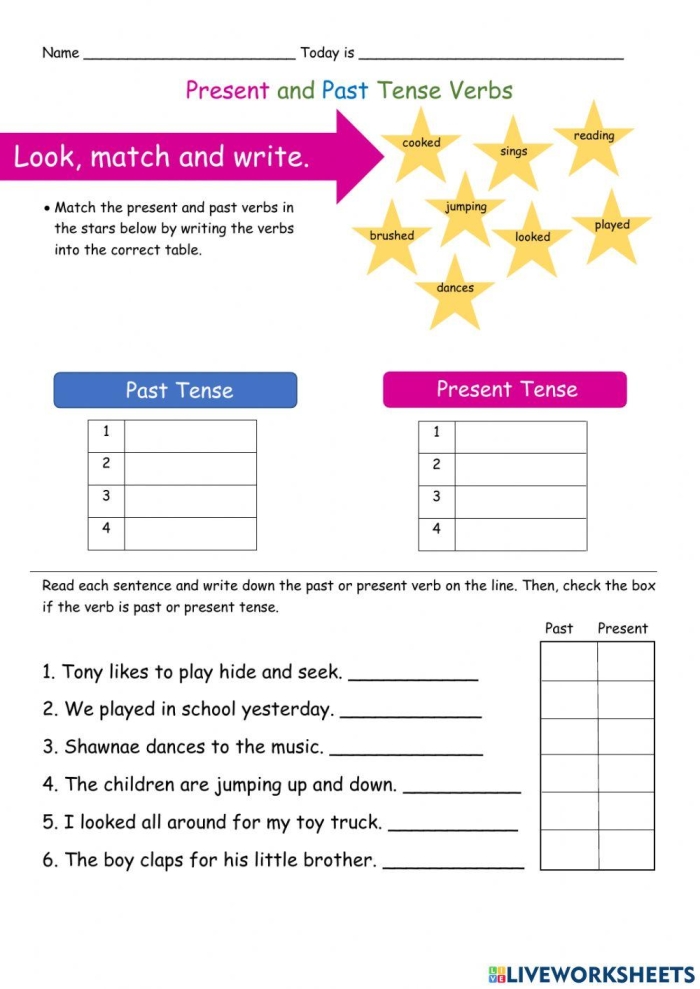
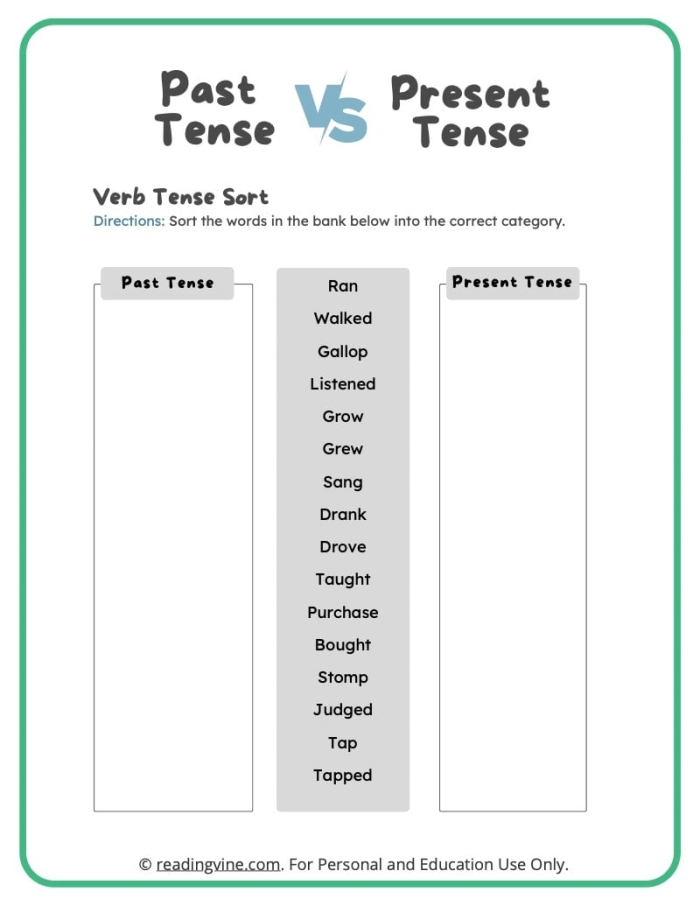
These worksheets work because they give students concrete examples to manipulate. A second grader might see “jump” and “jumped” side by side, then fill in blanks to show which one fits a sentence about yesterday versus today. The repetition builds muscle memory for how English works, without feeling like memorization.
What makes this type of practice effective is the immediate feedback loop. Students can check their own work or get quick corrections, then move to the next problem. Unlike sitting through a grammar lesson, a worksheet lets each child work at their own pace. Some breeze through while others take time to absorb the pattern, and that’s fine.
For division-level second grade worksheets, verb tense activities pair well with other foundational skills. You might combine present and past tense practice with activities like short and long vowel review in a single session, since both target language fundamentals. Other second graders benefit from mixing in visual learning tools, such as bug game dot to dot counting activities that keep engagement high.
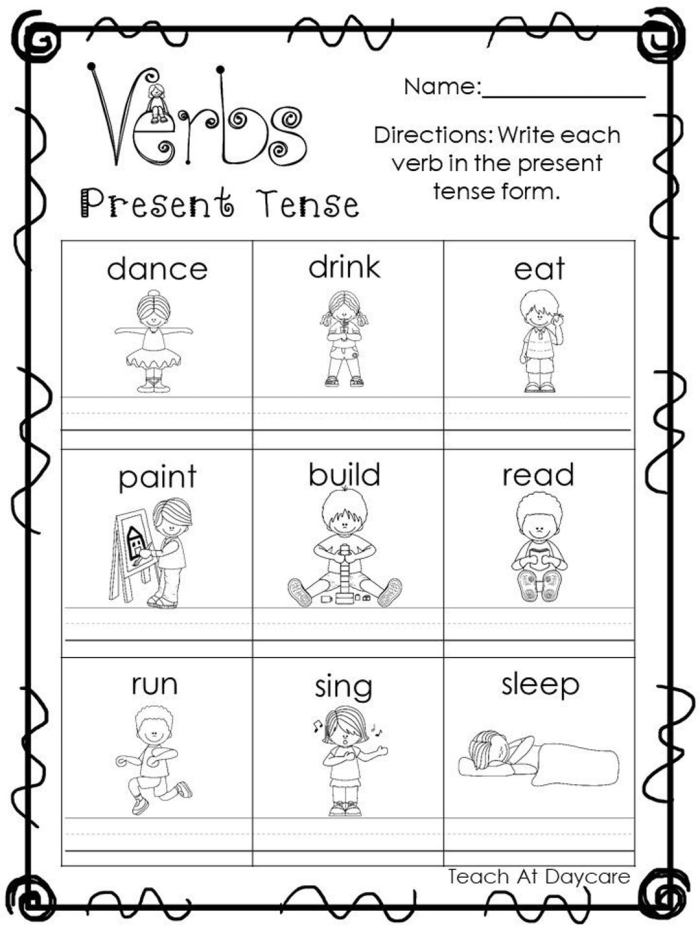
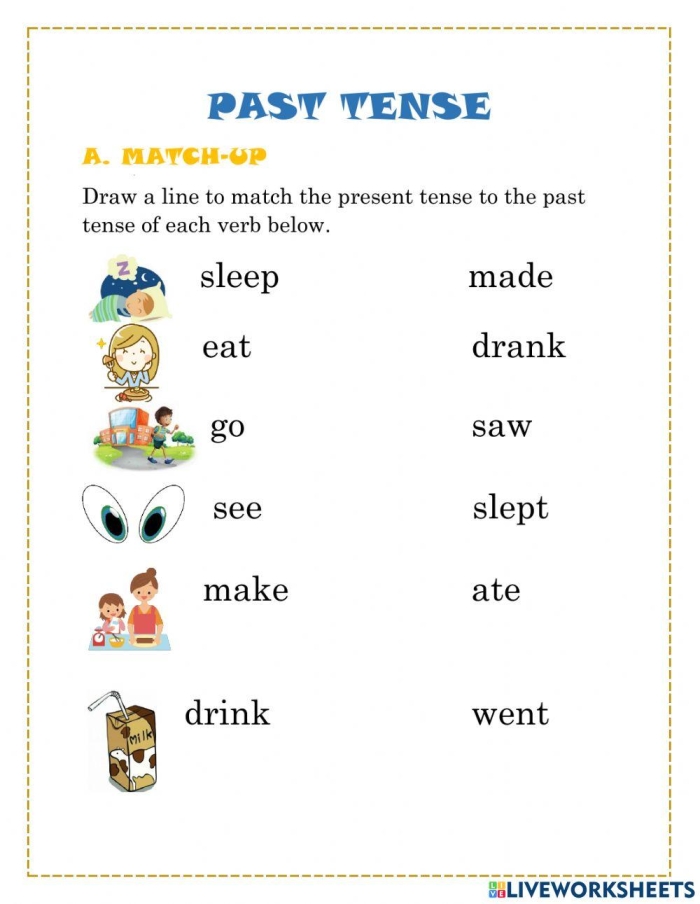
The best worksheets use familiar verbs and situations from a child’s daily life. “Run,” “play,” “eat,” and “sleep” appear in contexts kids recognize. This connection between the grammar rule and real experience makes the learning stick longer than abstract examples ever could.
When you’re building a second grade language arts program, present and past tense verb practice should be a regular feature, not a one-time activity. Consistent exposure helps patterns become automatic, which frees up mental energy for more complex writing tasks down the road.
Try These Printable Worksheets