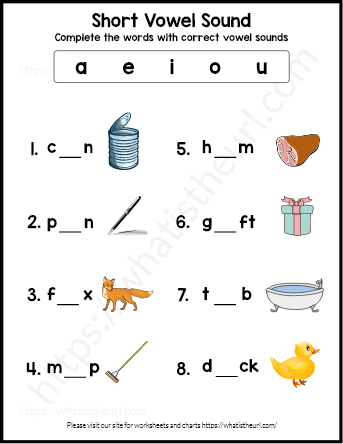
Once your child has grasped the basic concept that vowels make different sounds, the next logical step is teaching them to distinguish between short and long vowel sounds. This skill builds confidence and strengthens phonetic awareness, which directly supports reading fluency and spelling accuracy.
At the Second Grade level, children are ready to move beyond simply recognizing vowels. They can now listen carefully to how a vowel sounds within a word and categorize it. A short vowel sound is typically crisp and quick, like the “a” in “cat” or the “e” in “bed.” A long vowel sound stretches out and often matches the letter’s name, such as the “a” in “cake” or the “e” in “see.”
The challenge here involves more than memorization. When you ask your child to determine whether a word contains a short or long vowel sound, you’re asking them to listen actively and apply a rule they’ve learned. This requires focus and repetition. Start with familiar, single-syllable words that clearly demonstrate the difference. Words like “sit” versus “site” or “hop” versus “hope” make the contrast obvious.
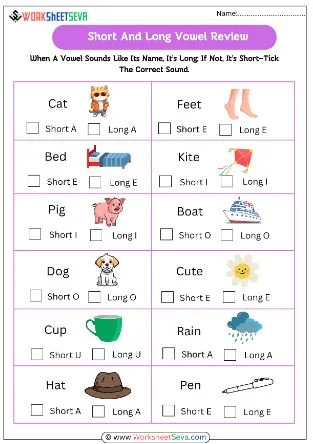
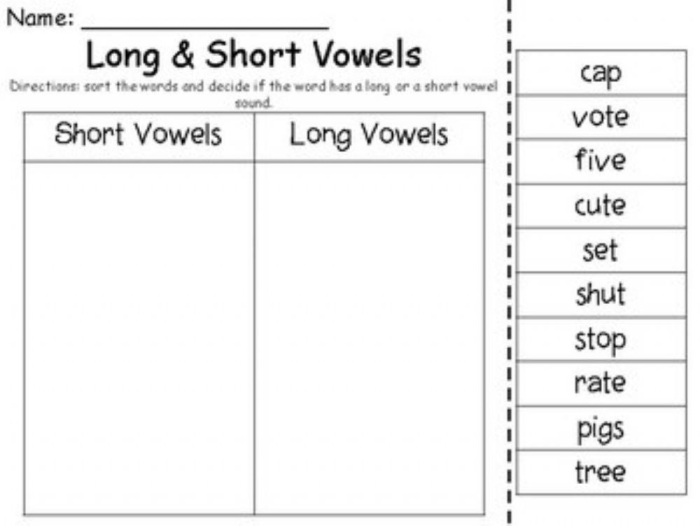
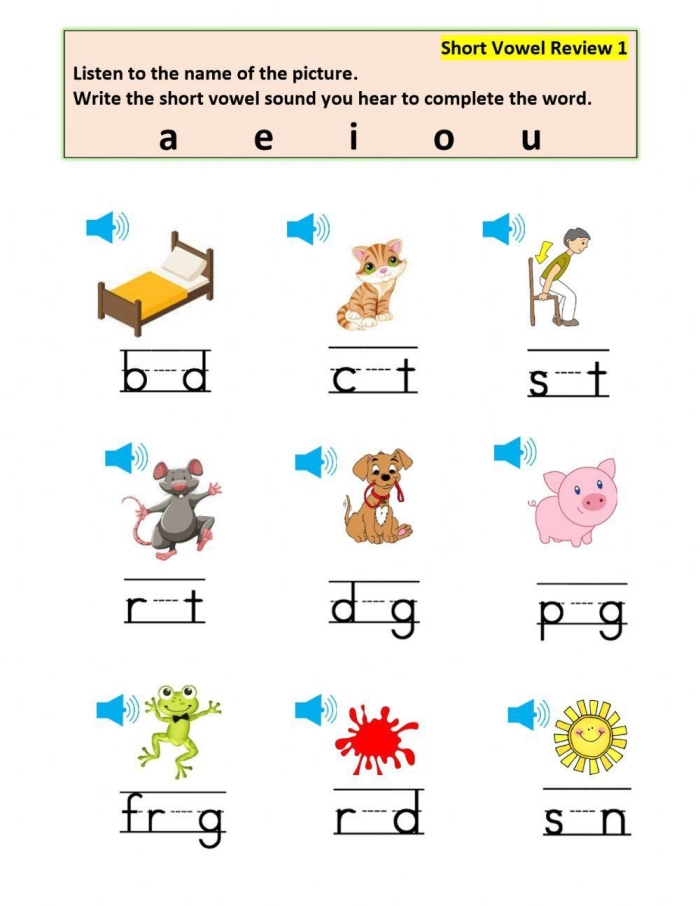
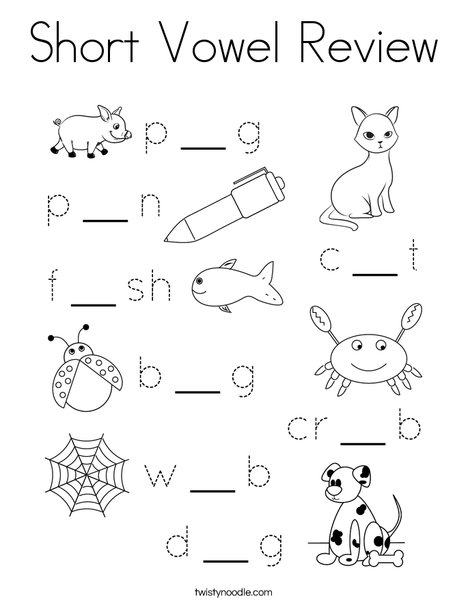
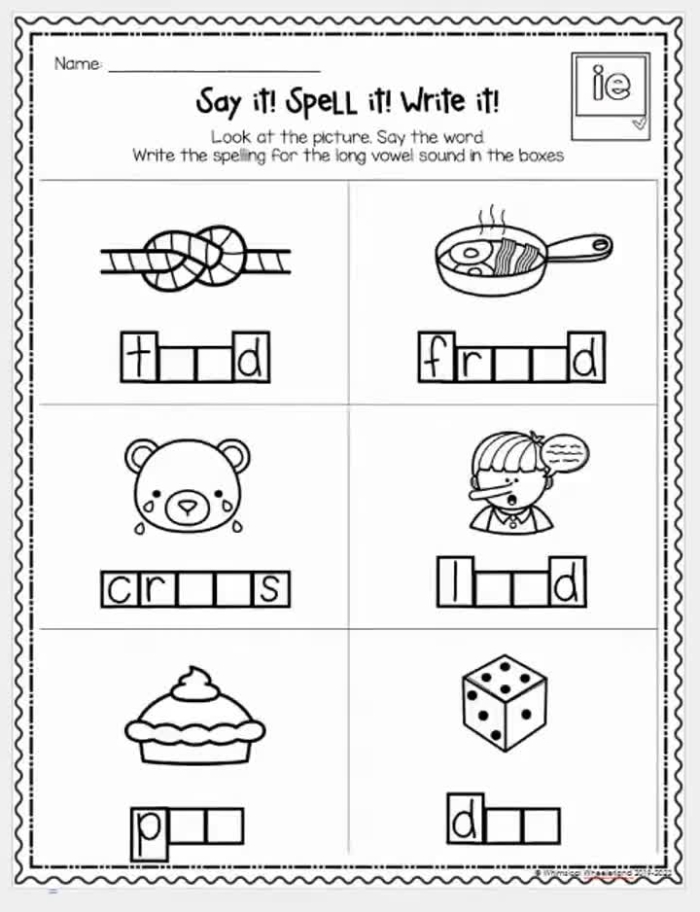
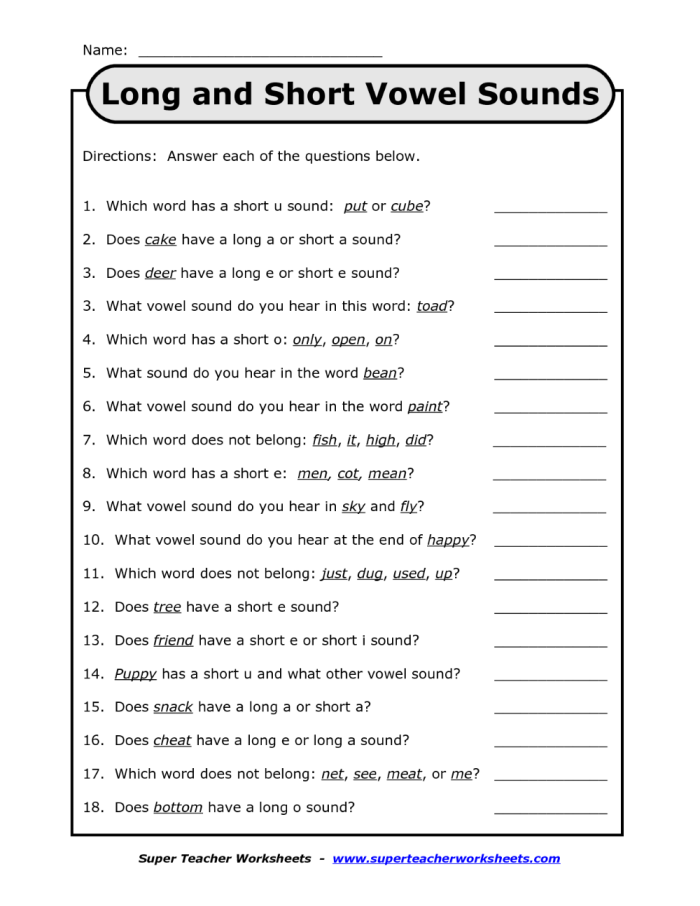
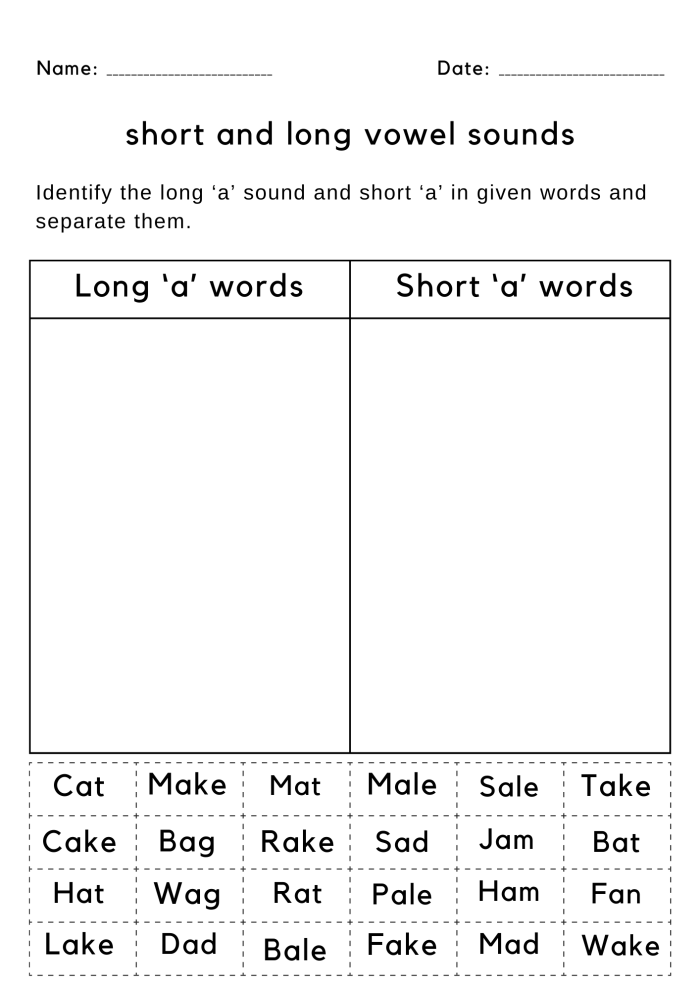
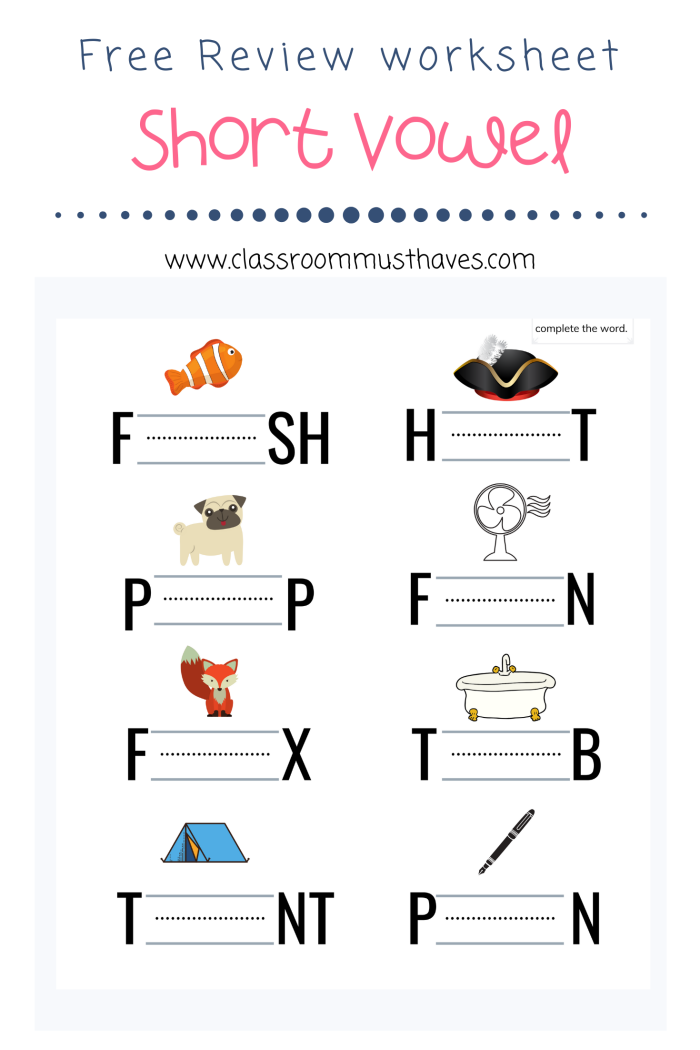
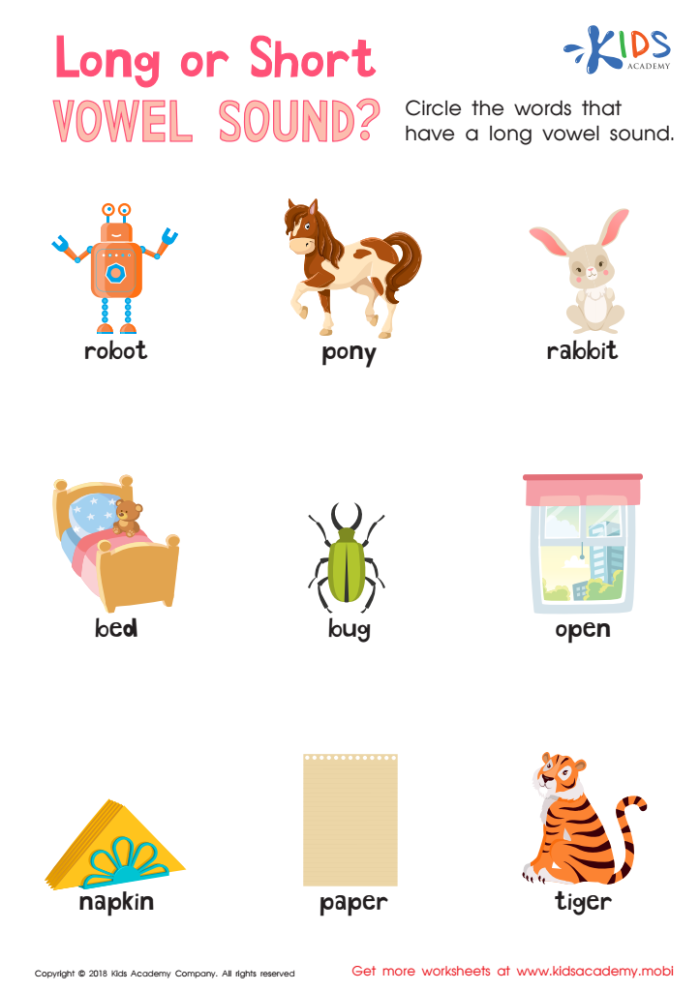
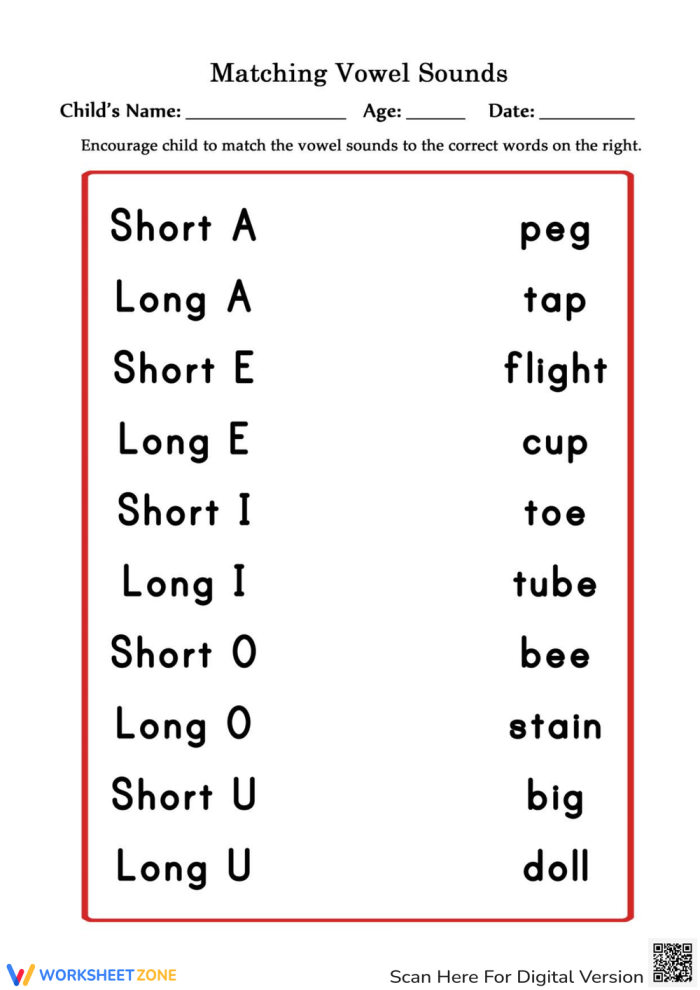
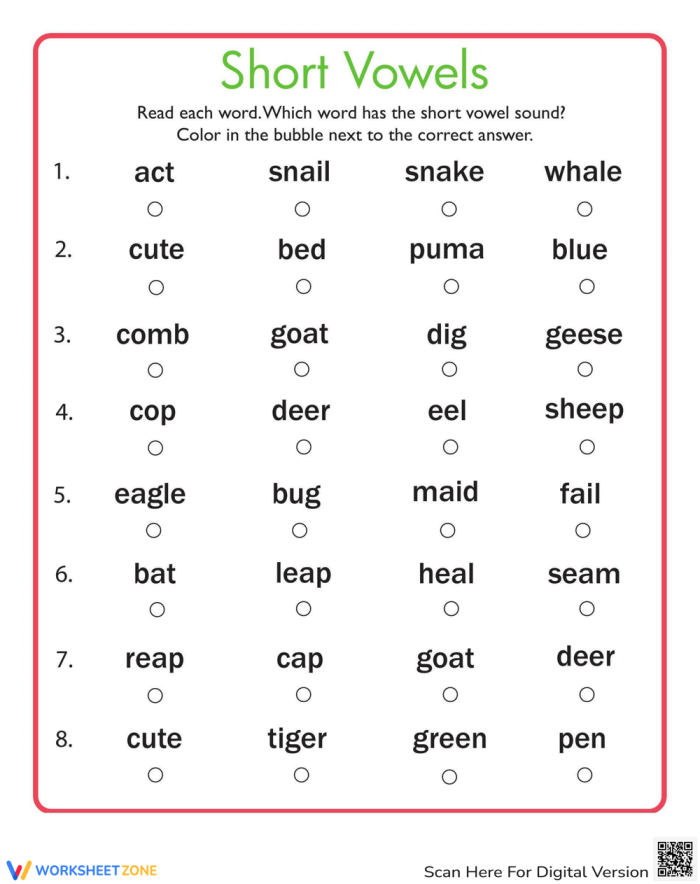
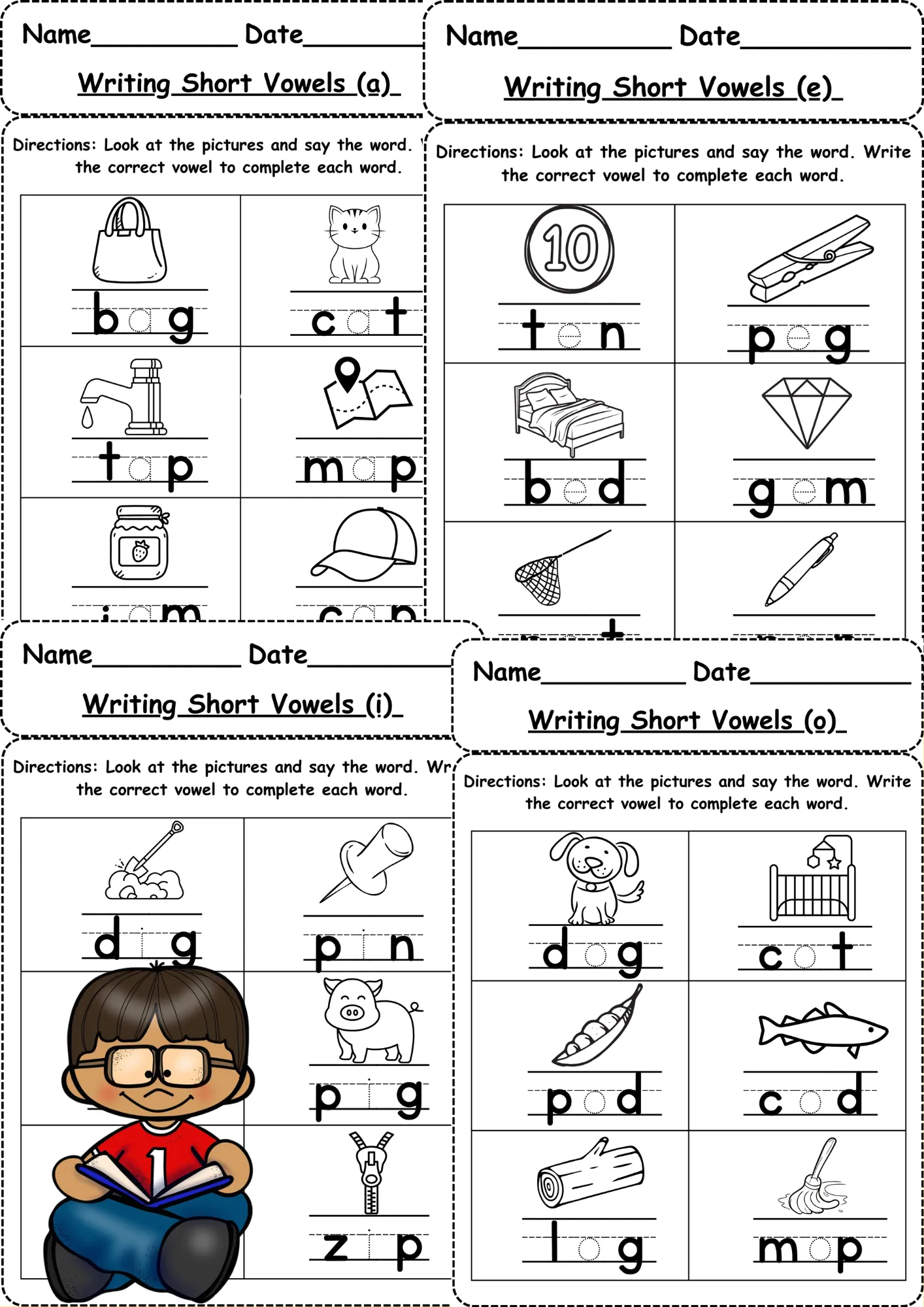
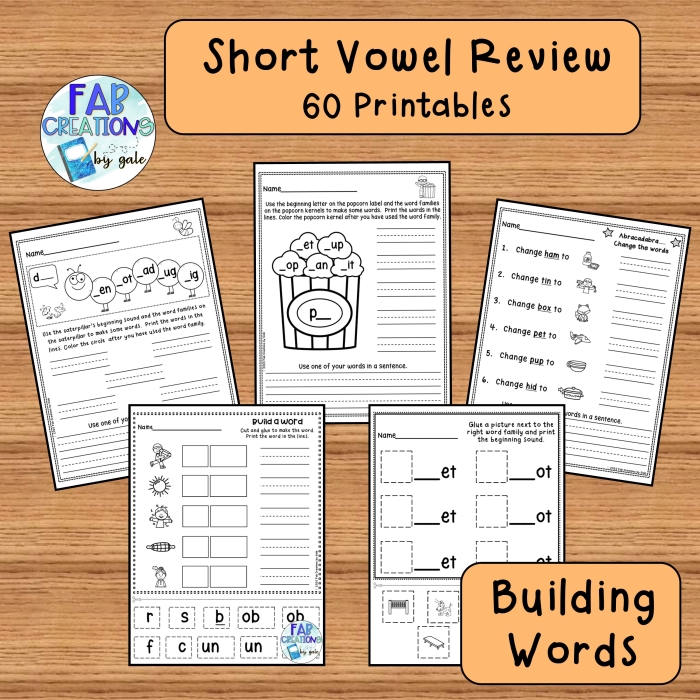
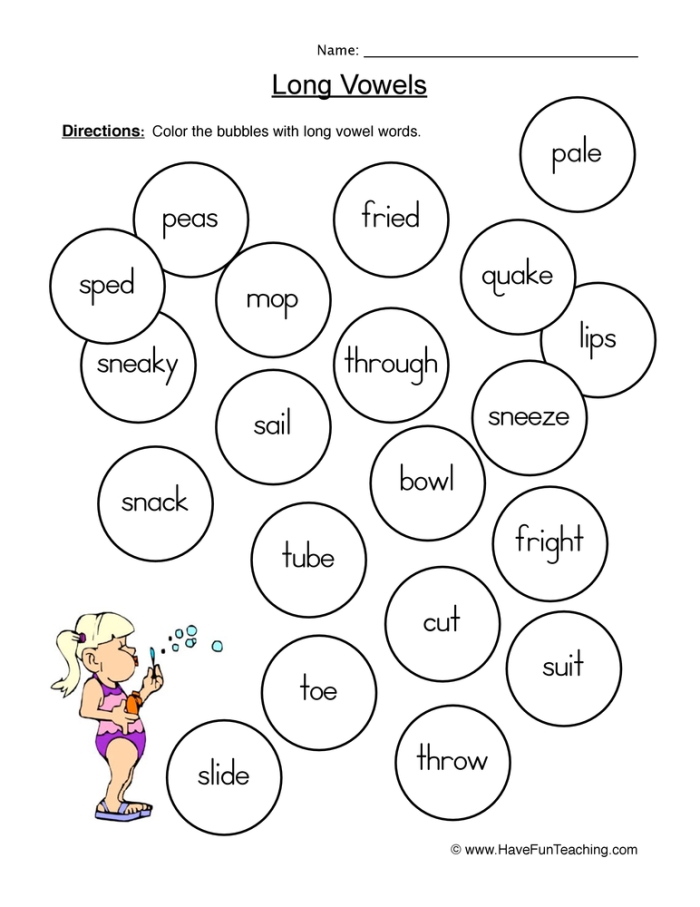
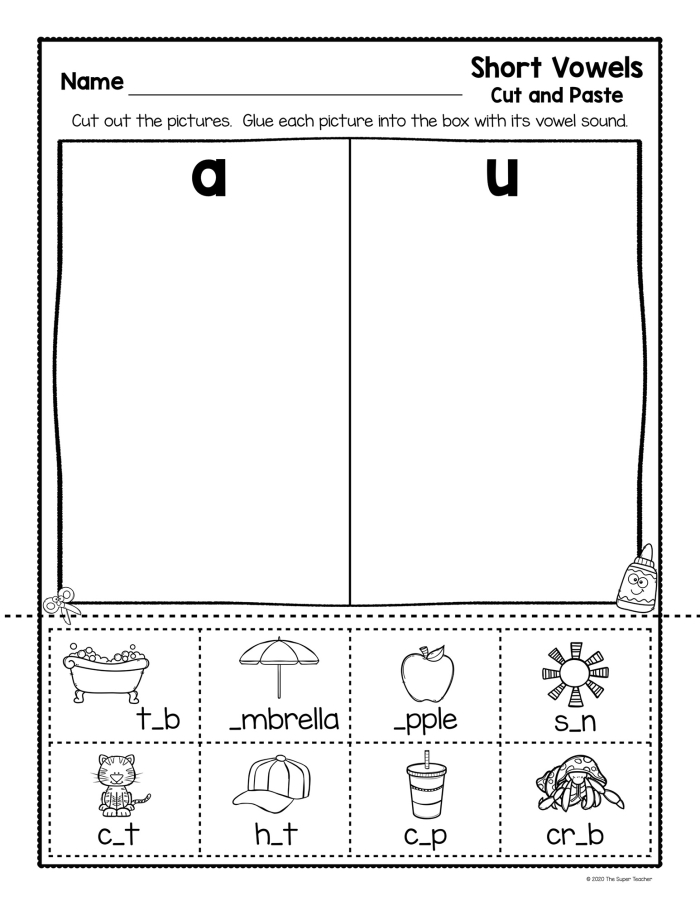
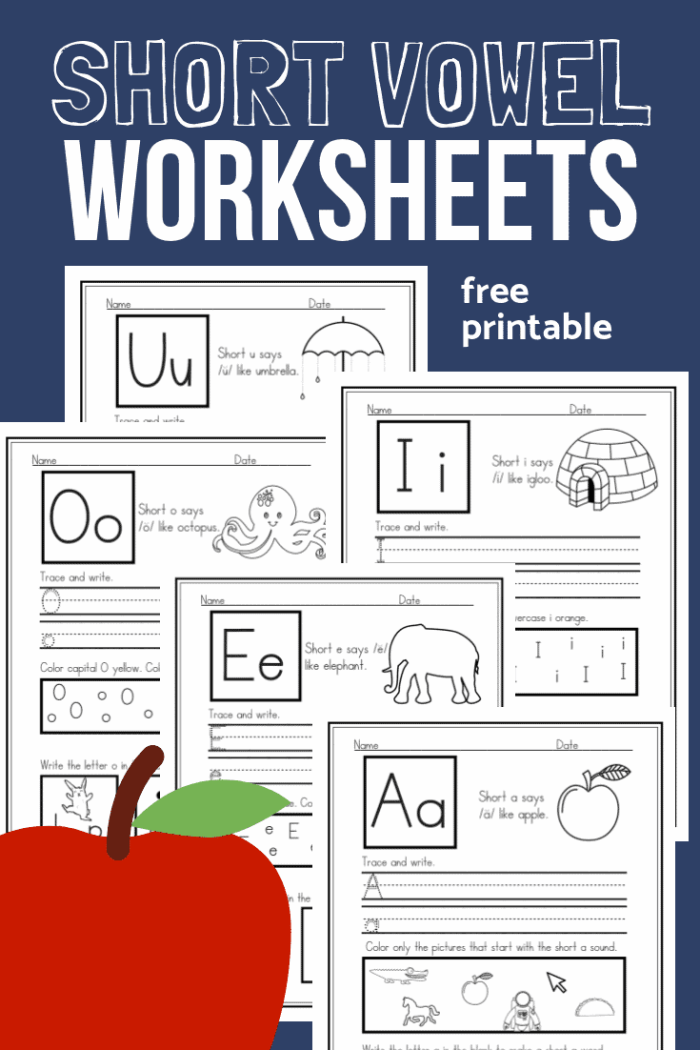
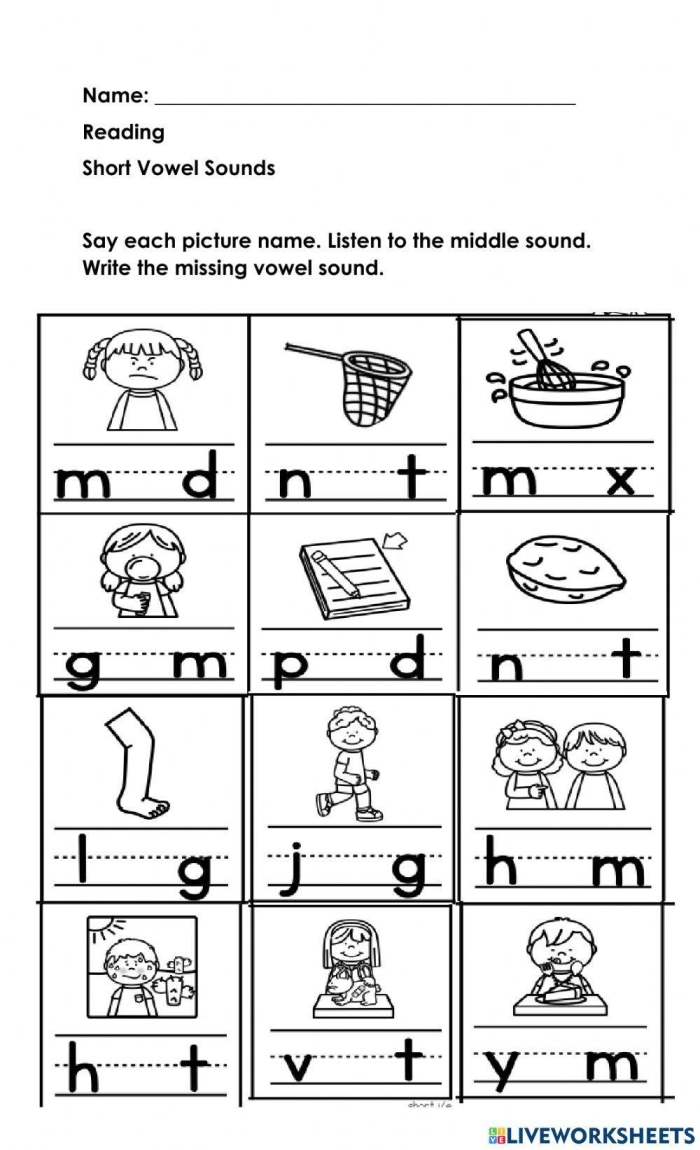
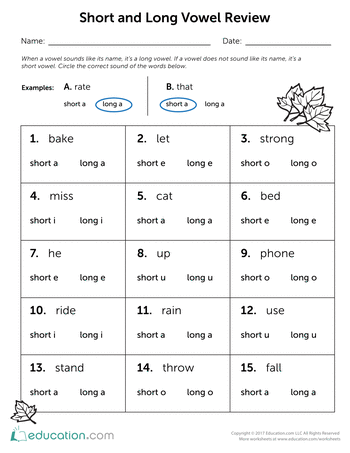
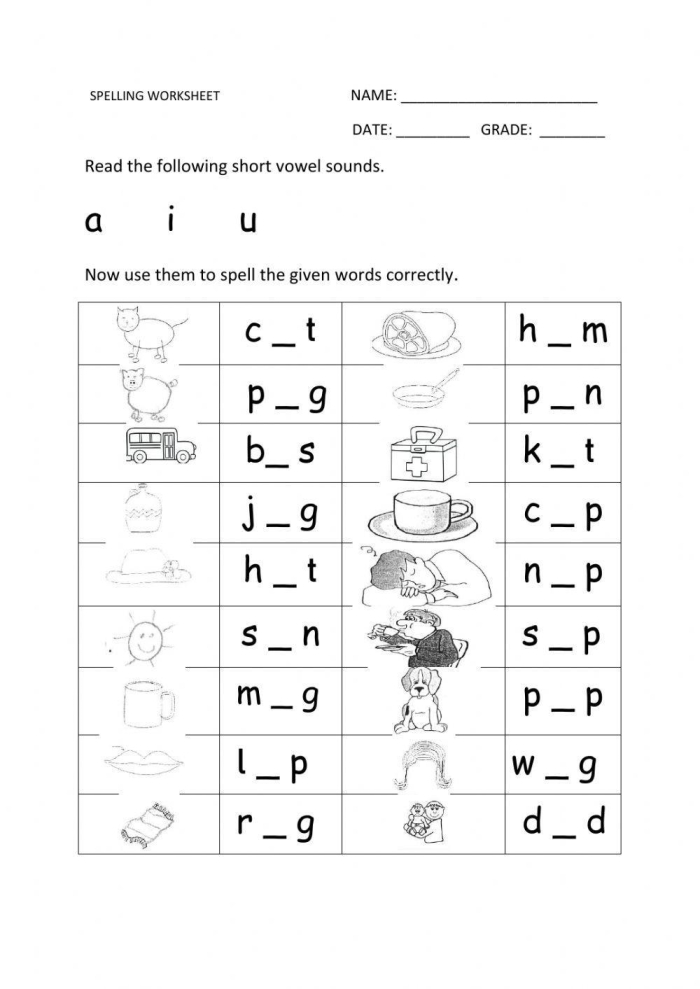
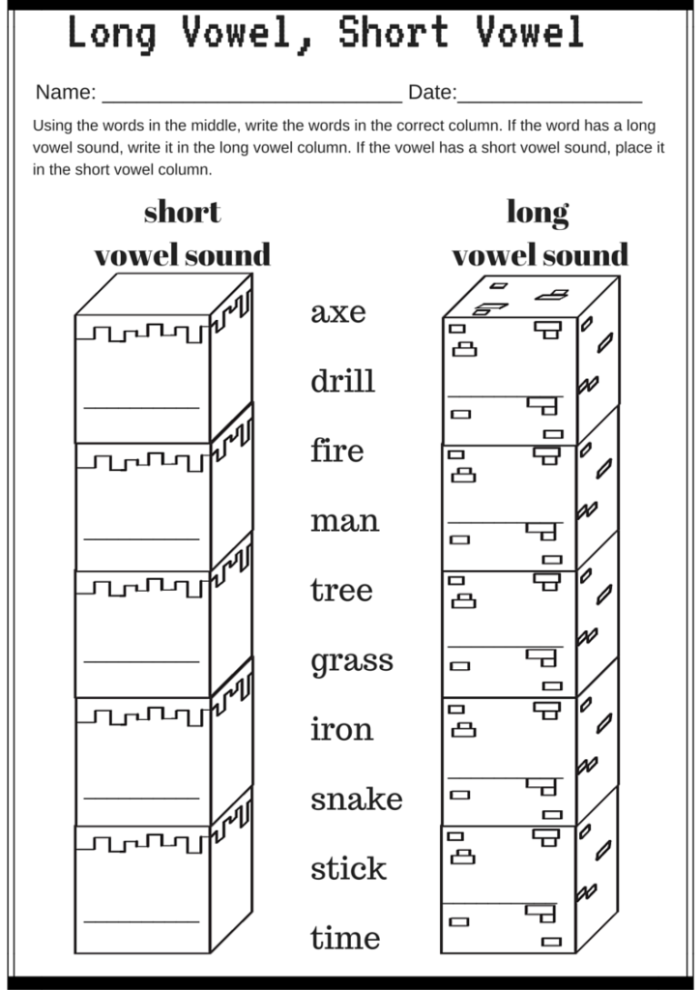
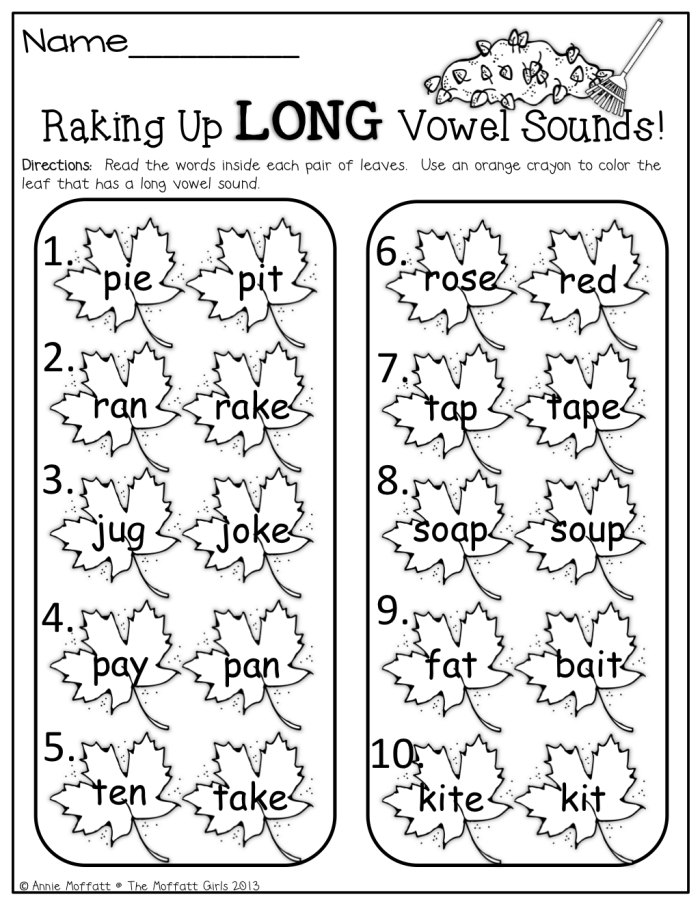
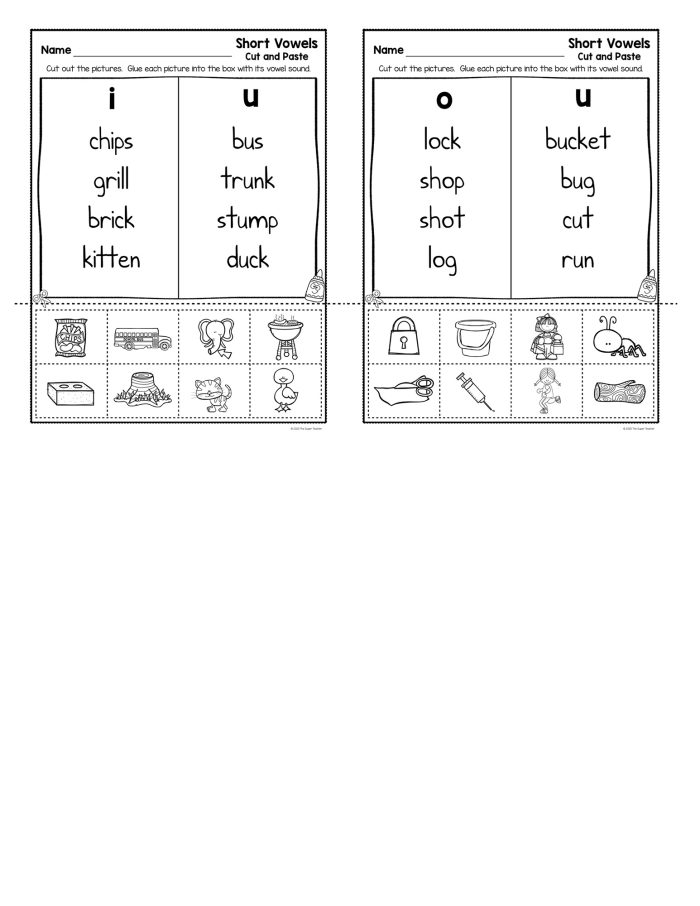
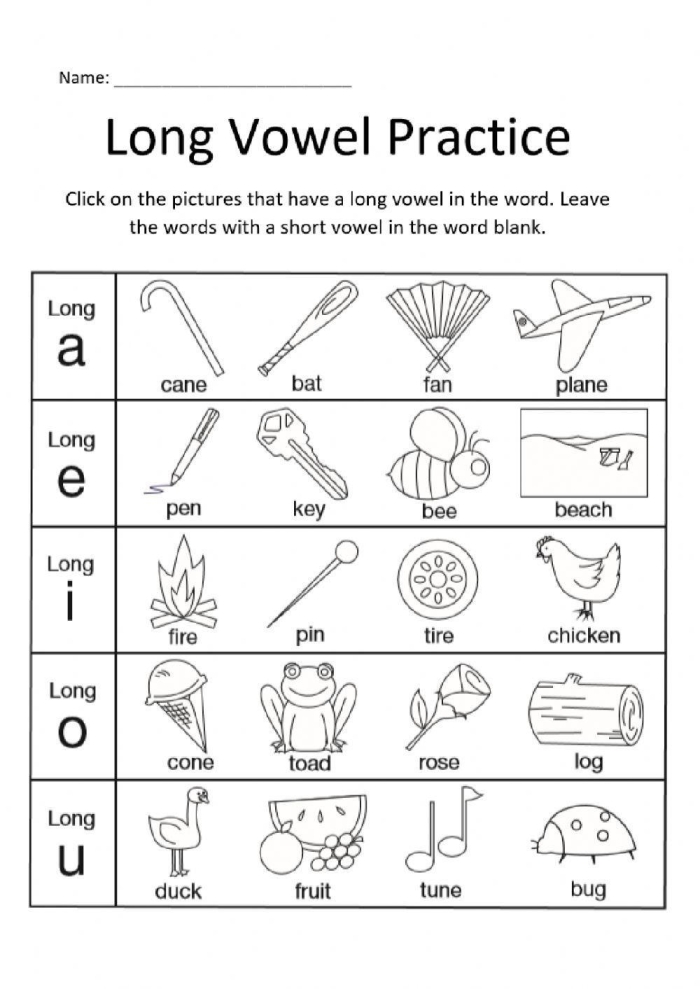
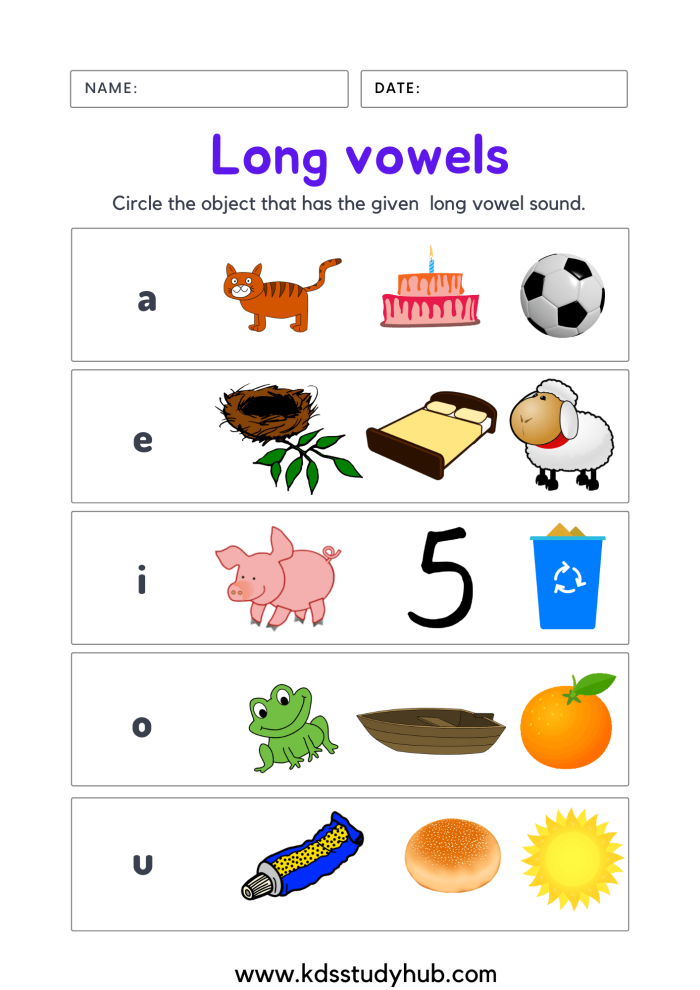
One practical approach is to have your child say the word aloud slowly, paying attention to how their mouth moves and how long they hold the vowel sound. Some children benefit from using short and long vowel review worksheets that provide visual reinforcement and practice opportunities.
As your child becomes more comfortable with this skill, introduce slightly more complex patterns. Words with silent “e” at the end typically signal a long vowel sound in the middle, a pattern worth highlighting explicitly. Pairing this work with other phonics skills, like understanding bossy r patterns, helps children see how multiple sound rules work together in English.
Regular practice with varied examples strengthens this ability. Your child will soon move from sounding out each word to recognizing patterns automatically.
Printable Worksheets for Practice