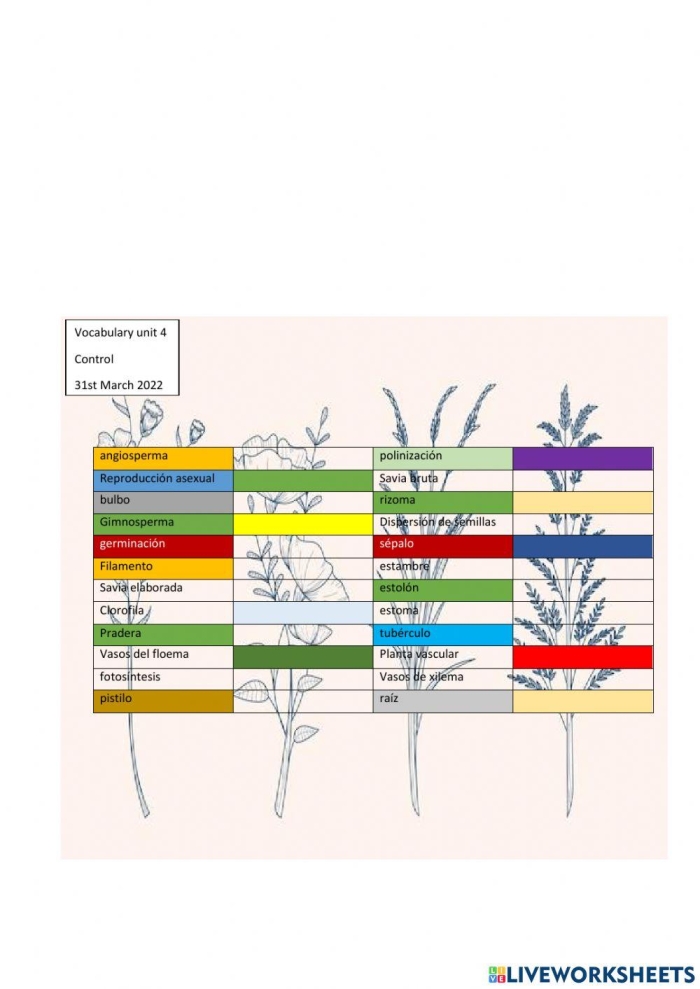
Does your budding biologist know his plant parts? Understanding plant vocabulary is essential for any young scientist eager to explore the natural world. Knowing the different parts of a plant not only enhances their appreciation but also lays the groundwork for more advanced biological concepts.
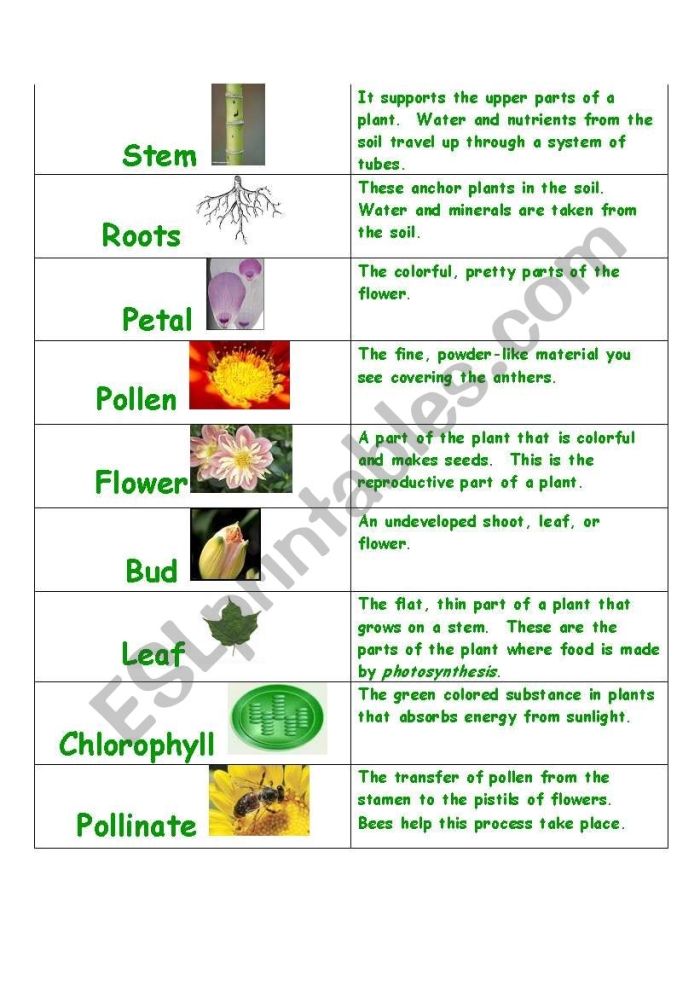
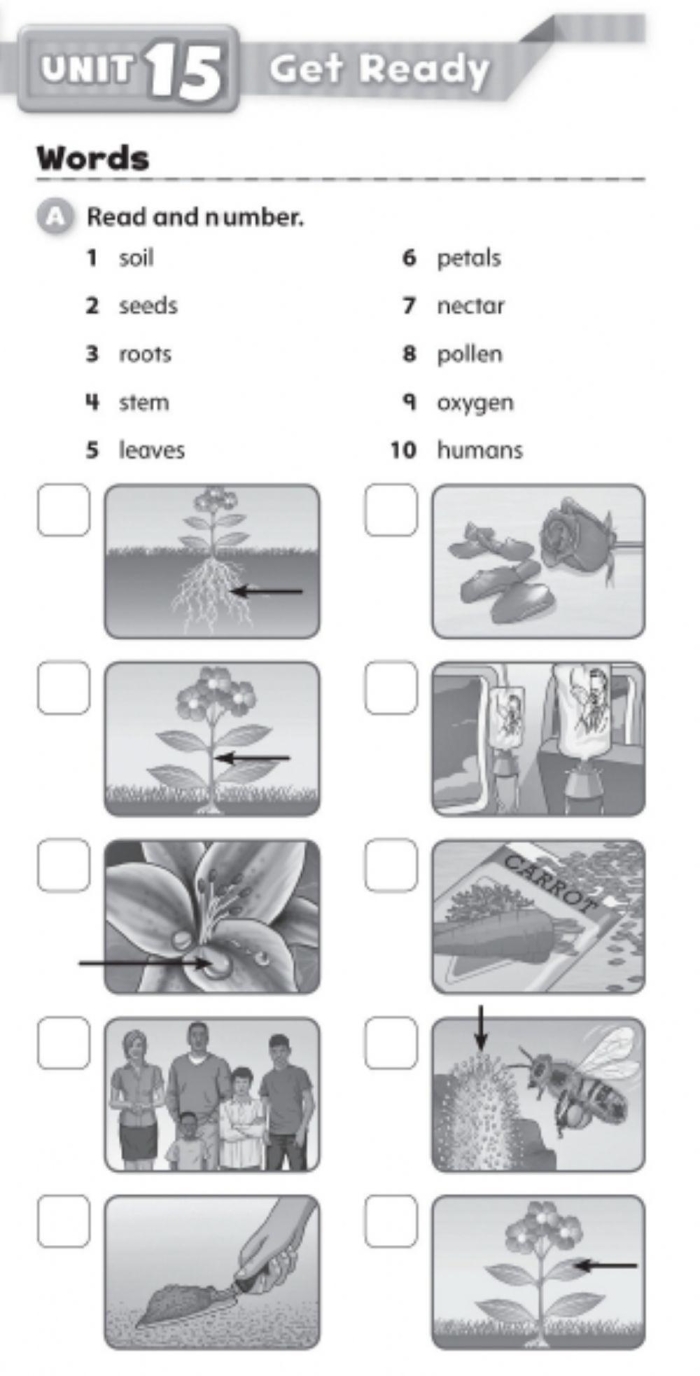
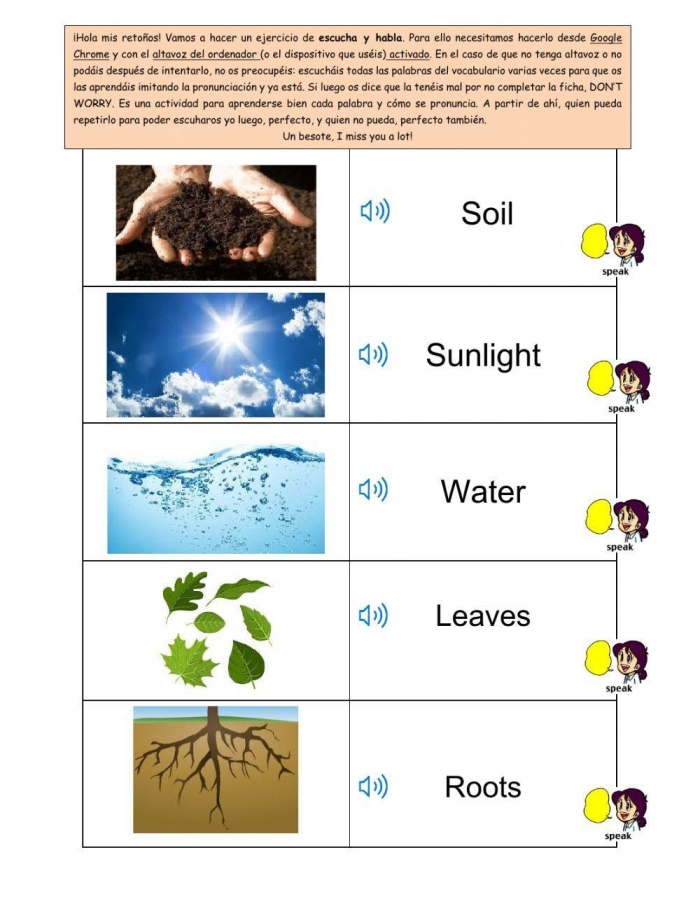
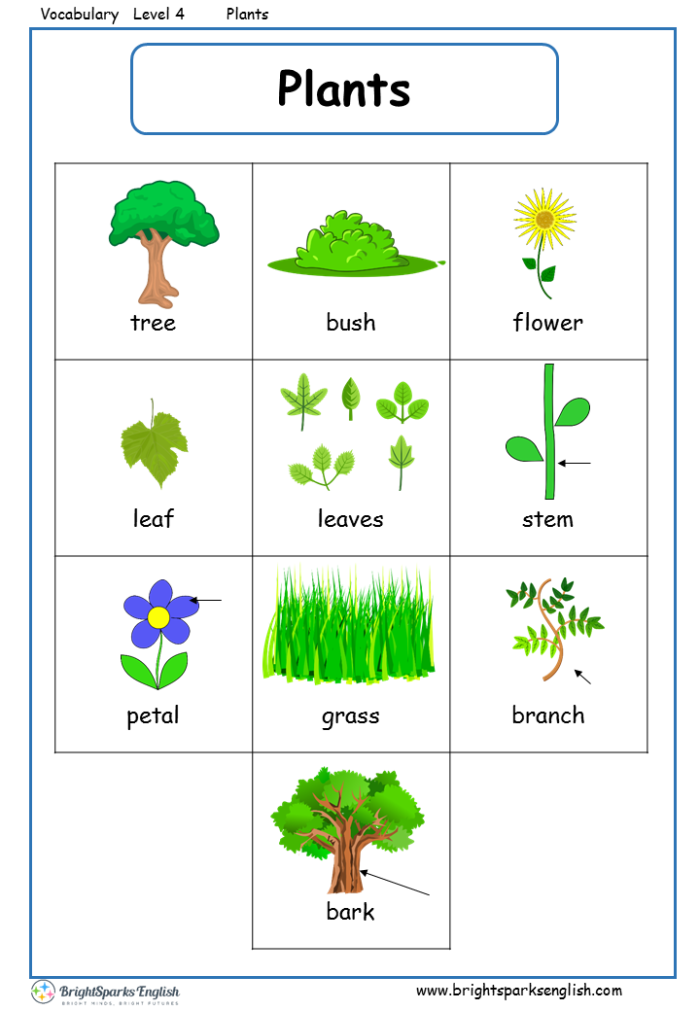
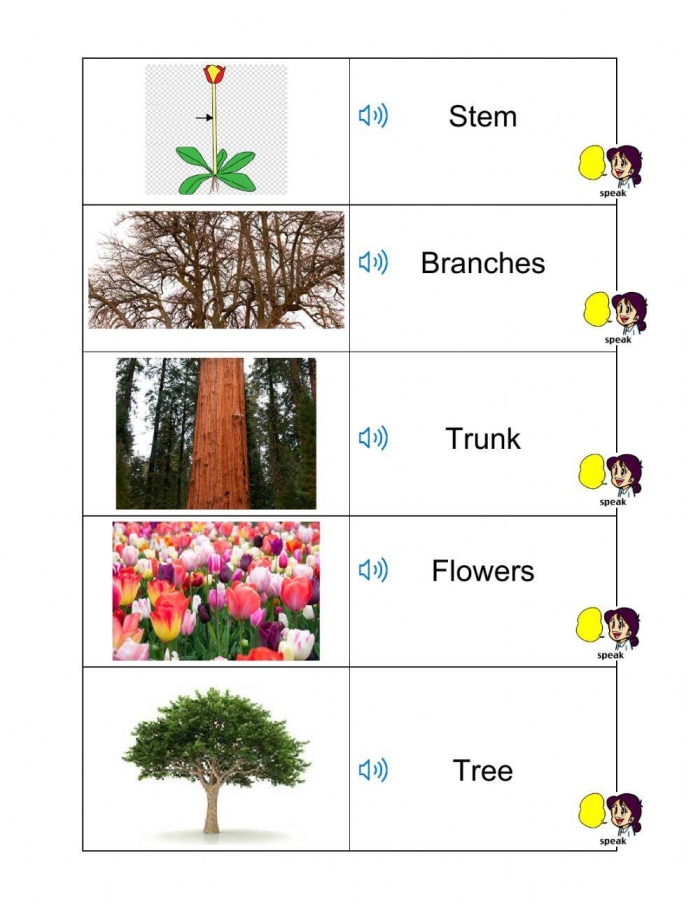
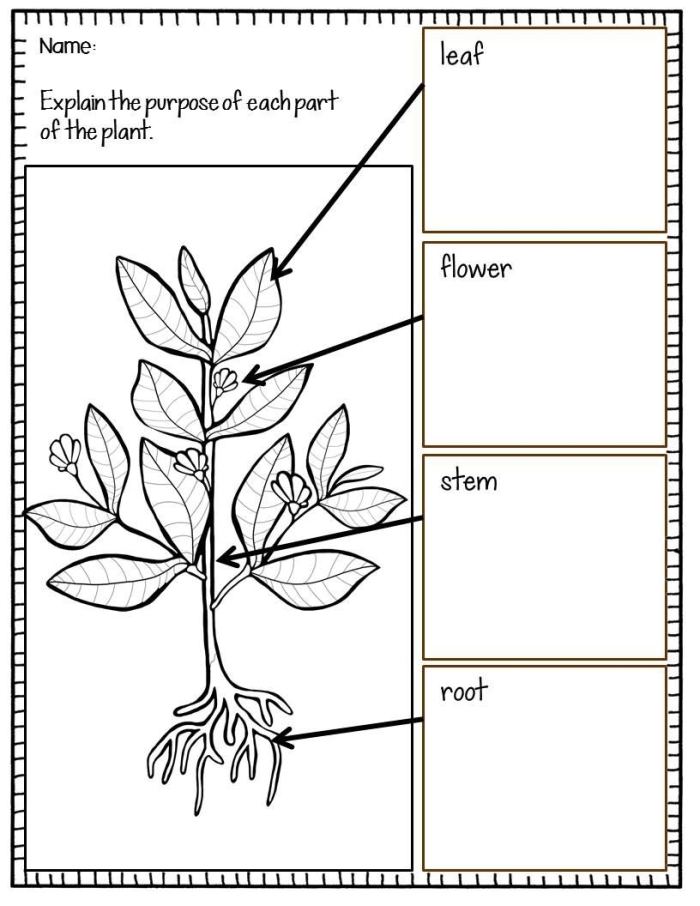
Let’s start with the basics: every plant consists of several key parts, each with its own function. The roots anchor the plant and absorb water and nutrients from the soil. Stems support the plant structure, allowing it to grow tall and reach sunlight. Leaves are the sites of photosynthesis, where plants convert sunlight into energy. Flowers, often vibrant and fragrant, play a crucial role in reproduction by attracting pollinators.
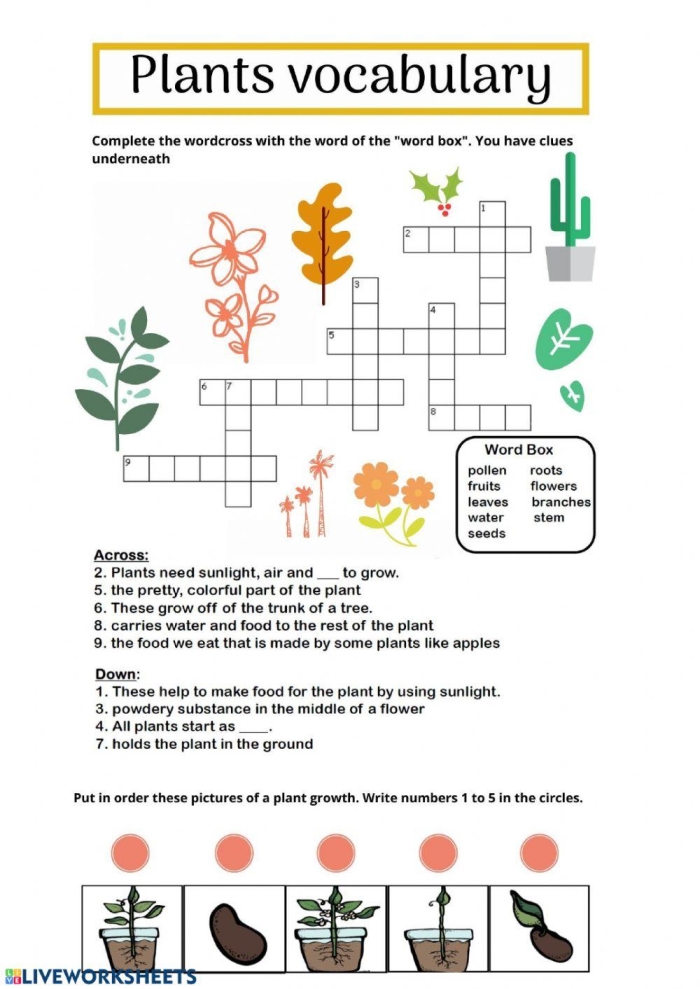
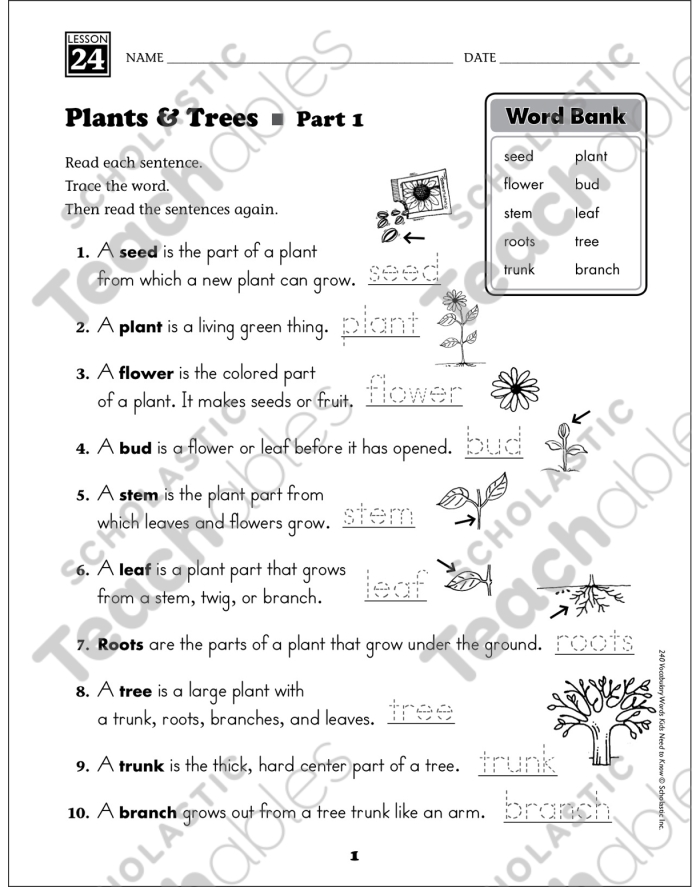
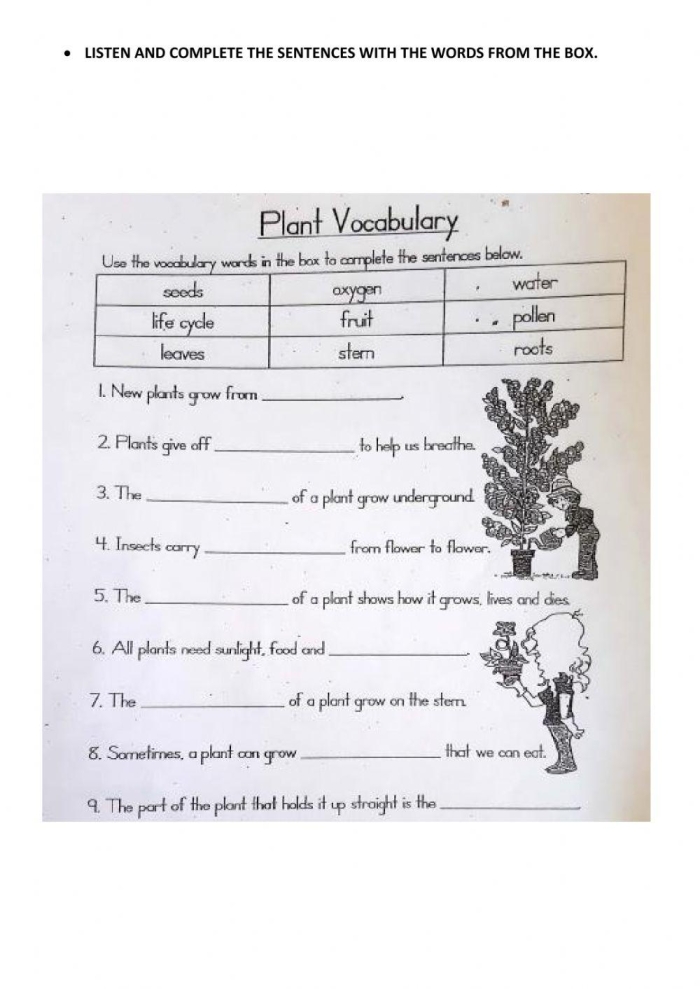
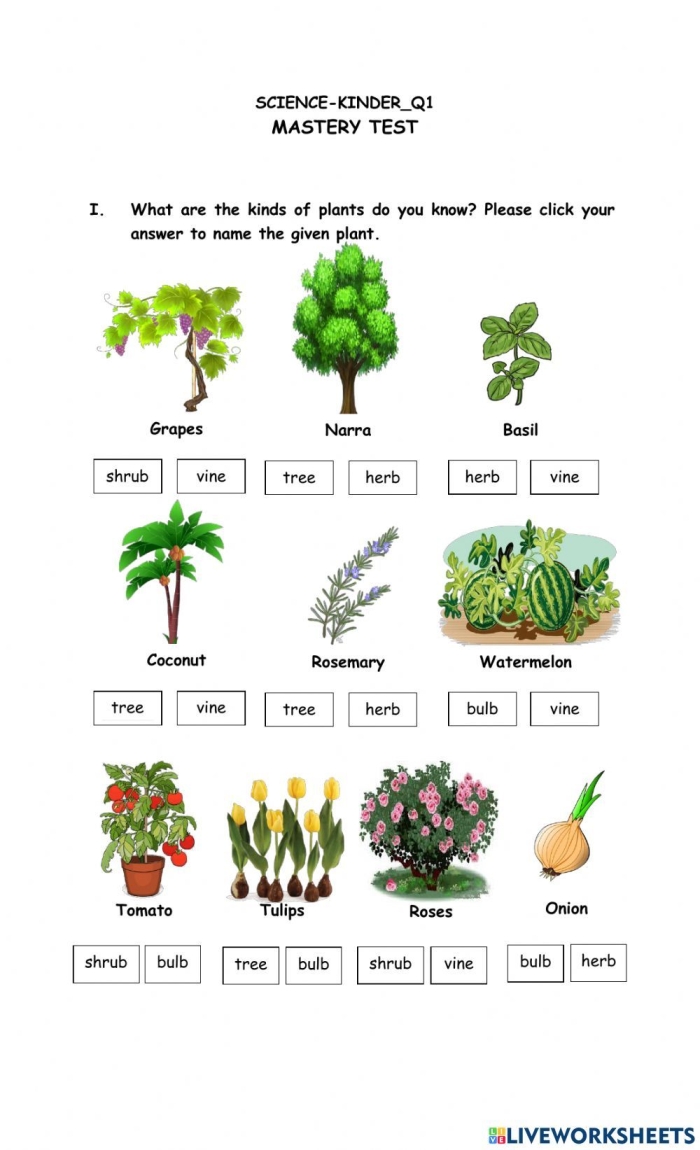
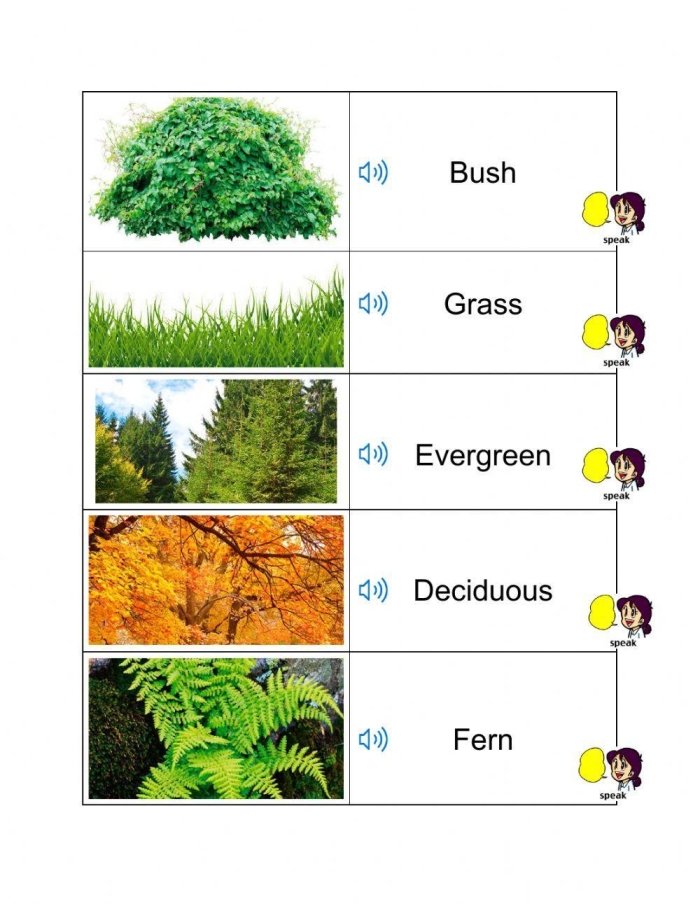
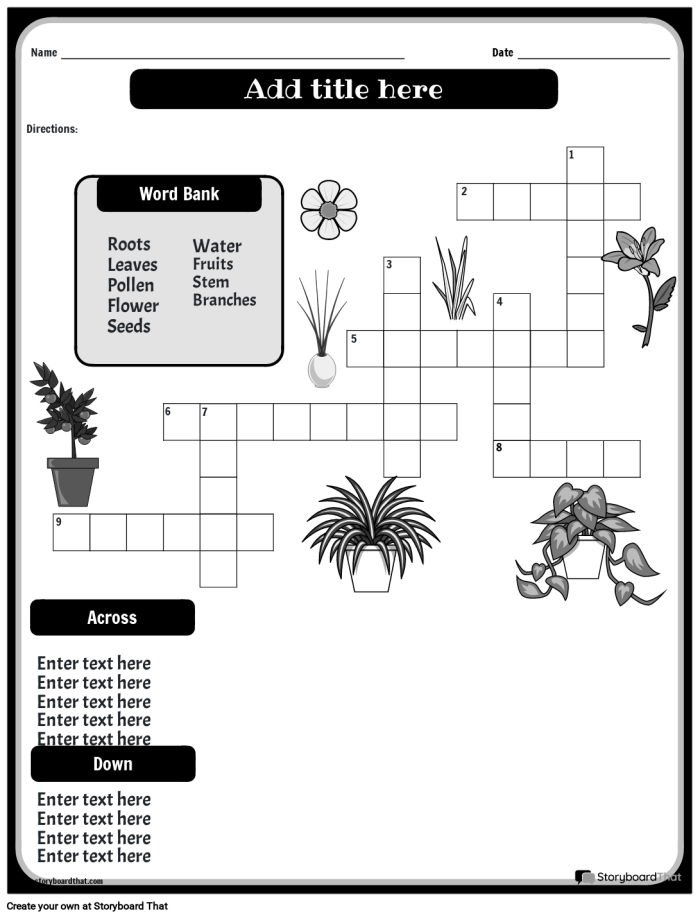
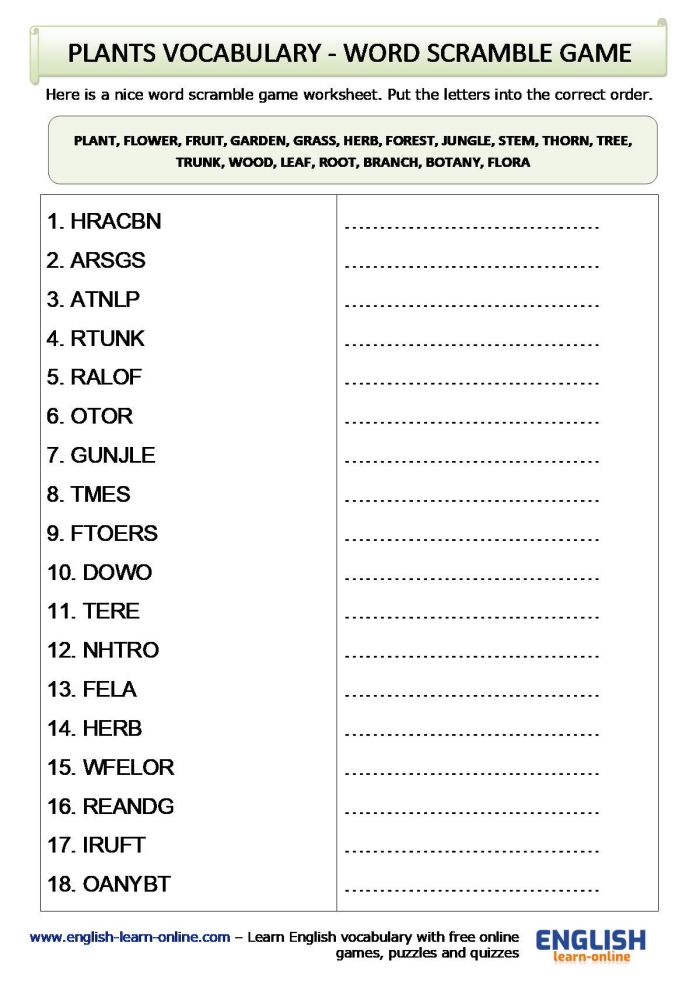
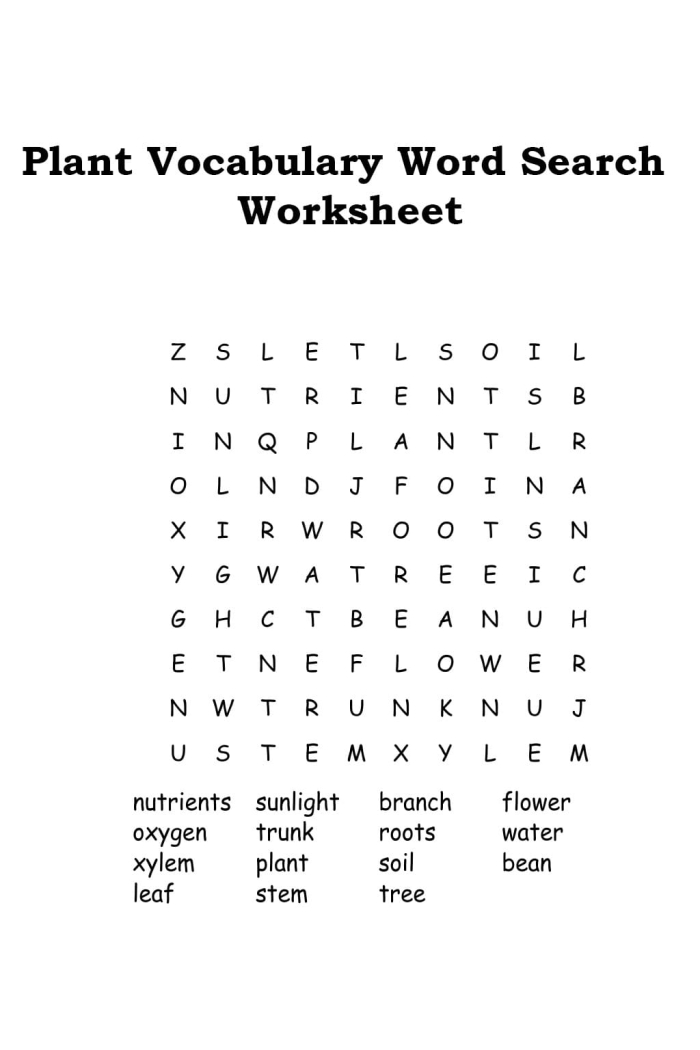
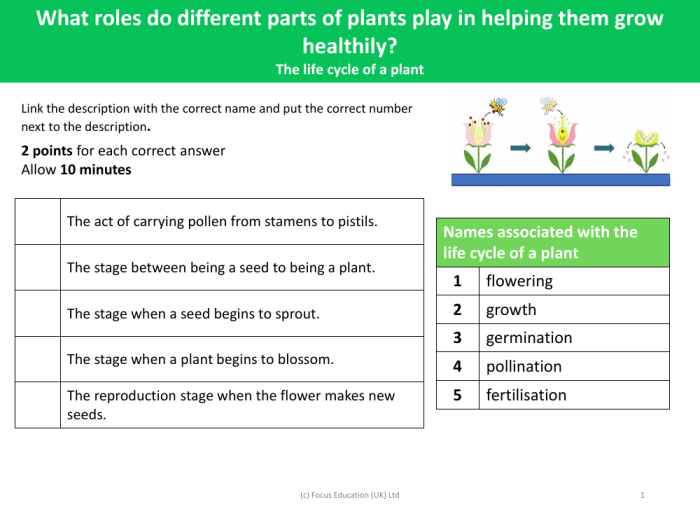
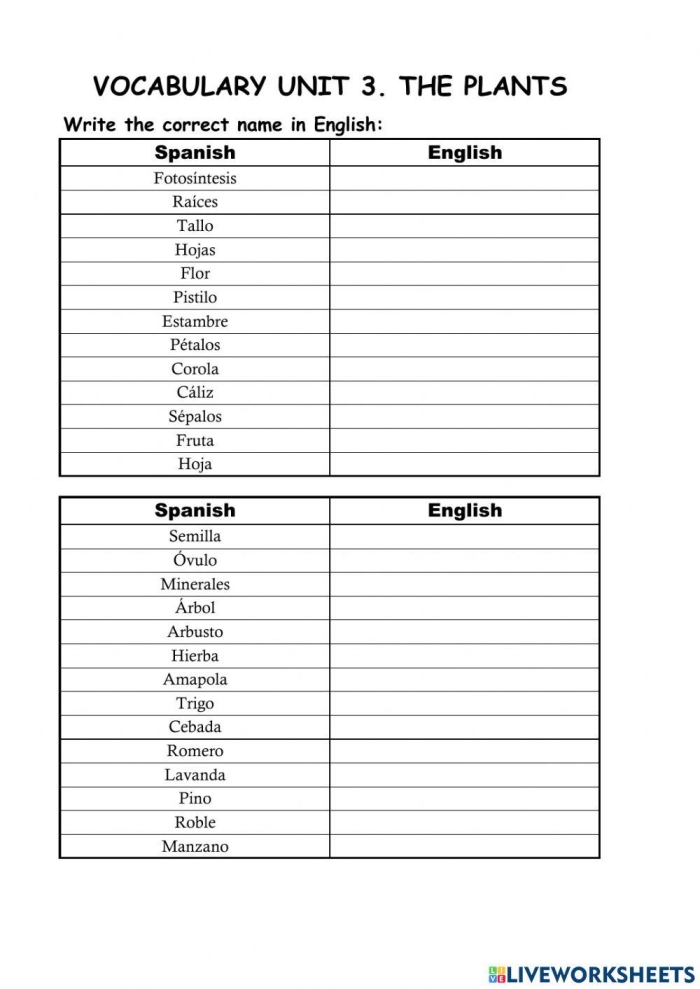
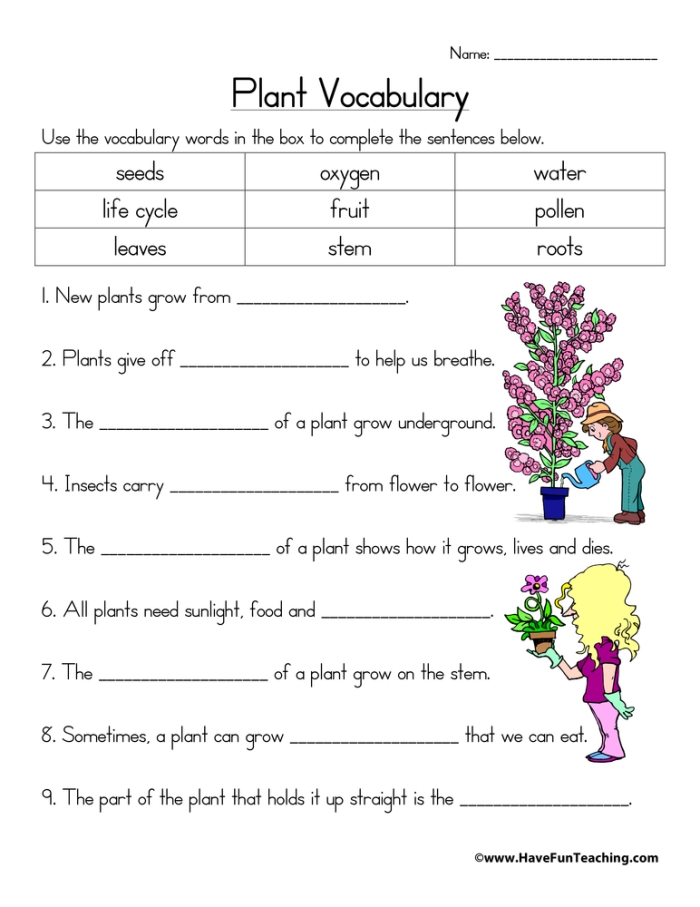
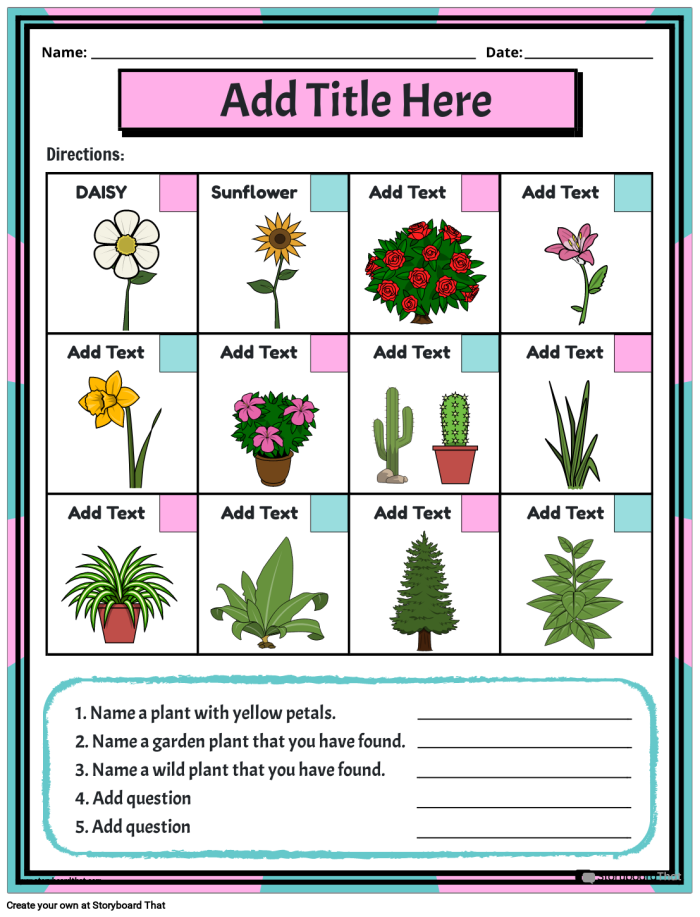
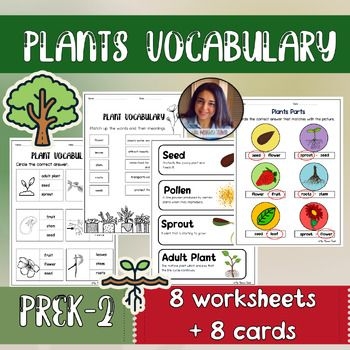
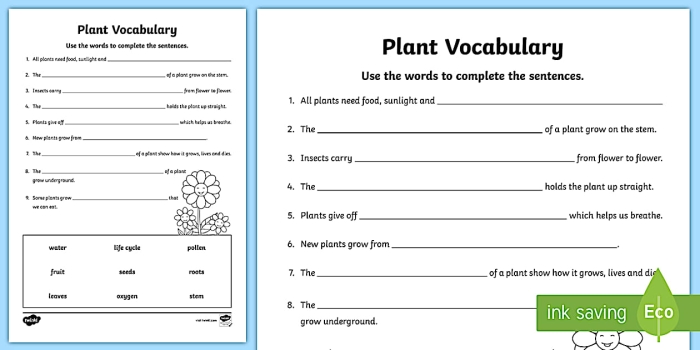
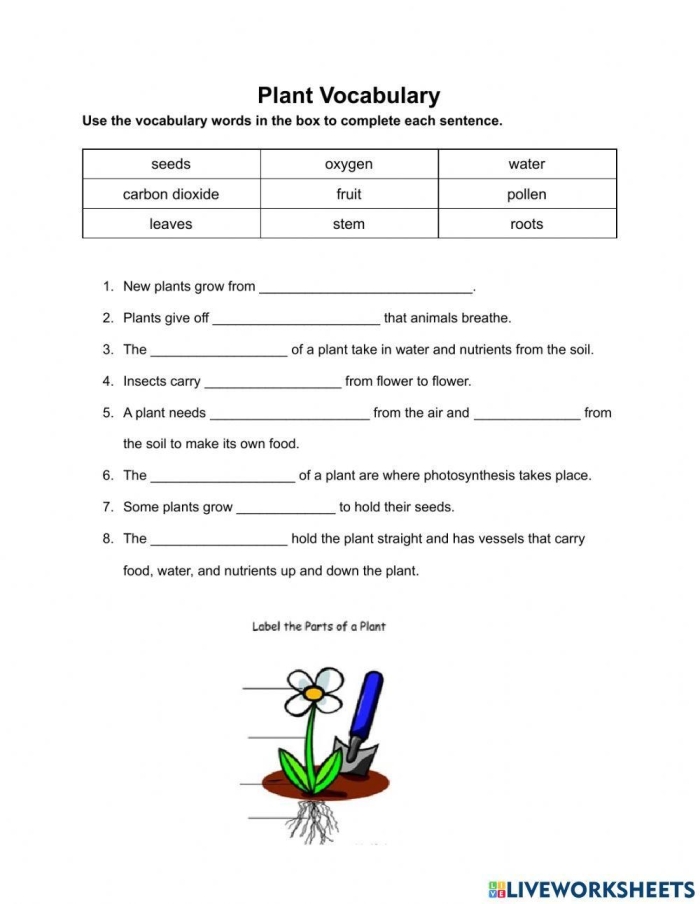
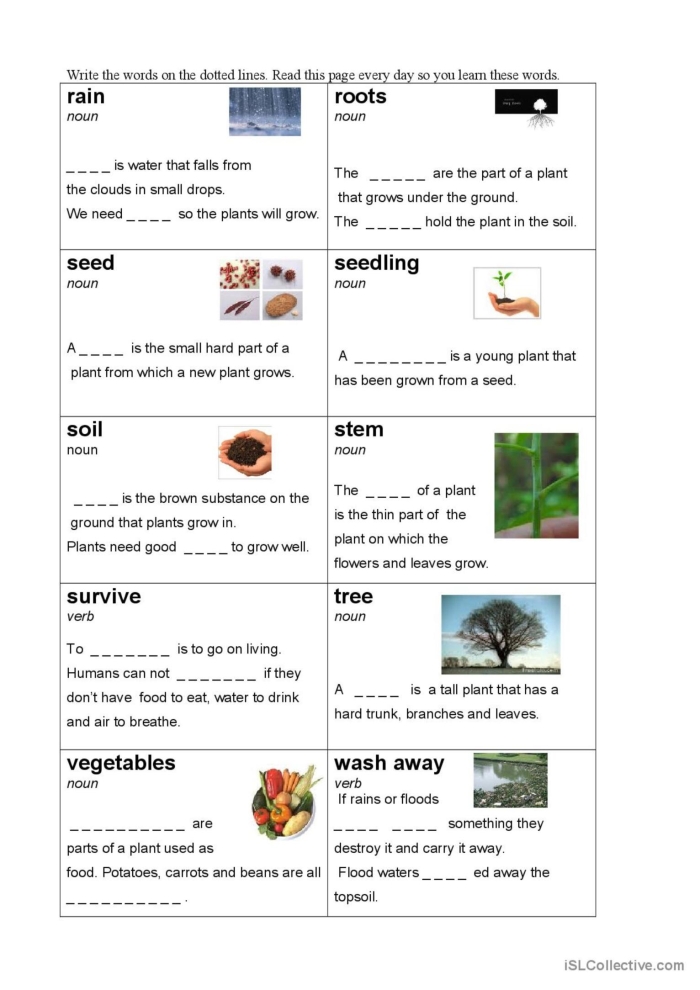
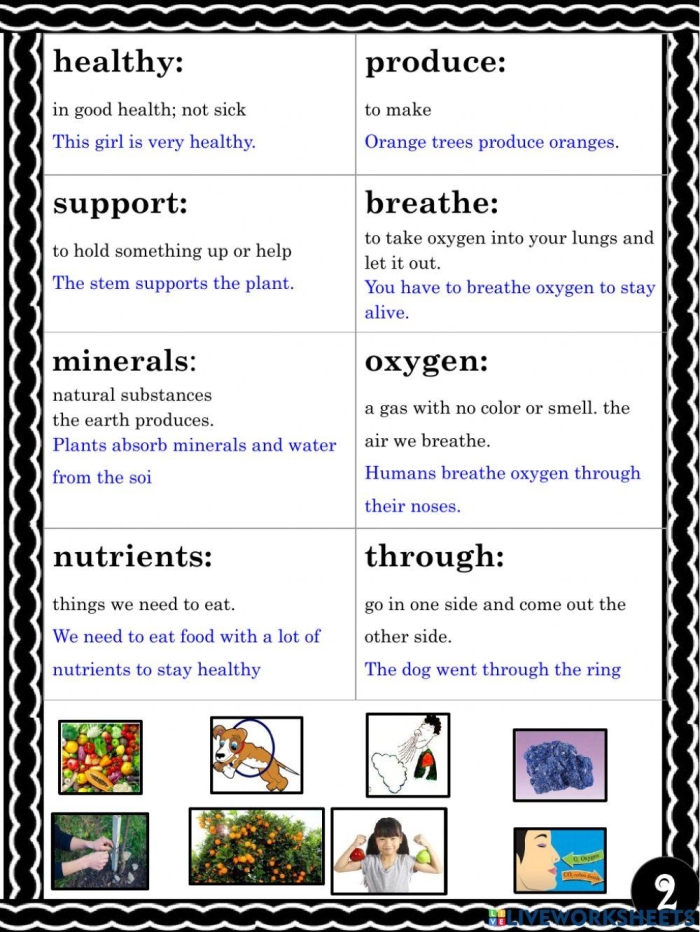
For fourth graders, learning this vocabulary can be engaging and fun. Printable plant vocabulary worksheets can be an excellent resource to reinforce this knowledge. These worksheets often include activities that help students identify and label plant parts, making the learning experience interactive. For example, a worksheet might ask students to match terms with their definitions or fill in the blanks in sentences about plant functions. You can find such resources at this link.
As you encourage your child to explore these concepts, consider incorporating hands-on activities. Planting seeds and observing their growth can make the lessons come alive. Discussing what each part of the plant does as it grows can solidify their understanding. This practical experience, combined with vocabulary learning, can spark a lifelong interest in biology.
Engaging with plant vocabulary not only broadens a child’s language skills but also enriches their understanding of the environment. It prepares them for more advanced studies in science and fosters a curiosity about the world around them. By helping them grasp these terms, you are nurturing their scientific literacy in an enjoyable way.
Worksheet Practice Section