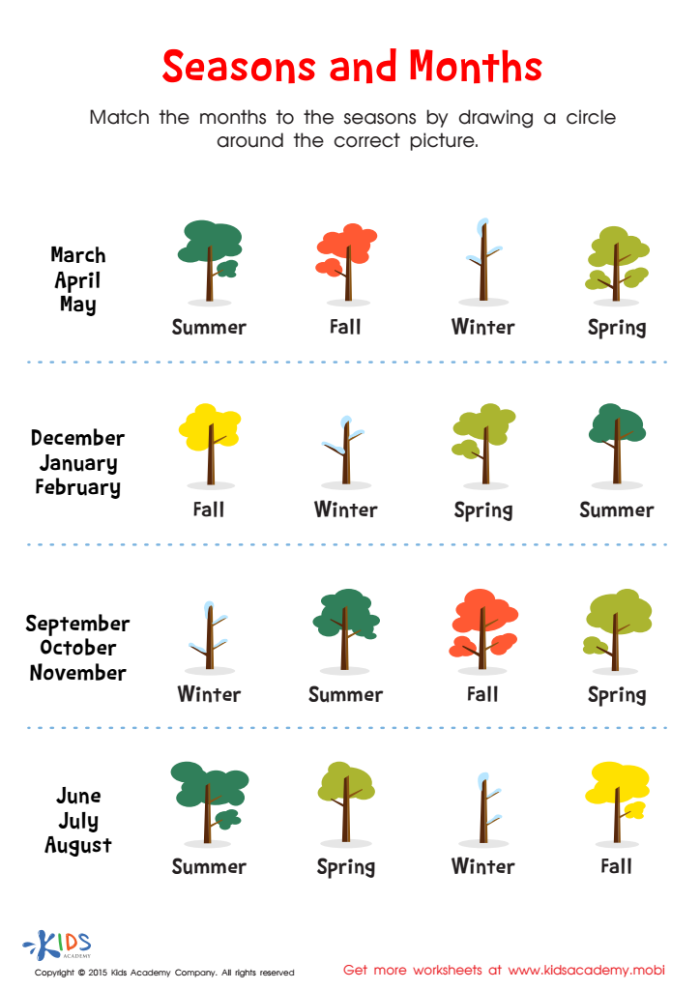
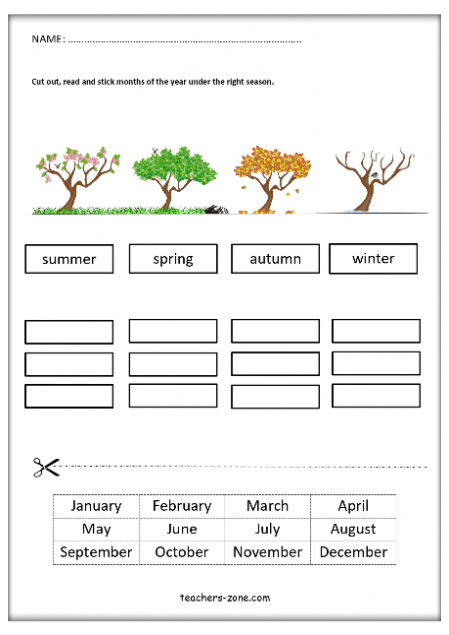
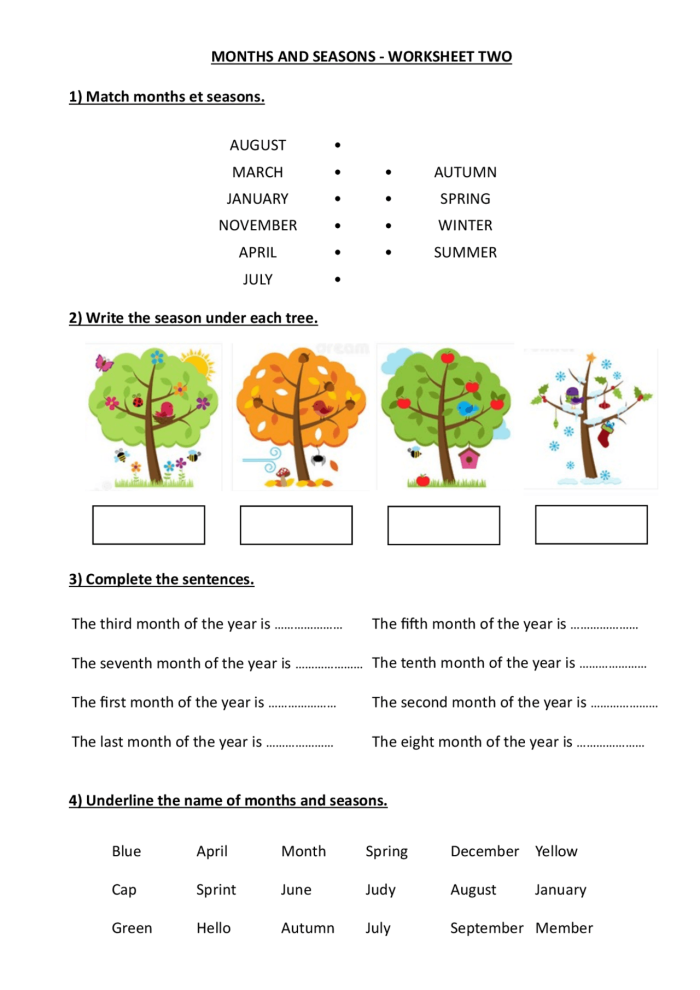
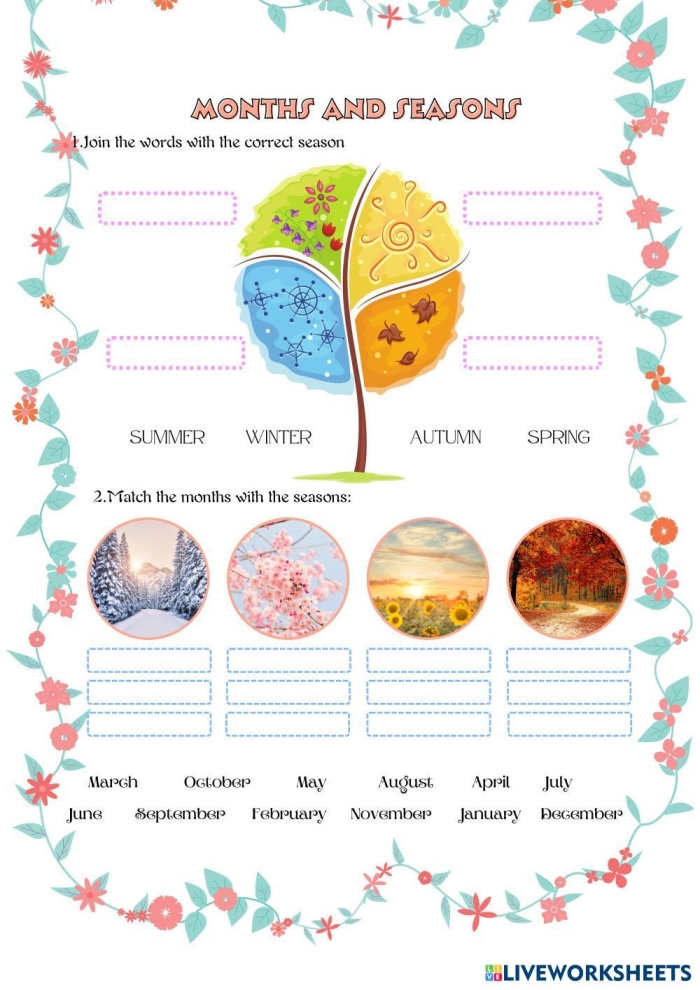
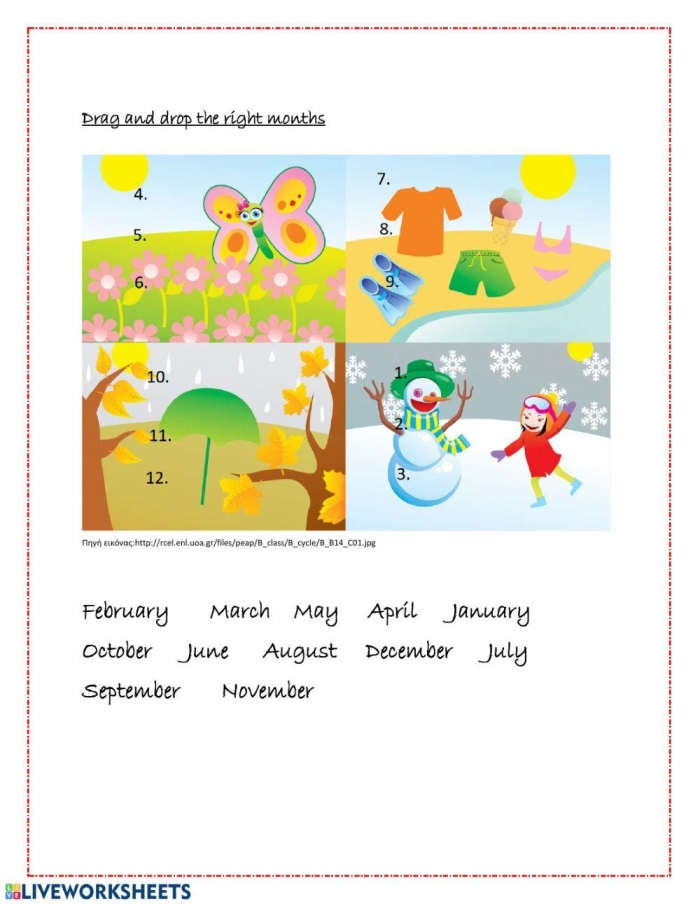
Understanding the seasons and months is a fundamental concept for young learners. It helps them make sense of the world around them and the cyclical nature of time. Engaging children in a match-up activity can be an effective way to reinforce these concepts in a fun and interactive manner. Such activities not only enhance their knowledge but also improve their memory and cognitive skills.
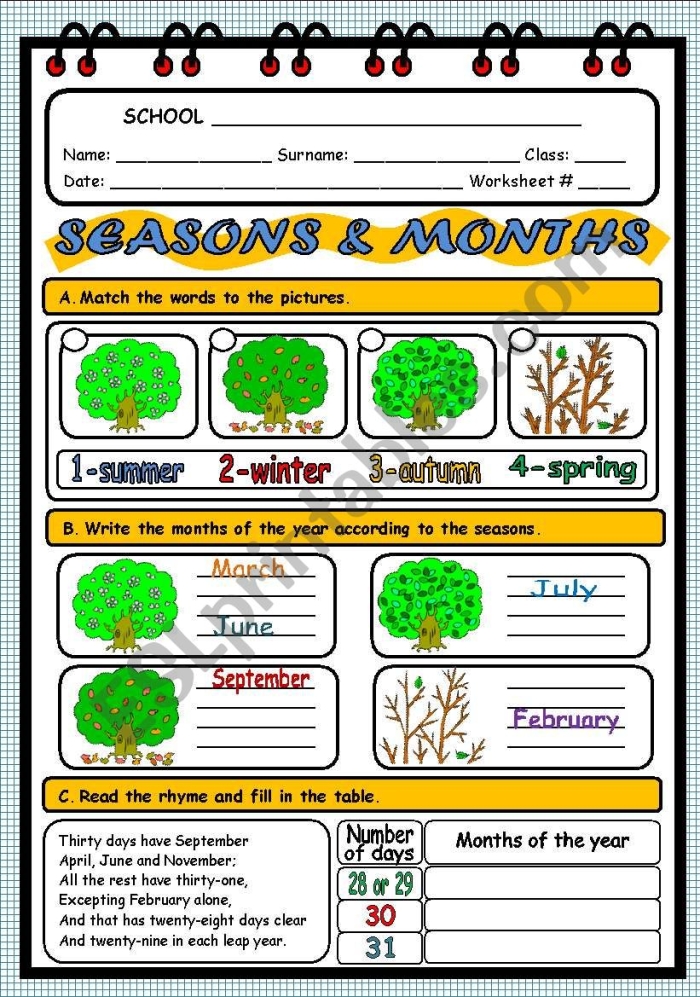
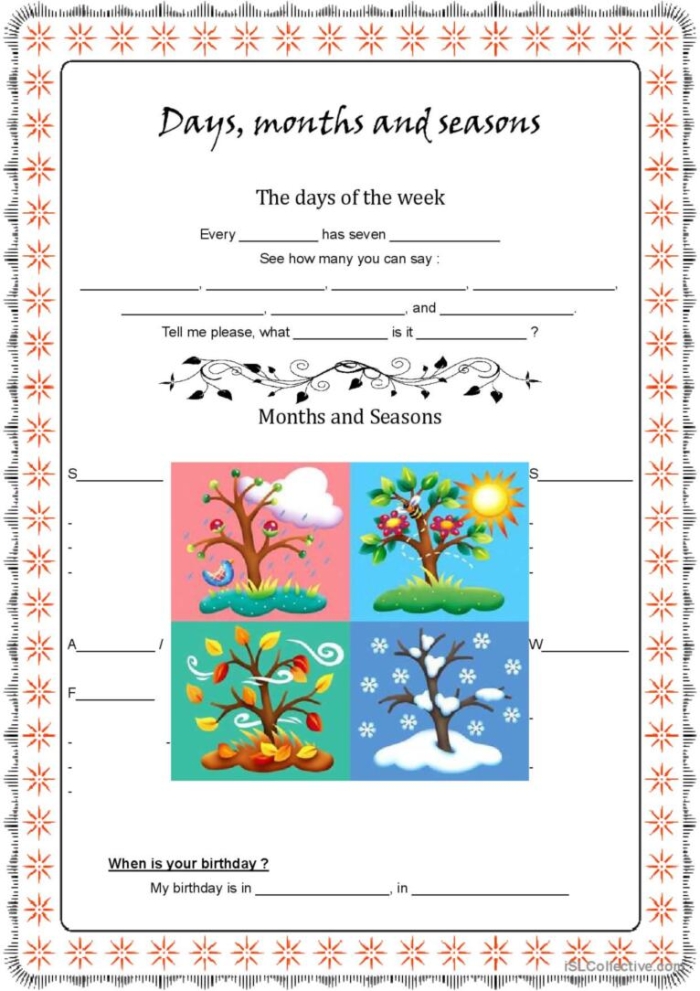
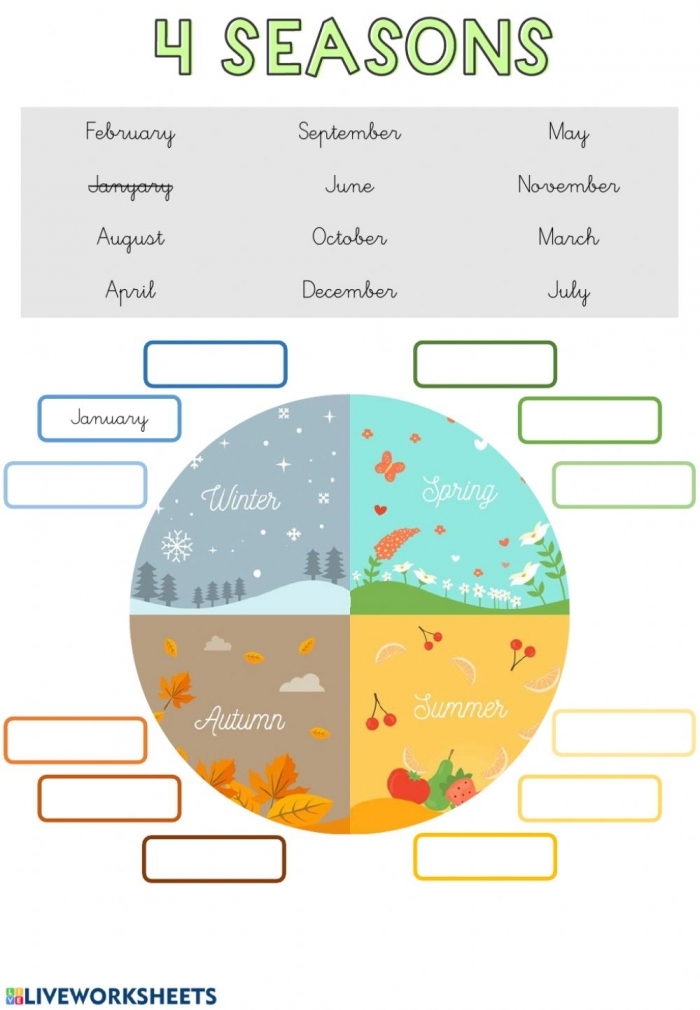
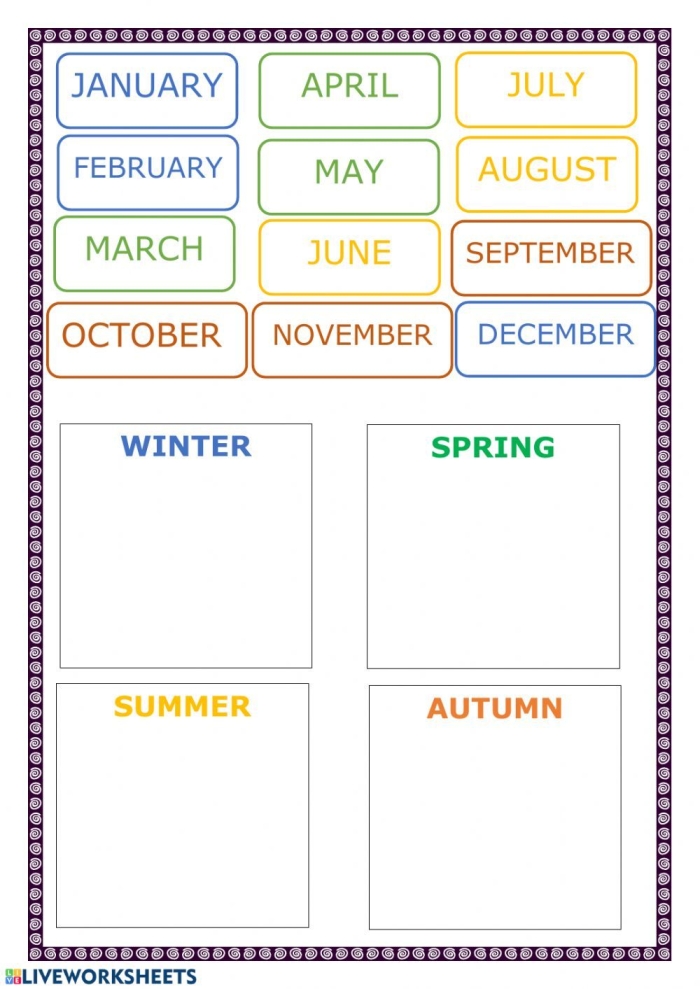
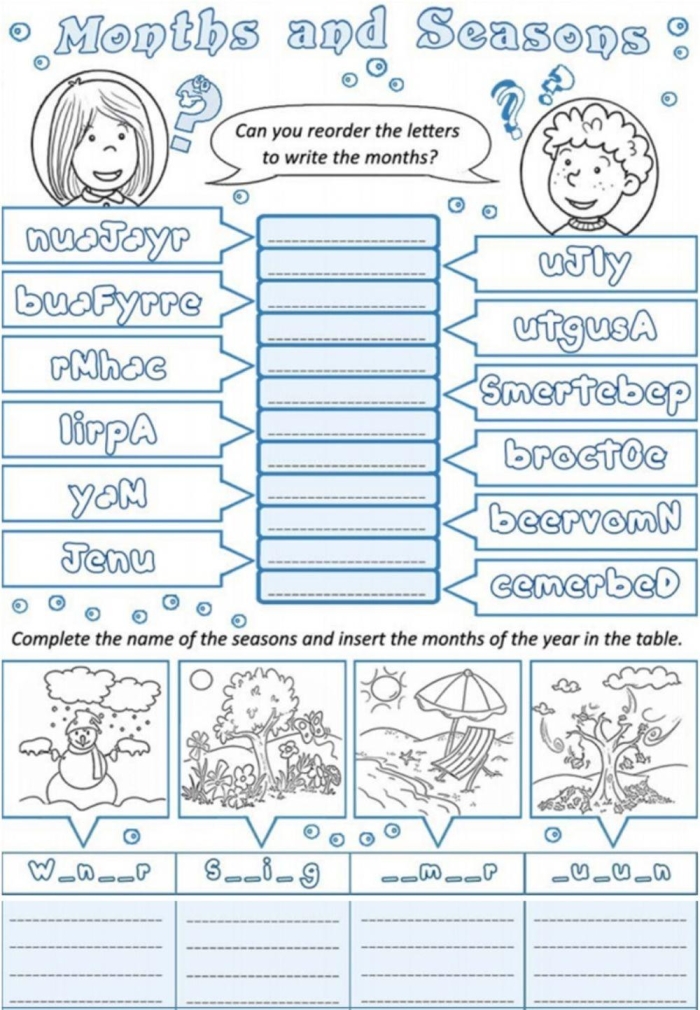
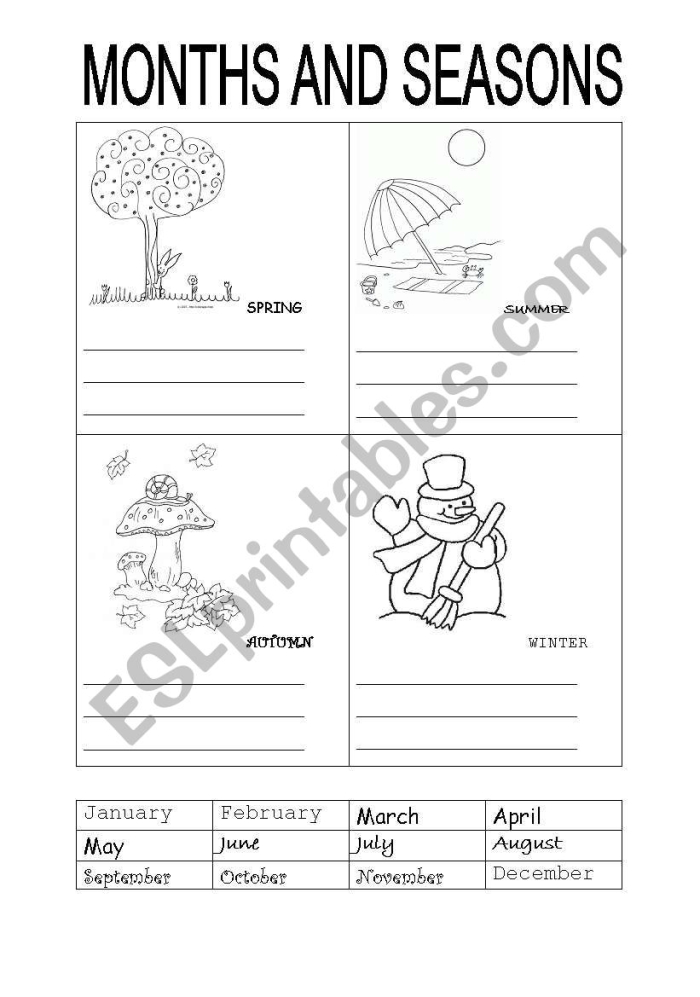
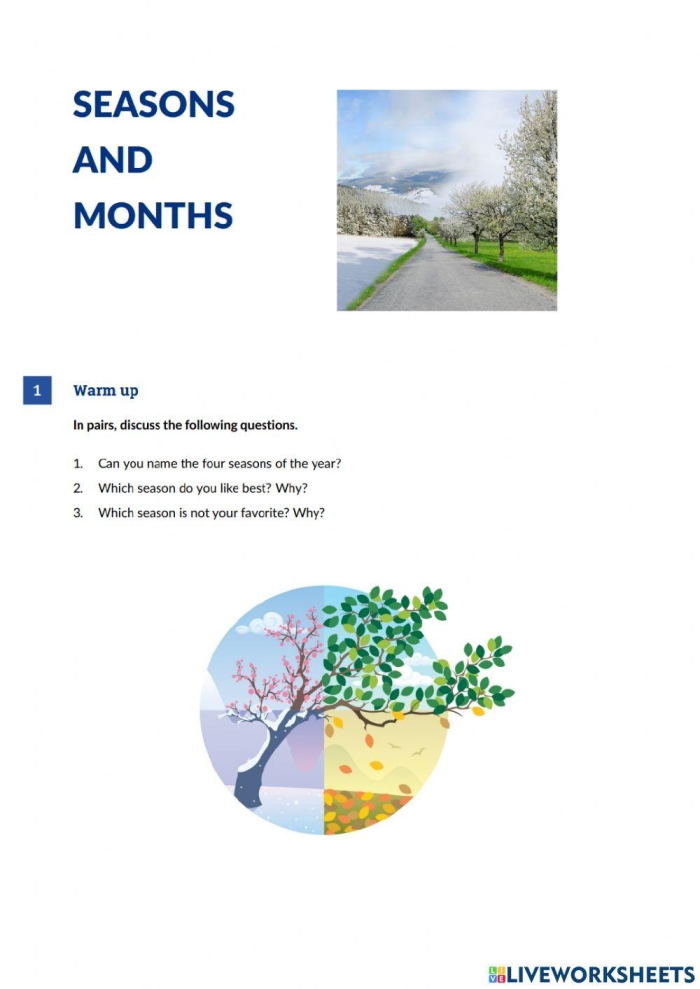
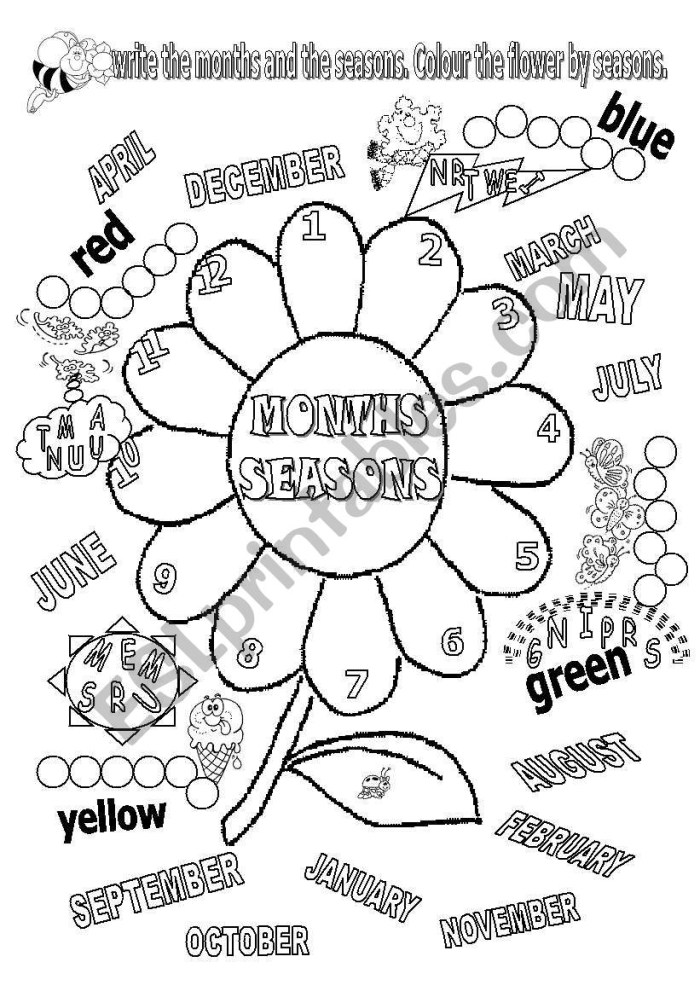
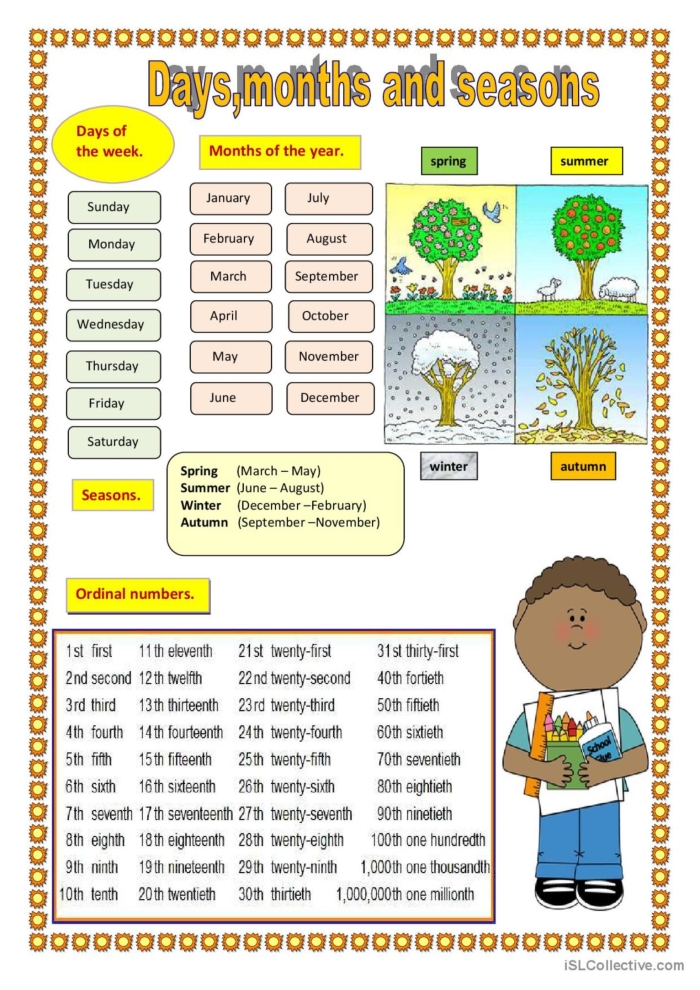
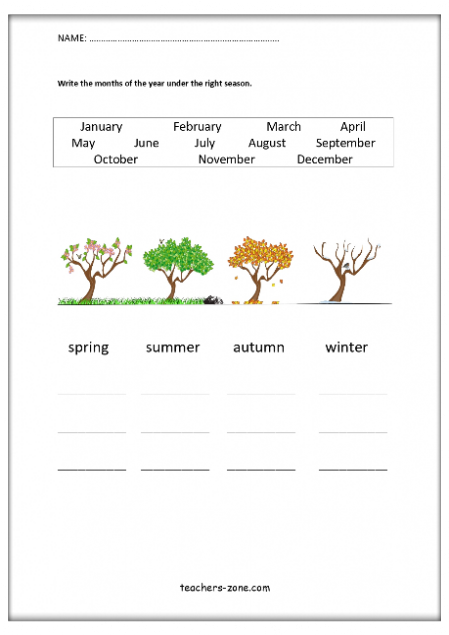
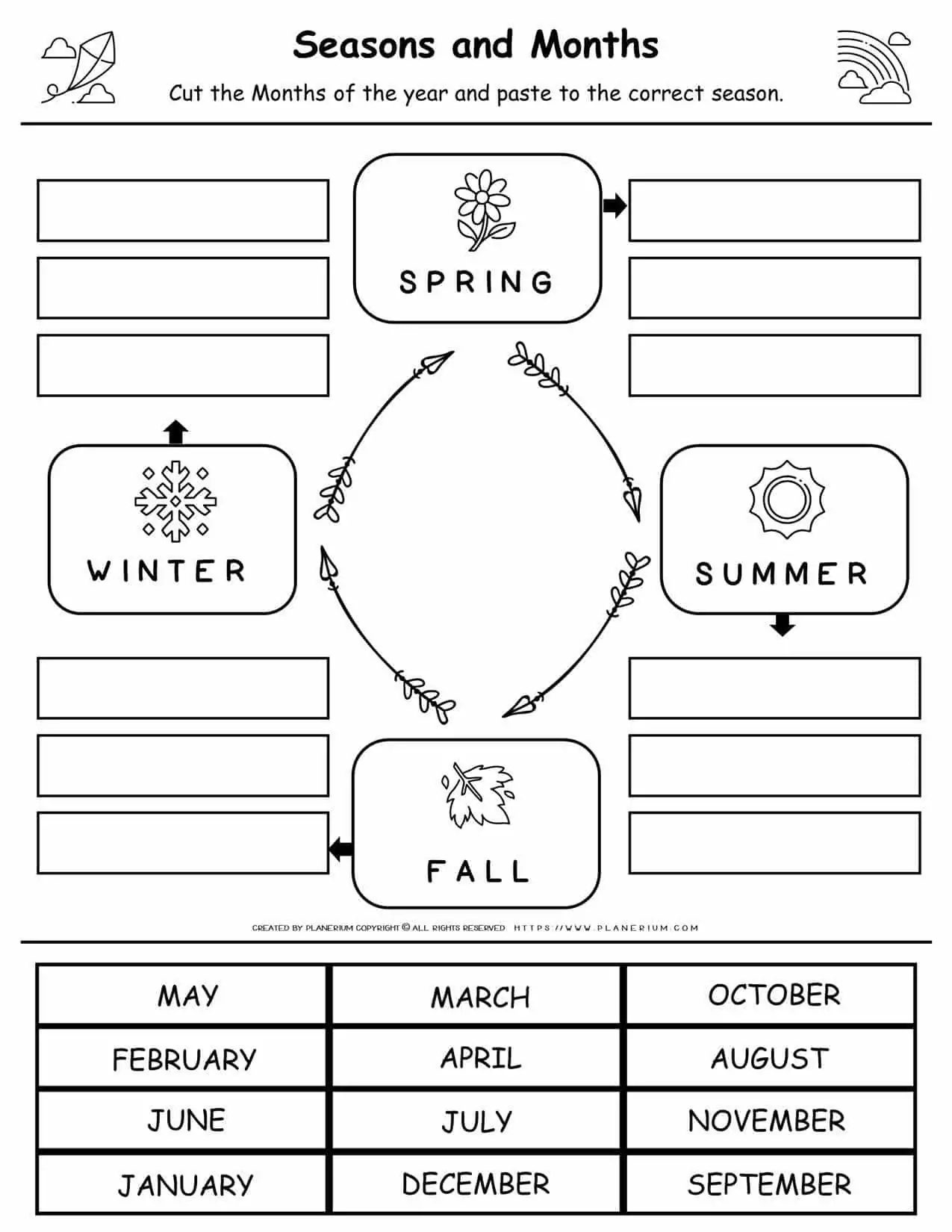
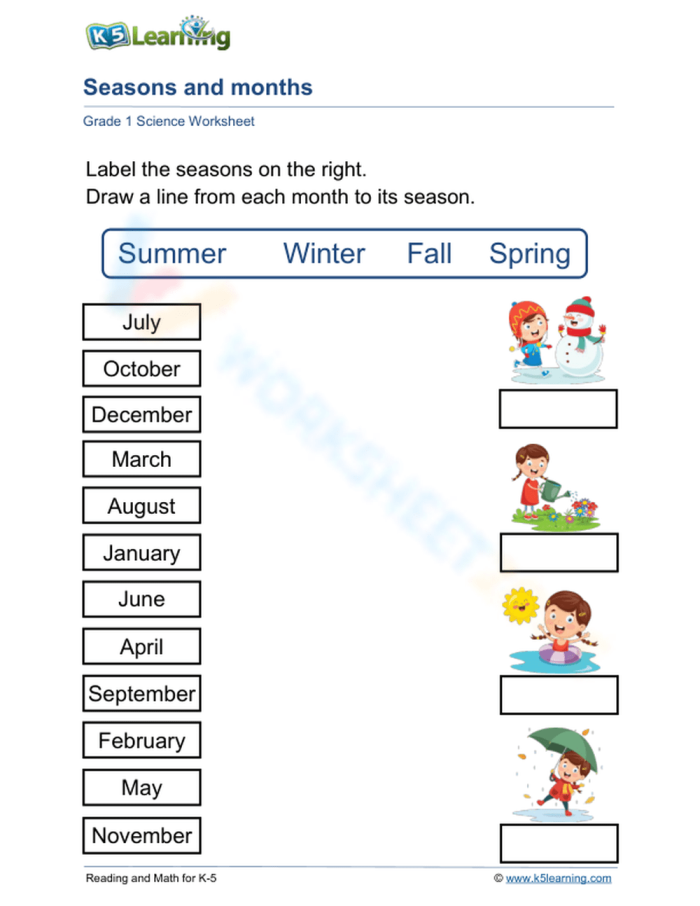
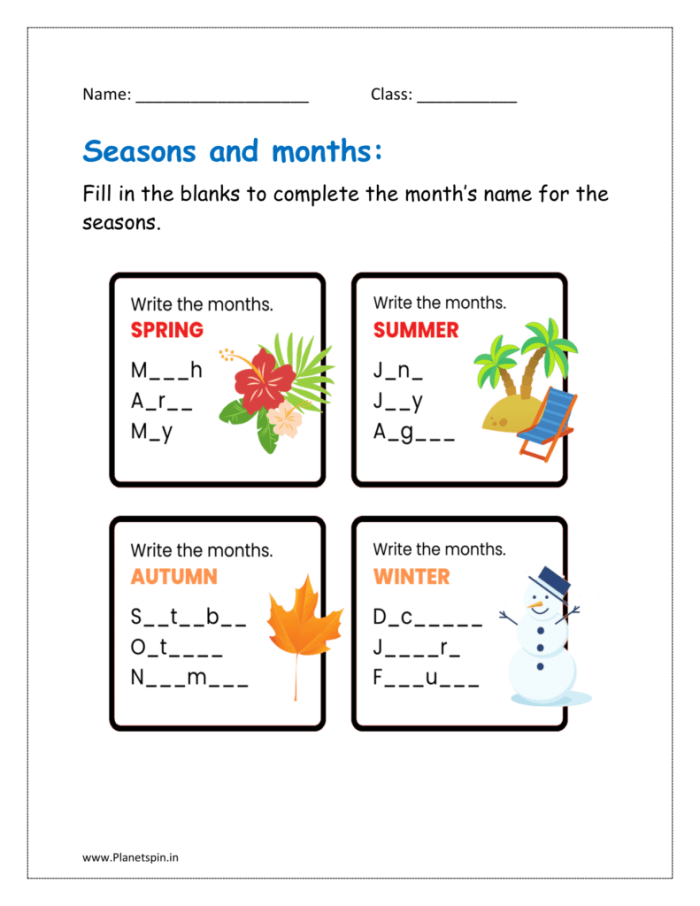
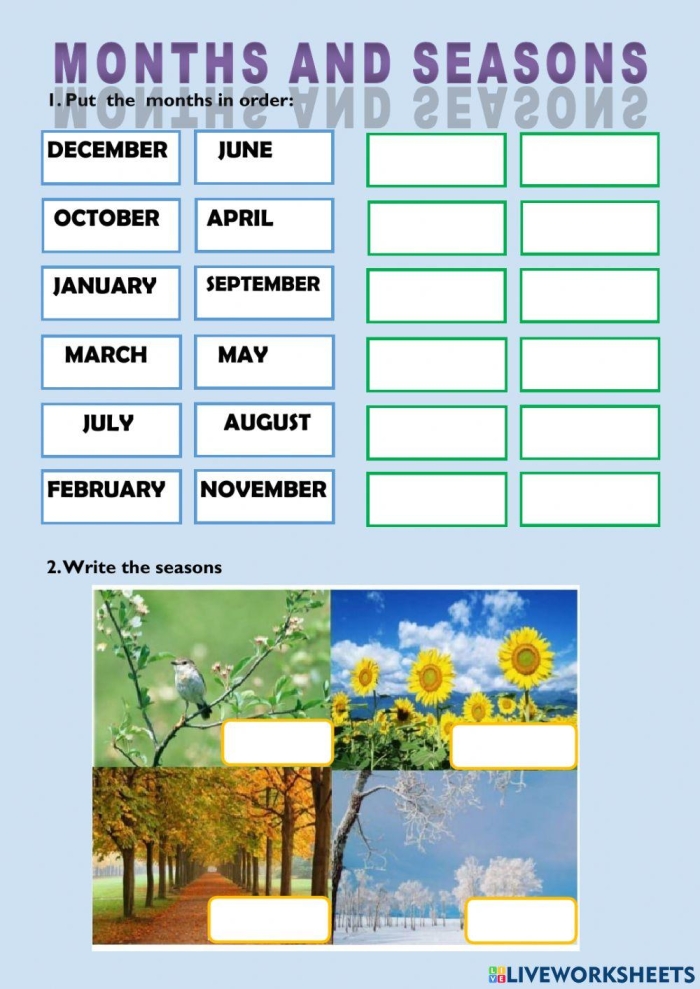
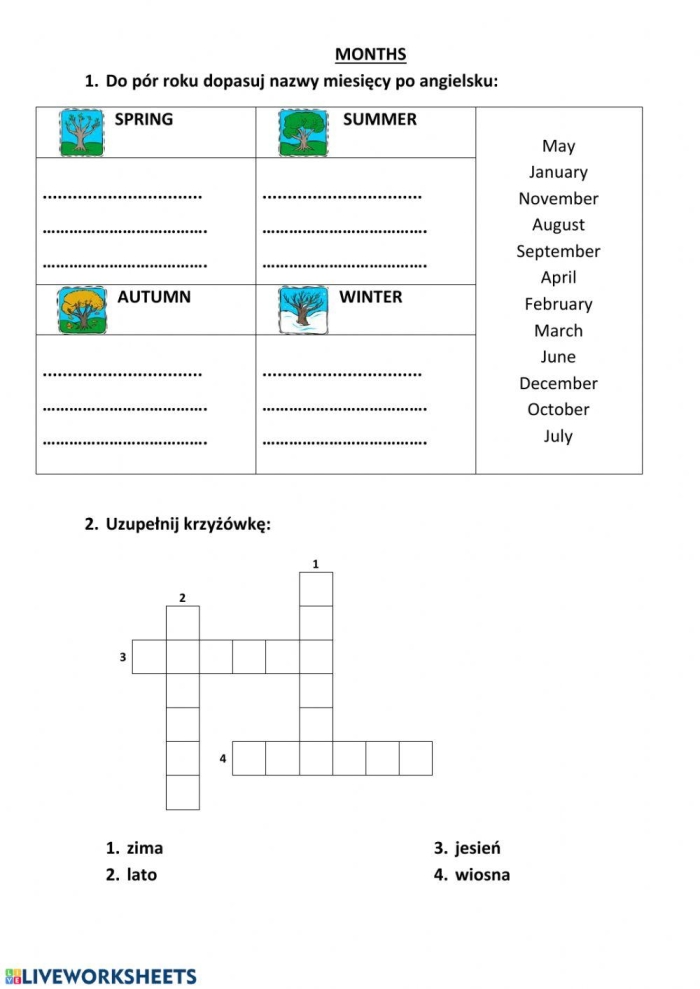
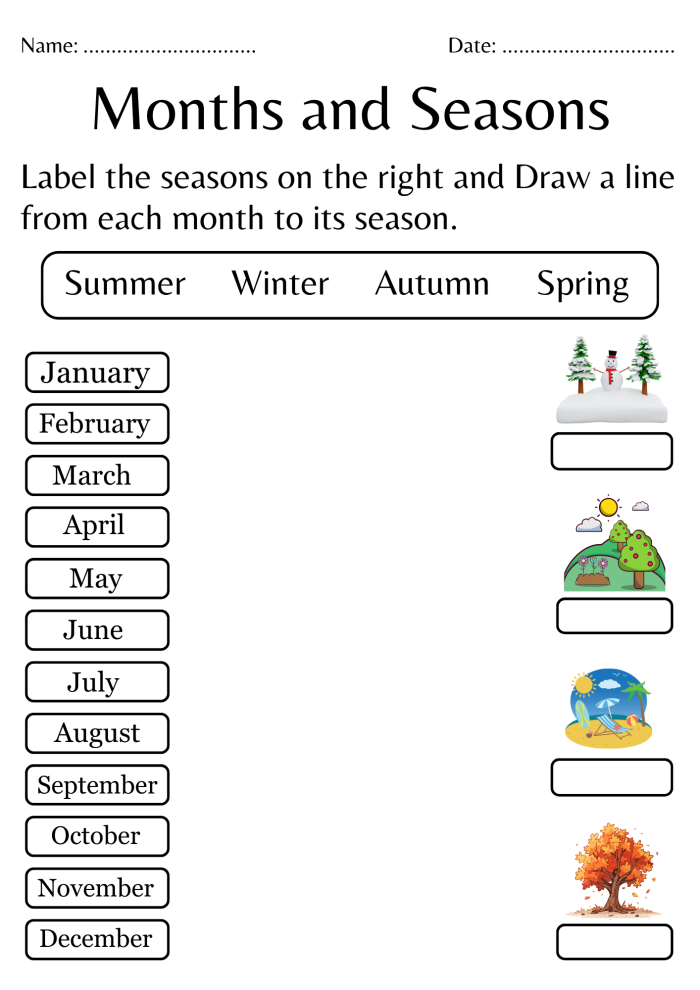
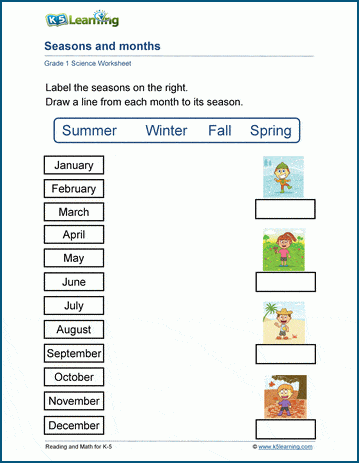
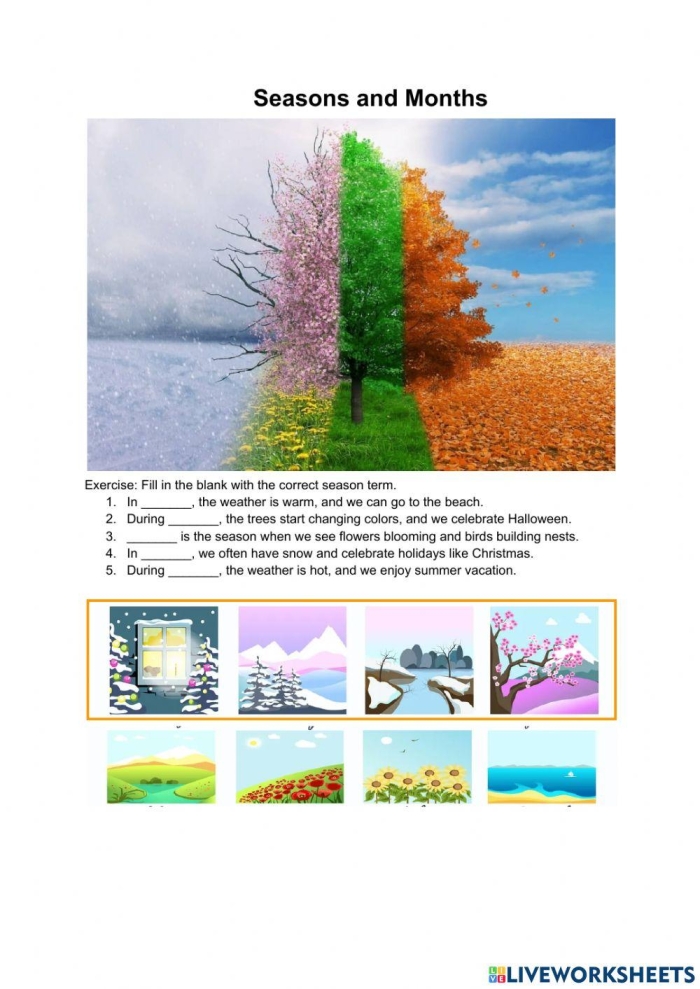
Consider a simple game where children match pictures representing different seasons—like snowflakes for winter, flowers for spring, sunshine for summer, and falling leaves for fall—with their corresponding months. For example, they can learn that December, January, and February are typically associated with winter. This hands-on approach makes it easier for kids to visualize and remember the characteristics of each season, along with the calendar months that belong to them.
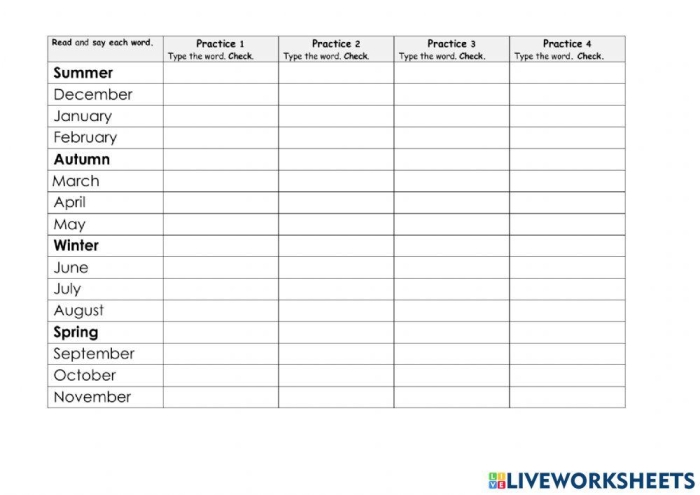
Another beneficial aspect of this activity is that it introduces children to essential vocabulary related to seasons and months. As they engage in this match-up exercise, they will start to associate the words with visual representations. This connection fosters early literacy skills, which are crucial in kindergarten and beyond. You can find various printable worksheets designed to support this learning process.
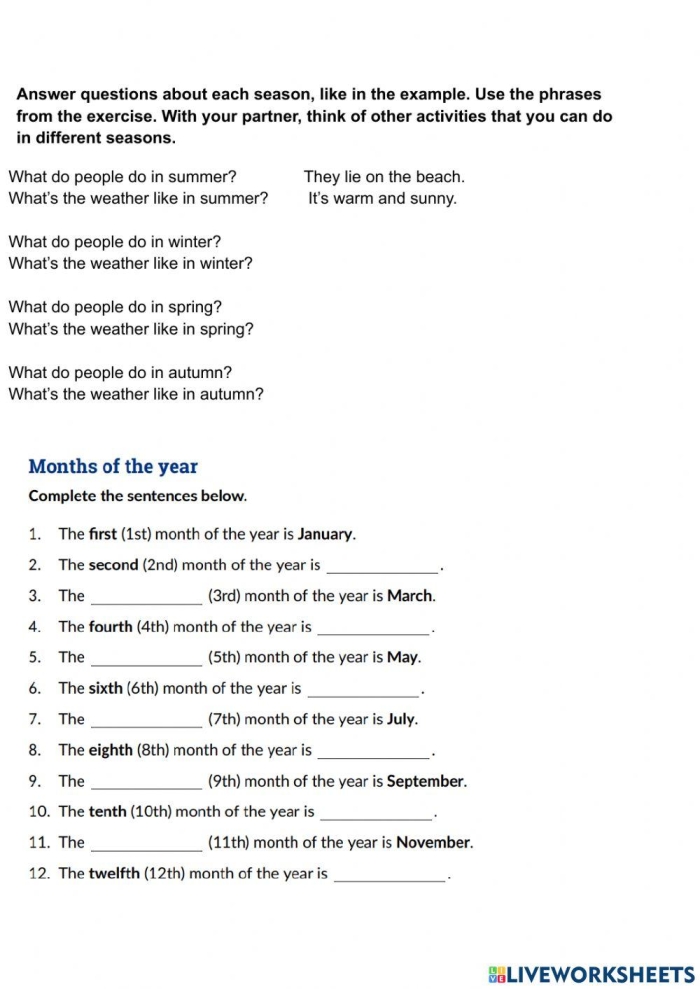
Moreover, discussing the changes in nature that occur with each season can deepen their understanding. For instance, in spring, they can observe blooming flowers and longer days, while in winter, they may notice shorter days and colder weather. Such discussions can lead to exciting explorations of life science, making the learning experience more enriching.
Incorporating these activities into your child’s learning routine not only helps them grasp the concepts of seasons and months but also creates a joyful learning environment. As they progress, they will build a stronger foundation for more complex subjects in the future.
Worksheet Practice Section