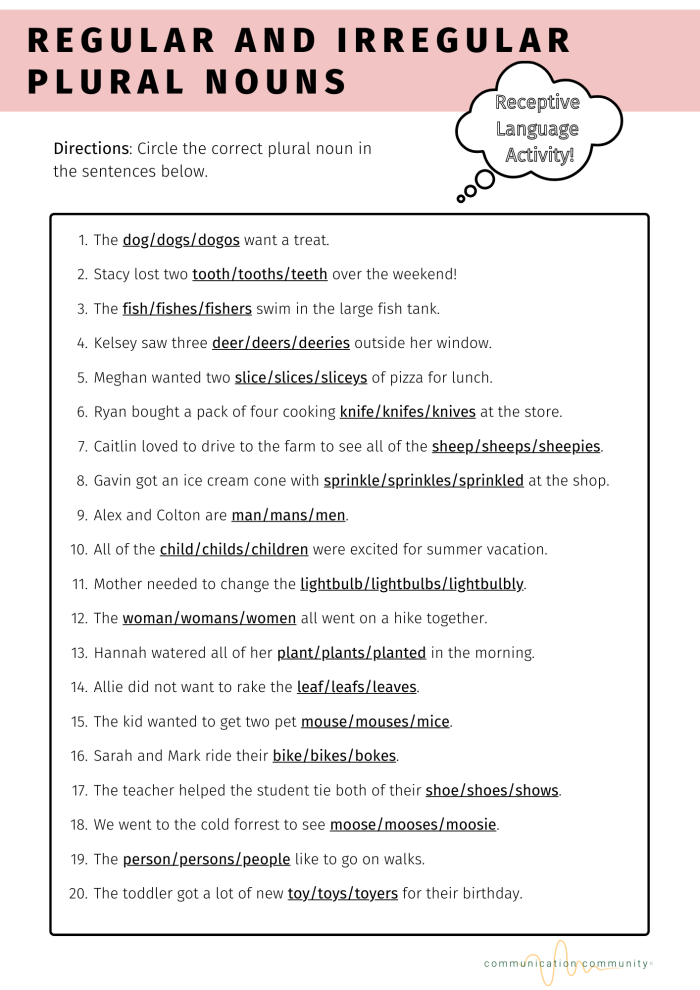
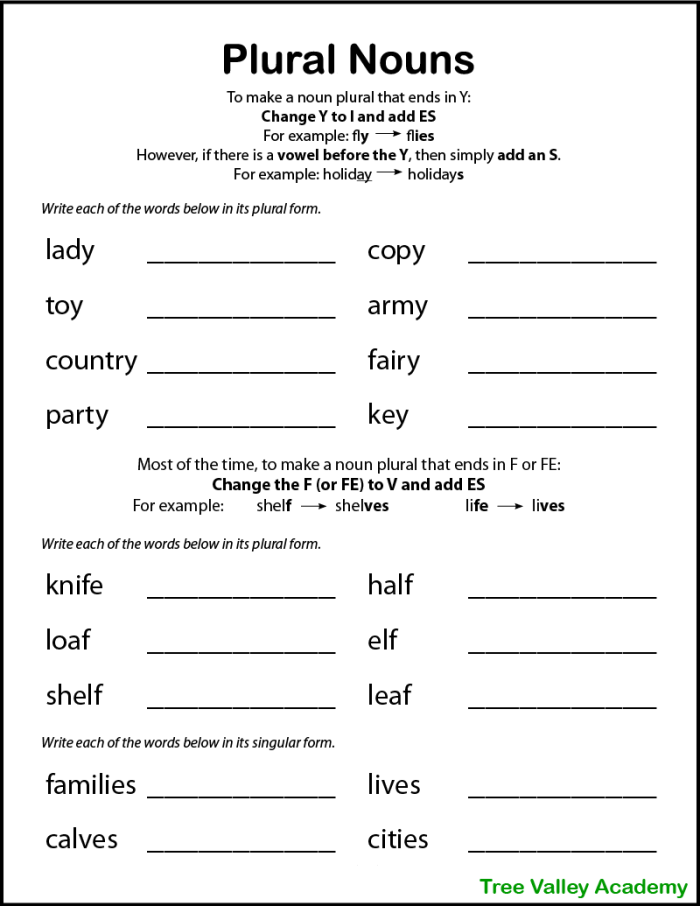
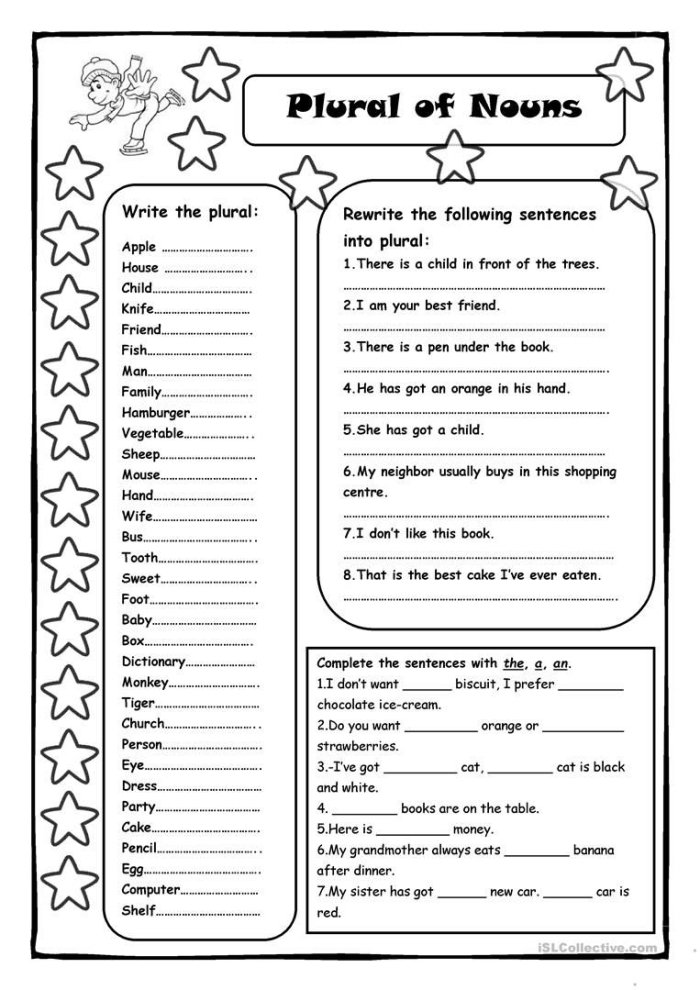
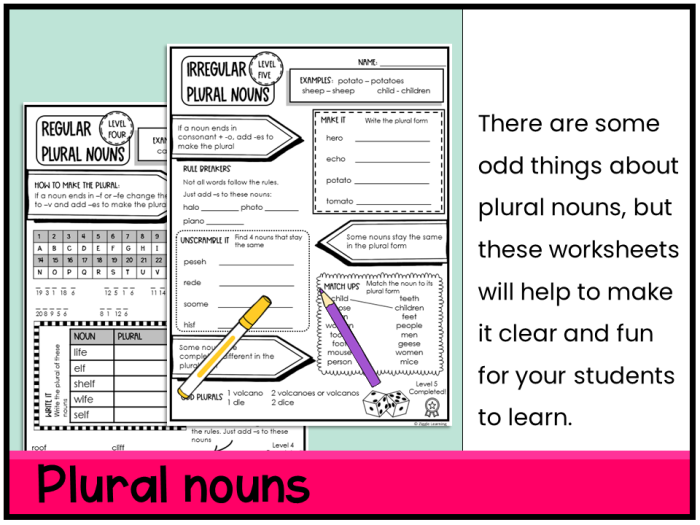
Plural nouns trip up more third graders than you might expect. Kids who breeze through addition and subtraction suddenly freeze when asked to write the plural of “box” or “child.” The rules feel arbitrary, the exceptions seem endless, and memorization alone doesn’t stick.
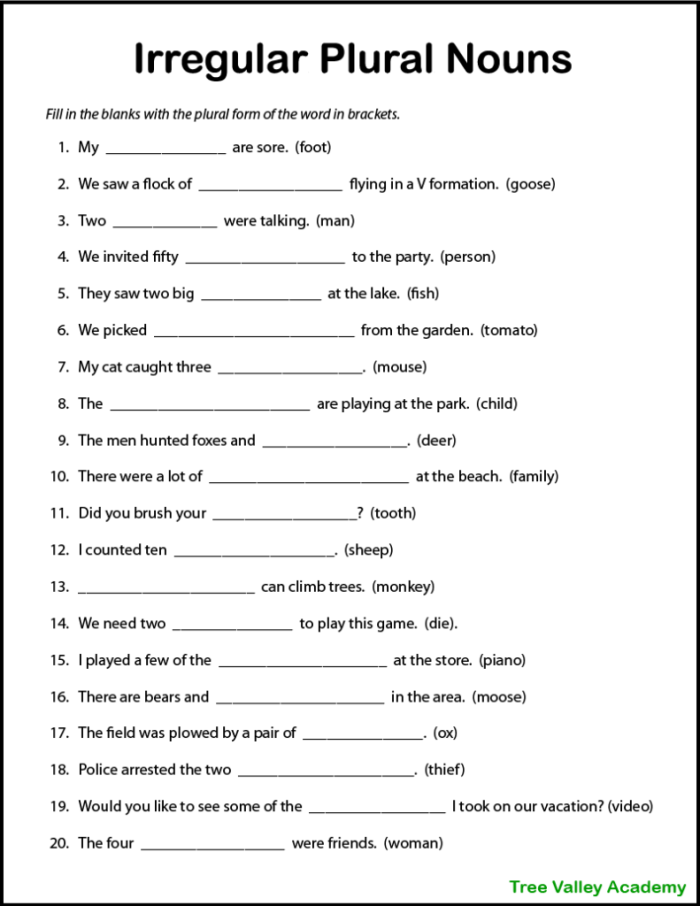
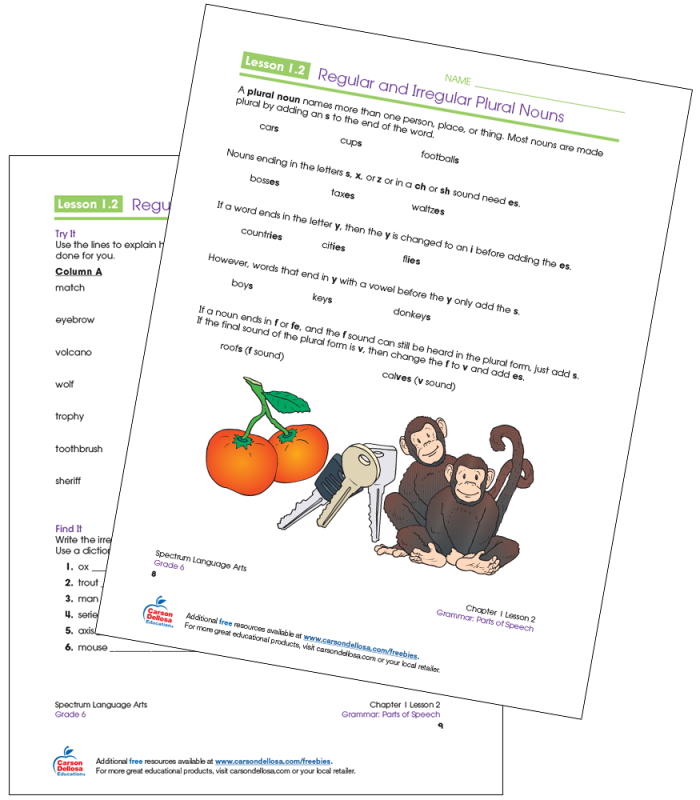
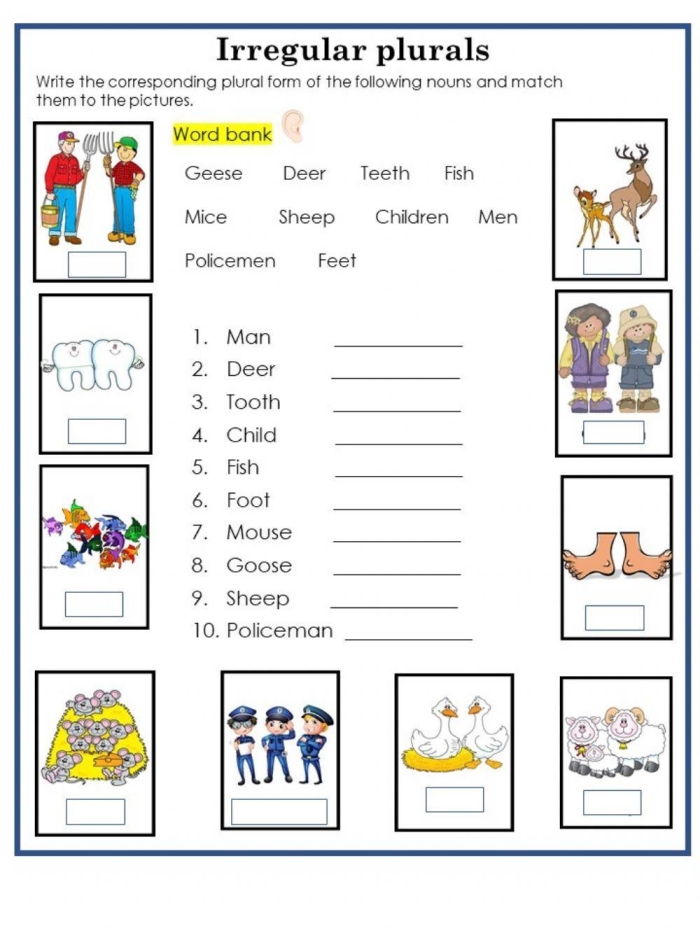
The challenge stems from English having multiple plural patterns. Regular nouns add -s or -es, but then irregular nouns like “mouse” becomes “mice” and “goose” becomes “geese.” A third grader learning these forms needs to see them repeatedly in context, not just in a list. They need practice that reinforces both the rules and the exceptions simultaneously.
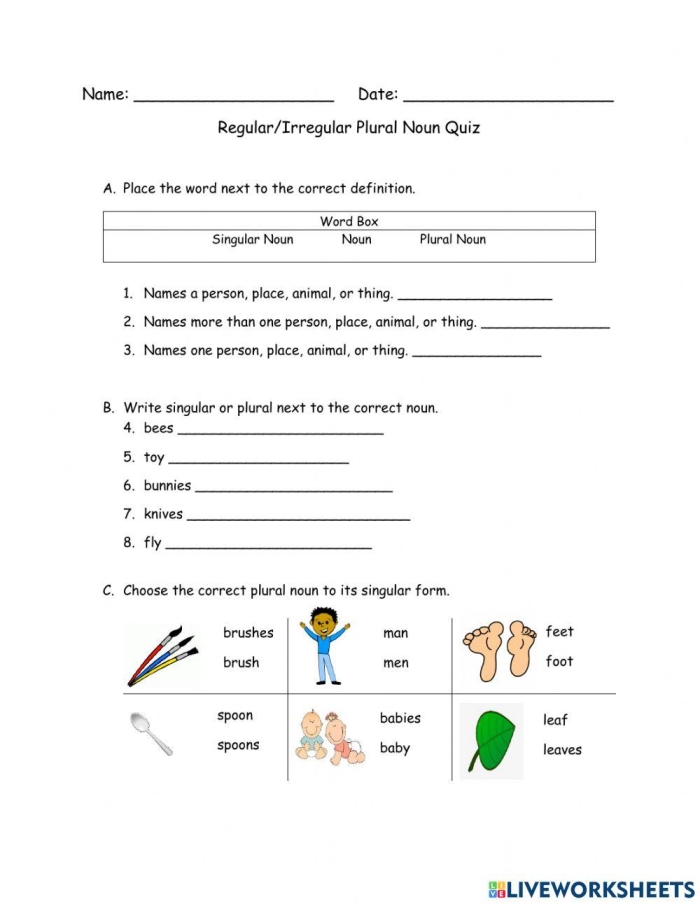
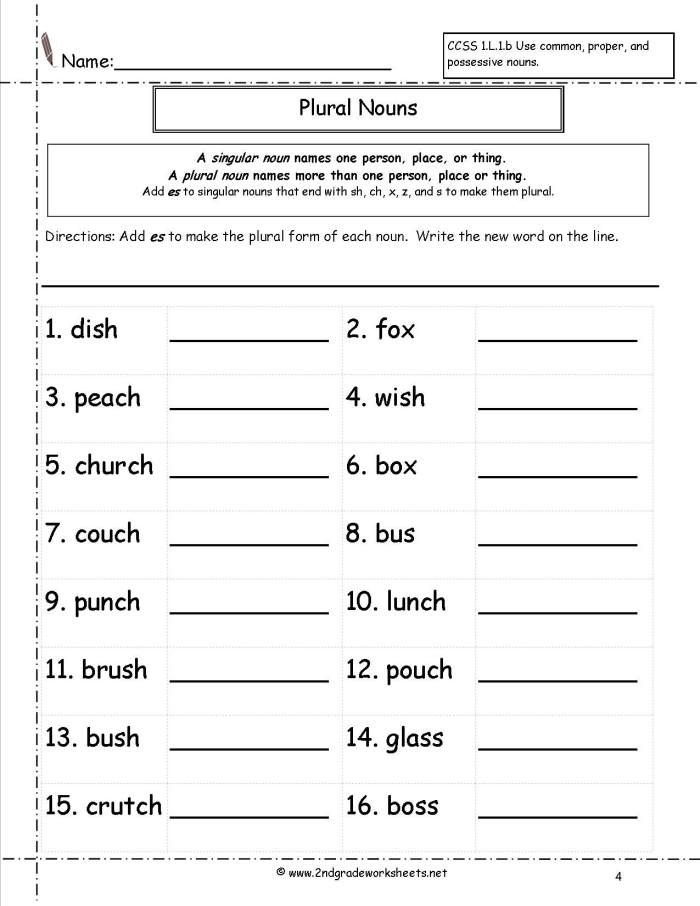
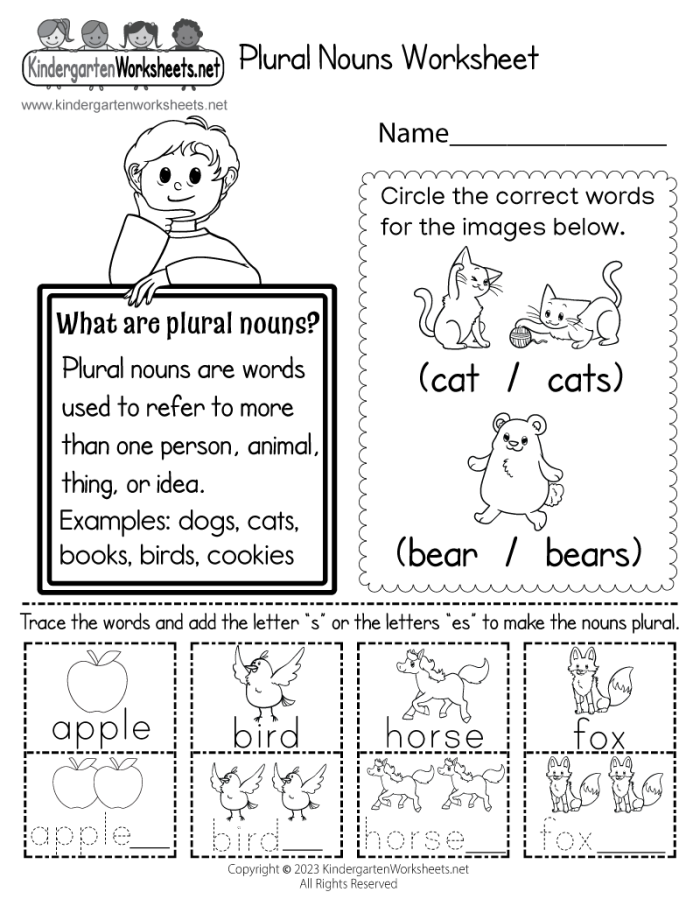
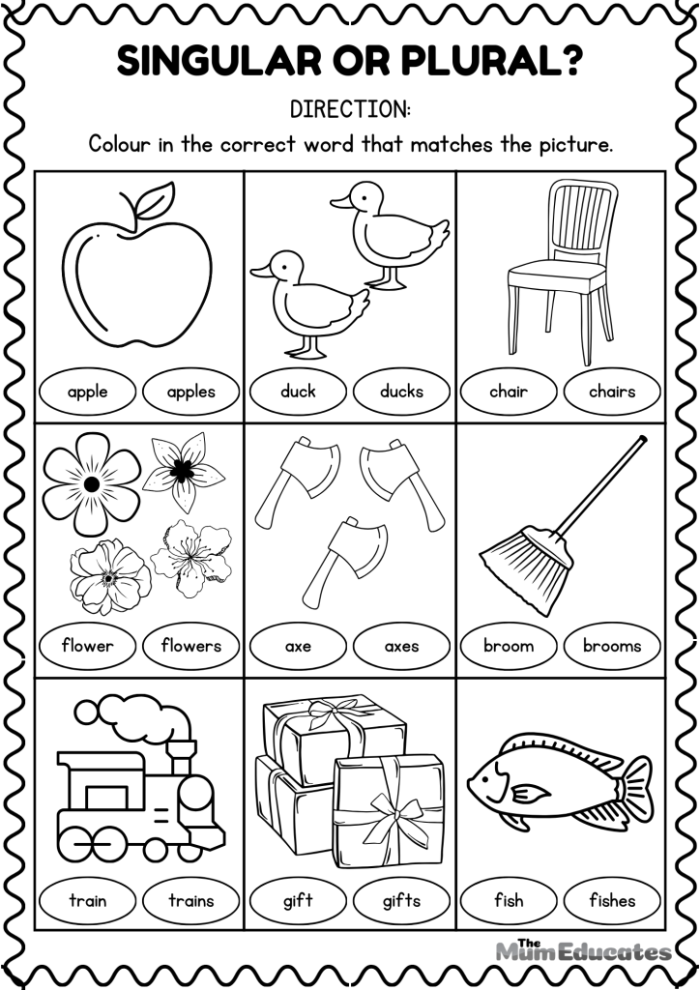
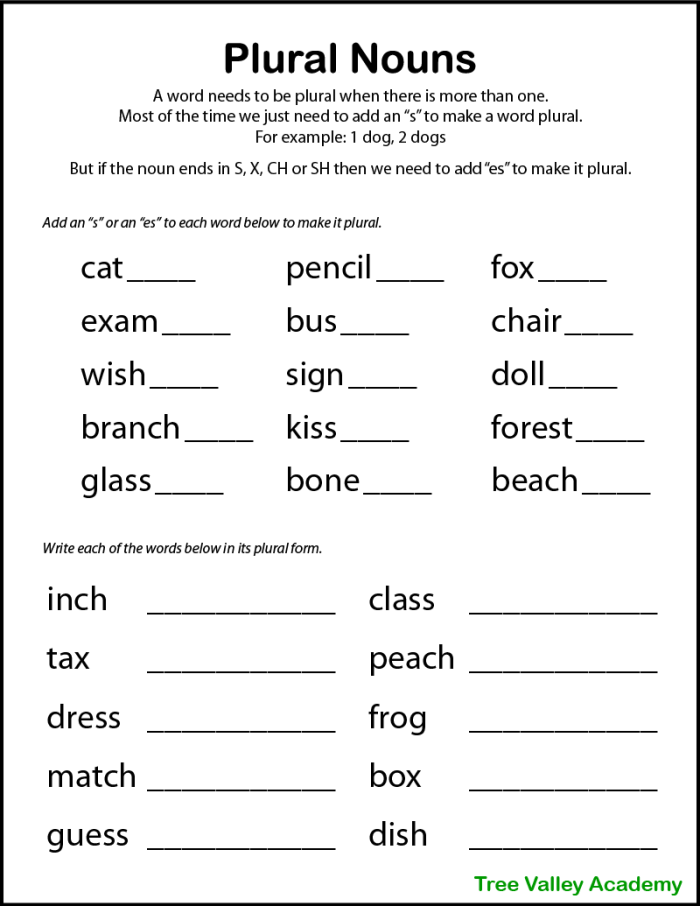
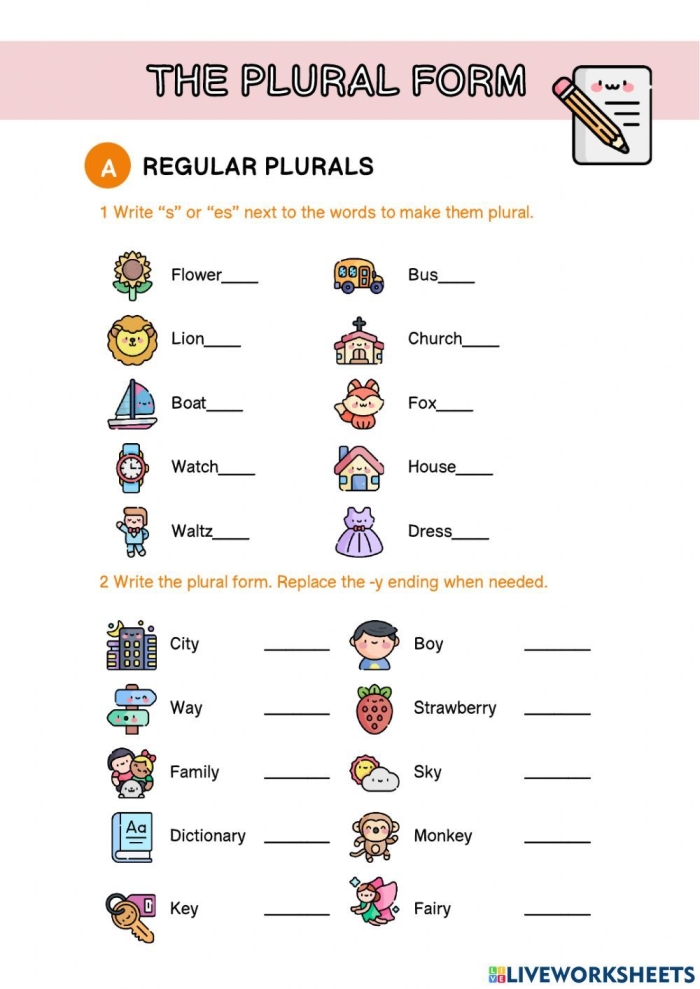
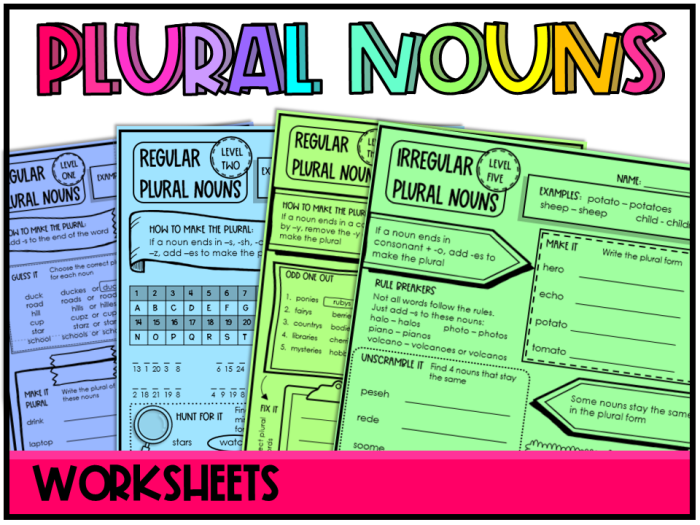
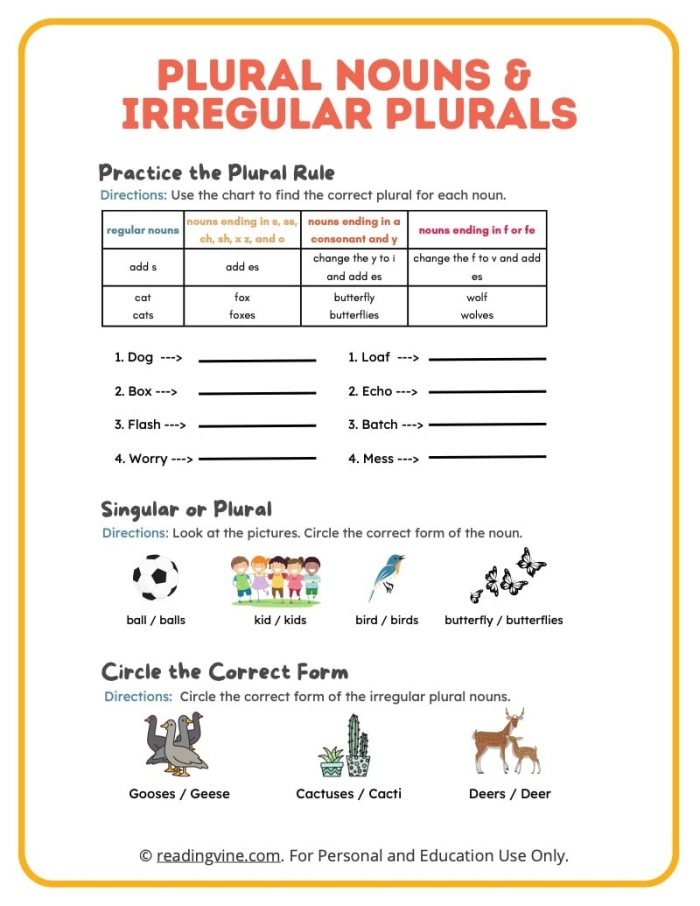
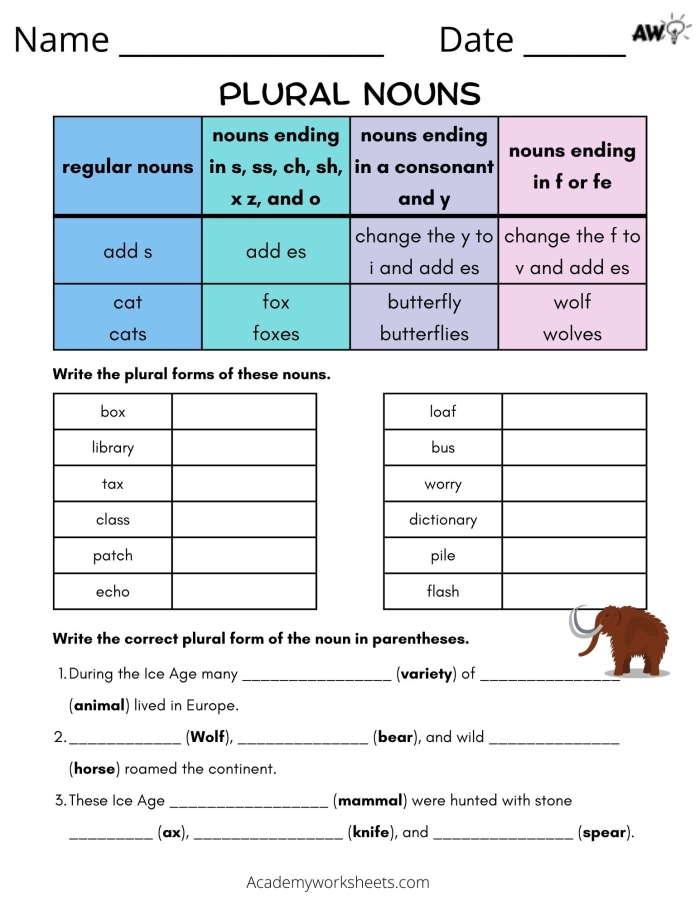
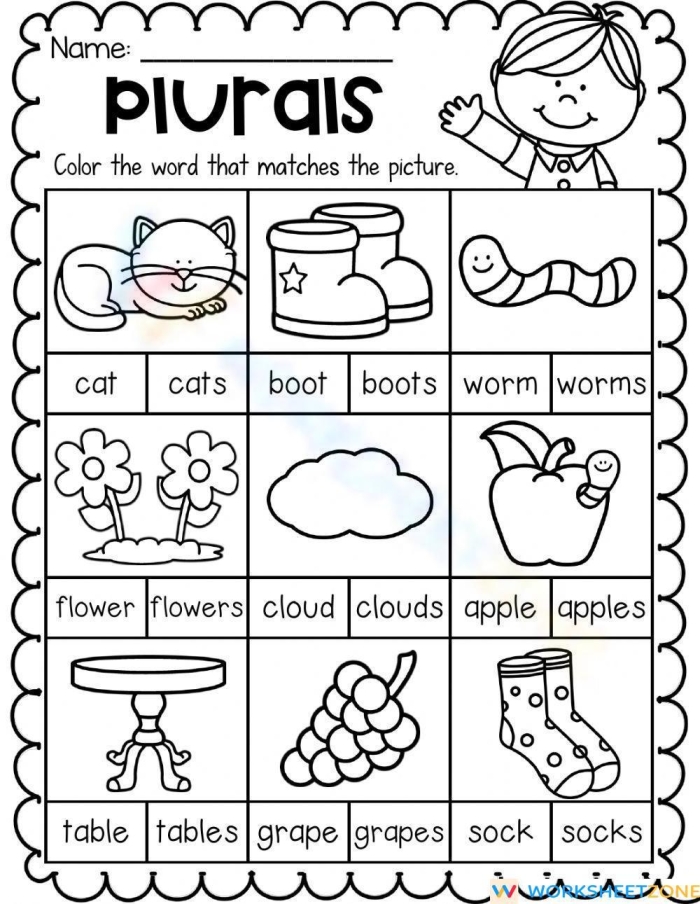
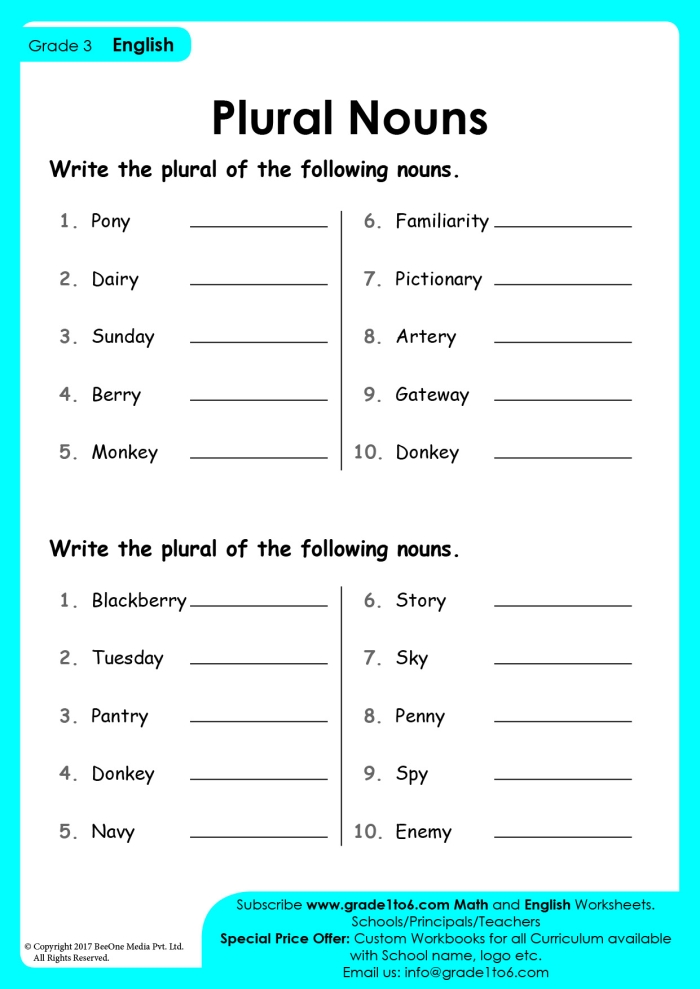
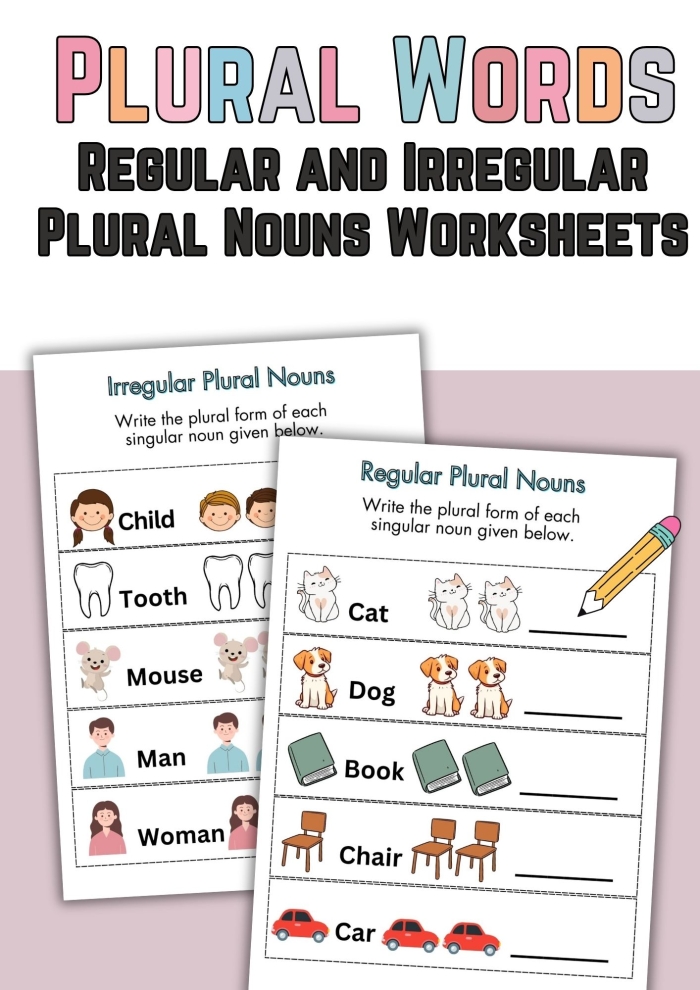
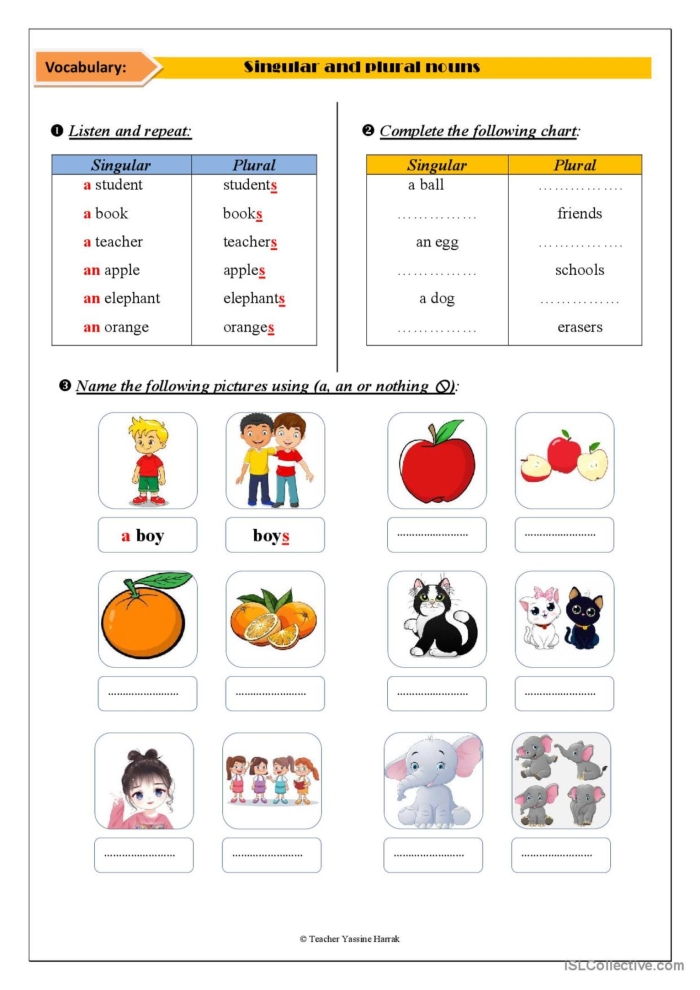
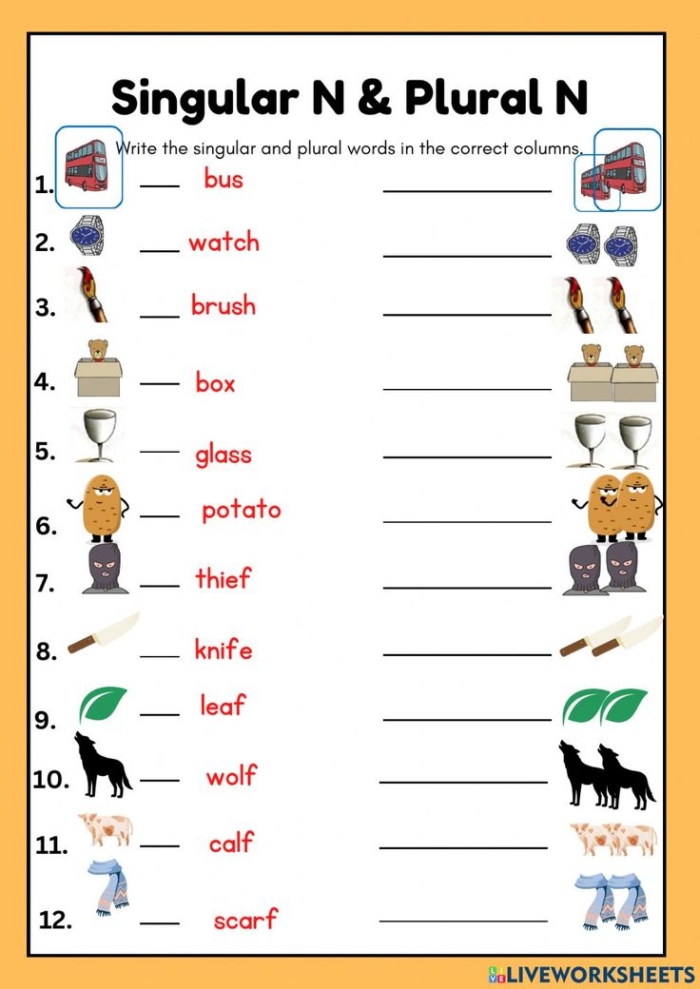
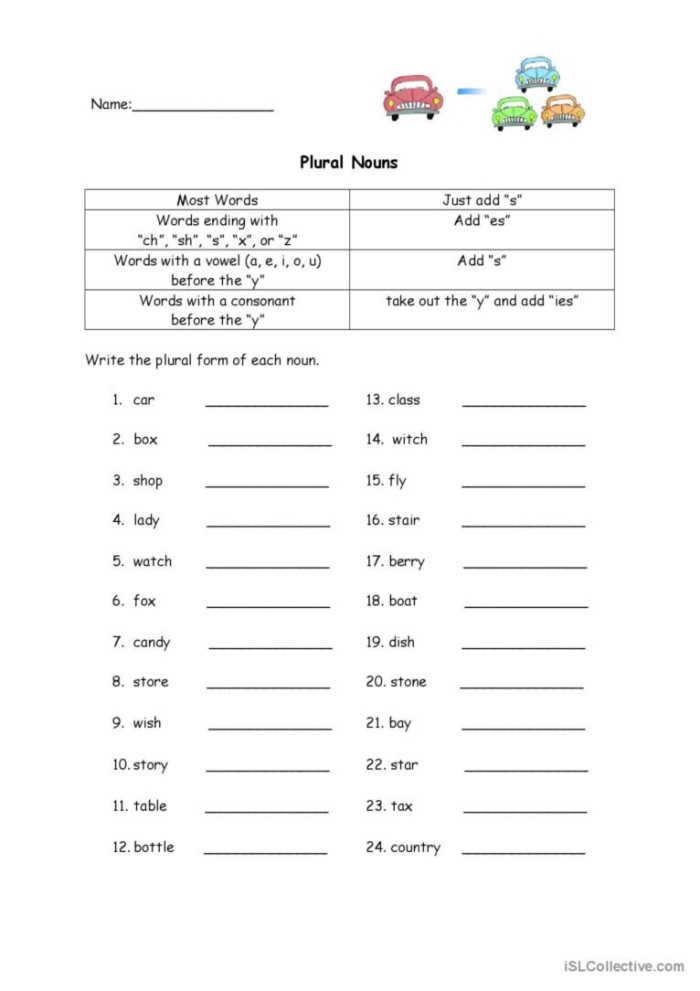
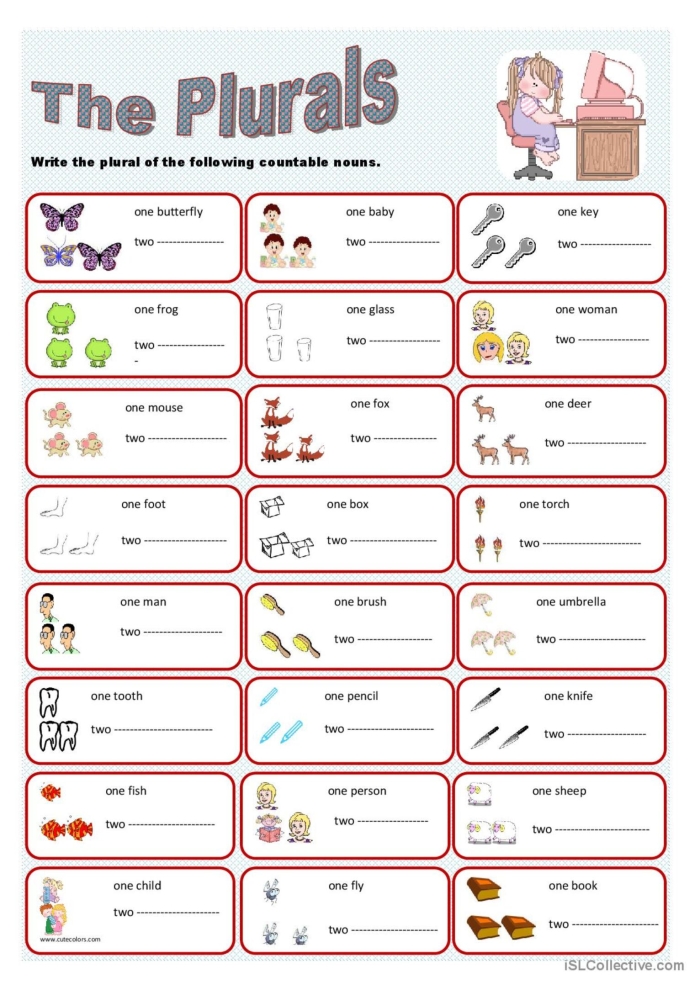
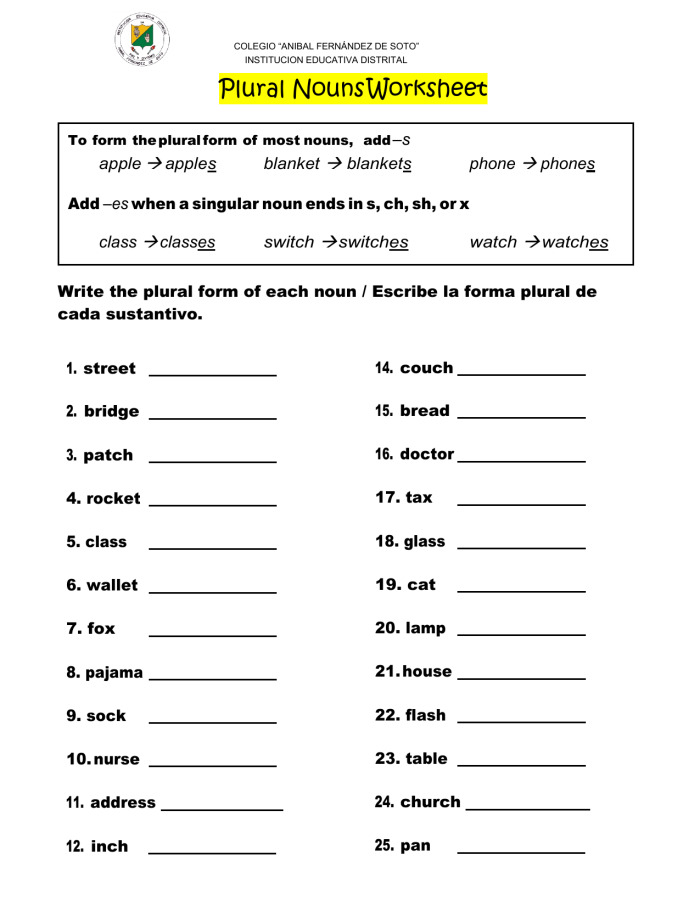
This is where targeted practice worksheets make a real difference. A well-designed plural nouns worksheet guides students through the different categories: simple additions, words ending in consonants, words ending in vowels, and irregular forms. By working through examples and completing exercises, children build pattern recognition rather than relying on rote memory alone.
The repetition matters too. Research on learning shows that spaced practice over time produces better retention than cramming. A worksheet your child completes today, then revisits in a week, embeds these forms into long-term memory far more effectively than a single lesson.
Beyond grammar, plural nouns connect to broader literacy skills. When students master this foundation, they’re better equipped to handle more complex writing tasks. Pairing plural noun practice with other third-grade grammar work creates a stronger overall foundation. For instance, combining plural practice with grammar and mechanics exercises reinforces multiple skills at once.
If your child struggles with plurals, a focused worksheet isn’t just helpful—it’s often the turning point between frustration and confidence.
Try These Printable Worksheets