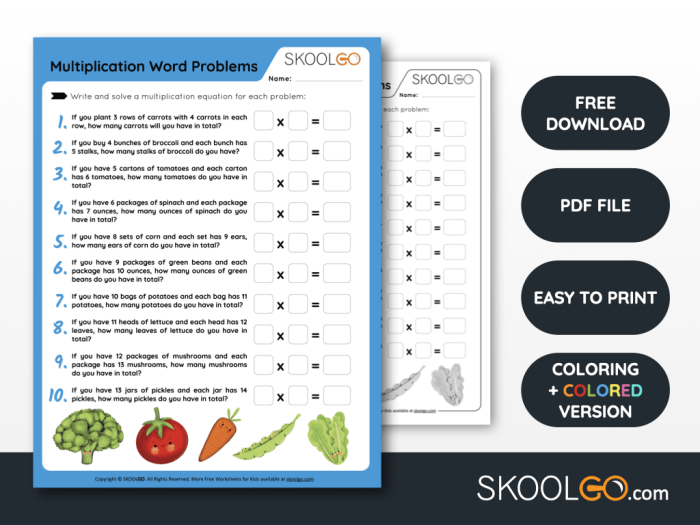
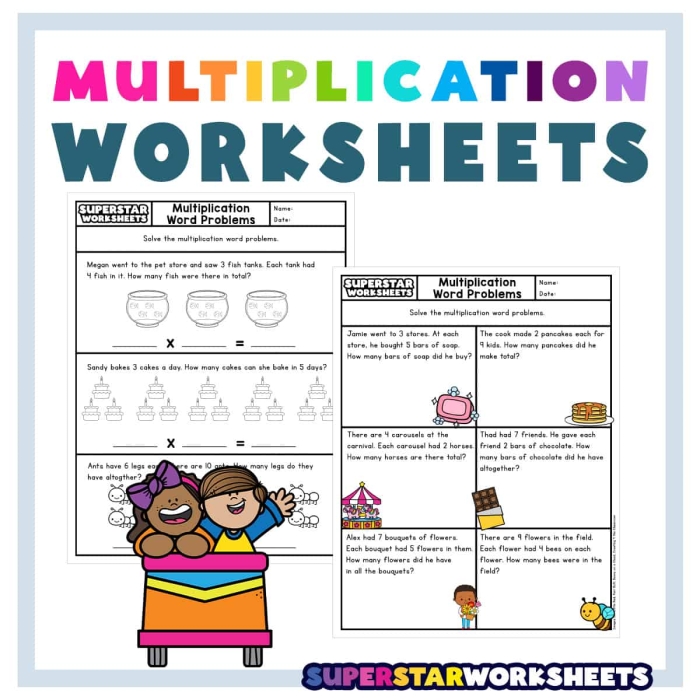
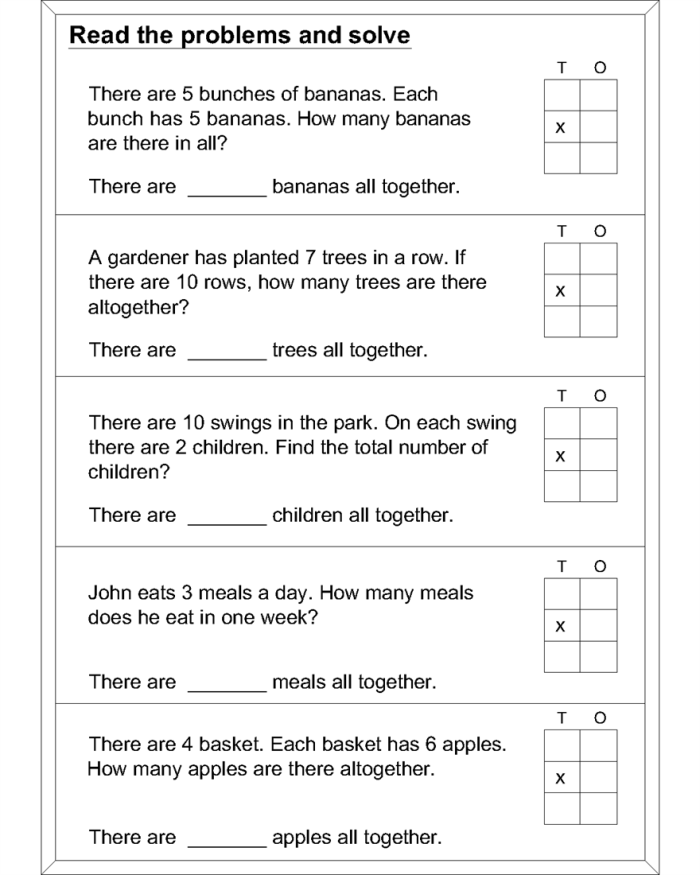
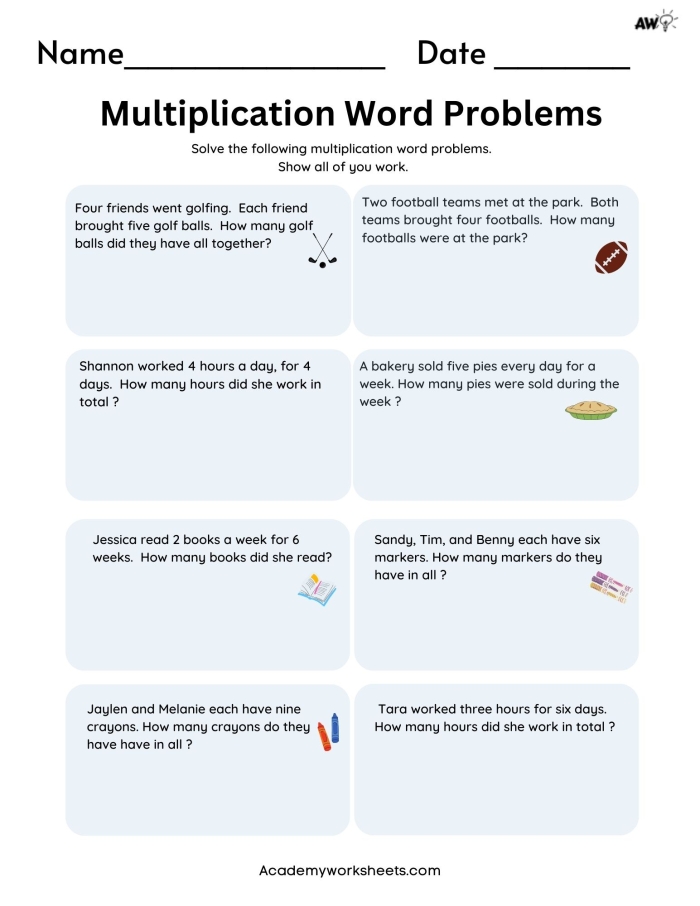
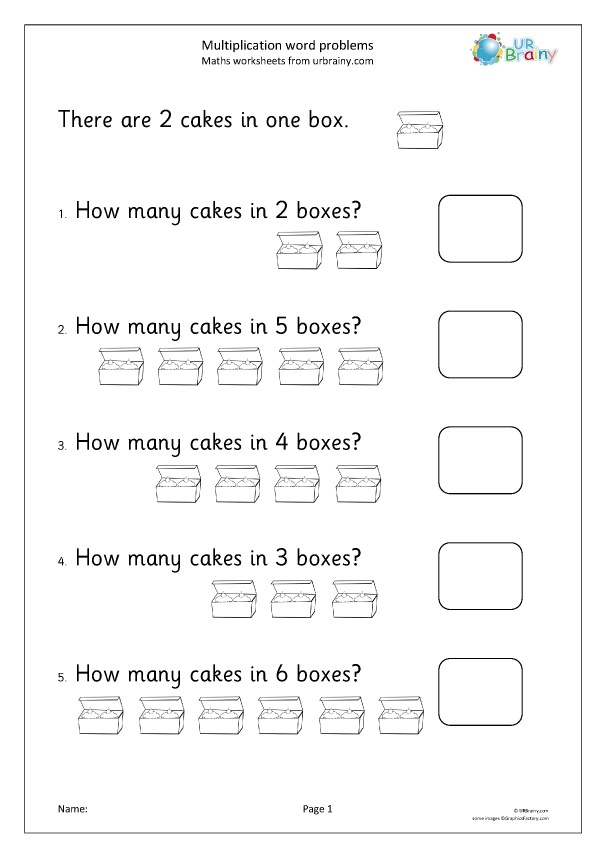
When third grade students encounter a multiplication word problem for the first time, they’re doing more than just finding a product. They’re translating real-world scenarios into mathematical thinking, which requires a specific set of skills that goes beyond knowing multiplication facts. A multiplication word problems check-in exercise reveals exactly where students stand with this crucial ability.
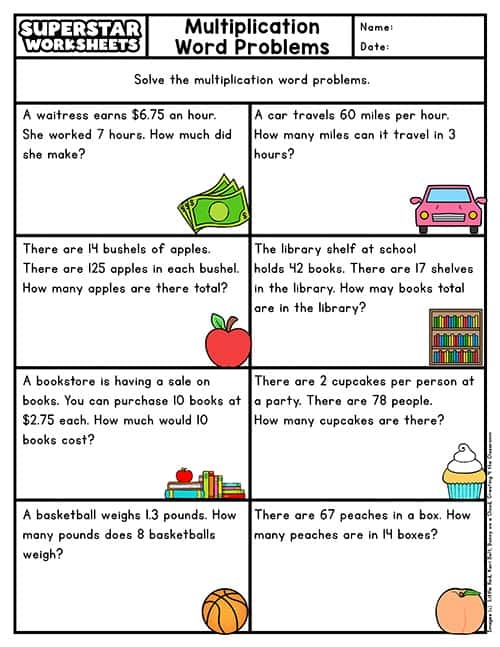
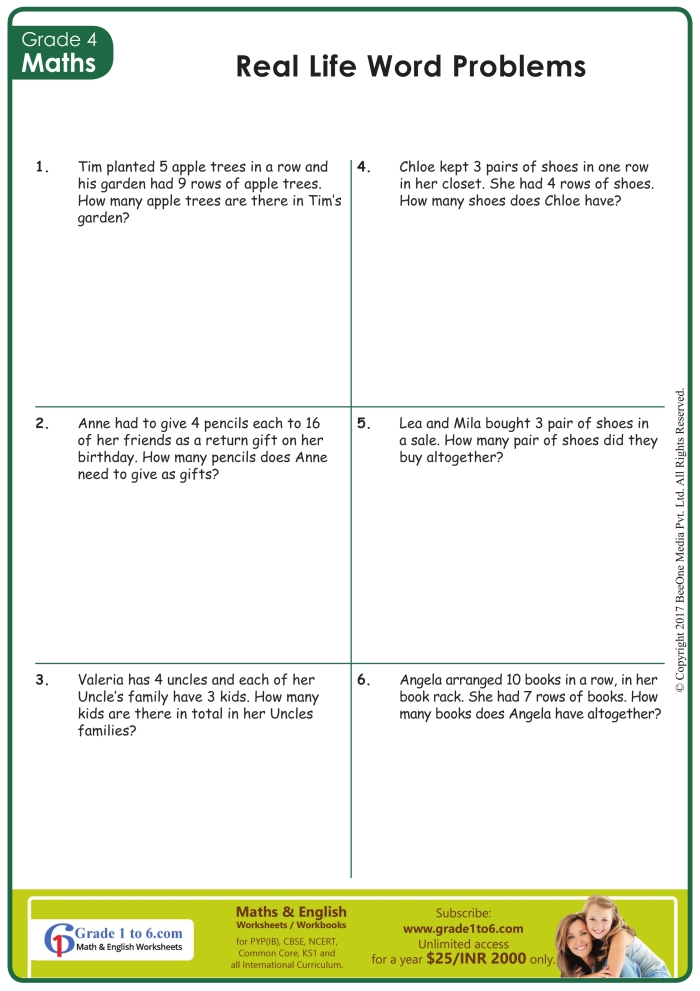
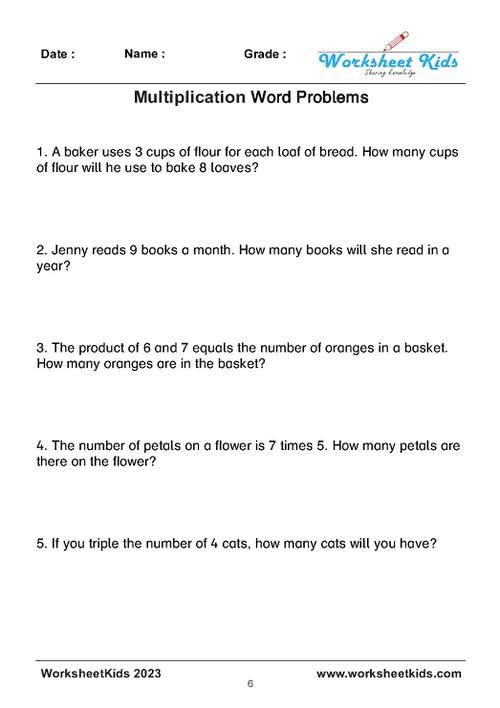
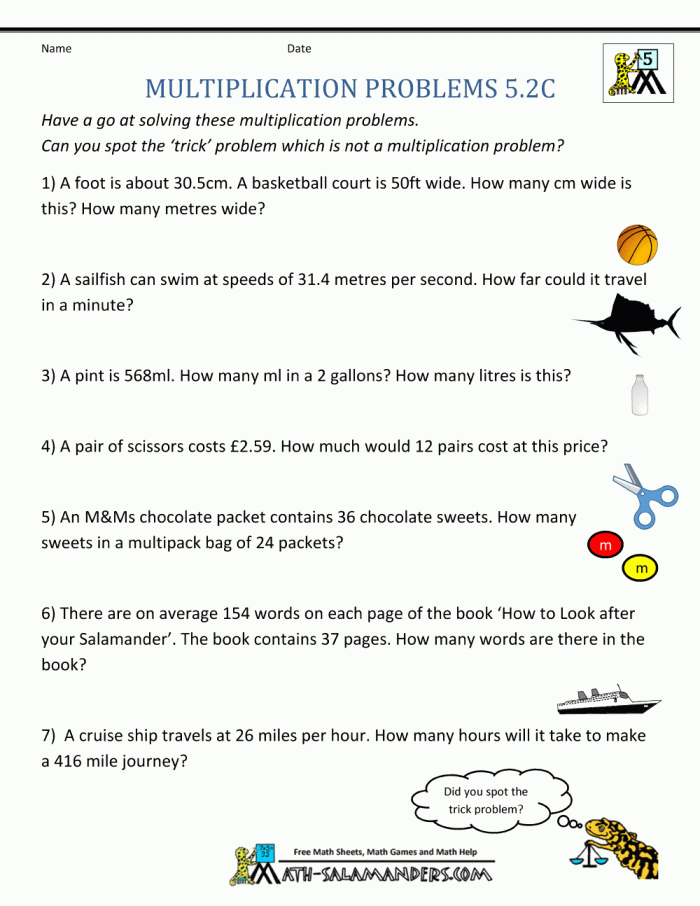
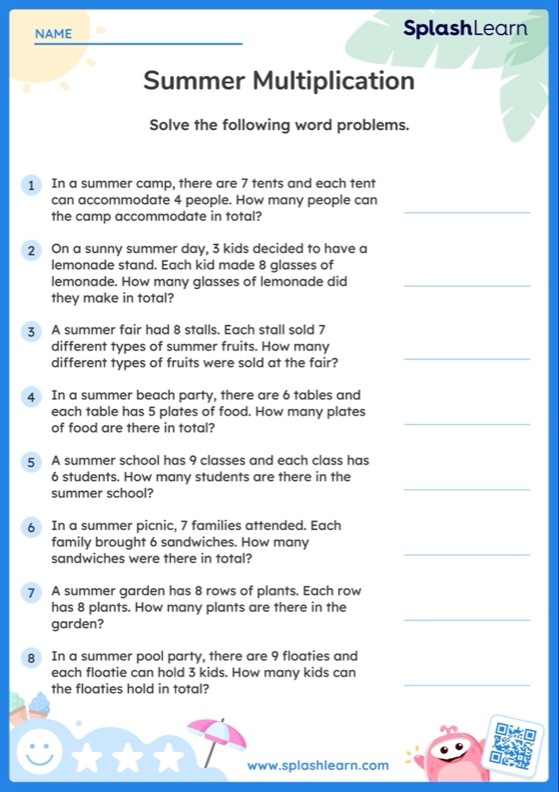
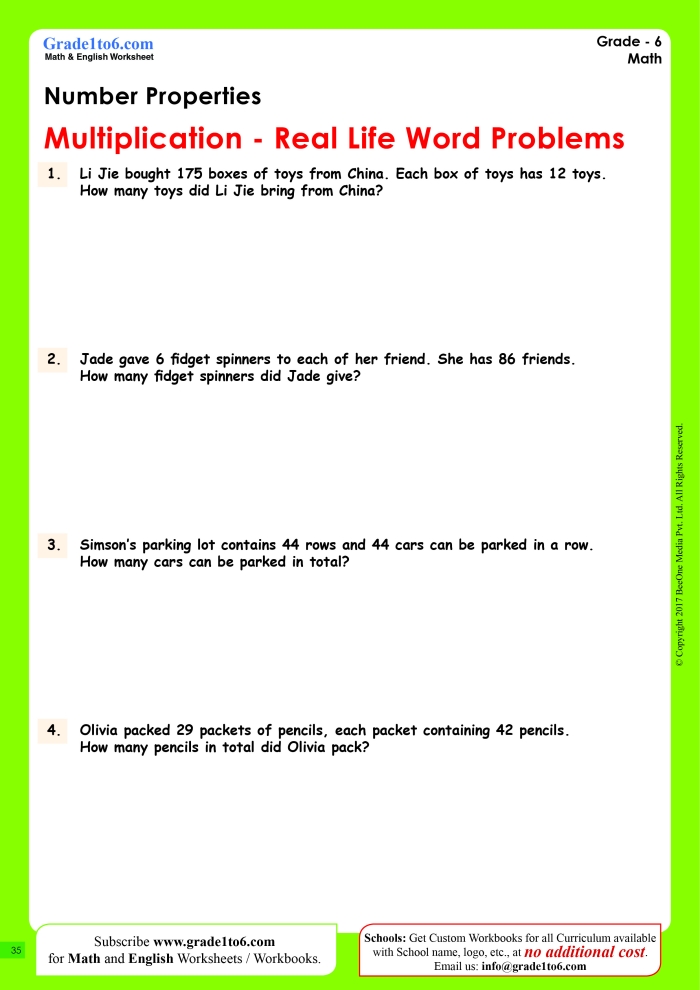
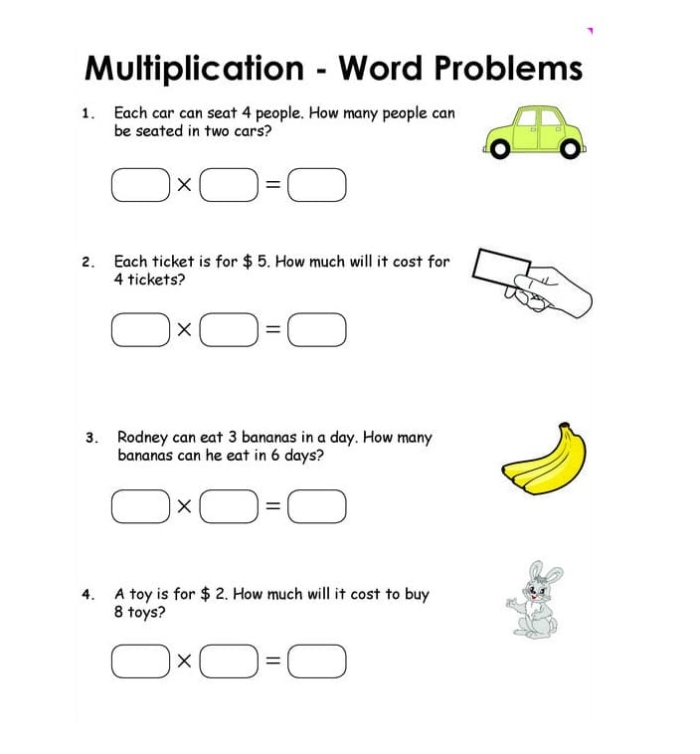
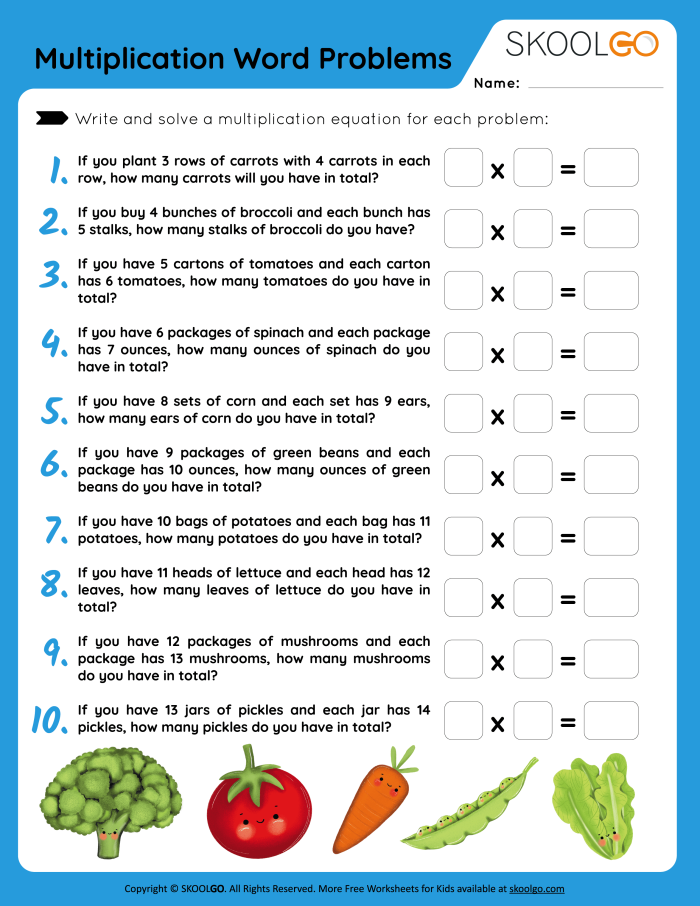
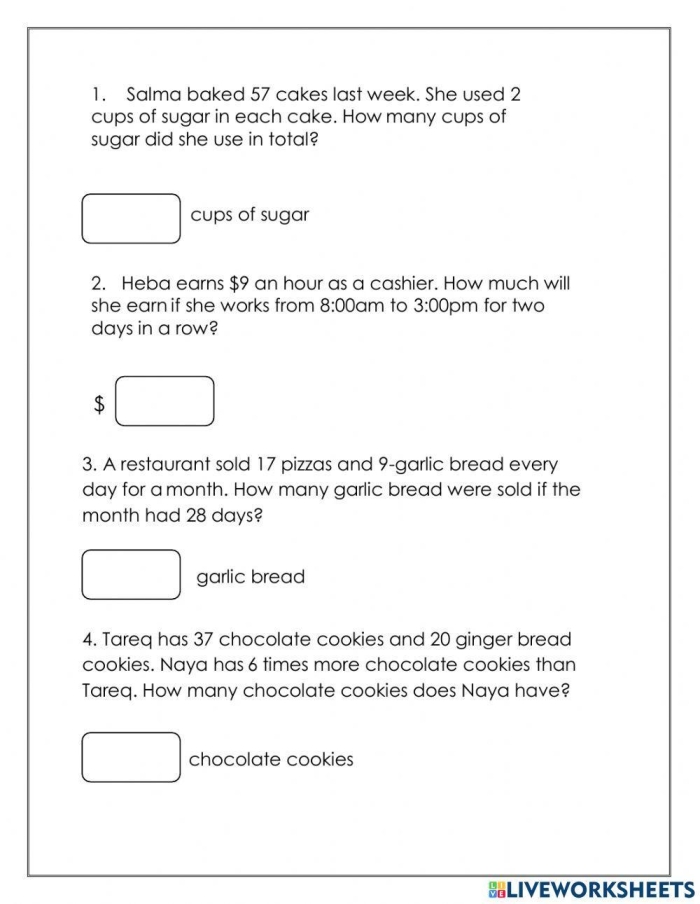
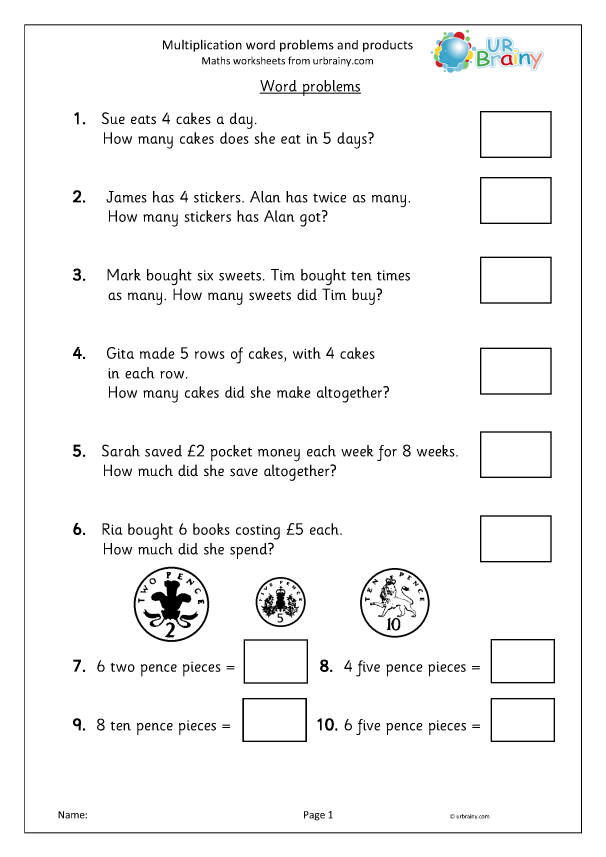
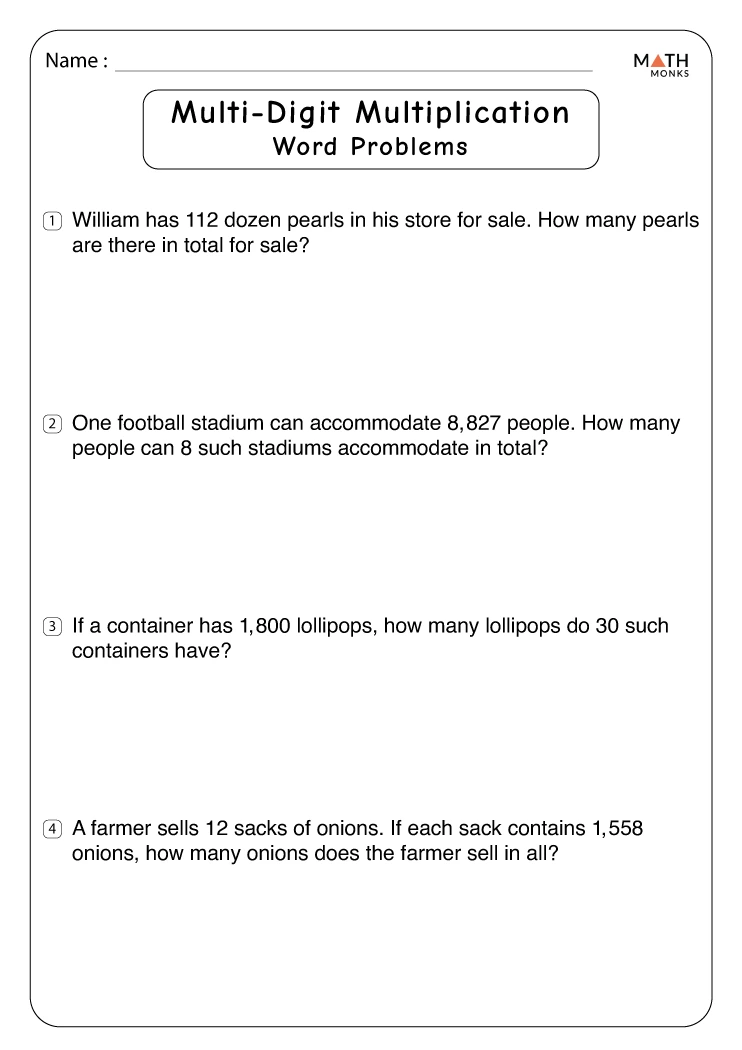
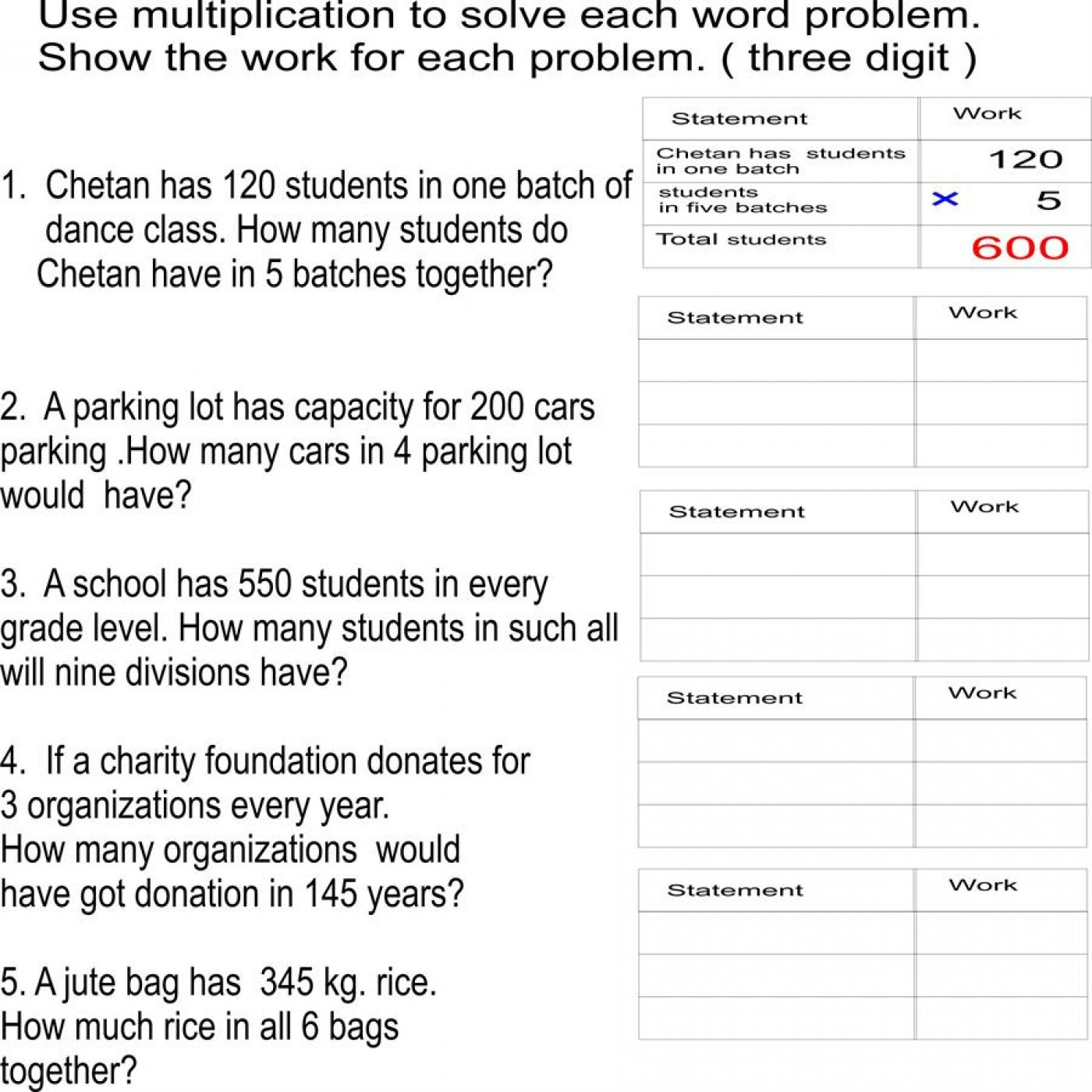
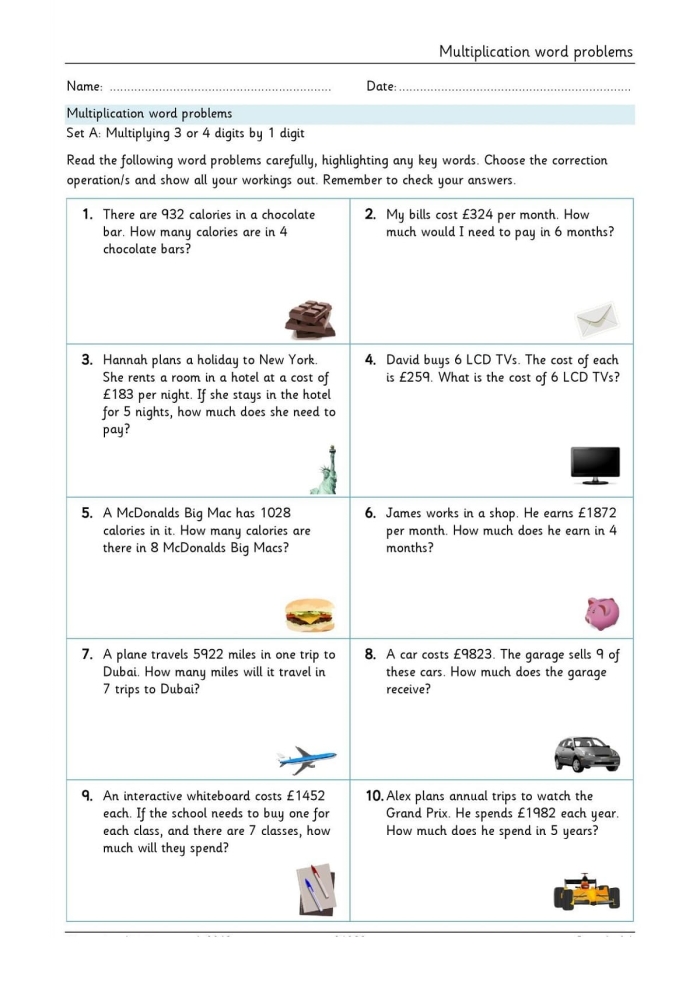
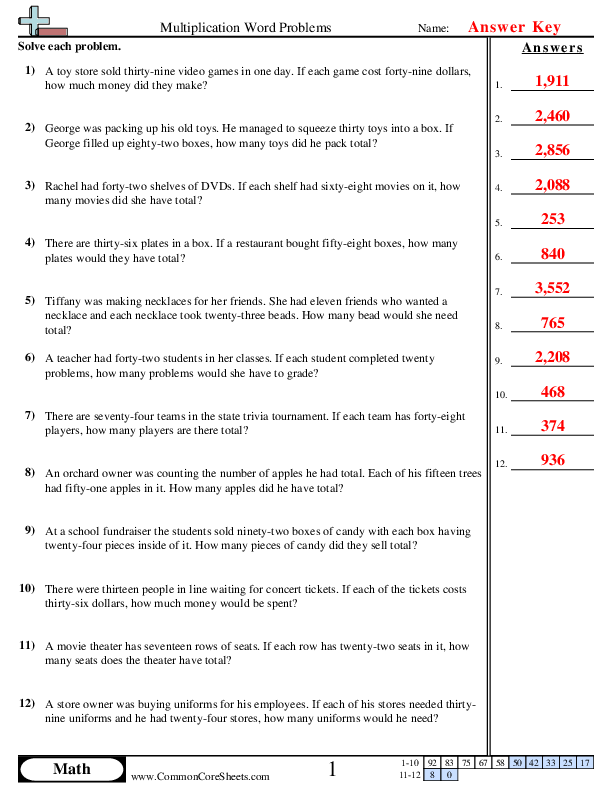
One-step multiplication word problems form the foundation for all later problem-solving work. These are scenarios where students read a situation, identify the numbers involved, and perform a single multiplication operation to reach an answer. For example, “Sarah has 4 baskets with 6 apples in each. How many apples does she have altogether?” requires students to recognize that they need to multiply 4 by 6, not add or subtract.
What makes this assessment valuable is that it targets a specific cognitive gap many third graders experience. Students might know their multiplication facts cold but freeze when those same facts appear in sentence form. The check-in exercise identifies whether students struggle with reading comprehension, number identification, or the actual multiplication process itself.
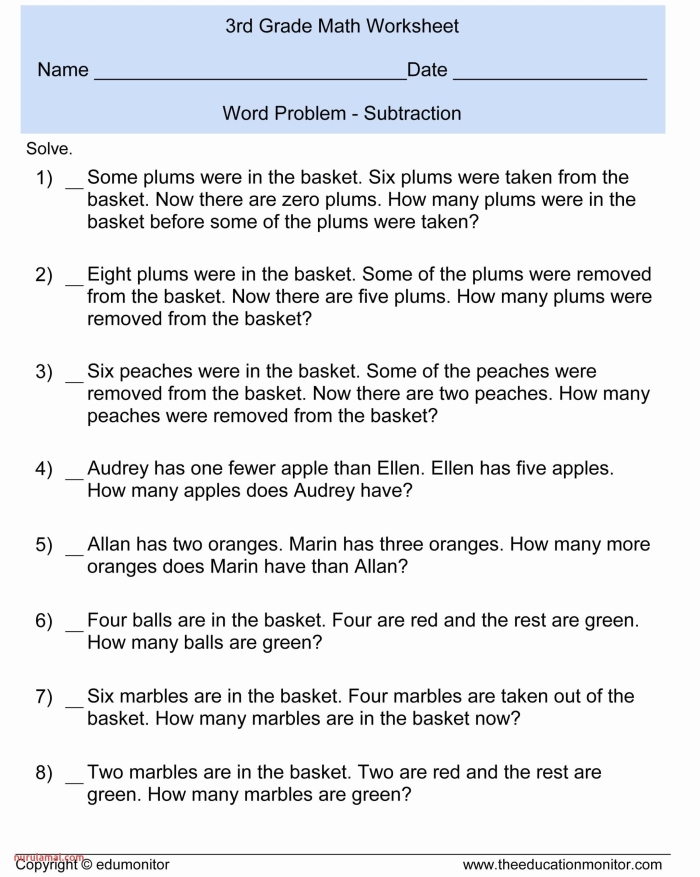
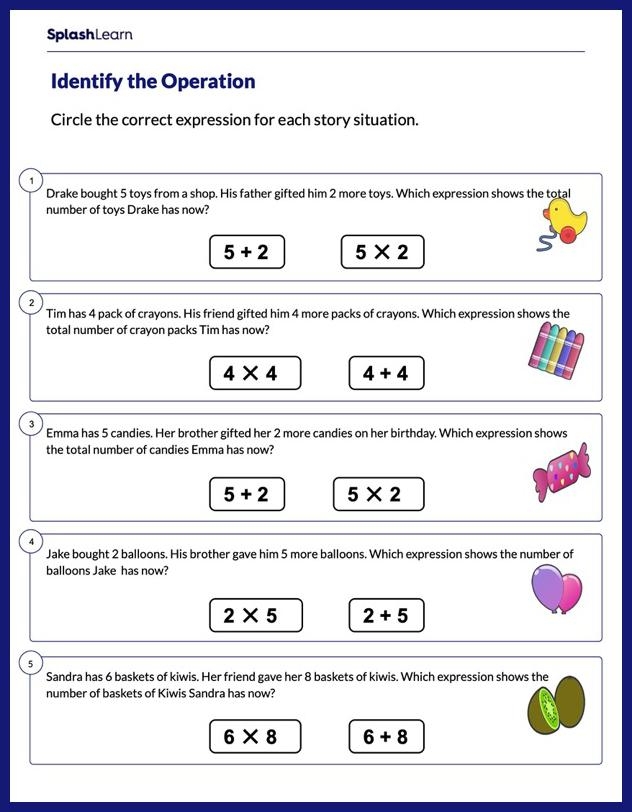
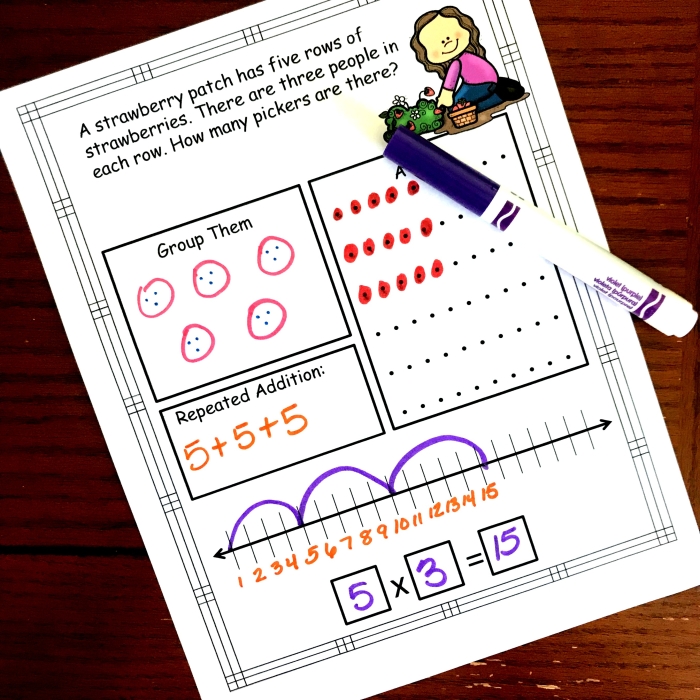
During assessment, observe how students approach the problems. Do they reread the question? Do they underline important numbers? These habits matter as much as the final answer. Some students benefit from visual supports, while others need practice distinguishing between situations that call for multiplication versus addition, particularly when reviewing word problems involving addition and subtraction.
The grammar and mechanics of word problems also play a role. Students must parse sentences to find quantities and relationships. This overlaps with reading skills, making the exercise valuable across multiple subject areas.
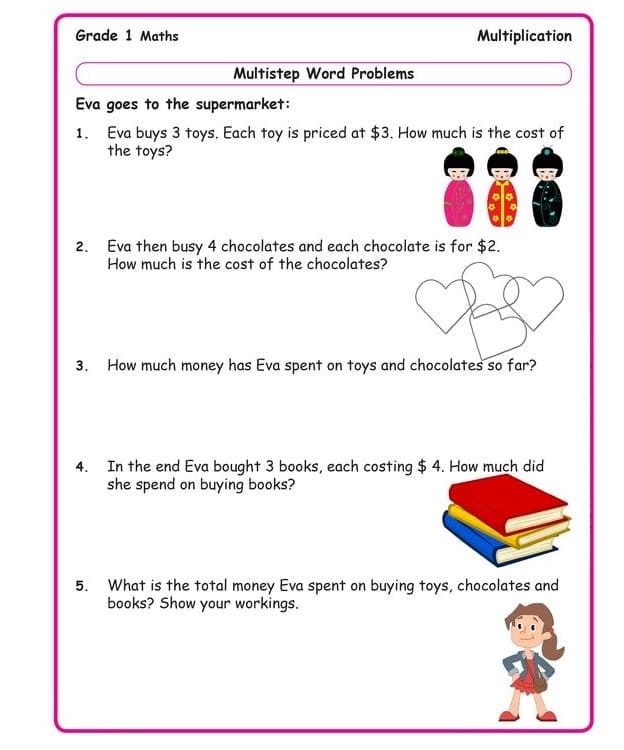
Using a check-in like this early in the multiplication unit allows teachers to adjust instruction before students fall behind. Some students may be ready to move toward two-step problems, while others need reinforcement with single-operation scenarios before advancing further.
Try These Printable Worksheets