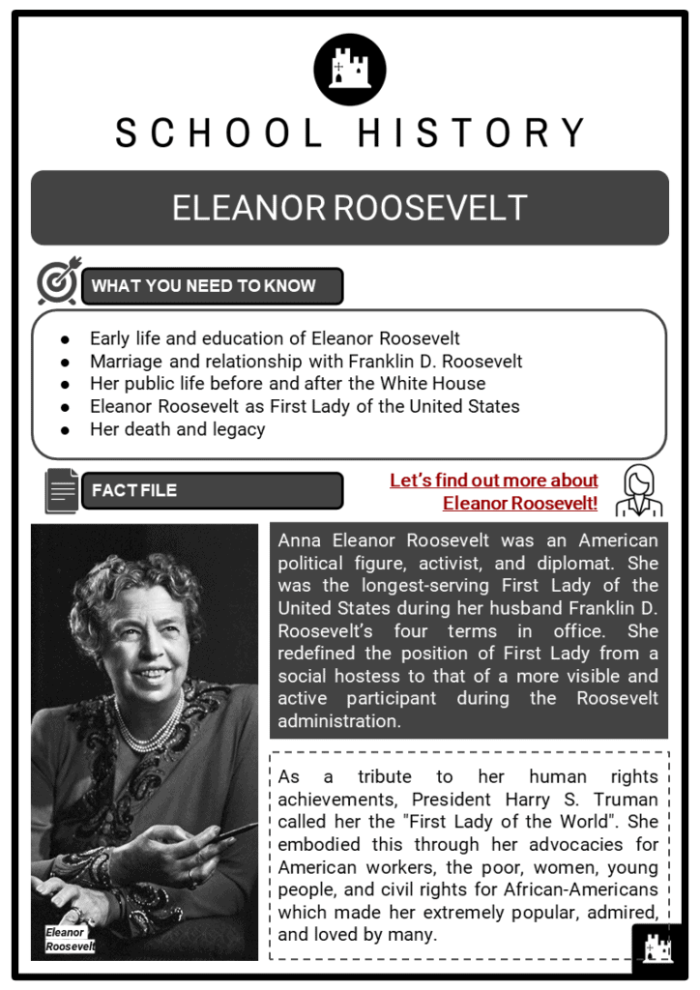
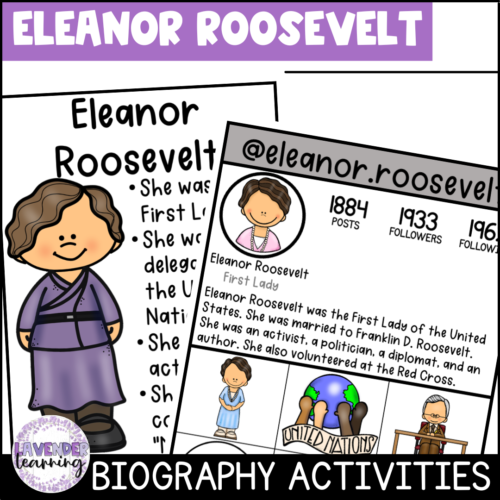
Eleanor Roosevelt transformed what it meant to be First Lady by refusing to stay silent or confined to ceremonial duties. She stepped into public life with purpose, using her position to challenge injustice and advocate for those without a voice. Her work shaped American society in ways that still matter today, making her a figure worth understanding for fourth grade students learning about historical heroes.
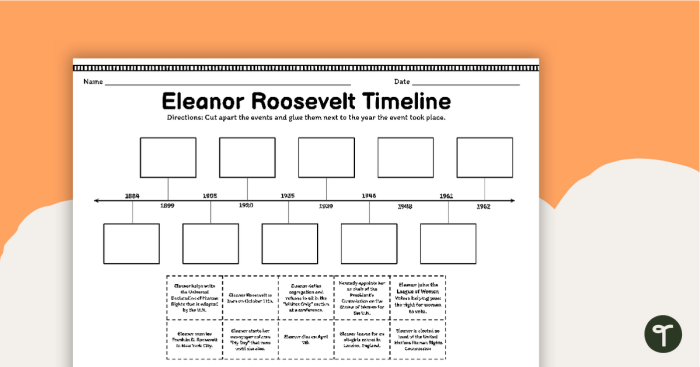
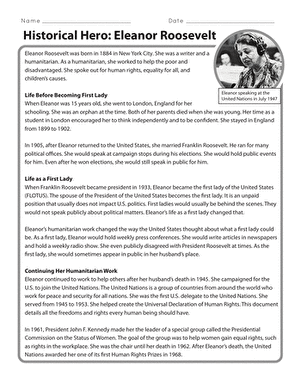
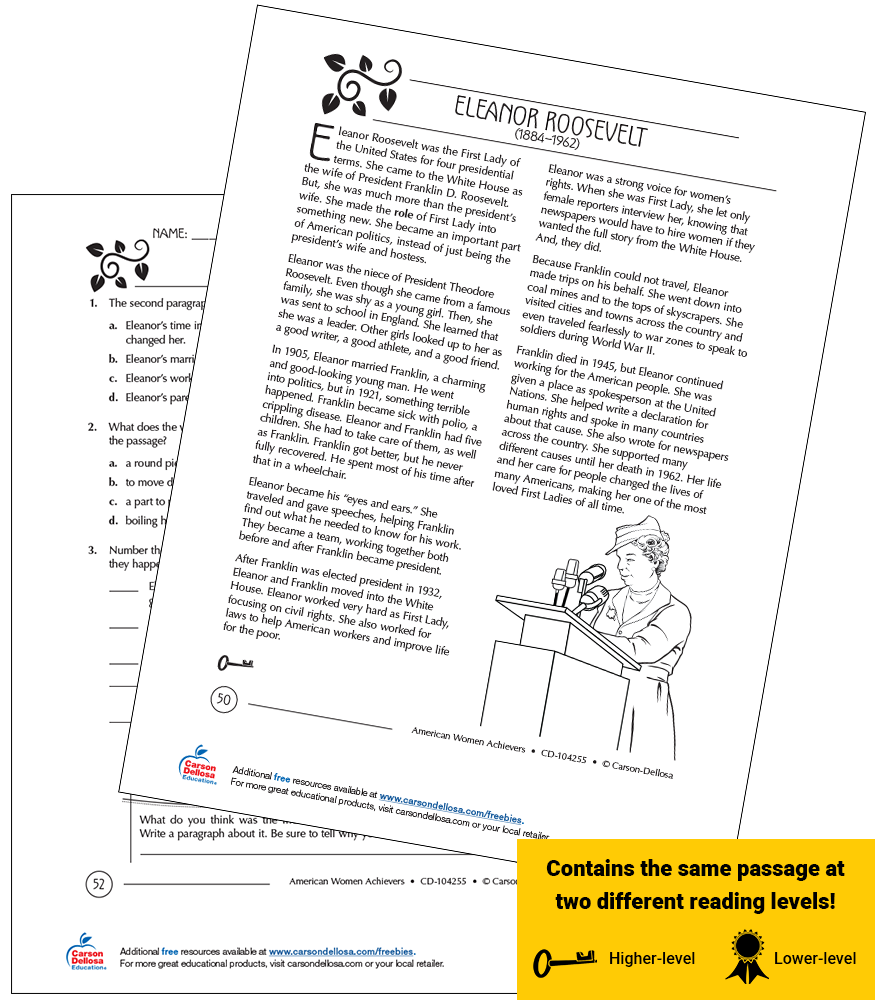
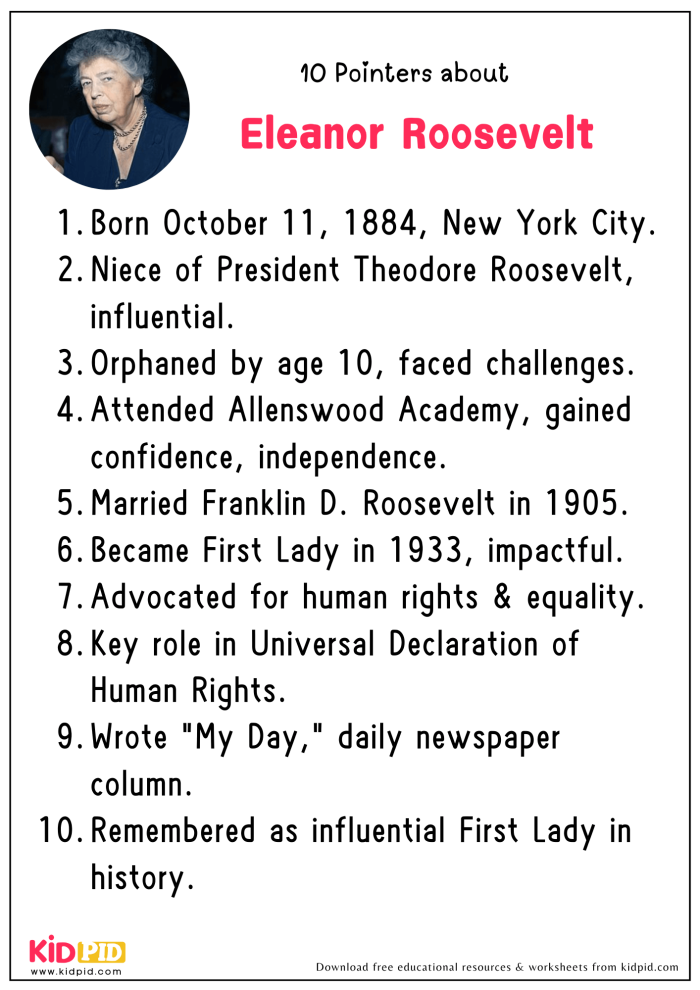
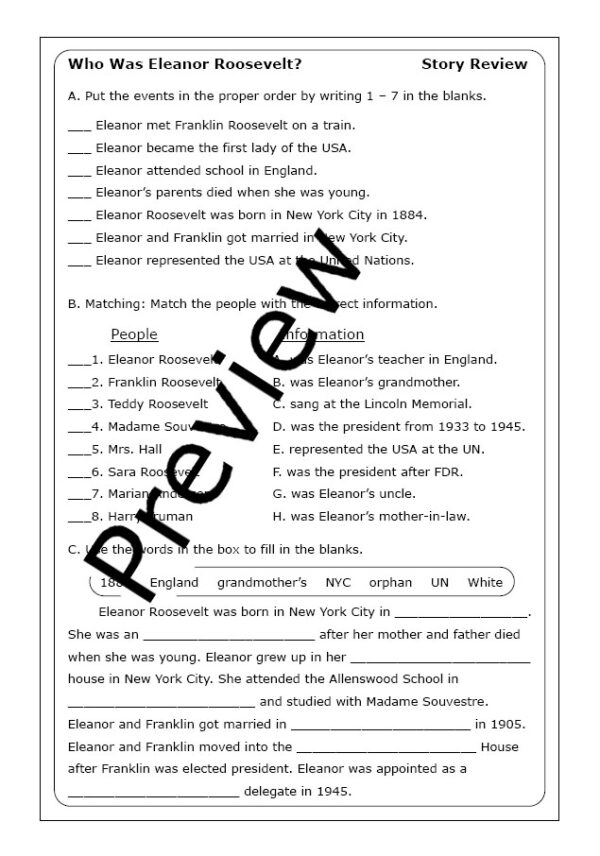
Born in 1884 to a prominent New York family, Eleanor grew up shy and uncertain. Her early life gave little hint of the activist she would become. When she married Franklin Delano Roosevelt in 1905, few expected her to become one of the most influential women in American history. Everything changed after Franklin contracted polio in 1921. As his political career advanced and his mobility declined, Eleanor became his eyes and ears, traveling across the country to speak on his behalf.
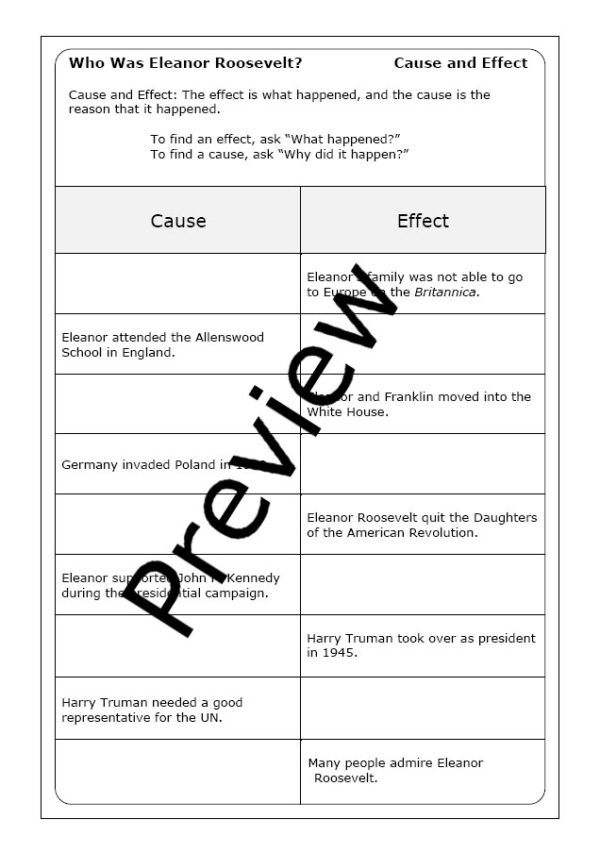
During Franklin’s presidency from 1933 to 1945, Eleanor redefined the First Lady role entirely. She held her own press conferences, wrote a daily newspaper column called “My Day,” and traveled constantly to meet ordinary Americans. She championed civil rights at a time when doing so was deeply unpopular. She resigned from the Daughters of the American Revolution when they refused to let Black pianist Marian Anderson perform at Constitution Hall. These actions cost her politically, but she refused to compromise.
In 1945, after Franklin’s death, Eleanor accepted appointment as a U.S. delegate to the United Nations. She played a central role in drafting the Universal Declaration of Human Rights, adopted in 1948. This document established basic rights for all people worldwide. Her vocabulary for discussing human dignity and equality shaped international conversation for decades.
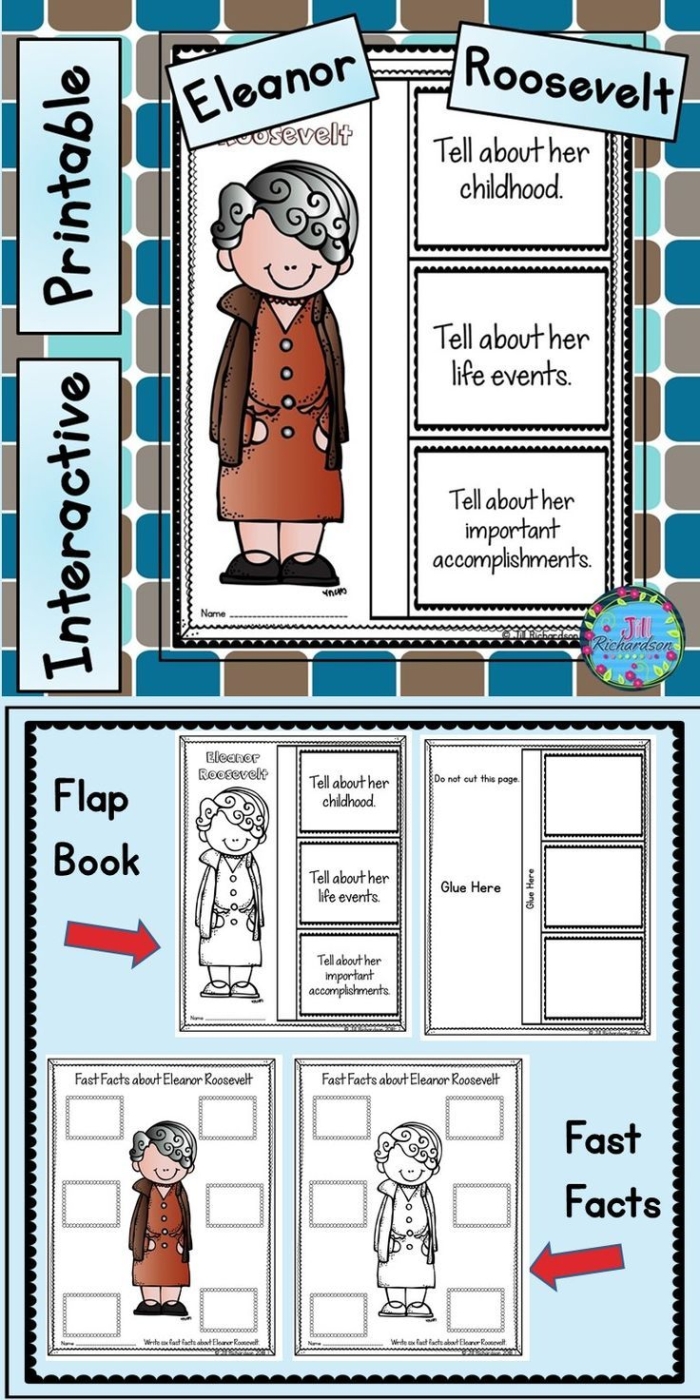
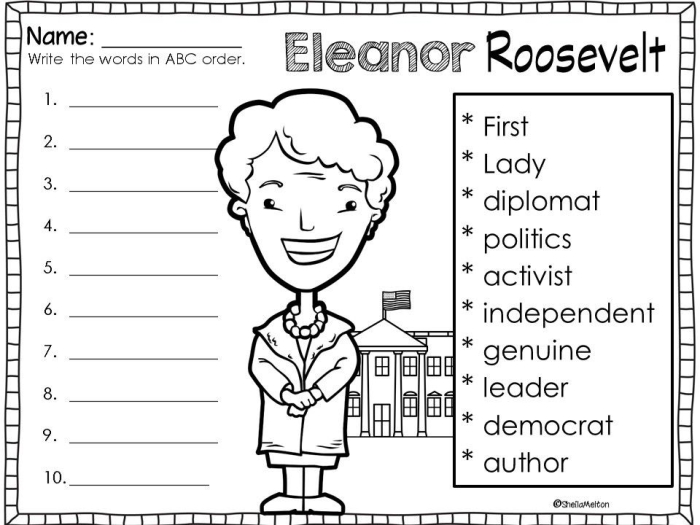
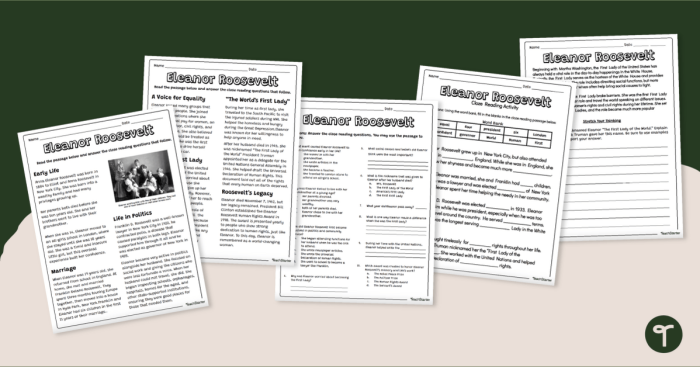
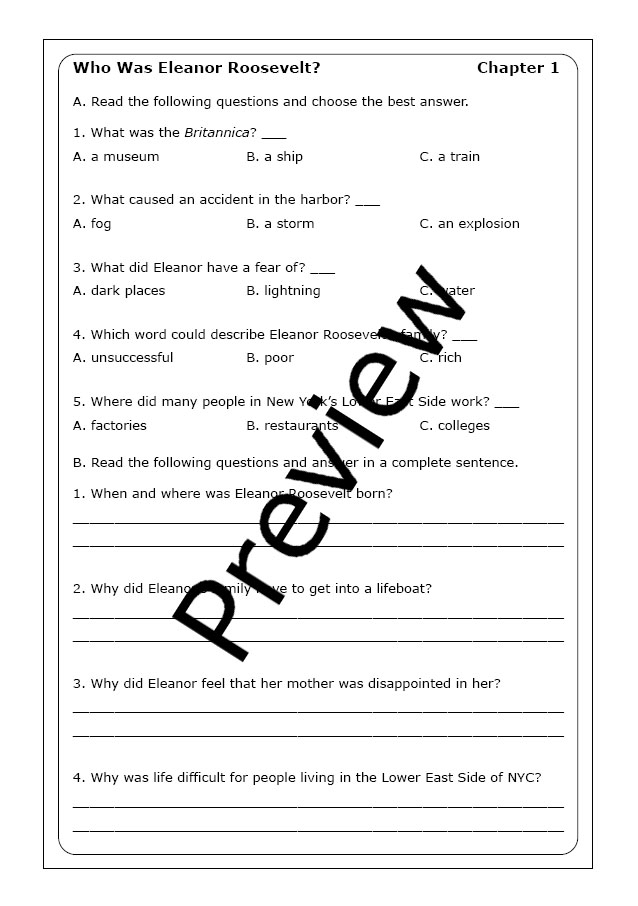
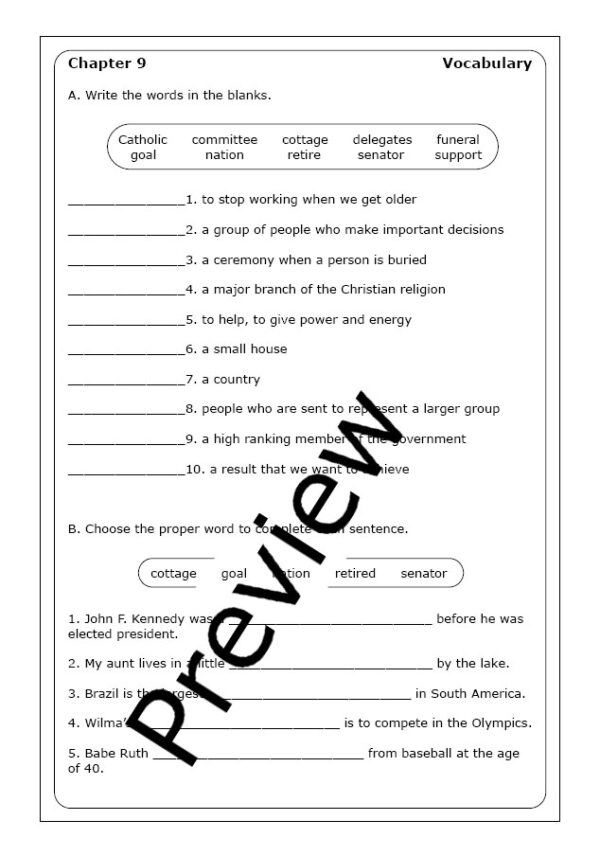
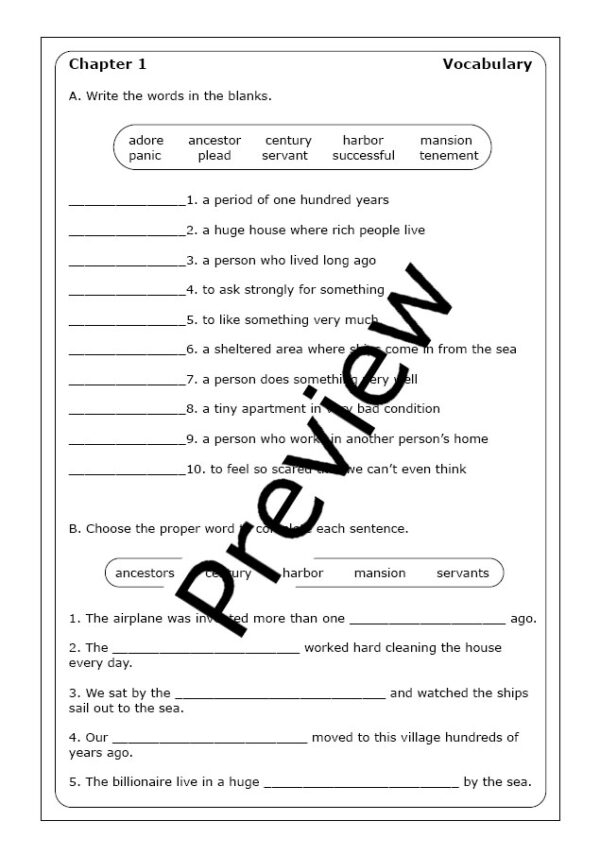
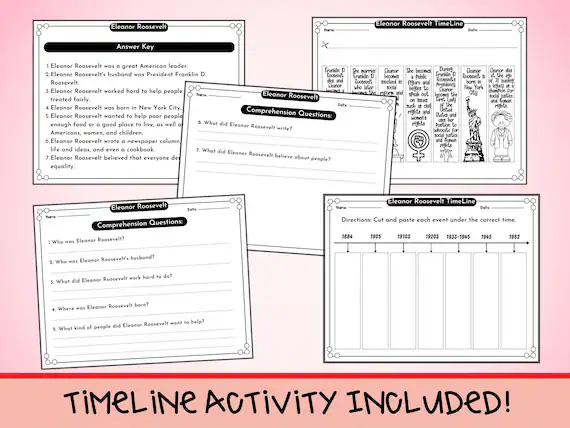
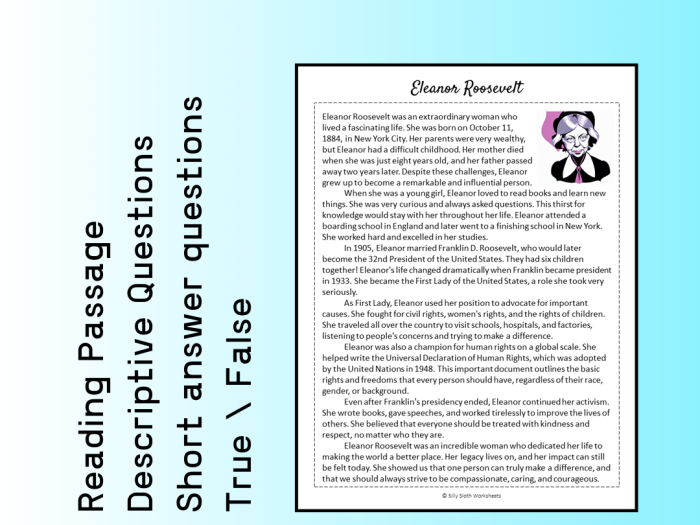
For fourth grade students exploring historical figures, Eleanor Roosevelt demonstrates how one person’s determination can create lasting change. Teachers can use resources like worksheets on pronouns and point of view to help students analyze her speeches and writings. Understanding Eleanor’s life builds vocabulary and critical thinking skills while introducing young learners to real heroism.
Try These Printable Worksheets