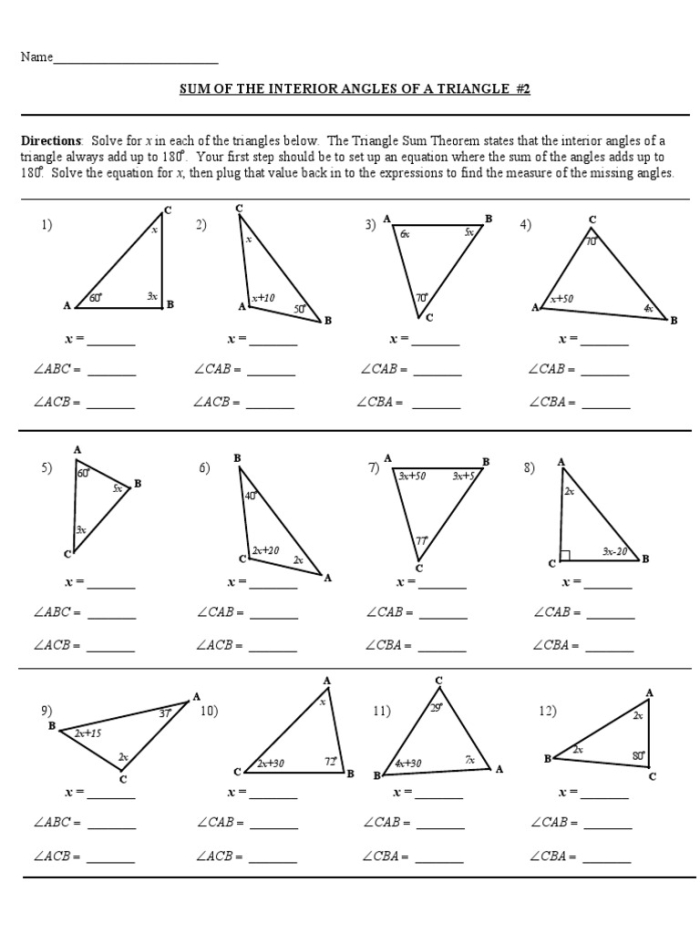
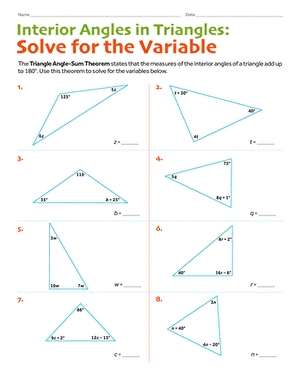
Understanding how to work with angles in triangles is a fundamental skill for eighth-grade students. One of the key tools in this area is the Triangle Angle-Sum Theorem. This theorem states that the sum of the interior angles of a triangle always equals 180 degrees. When students encounter triangles where two or more angle measures are expressed as linear algebraic expressions, the theorem becomes particularly useful.
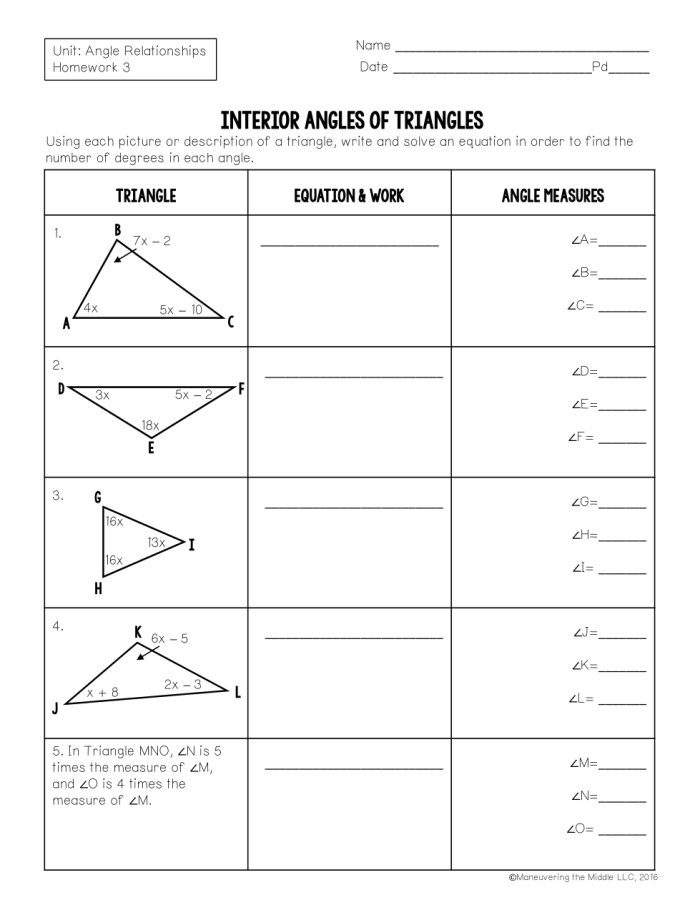
Imagine a triangle where one angle measures 2x + 10 degrees and another angle measures 3x – 20 degrees. To find the value of x, students must first recognize that the sum of these angles, along with the third unknown angle, must equal 180 degrees. This leads to the equation:
(2x + 10) + (3x – 20) + (180 – (2x + 10) – (3x – 20)) = 180
By simplifying this equation, students can isolate the variable x. They combine like terms and solve step-by-step, ultimately gaining a clearer understanding of how algebra and geometry intersect. This hands-on approach not only reinforces their knowledge of algebraic expressions but also enhances their spatial reasoning skills.
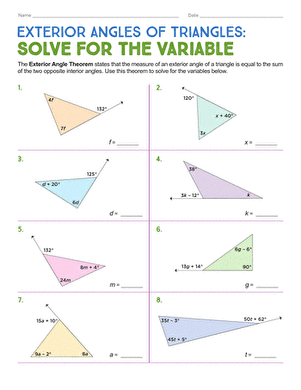
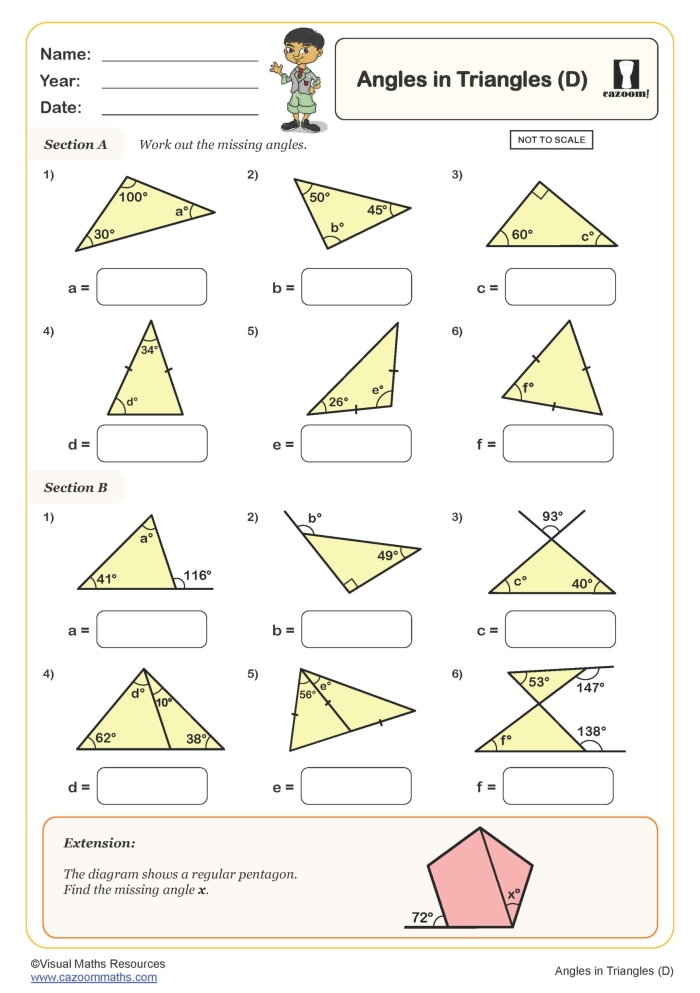
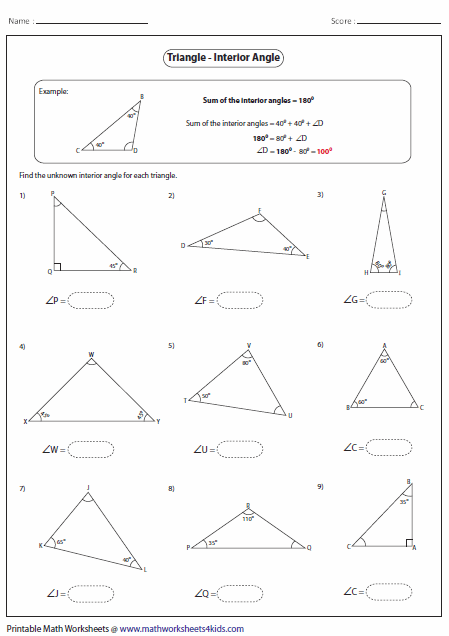
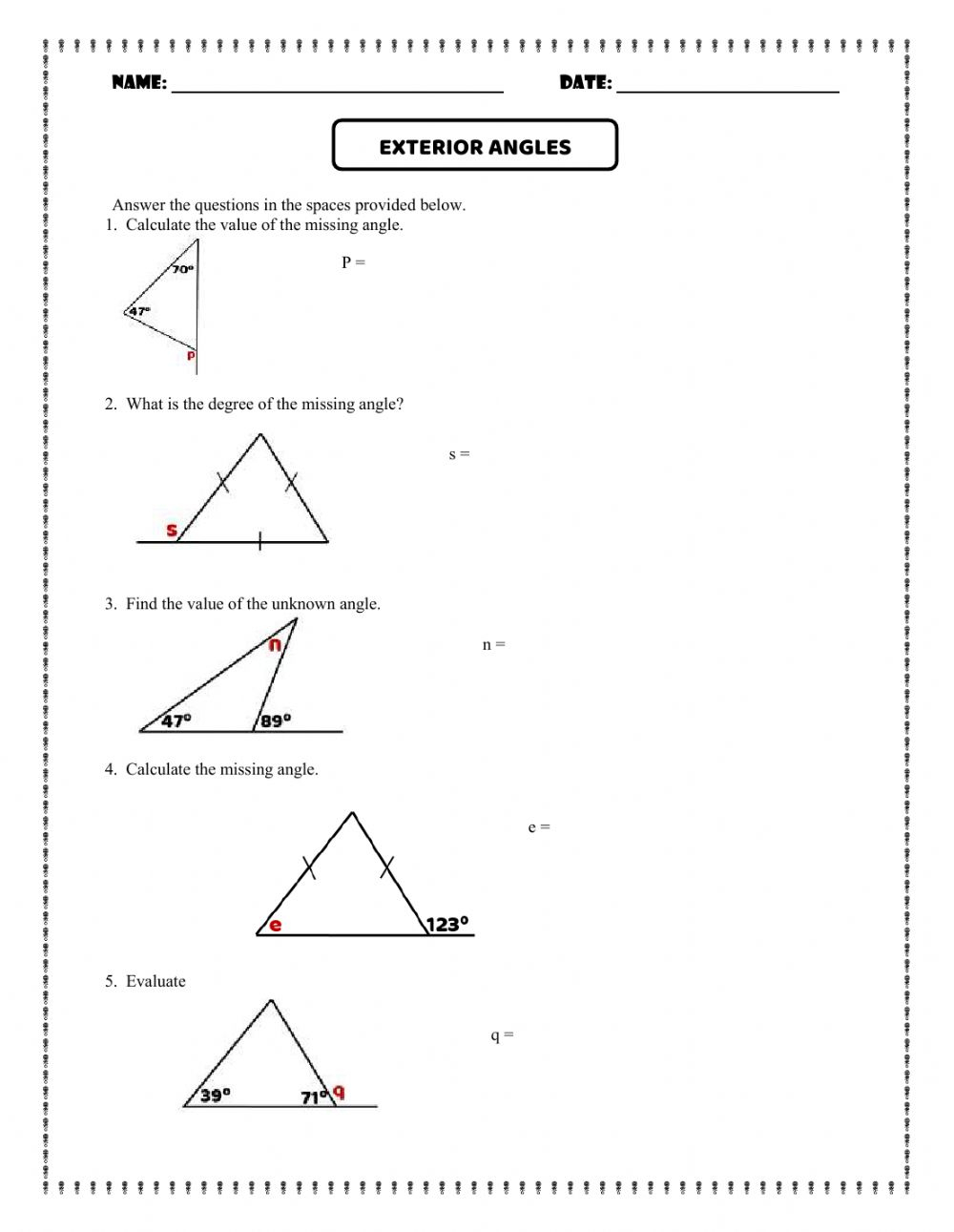
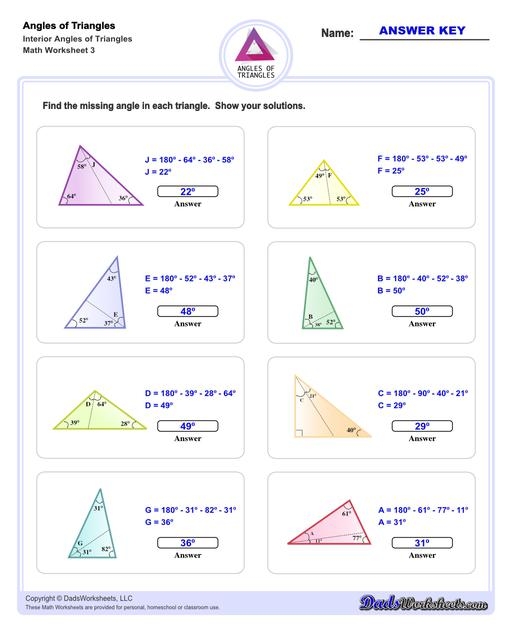
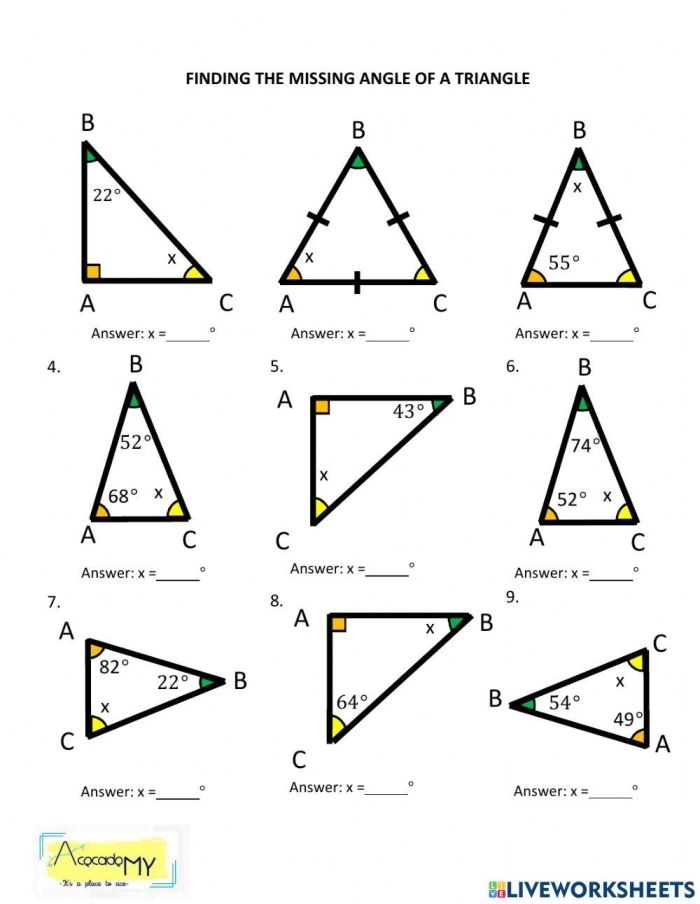
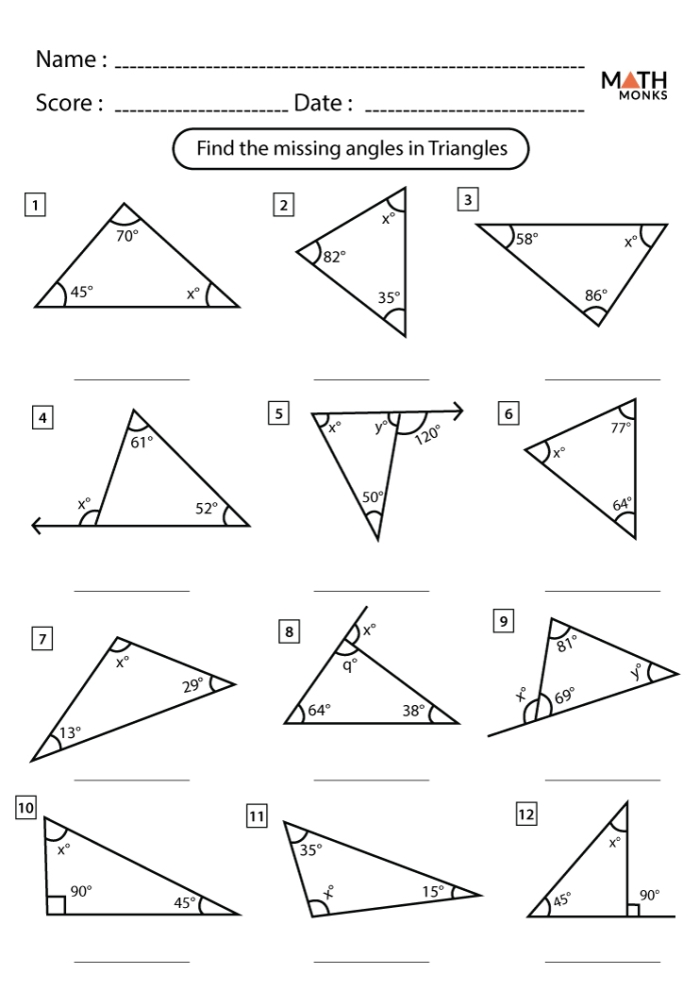
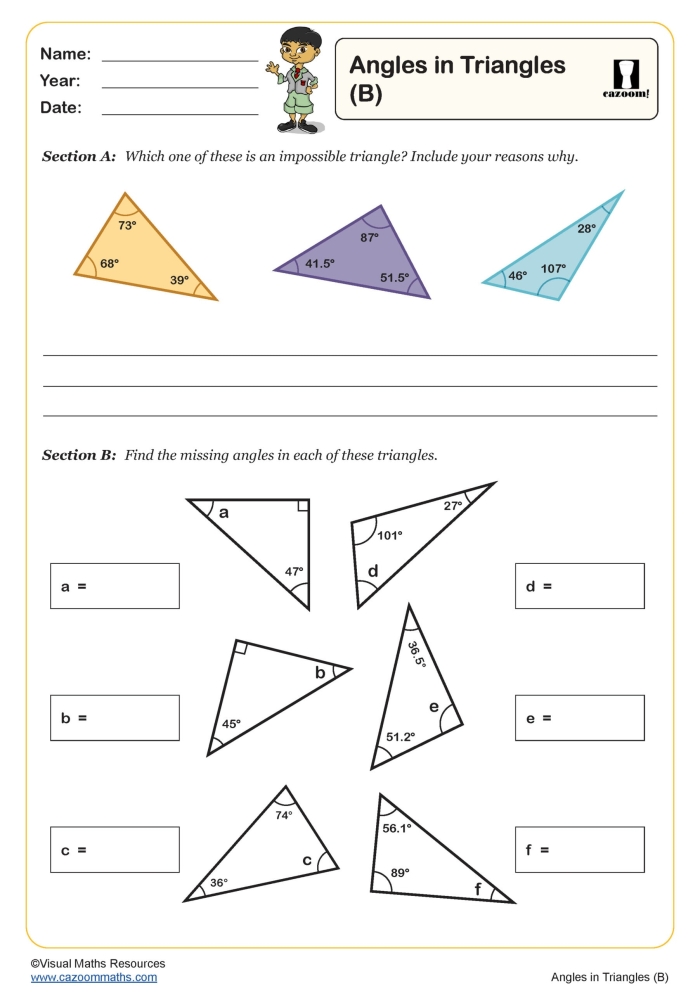
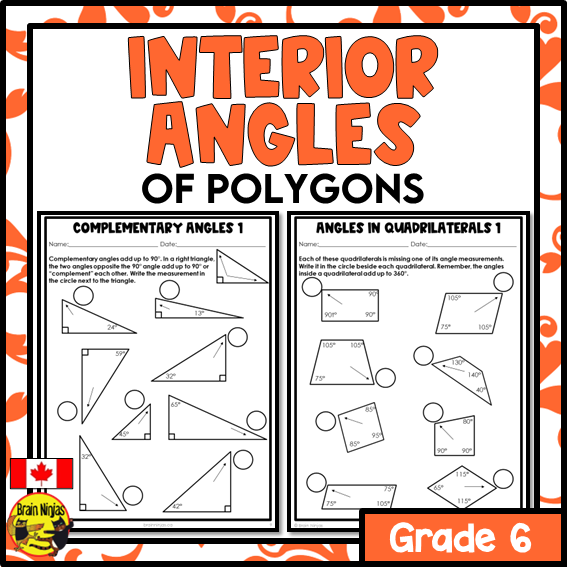
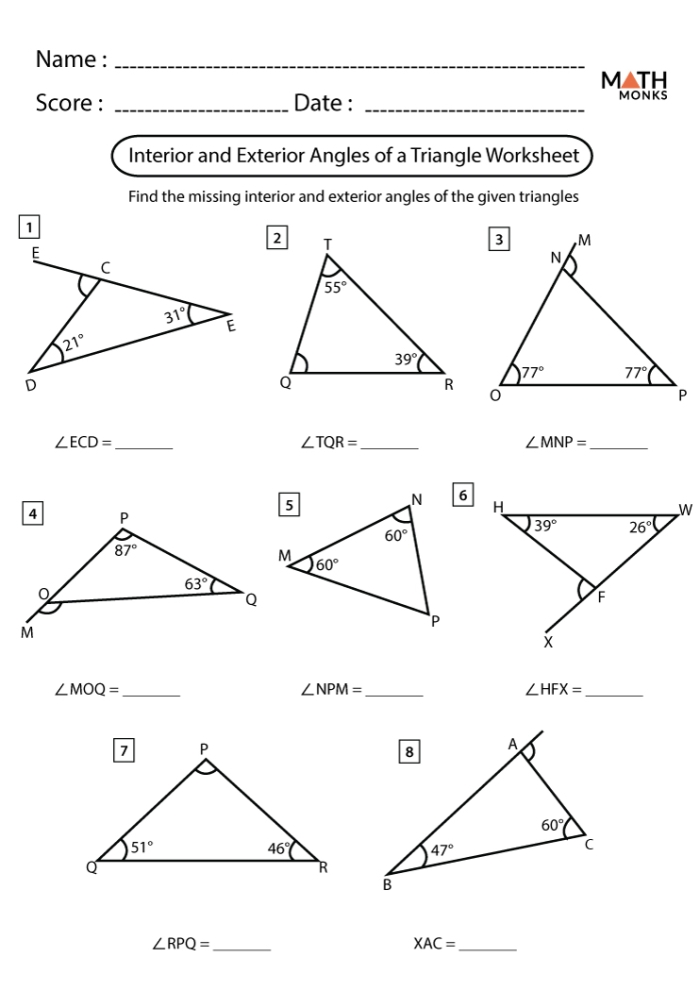
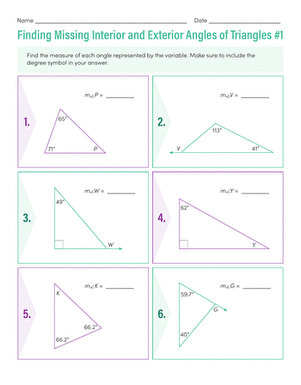
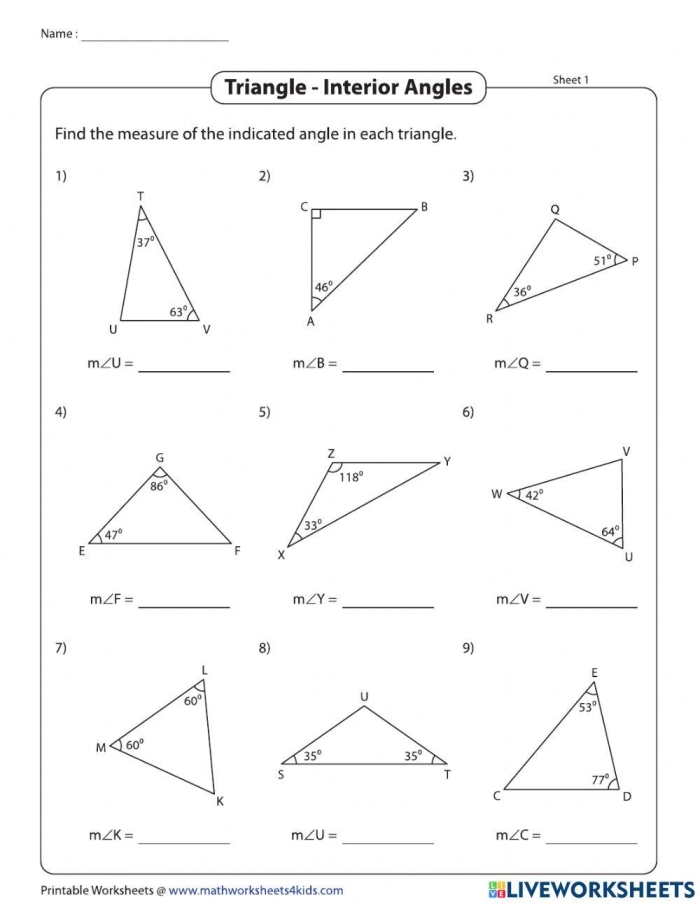
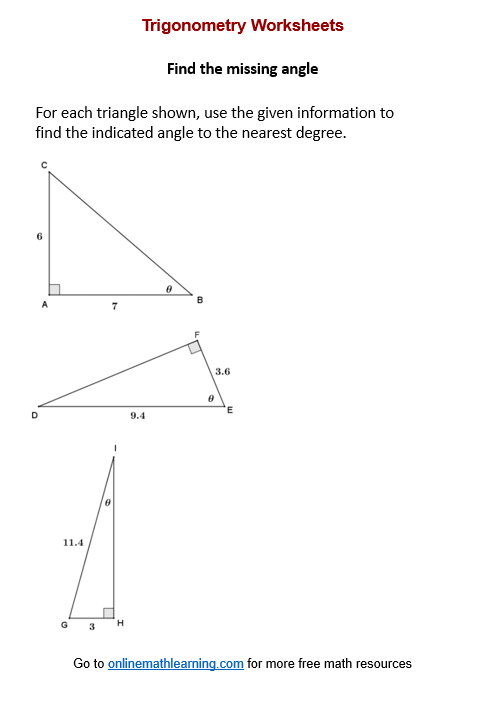
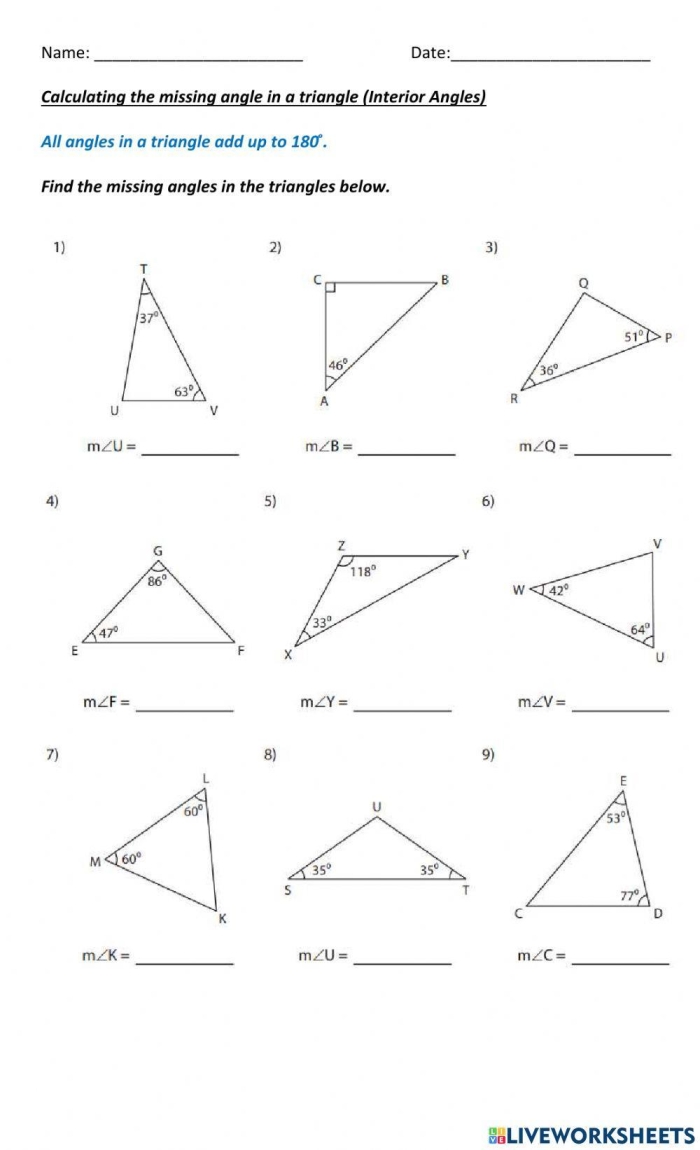
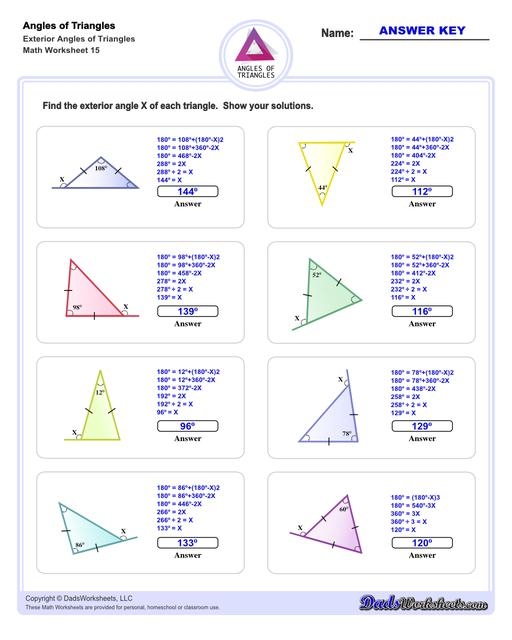
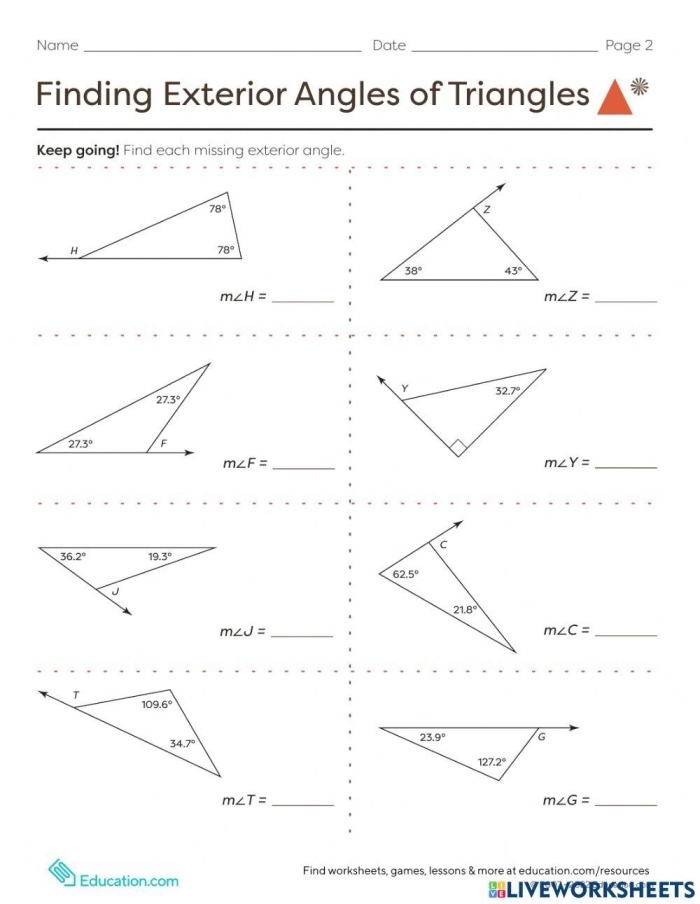
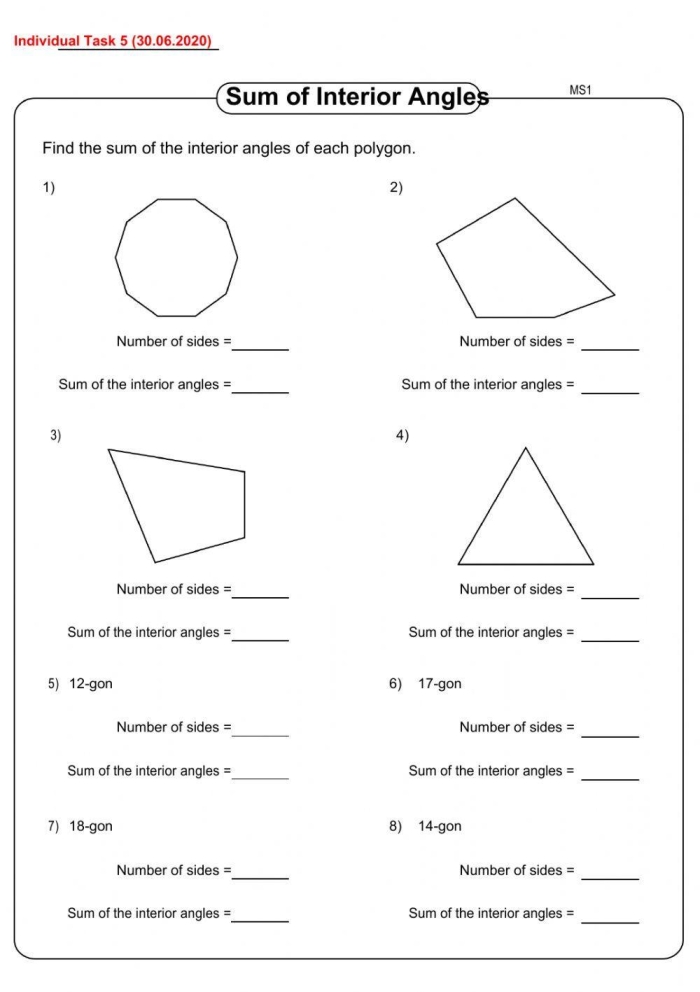
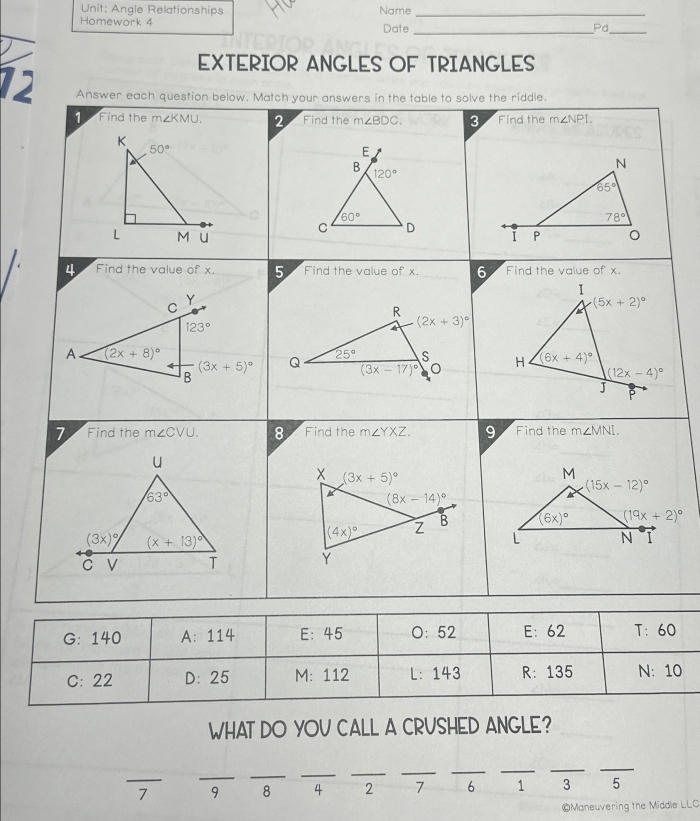
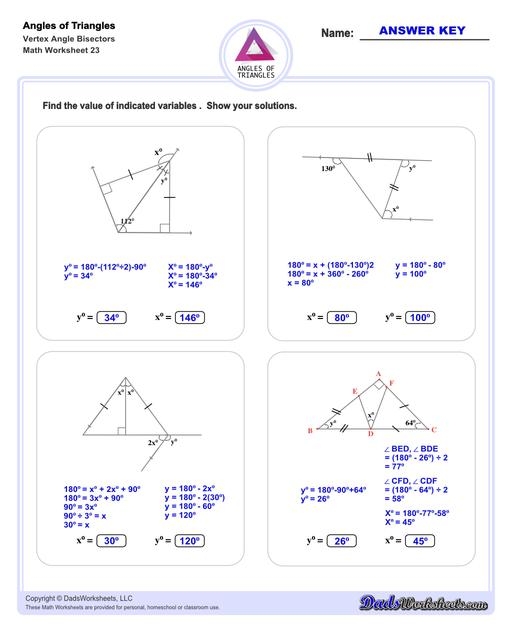
For those looking for more practice, there are many resources available, such as printable worksheets that focus specifically on solving for the variable in triangles using the Triangle Angle-Sum Theorem. These worksheets provide varied problems that help solidify the concepts learned in class. Engaging with these materials can make a significant difference in mastering the topic of interior angles in triangles.
As students continue to explore algebra and geometry, the ability to apply the Triangle Angle-Sum Theorem confidently will serve them well in their mathematical journey, especially in preparing for more advanced concepts in high school geometry.
Printable Worksheets for Practice