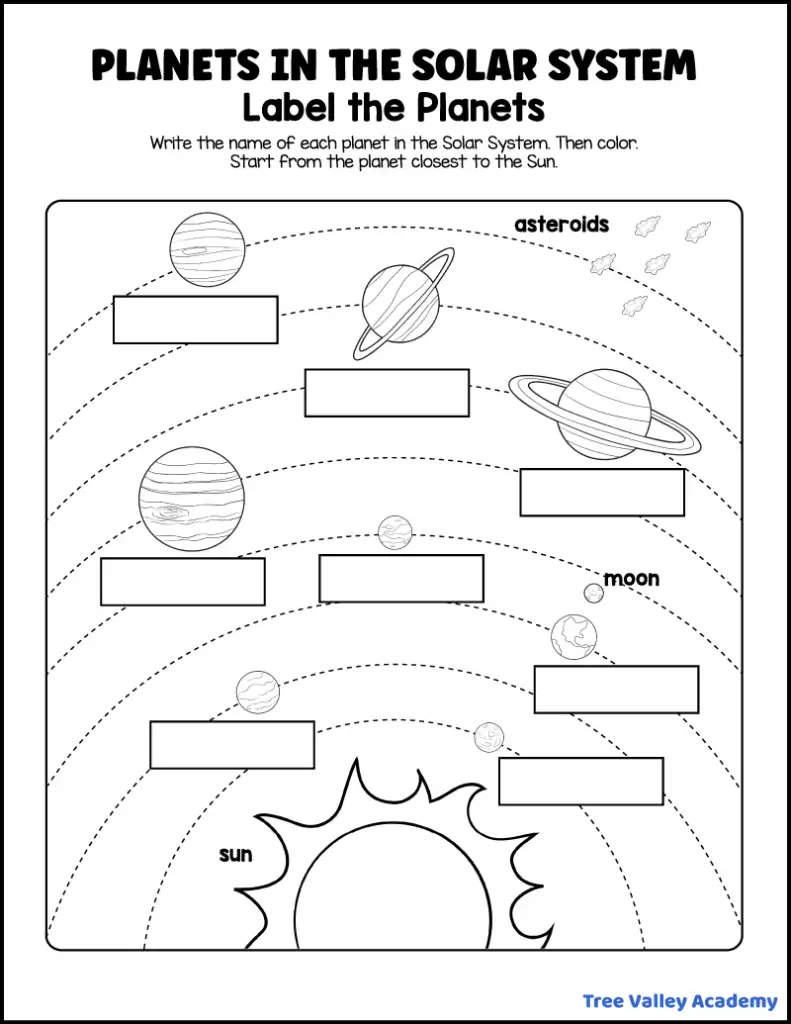
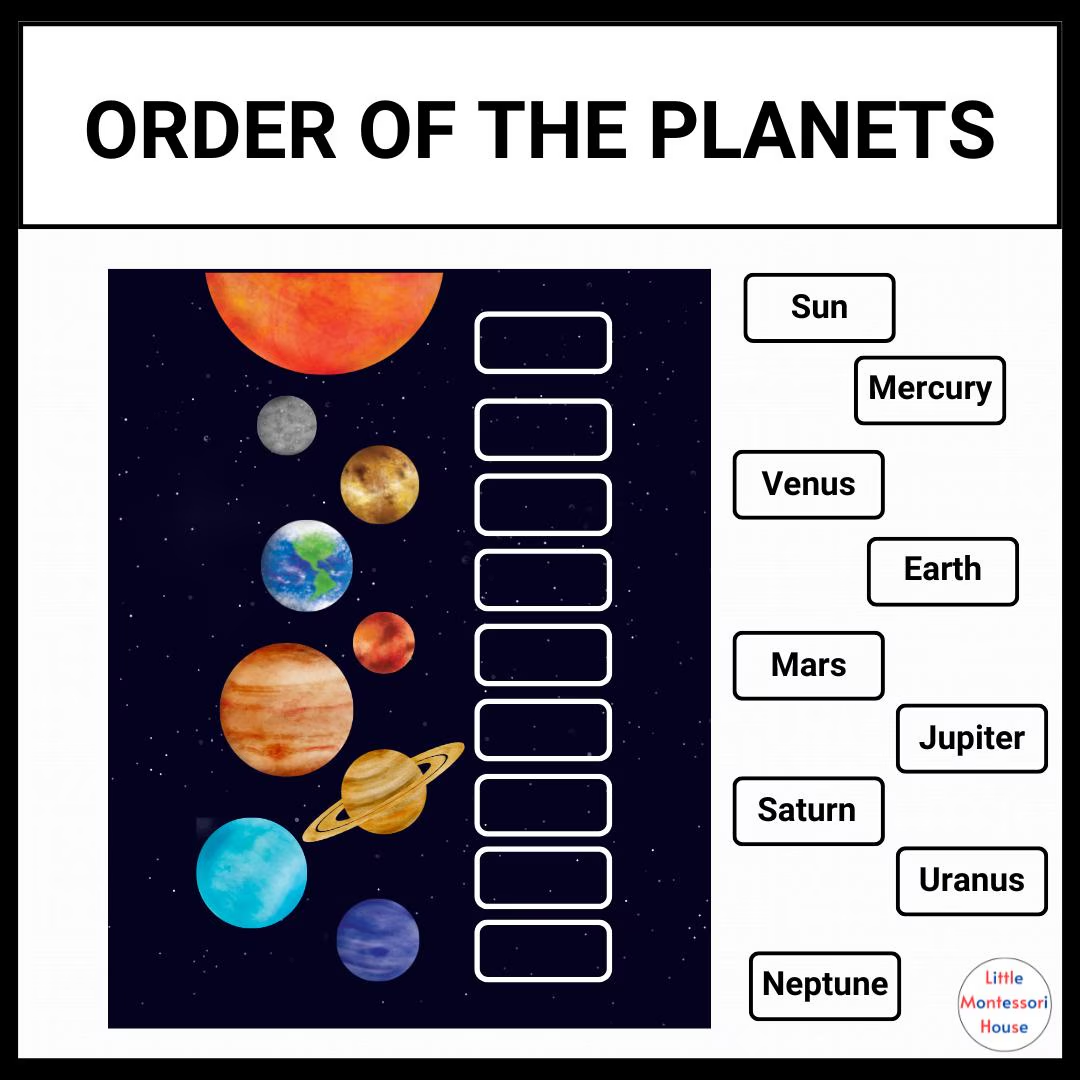
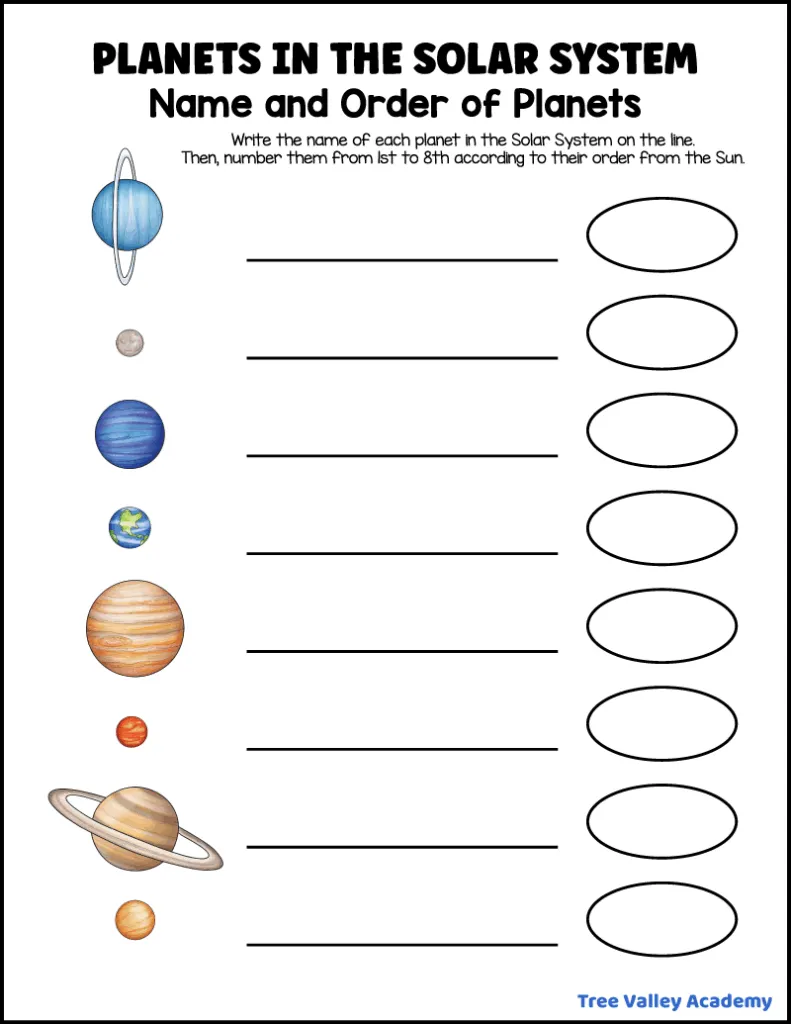
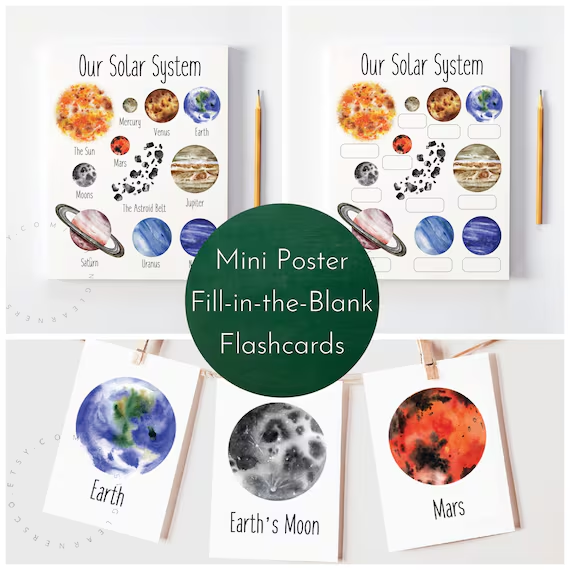
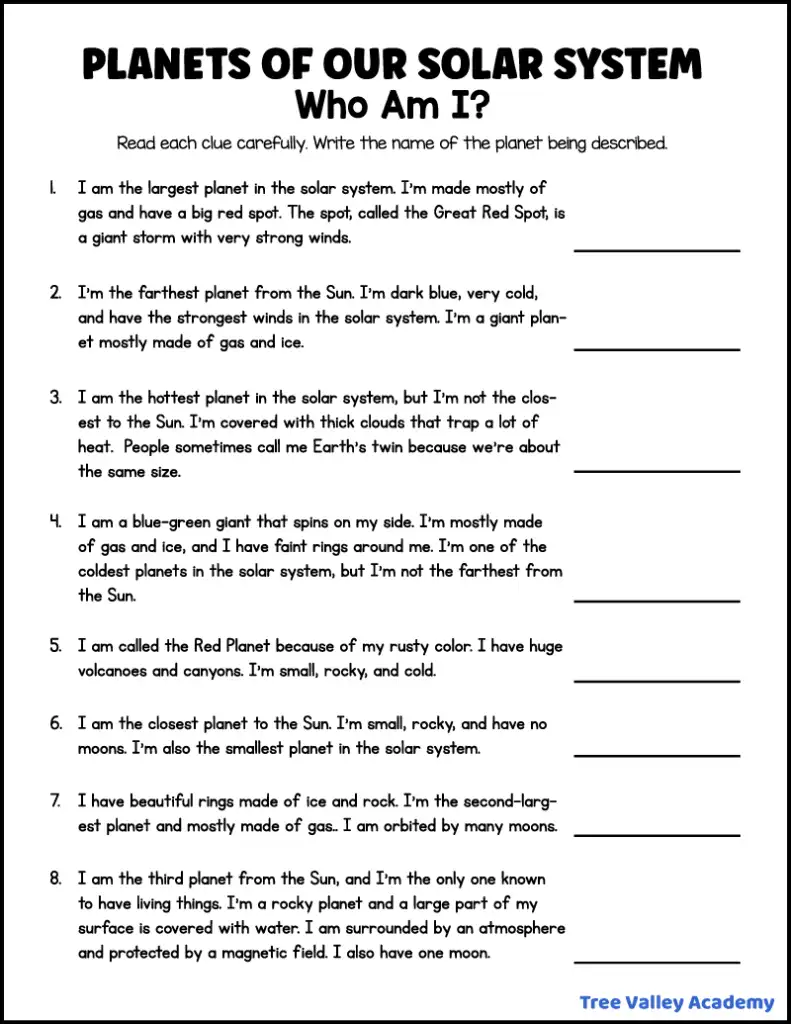
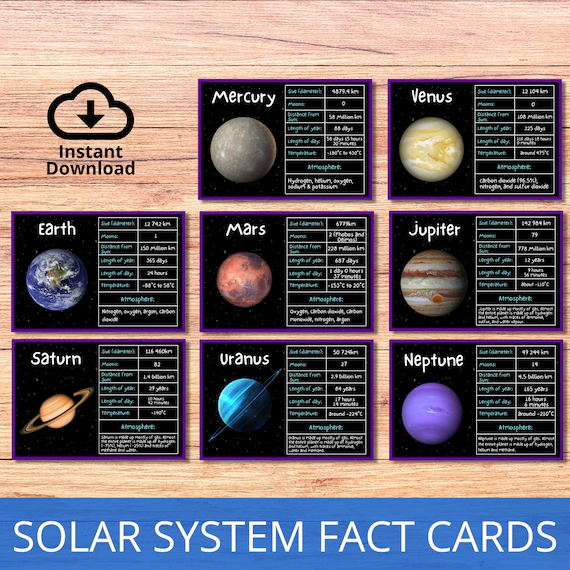
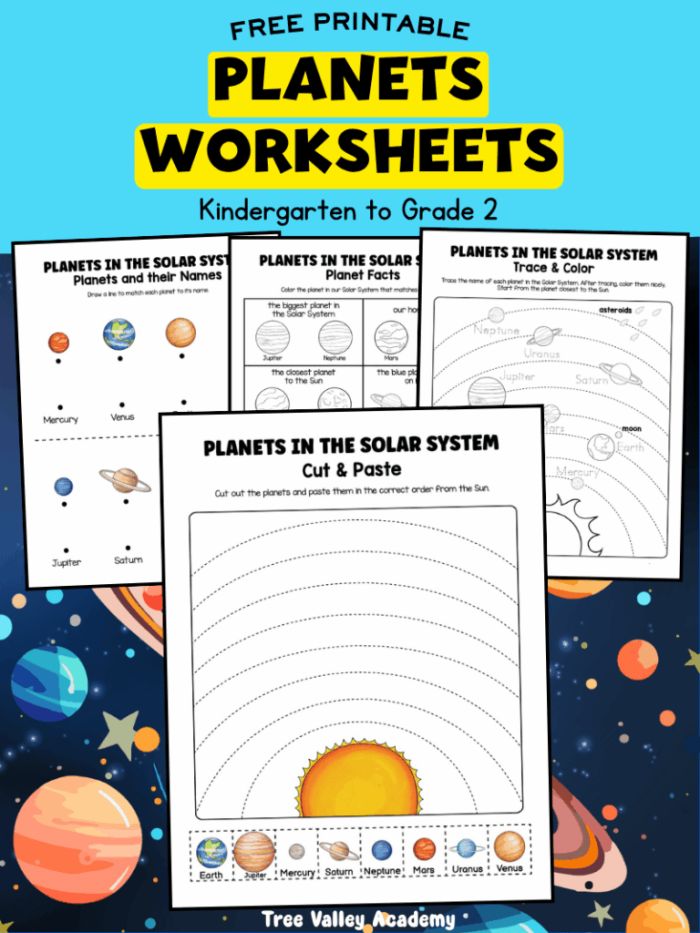
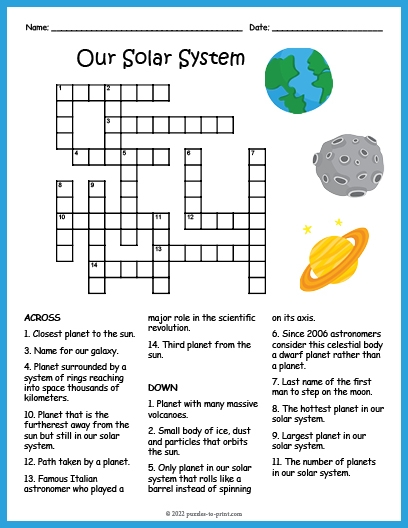
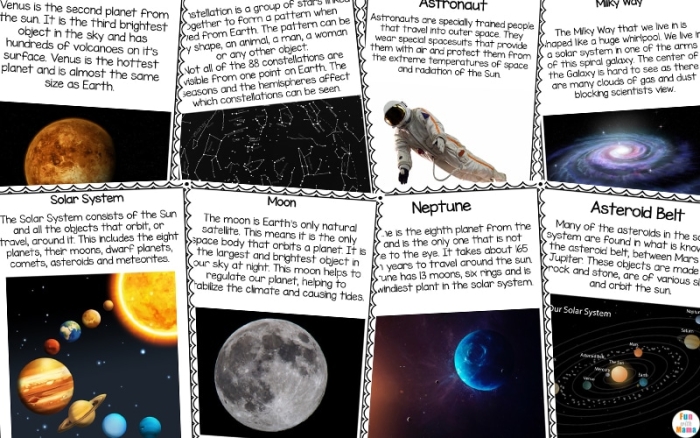
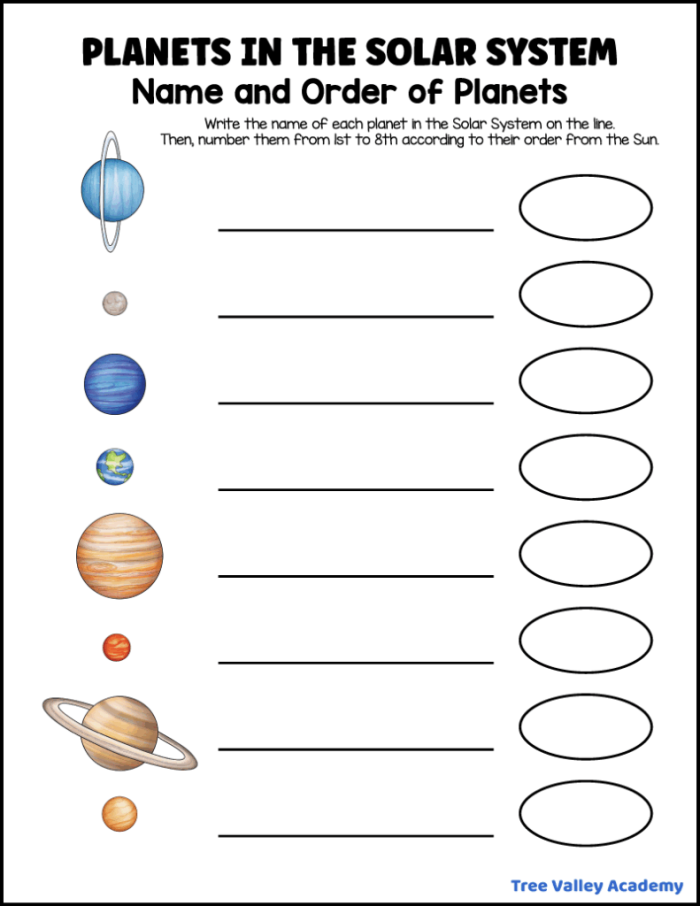
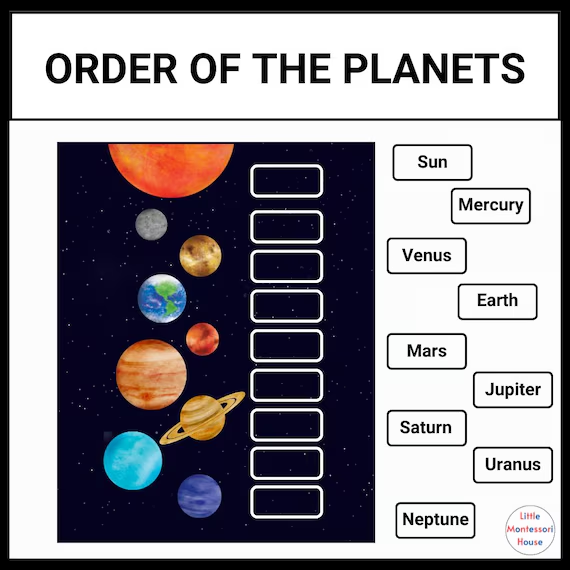
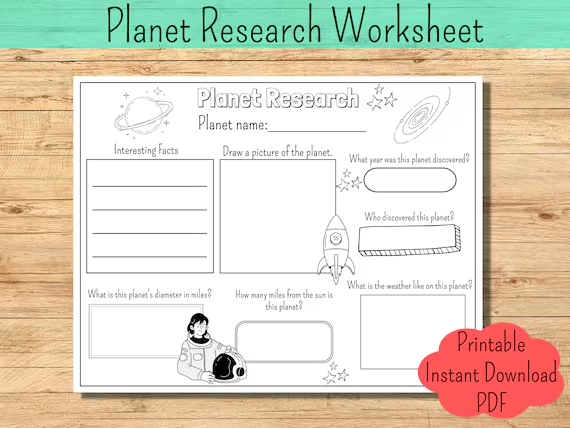
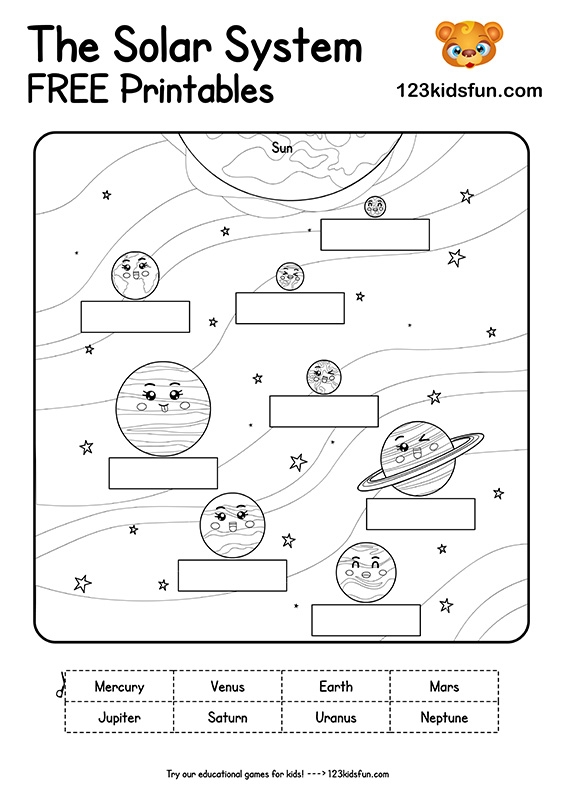
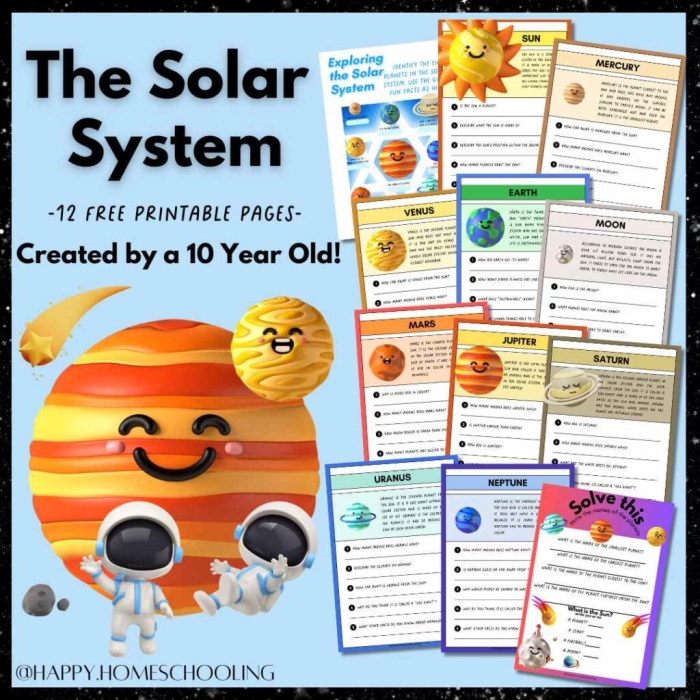
Getting third graders excited about space starts with helping them recognize and name the eight planets orbiting our sun. A visual worksheet makes this task immediate and concrete, letting kids see exactly where each planet sits in its orbit rather than just reading about distant, abstract concepts.
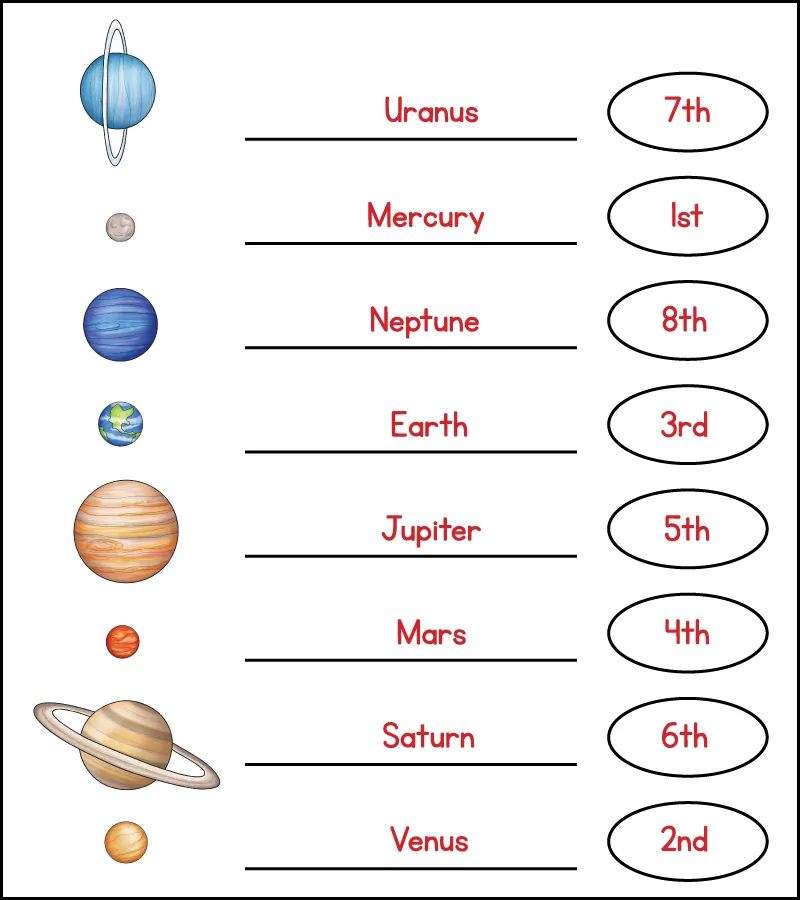
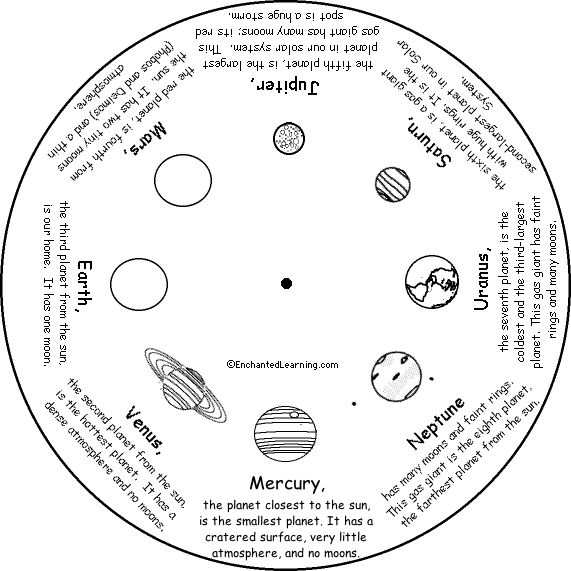
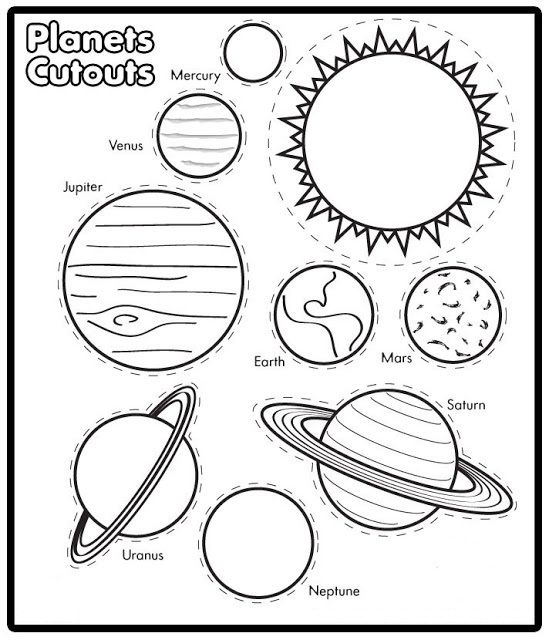
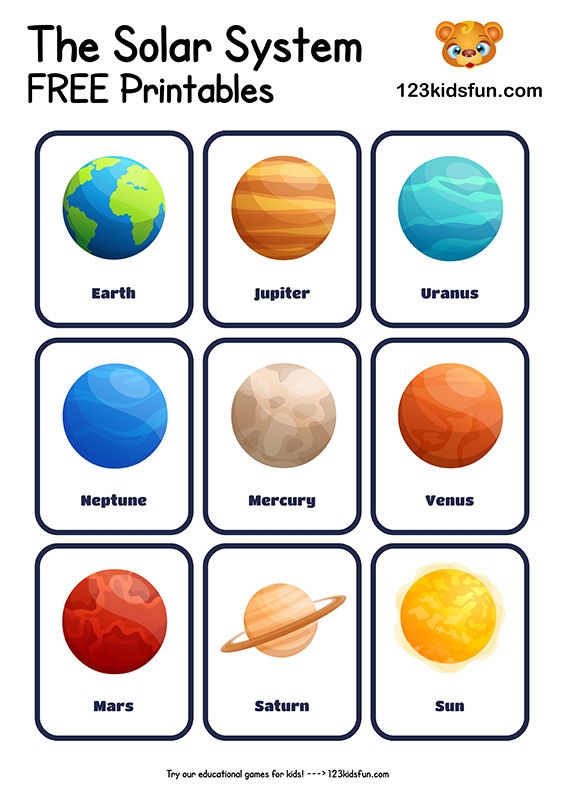
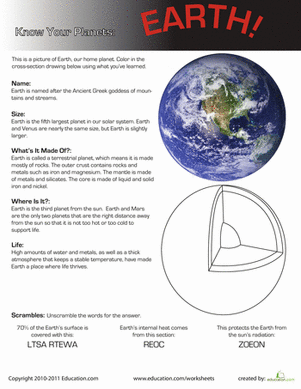
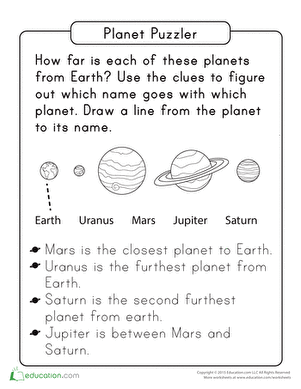
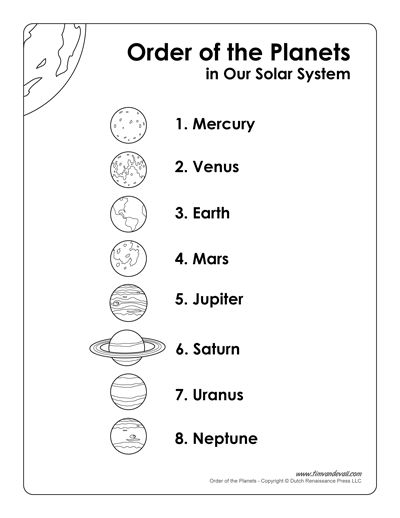
When children work through a planets in our solar system worksheet, they’re building foundational astronomy knowledge while practicing observation skills. The visual layout shows Mercury closest to the sun, then Venus, Earth, Mars, Jupiter, Saturn, Uranus, and Neptune in order. This arrangement helps kids understand that planets don’t float randomly through space but follow predictable paths. Many worksheets include simple illustrations that show size differences too, which is striking when kids realize Jupiter dwarfs Earth or that Saturn has those distinctive rings.
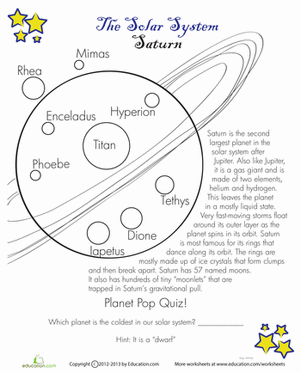
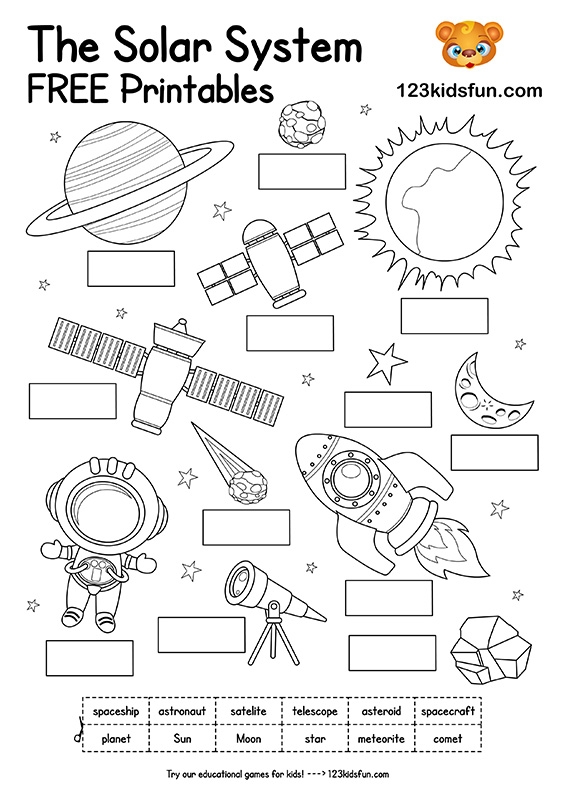
The labeling activity itself works as a memory exercise. After completing the worksheet once, children often find they can recall planet names without looking them up again. This repetition sticks better than passive reading because the act of writing or pointing to each planet engages their hands and attention simultaneously. Third grade is the ideal time for this kind of hands-on learning, when kids are developing stronger reading and writing skills but still benefit from visual aids.
You can extend this practice by pairing it with other third grade activities. After naming planets, children might enjoy similar visual identification tasks, like identifying parallelograms in geometry or animal onomatopoeias in language arts. These complementary worksheets reinforce the same observational and naming skills across different subjects.
Keep the worksheet accessible and encourage your child to try naming the planets from memory first, then check their work. This builds confidence and makes learning feel like a discovery rather than a test.
Try These Printable Worksheets