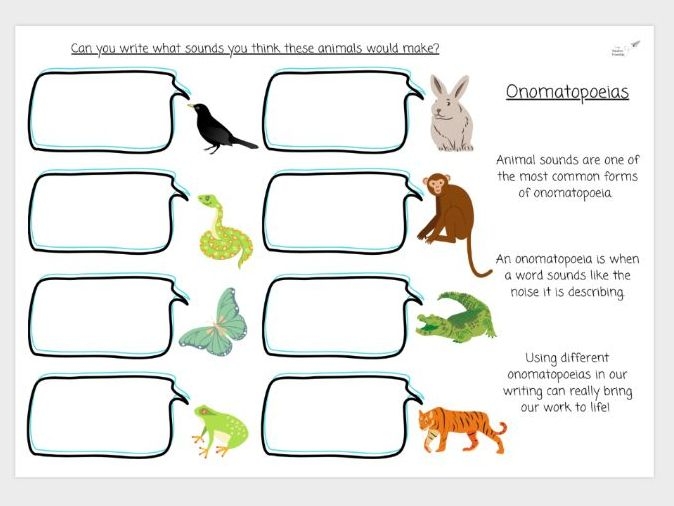
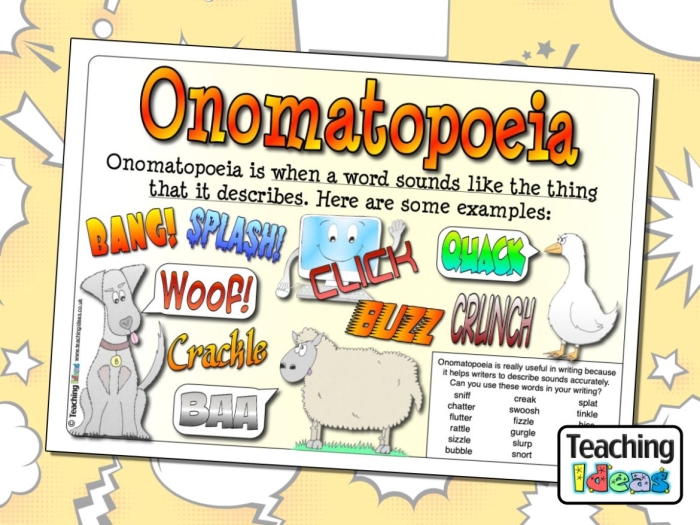
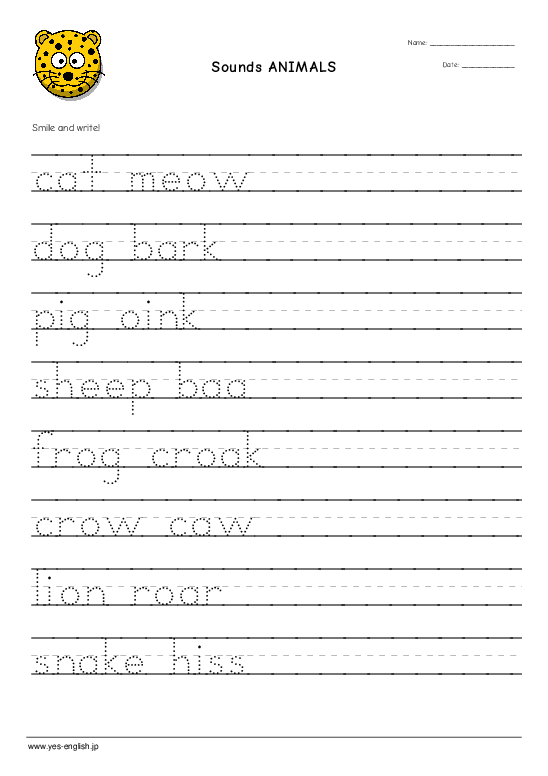
Have you ever noticed how the sounds animals make can be captured in words? These special words are called onomatopoeias, and they mimic the sounds associated with various animals. For example, when you think of a dog barking, the word “woof” comes to mind. Similarly, a cat’s meow is simply described as “meow.” These words not only enrich our language but also make learning fun, especially for third graders just starting to explore the world of sounds.
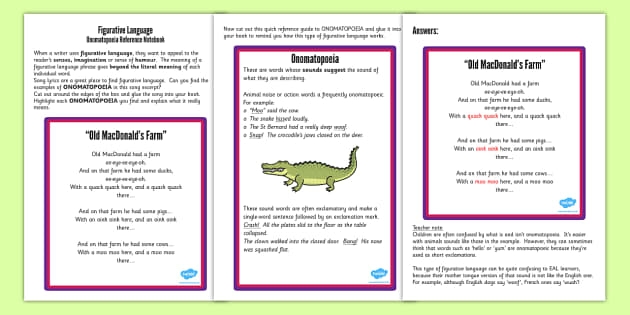
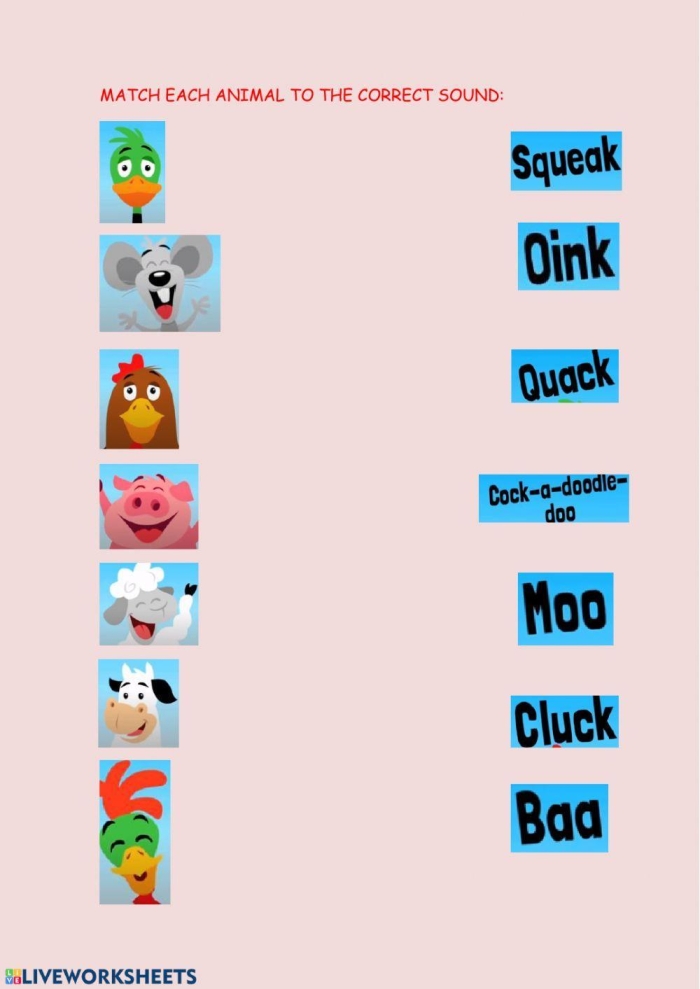
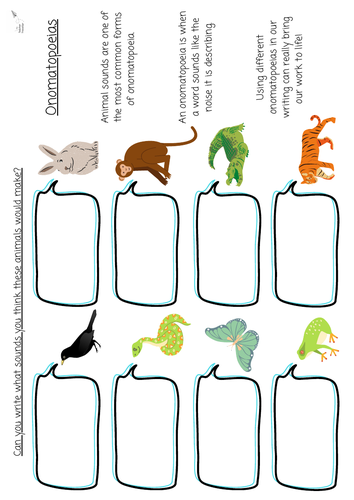
Animal onomatopoeias are a fantastic way to engage young learners. They help children connect sounds with the animals they represent, making language more relatable. Using playful words like “quack” for ducks or “oink” for pigs, kids can easily remember the sounds and the animals that make them. This connection enhances their vocabulary while providing a fun learning experience.
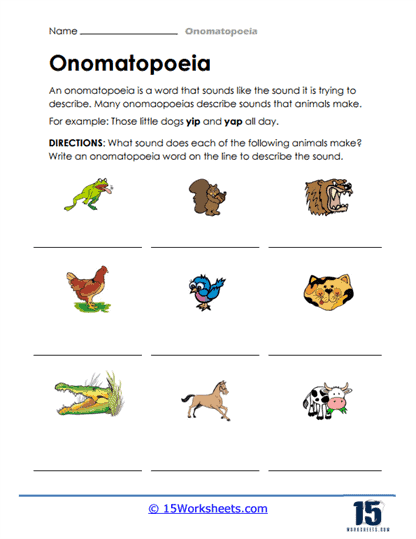
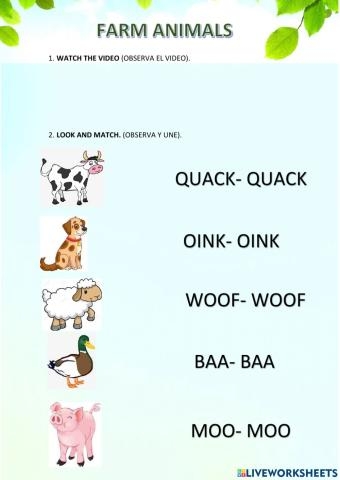
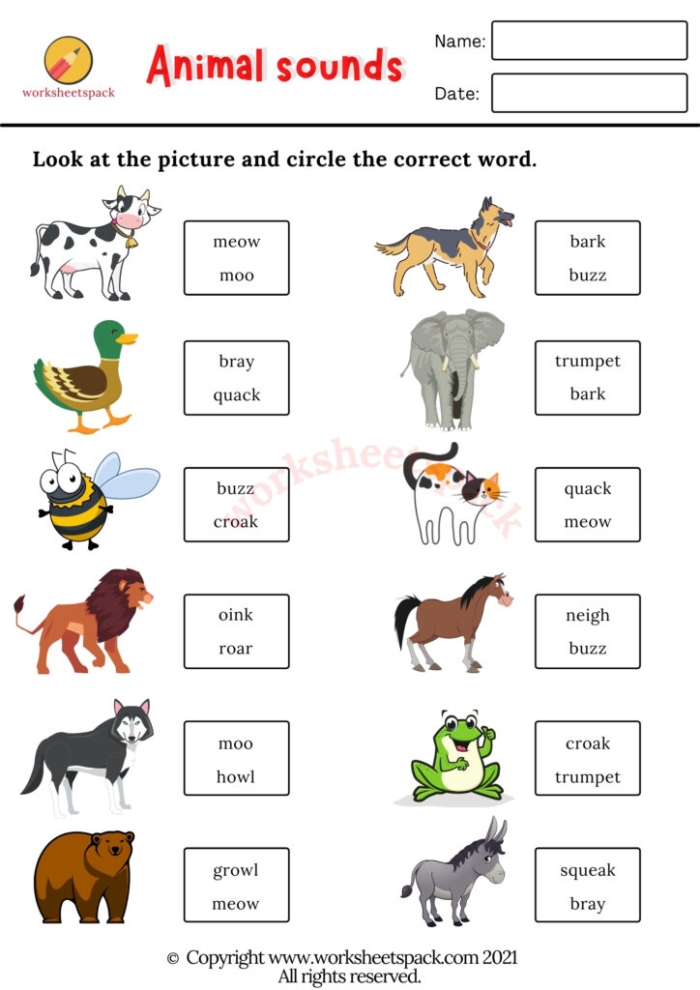
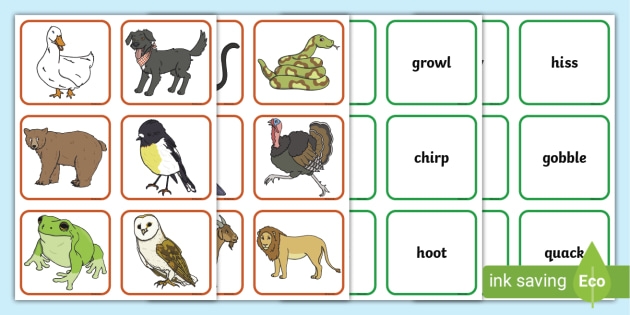
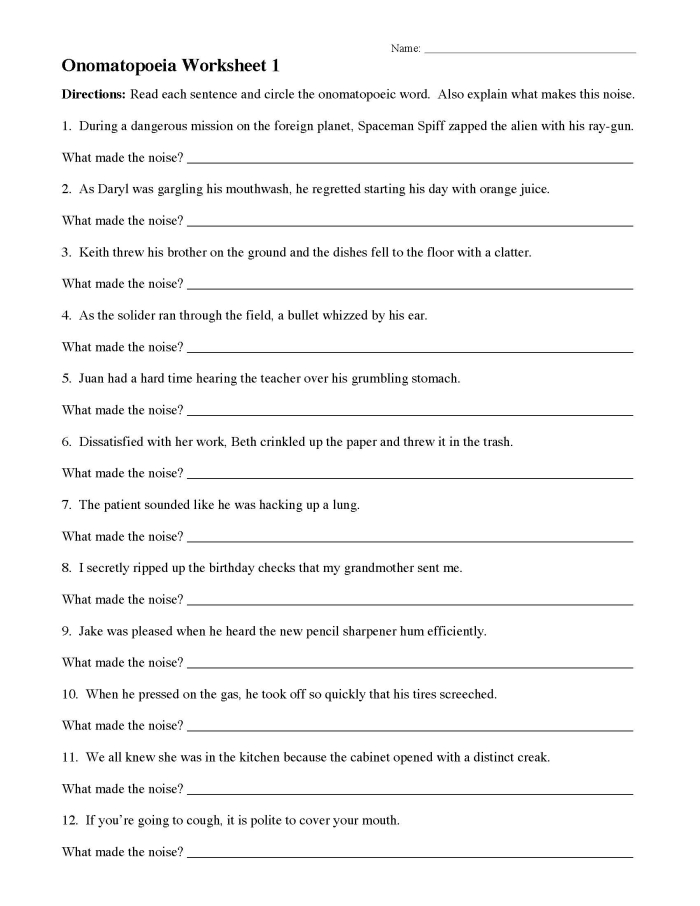
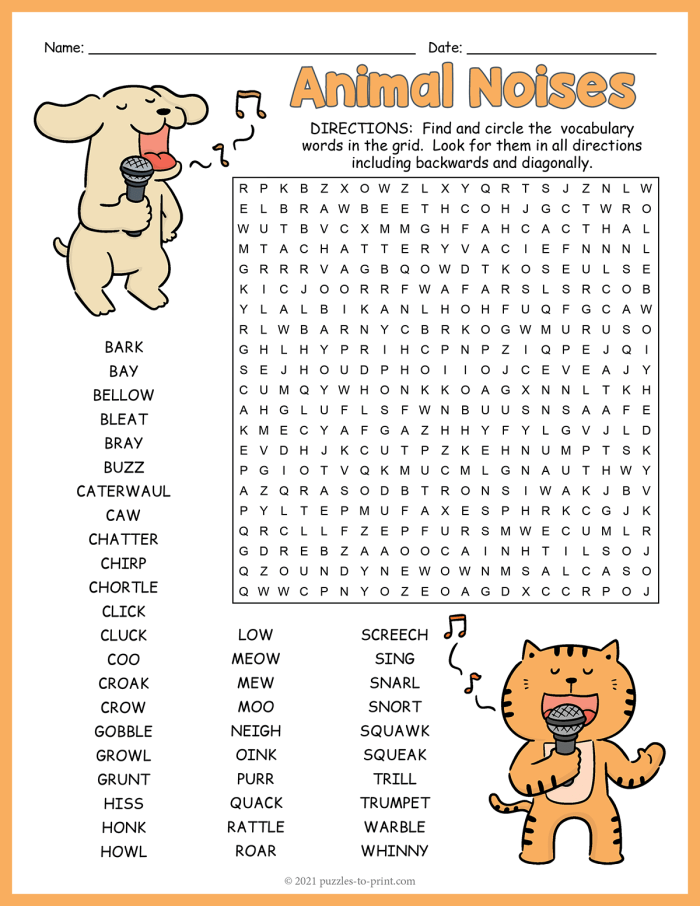
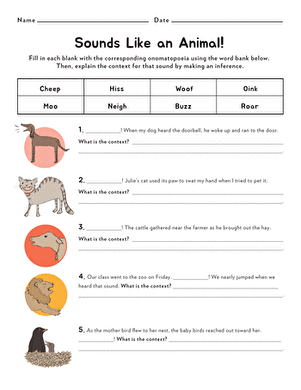
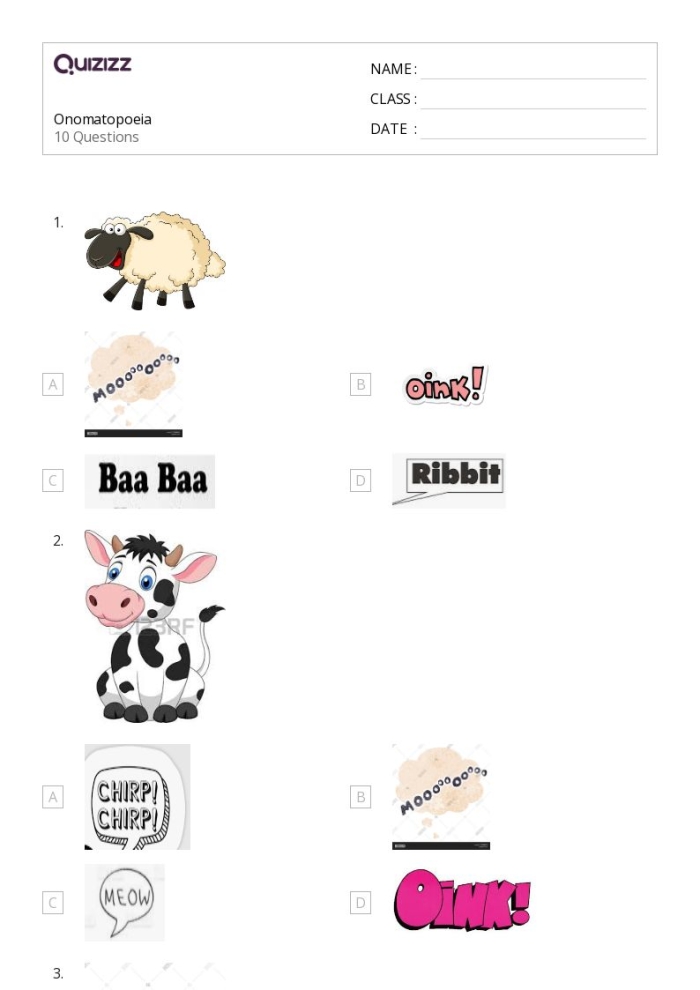
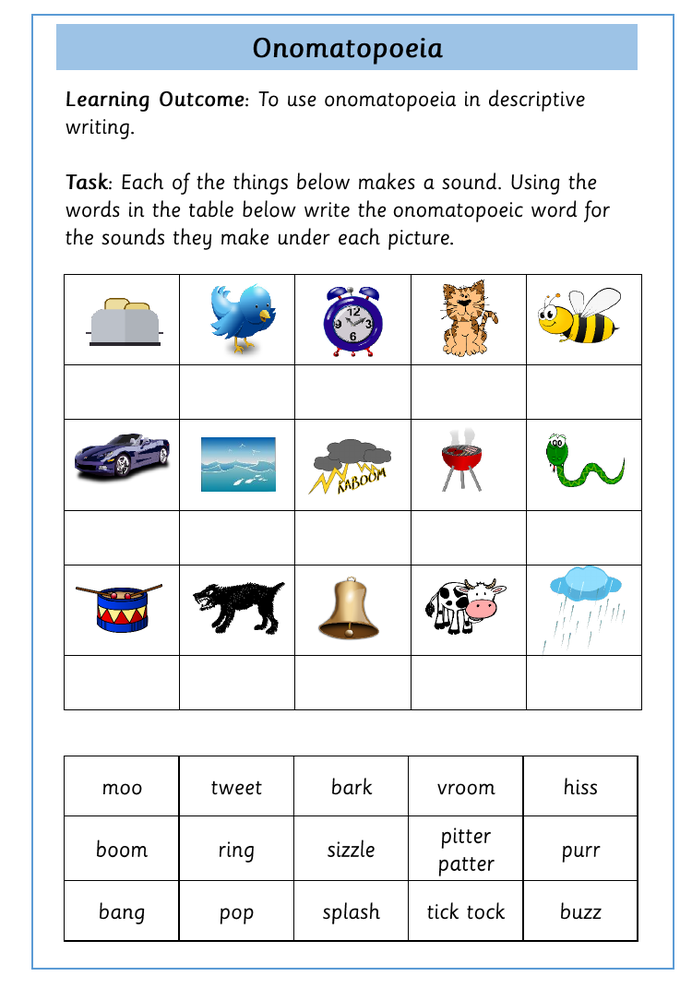
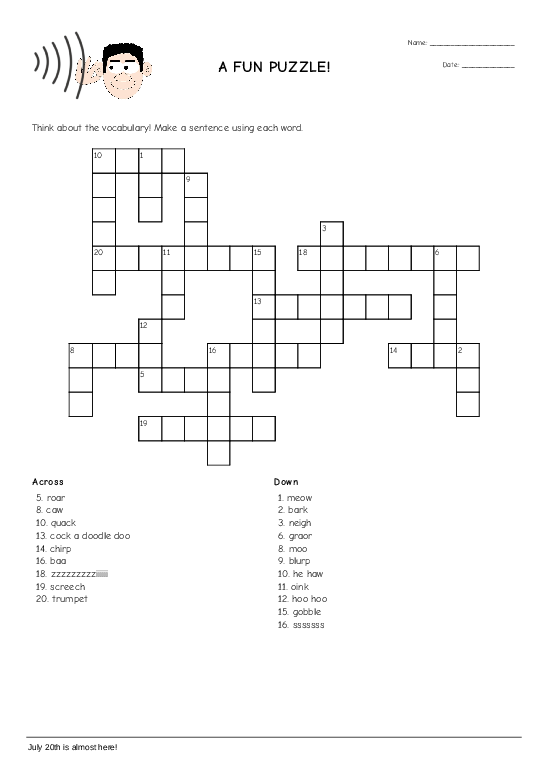
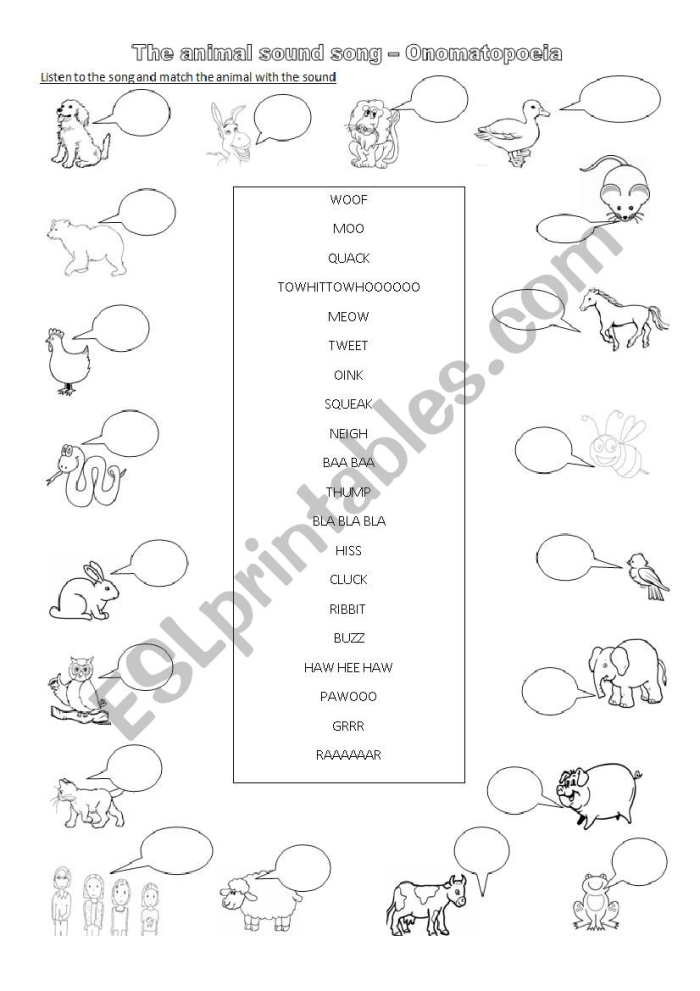
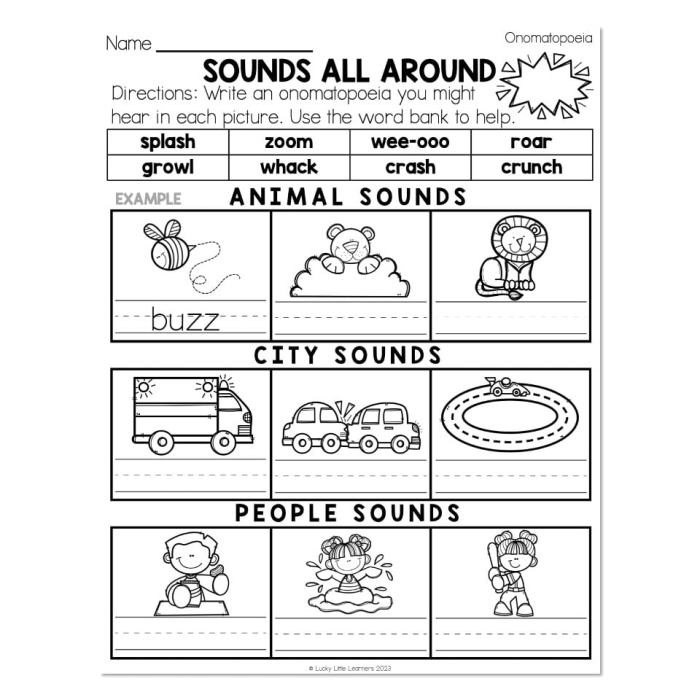
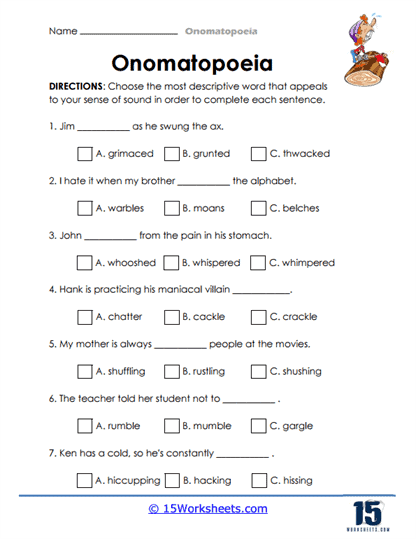
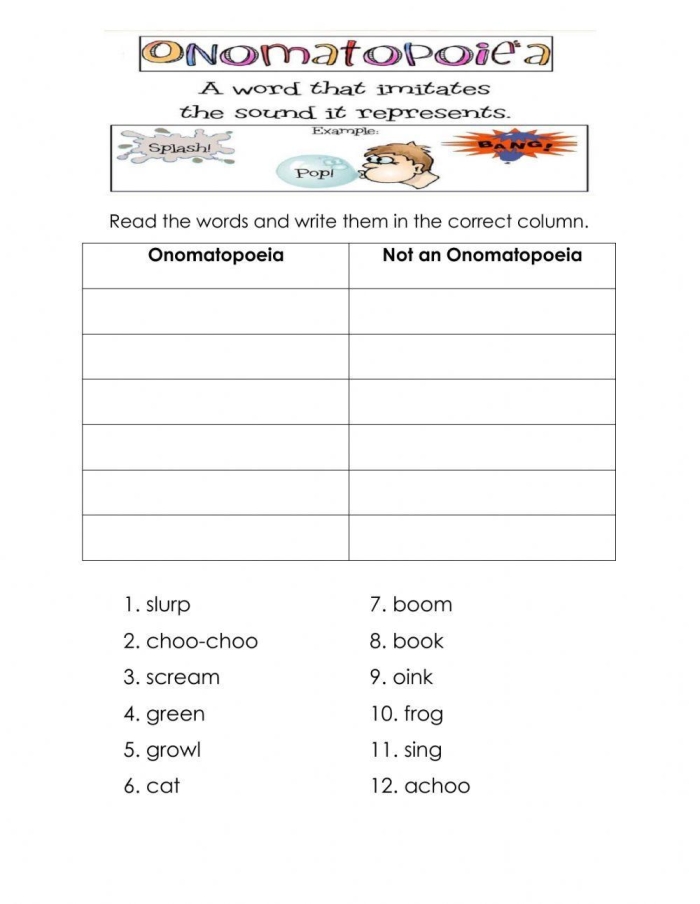
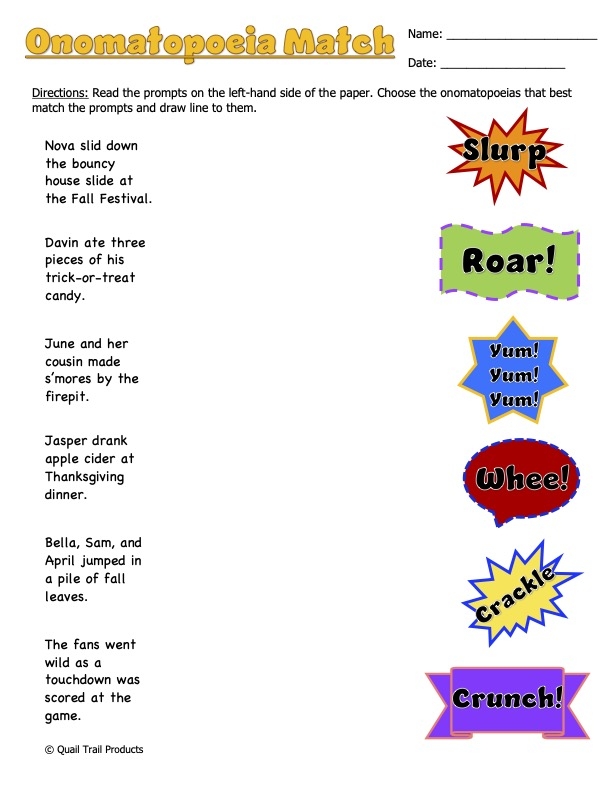
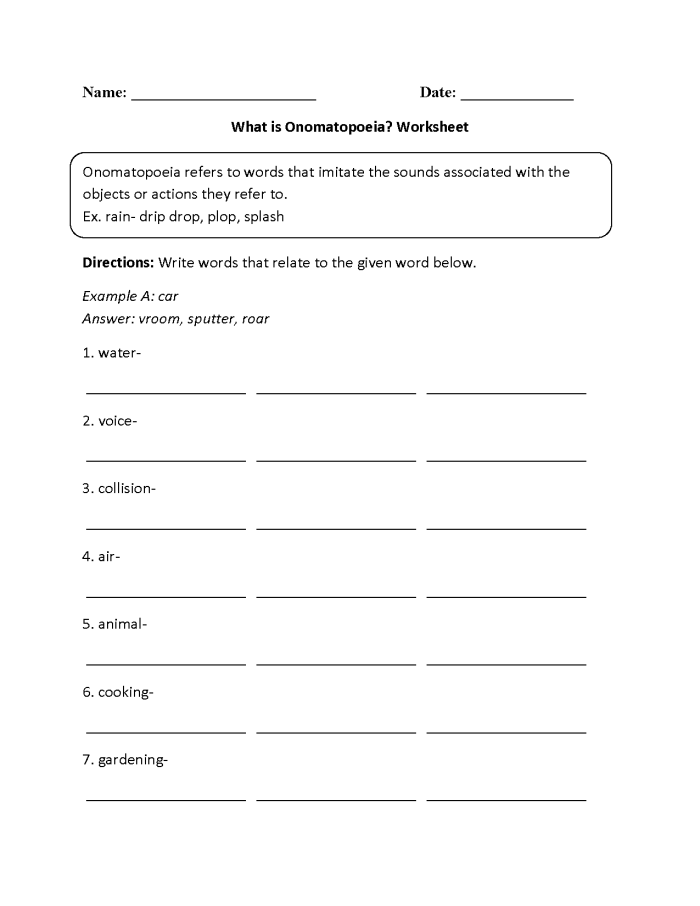
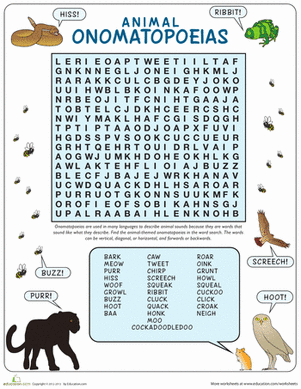
To make learning even more engaging, you can incorporate activities like puzzles or worksheets that focus on animal onomatopoeias. For instance, consider using printable worksheets that challenge students to match sounds with animals. These interactive exercises can help reinforce their understanding of both words and sounds, making the learning process enjoyable.
Additionally, educators can use these onomatopoeic words to spark creativity. Encourage students to create their own stories or poems using various animal sounds. This not only boosts their language skills but also stimulates their imagination. By exploring animal sounds and their corresponding words, students can develop a deeper appreciation for the richness of language.
Incorporating animal onomatopoeias into learning not only aids literacy but also nurtures a love for language. Whether through games, stories, or worksheets, like those offered at Lumina Worksheets, the sounds of animals can make learning about words a delightful adventure for third graders.
Use These Worksheets Today