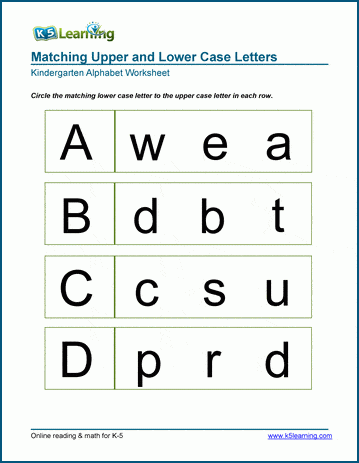
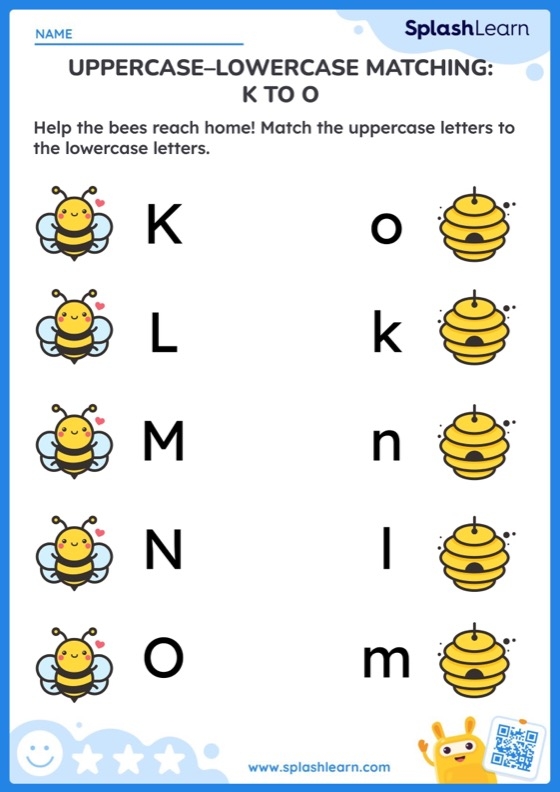
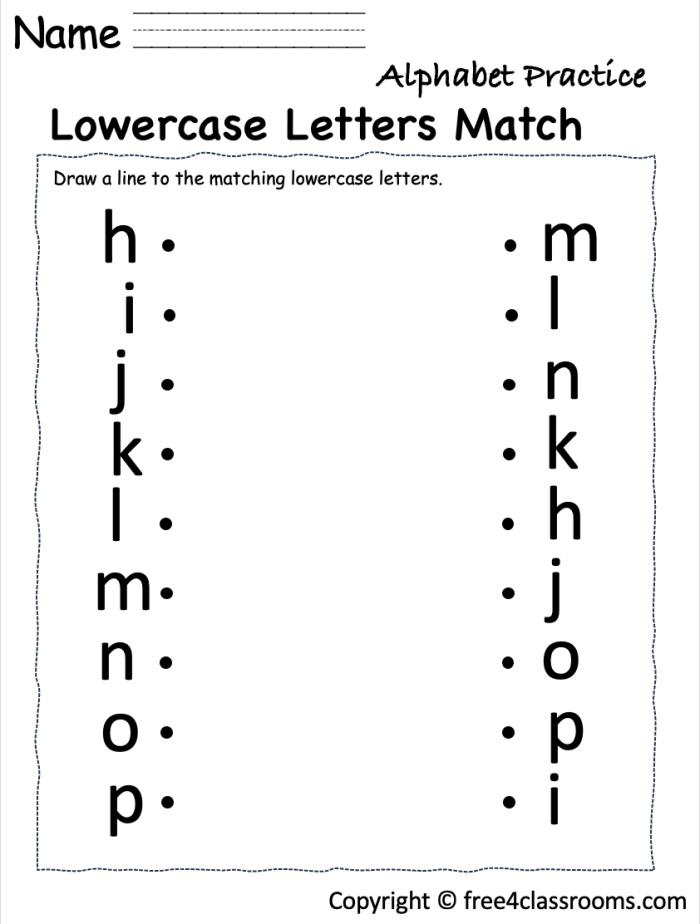
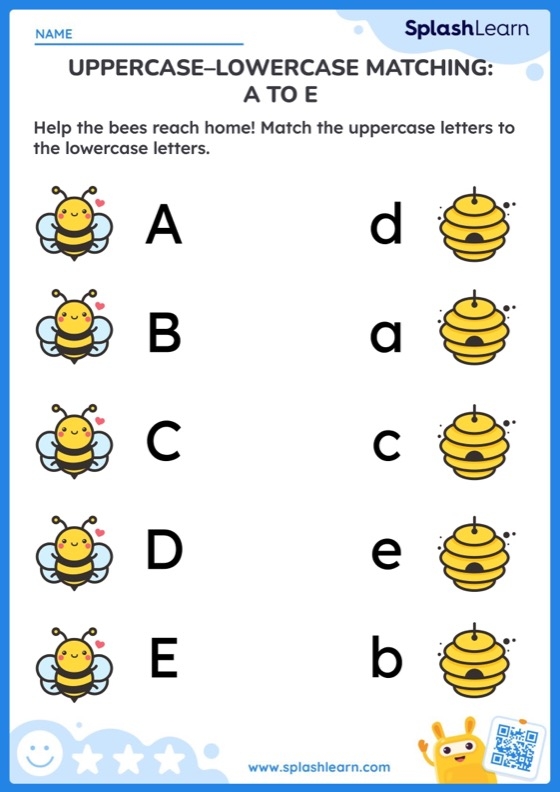
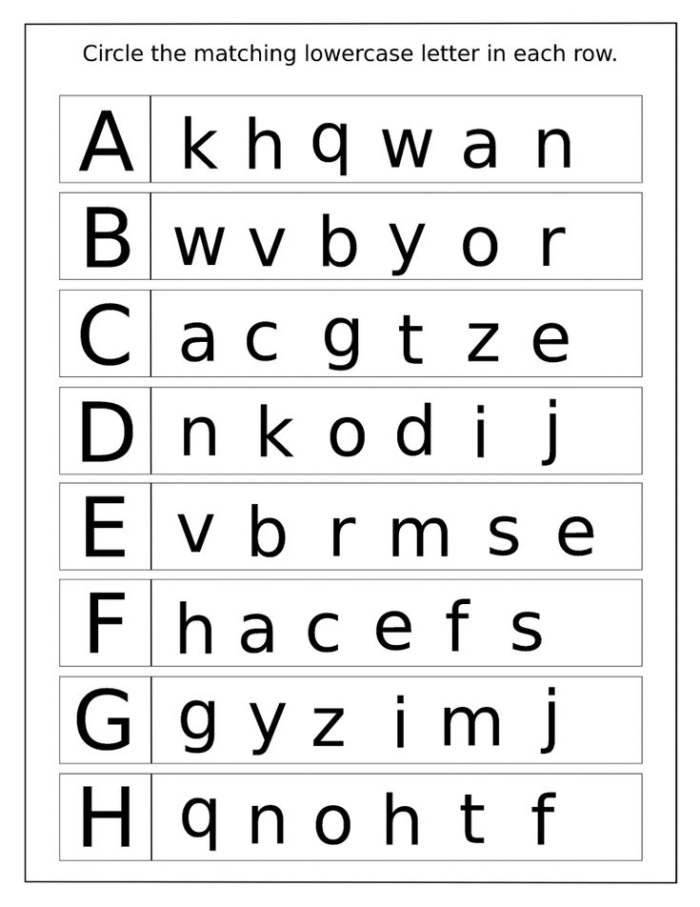
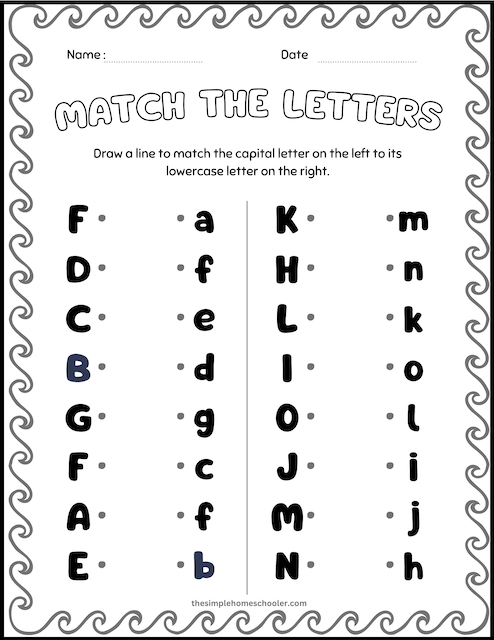
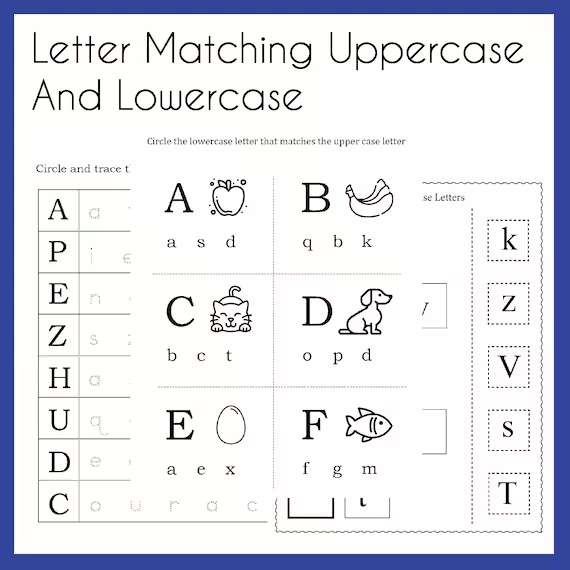
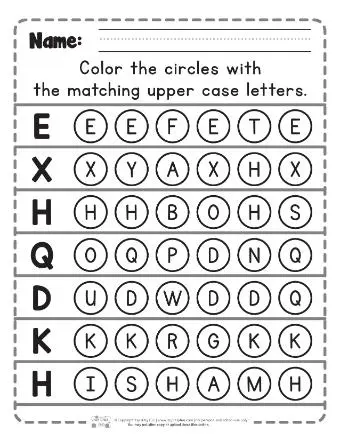
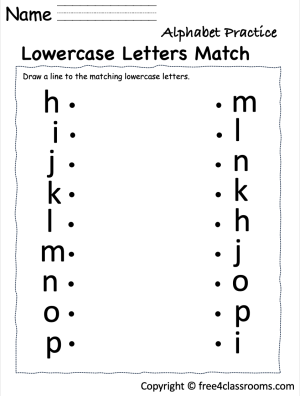
Letter recognition forms the foundation of early reading, and matching uppercase and lowercase letters is one of the most effective ways to build this skill. When kids can connect A with a, B with b, and so on, they’re developing the visual discrimination needed to read fluently later.
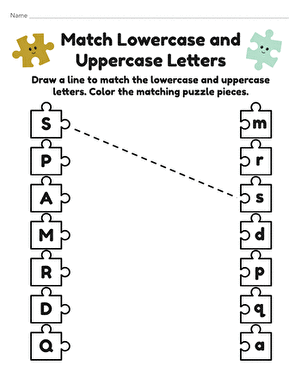
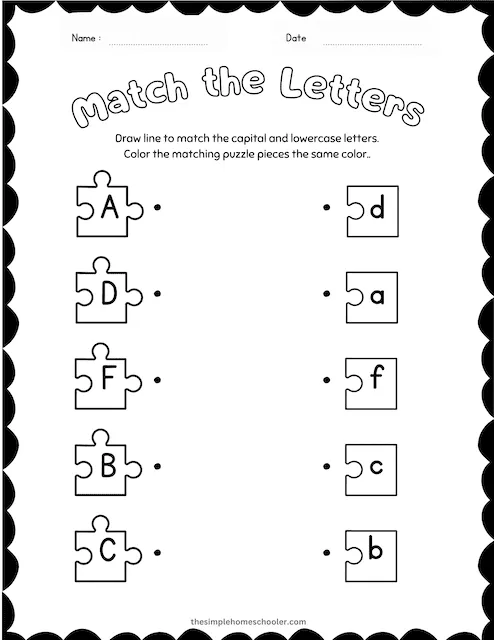
Puzzle-themed worksheets make this learning feel like play rather than work. Instead of rows of letters to match mechanically, a puzzle format keeps Pre-K learners engaged because they’re solving something, not just completing a task. The visual reward of completing a puzzle reinforces success in a way that feels immediate and satisfying.
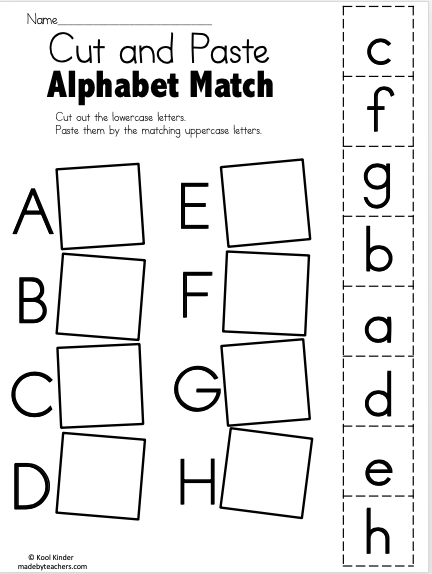
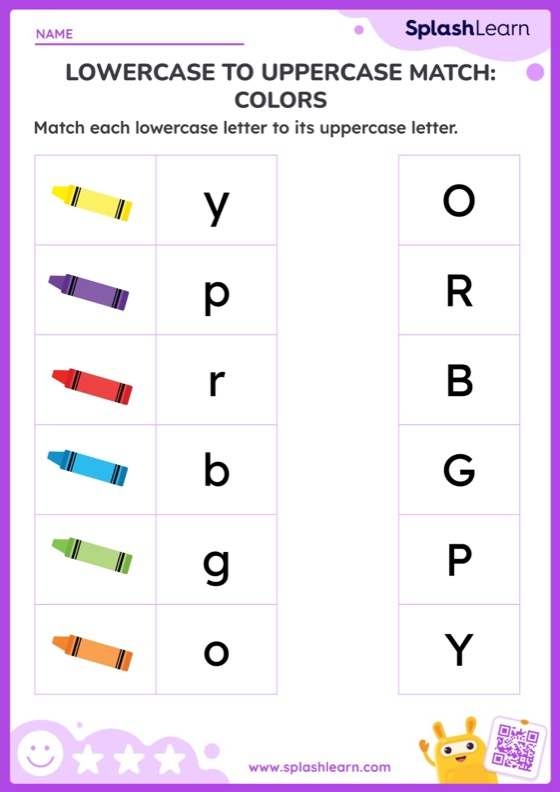
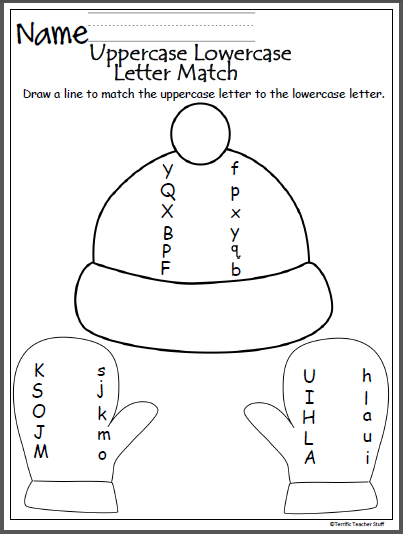
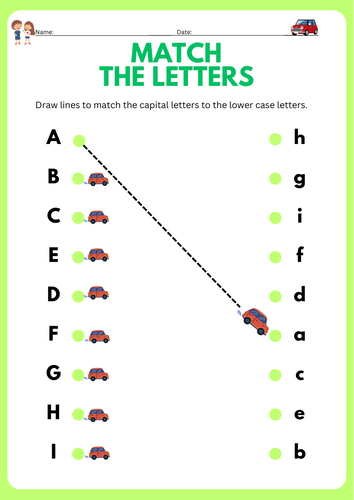
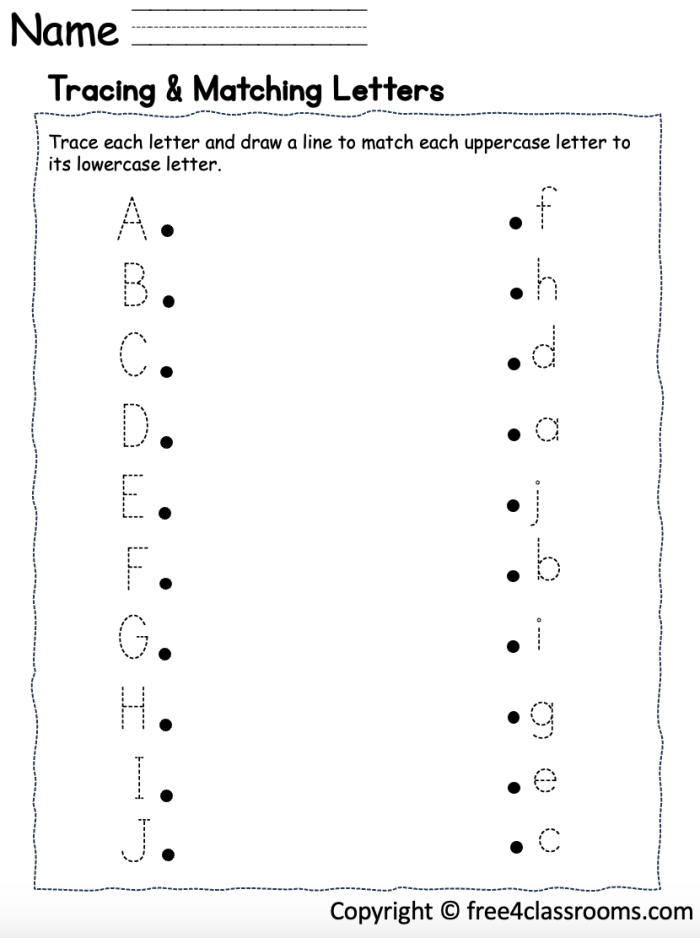
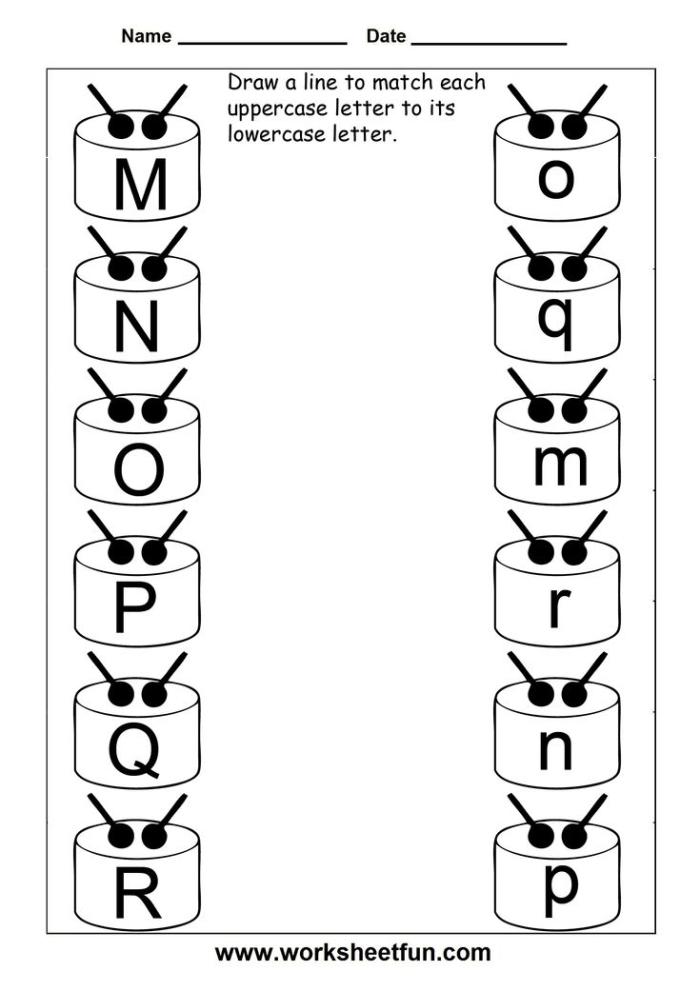
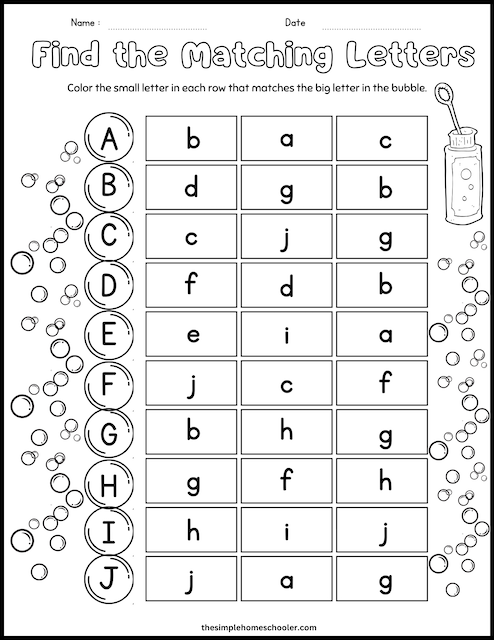
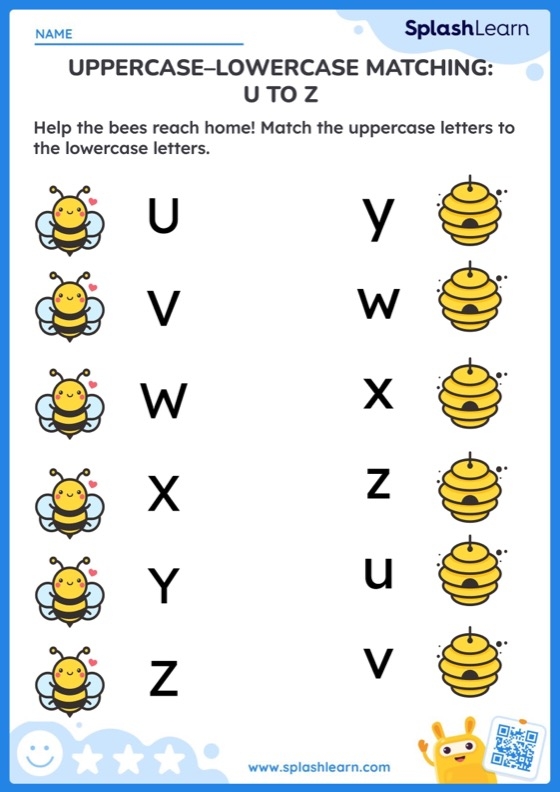
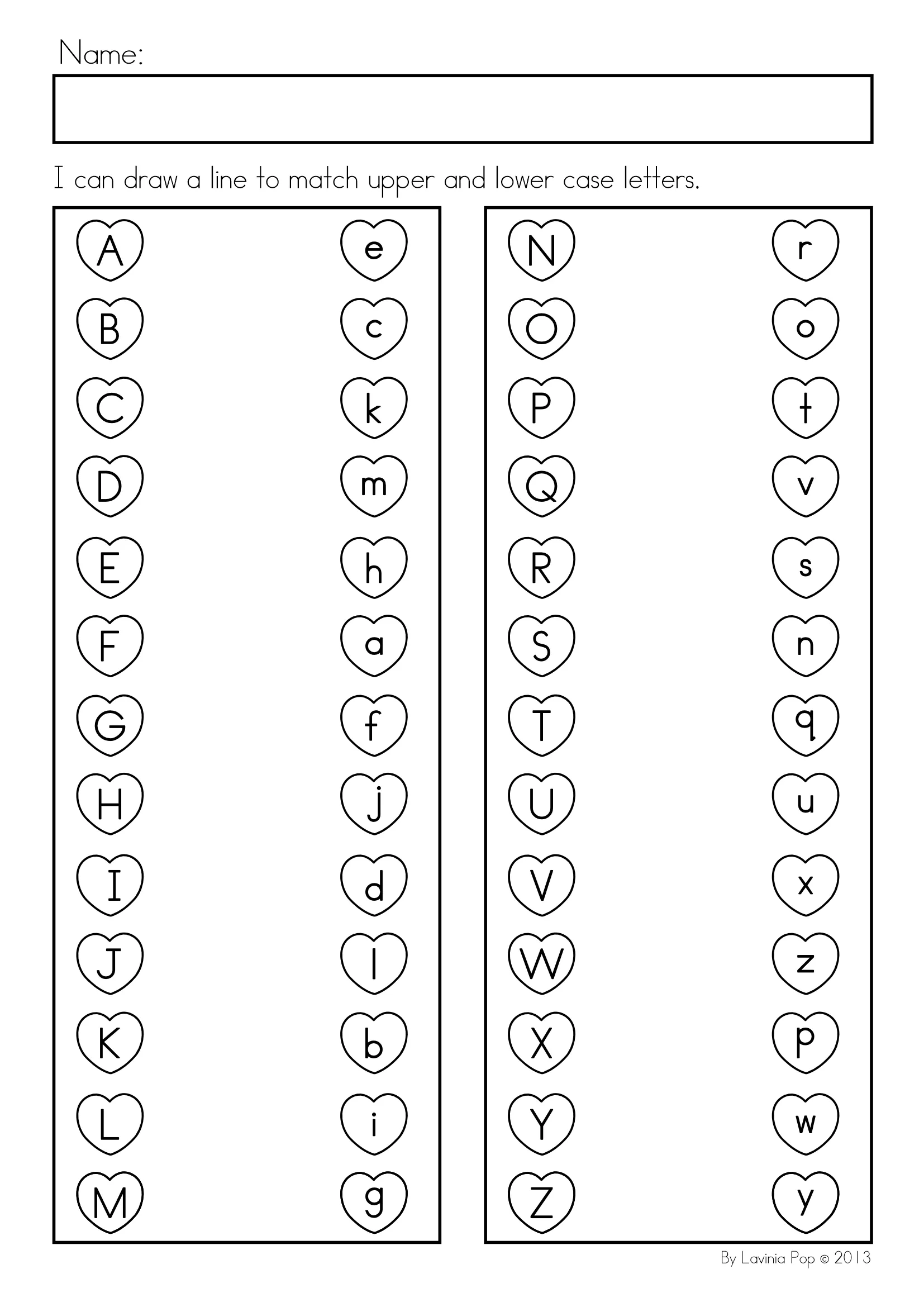
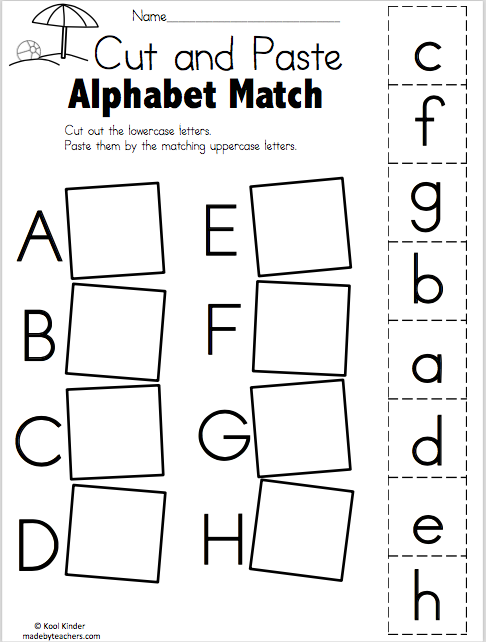
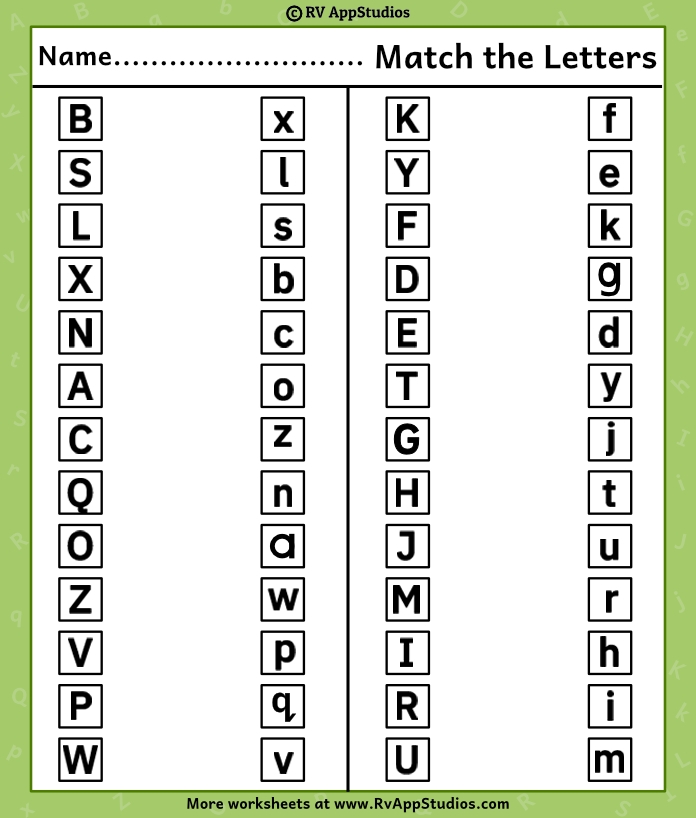
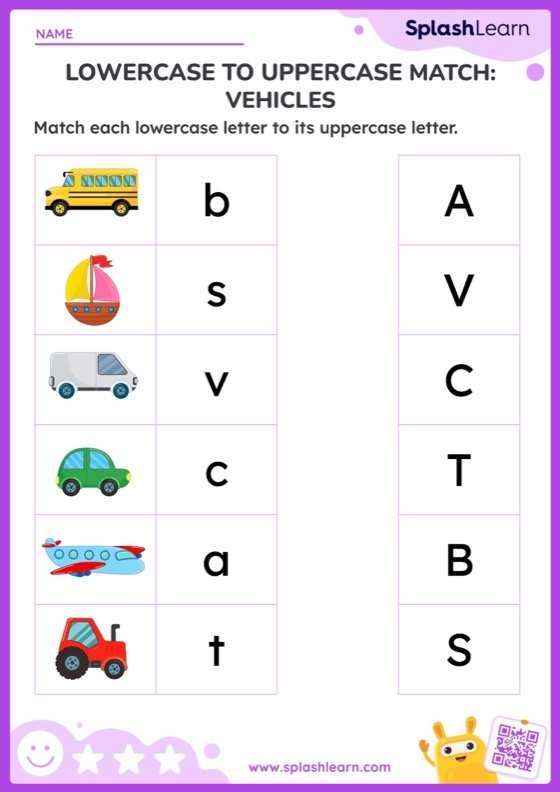
These worksheets typically ask children to draw lines connecting uppercase letters to their lowercase counterparts, or to cut and paste matching pairs. The fine motor practice embedded in these activities strengthens hand control and pencil grip, skills that support writing development. When combined with other early literacy activities like tracing individual letters, matching exercises create a comprehensive letter-learning experience.
The beauty of puzzle-based practice is that it works across different learning styles. Visual learners benefit from seeing letter forms side by side. Kinesthetic learners gain from the movement of drawing lines or manipulating pieces. Even children who struggle with traditional worksheets often respond well to the game-like quality of puzzles.
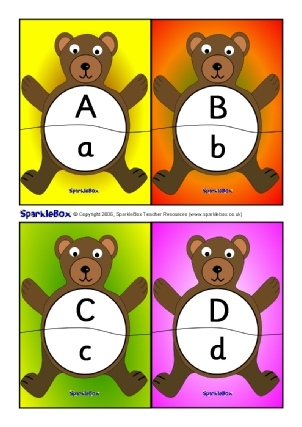
You can extend this learning beyond worksheets too. Create matching games using letter cards, or incorporate letter recognition into daily routines like spelling out simple words during playtime. The more contexts where children encounter matching uppercase and lowercase letters, the faster the connection solidifies in their minds.
For Pre-K teachers and parents looking to build alphabet confidence, these worksheets serve as reliable tools that combine skill-building with genuine enjoyment.
Try These Printable Worksheets