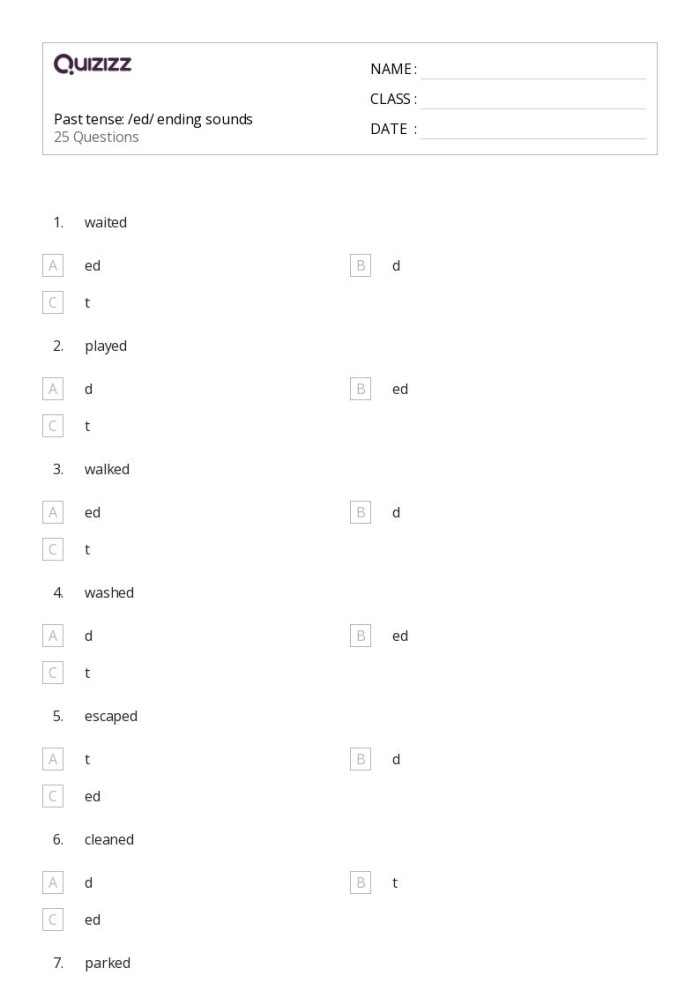
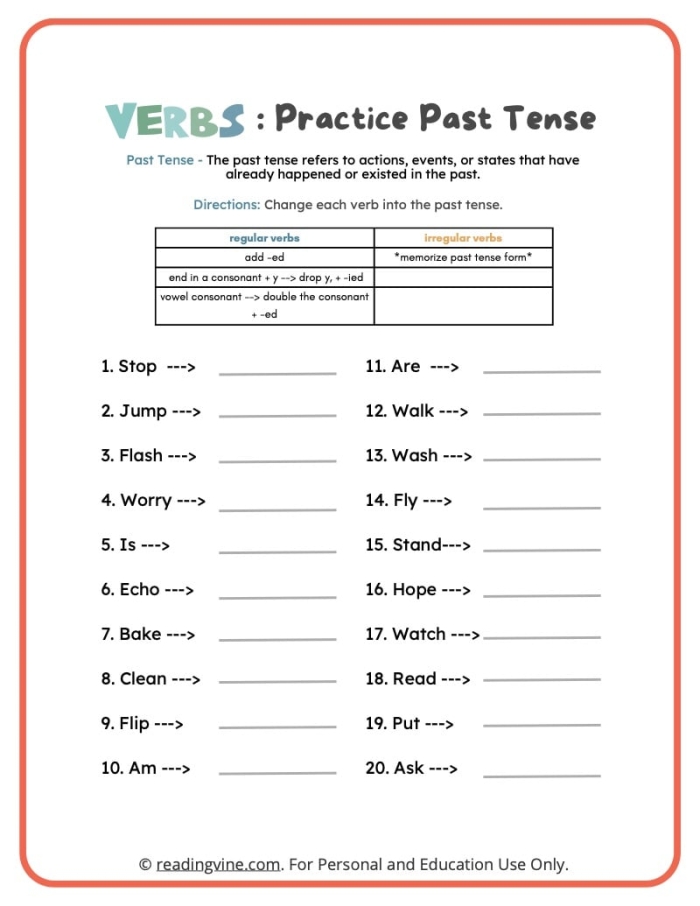
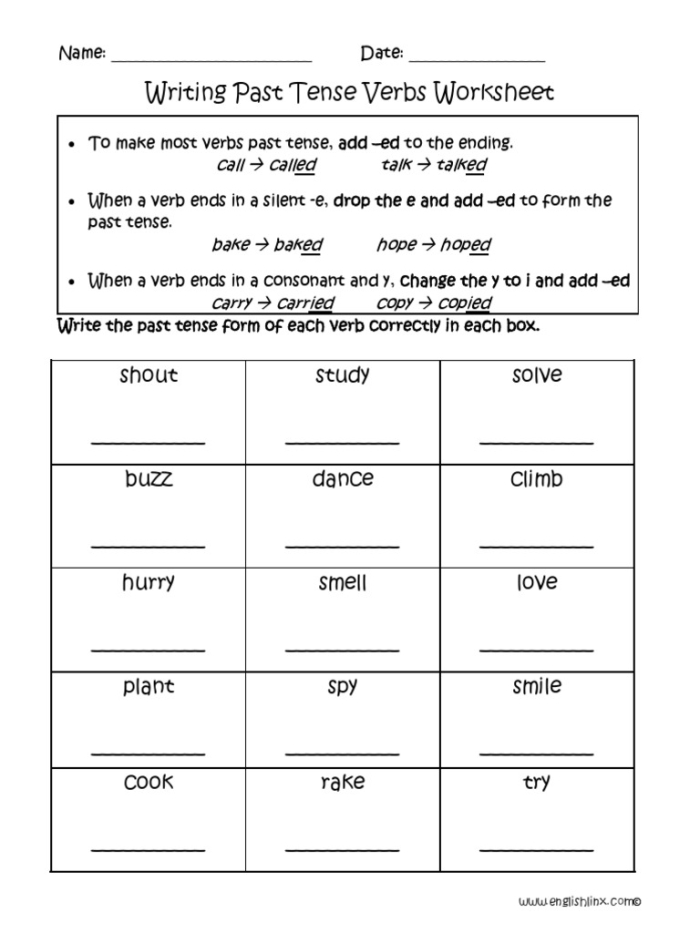
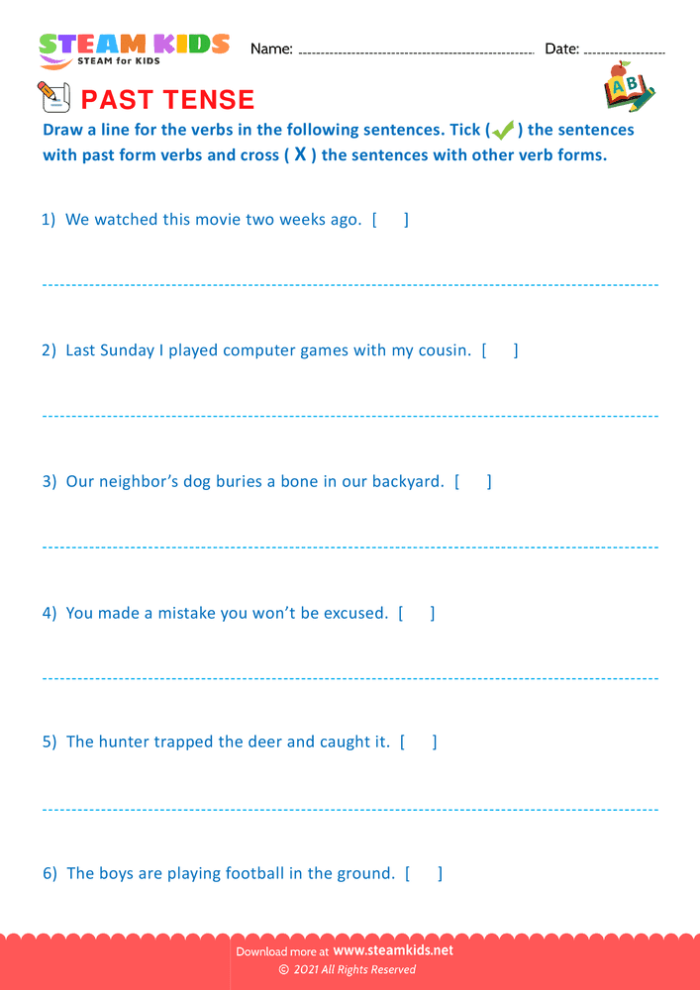
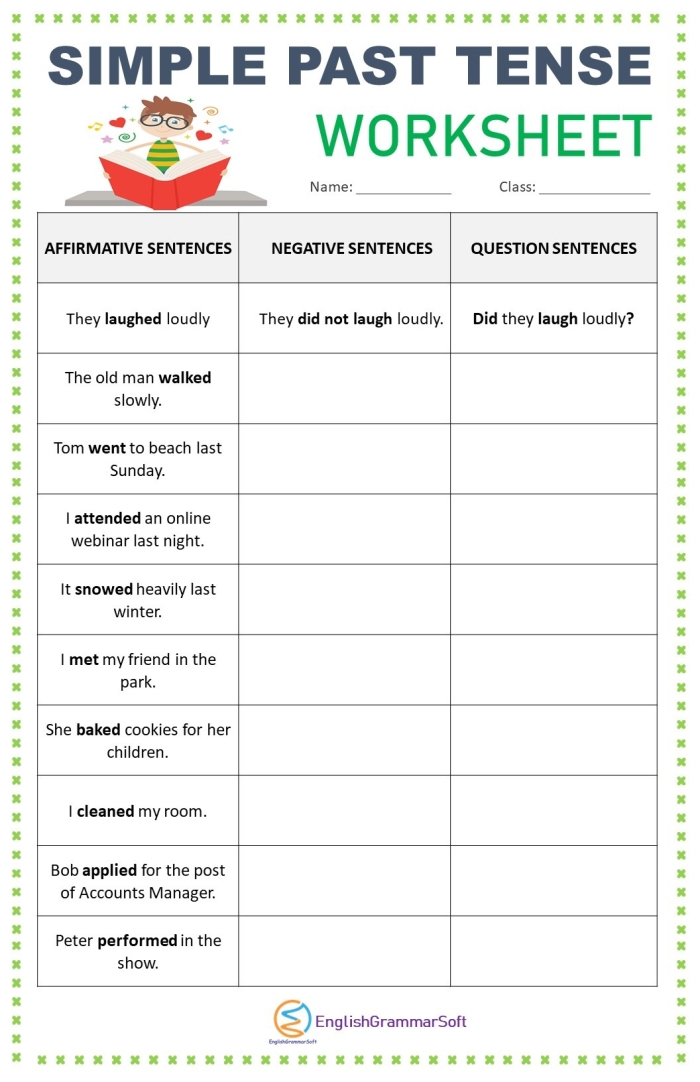
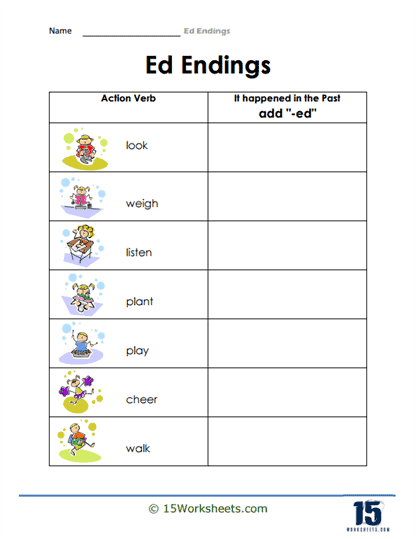
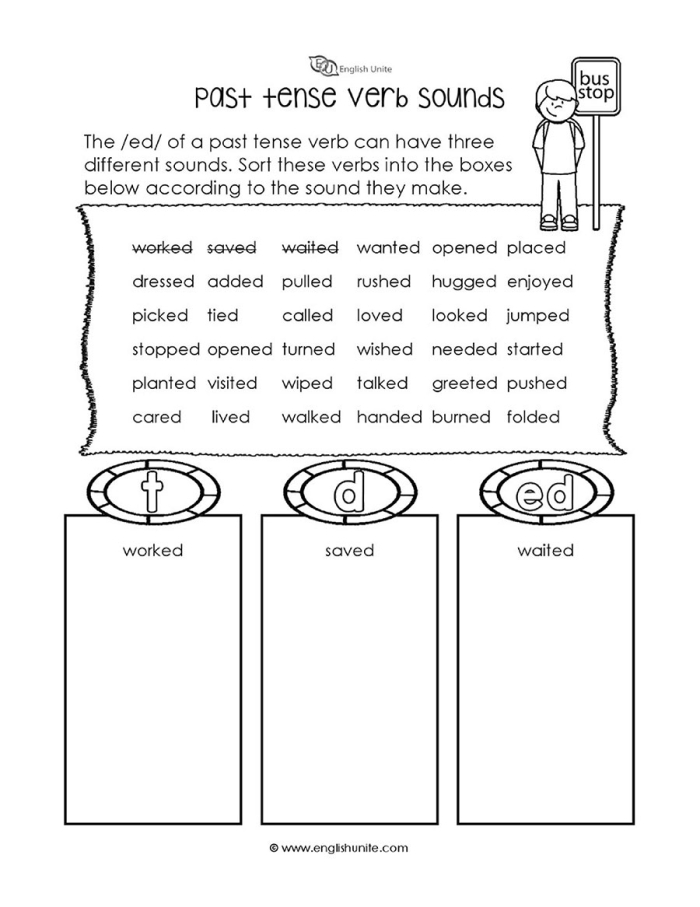
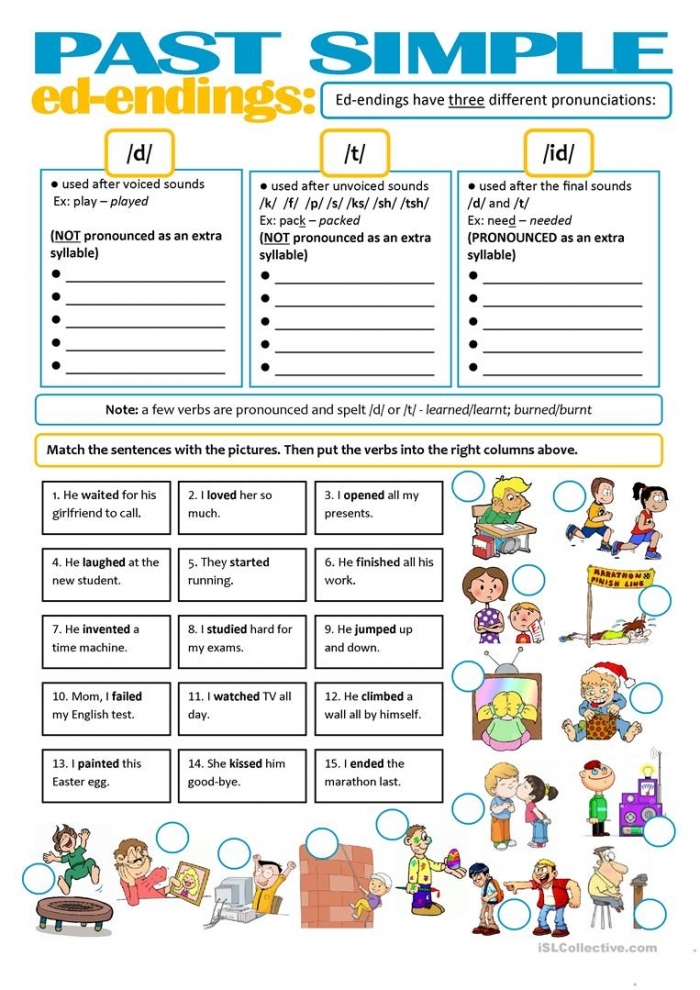
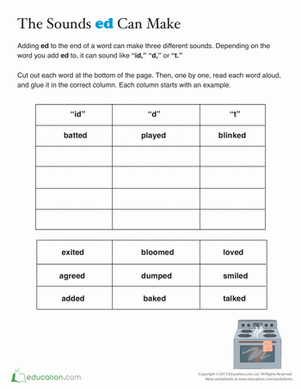
Understanding the past tense can be a fun and engaging journey for second graders, especially when it involves the suffix -ed. This simple addition to a verb not only transforms its meaning but also changes how we pronounce it. If you’ve ever wondered what sound -ed makes, you’re not alone. The pronunciation can vary based on the verb it modifies!
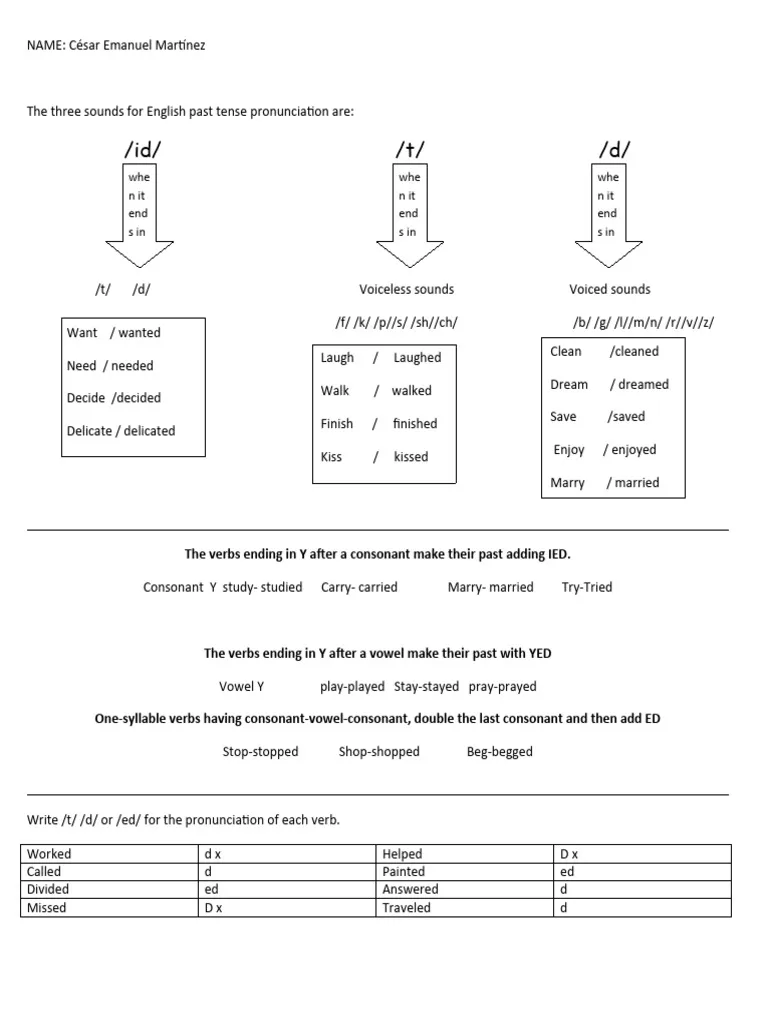
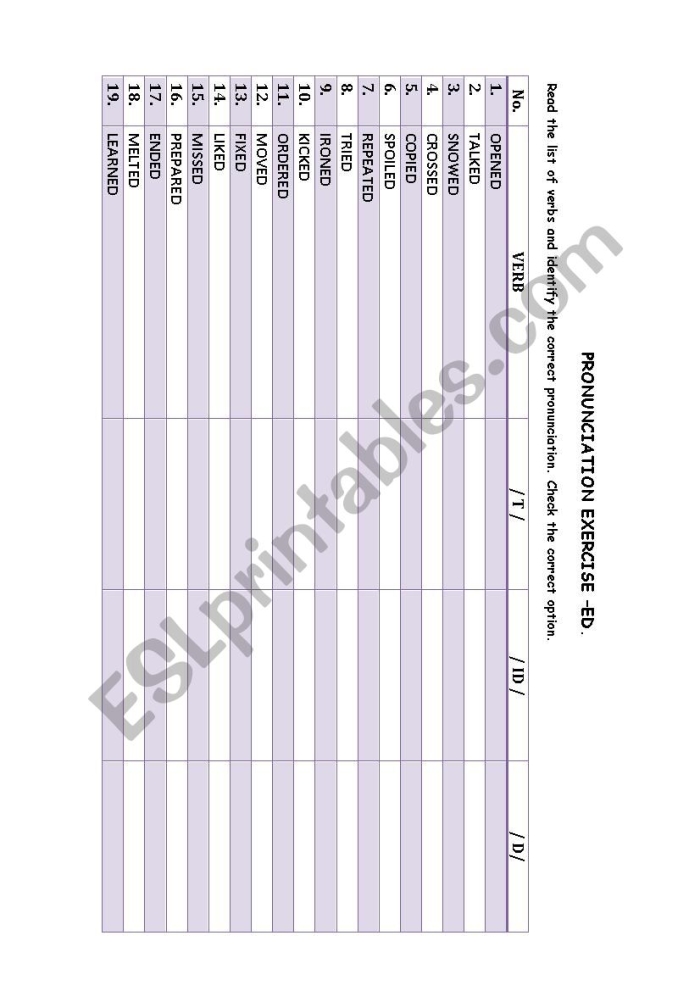
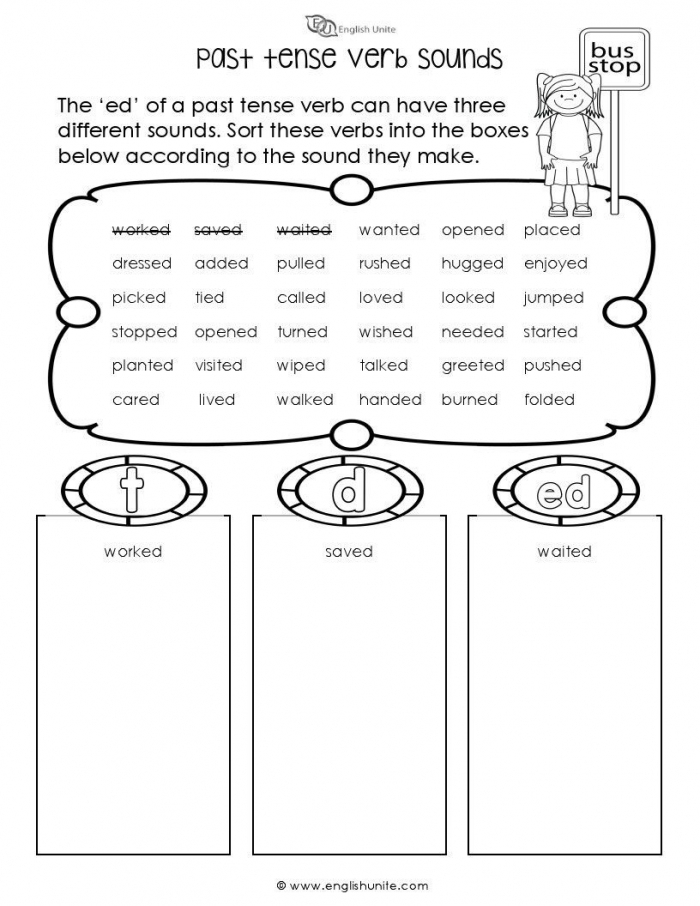
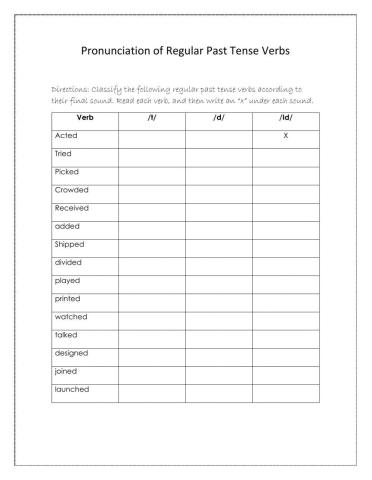
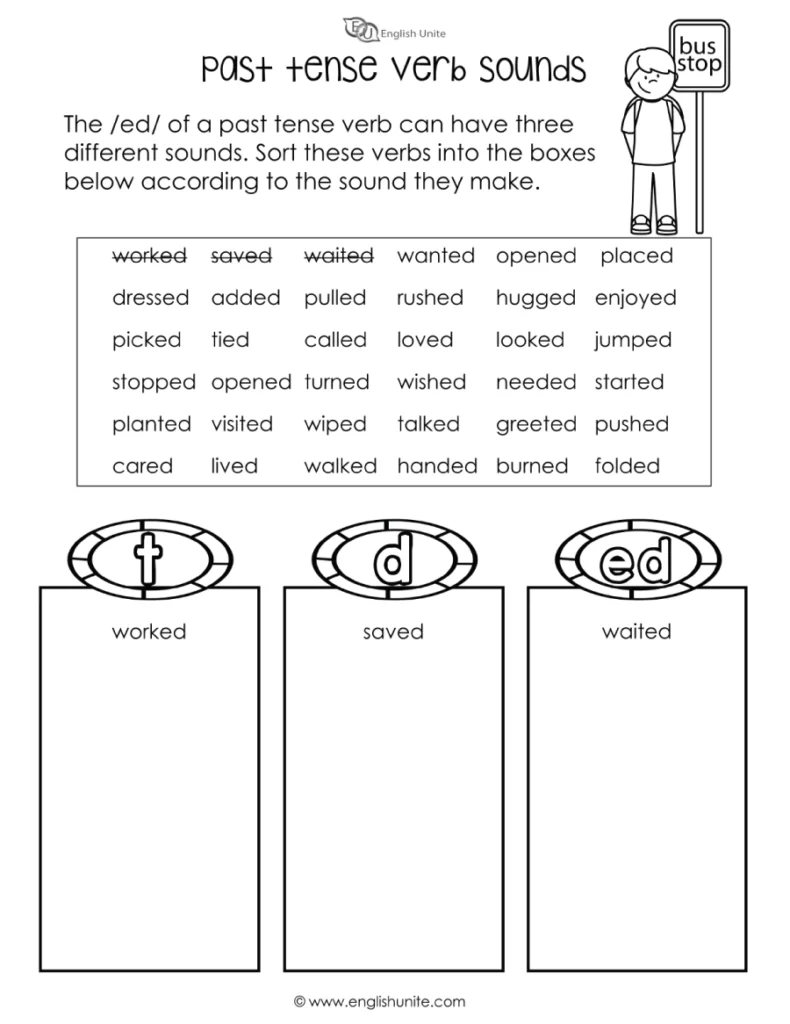
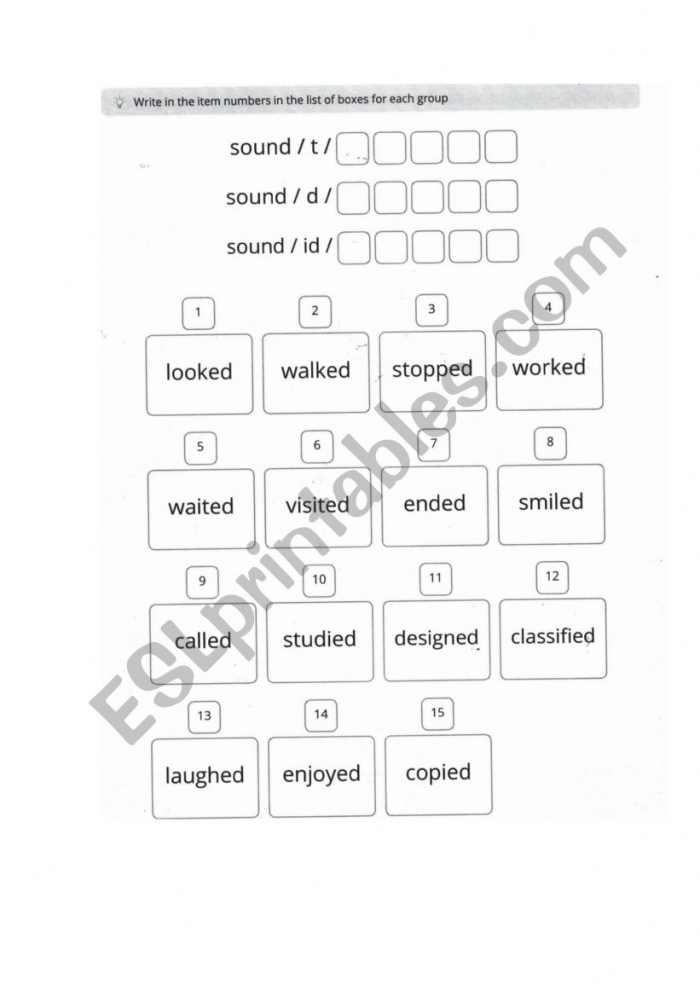
Generally, the -ed suffix can produce three distinct sounds: /d/, /t/, and /əd/. For example, when we say “played,” the -ed is pronounced as /d/. In contrast, “walked” ends with a /t/ sound, while “wanted” features the /əd/ sound. This variability adds a layer of complexity that can be tricky for young learners but also provides an excellent opportunity for phonetic exploration.
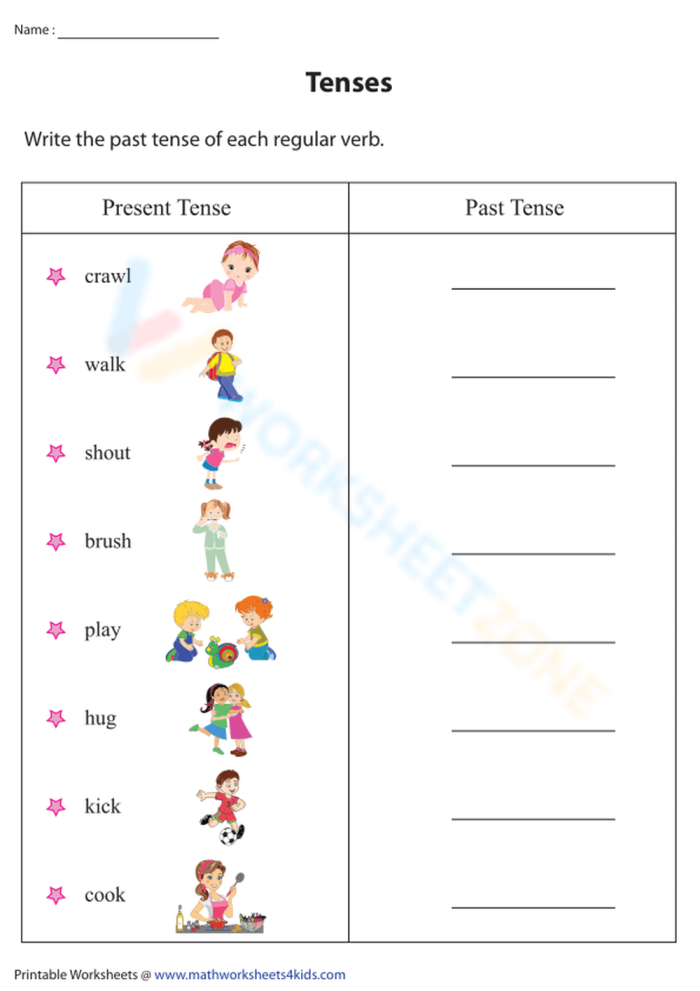
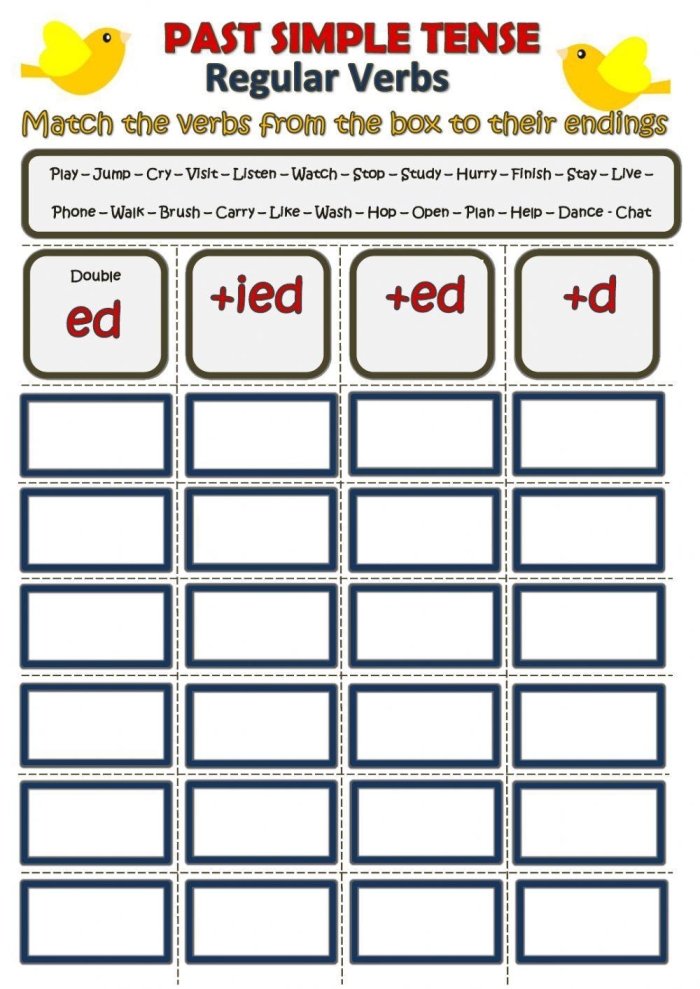
To help second graders grasp this concept, consider using a chart that illustrates these different sounds alongside common verbs. Such a tool can visually reinforce the connection between the verb and its past tense form. You might also find engaging worksheets useful, like those on food geography or construction maps, which can incorporate past tense verbs into geography lessons.
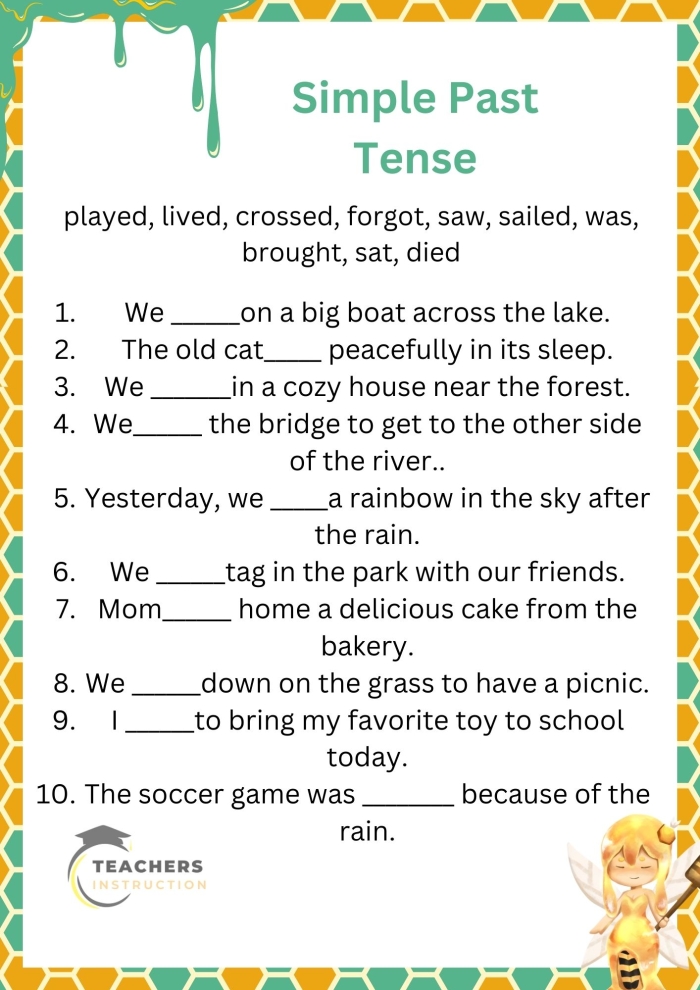
Encouraging students to apply this knowledge in context is essential. Have them create sentences using past tense verbs with the -ed suffix. For instance, they could write about a recent field trip, applying verbs like “visited” or “explored.” Not only does this reinforce their understanding of past tense sounds, but it also strengthens their writing skills.
As they practice, remind them that mastering these sounds is not just about grammar; it’s about effective communication. By focusing on -ed sounds within engaging subjects like geography, second graders can enhance their language skills while exploring the world around them.
Grab These Worksheets Now