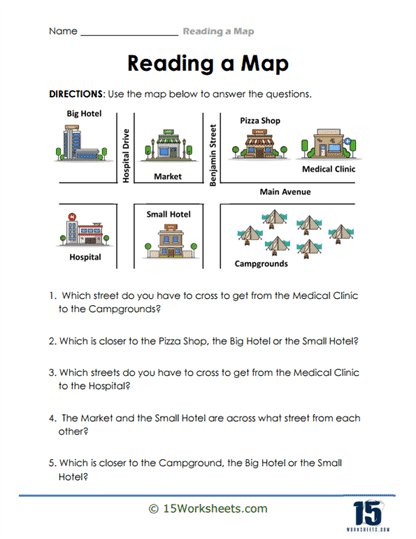
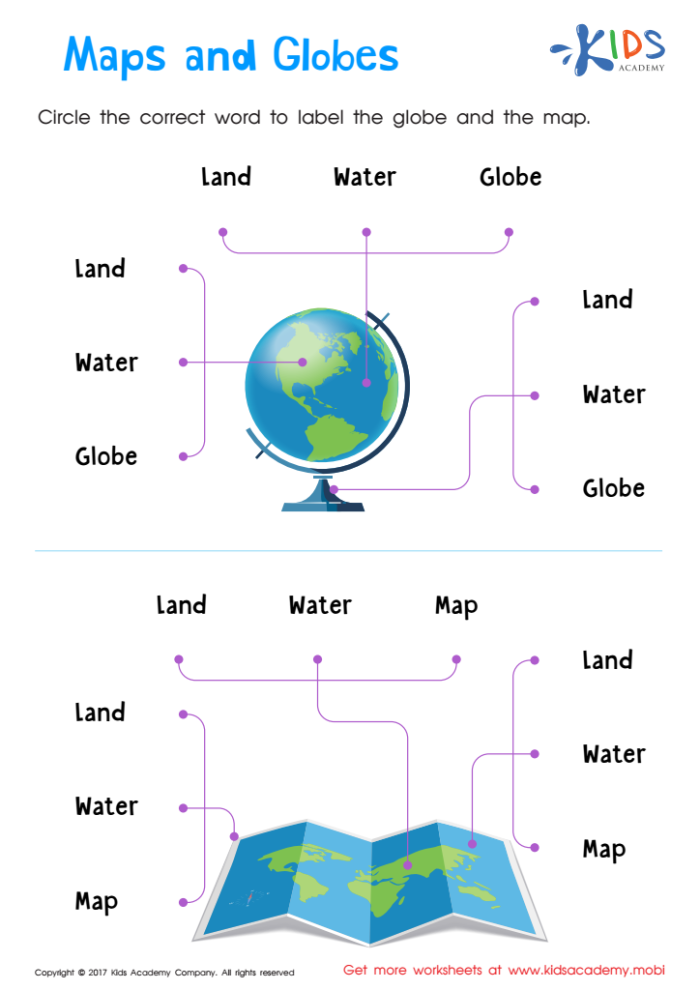
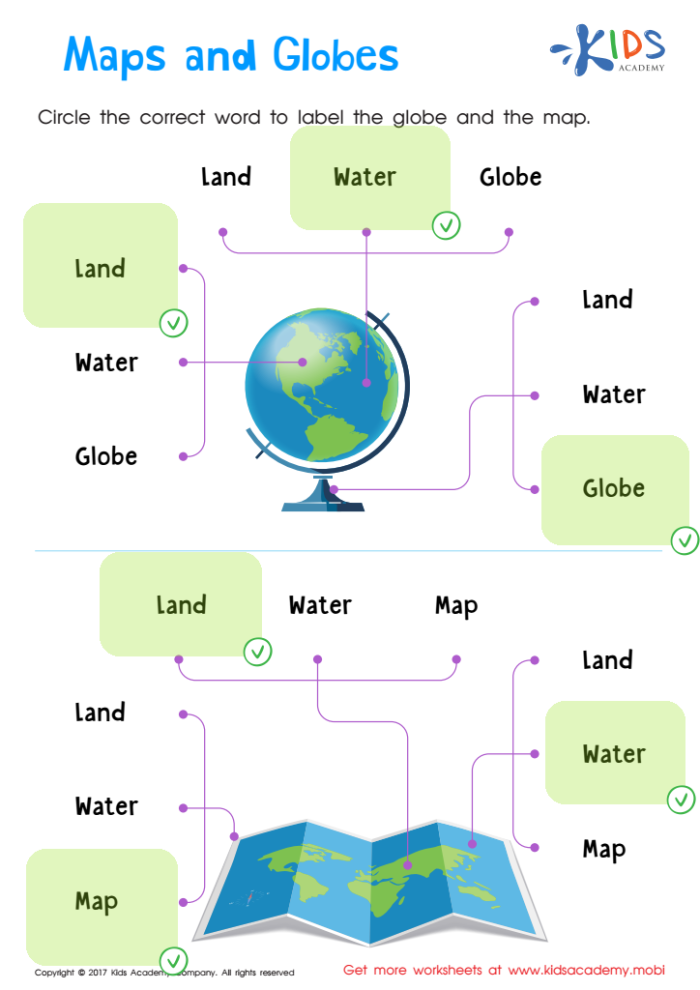
Second graders are at the perfect age to start understanding how maps work. This worksheet introduces young learners to the basic symbols and conventions that make maps readable and useful, turning what could be a confusing subject into something engaging and hands-on.
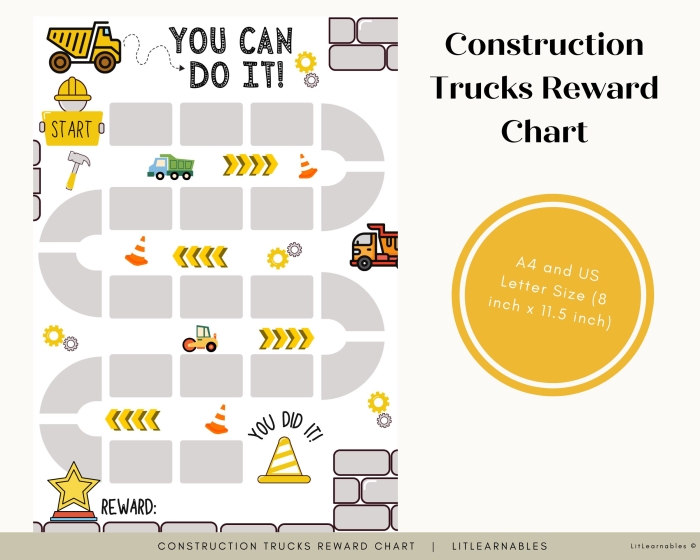
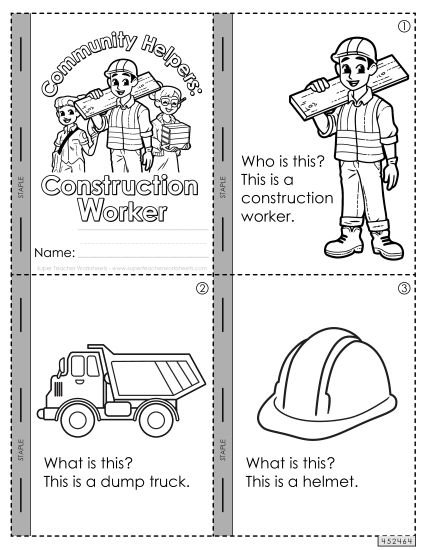
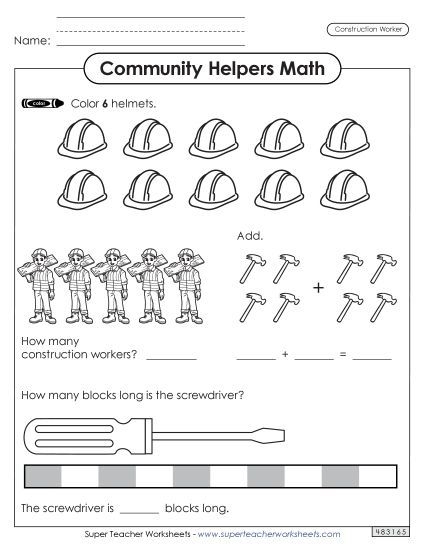
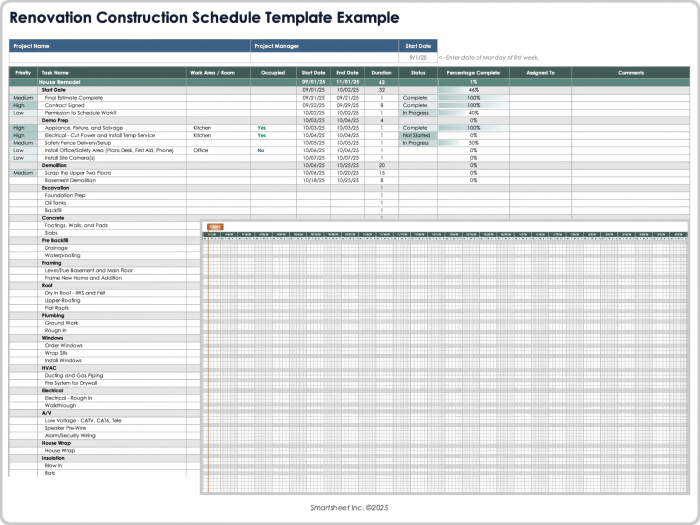
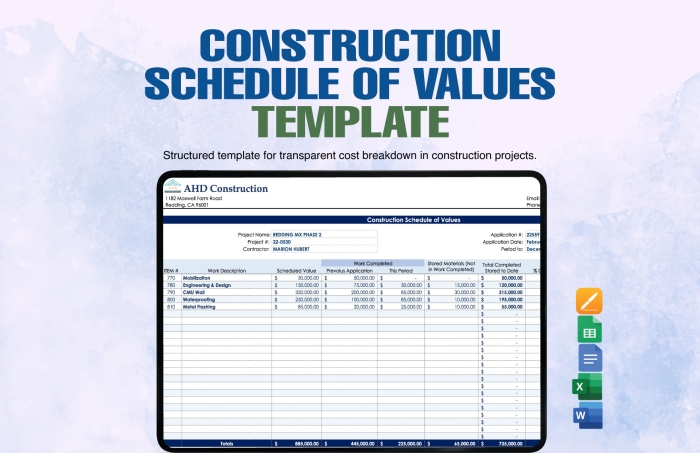
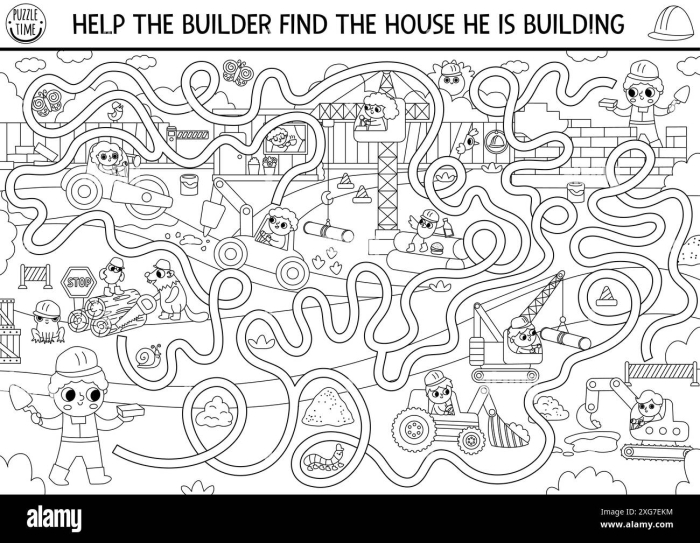
The worksheet uses familiar contexts to teach map fundamentals. Rather than jumping straight into complex geography, it grounds learning in spaces that second graders recognize from their daily lives. For example, a construction map activity shows children how simple drawings and symbols represent real objects and locations. They see how a small rectangle on paper stands for an actual building, or how a line represents a road.
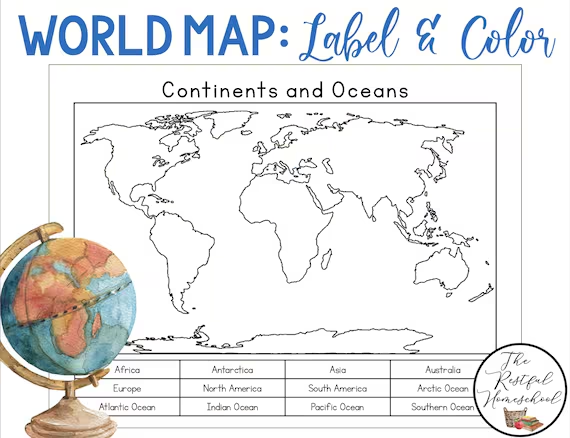
Working through these exercises, students learn to identify and use key map elements like compass roses, title boxes, and basic legends. These aren’t abstract concepts when kids can point to them on a worksheet and understand their purpose immediately. A compass rose stops being just a pretty design once students realize it shows which direction is north. A legend becomes useful when they need it to decode what each symbol means.
The hands-on nature of worksheet activities makes the learning stick better than lecture-based instruction. Second graders retain information more effectively when they’re actively engaging with it, drawing their own maps or matching symbols to their meanings. This foundation in map reading opens doors to future geography lessons and helps develop spatial reasoning skills that extend beyond the classroom.
Teachers often pair these foundational exercises with other geography resources. Activities like measuring activities or location-based reading fluency work reinforce map concepts while keeping learning varied and interesting. When map conventions are woven throughout the curriculum rather than taught in isolation, children develop a stronger grasp of how maps function as tools for understanding the world around them.
Hands-On Worksheet Activities