Creating a food map is an engaging way for second graders to explore local resources while learning about geography. This hands-on activity allows your child to connect with their community and understand where their food comes from. It’s not just about identifying edible exports; it’s about fostering a sense of place and appreciation for local agriculture.
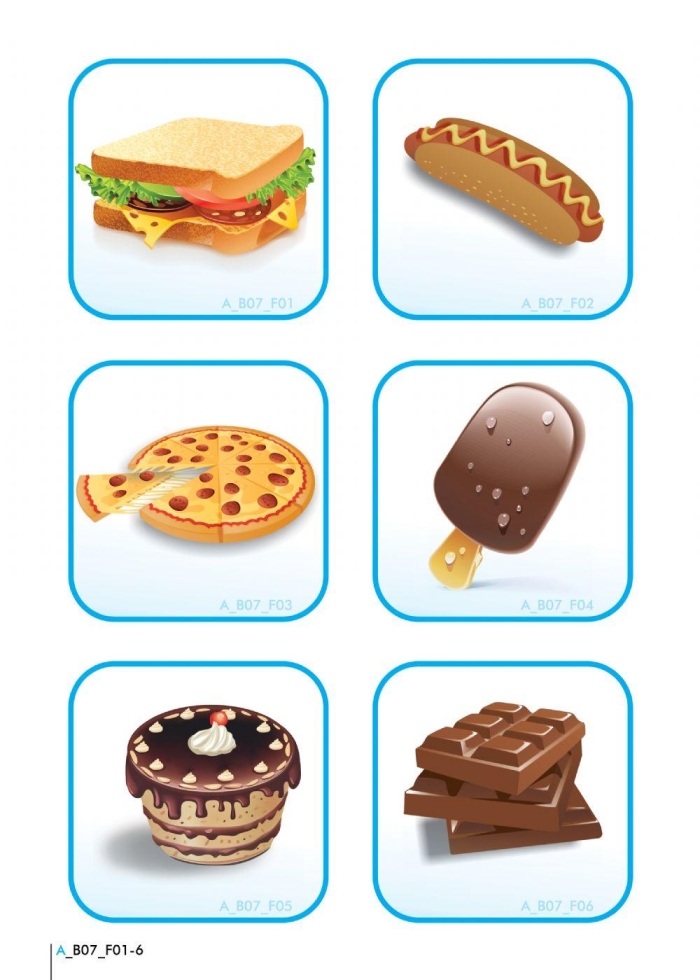
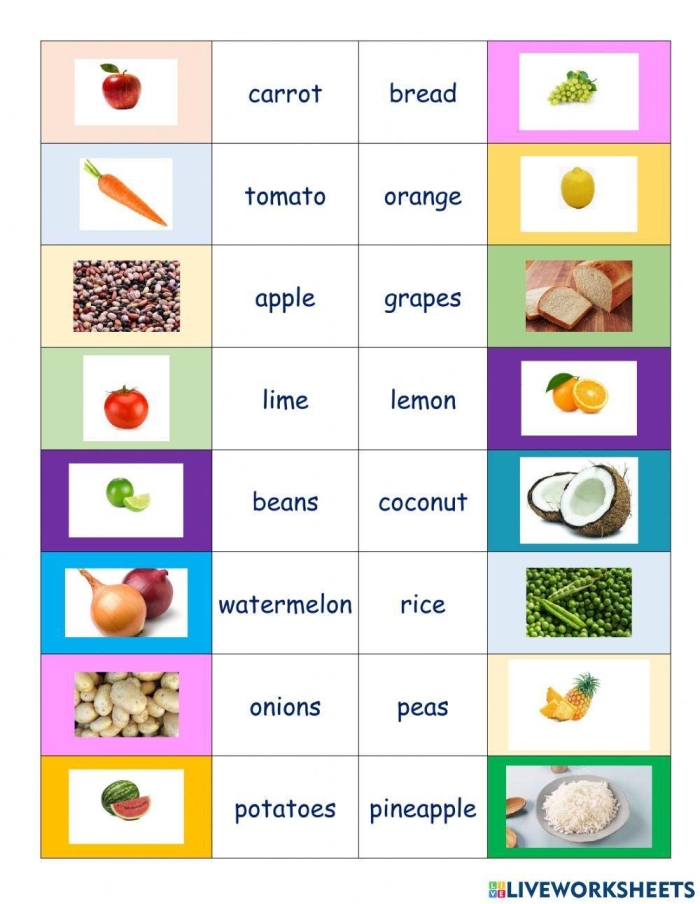
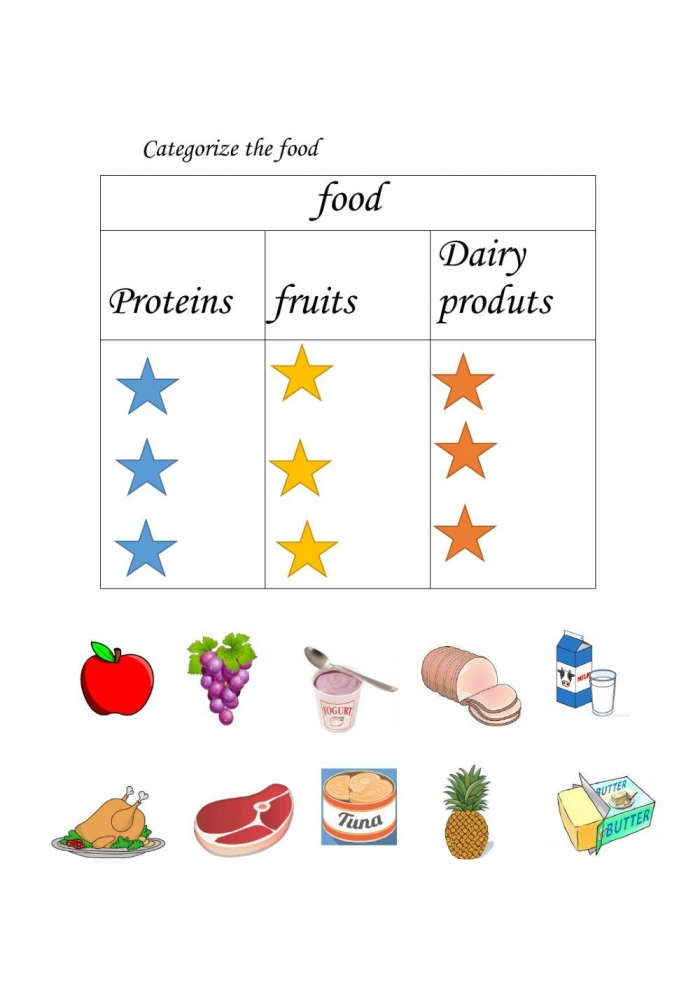
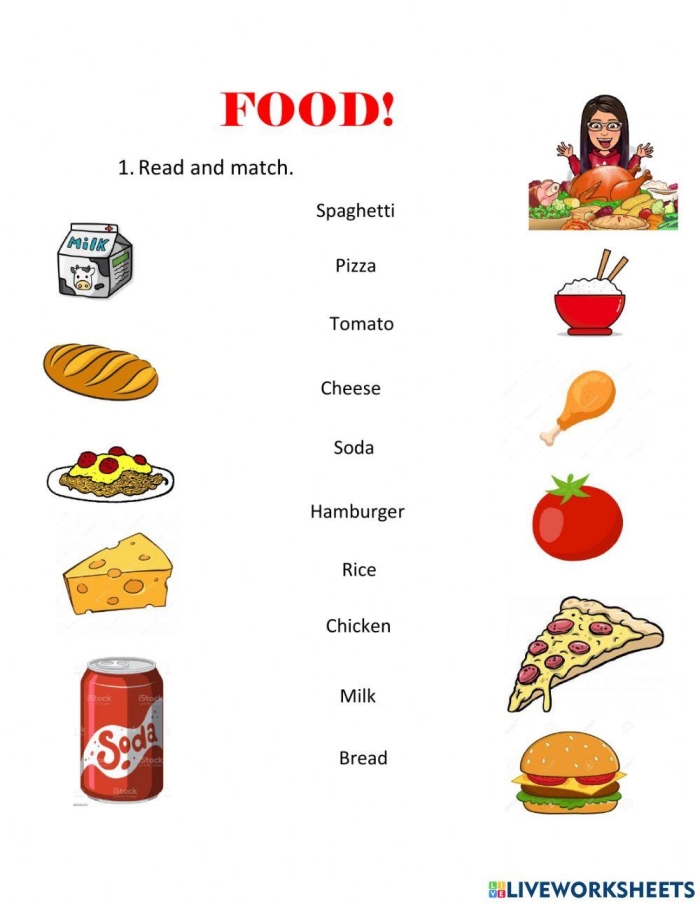
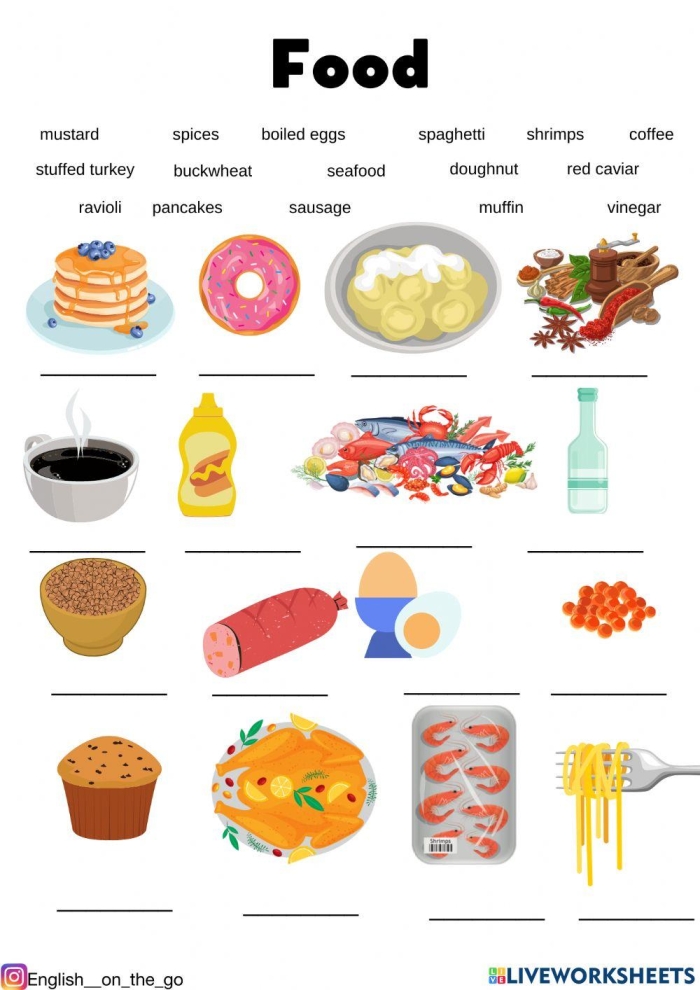
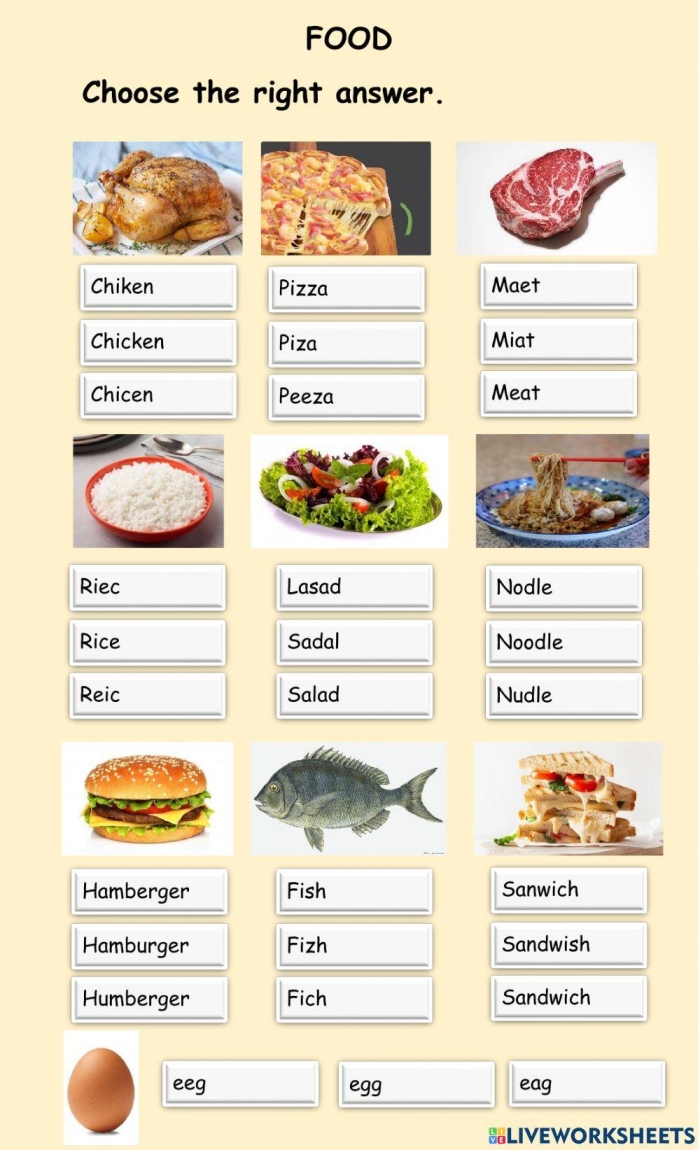
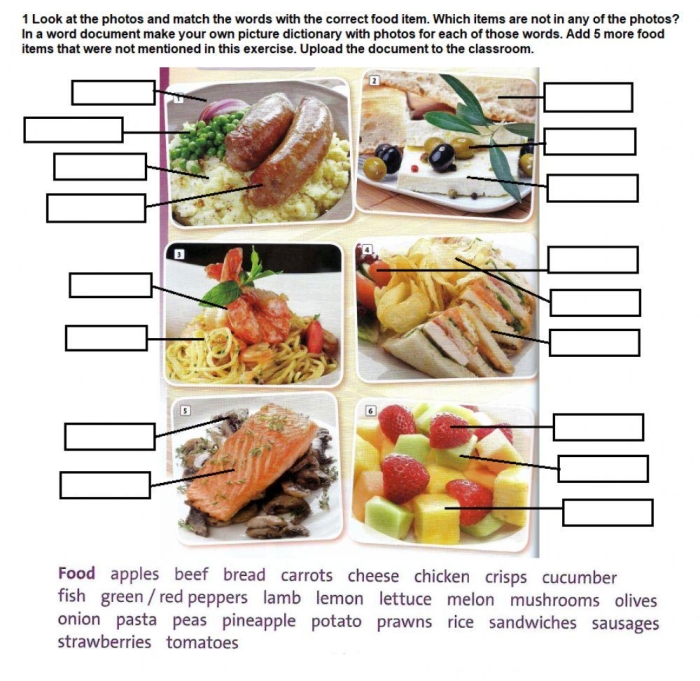
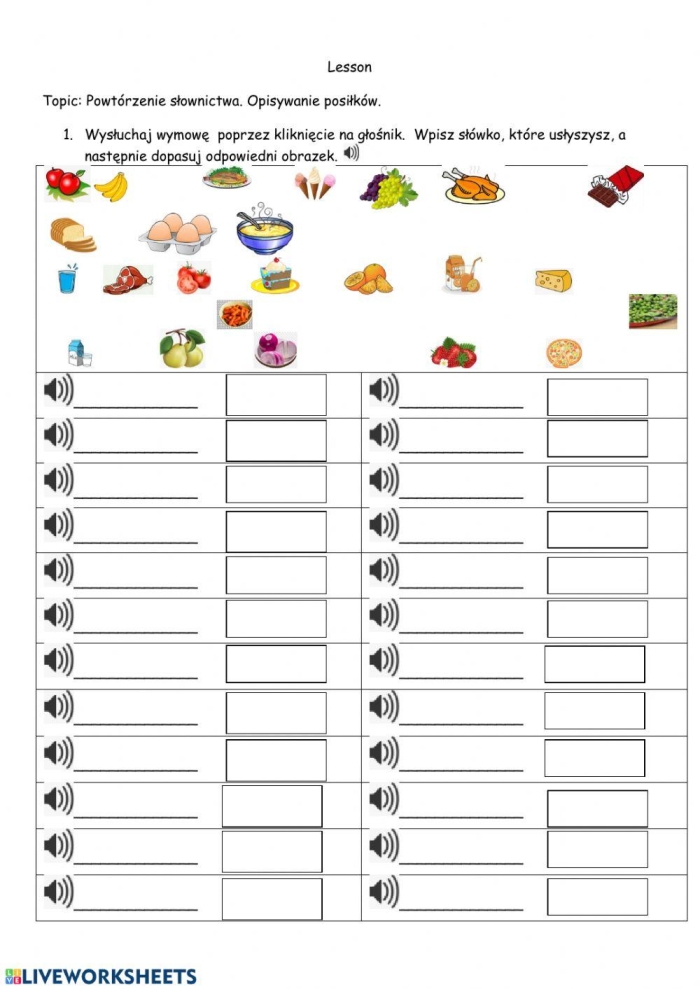
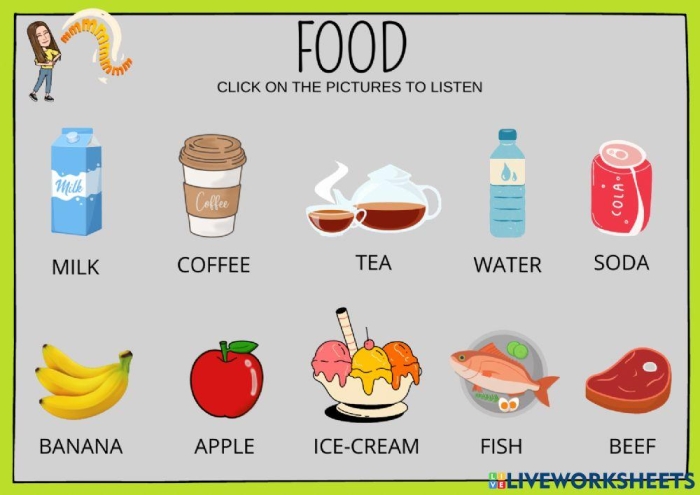
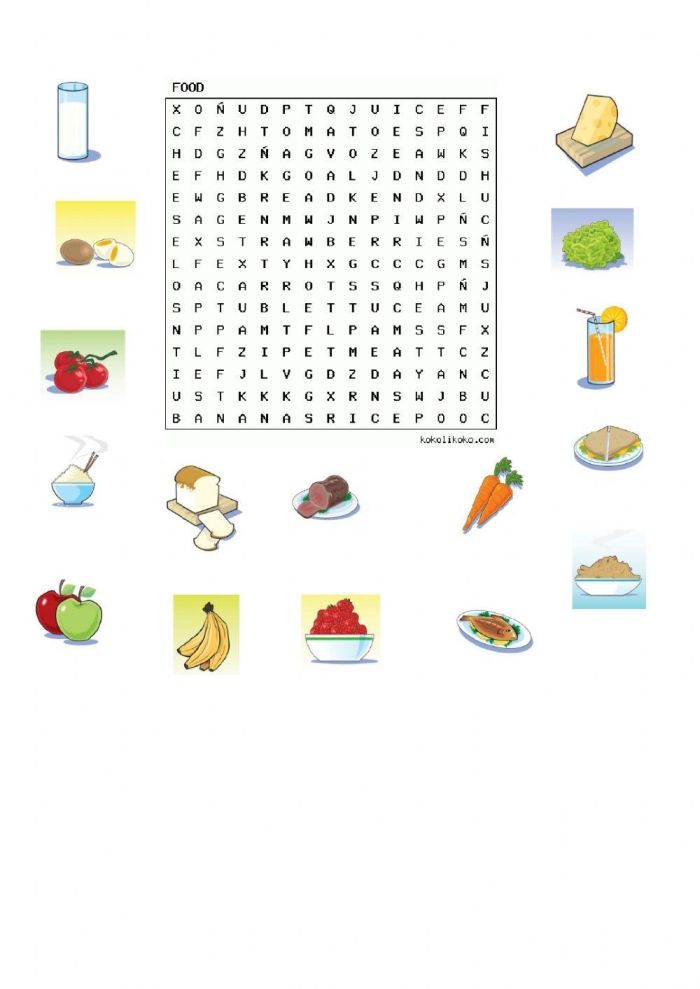
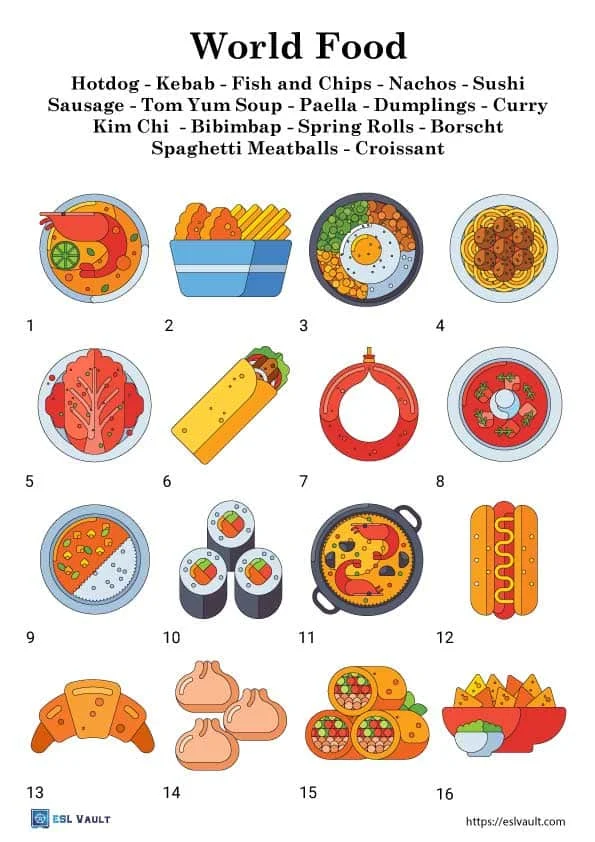
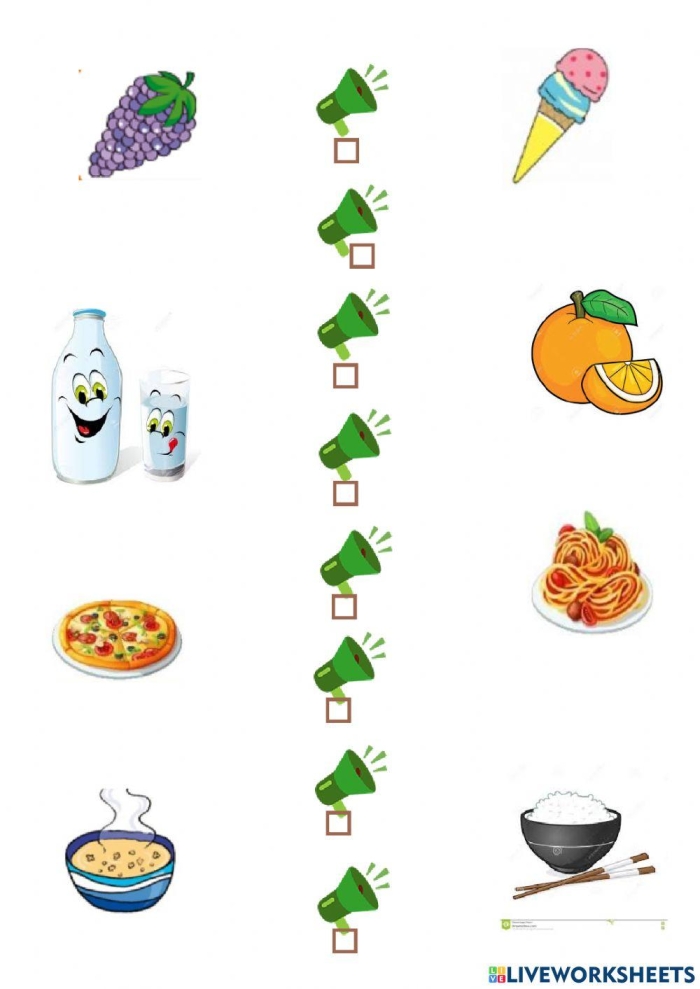
Start by gathering pictures of different edible exports from your area. These could include fruits, vegetables, grains, or any other locally produced food items. You can find images online or even take photographs during a visit to a local farm or market. This step helps your child see the diversity of food in their community.
Next, take a blank map of your local area and have your child place the pictures of these foods in their respective locations. For instance, if apples are grown nearby, they can place an apple picture on that part of the map. This visual representation strengthens their understanding of geography and the relationship between land and food production. It’s a fun way to incorporate learning with art!
Don’t forget to discuss why certain foods are grown in specific areas. For example, if you live in a place known for its corn production, you might explain how the climate and soil conditions make it ideal for growing corn. This conversation can lead to further questions and exploration, enhancing their curiosity about geography.
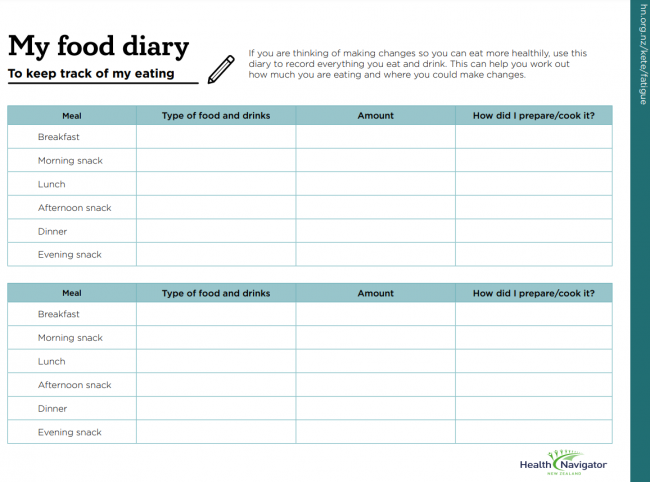
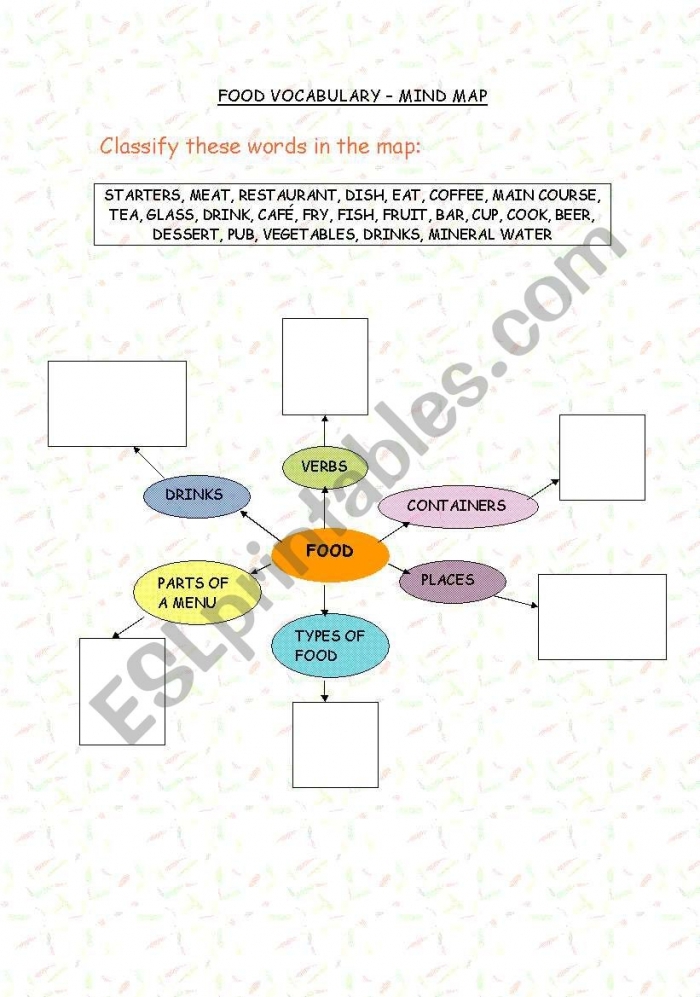
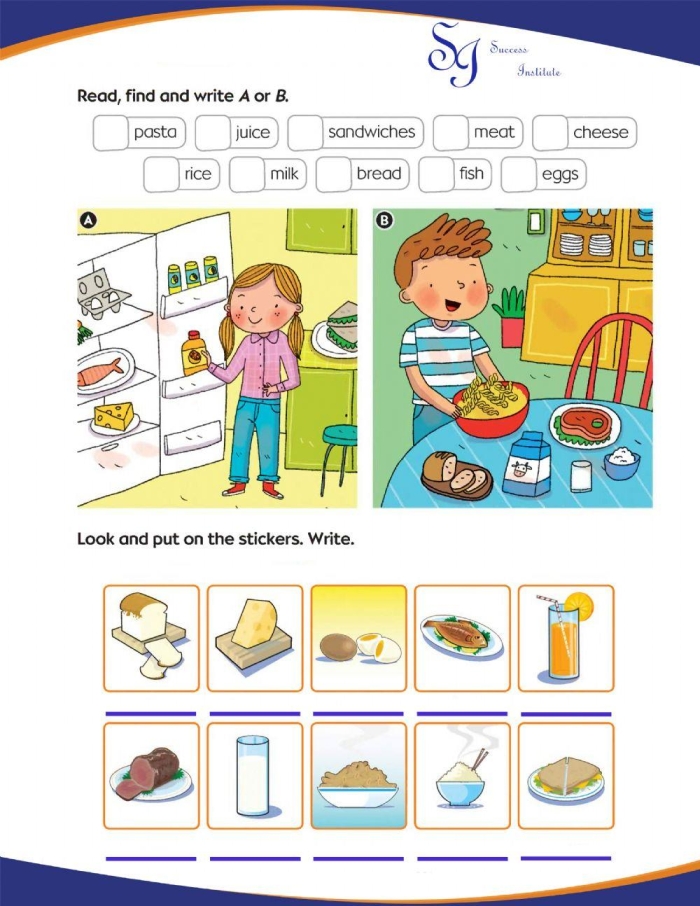
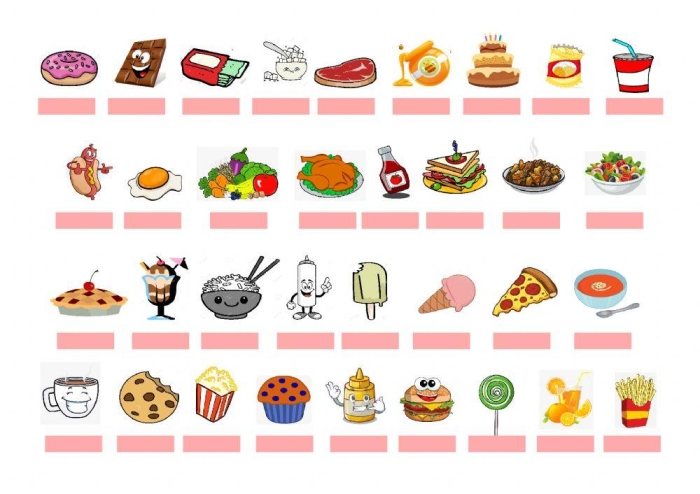
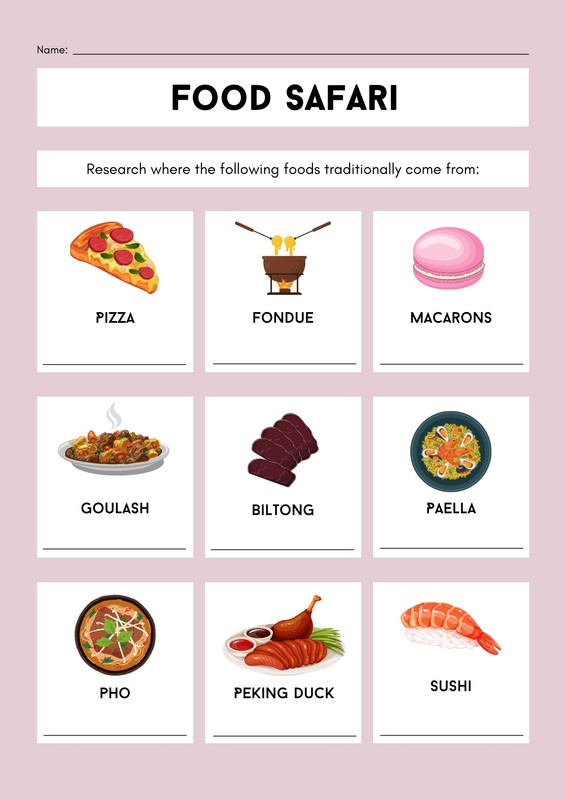
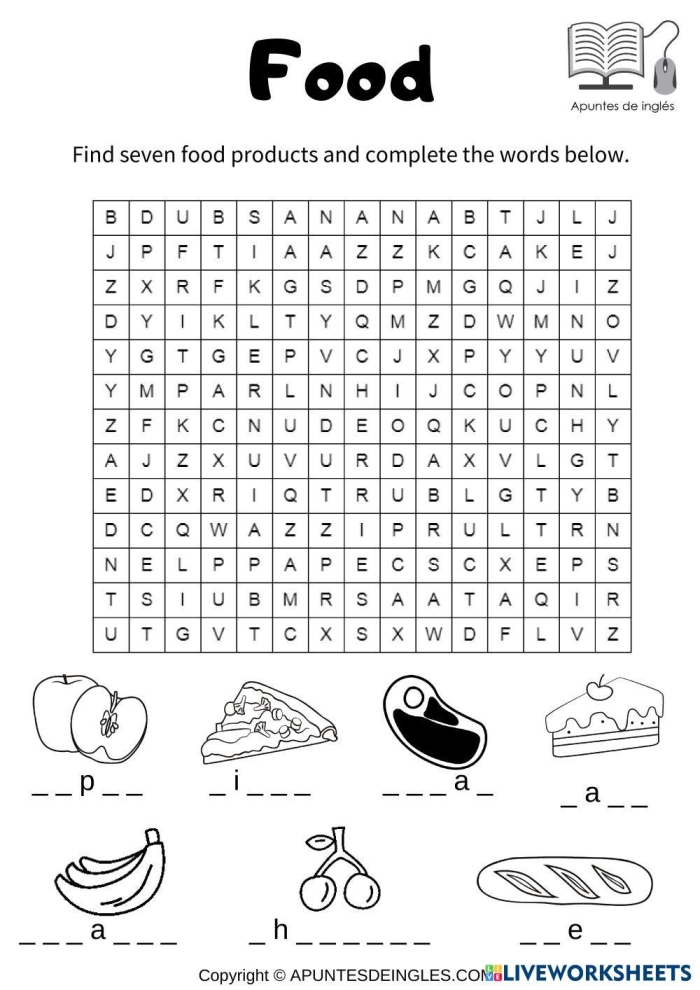
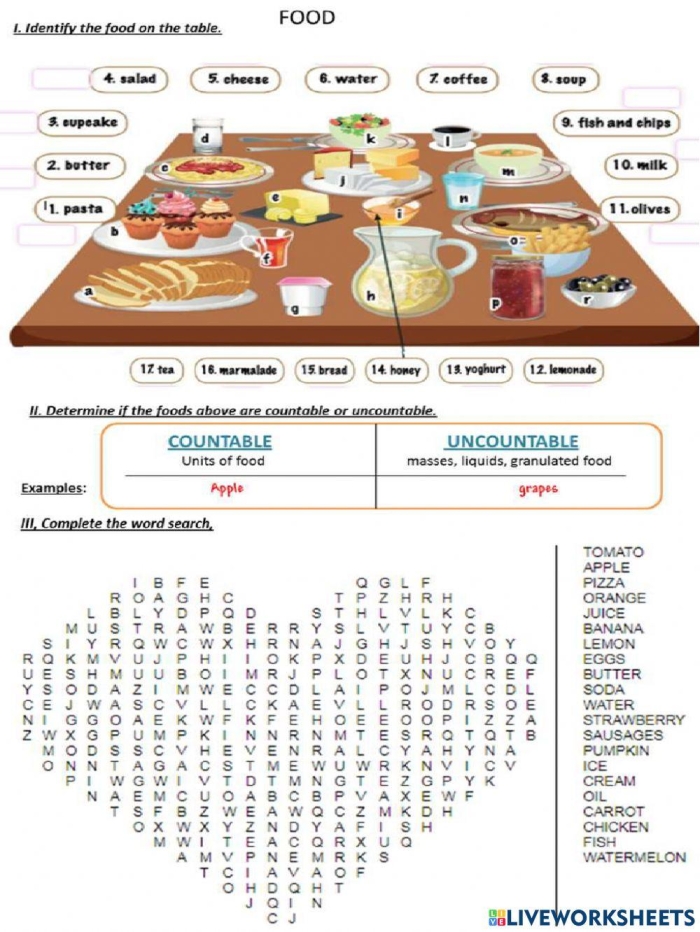
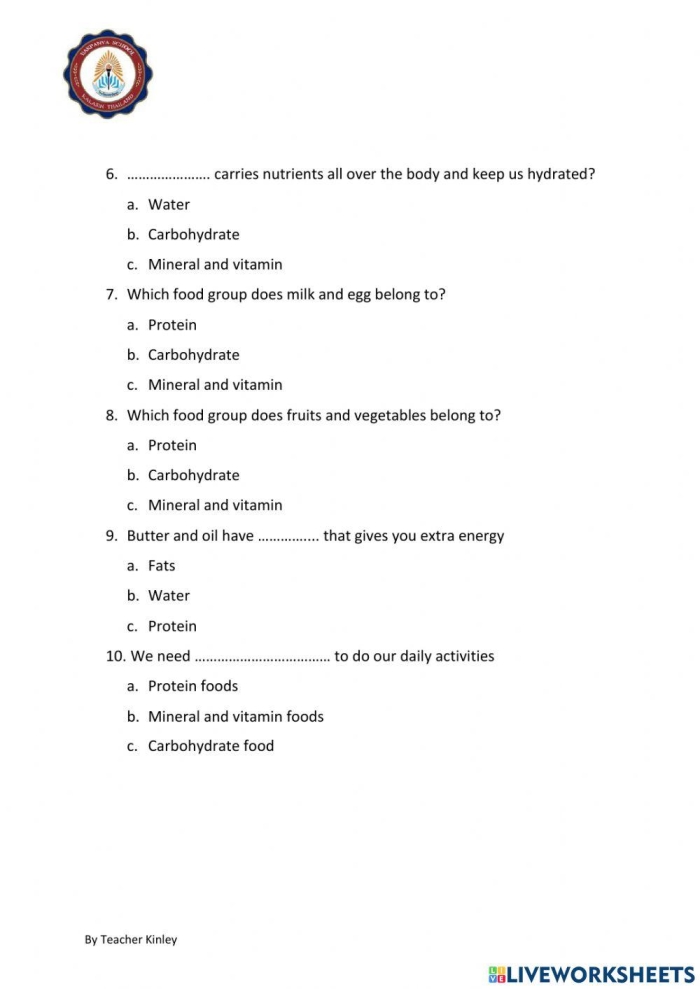
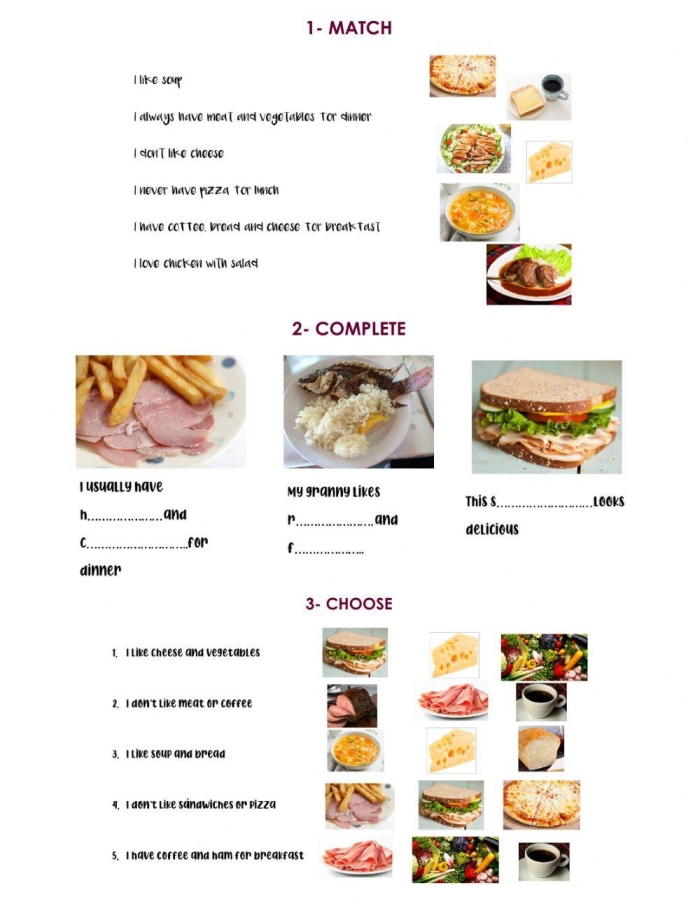
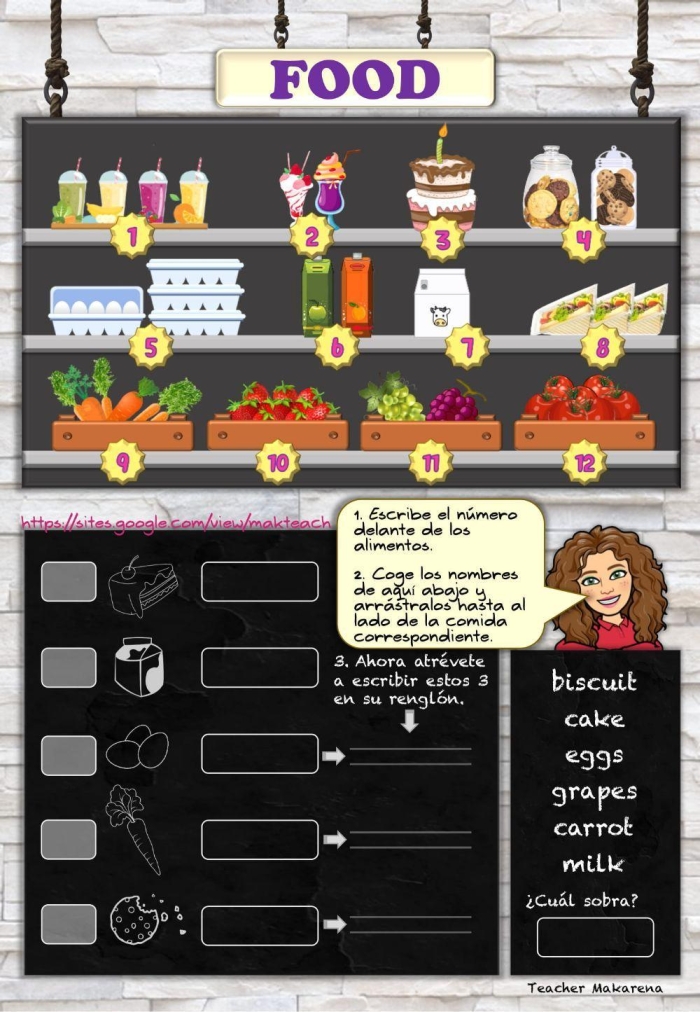
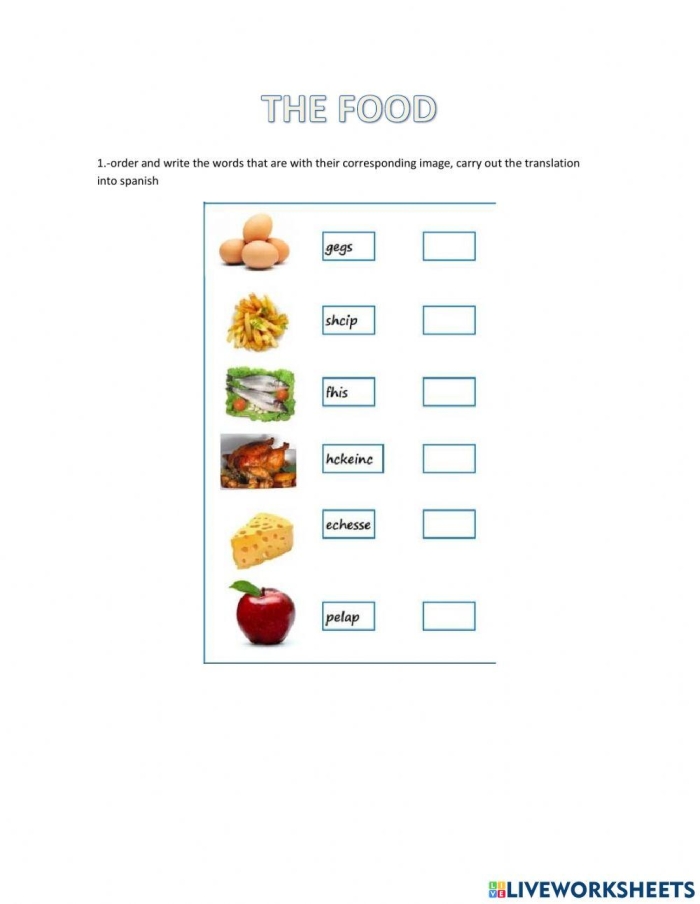
If you’re looking for additional resources, consider using printable food map worksheets that can complement this activity. These worksheets are designed specifically for second graders and can help reinforce their learning about local resources and geography.
By transforming pictures of edible exports into a food map, you’re not only making learning fun but also encouraging your child to think critically about their environment. This activity is a wonderful way to support their education in geography while fostering a connection to their local community.
Practice with These Worksheets