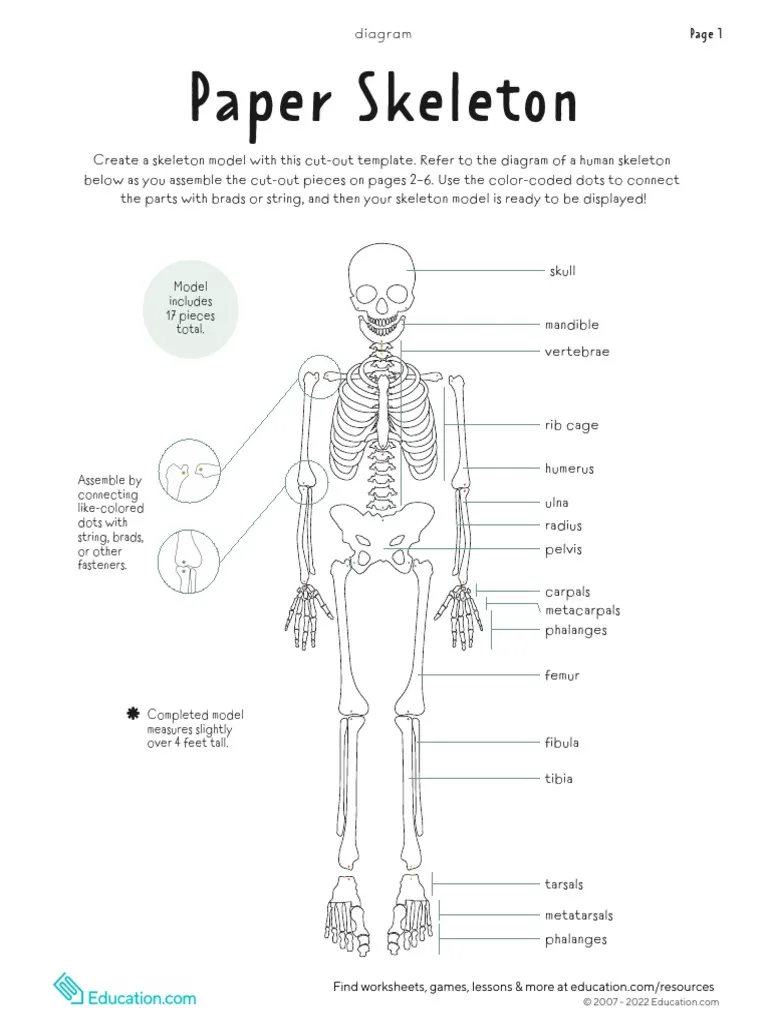
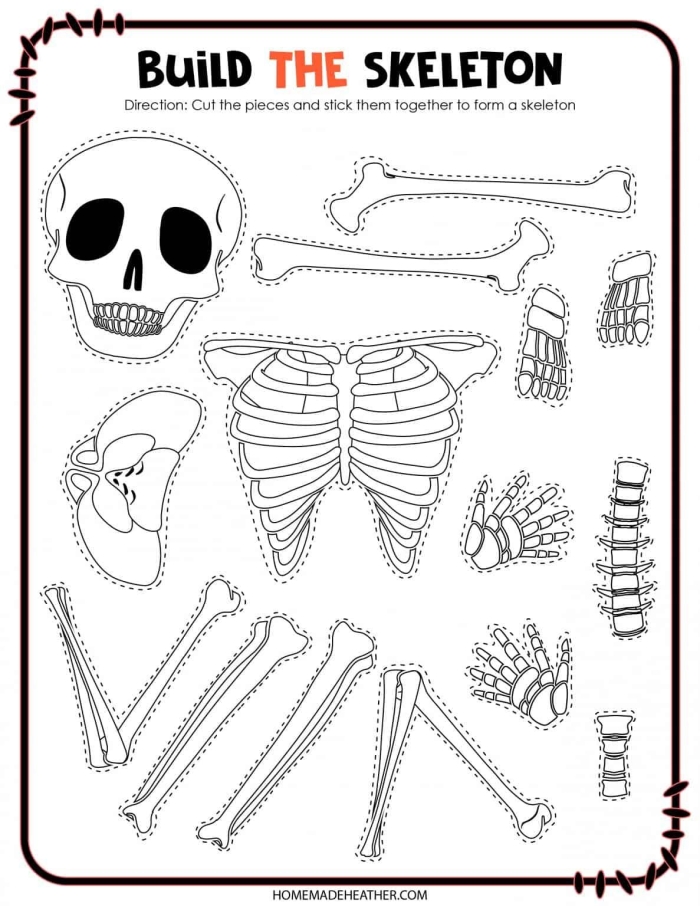
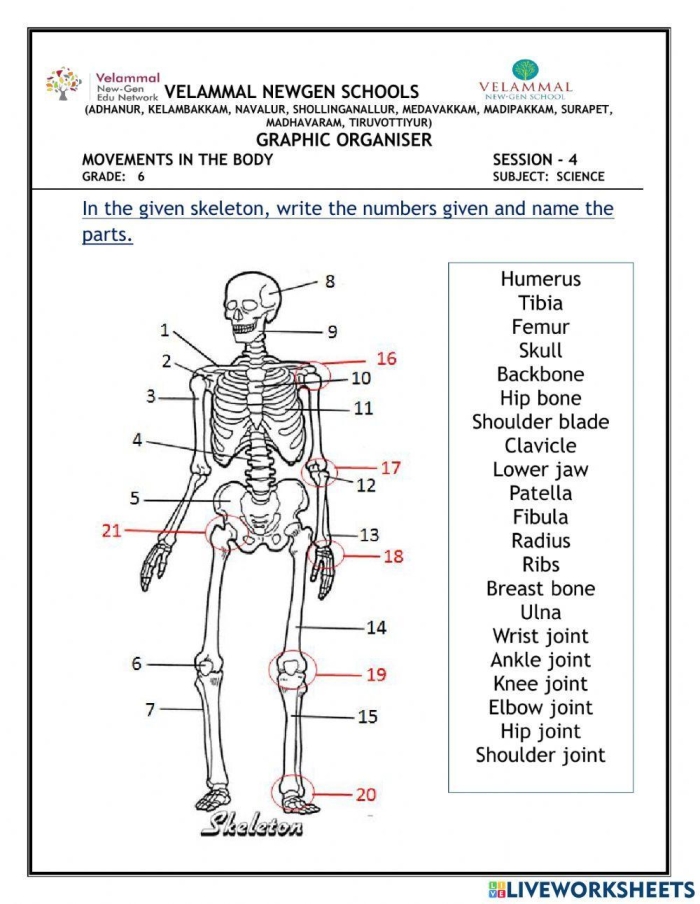
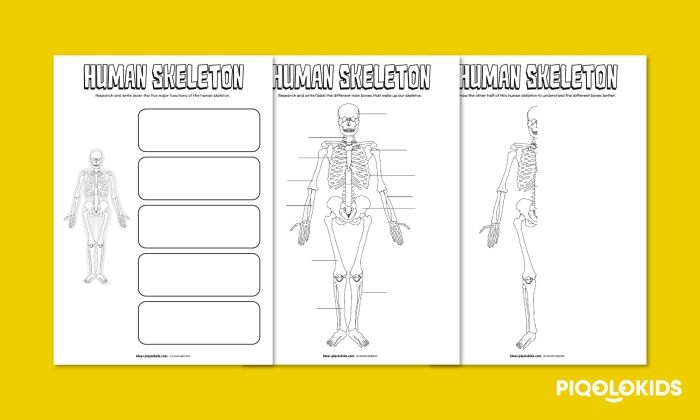
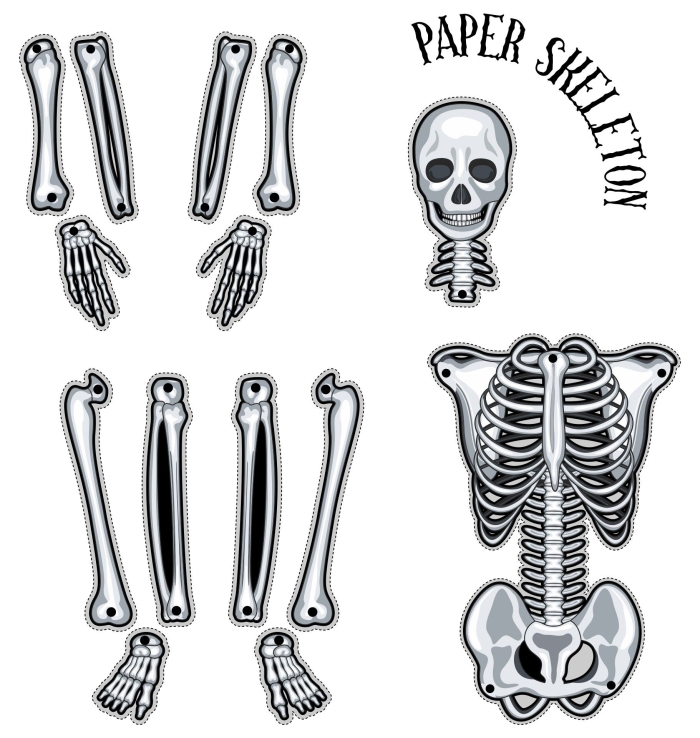
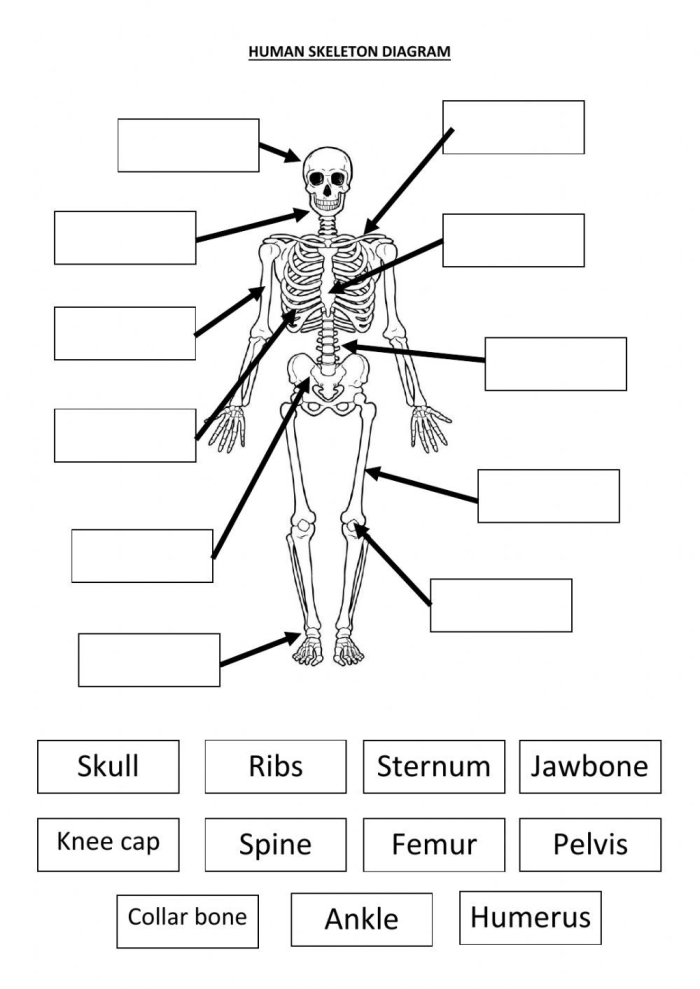
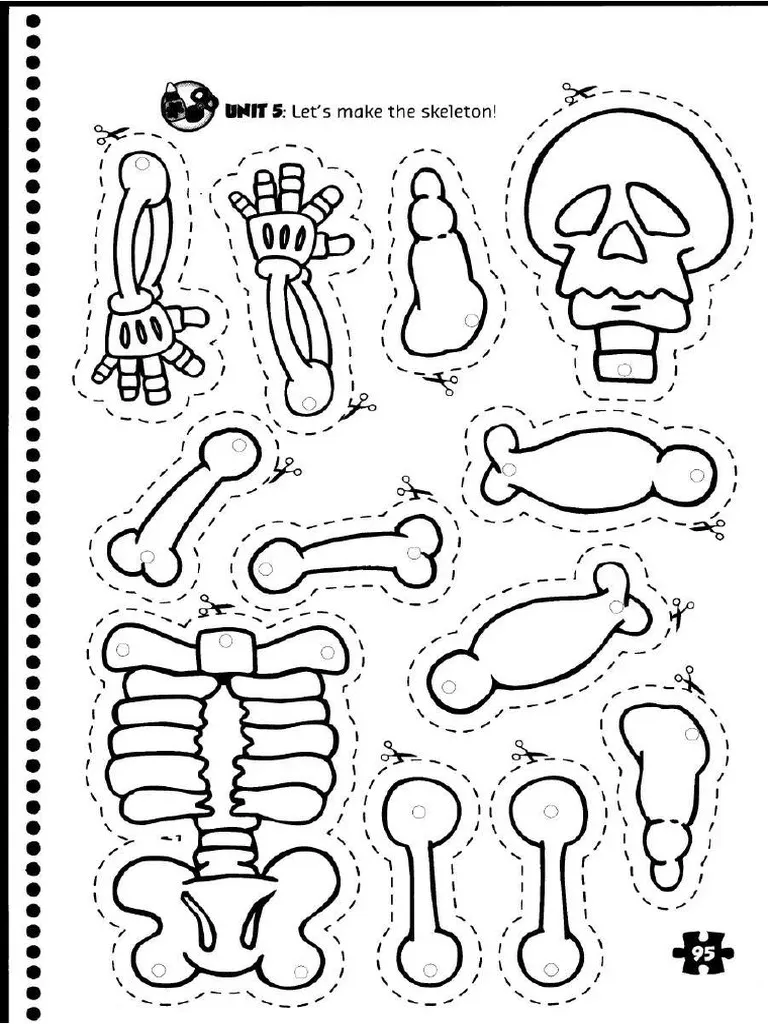
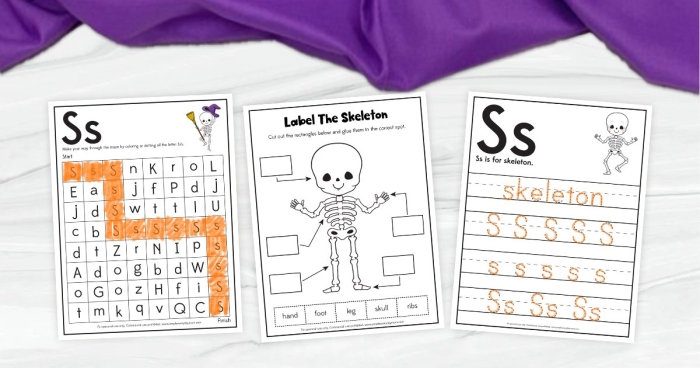
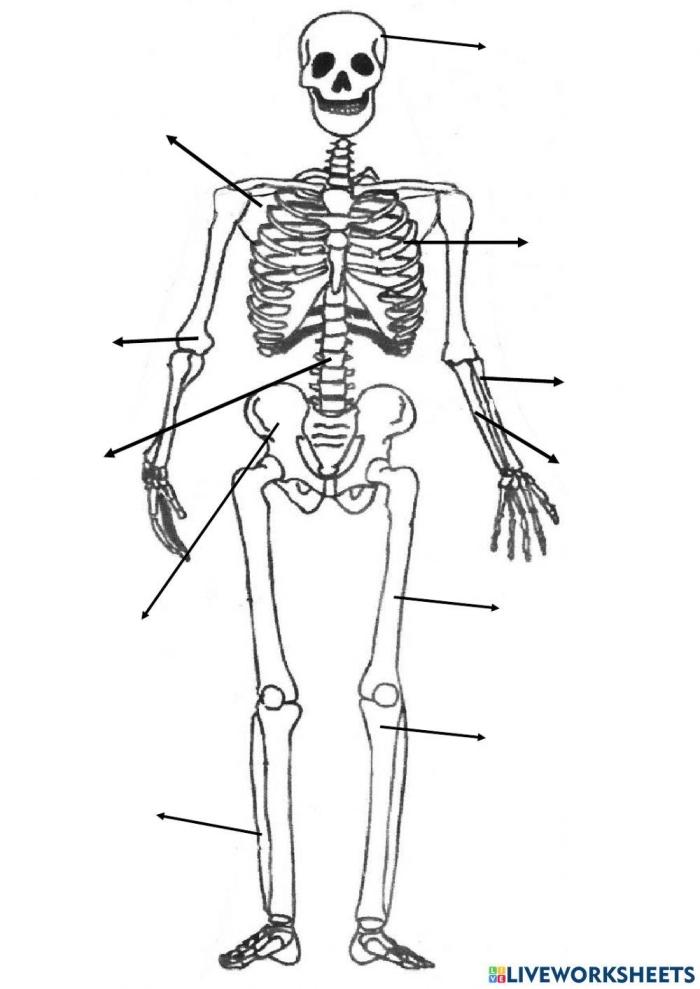
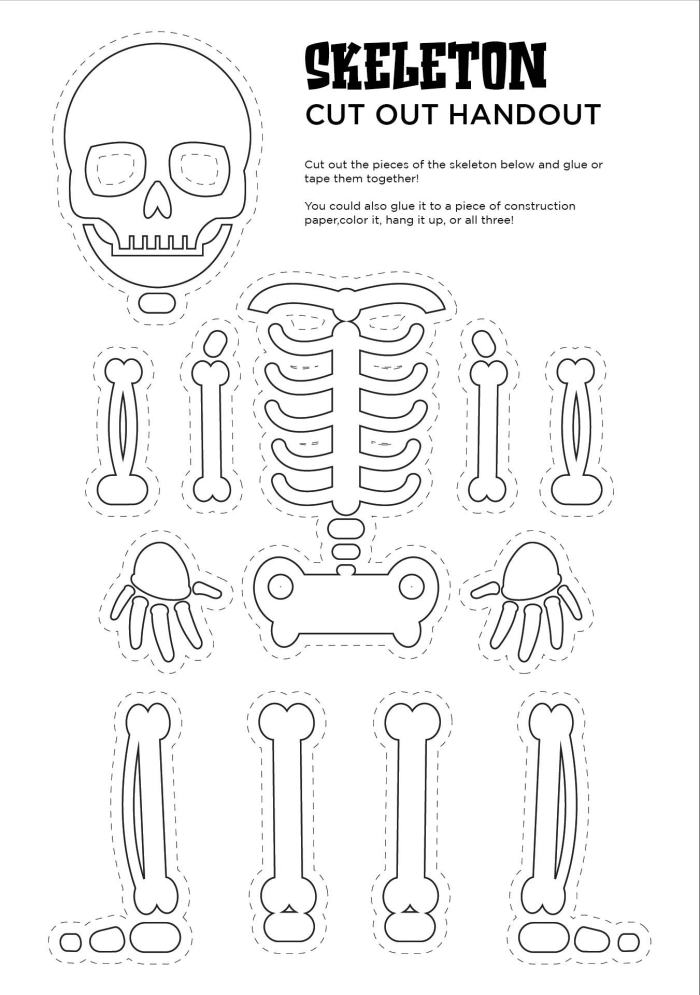
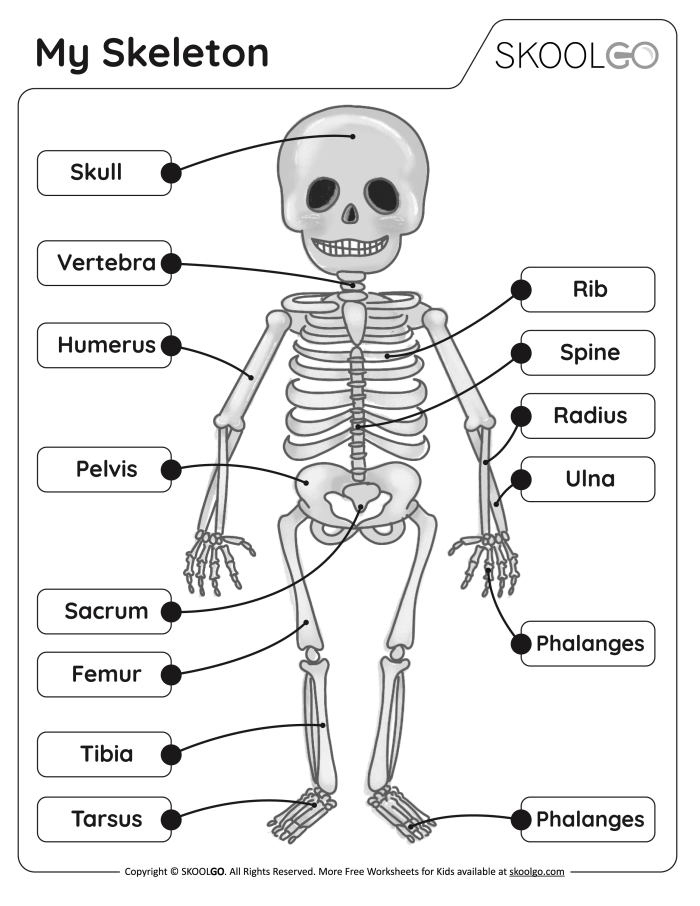
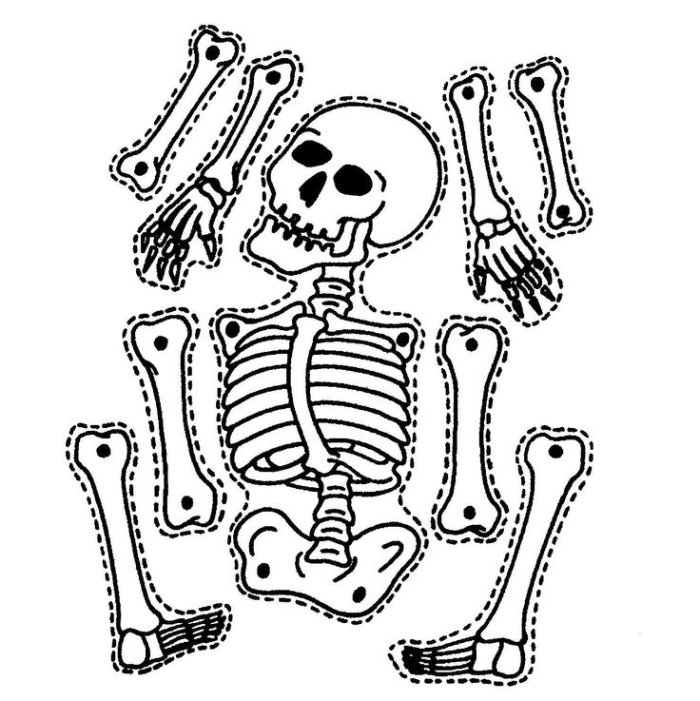
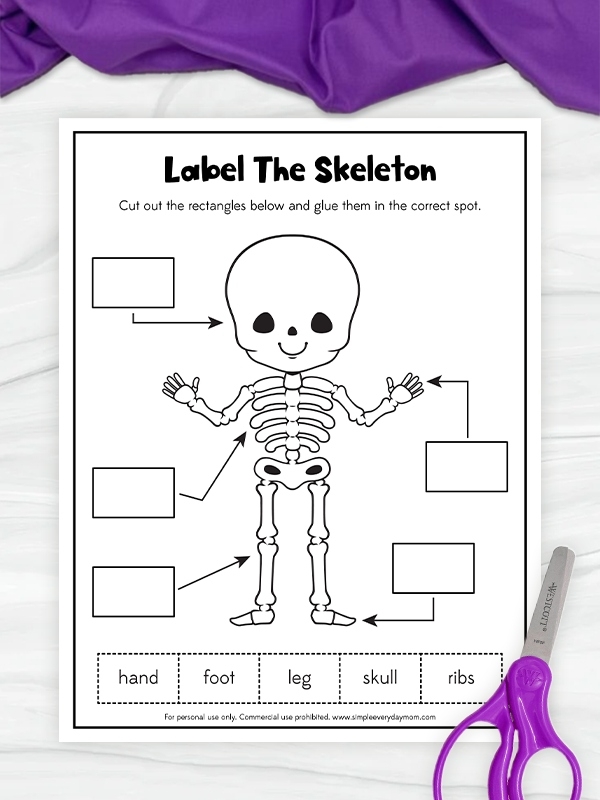
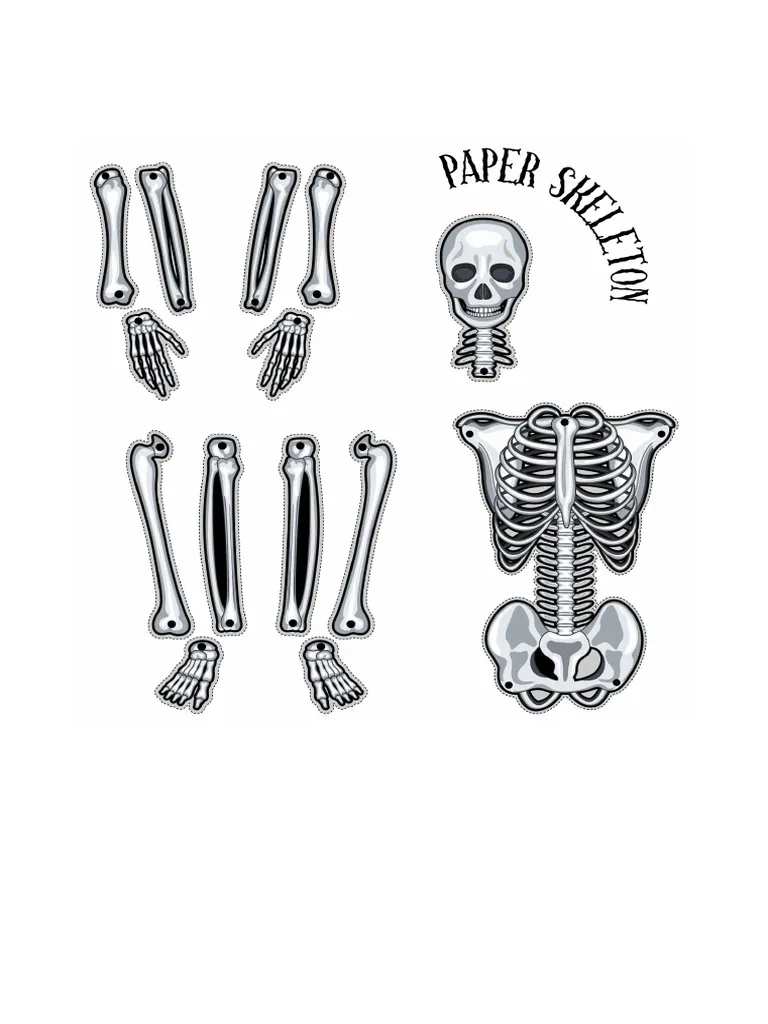
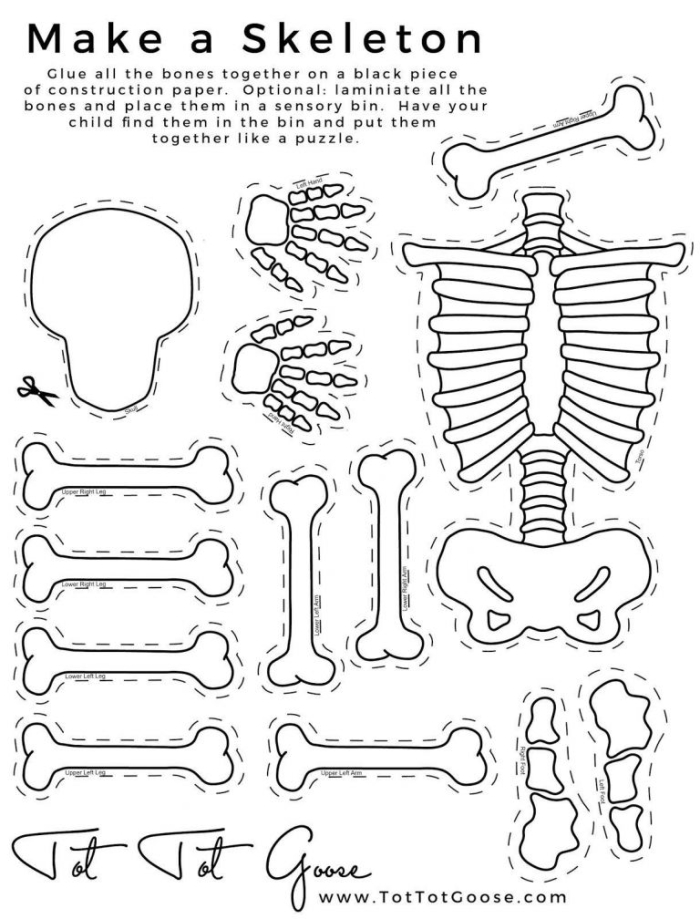
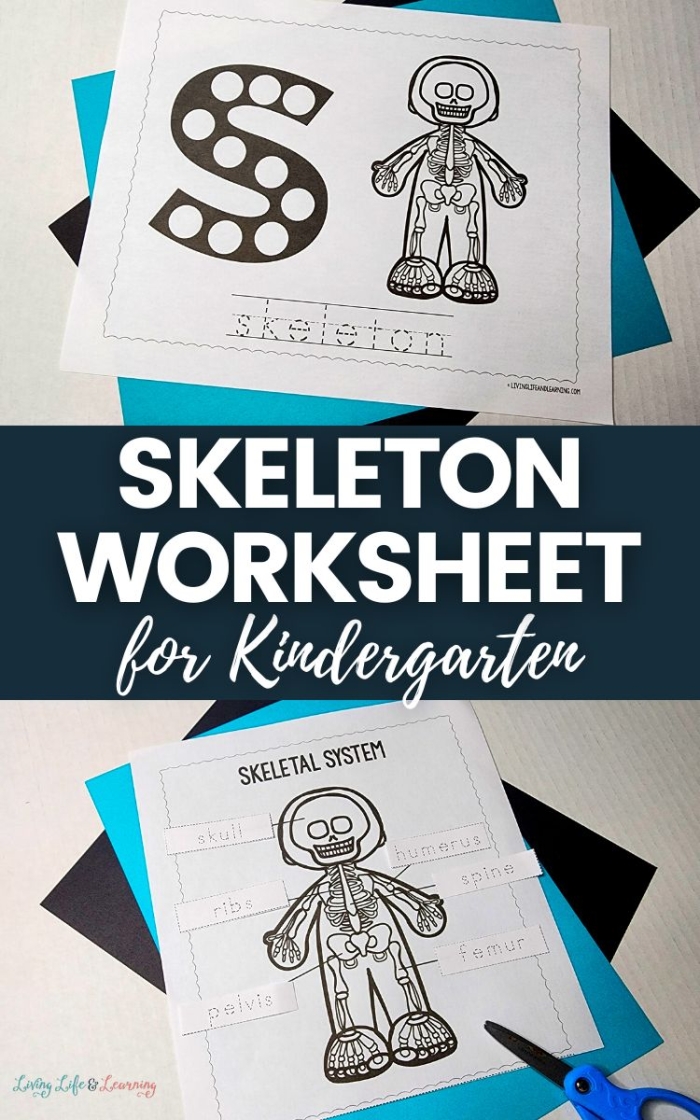
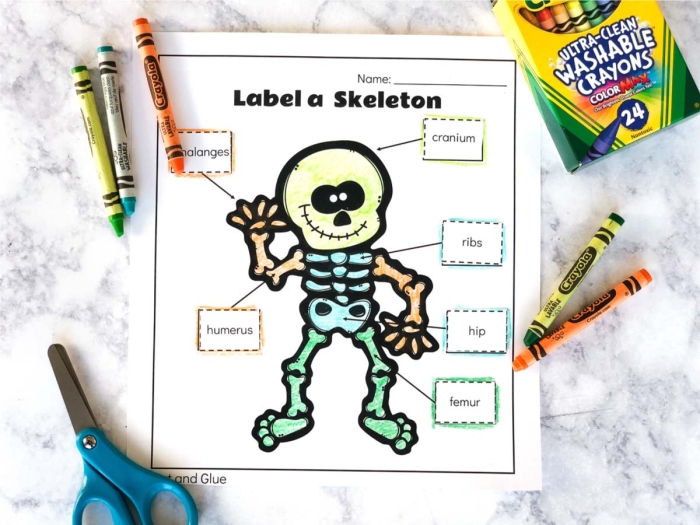
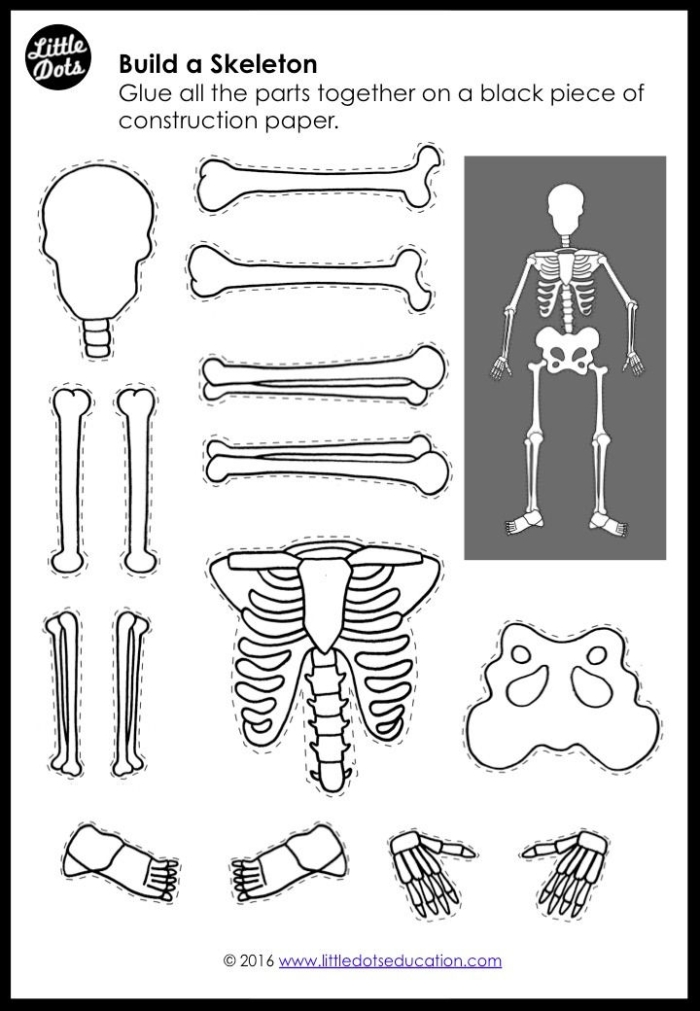
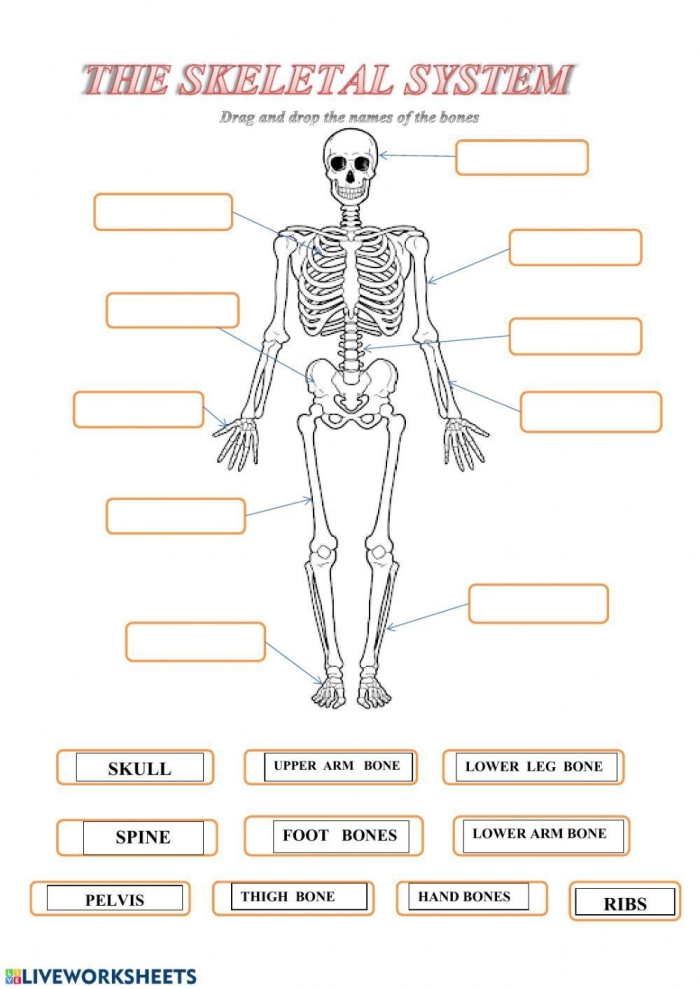
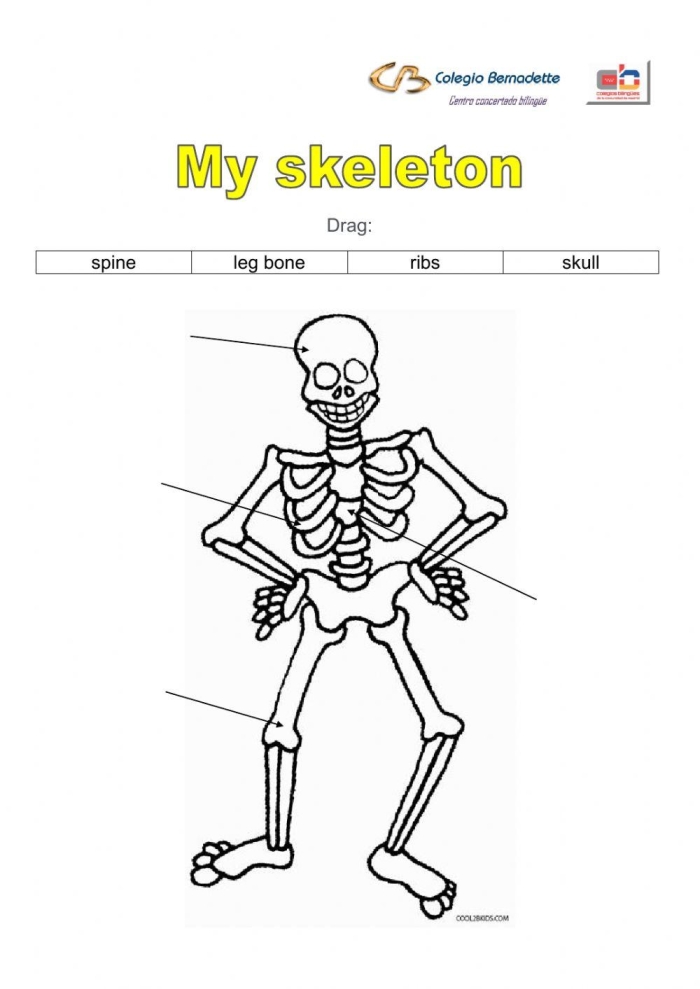
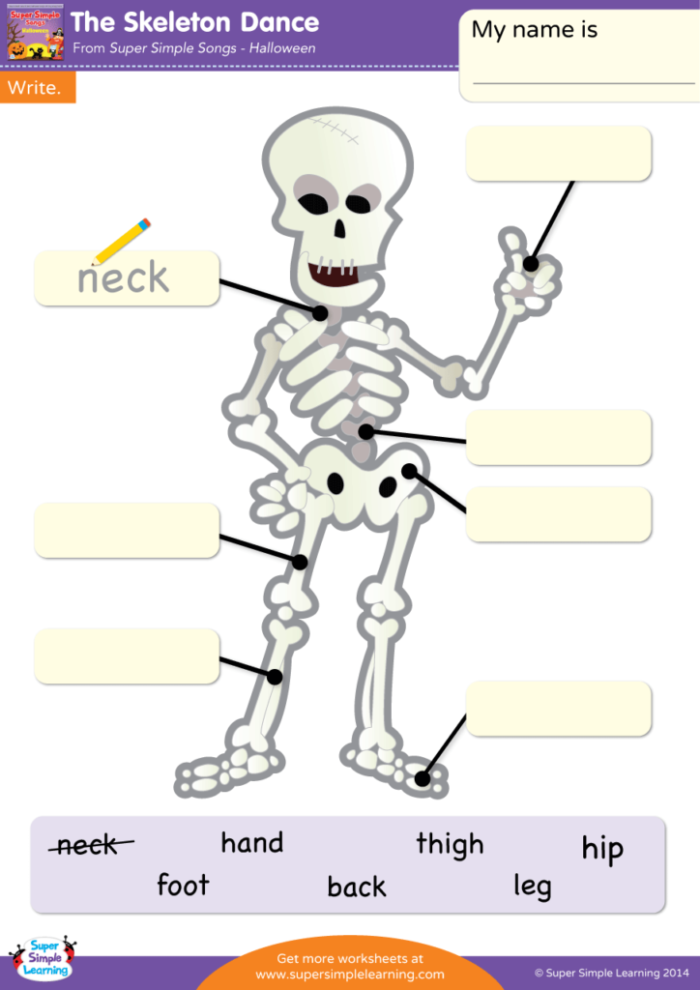
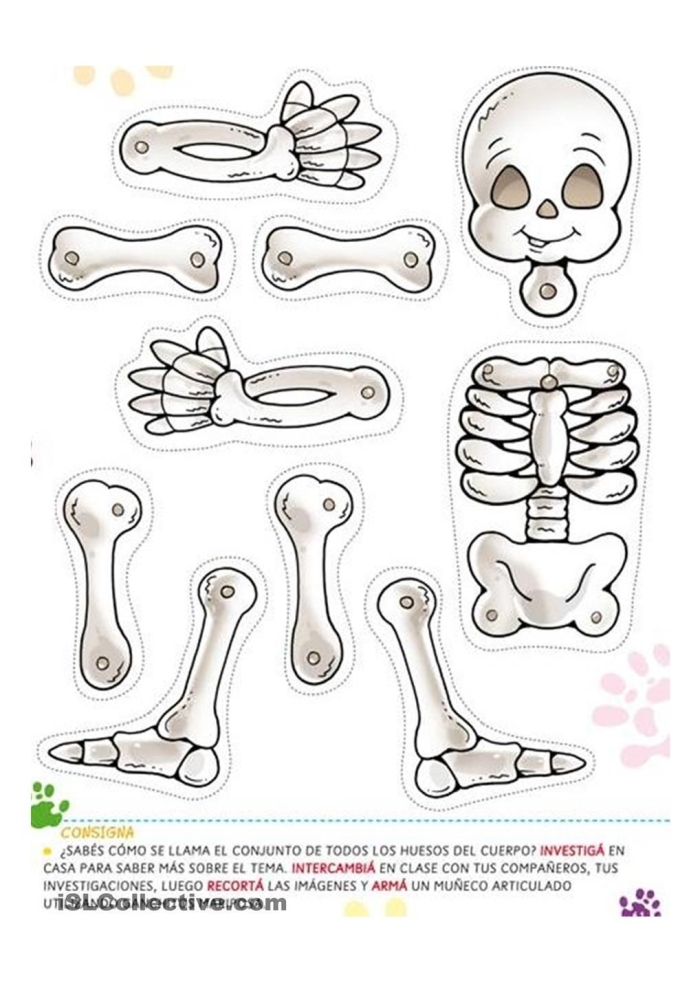
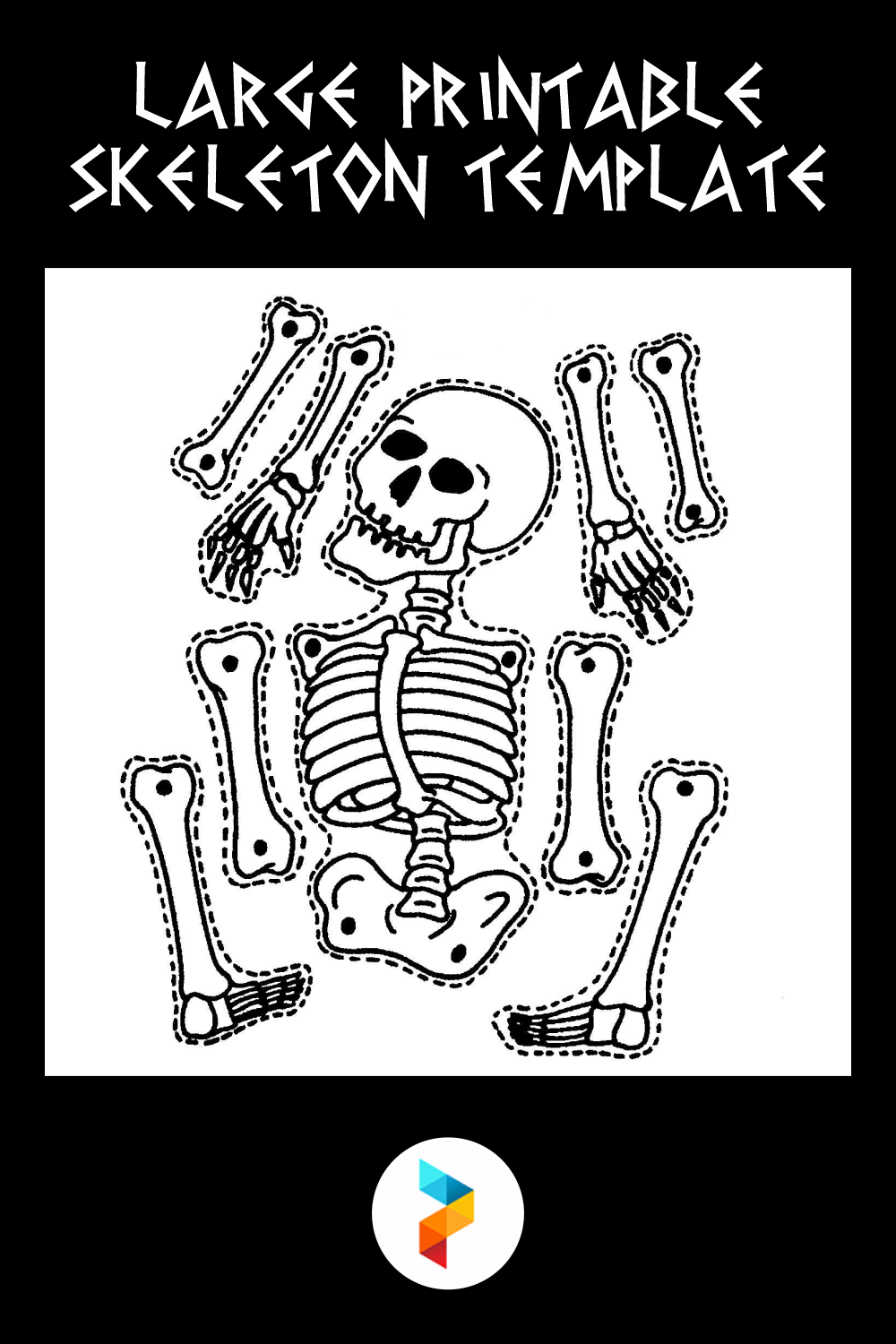
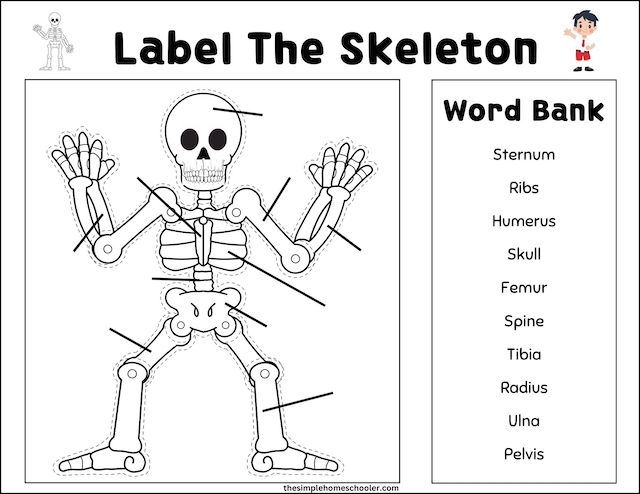
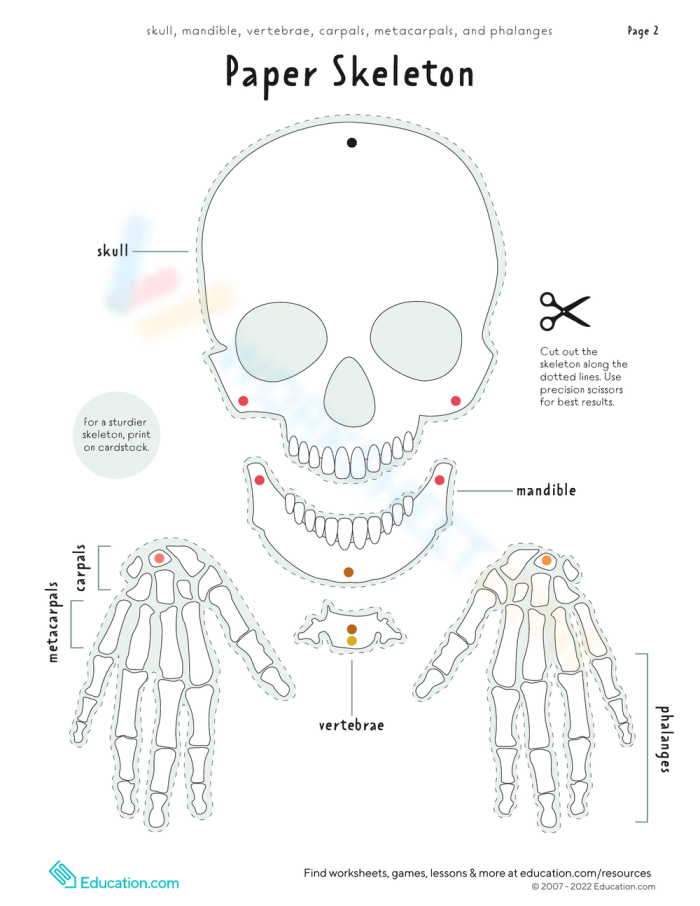
As students transition into fourth and fifth grades, hands-on activities become essential for fostering engagement in life sciences. One of the most captivating projects is the assembly of a human skeleton from paper. This interactive exercise not only reinforces knowledge of human anatomy but also incorporates essential skills such as cutting, folding, and assembling—a fun way to blend art with science.
Using printable paper skeleton worksheets, students can explore the structure of the human body in a tangible way. Each piece of the skeleton can represent a different bone, allowing children to learn the names and functions of each component. For instance, they might discover the role of the femur as the longest bone in the body while carefully cutting it out. This hands-on interaction helps solidify their understanding far better than rote memorization could achieve.
Integrating fractions into this activity can further enhance learning. As students cut out pieces of the skeleton, they can practice identifying and using fractions. For example, if a bone is divided into three parts, they can discuss how to represent that as a fraction. This provides a practical application of math skills, making fractions more relatable. Teachers can even complement this skeleton project with additional resources like multiplication facts worksheets or adding and subtracting fractions quizzes to strengthen their math skills alongside their science exploration.
The process of assembling a paper skeleton encourages teamwork and creativity. Students can work in pairs to share ideas on how to best assemble their skeletons or even decorate them with colors to represent different organs. This not only makes learning enjoyable but also fosters a collaborative classroom environment.
Ultimately, engaging fourth and fifth graders in such hands-on activities lays a solid foundation for their understanding of life sciences while enhancing their mathematical skills. By providing a meaningful context for fractions, educators can help students see the connections between subjects, making learning a more integrated experience.
Practice with These Worksheets