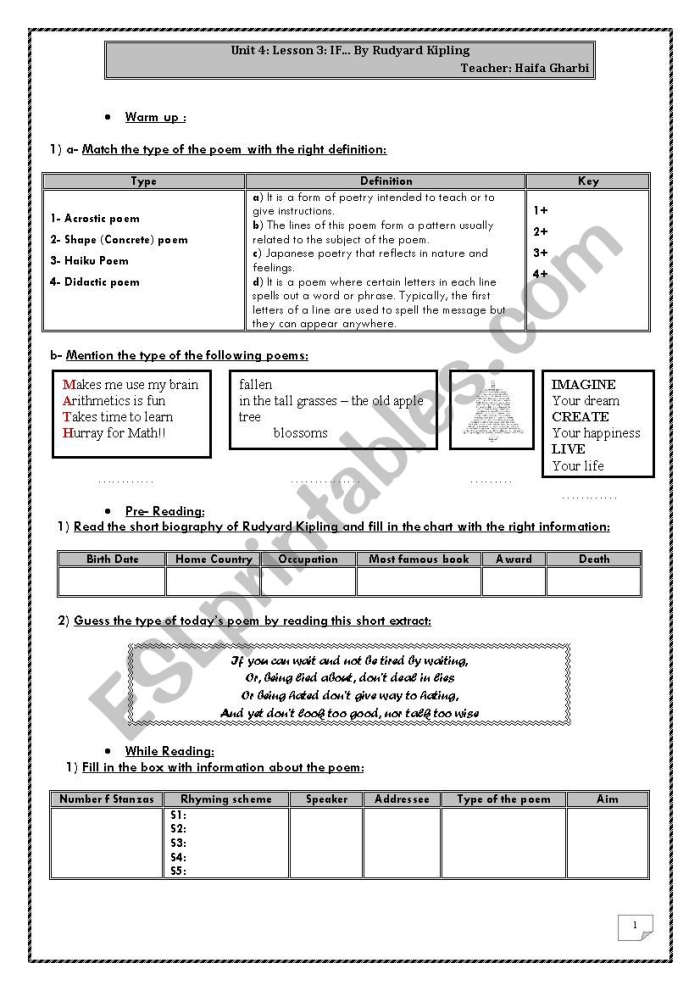
Understanding the theme of a story is a crucial skill for young readers, especially in the fourth grade when they begin to explore literature more deeply. This exercise encourages students to engage actively with a classic story by following a series of steps to uncover its central theme.
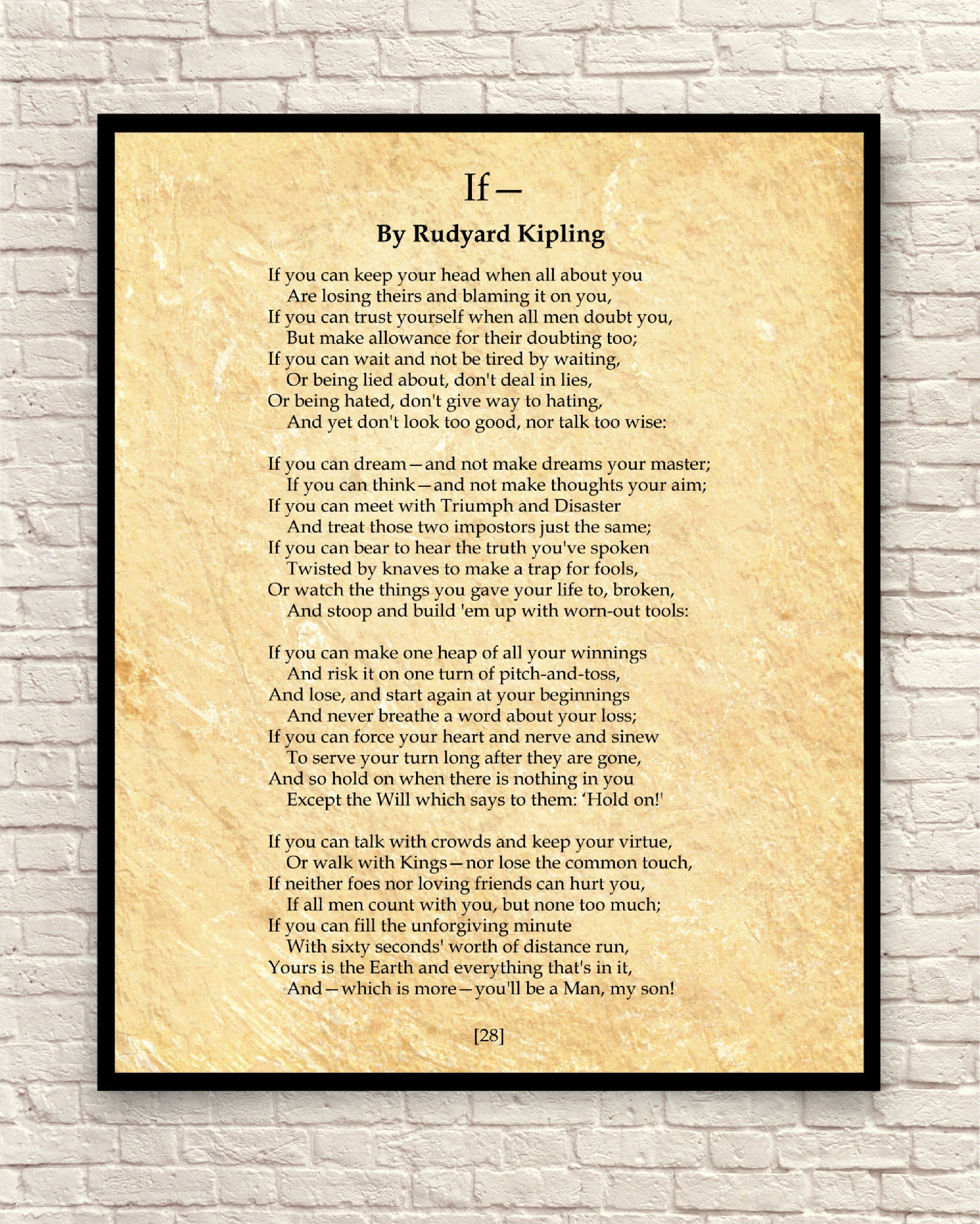
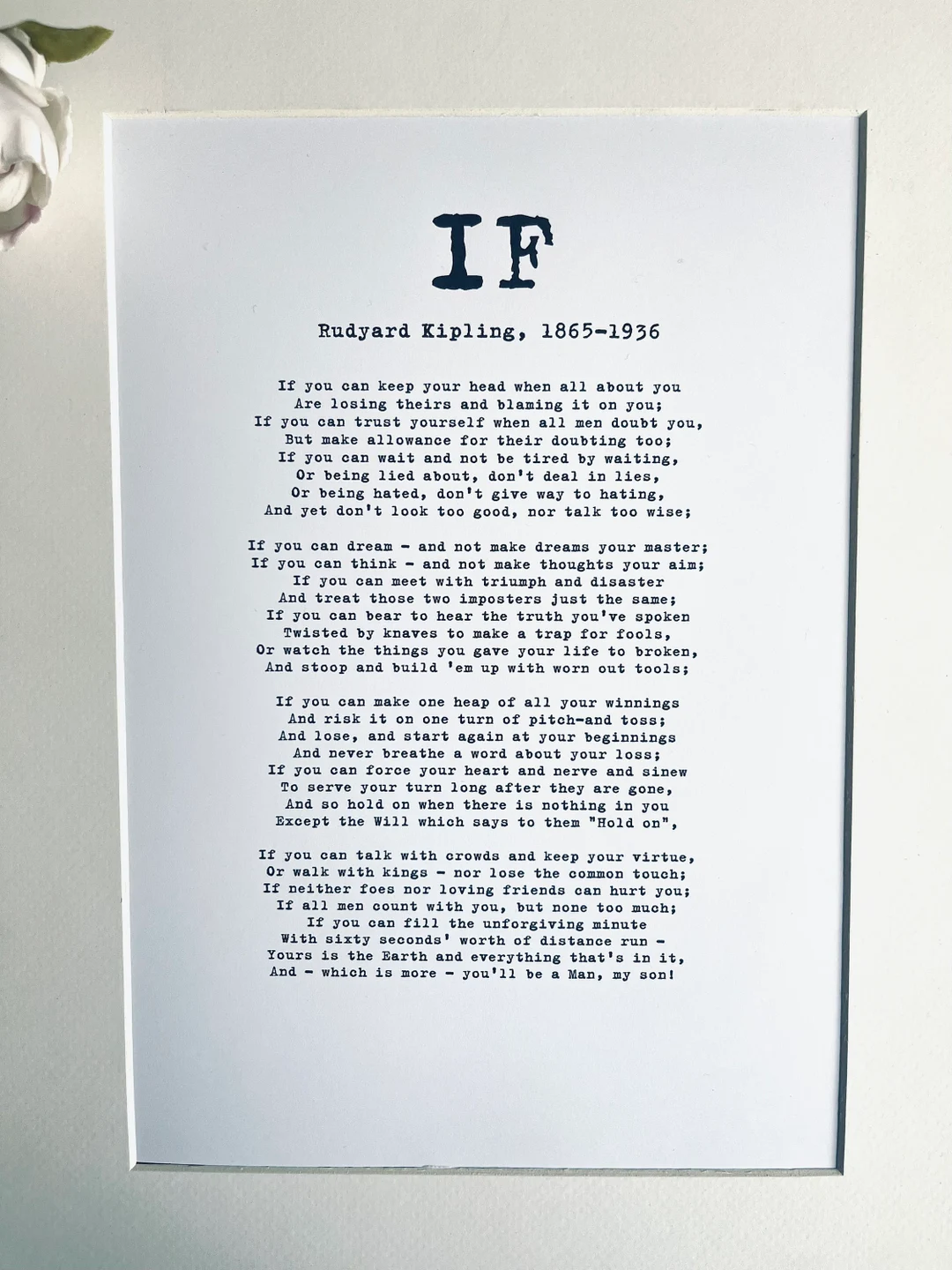
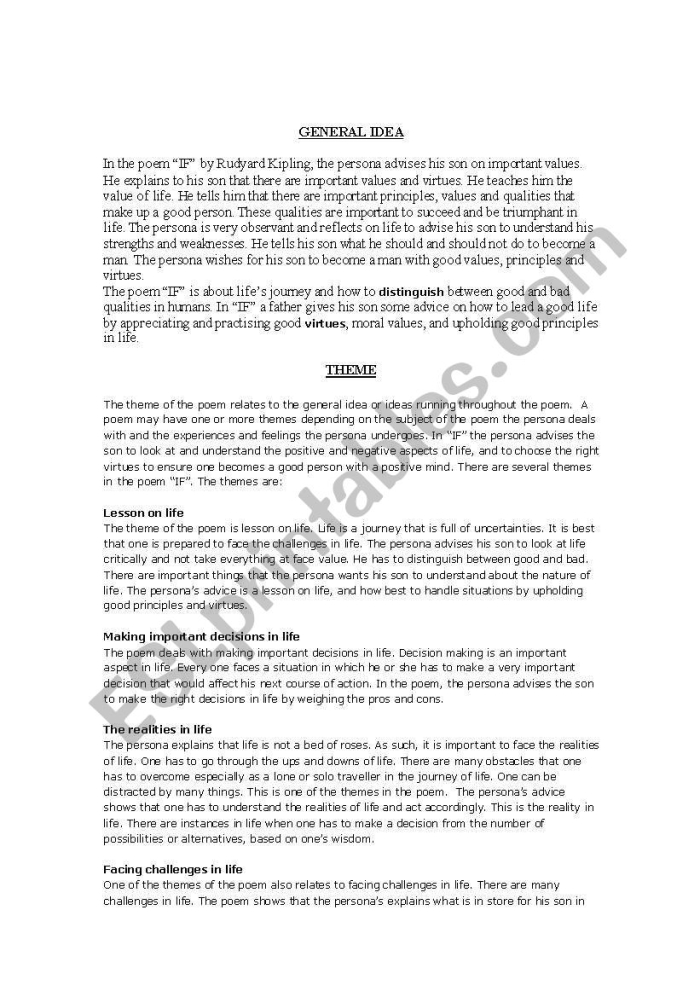
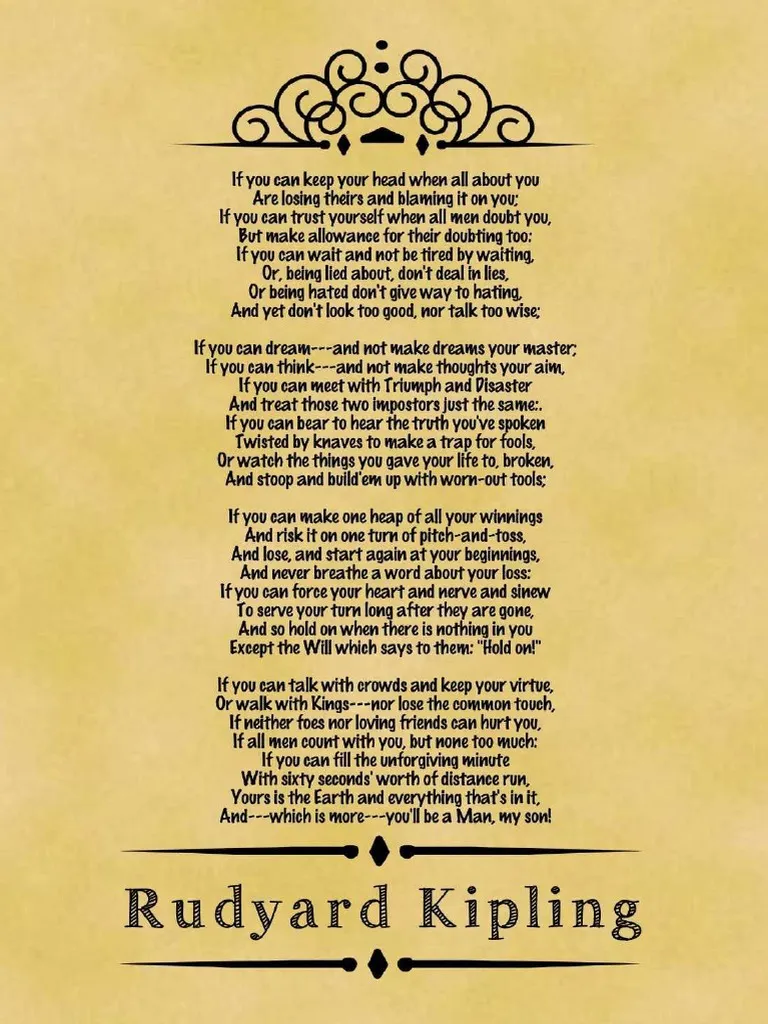
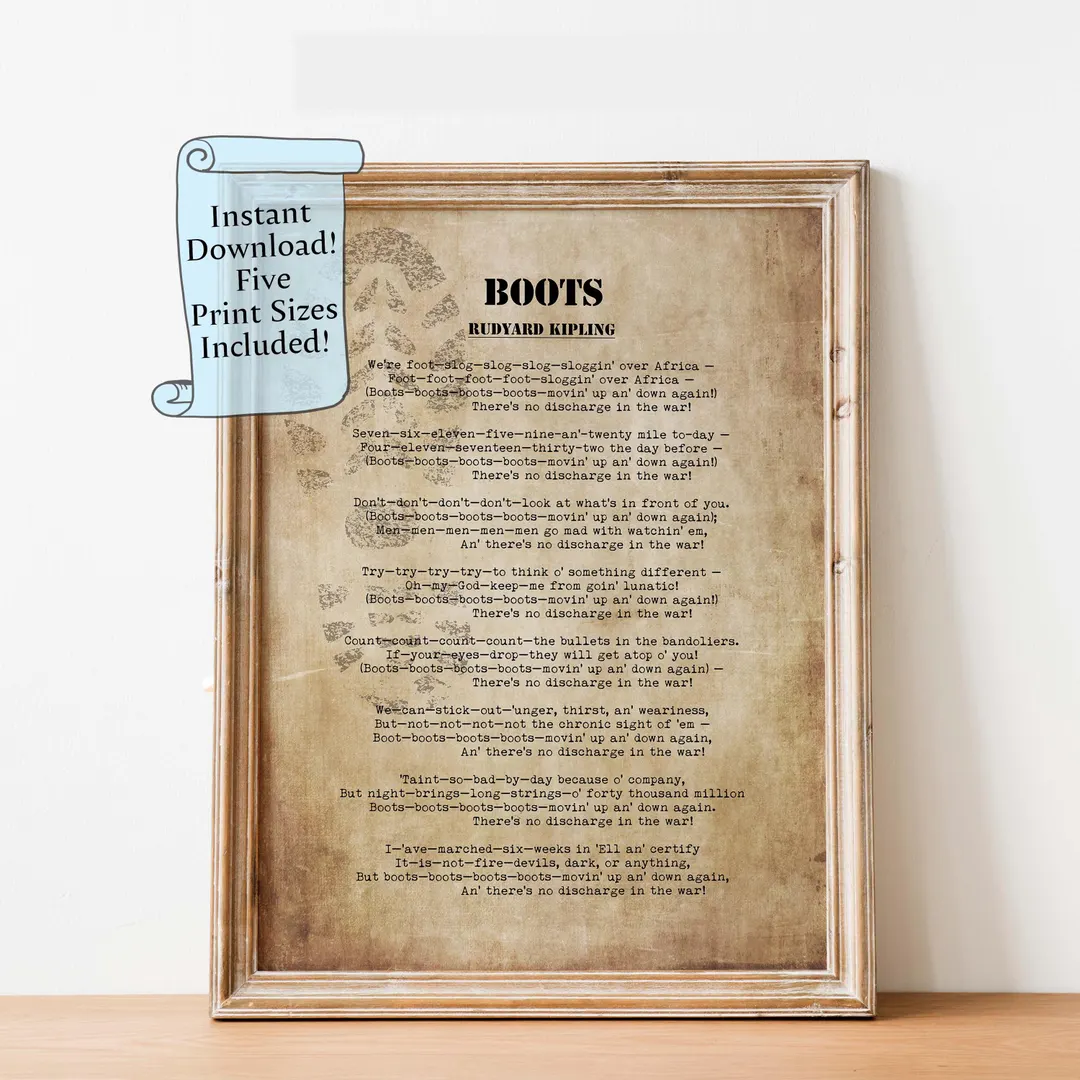
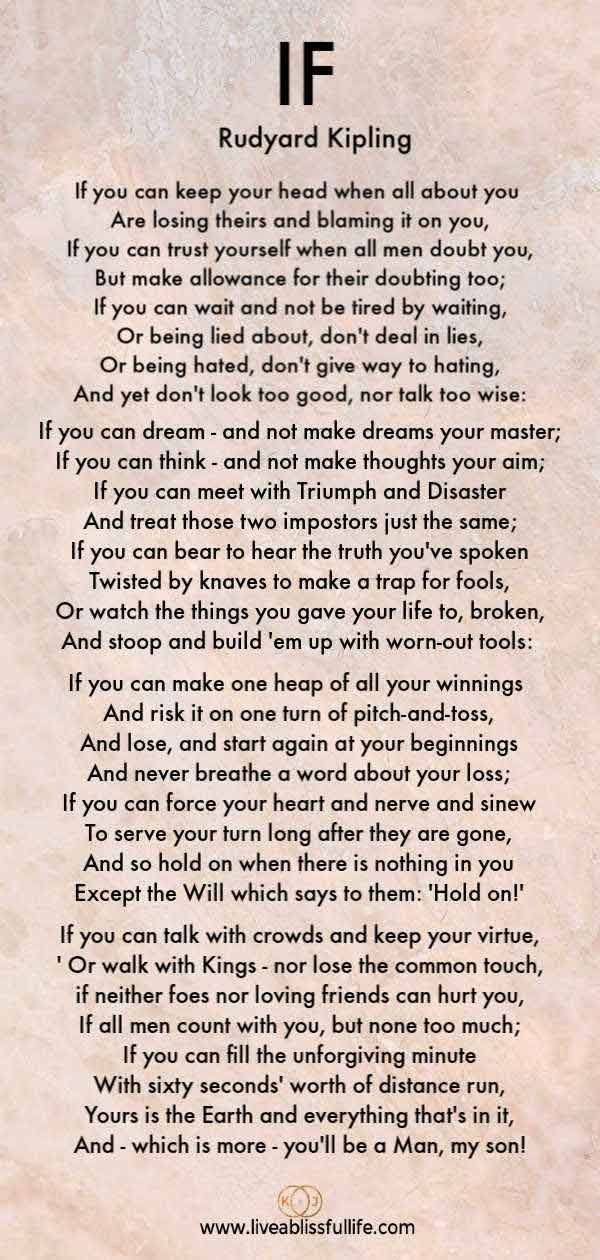
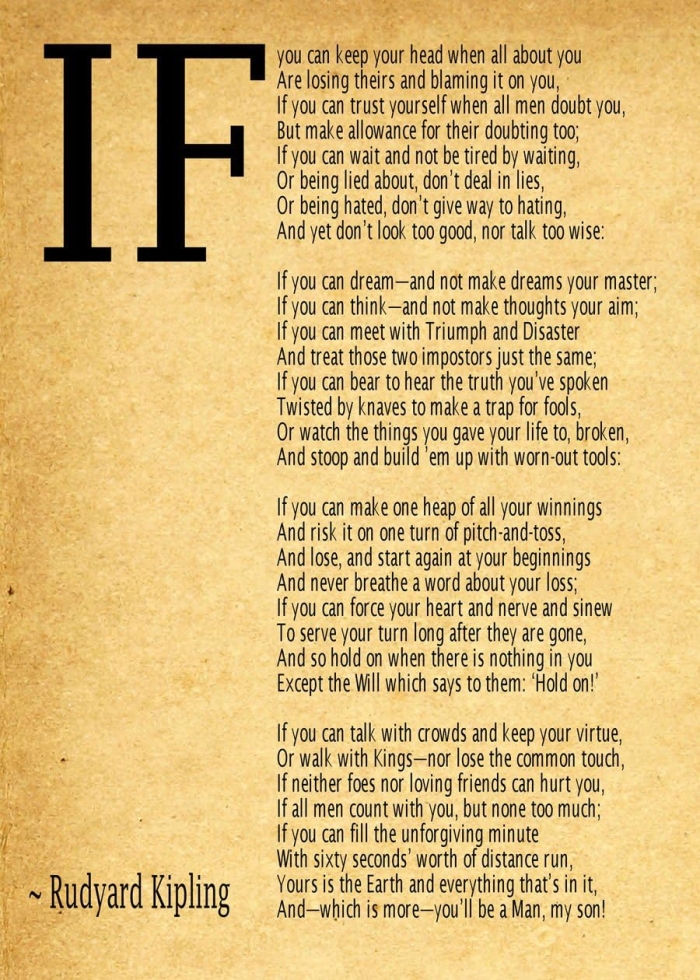
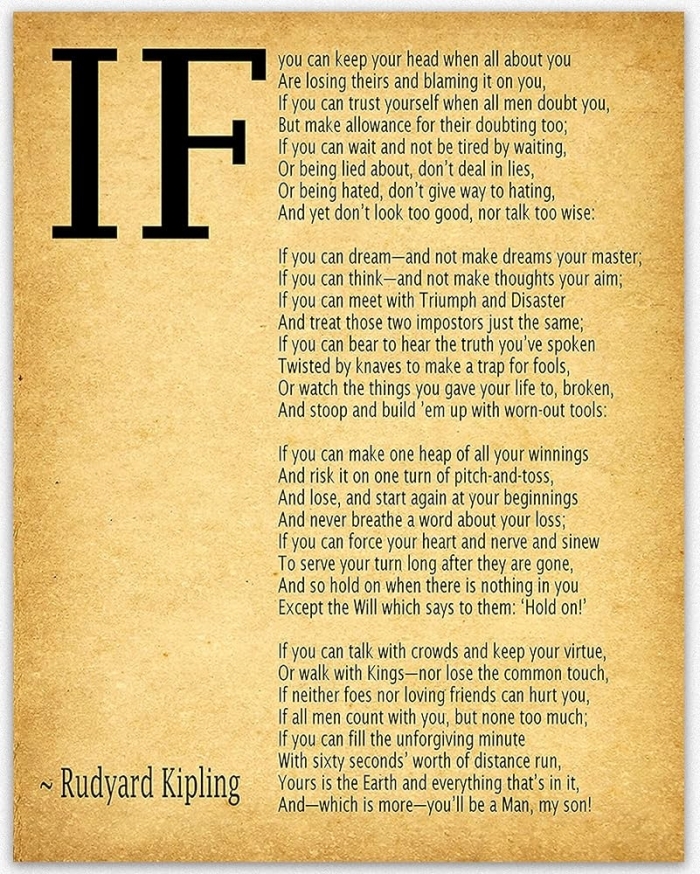
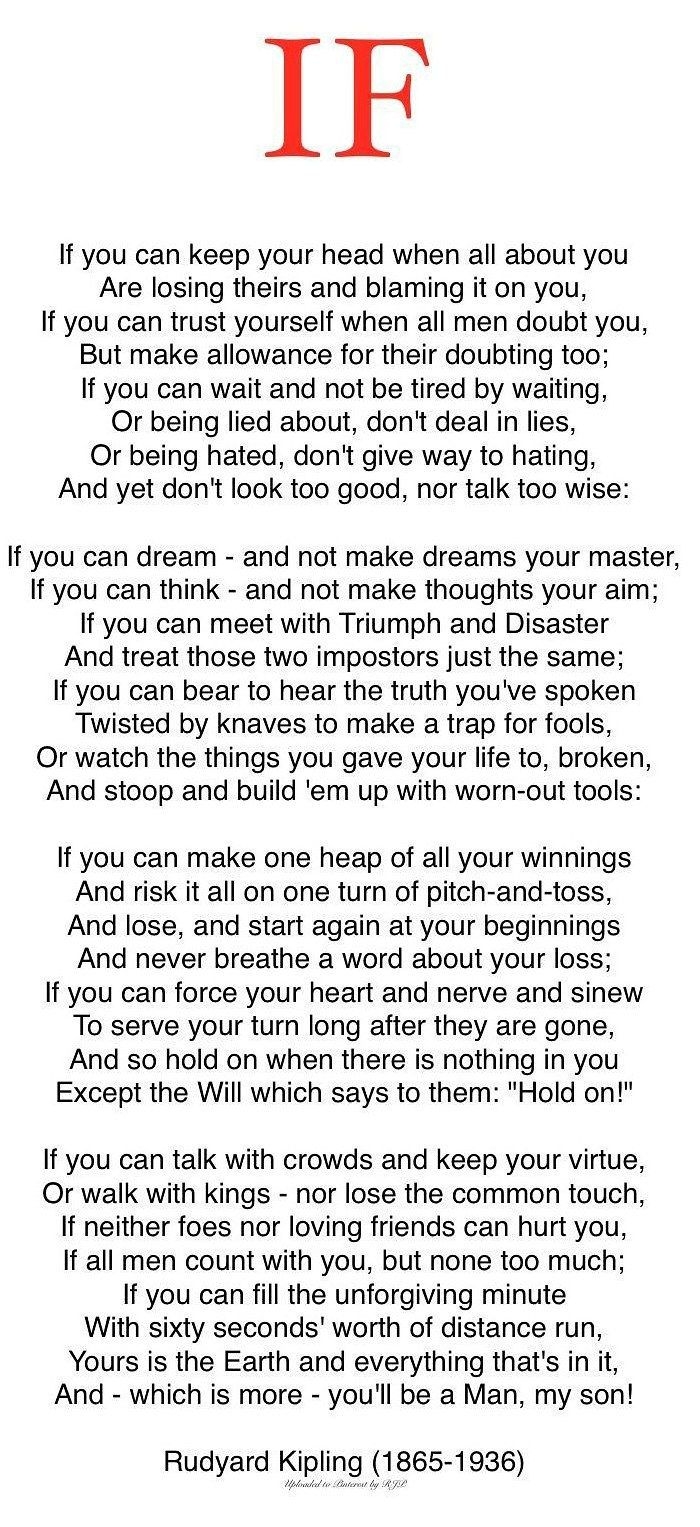
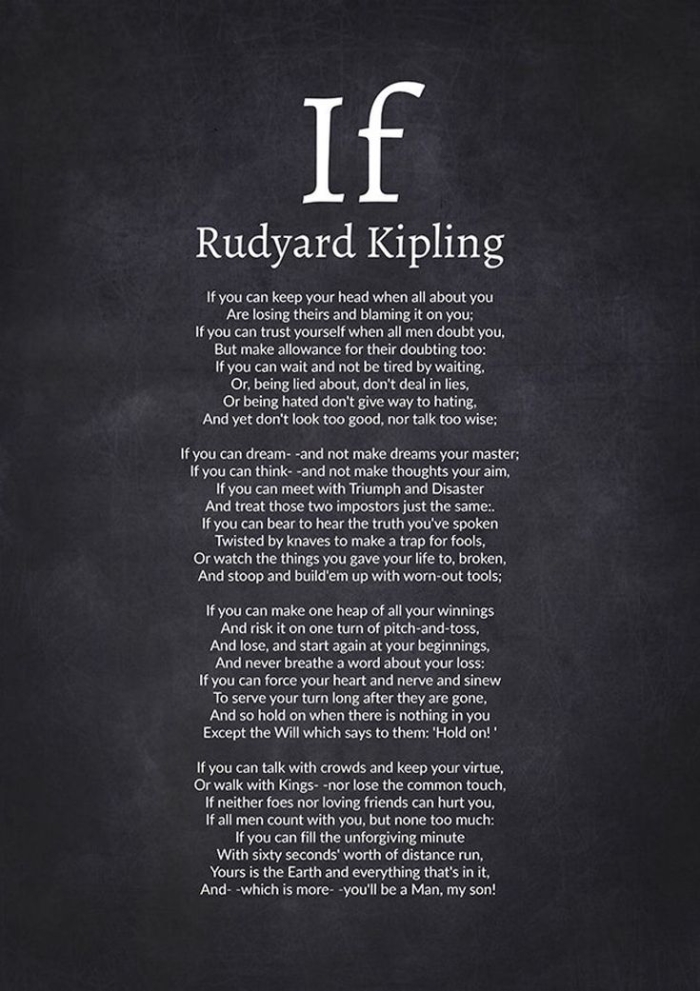
The theme of a story is the underlying message or the big idea that the author wants to convey. It often reflects the author’s perspective on various aspects of life, society, or human nature. For example, in Rudyard Kipling’s works, themes often revolve around adventure, moral lessons, and the relationship between people and nature. By focusing on these themes, students can gain insight not only into the story but also into broader concepts relevant to their own lives.
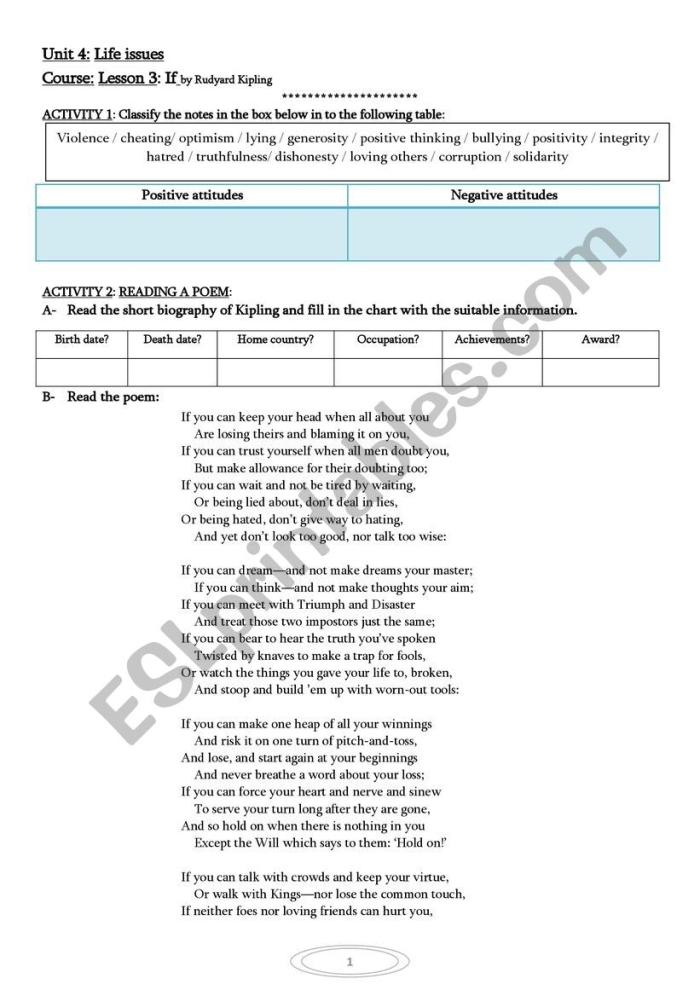
During this exercise, students will first read the selected story, paying close attention to the characters, setting, and plot. As they read, they should jot down notes about key events and any emotions that arise. Next, they will discuss these observations in small groups, which allows them to hear different interpretations and perspectives. This collaborative effort fosters critical thinking and helps students articulate their thoughts more clearly.
Once students have gathered their ideas, they will work on identifying the central theme. This will involve asking guiding questions such as: What is the main conflict? How do the characters change? What message does the author seem to convey through the resolution? This step not only hones their analytical skills but also encourages them to connect the story’s themes to their own experiences.
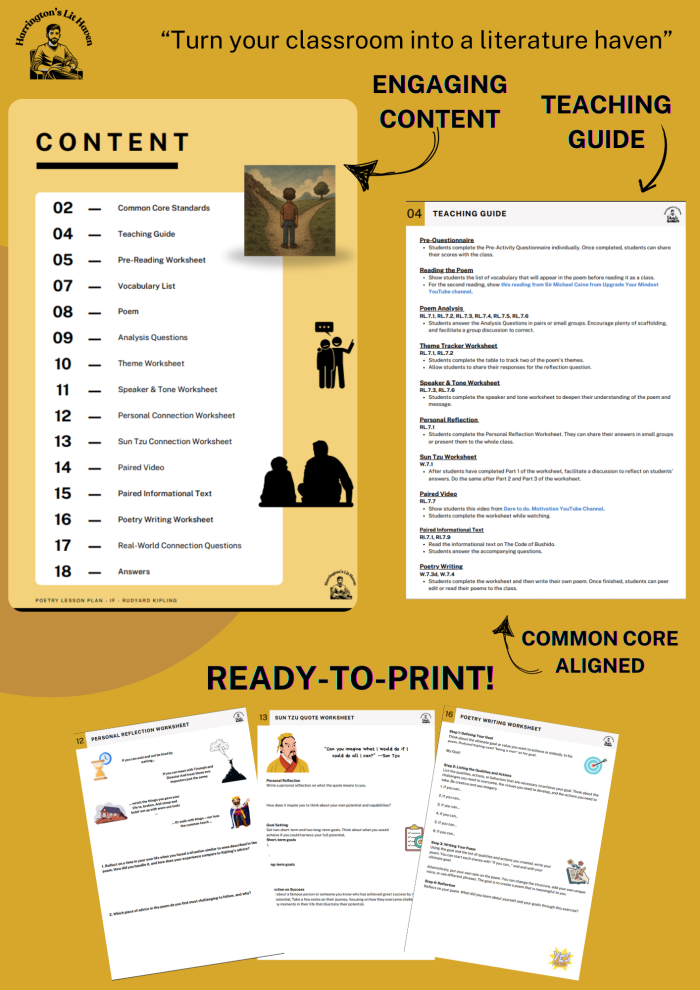
For those interested in additional resources, you can find printable worksheets on themes and other learning topics at Luminaworksheets. This can be a helpful tool for reinforcing what they learn about themes in classic stories, such as Kipling’s works, while also integrating their knowledge of numbers and counting.
By working through this exercise, fourth graders will develop a deeper appreciation for literature and enhance their ability to think critically about the stories they read, equipping them with skills that will benefit them throughout their educational journey.
Hands-On Worksheet Activities