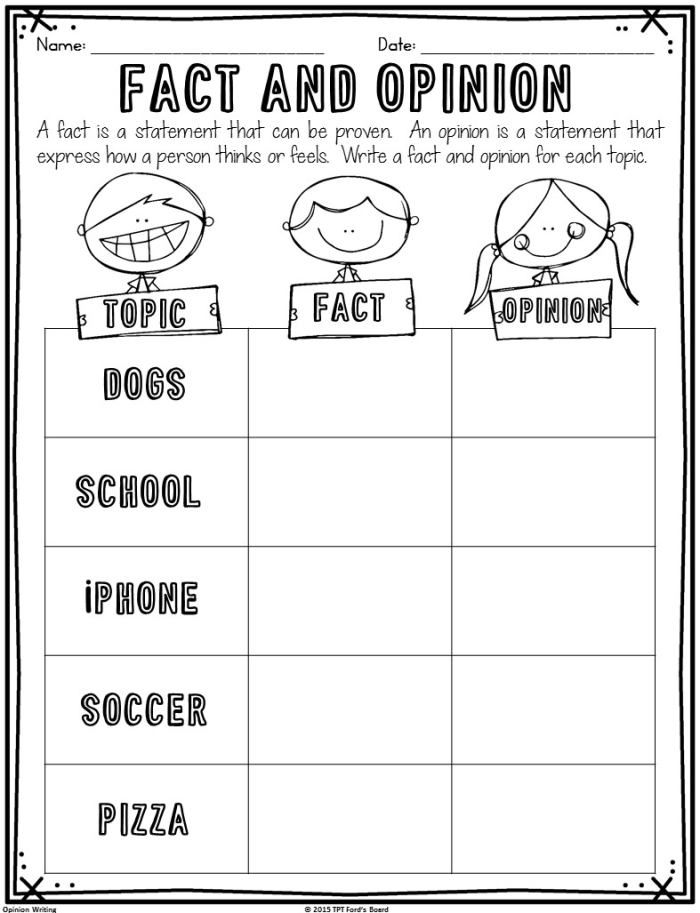
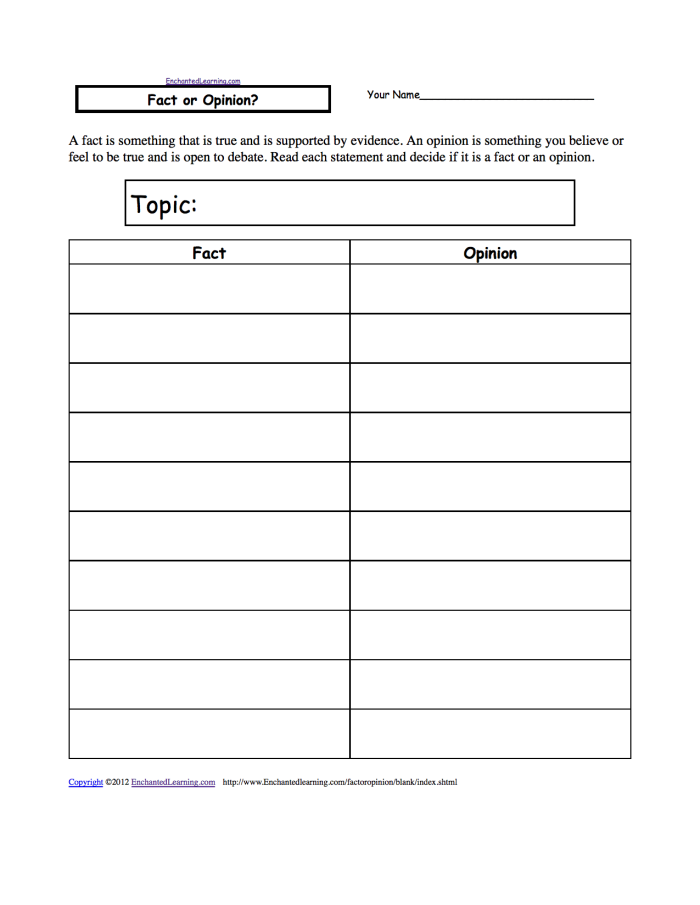
Teaching first graders to form and support their own opinions is a foundational skill that extends far beyond the classroom. When children learn to articulate what they think and why they think it, they’re building critical thinking abilities that serve them in every subject, from economics to everyday decision-making.
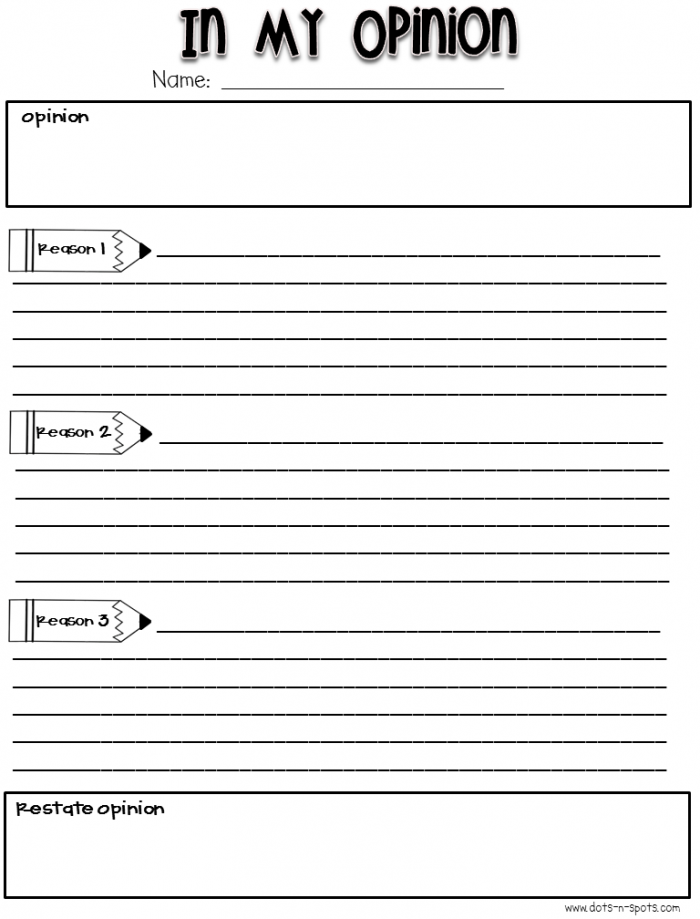
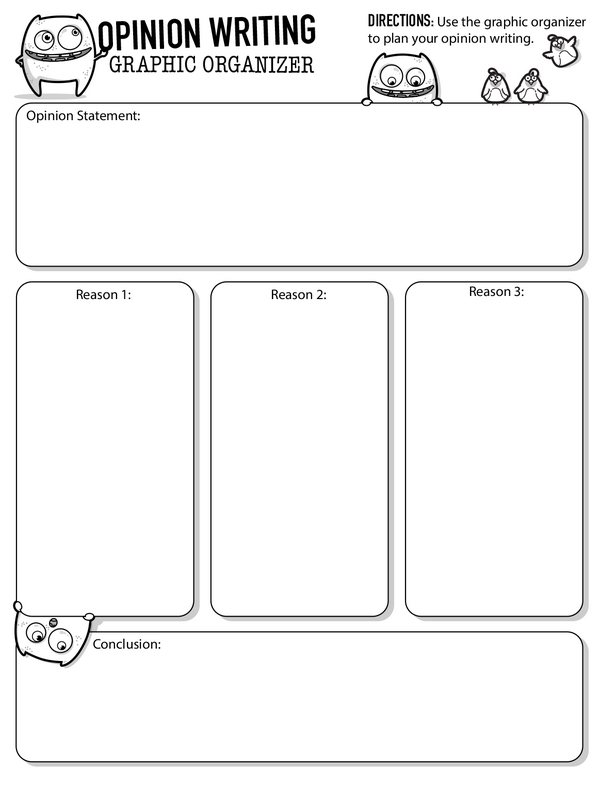
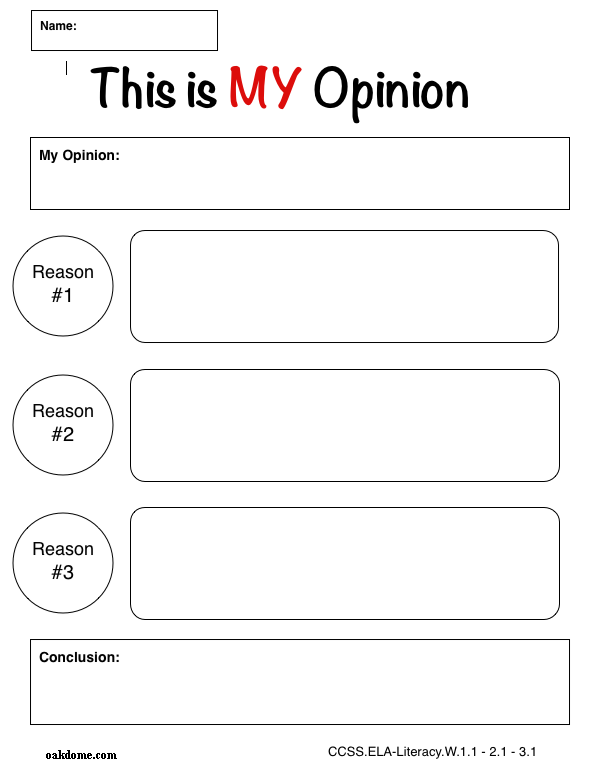
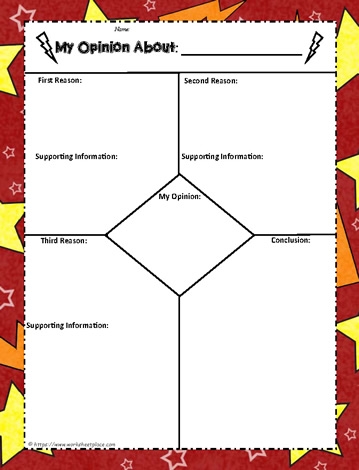
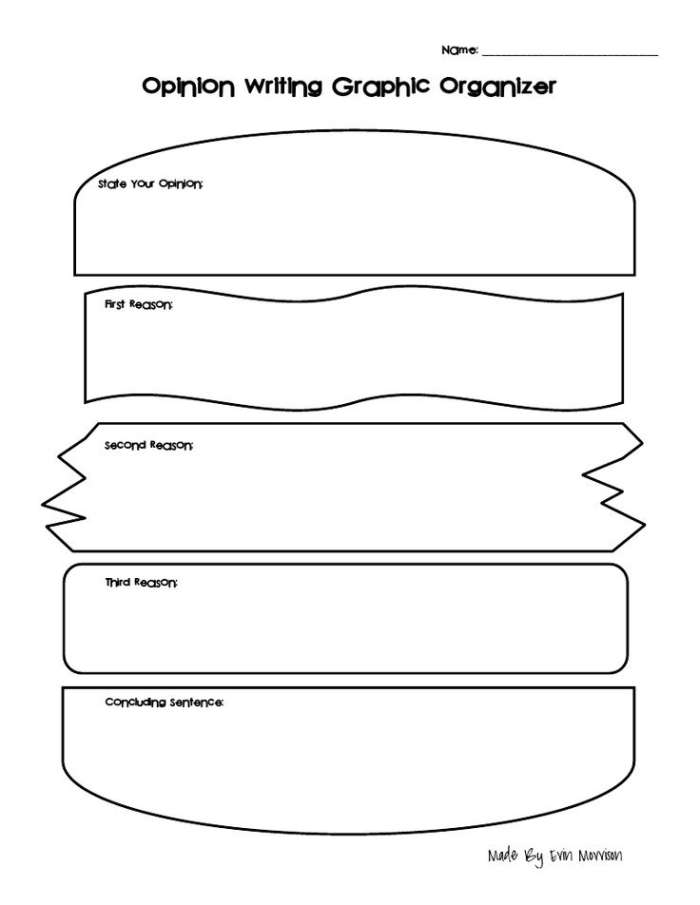
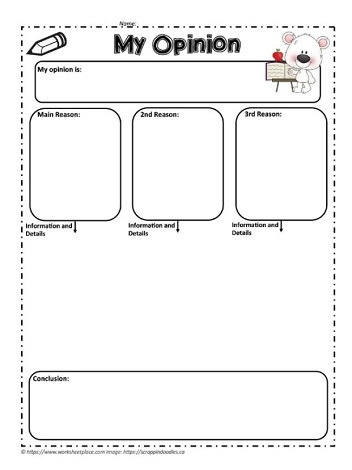
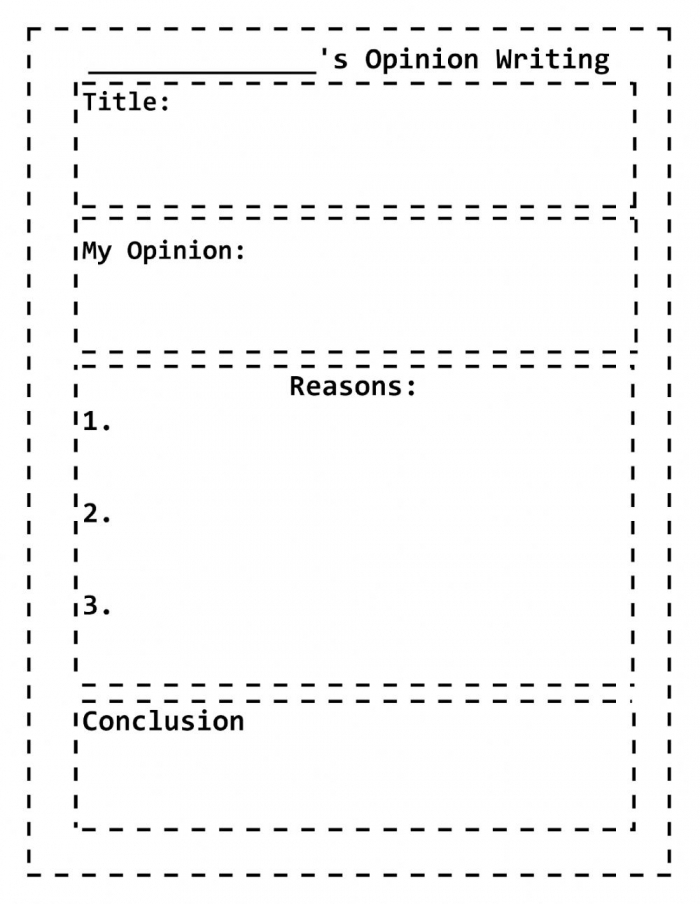
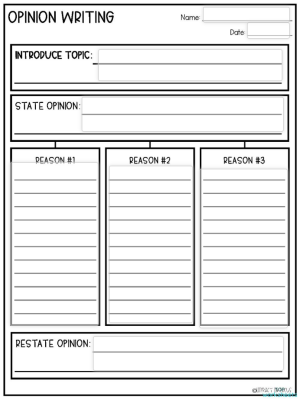
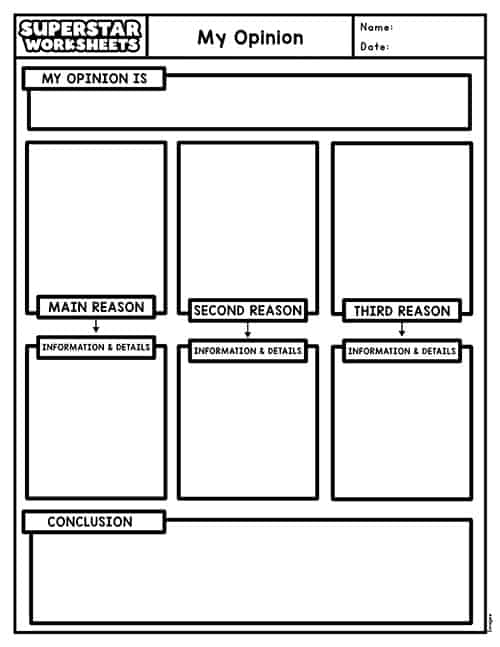
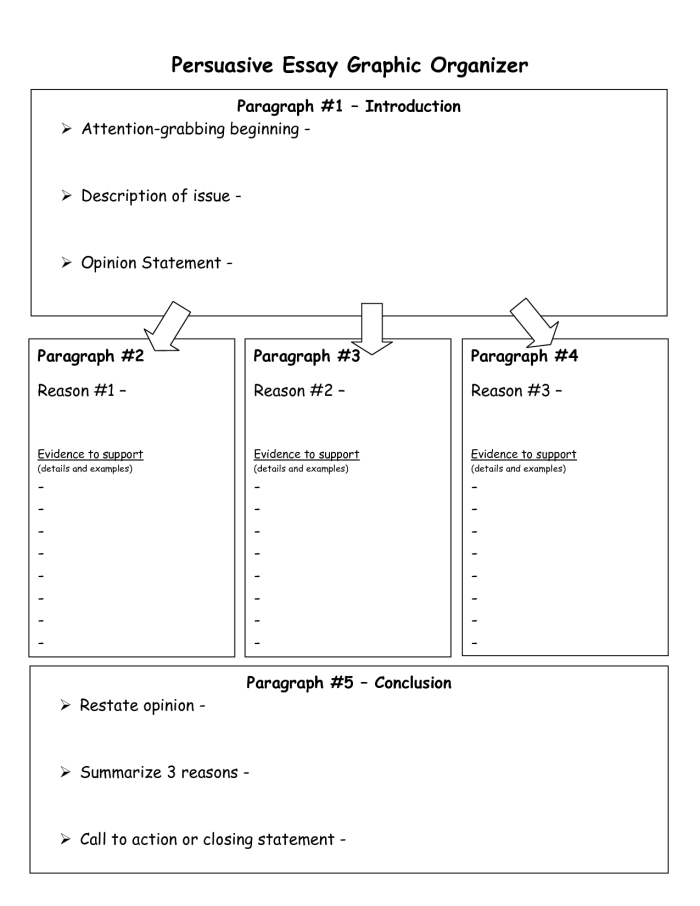
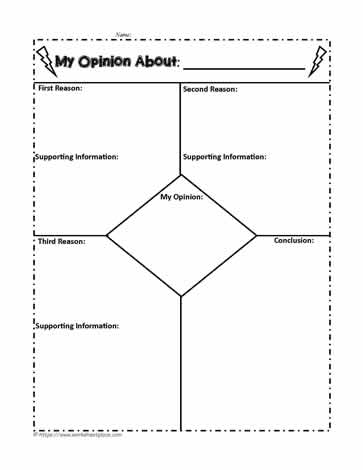
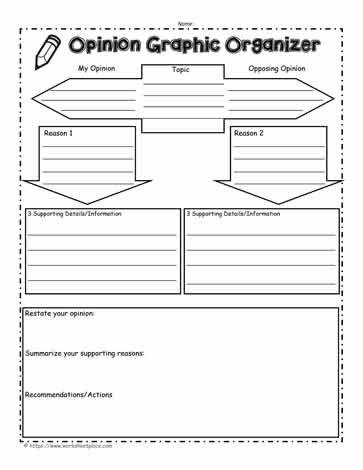
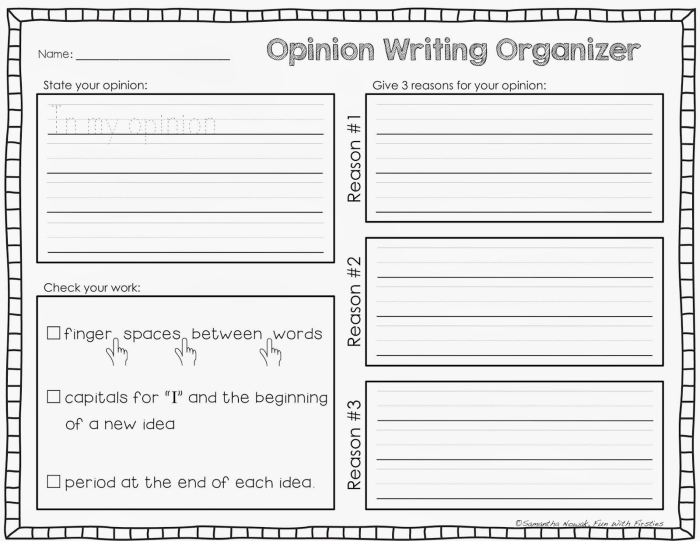
A structured approach helps young learners organize their thoughts. Rather than asking kids to simply state an opinion, a graphic organizer breaks the task into manageable pieces: the opinion itself, the reasons that support it, and a concluding statement. This framework prevents the common struggle where first graders either blurt out feelings without explanation or freeze because the open-ended task feels too big.
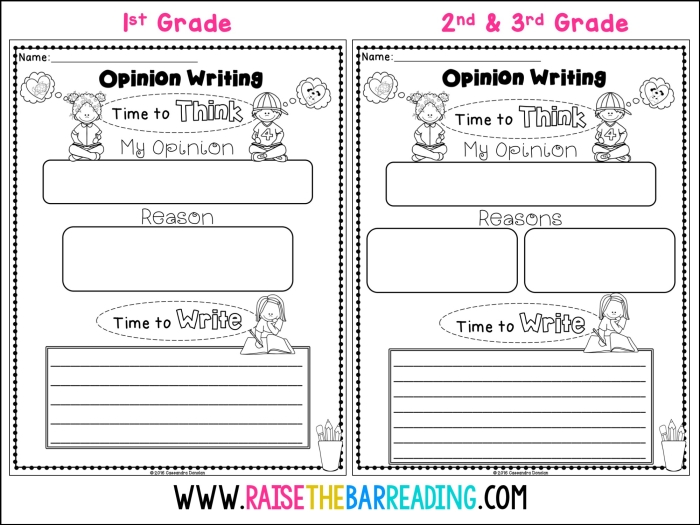
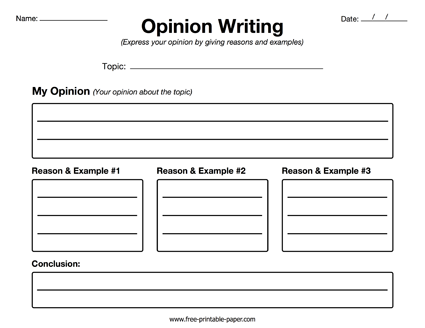
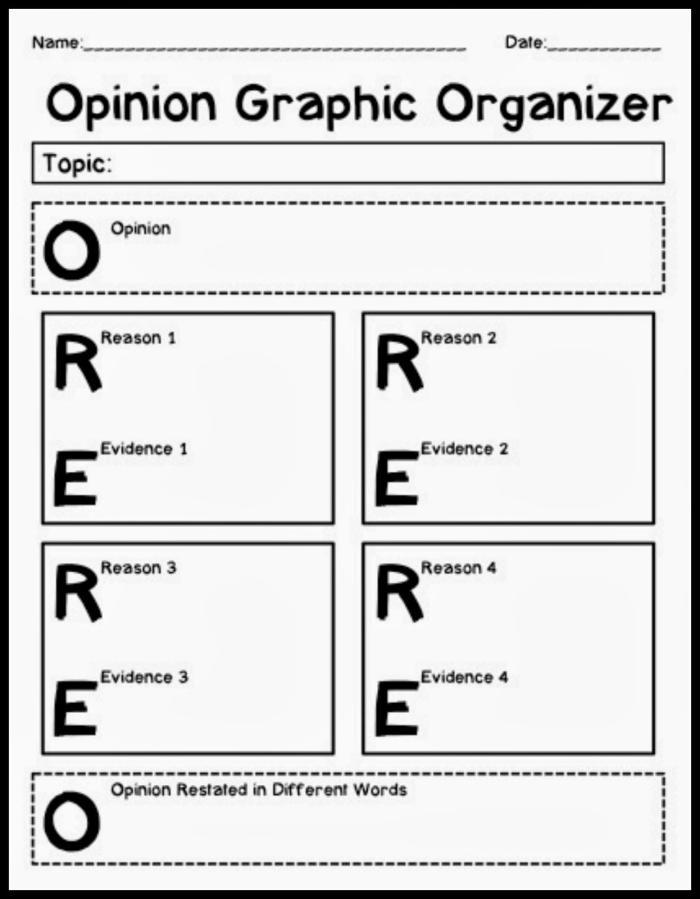
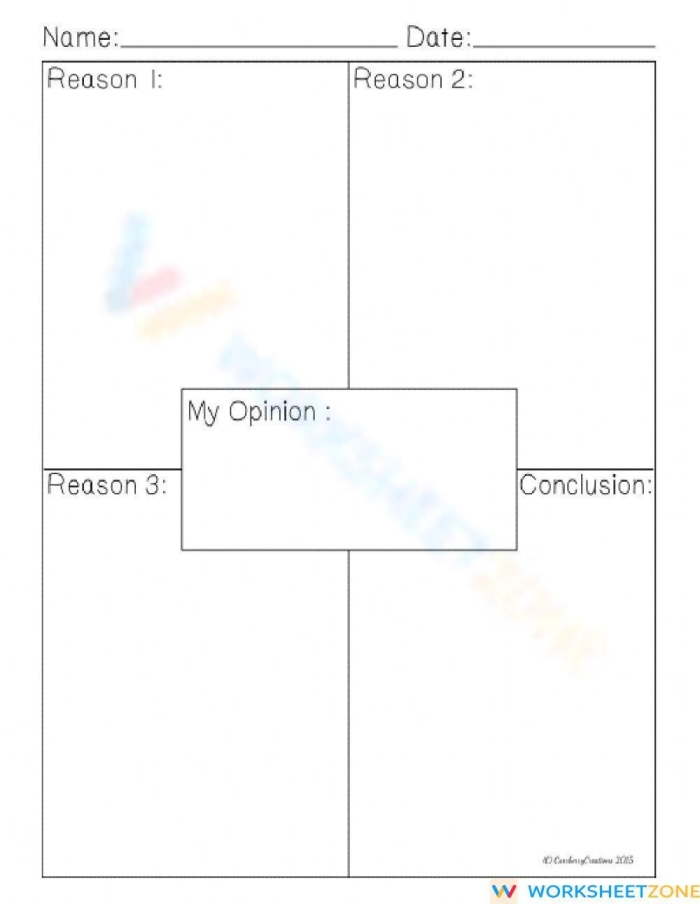
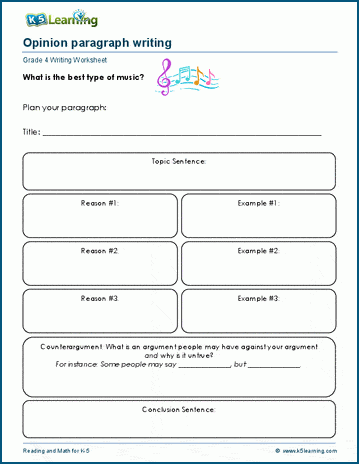
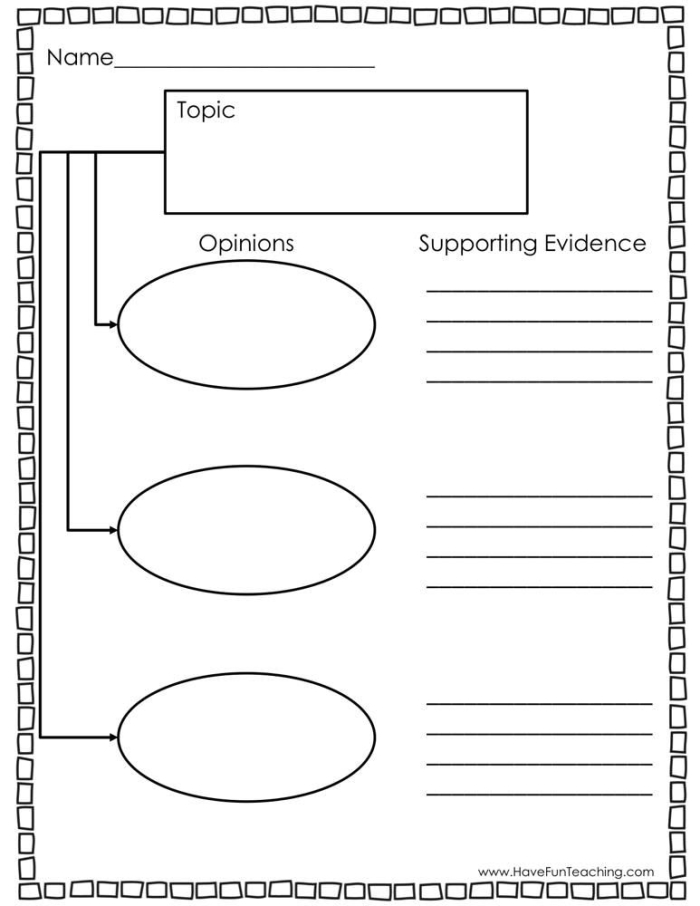
The worksheet template works by giving children three clear sections to fill in. In the first section, they write or draw their opinion about a topic. Maybe they prefer apples to oranges, or they think recess should be longer. The next section asks for reasons, typically two or three, that explain why they hold that opinion. Finally, a conclusion section lets them wrap up their thinking in their own words.
This structure is particularly useful in an economics context for first grade, where teachers introduce basic concepts like preferences, choices, and simple trade-offs. When learning about comparing quantities and making choices, students can use the organizer to explain why they prefer one option over another and justify their reasoning with concrete examples.
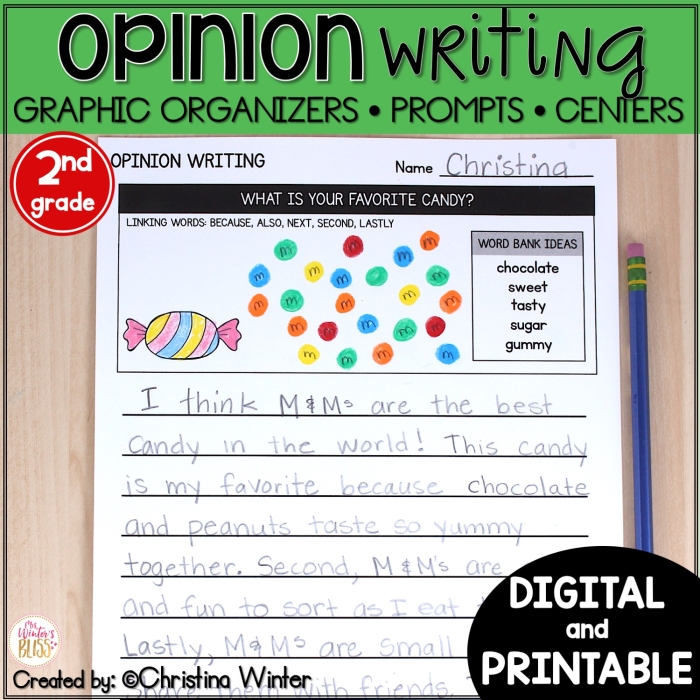
The beauty of this approach is its flexibility. Teachers can use it with any topic appropriate for the age group, and it works whether students write, draw, or dictate their responses. Once children internalize this pattern of stating an opinion and supporting it with reasons, they’re equipped to think more critically about their own preferences and those of others. You can find a ready-to-use printable opinion graphic organizer template to get started right away.
Worksheet Practice Section