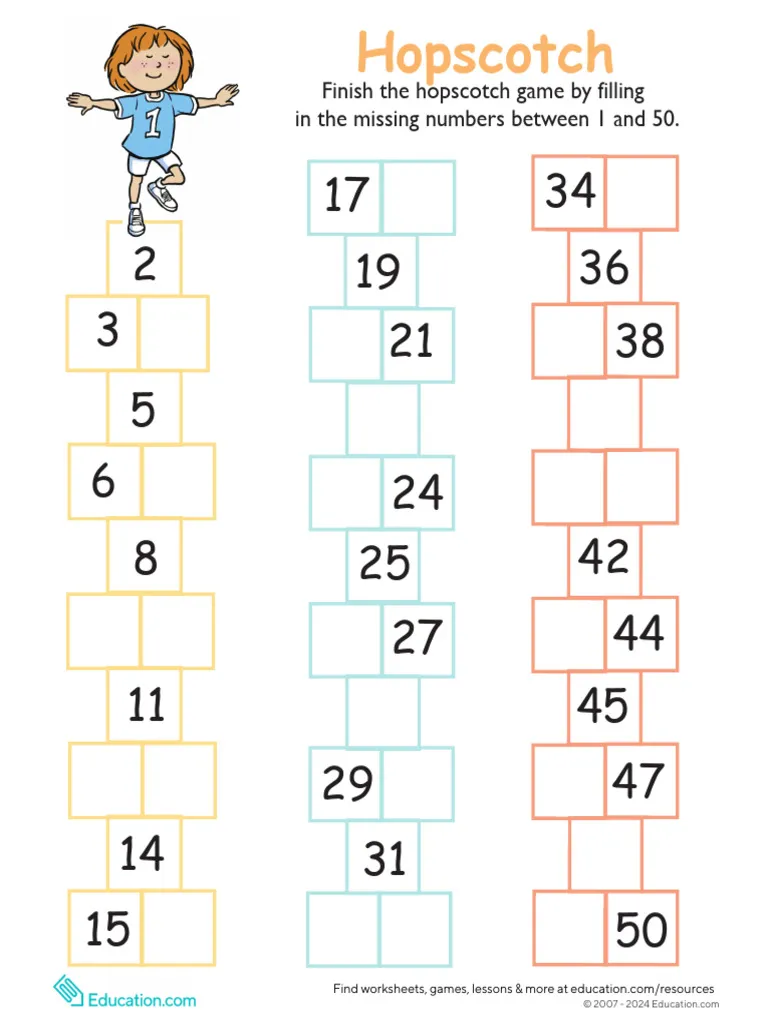
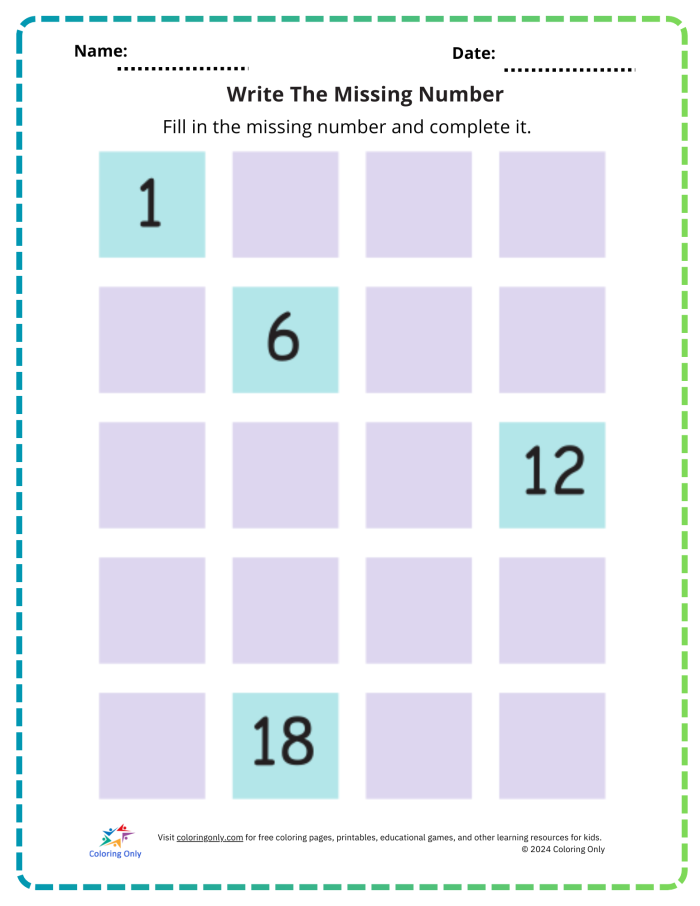
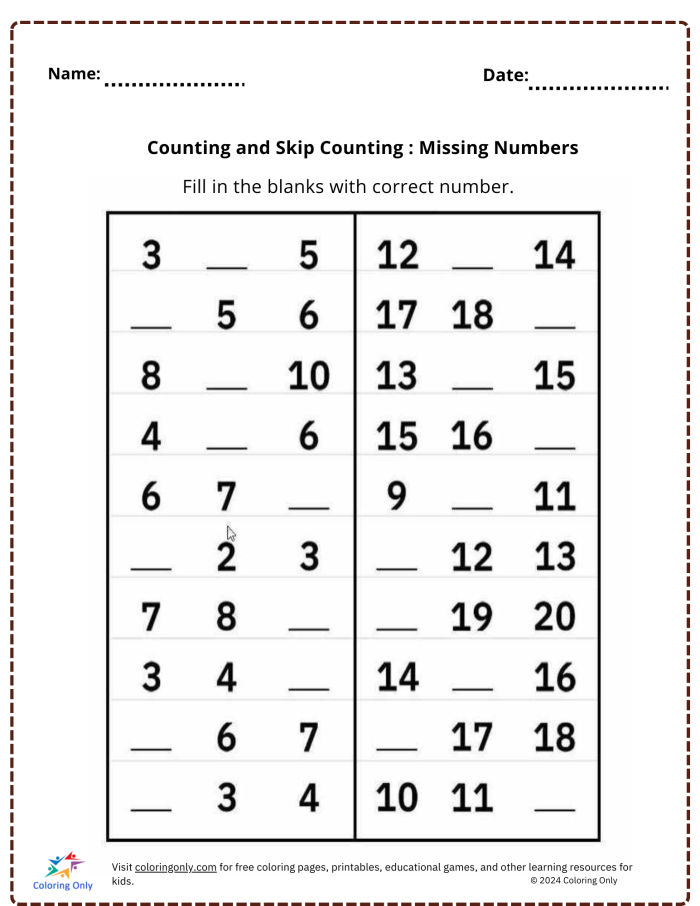
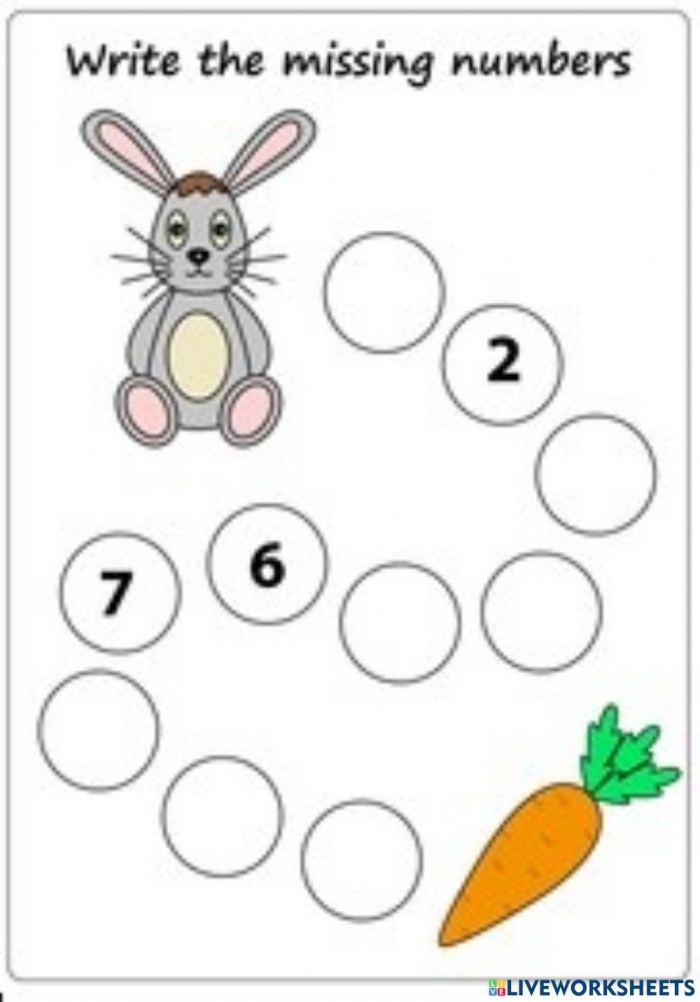
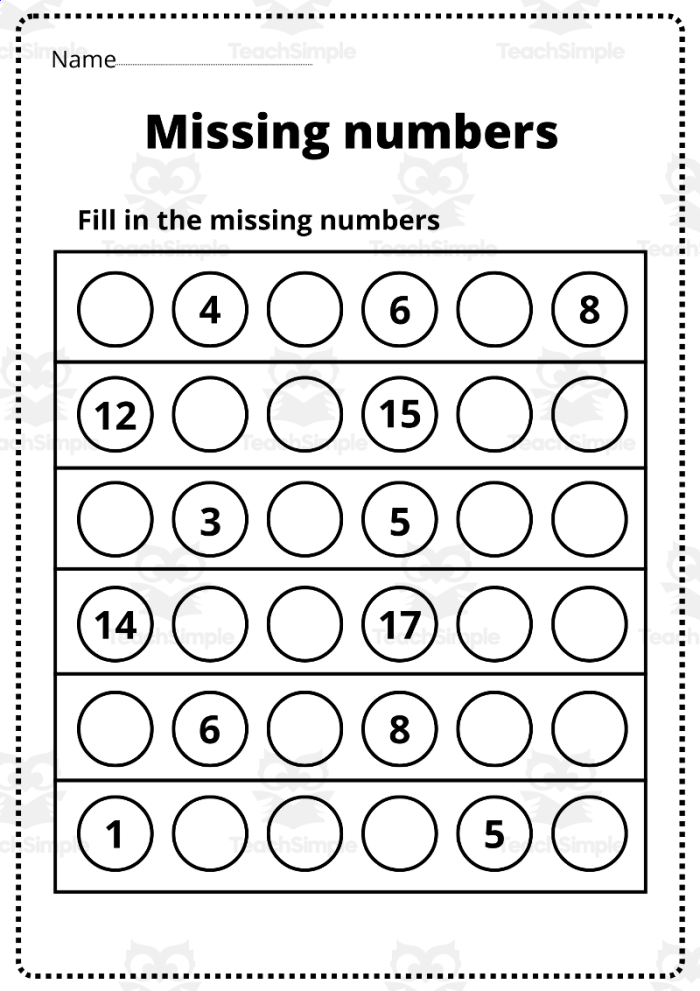
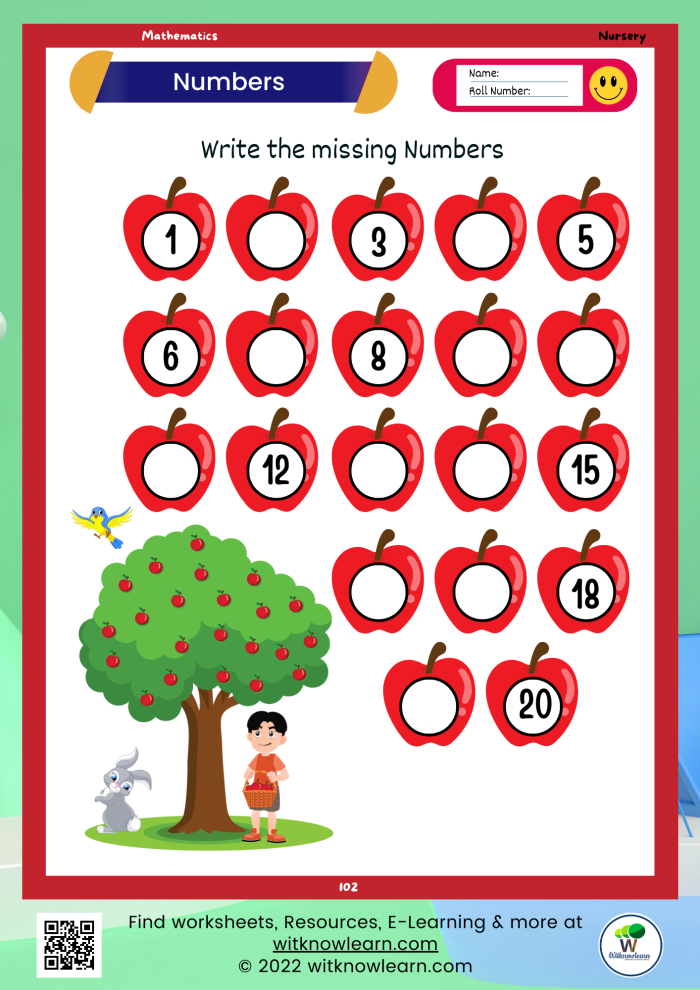
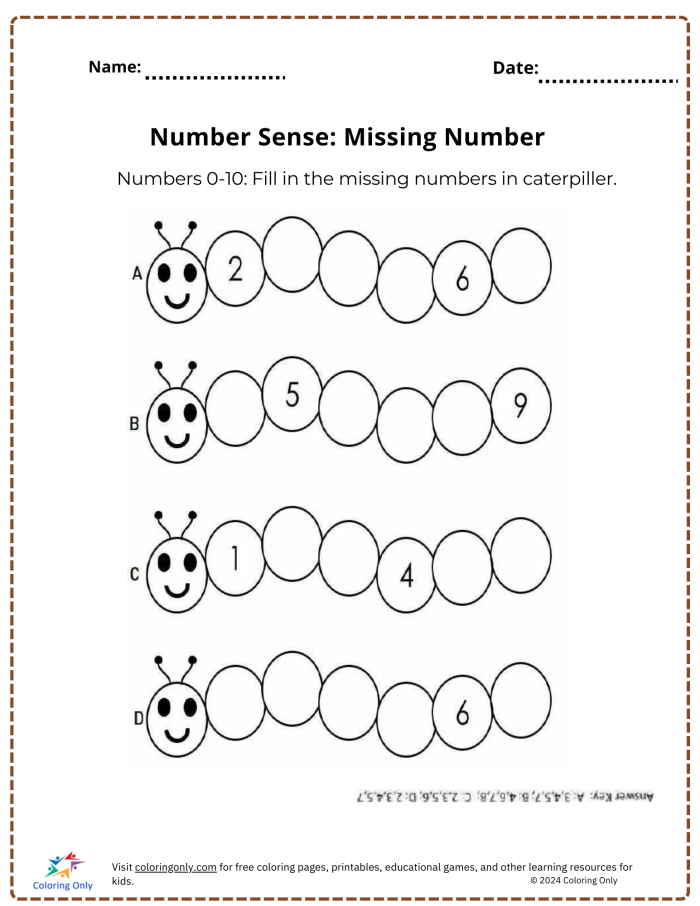
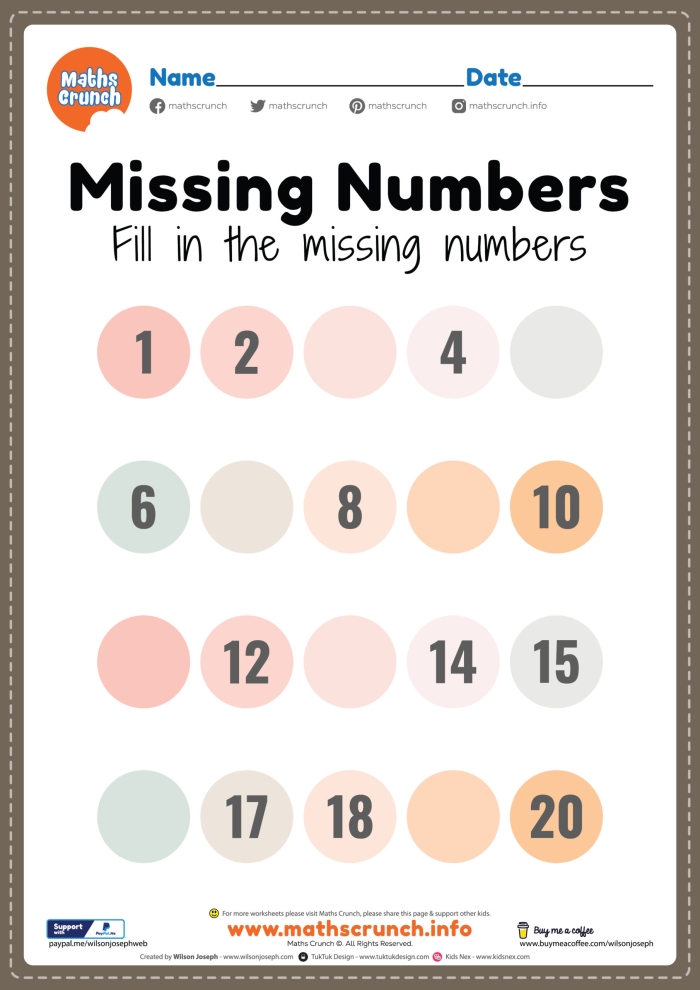
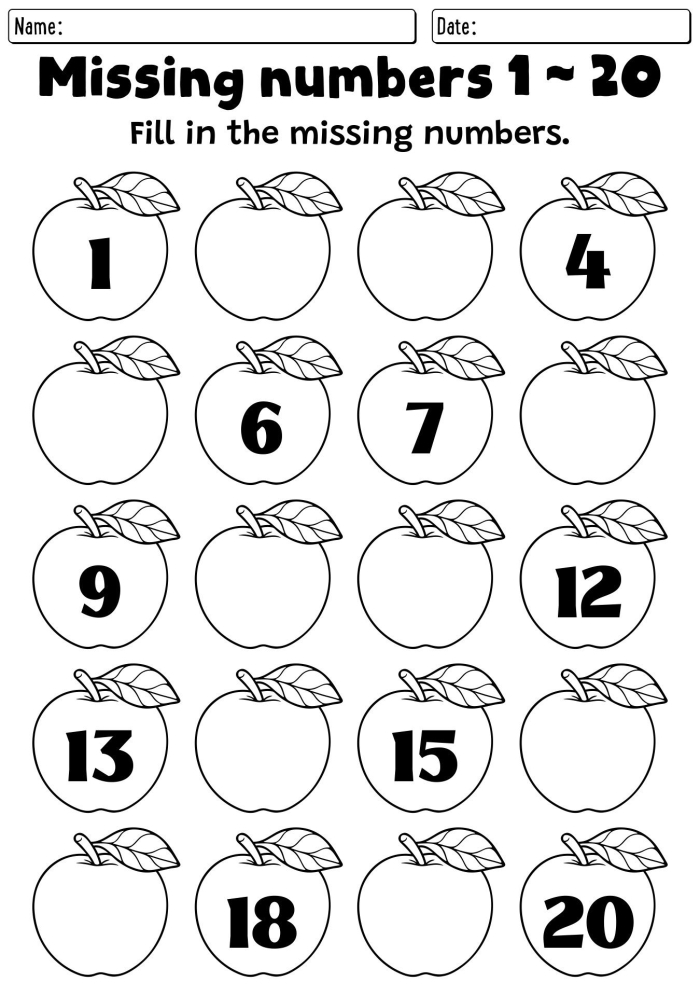
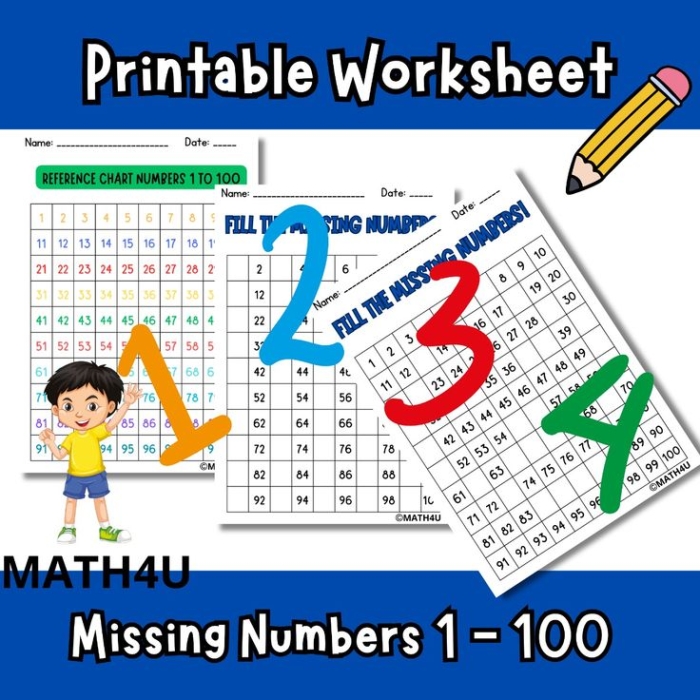
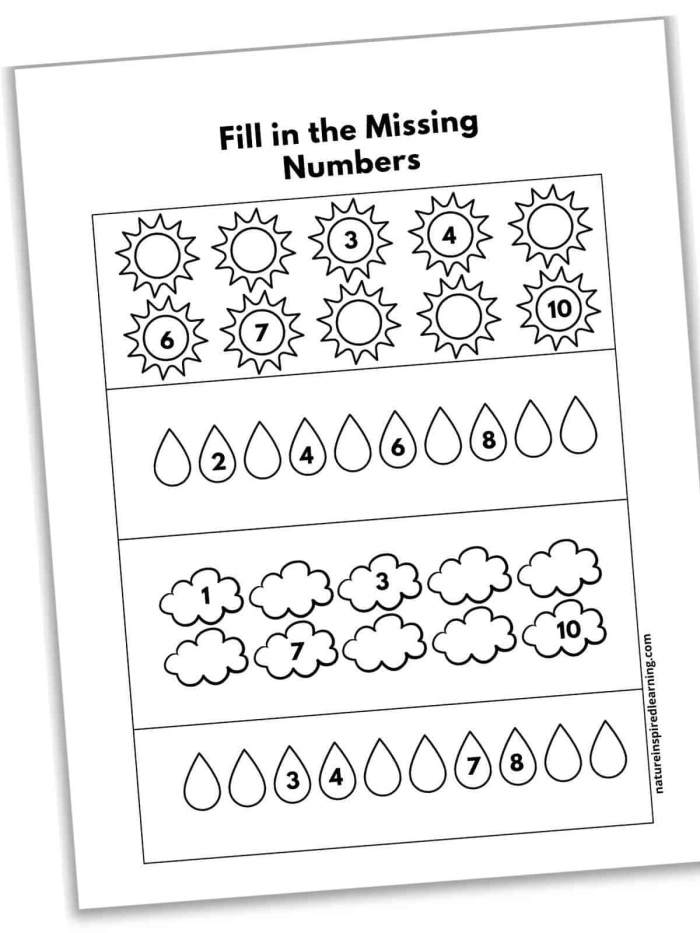
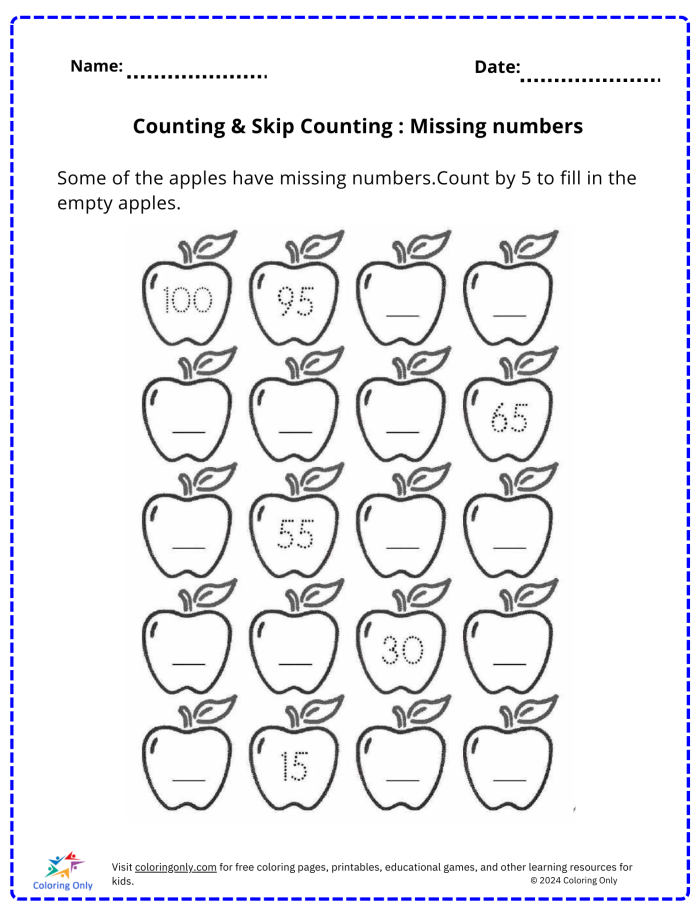
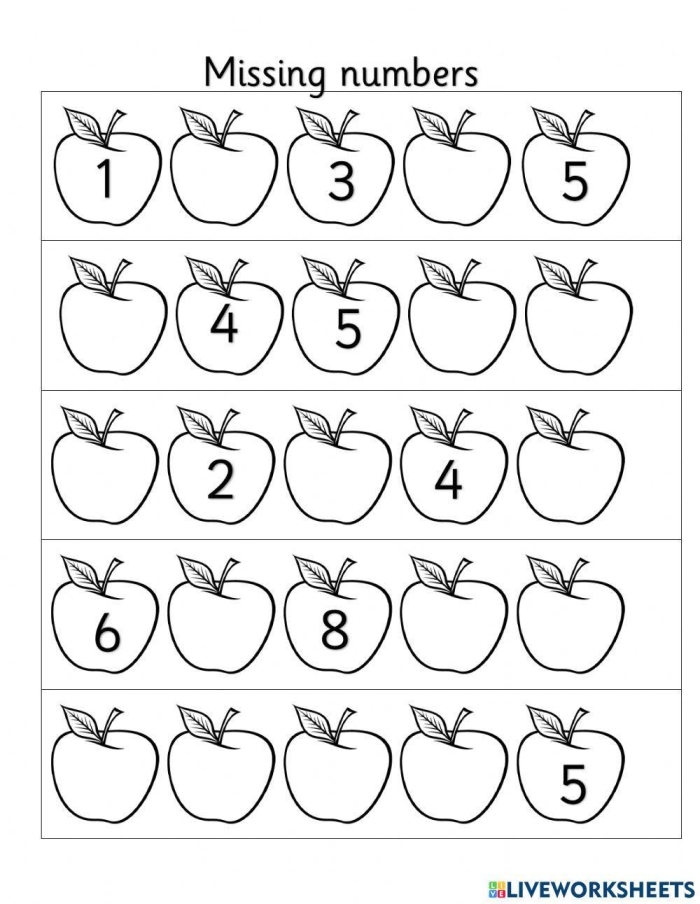
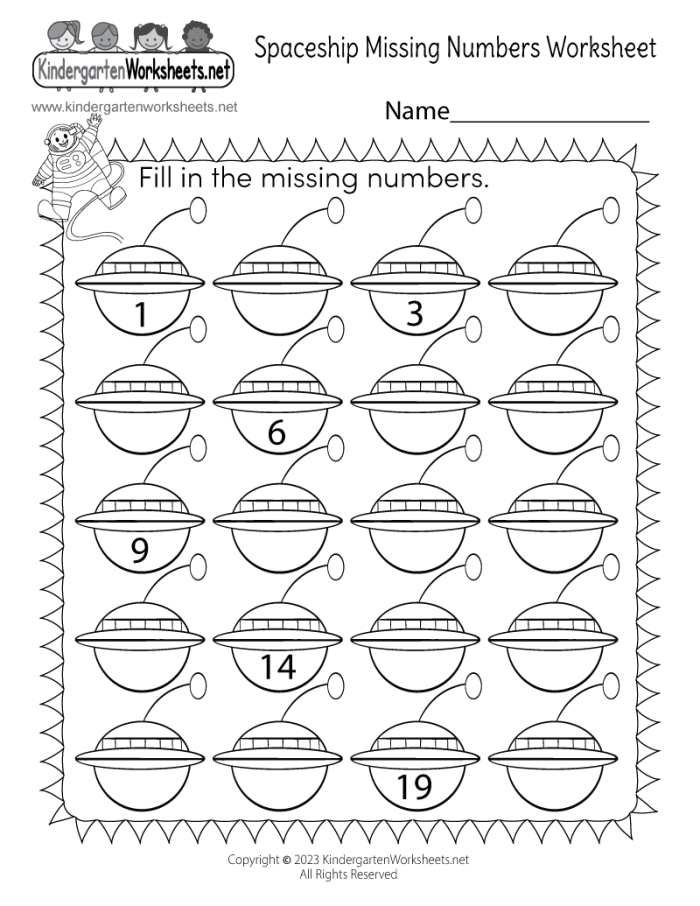
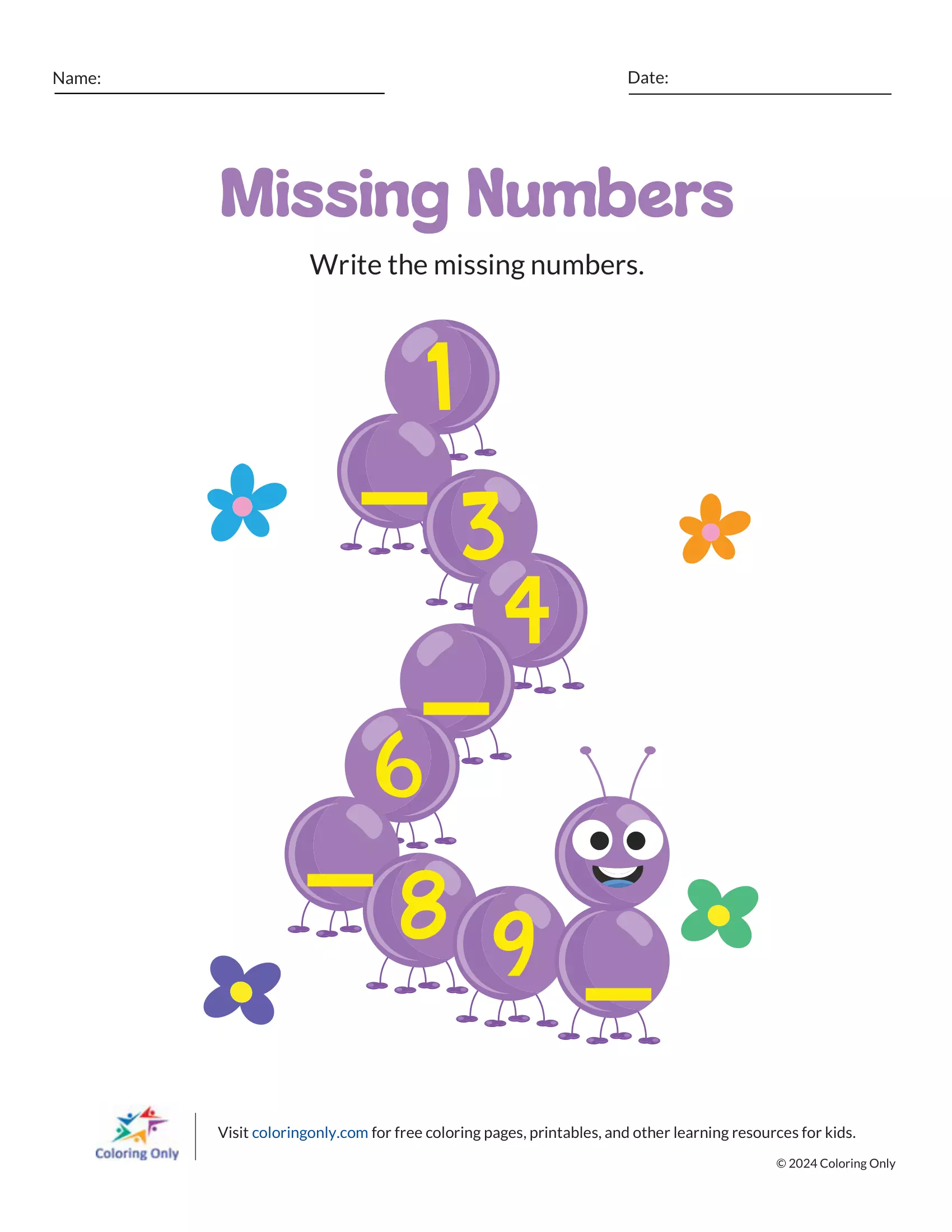
When your kindergarten child can count from one to fifty without stopping, you might think they’ve mastered numbers. But counting from memory and actually understanding number sequences are two completely different skills. Filling in missing numbers is where real number sense begins to develop.
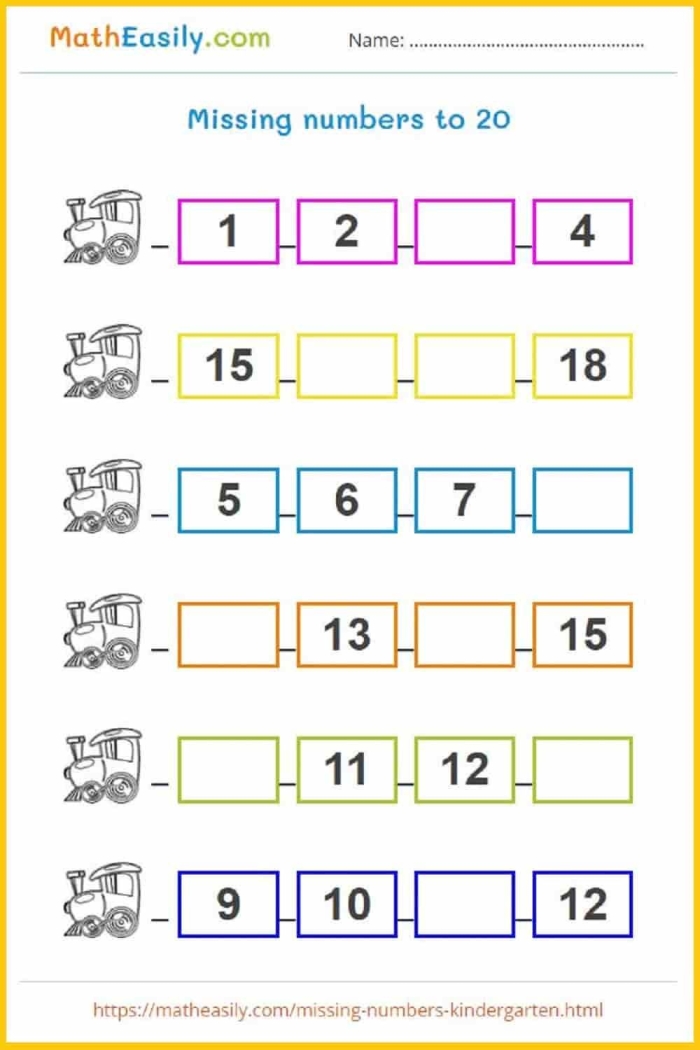
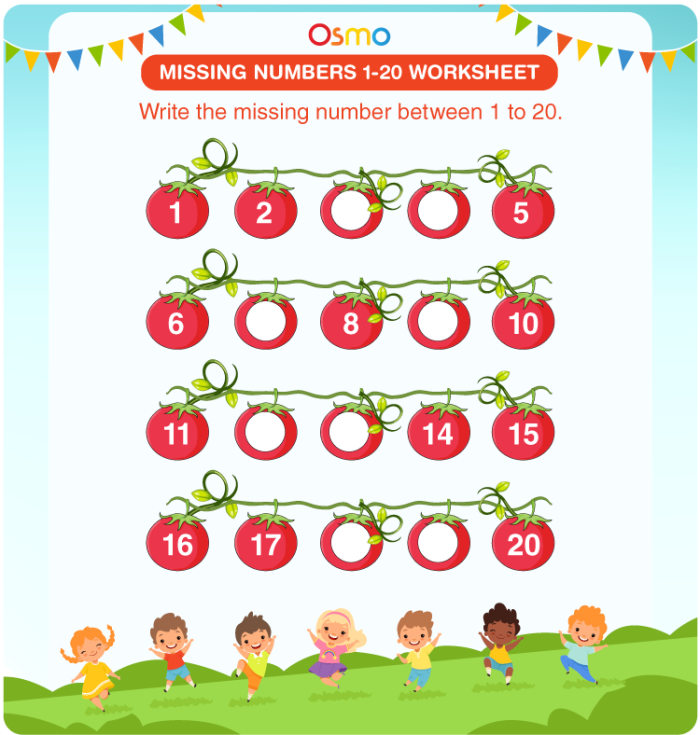
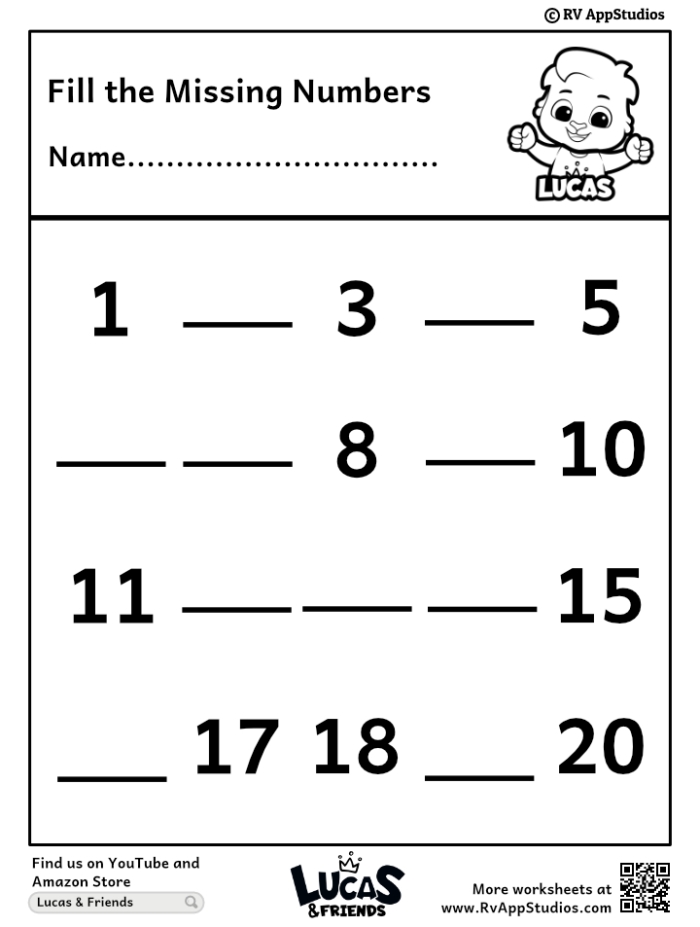
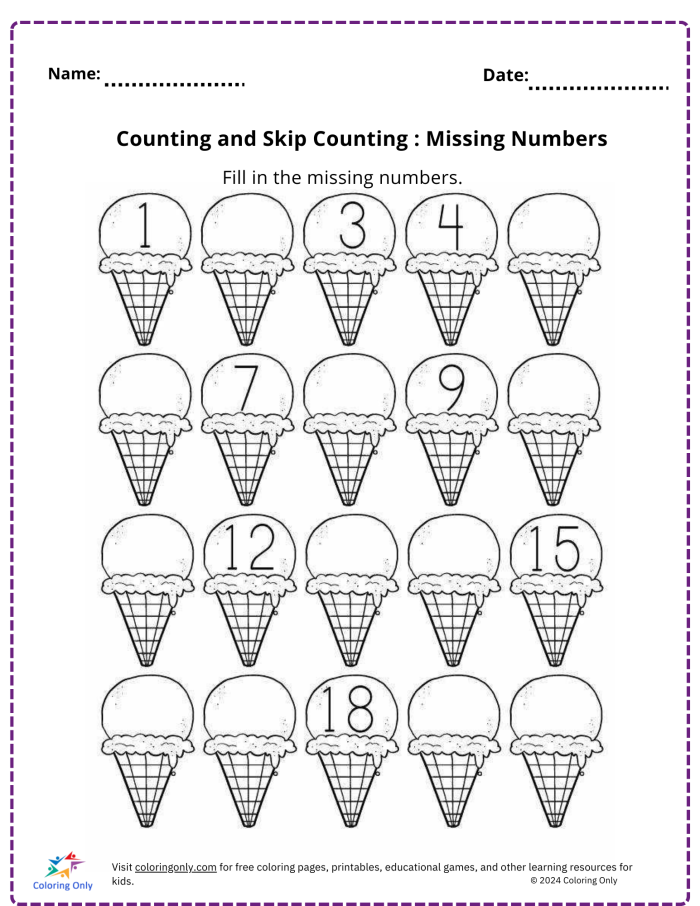
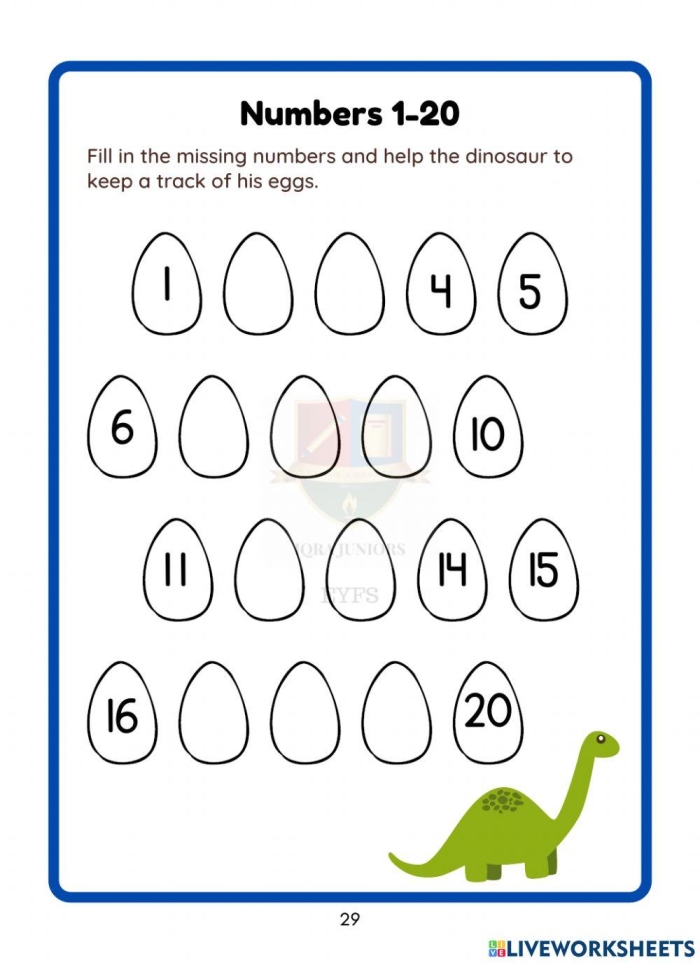
Here’s what happens when kids work through missing number exercises: their brains start recognizing patterns instead of just reciting a memorized list. When a child sees “1, 2, _, 4, 5” and has to write in the three, they’re not just filling a blank. They’re actively thinking about what comes next, understanding that numbers have a fixed order, and building the foundation for addition and subtraction later on.
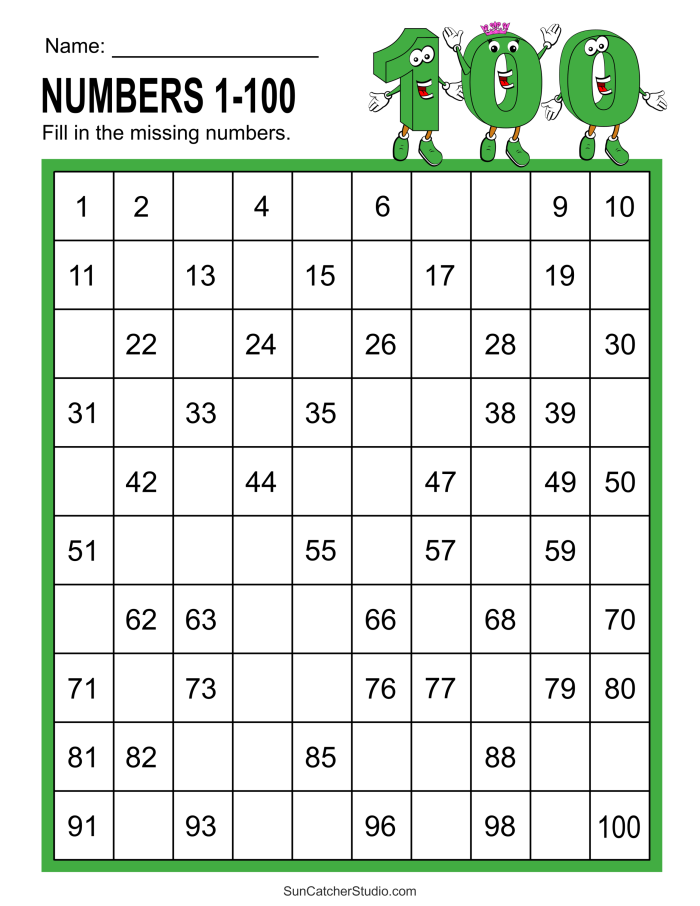
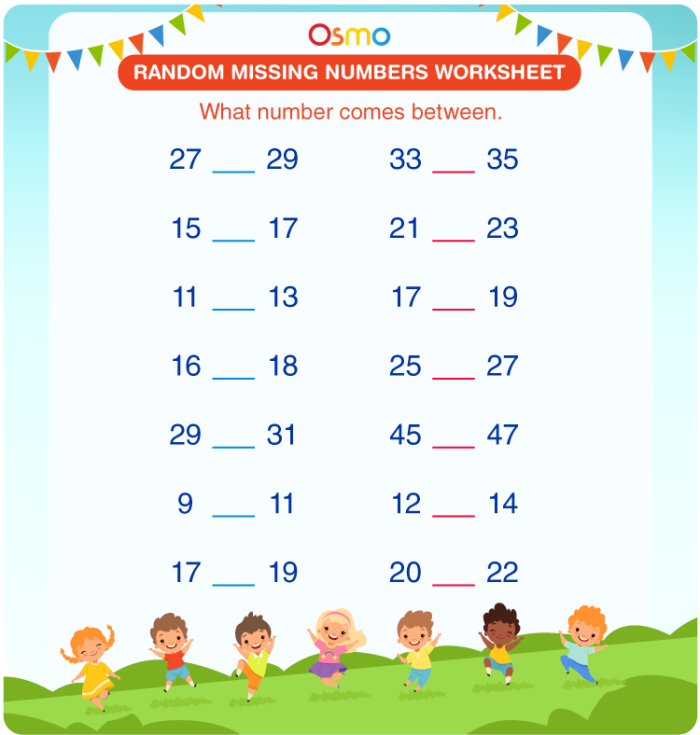
I’ve watched kindergarten students struggle with simple math problems not because they can’t count, but because they never learned to think about numbers as a connected sequence. The missing number activity forces that connection. A child who can identify that 23 comes between 22 and 24 understands something fundamental about how numbers work.
Start with smaller ranges, maybe one to ten, then gradually work up to fifty. You can create your own worksheets or use structured activities that guide them through the process. Many children benefit from visual supports while learning this skill, similar to how they might use path-following activities in alphabet practice.
The beauty of this exercise is its simplicity. No flashy games or complicated materials needed. Just paper, a pencil, and your child’s willingness to think about numbers differently. This single skill becomes the bridge between counting and genuine mathematical thinking, making it worth the time investment during these early learning years.
Printable Worksheets for Practice