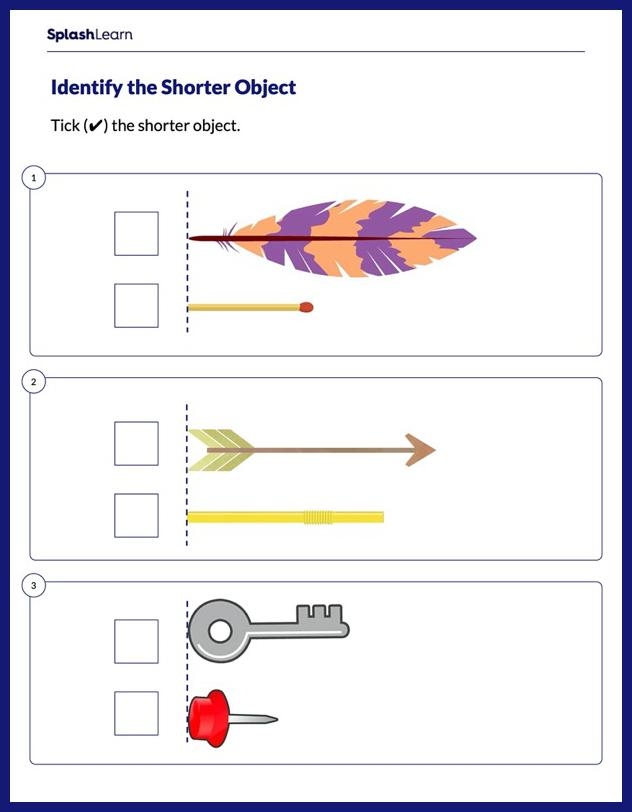
Comparing lengths is one of the first real-world math skills first grade students encounter. Before kids can solve word problems or understand fractions, they need to develop a basic sense of how to measure and compare objects around them. This foundational ability connects directly to economics and practical decision-making, even at a young age.
When children ask “which one is longer,” they’re beginning to quantify the world. They’re learning that objects have measurable properties and that these measurements can be compared. A beginner’s worksheet focused on this skill helps students practice using non-standard units like blocks, paper clips, or their own hand spans to measure everyday items. This tactile approach makes measurement concrete rather than abstract.
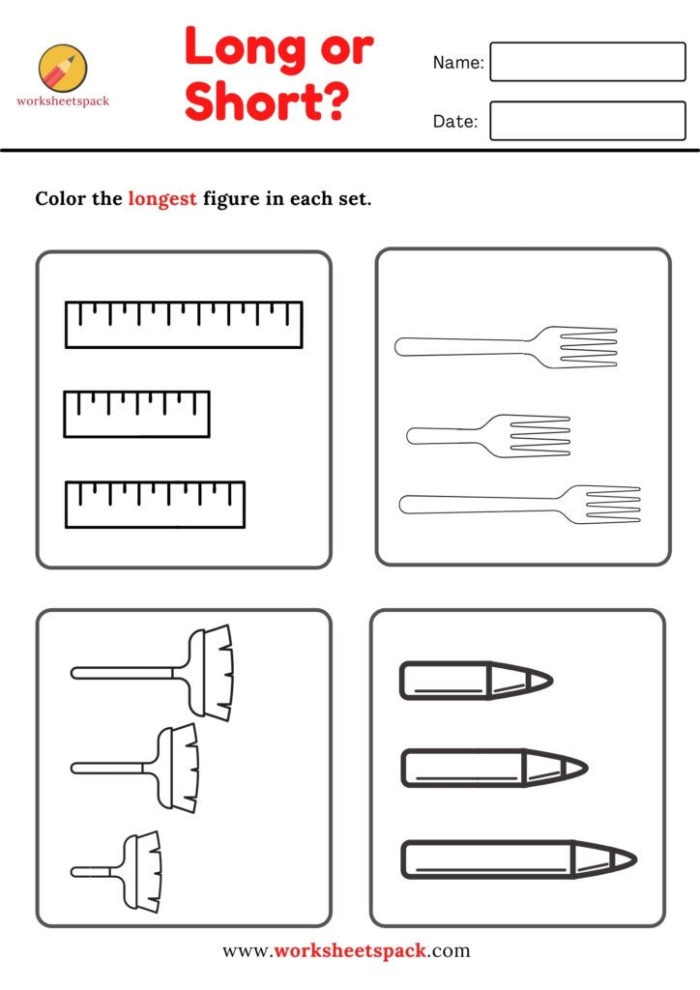
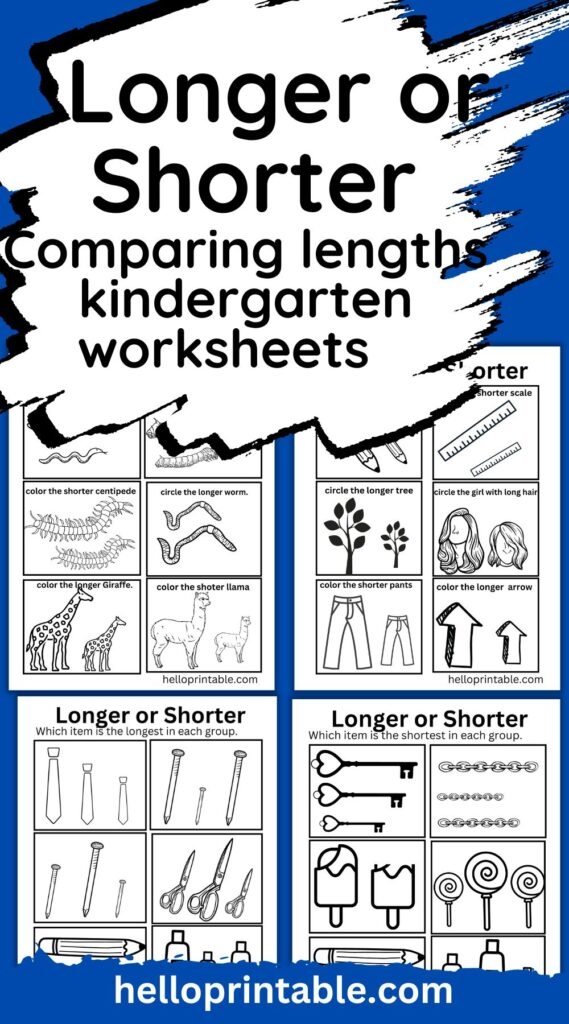
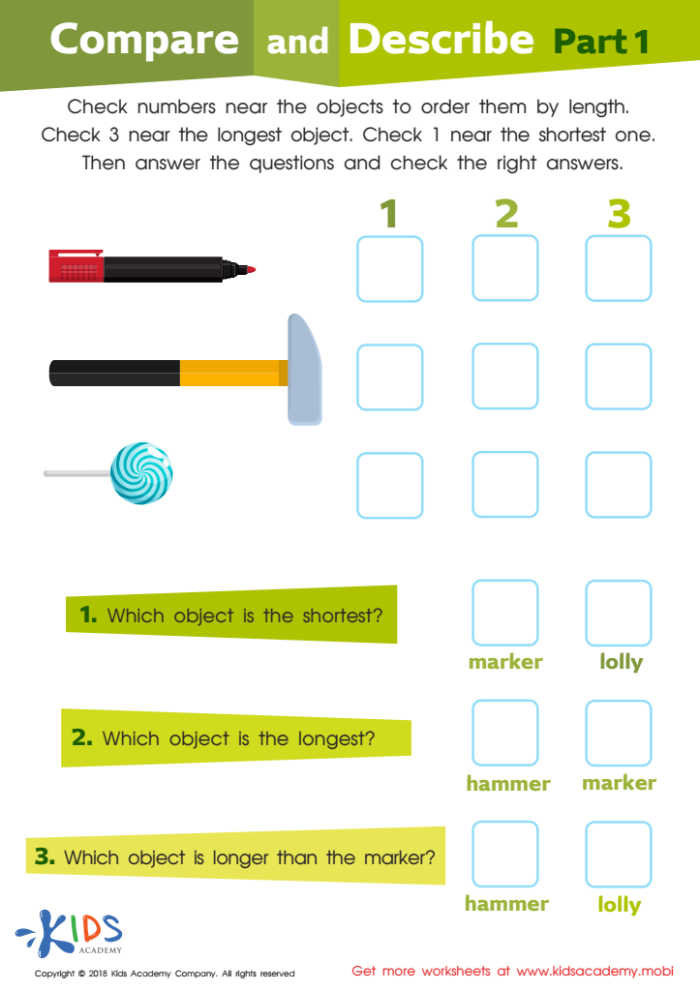
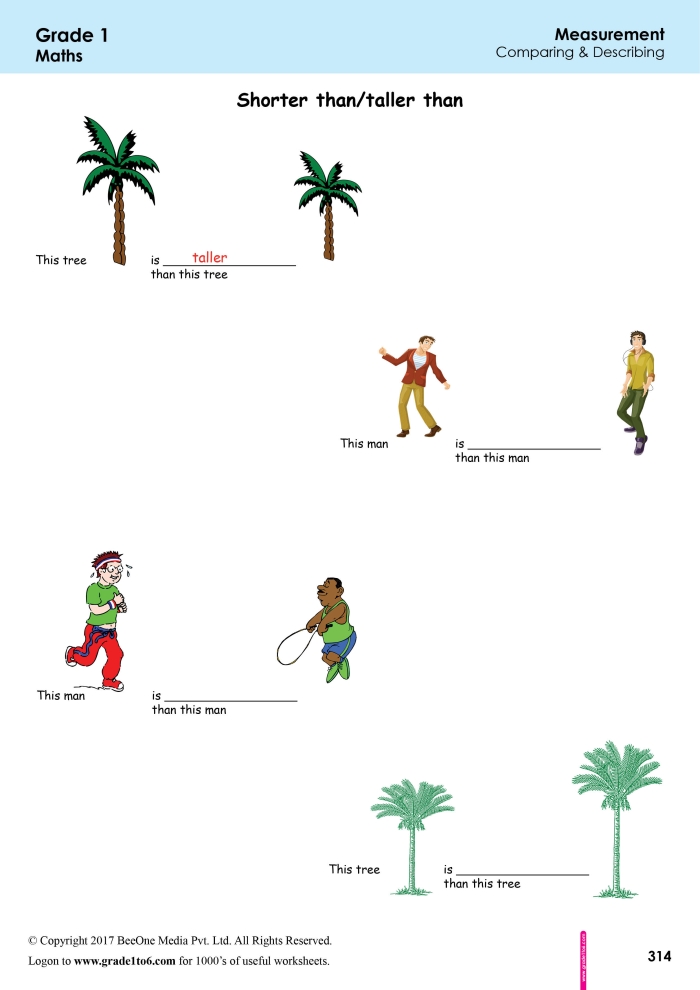
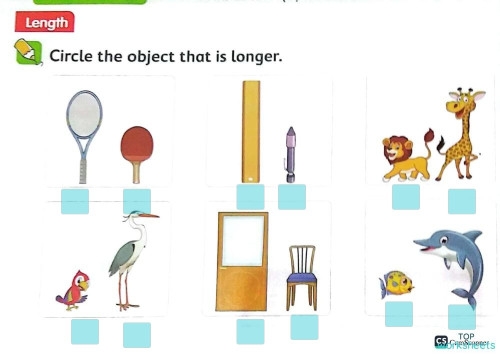
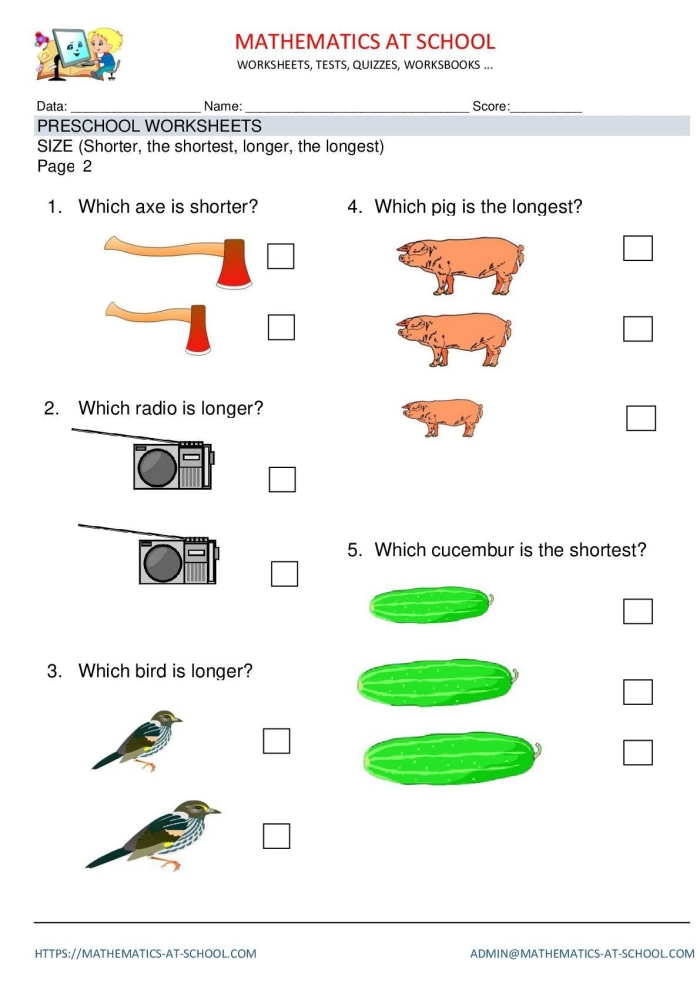
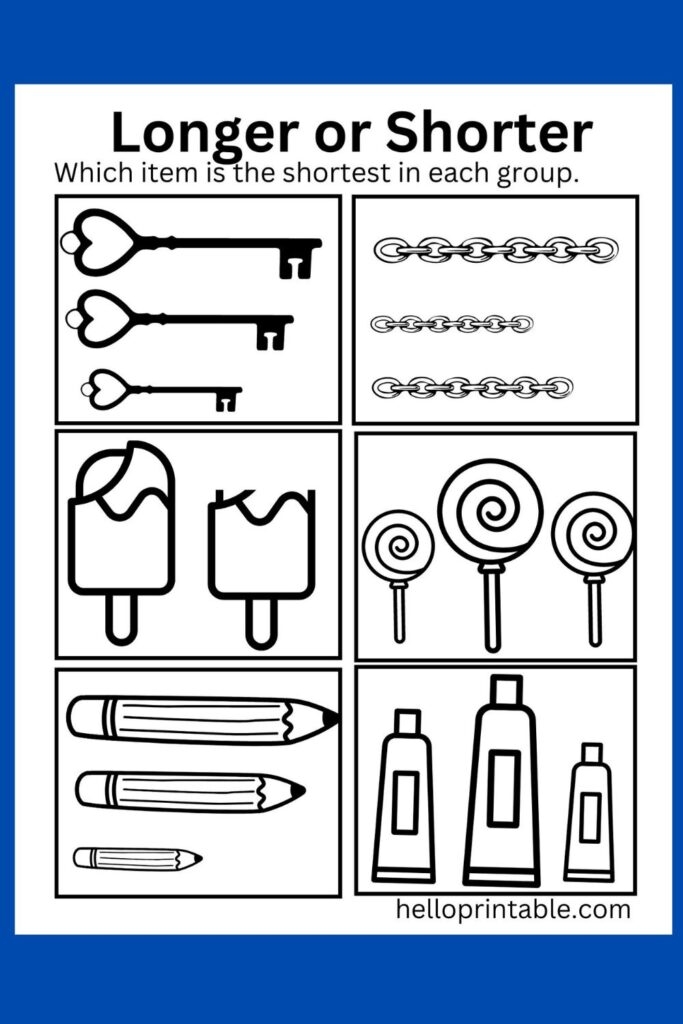
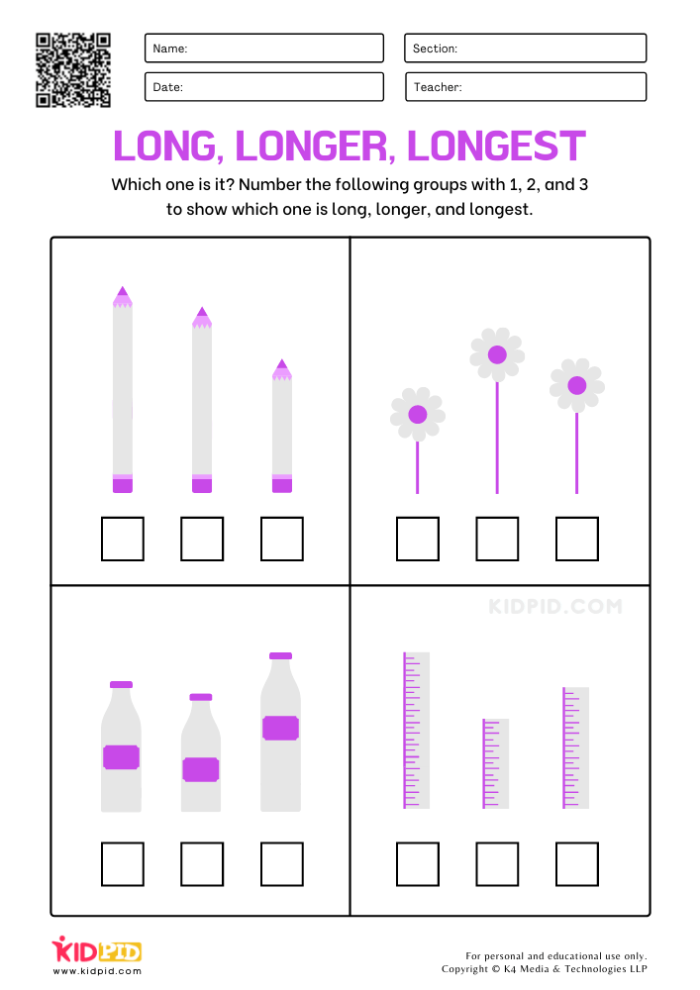
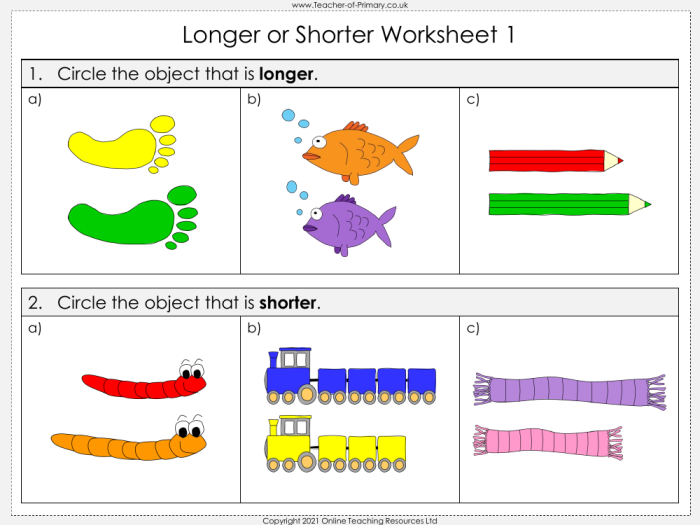
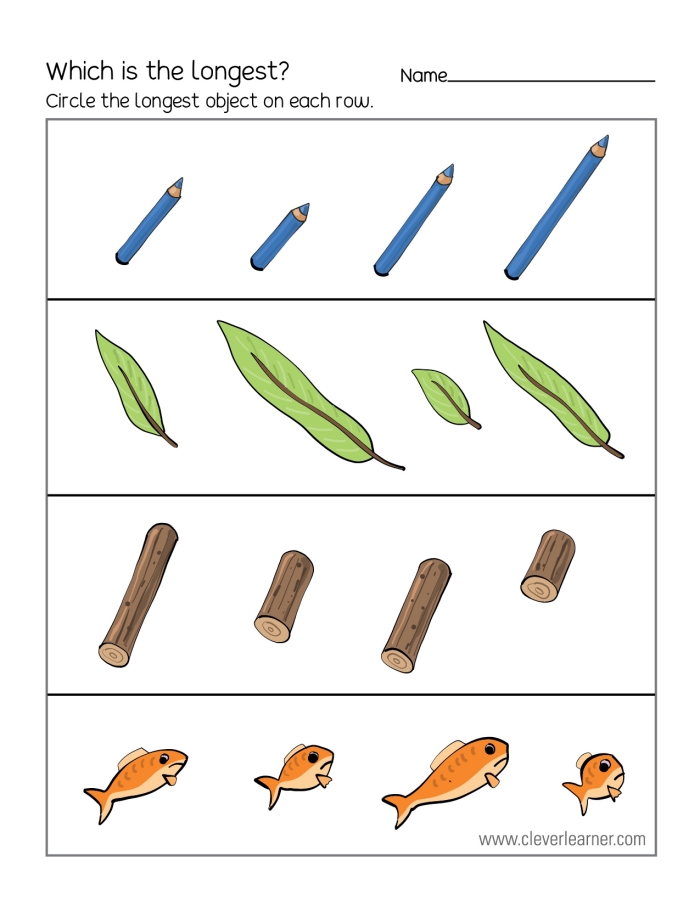
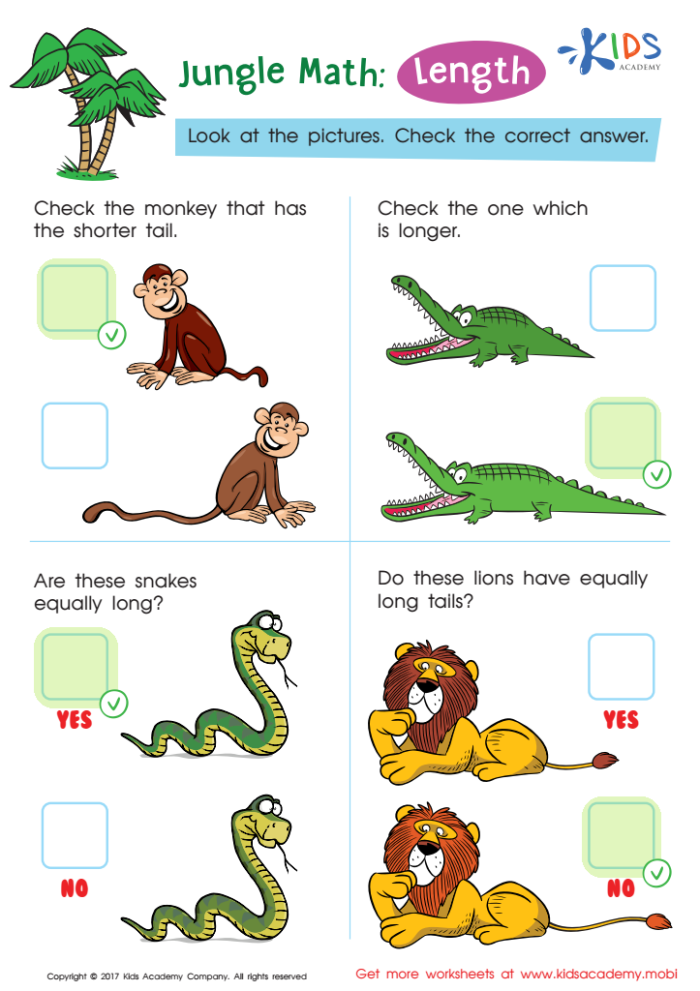
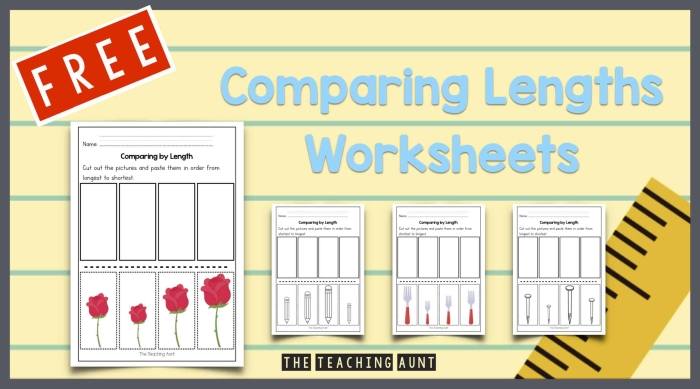
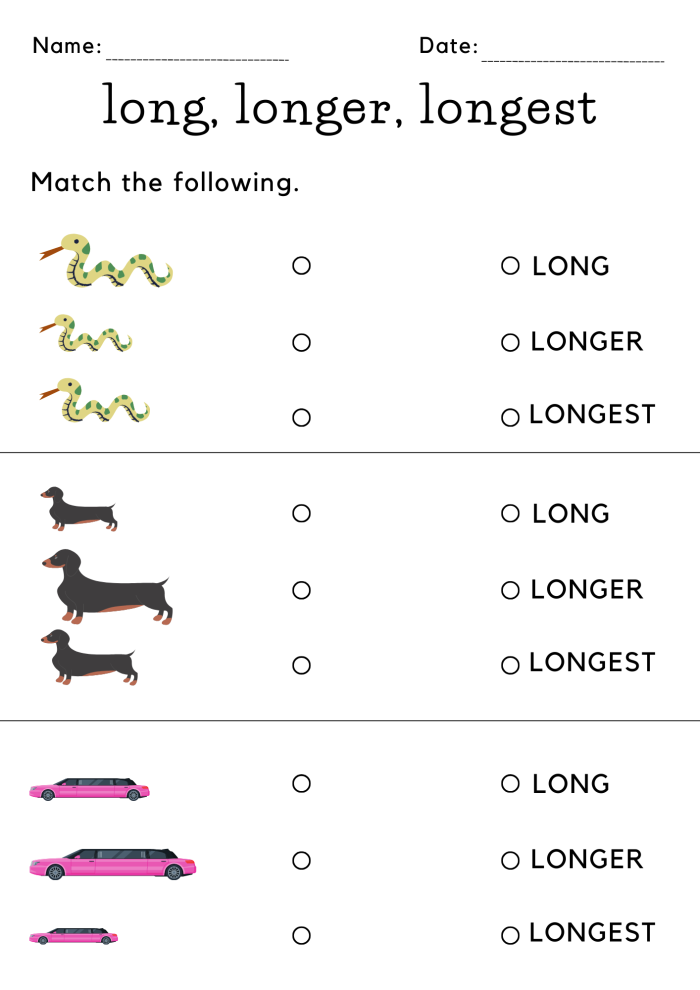
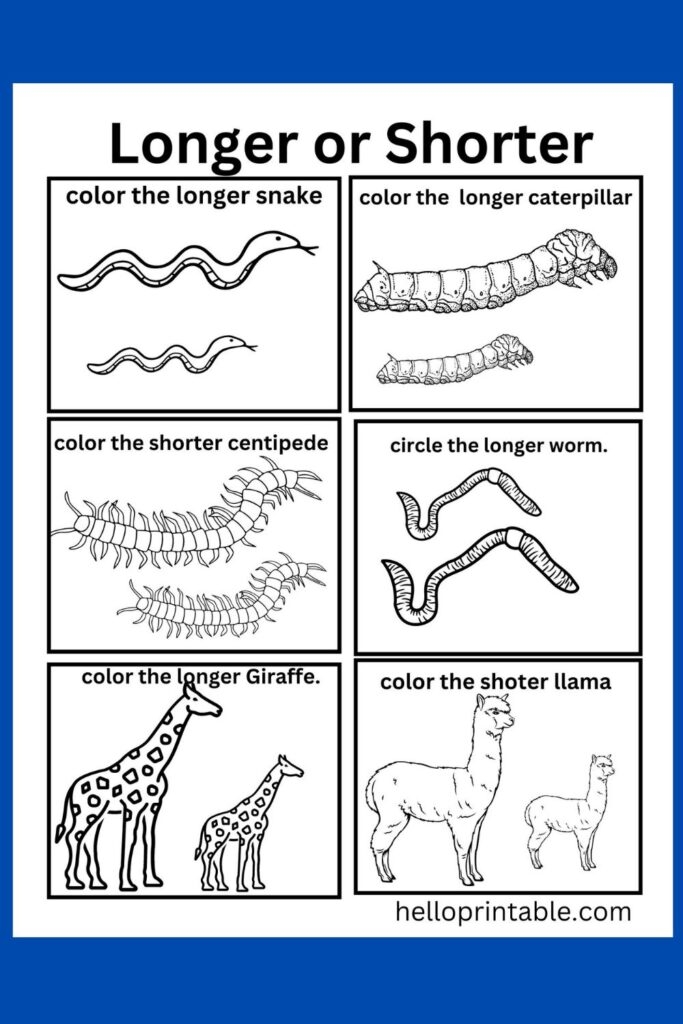
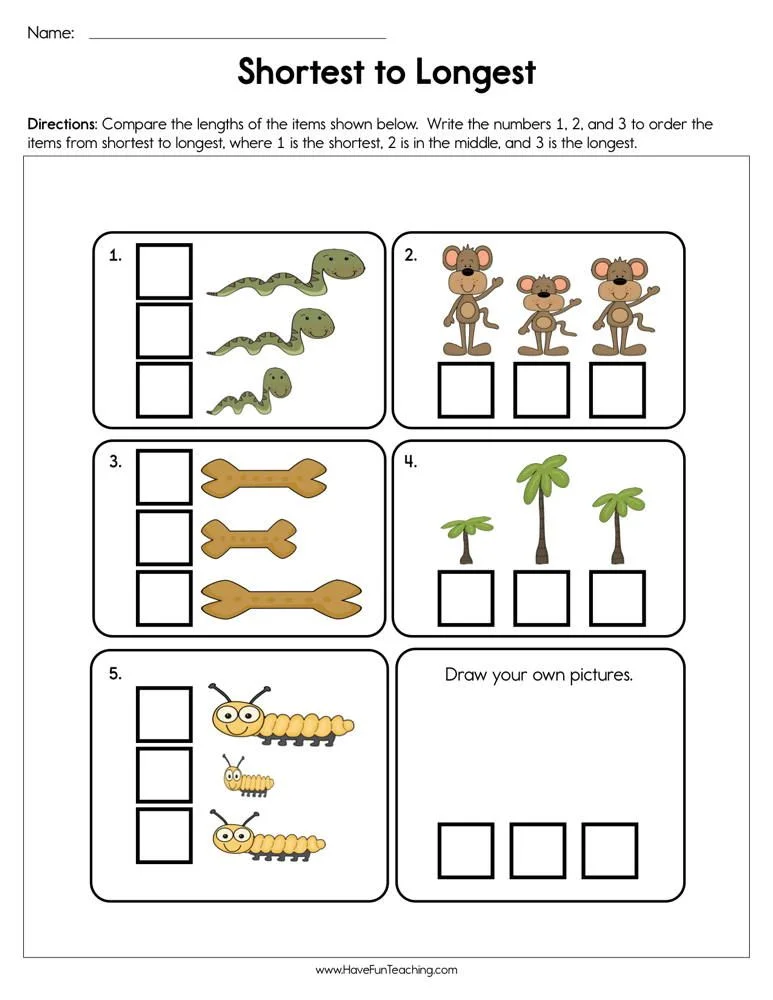
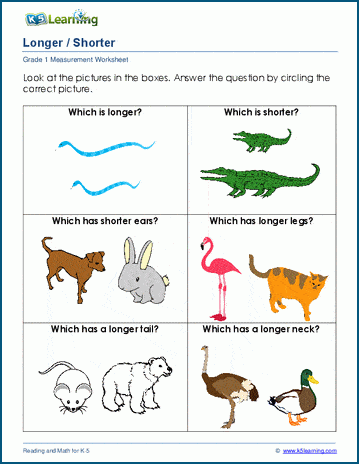
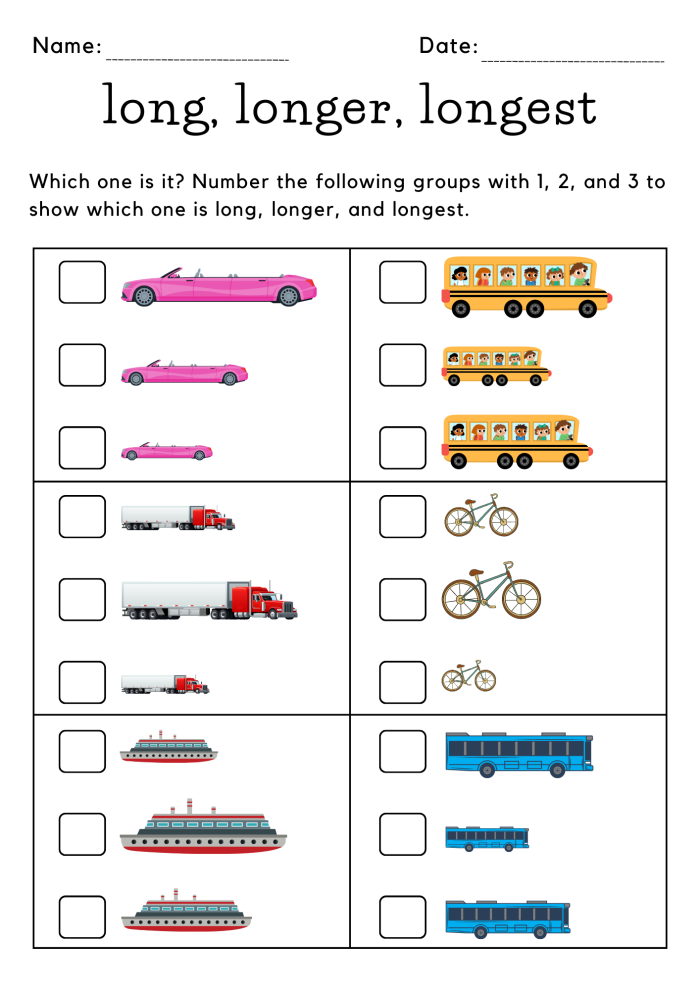
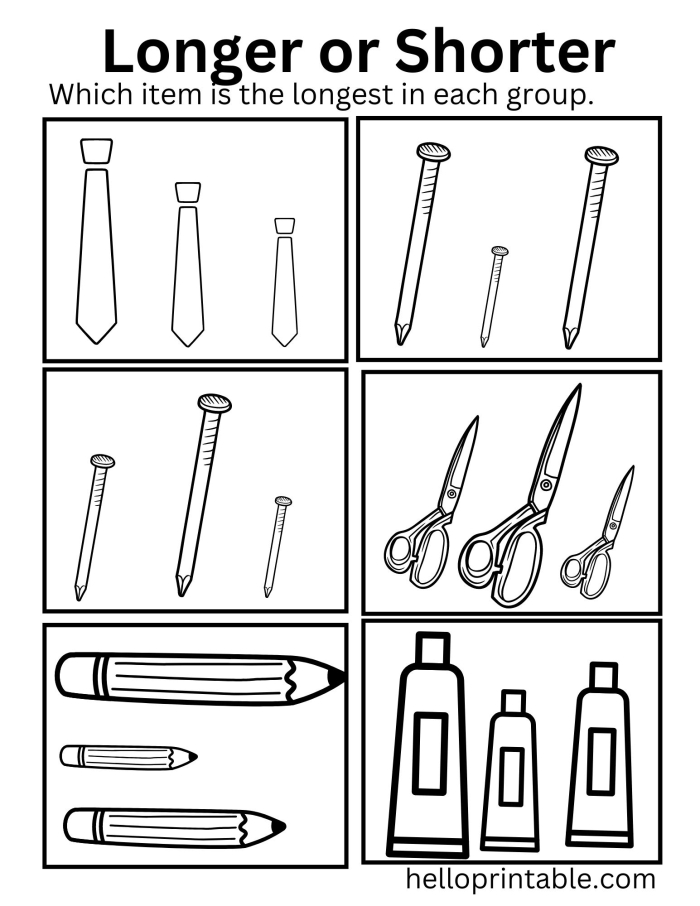
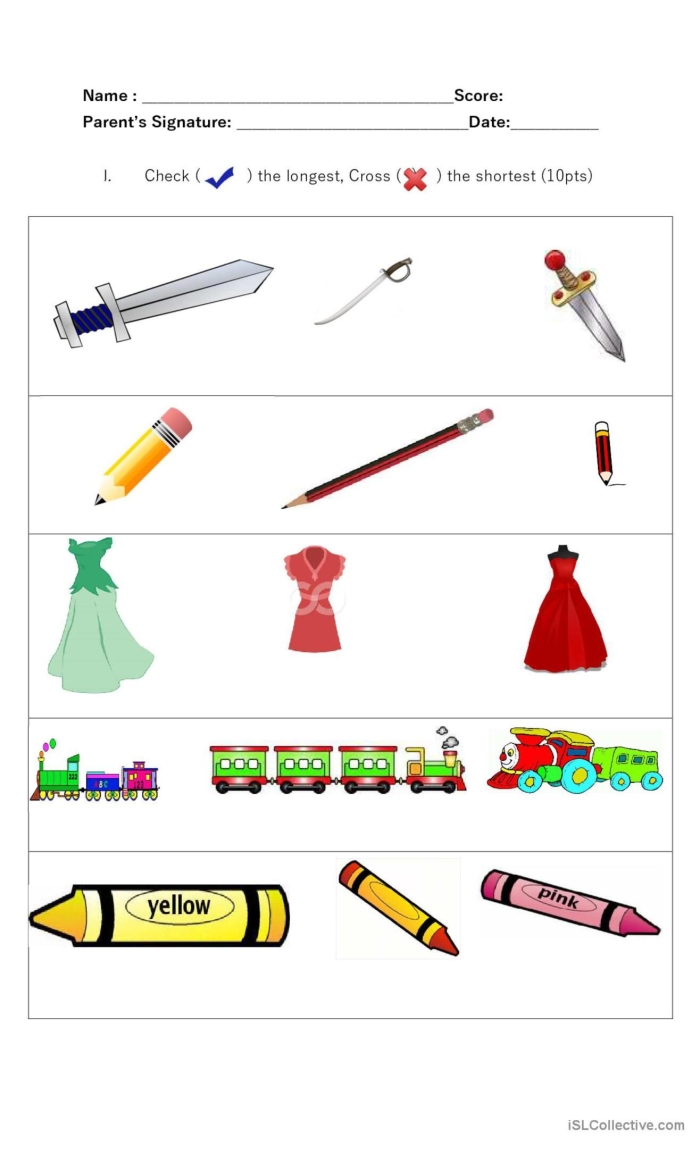
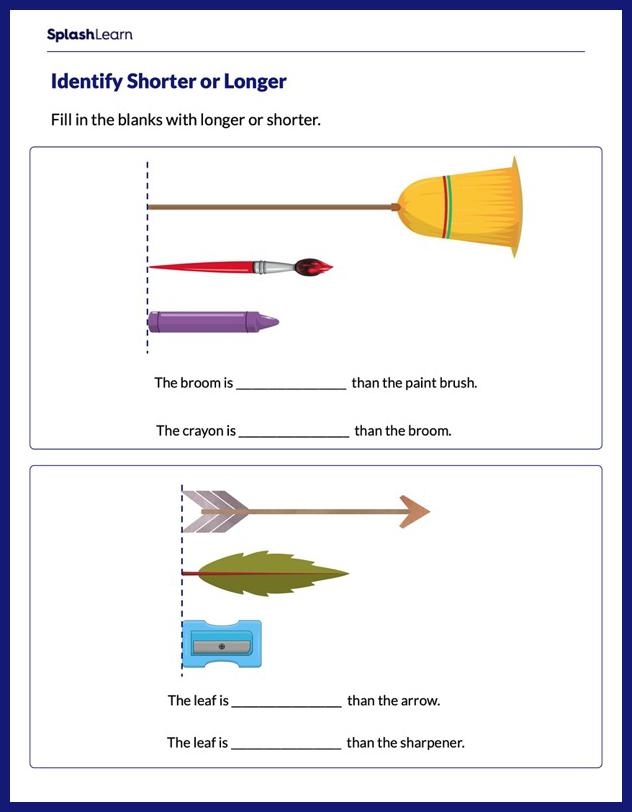
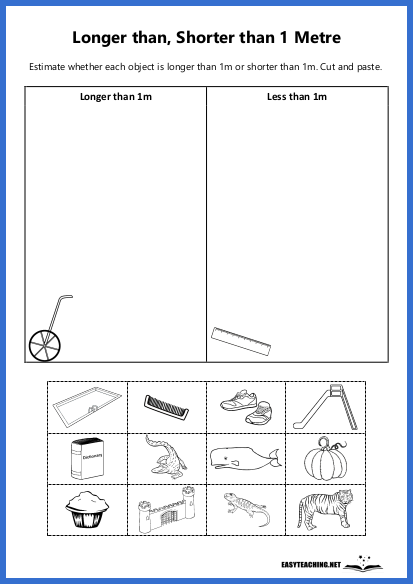
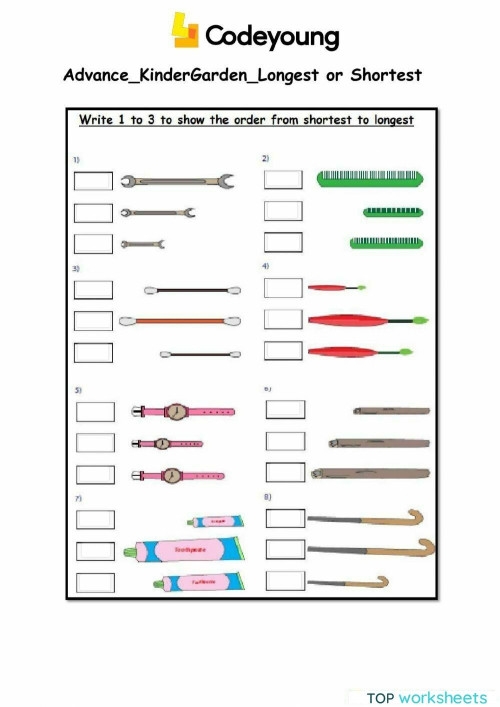
First graders benefit from worksheets that present side-by-side comparisons of objects with clear visual representations. A pencil next to a crayon, a ribbon against a stick, or two lines of different lengths give students something tangible to evaluate. The repetition across multiple problems builds confidence and reinforces the concept that measurement is consistent and predictable.
The connection to economics emerges naturally here. When children compare the length of objects, they’re beginning to understand value and resource allocation. If one rope is longer, it might be more useful for certain tasks. This early exposure to comparing quantities prepares them for later concepts like pricing, budgeting, and resource management.
Worksheets structured around measurement comparisons work best when paired with hands-on activities. Students might measure objects in the classroom using string, then record which items are longer or shorter. You can extend this learning by incorporating activities that build number sense and spatial awareness, or strengthen their foundation with practice counting and comparing quantities.
The goal is simple: help first graders develop the language and skills to describe and compare measurable attributes. Once they master this, more complex math concepts become accessible.
Grab These Worksheets Now