When a concert ticket sells out in minutes, or a video game console sits on shelves unsold for weeks, economics is at work. Students in sixth grade often wonder why prices jump up and down, and a solid economics worksheet can unlock that mystery. Understanding how supply and demand affect prices is one of the most practical lessons middle grades students can learn, since they encounter these forces every time they shop or save for something they want.
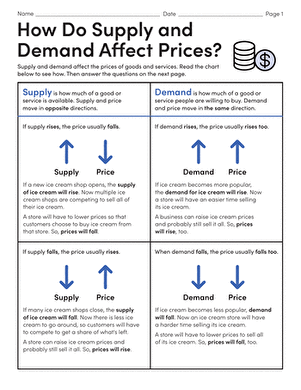
The core concept is straightforward: when everyone wants something but there’s not much of it available, prices climb. When stores have too much inventory and few people are buying, prices drop. This isn’t arbitrary or unfair, it’s a natural market signal that helps sellers decide what to produce and helps buyers decide what they can afford.
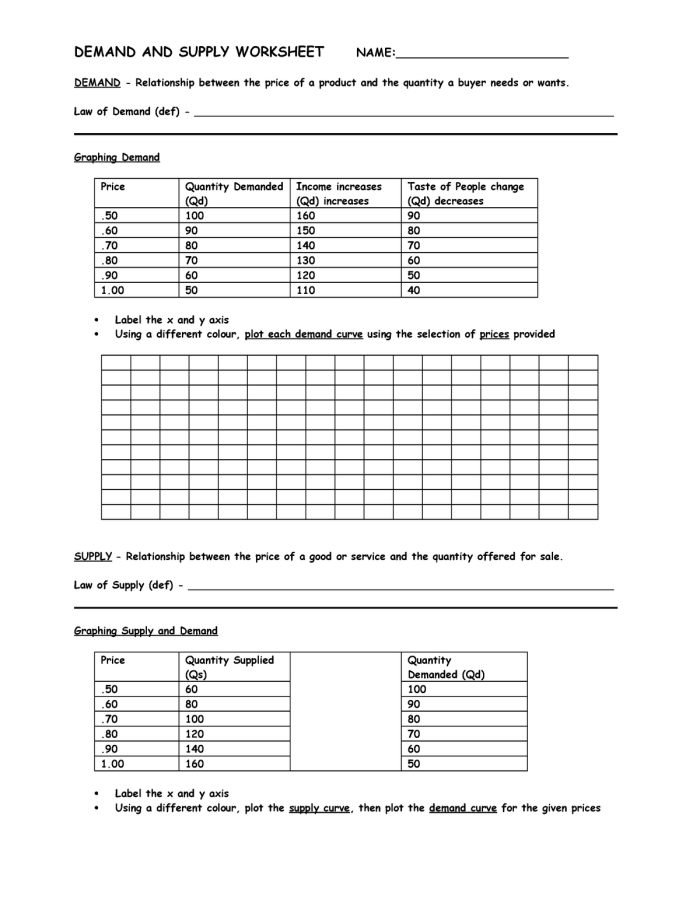
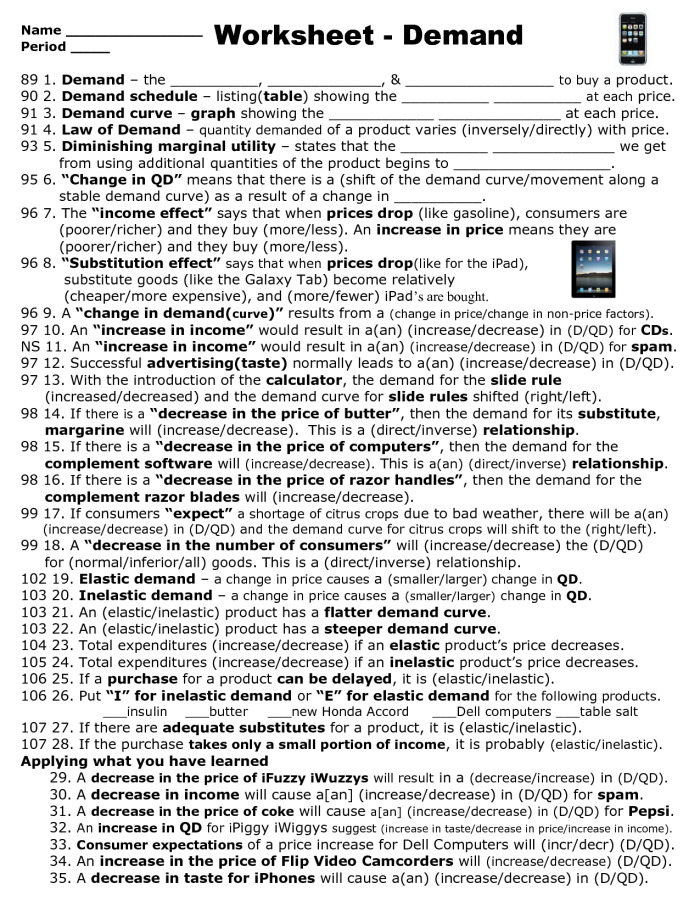
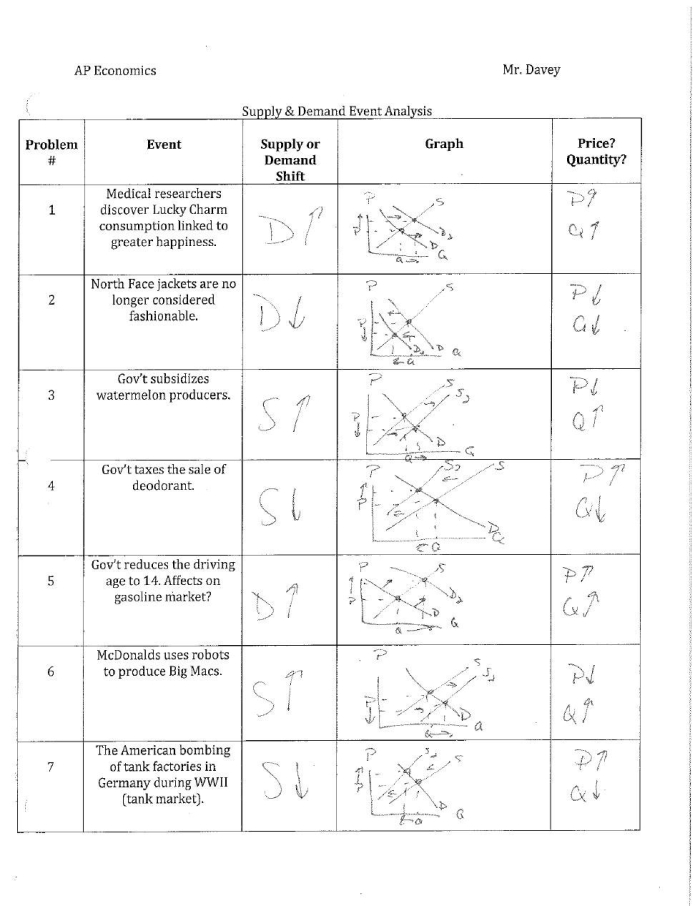
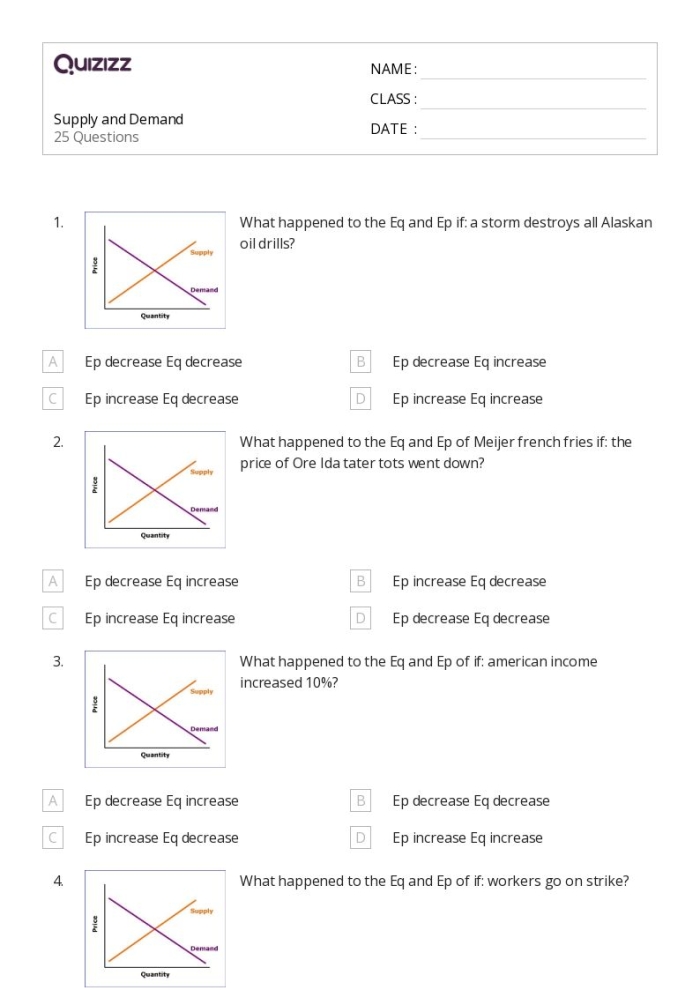
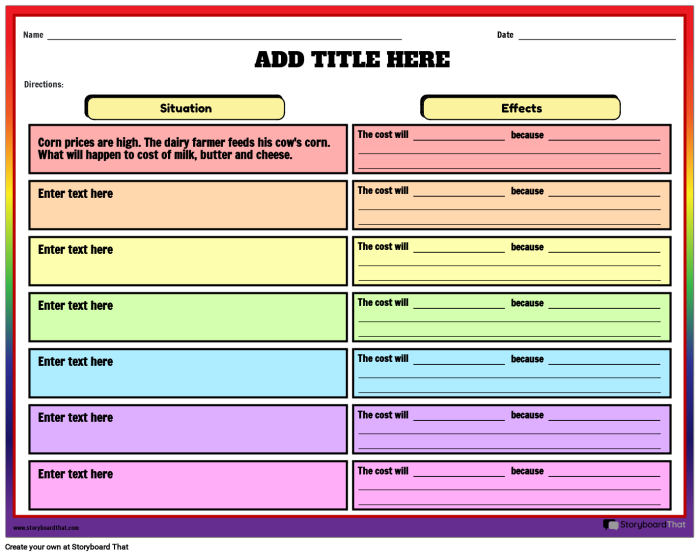
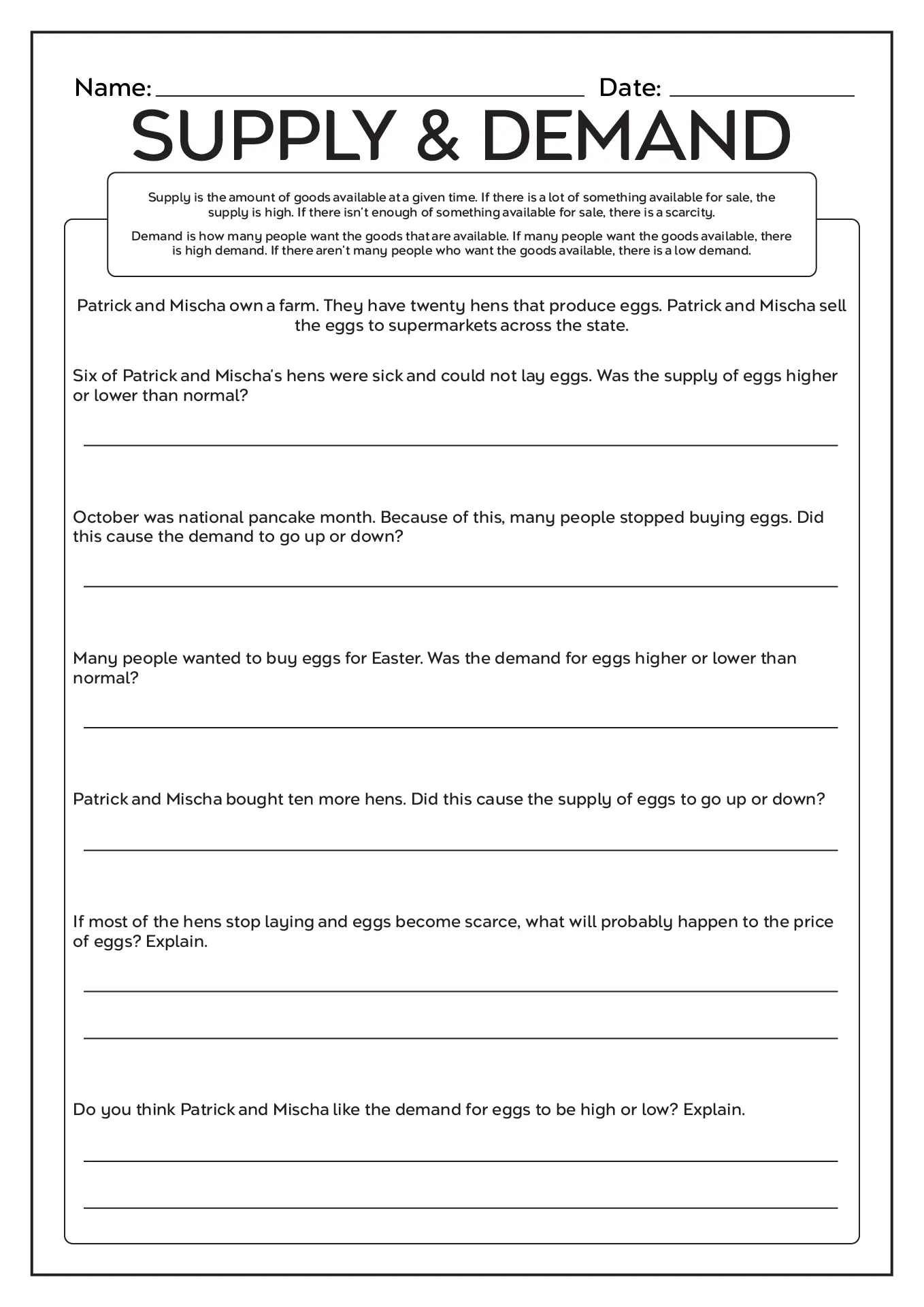
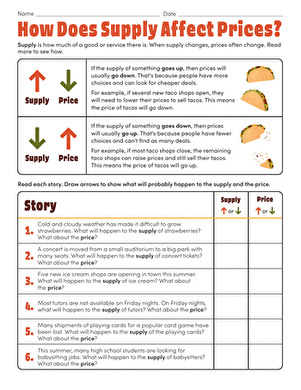
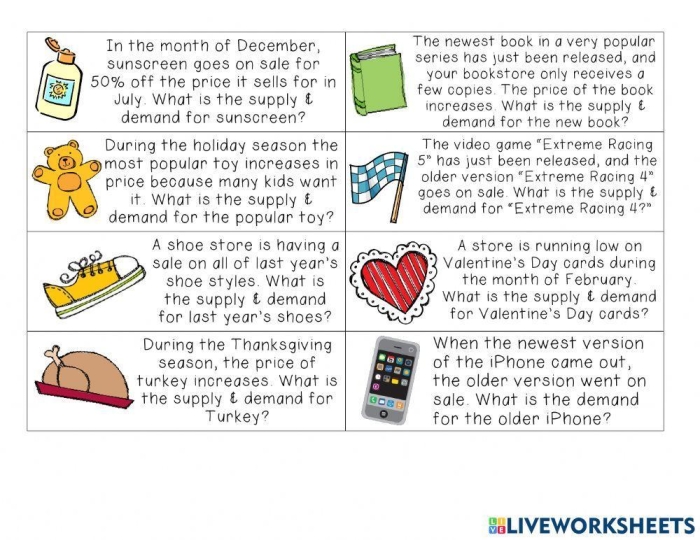
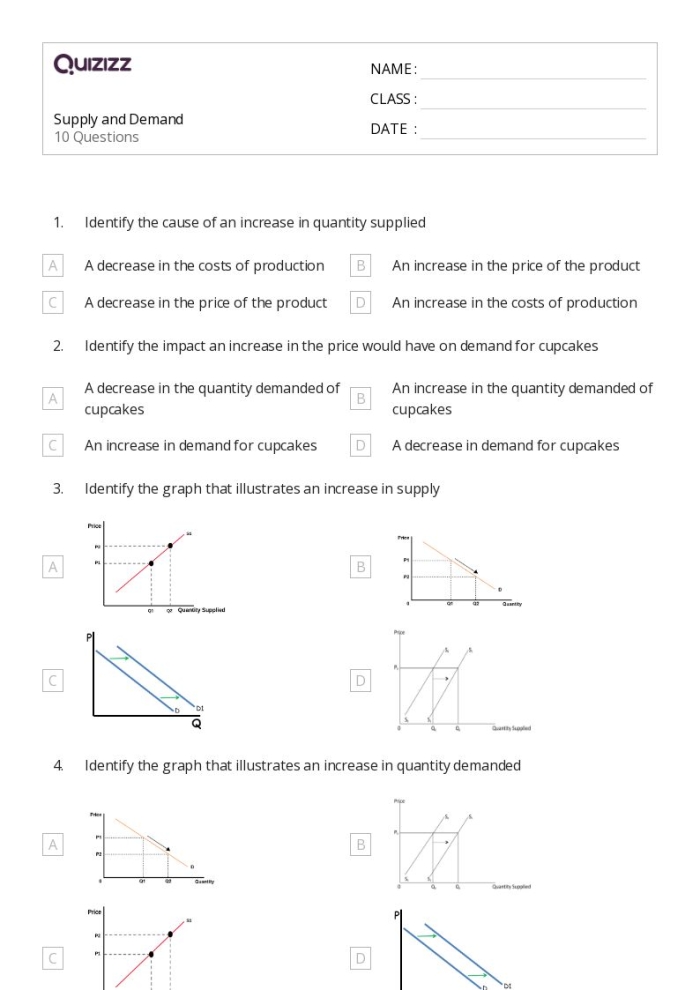
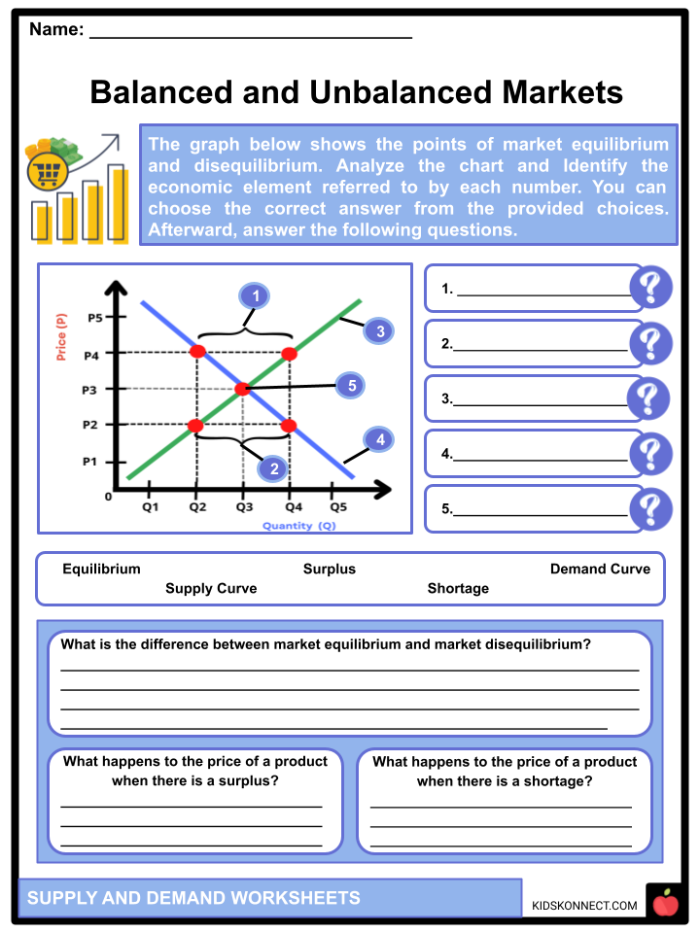
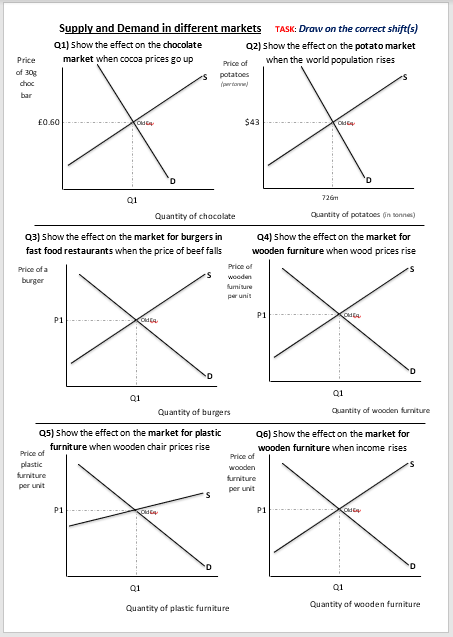
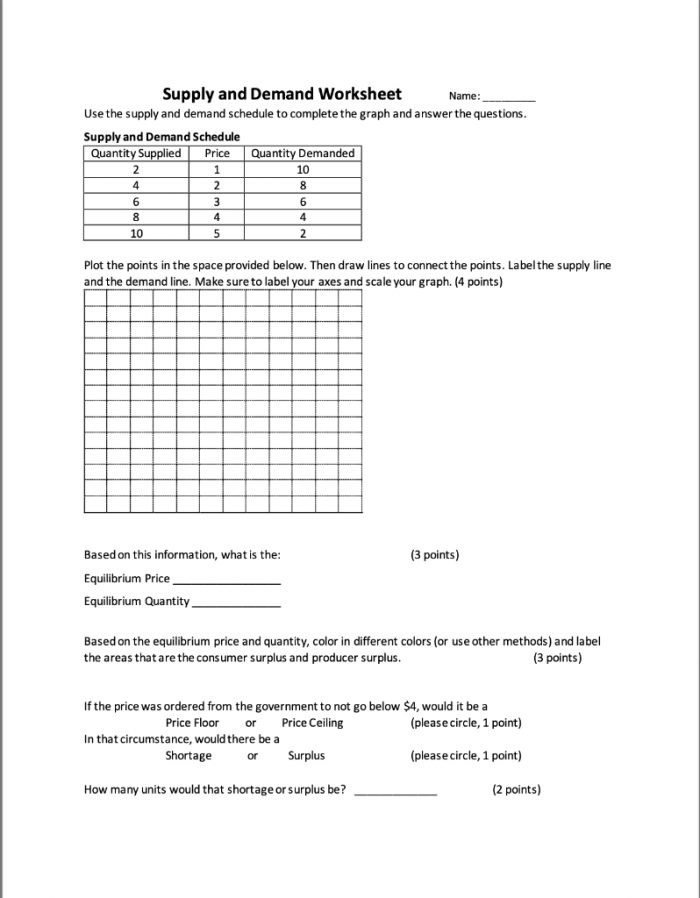
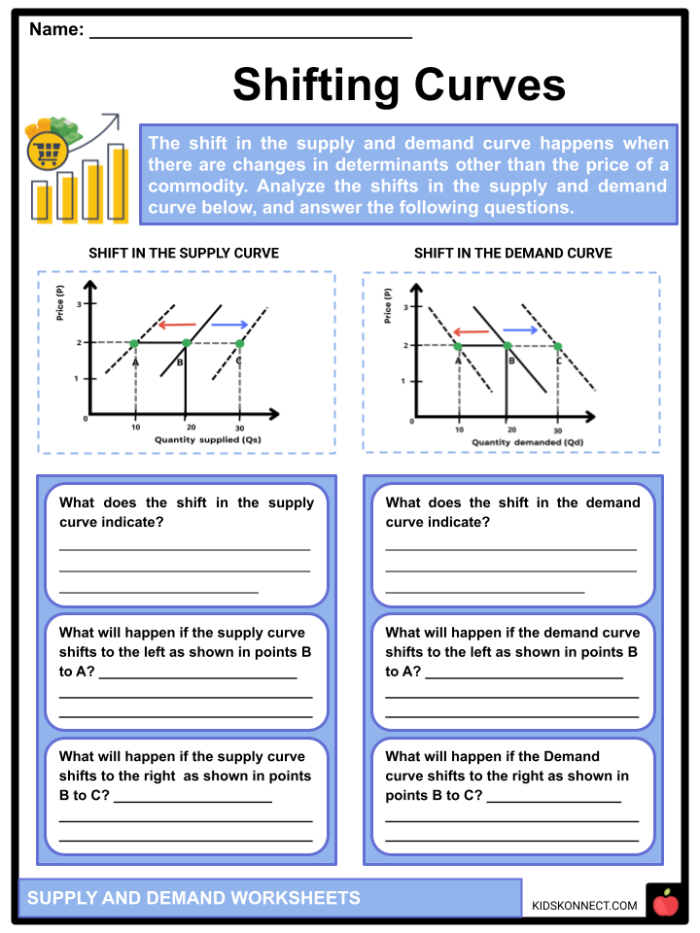
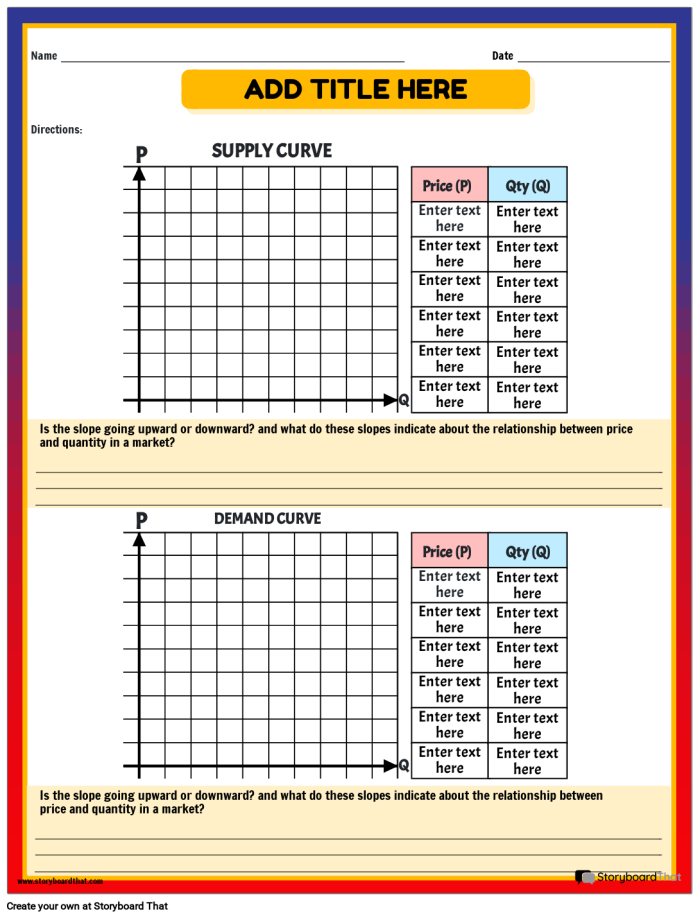
A printable how do supply and demand affect prices worksheet gives students concrete scenarios to work through. They might analyze why concert tickets cost more on the day of the show, or why winter coats get cheaper in spring. These real-world examples stick better than abstract definitions. Students calculate price changes, interpret graphs showing supply curves, and make predictions about market shifts. The numbers and counting skills they practice here connect directly to what they’ll see in more advanced math and economics courses.
What makes these worksheets effective is that they bridge classroom theory and actual behavior. Students see that prices aren’t random or set by a single person, but emerge from millions of individual choices. Pairing this worksheet with other sixth grade resources like mean, median, and mode practice helps reinforce data analysis skills needed for economics.
Middle grades students who grasp supply and demand early develop financial literacy that serves them for life. They understand why concert tickets cost what they do, why gas prices fluctuate, and how their own purchasing power works in the broader economy.
Start Practicing with These Worksheets