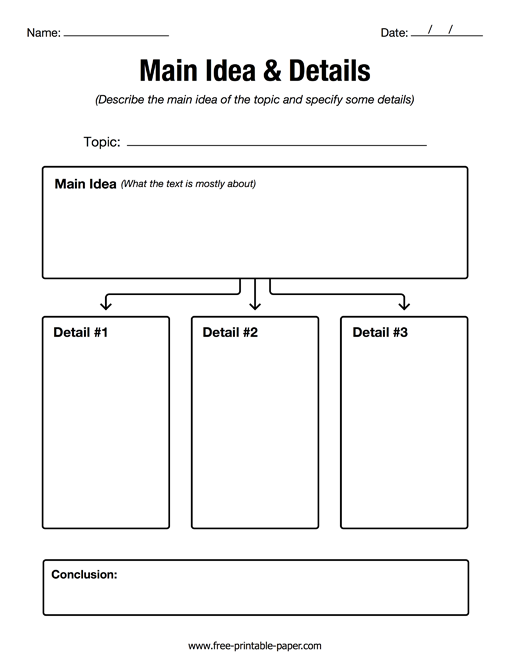
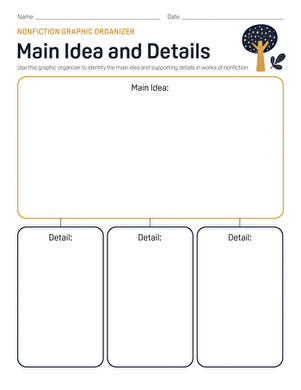
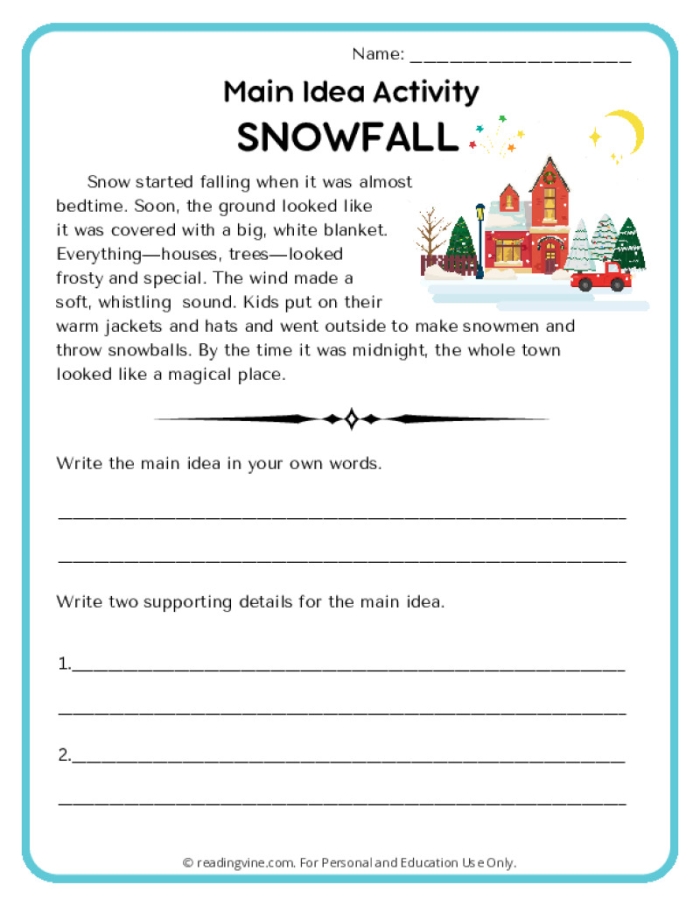
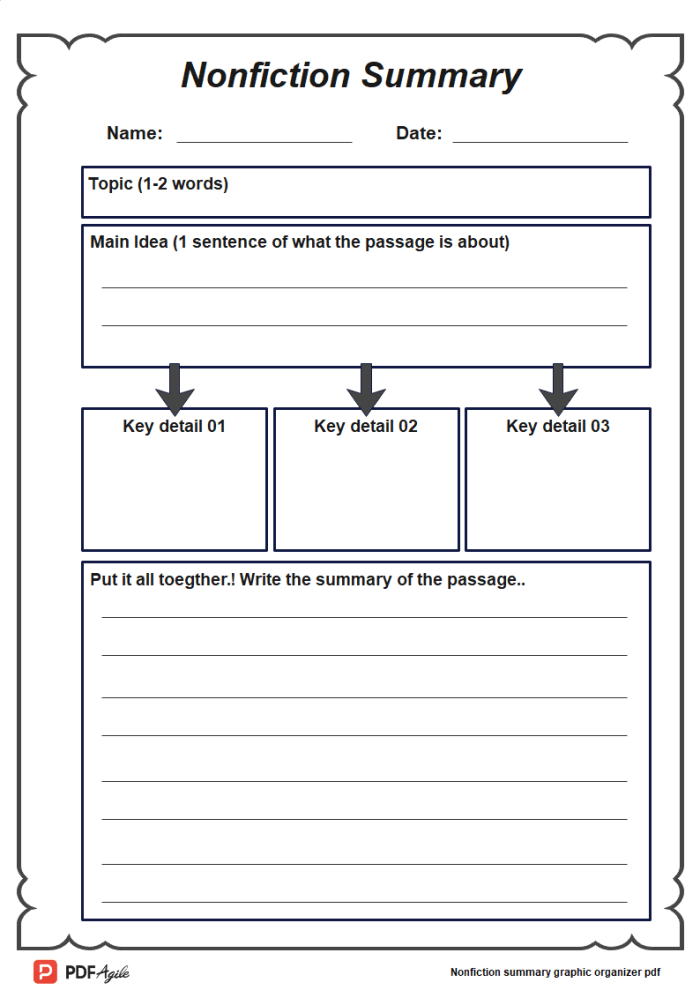
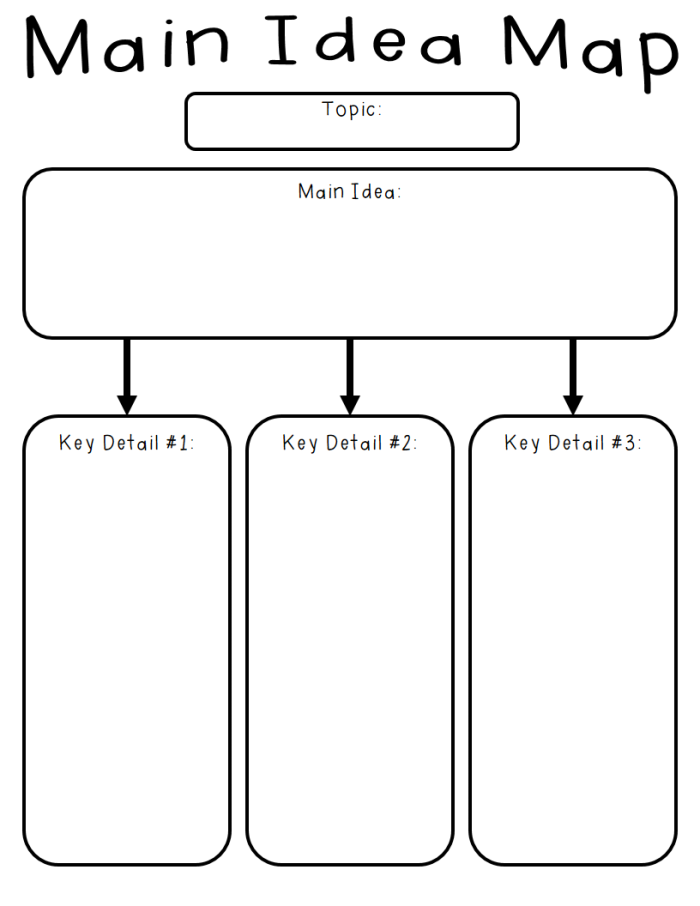
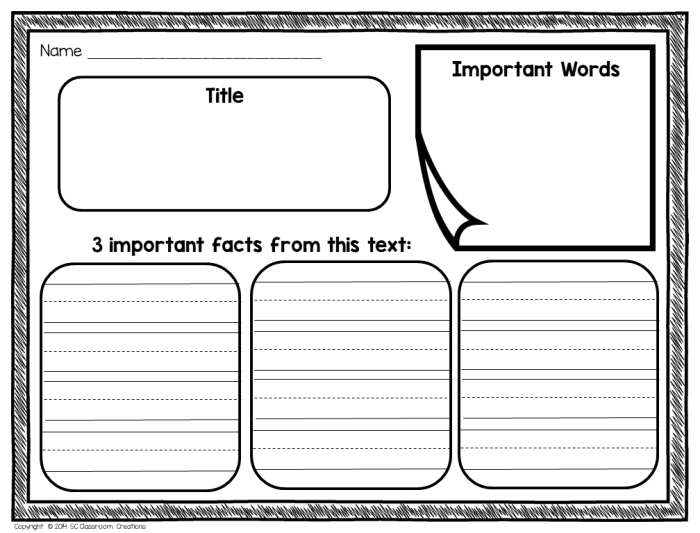
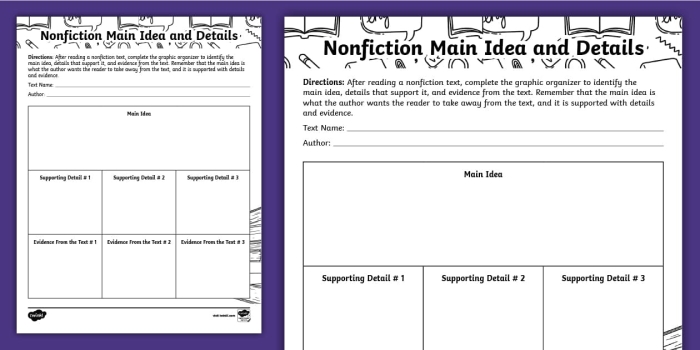
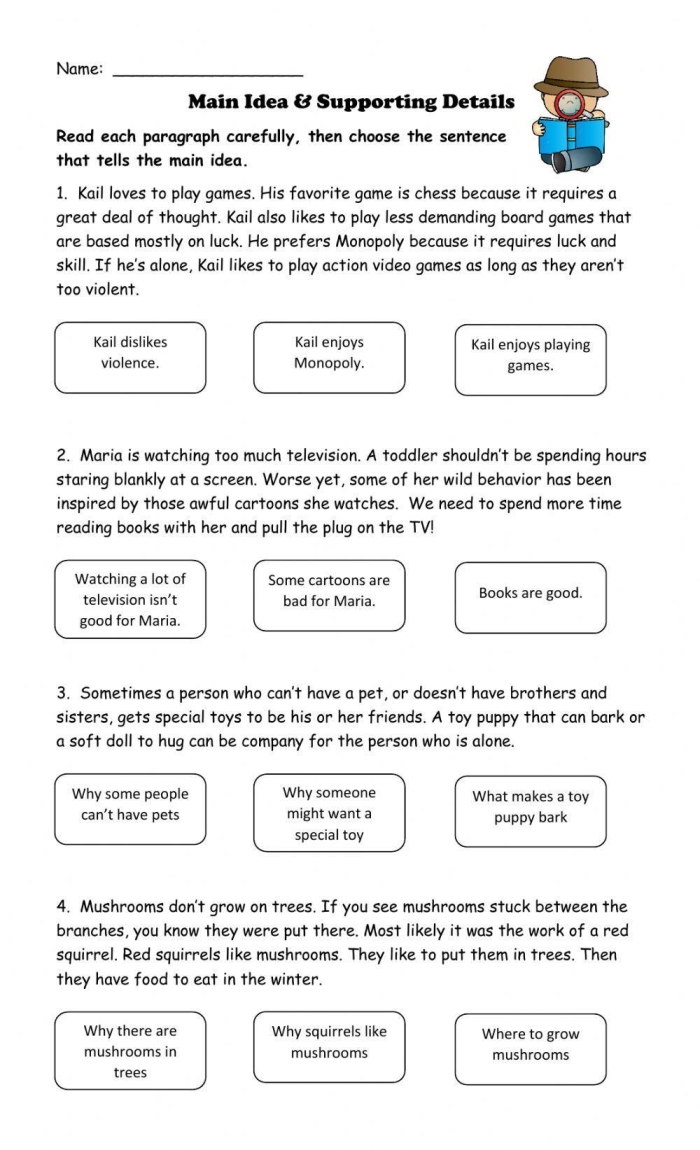
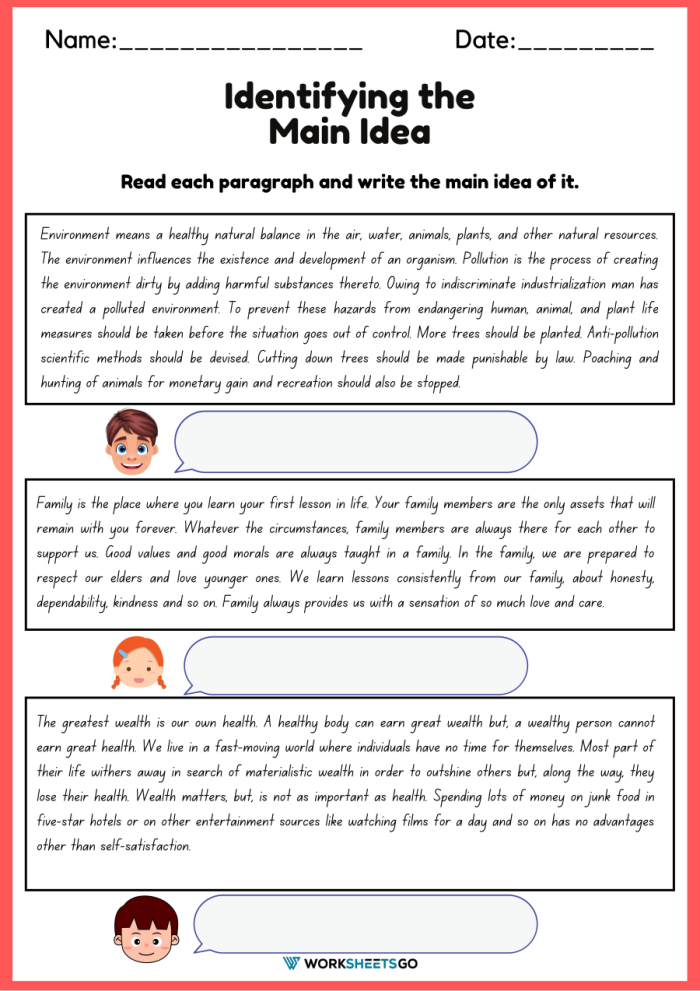
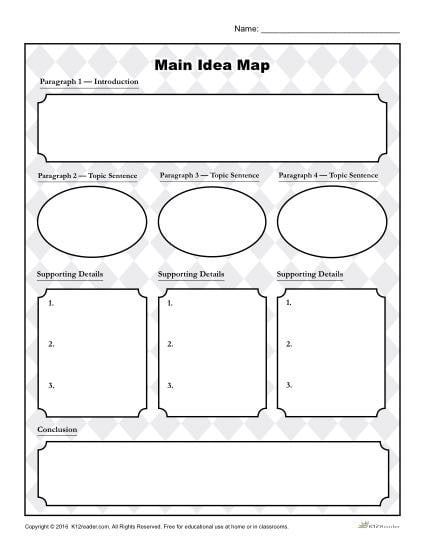
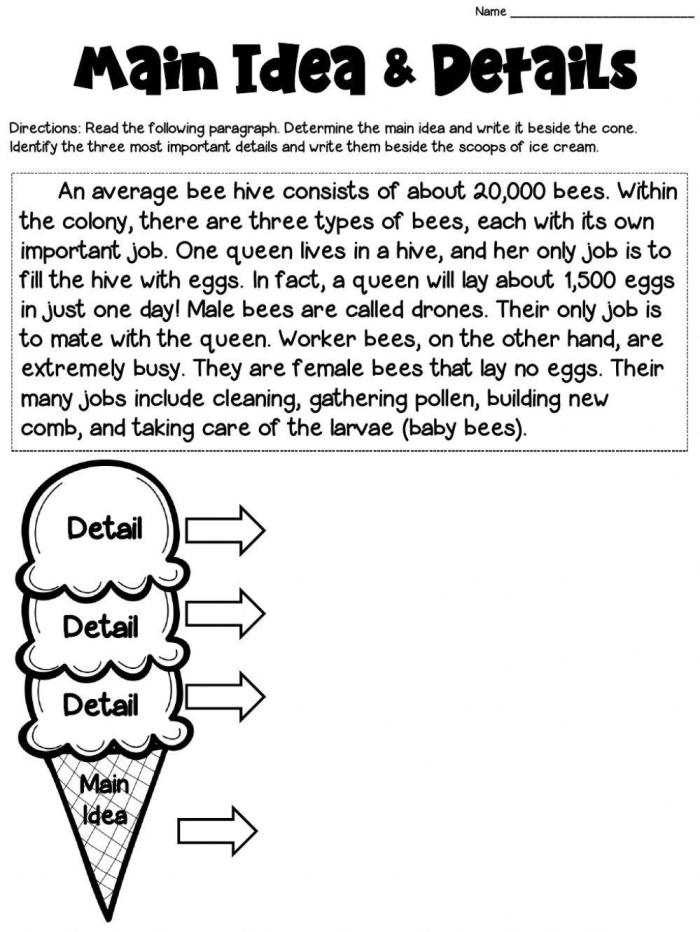
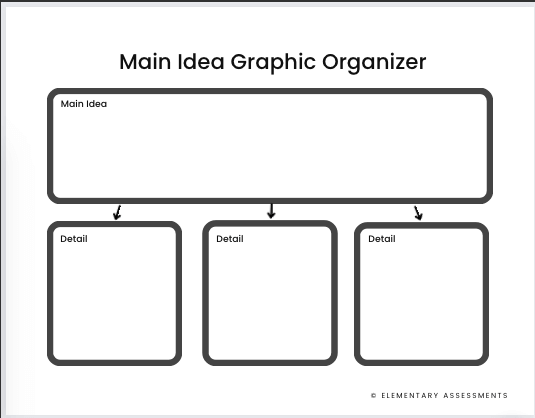
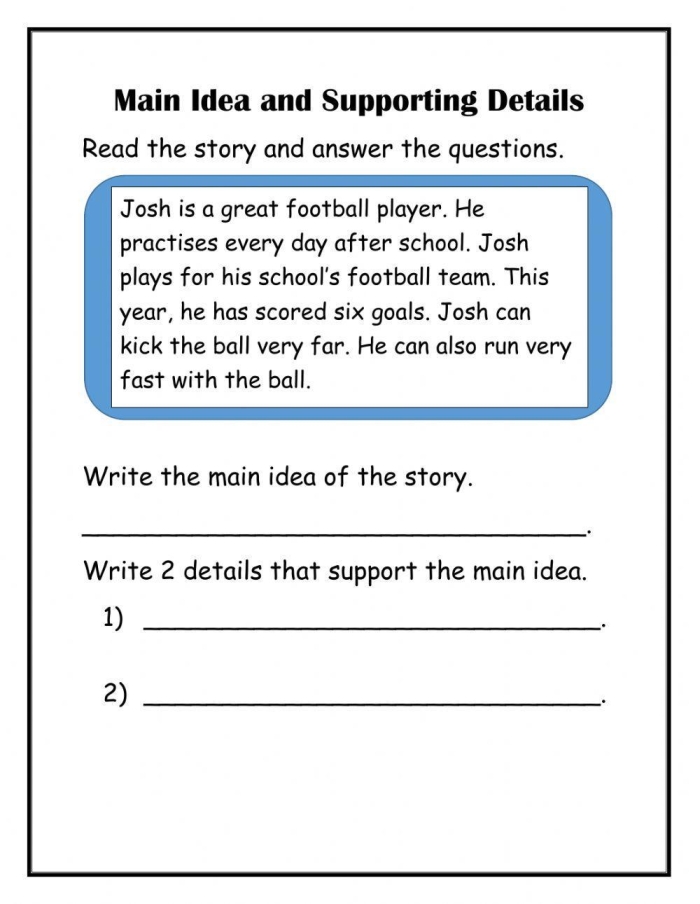
When kindergarten students first encounter nonfiction texts, they often struggle to separate the main idea from the surrounding details. A graphic organizer template designed specifically for this purpose gives young readers a concrete way to organize their thinking and understand what they’re learning.
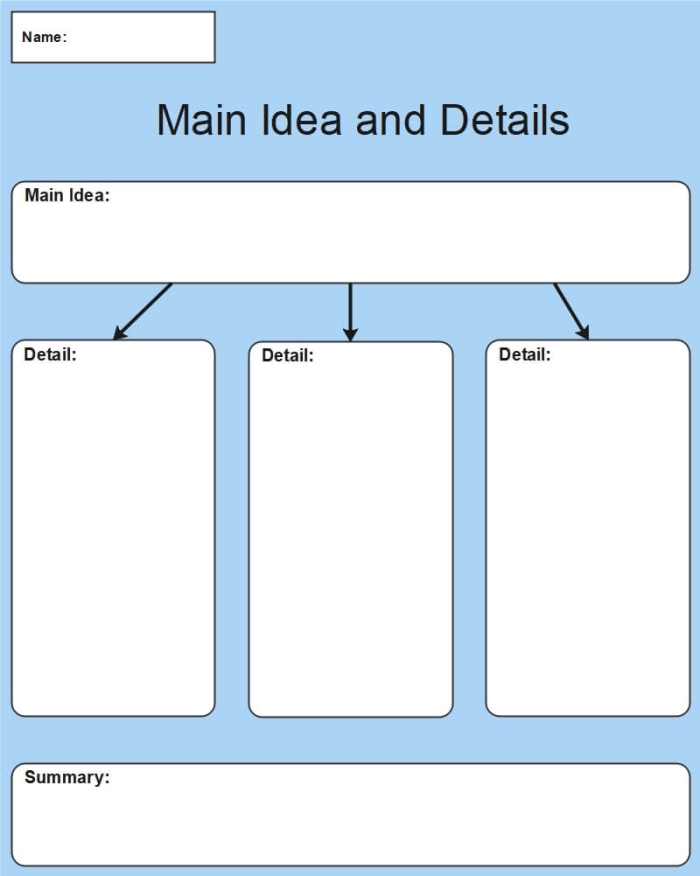
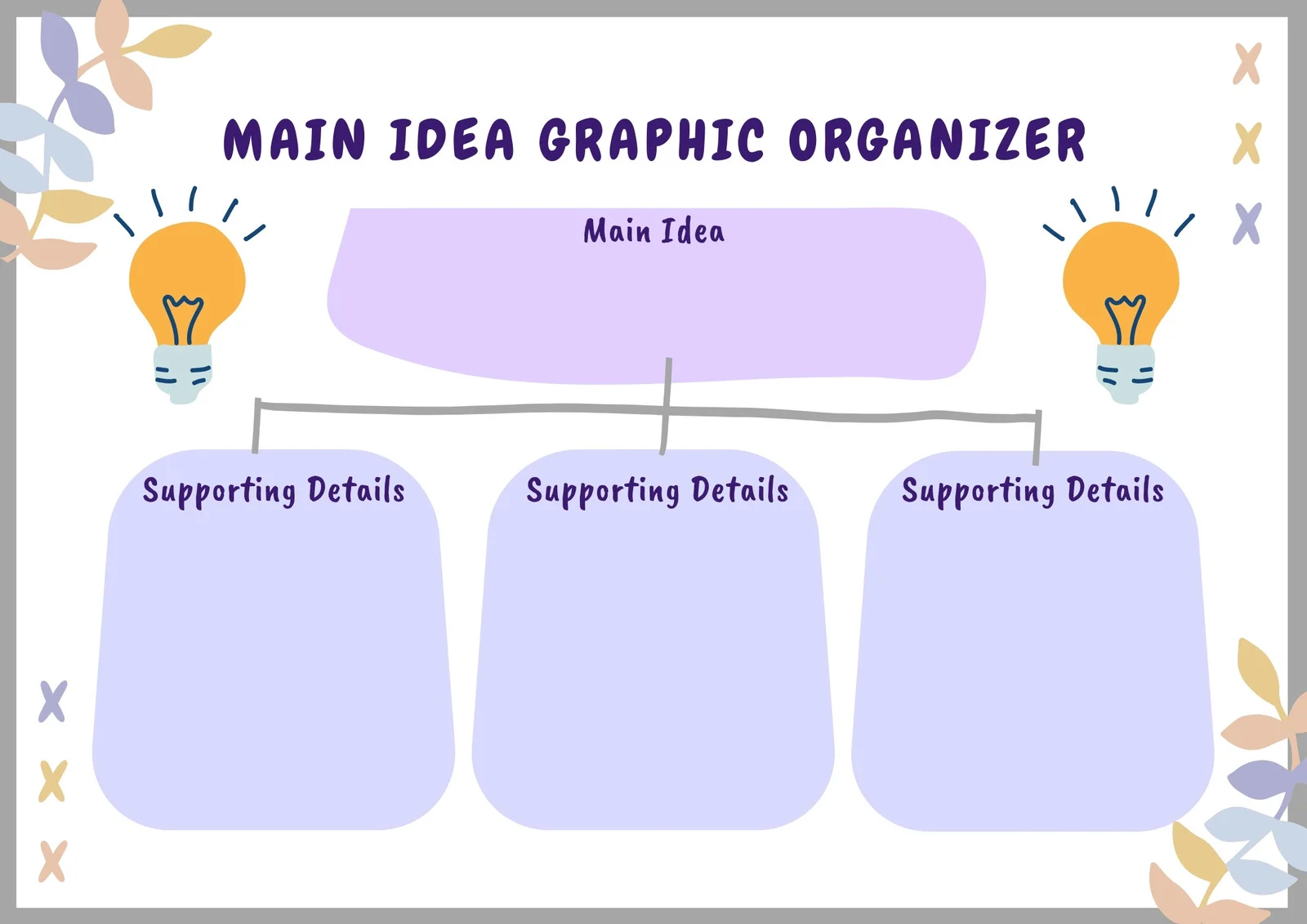
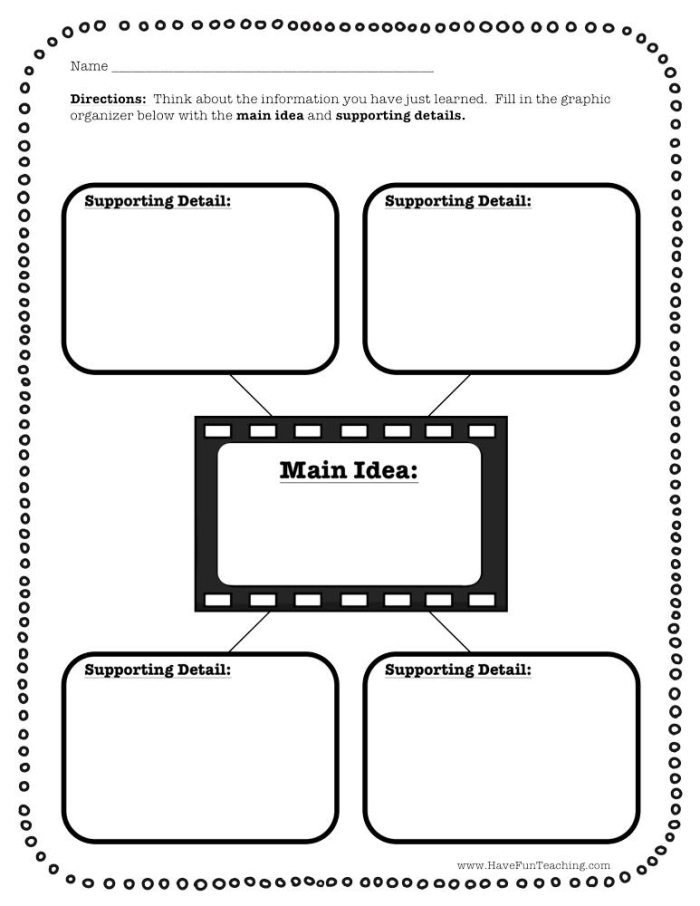
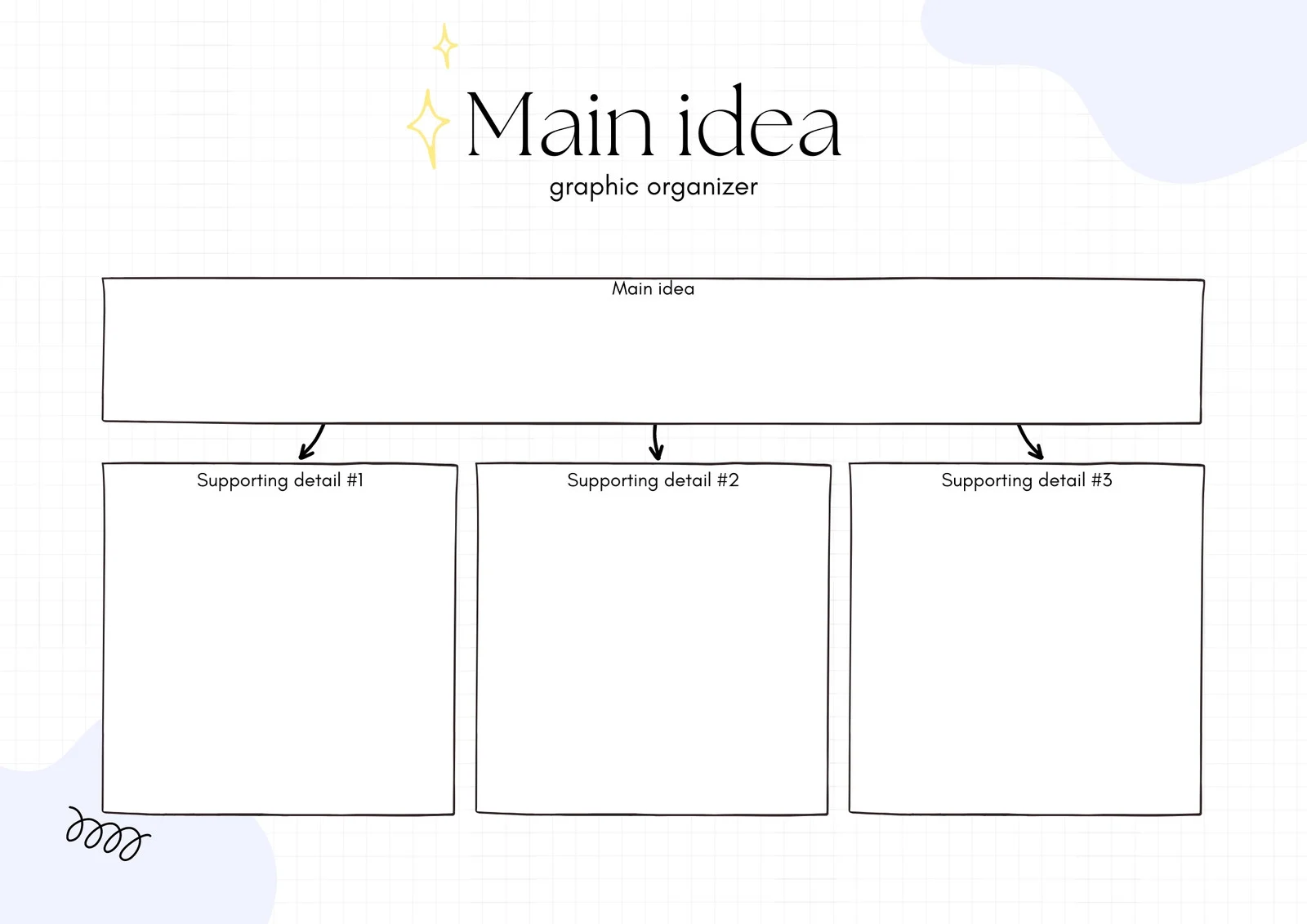
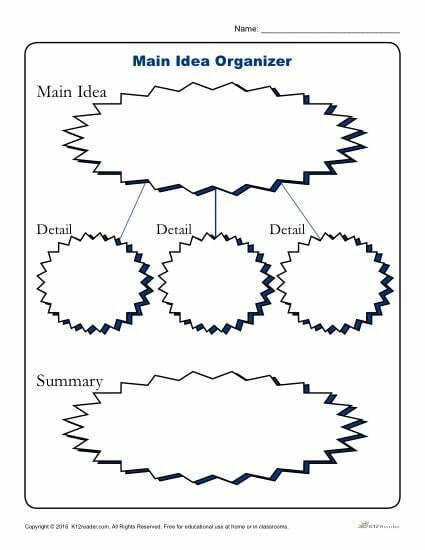
The structure of a nonfiction graphic organizer works by creating clear visual sections. At the center sits the main idea, the big concept the text is teaching. Around it, smaller sections hold supporting details that explain or prove that main idea. This layout mirrors how information actually connects in real texts, making the relationship between ideas visible and easy to grasp.
For kindergarten readers, this visual approach matters more than traditional note-taking ever could. Young learners still develop their ability to write and organize thoughts through text alone. A graphic organizer lets them focus entirely on understanding content while using drawings, words, or pictures to capture what they’ve learned. When students work through tracking important details in reading, they build habits that strengthen comprehension across all subjects.
Using these templates consistently teaches children how to read to learn rather than simply read to finish. Each time they complete an organizer, they practice identifying what matters most in a passage. This skill transfers to science texts about types of energy, history lessons, and any content area where understanding relationships between facts becomes essential.
Teachers who implement graphic organizers in reading instruction often notice students ask better questions about texts. Children begin wondering why certain details support the main idea, which deepens their engagement with material. The template becomes a bridge between passive reading and active learning, making it an invaluable tool for young scholars beginning their journey into nonfiction.
Try These Printable Worksheets