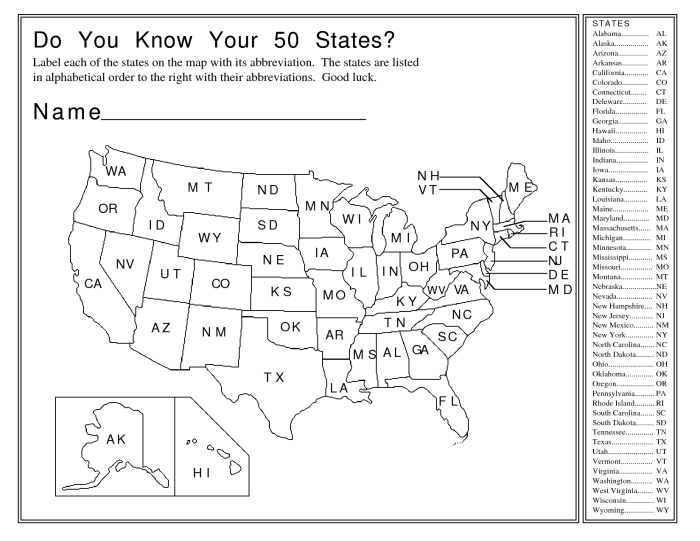
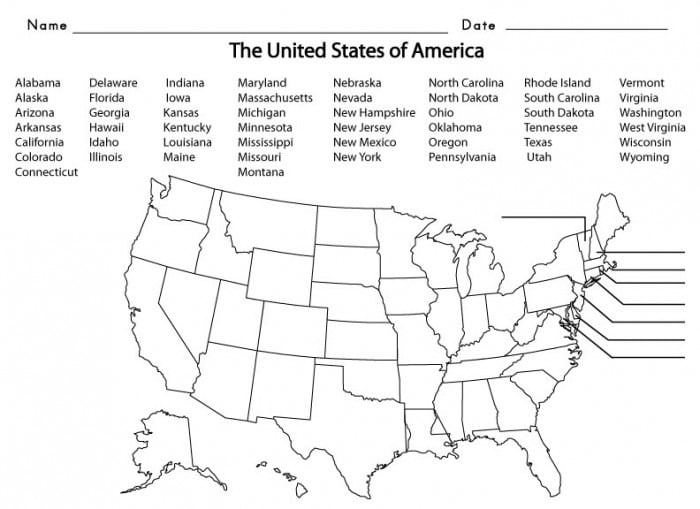
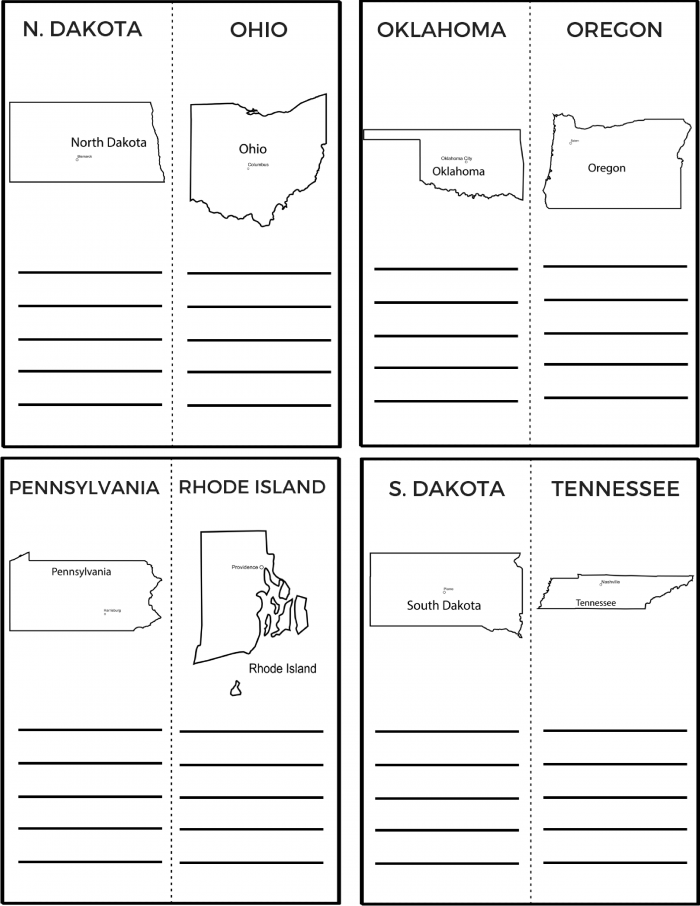
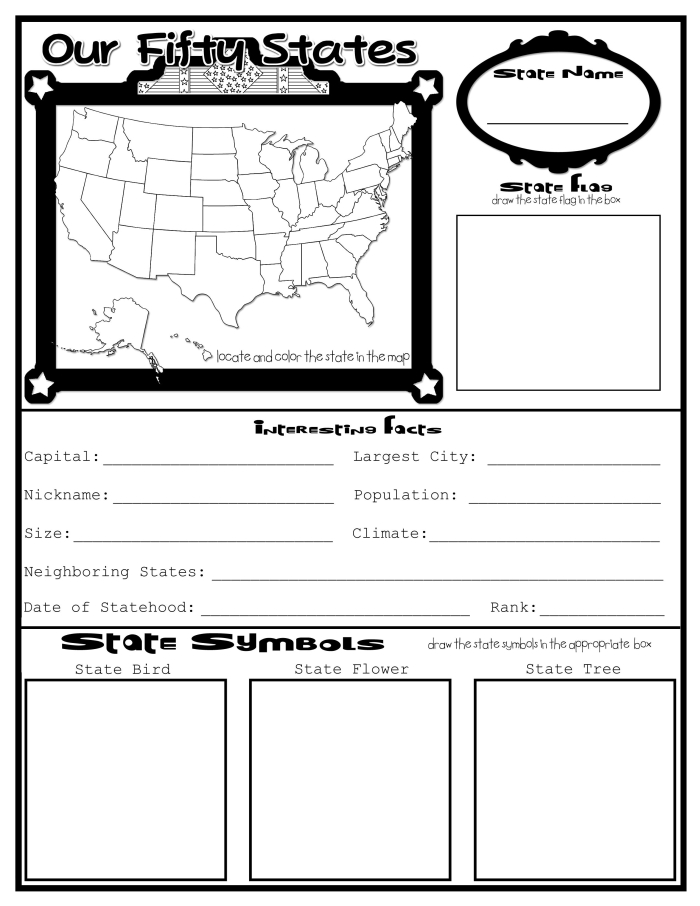
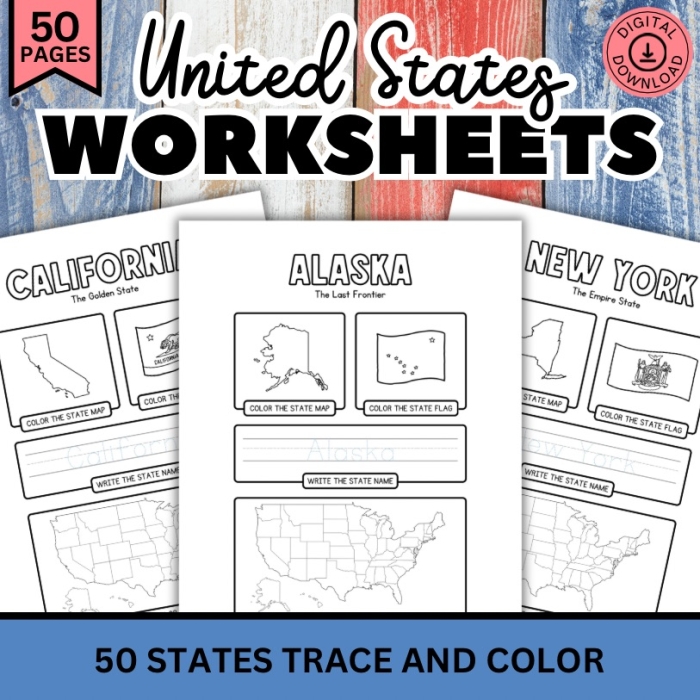
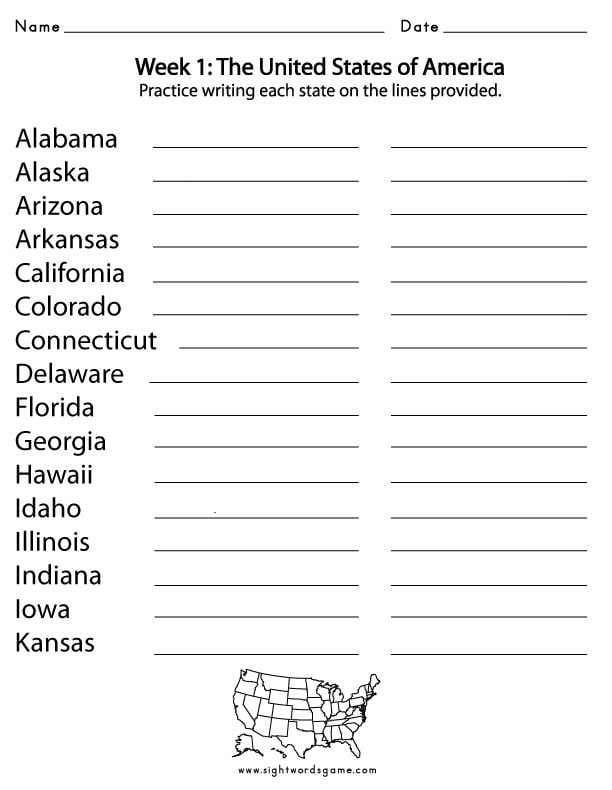
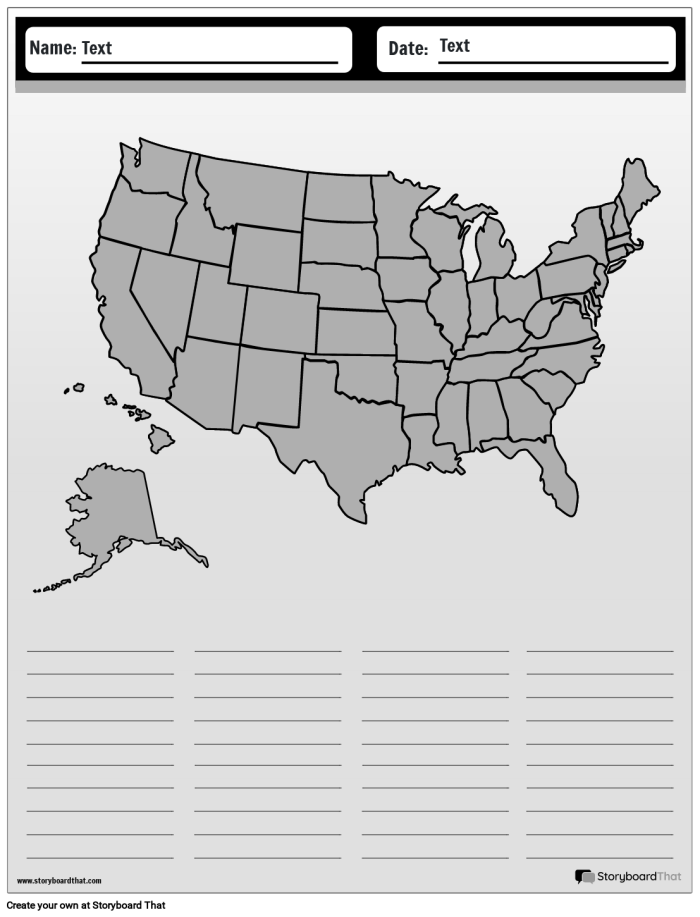
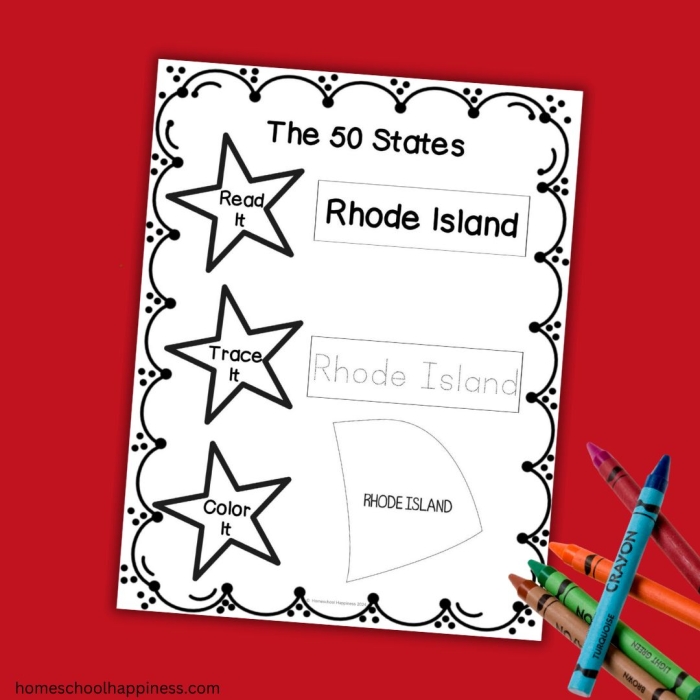
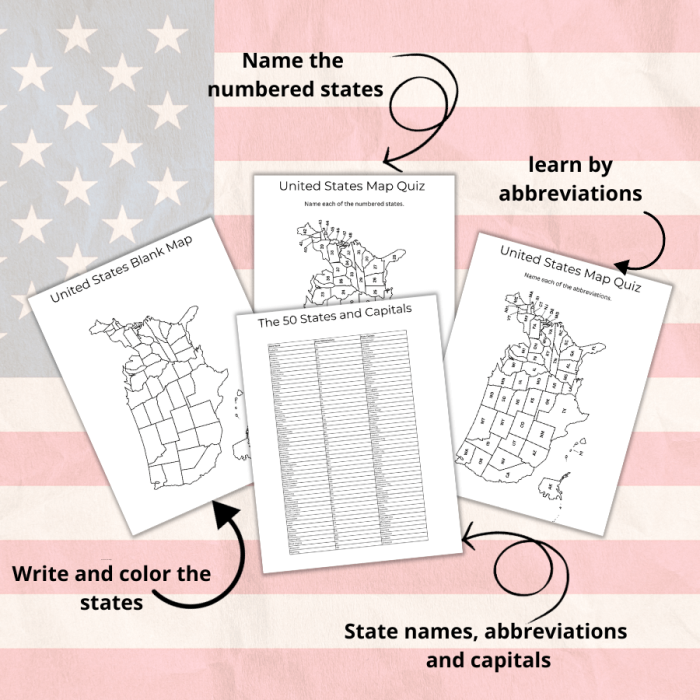
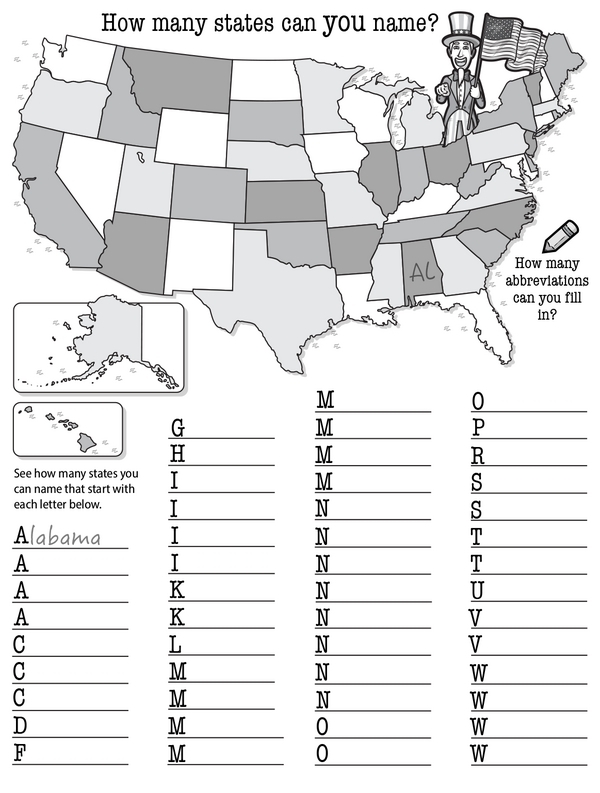
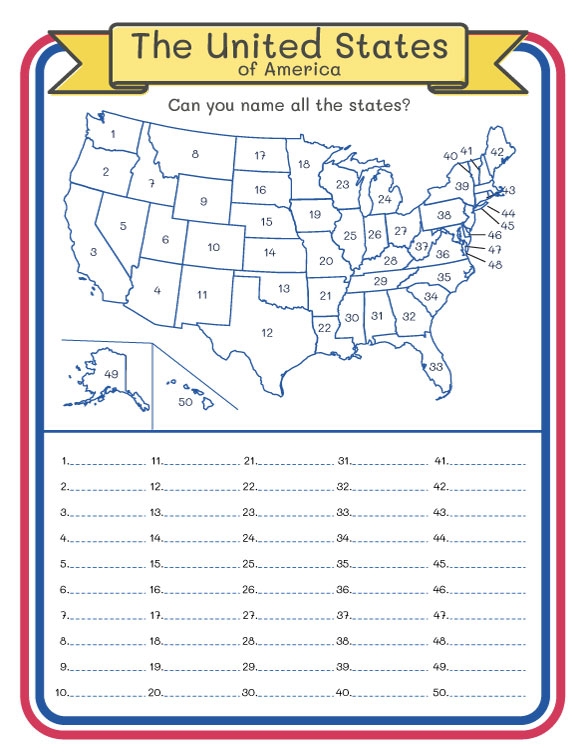
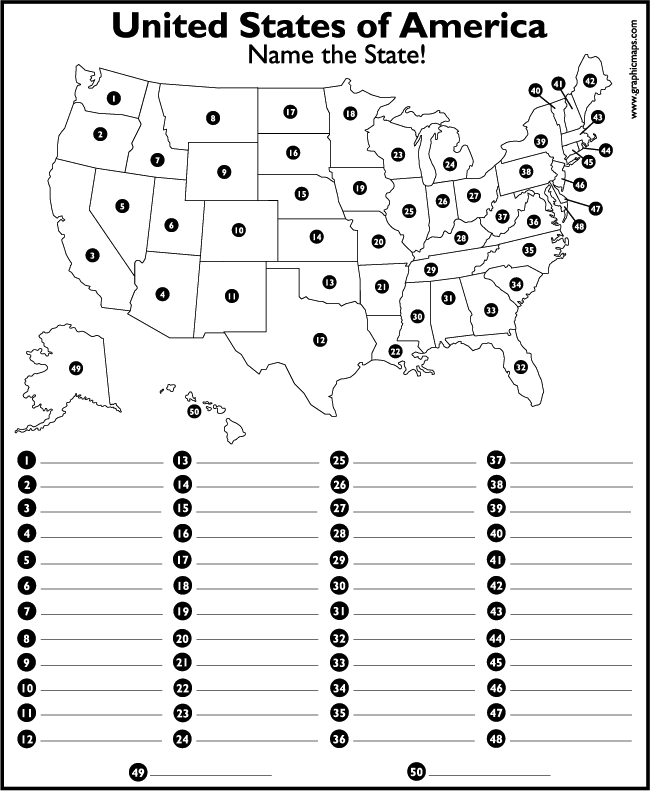
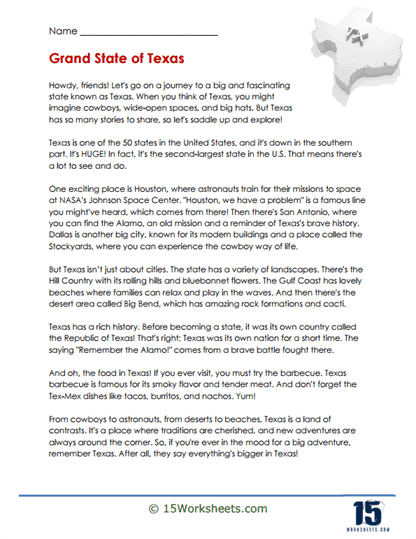
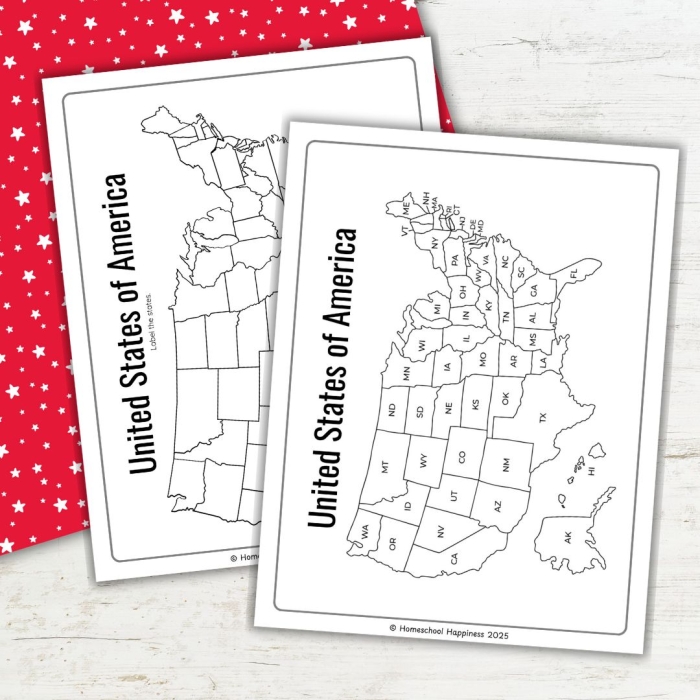
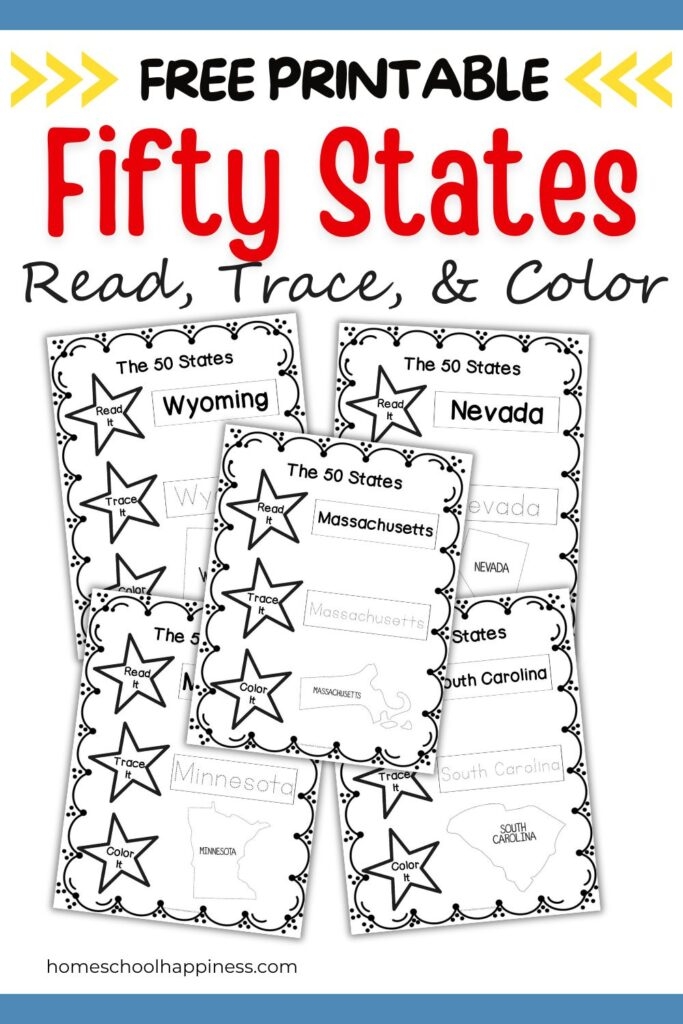
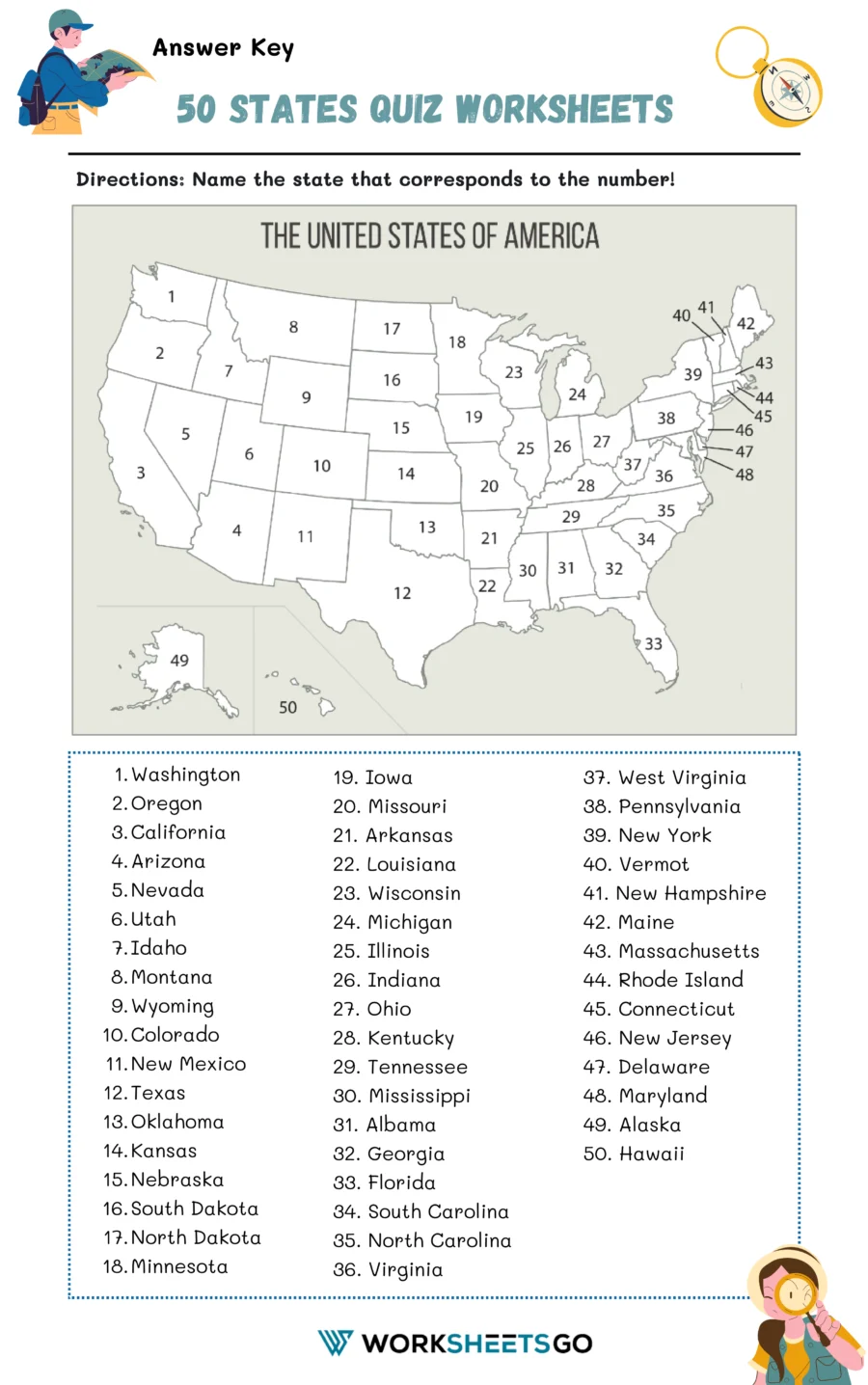
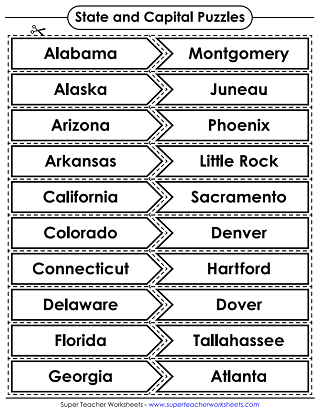
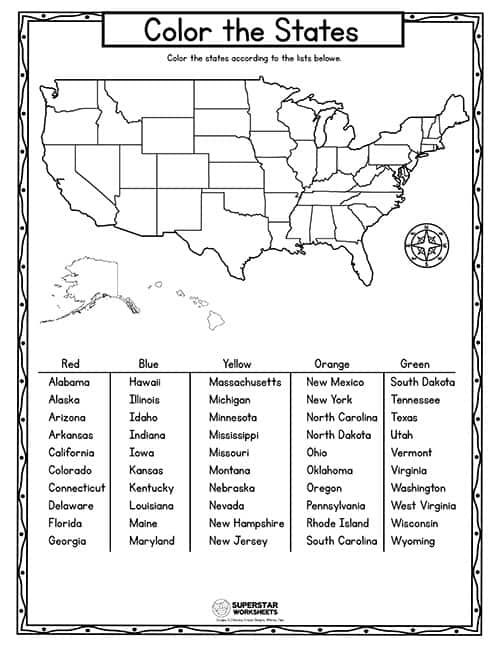
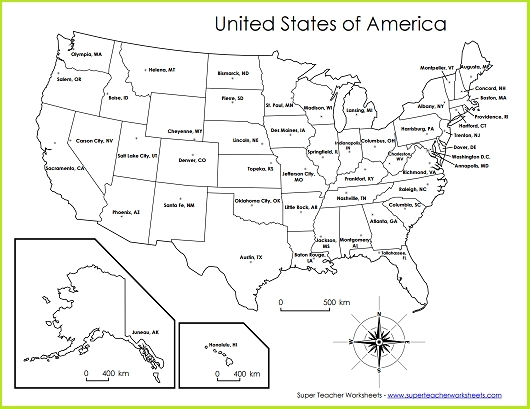
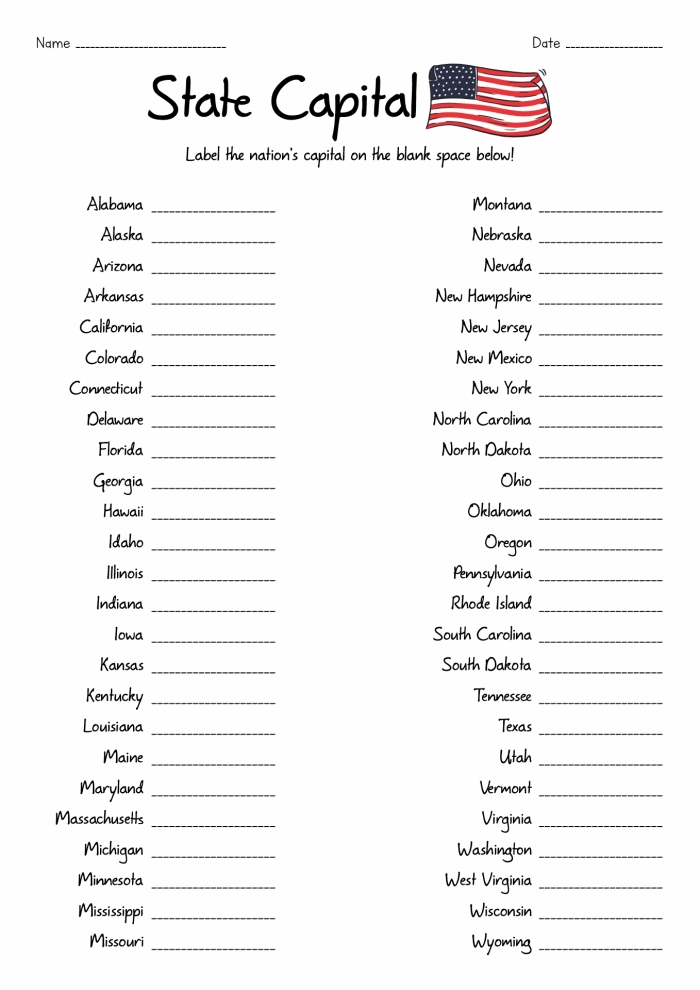
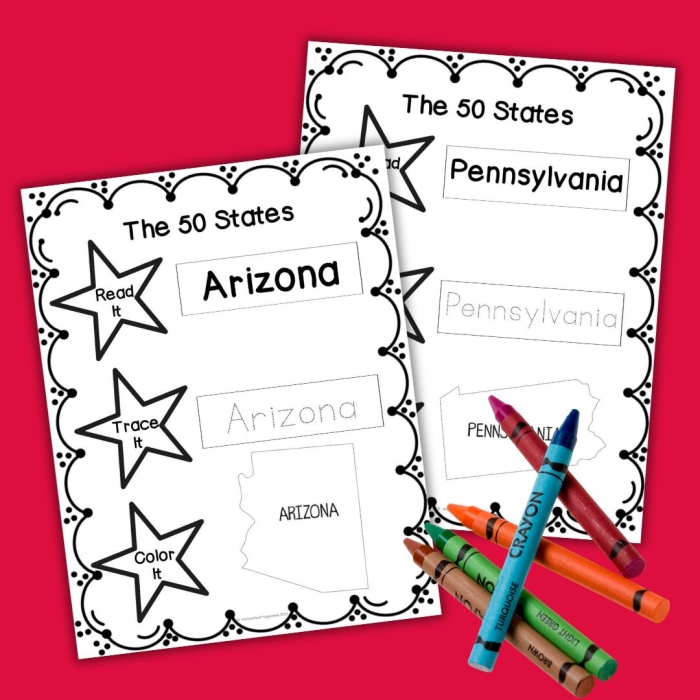
A sorting worksheet dedicated to naming all 50 states offers fifth grade students a practical way to strengthen their geography knowledge while engaging with community and culture concepts. Rather than passively reading state names from a textbook, students actively organize and categorize information, which reinforces memory and builds familiarity with the country’s layout.
These worksheets typically present states in mixed order, asking learners to sort them by region, alphabetical sequence, or other organizational systems. The sorting mechanism works because it forces students to think critically about each state rather than simply memorizing a list. When a student places Montana next to Idaho, they’re not just checking off a task, they’re beginning to understand geographic relationships and regional patterns that shape American culture and community structures.
Fifth graders benefit from this hands-on approach because it connects abstract geography to real-world understanding. Sorting activities help them recognize that states cluster into meaningful groups, whether by geography, time zone, or historical settlement patterns. This foundational knowledge supports later learning in civics and social studies.
The fun factor matters too. Traditional rote memorization often feels tedious, but a well-designed sorting worksheet transforms the same content into an activity that feels more like a puzzle than a chore. Students can work independently or in pairs, making it flexible for different classroom settings.
For educators looking to build complementary skills alongside geography, practice with coordinates and writing can help students map state locations more precisely. Similarly, geometry review worksheets deepen spatial reasoning that supports map reading. These resources work well together to create a comprehensive understanding of place and location.
Start Practicing with These Worksheets