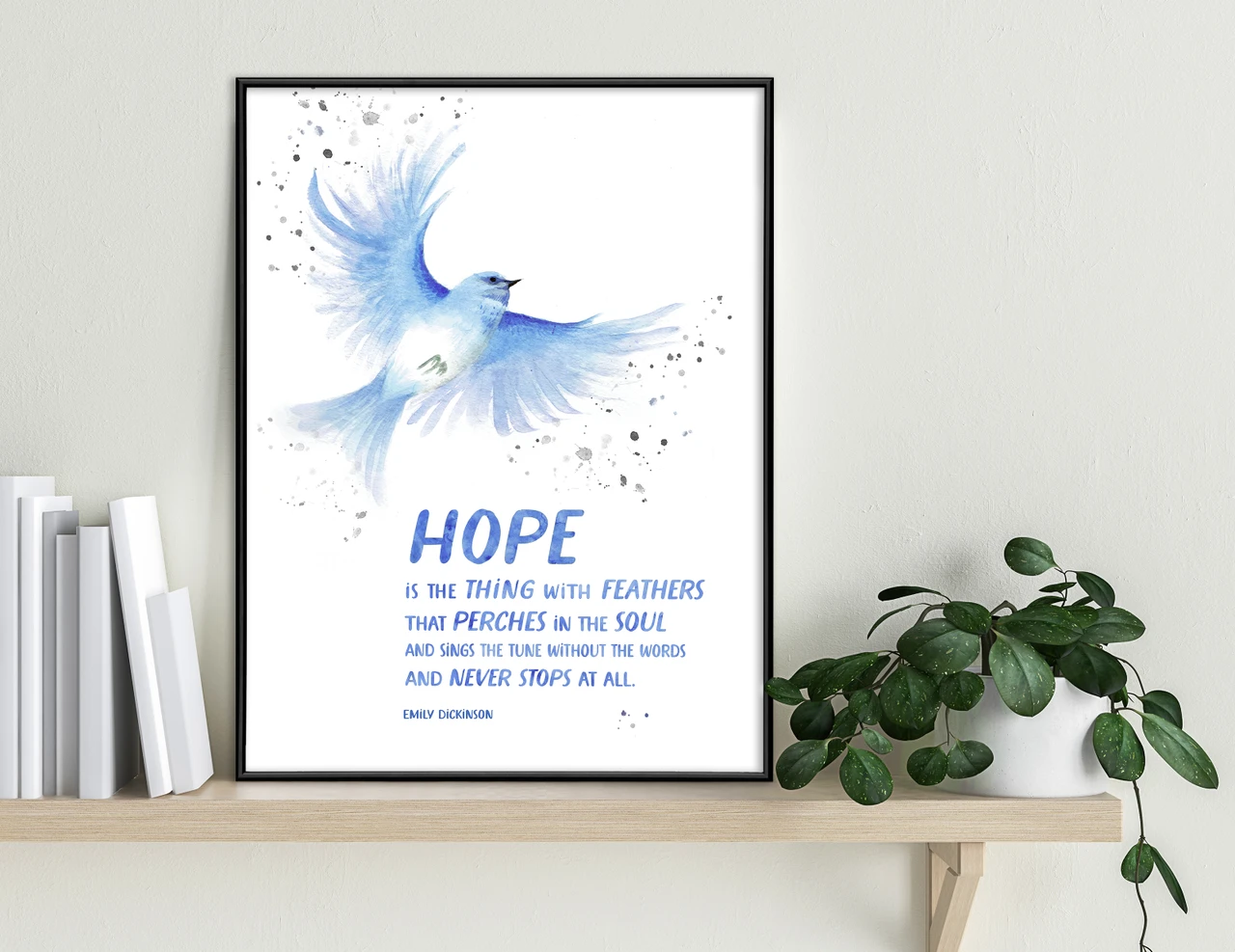
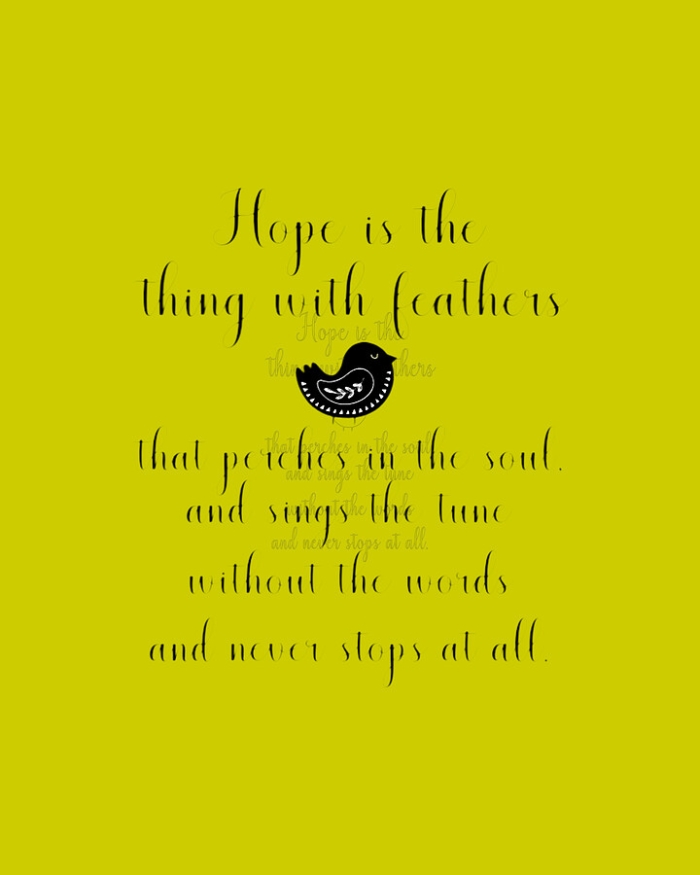
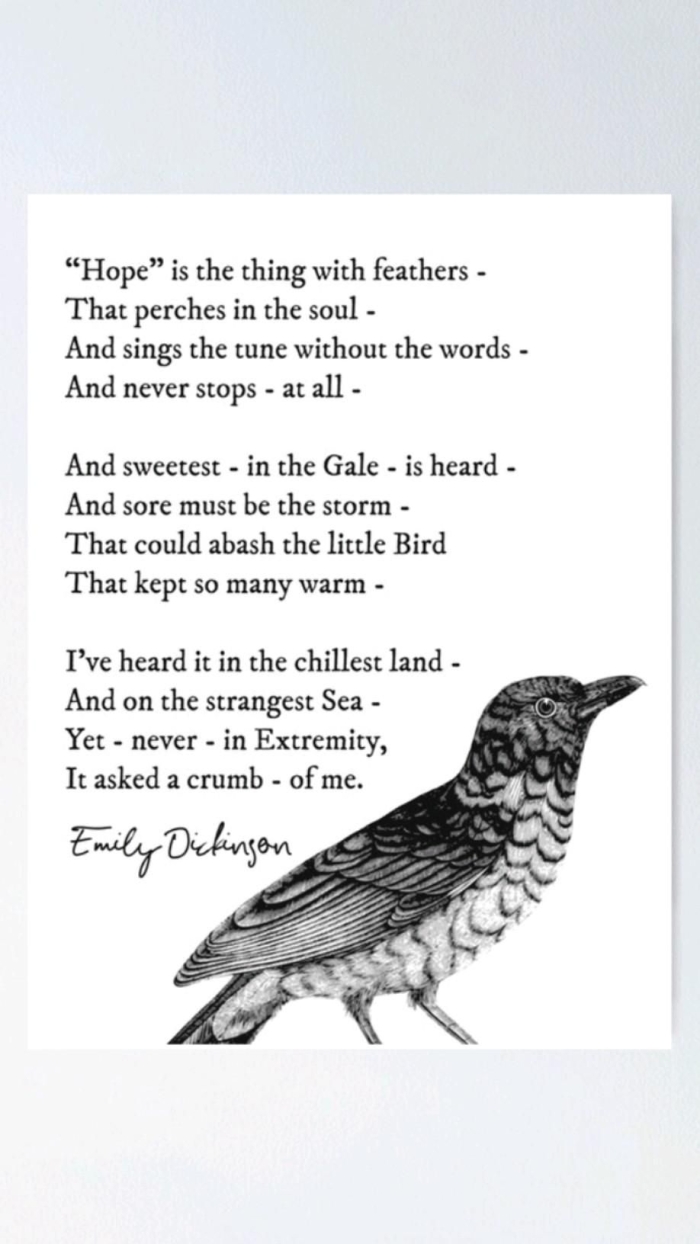
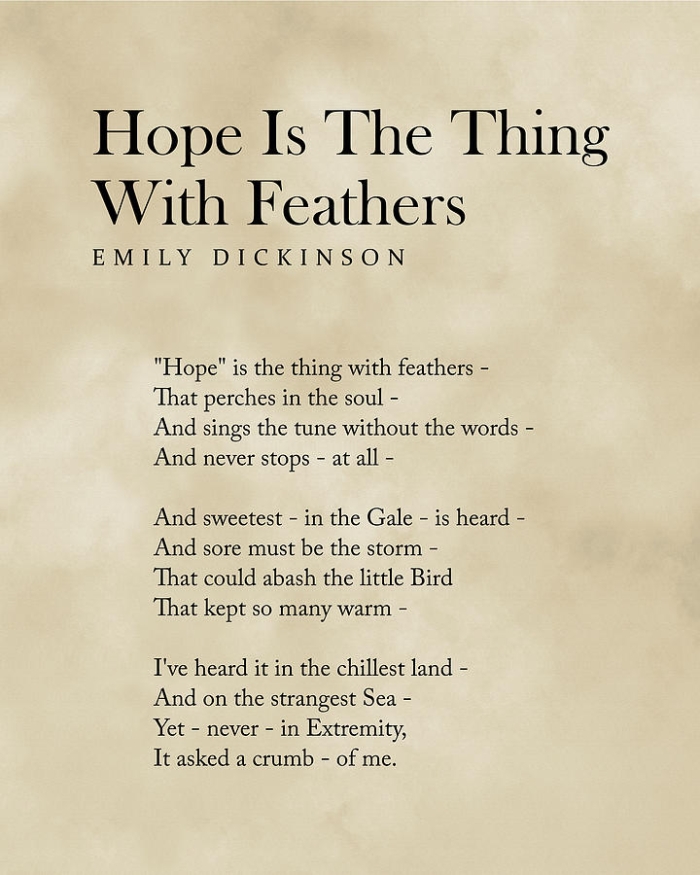
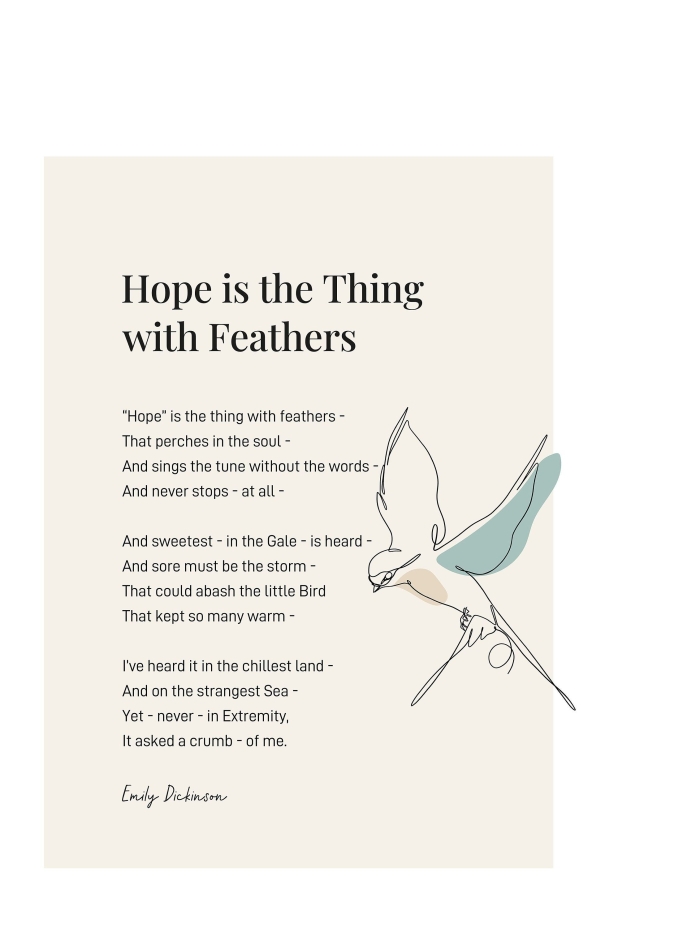
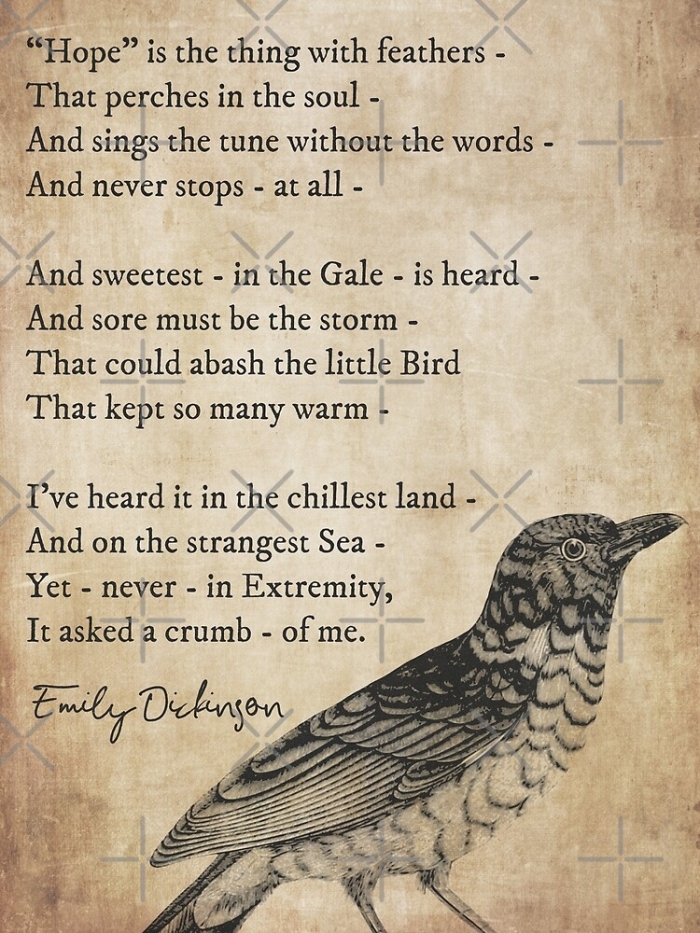
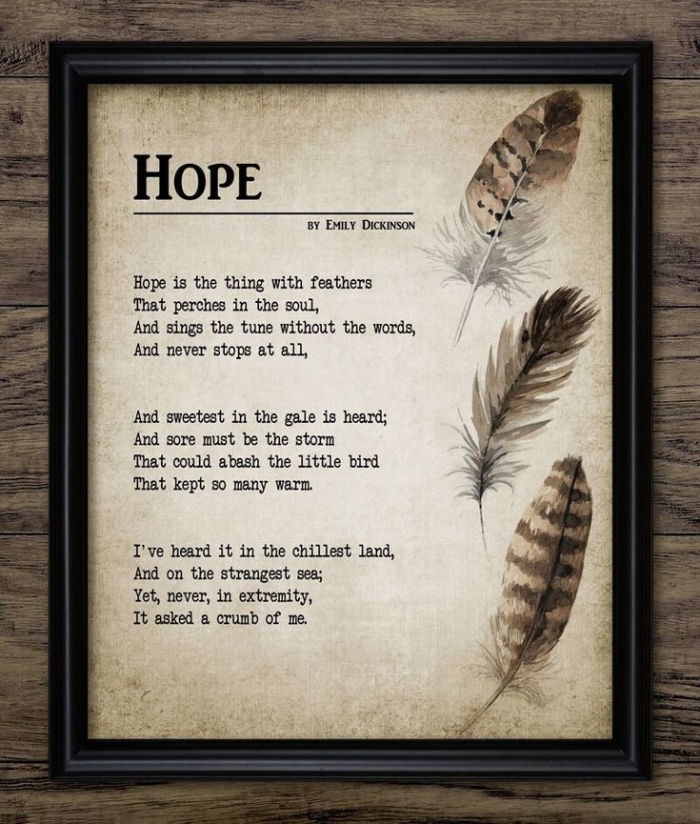
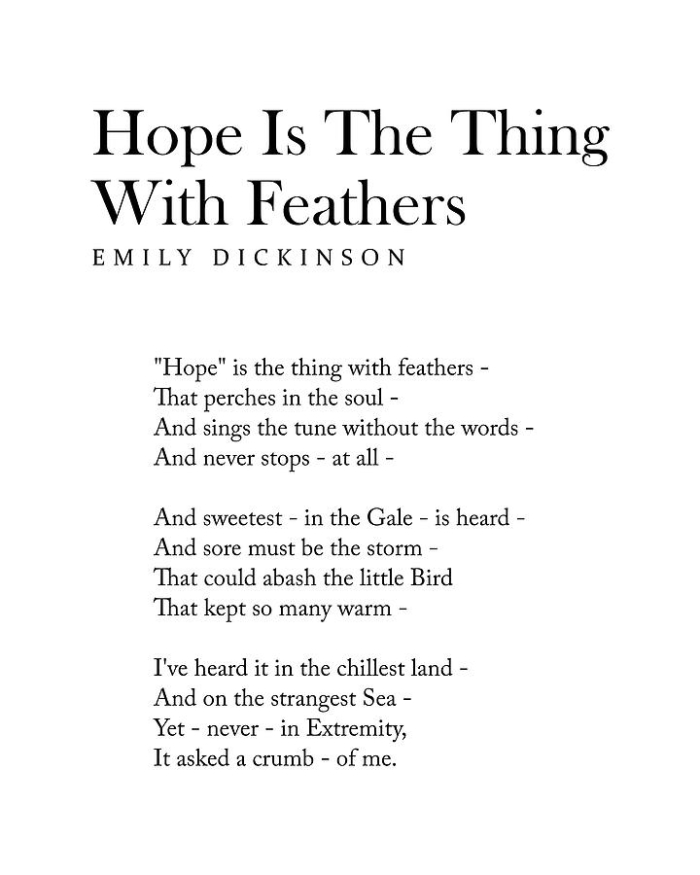
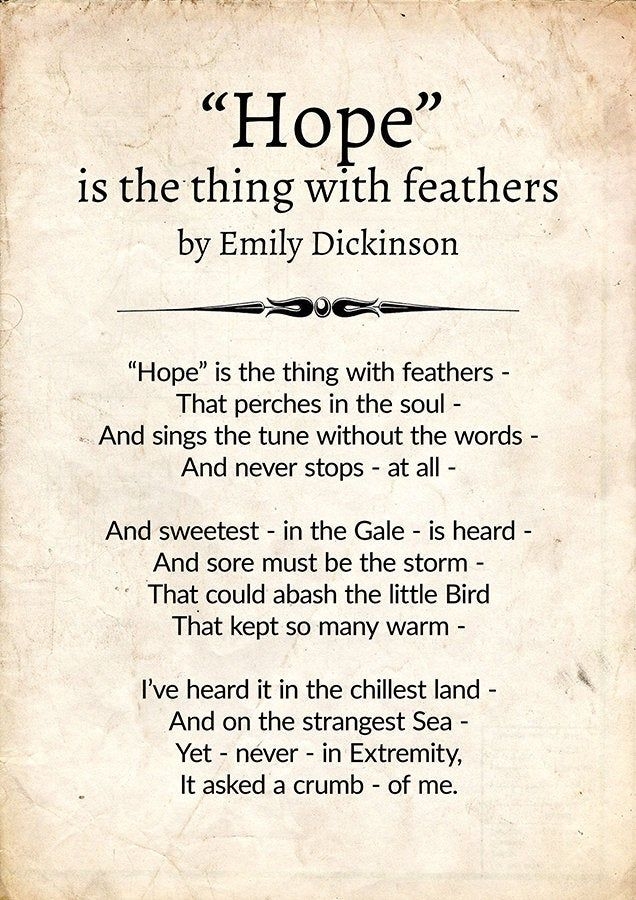
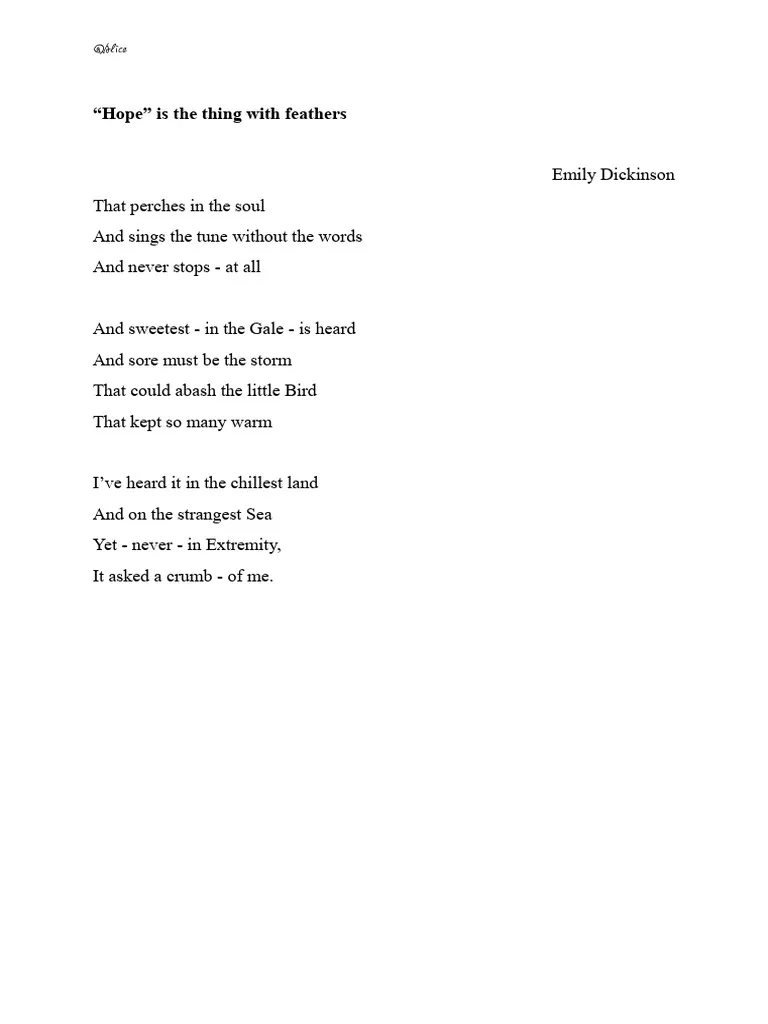
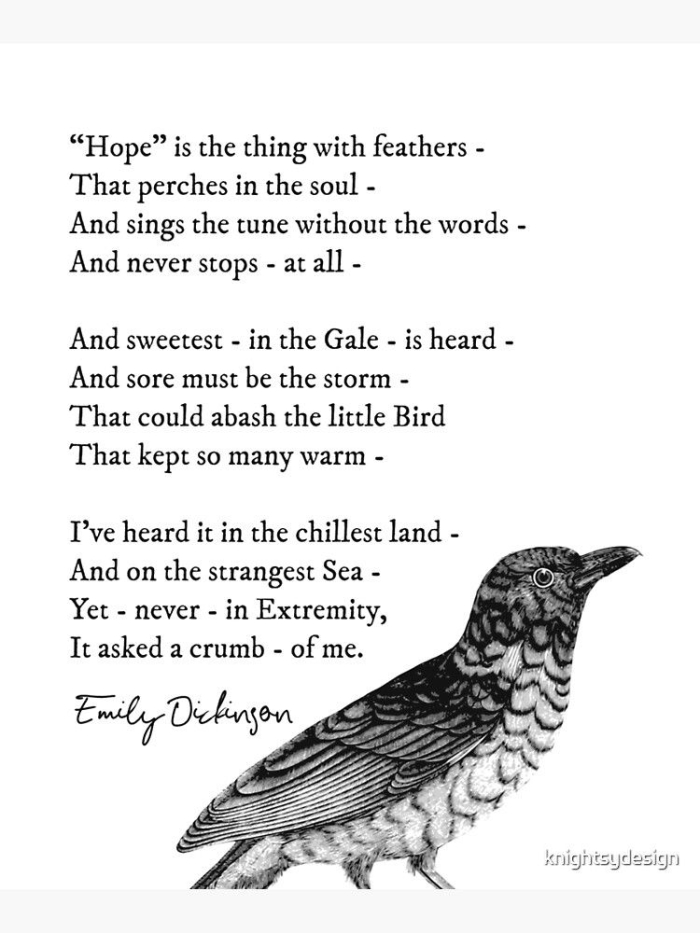
Emily Dickinson’s “Hope is the thing with feathers” stands out as one of the most accessible entry points into serious poetry study. Fifth grade students often encounter this poem because it balances sophisticated literary techniques with a message that resonates across ages. The poem works particularly well for learning how poets use metaphor, imagery, and tone to convey meaning beyond surface-level words.
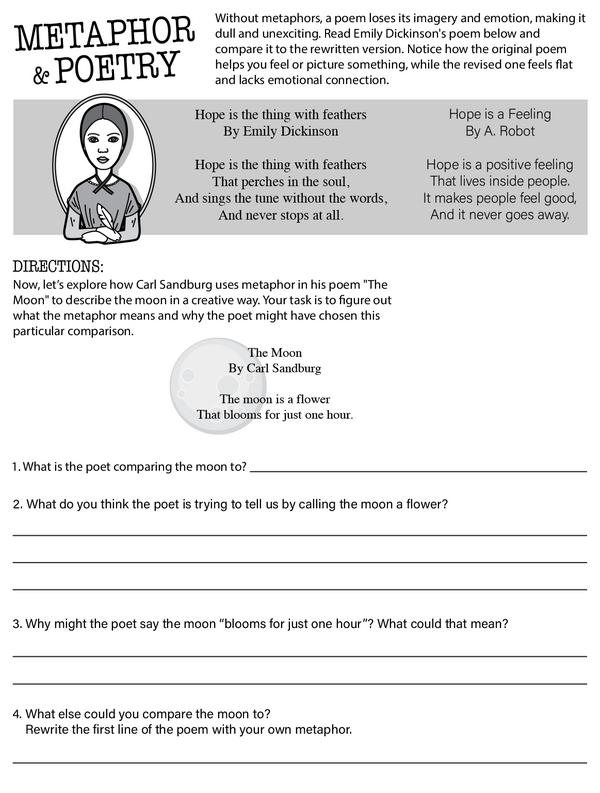
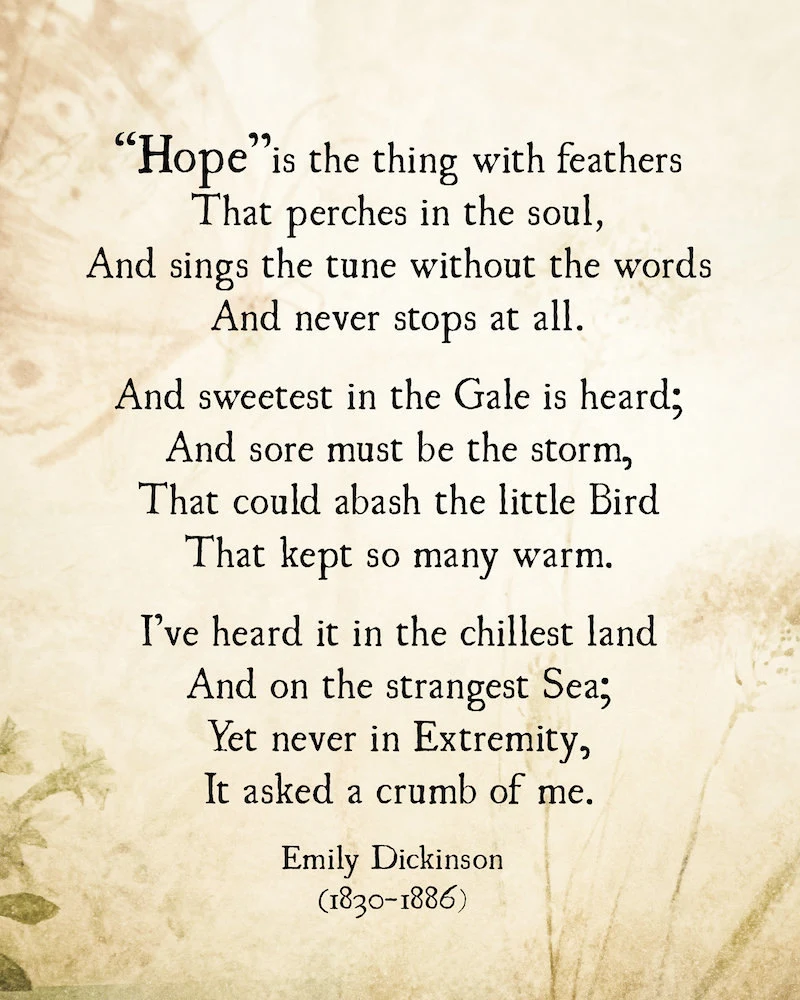
What makes this poem ideal for practice is its structure. Dickinson uses a sustained metaphor throughout, comparing hope itself to a bird that perches in the soul. This concrete image gives students something tangible to hold onto while they learn to identify and analyze figurative language. The poem doesn’t overwhelm with obscure vocabulary or fragmented syntax, though it still contains enough complexity to challenge developing readers.
When analyzing this work, students discover how Dickinson’s word choices create specific emotional effects. Phrases like “perches in the soul” and “never in extremity” demonstrate how precise language can make abstract concepts feel real and immediate. Fifth graders working through this poem begin recognizing that poetry isn’t just about rhyme schemes, but about how every word contributes to meaning.
For Spanish-language learners and bilingual classrooms, analyzing poetry worksheets offer structured practice that breaks down the poem’s components. These materials guide students through identifying metaphors, exploring tone, and connecting the poem’s message to their own experiences.
Starting with Dickinson’s famous poem gives students a foundation for understanding more challenging poetry later. They learn that analysis means asking questions: Why did the poet choose this word? What feeling does this image create? How do the sounds and rhythms affect the meaning? These skills transfer directly to reading any poem they encounter next.
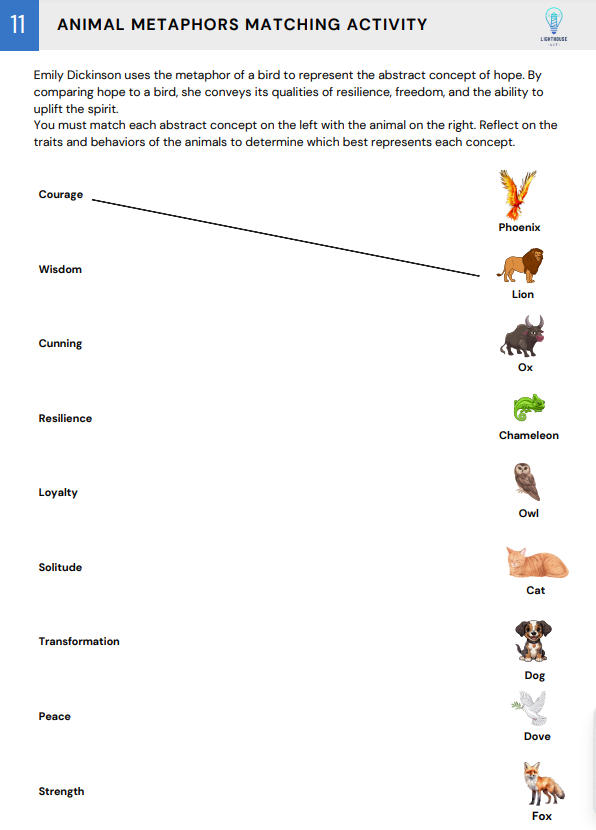
Worksheet Practice Section