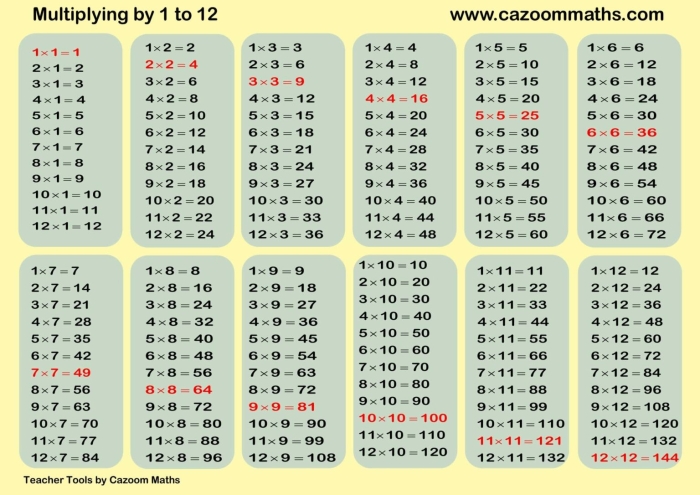
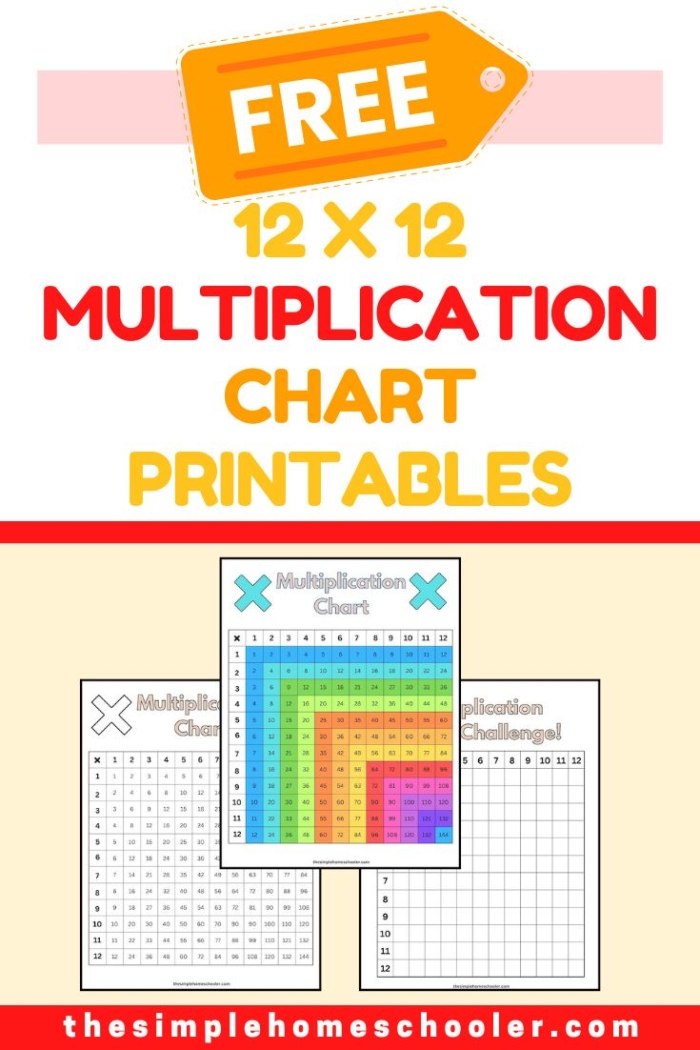
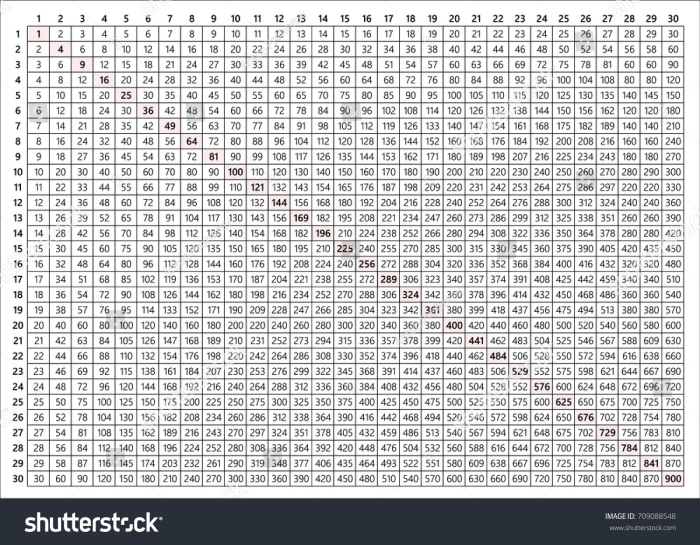
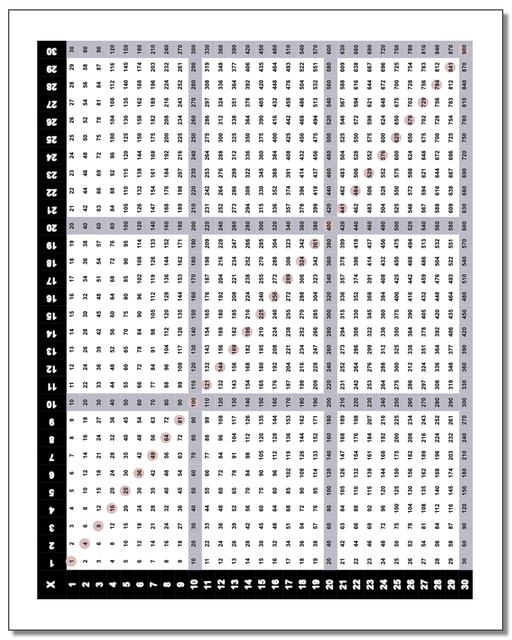
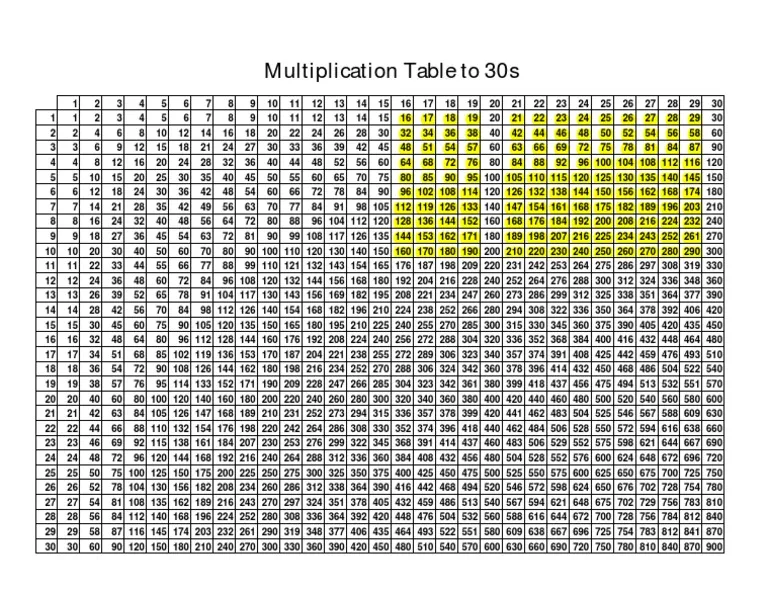
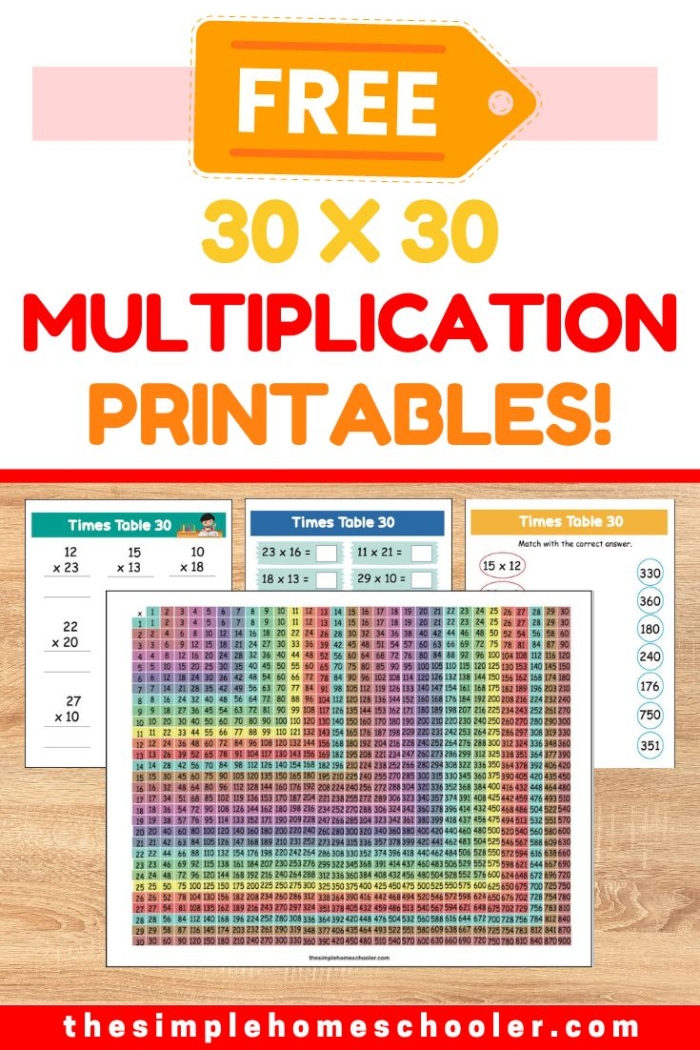
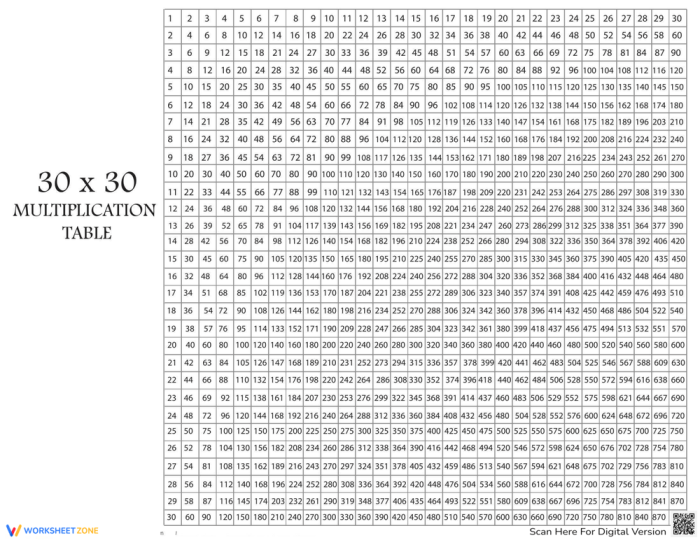
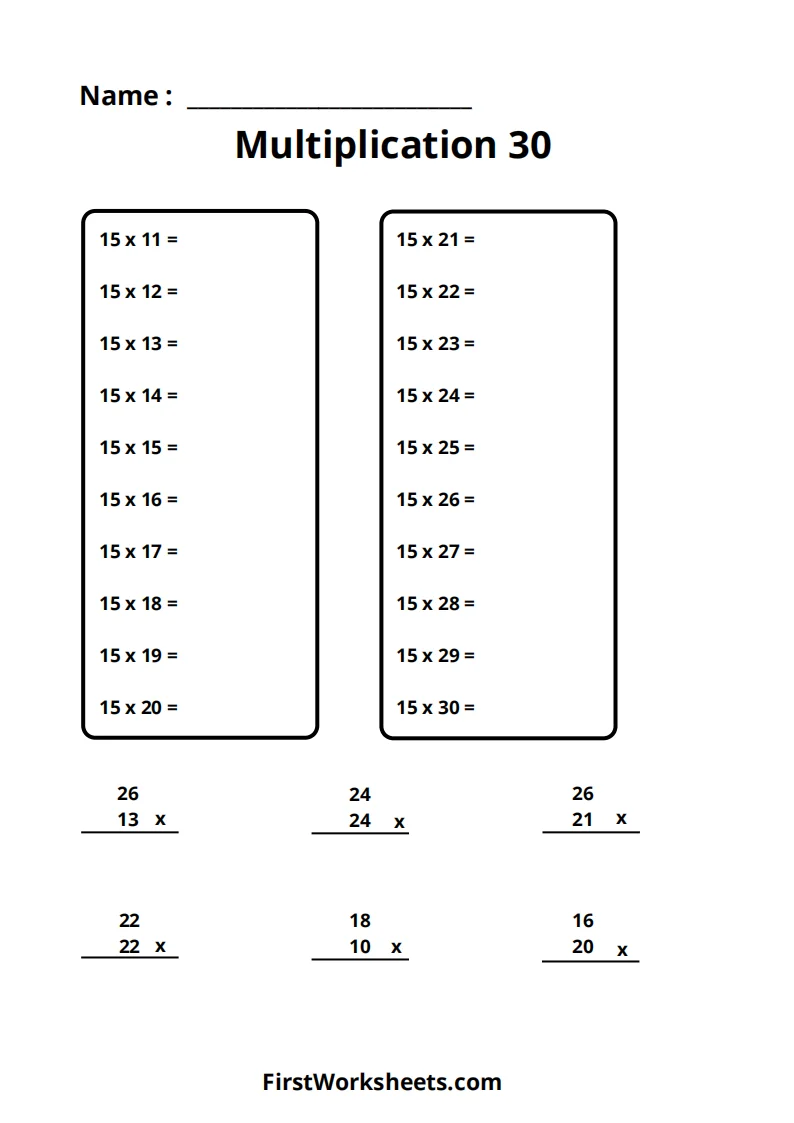
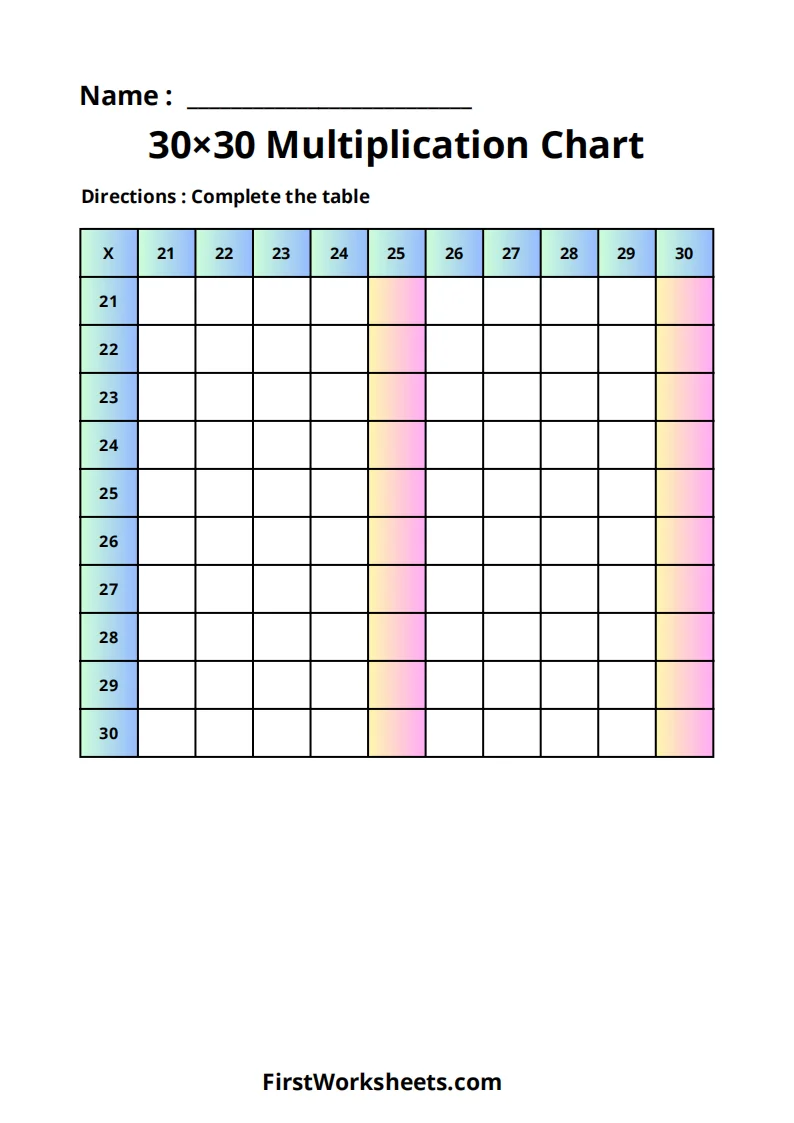
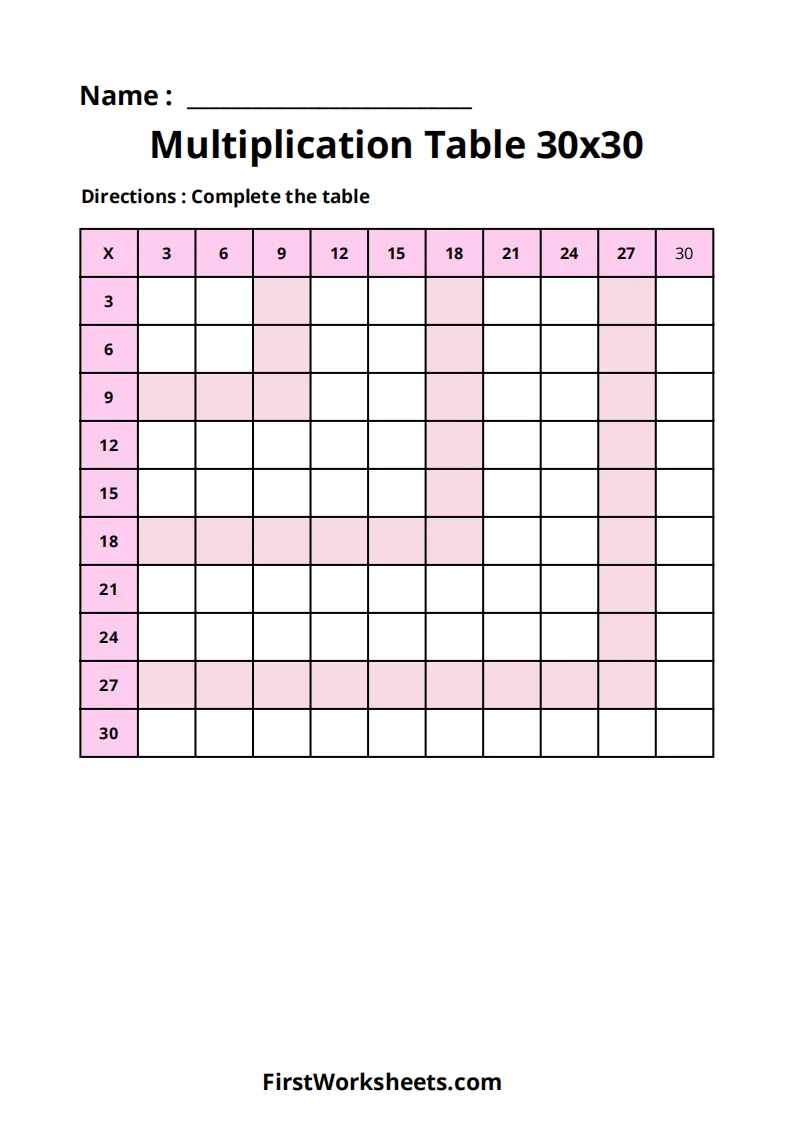
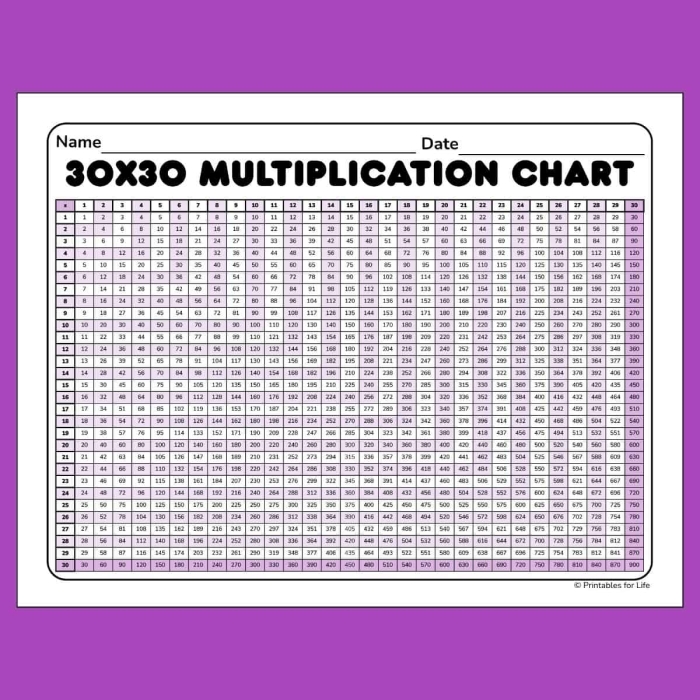
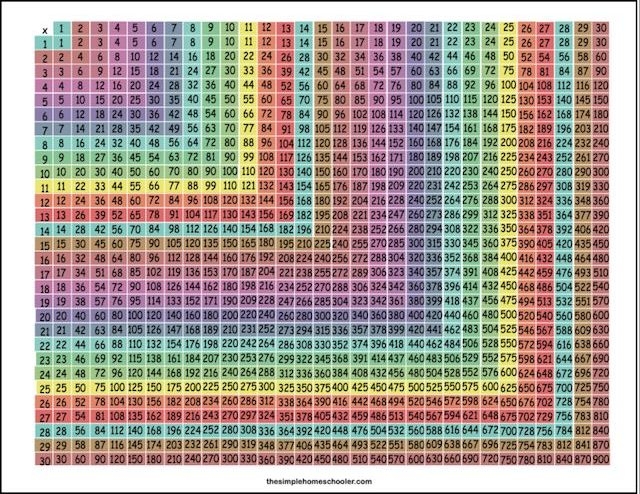
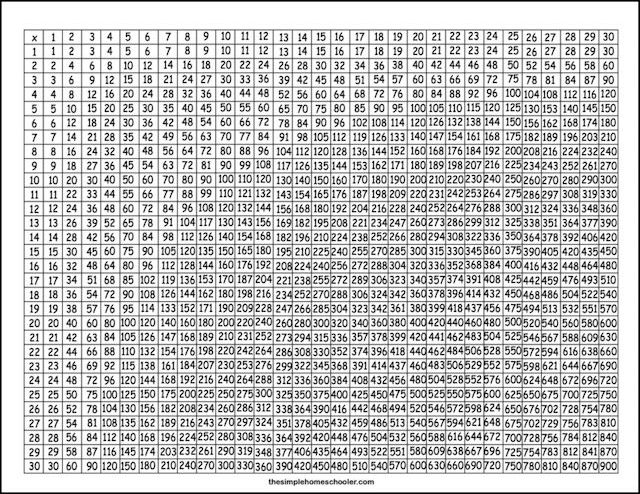
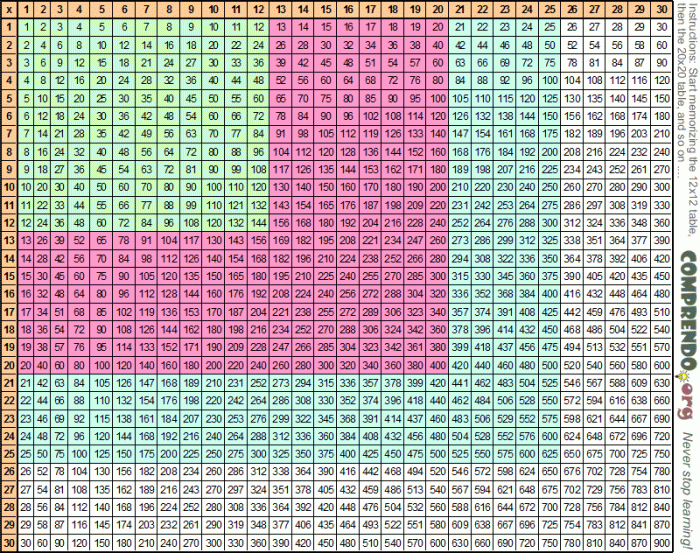
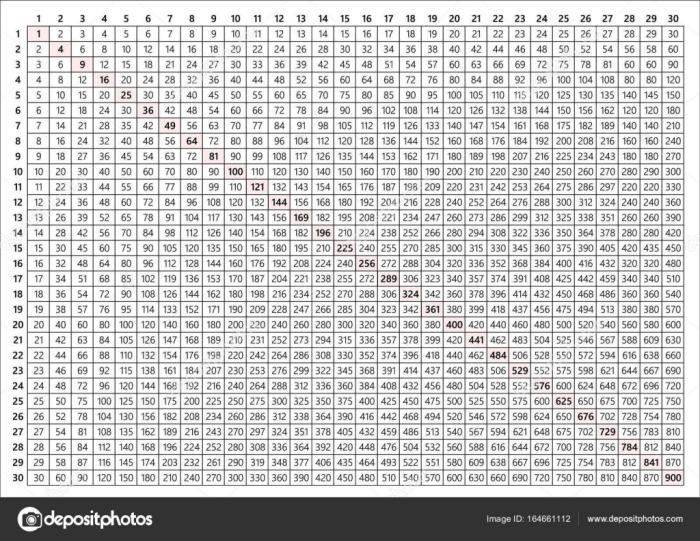
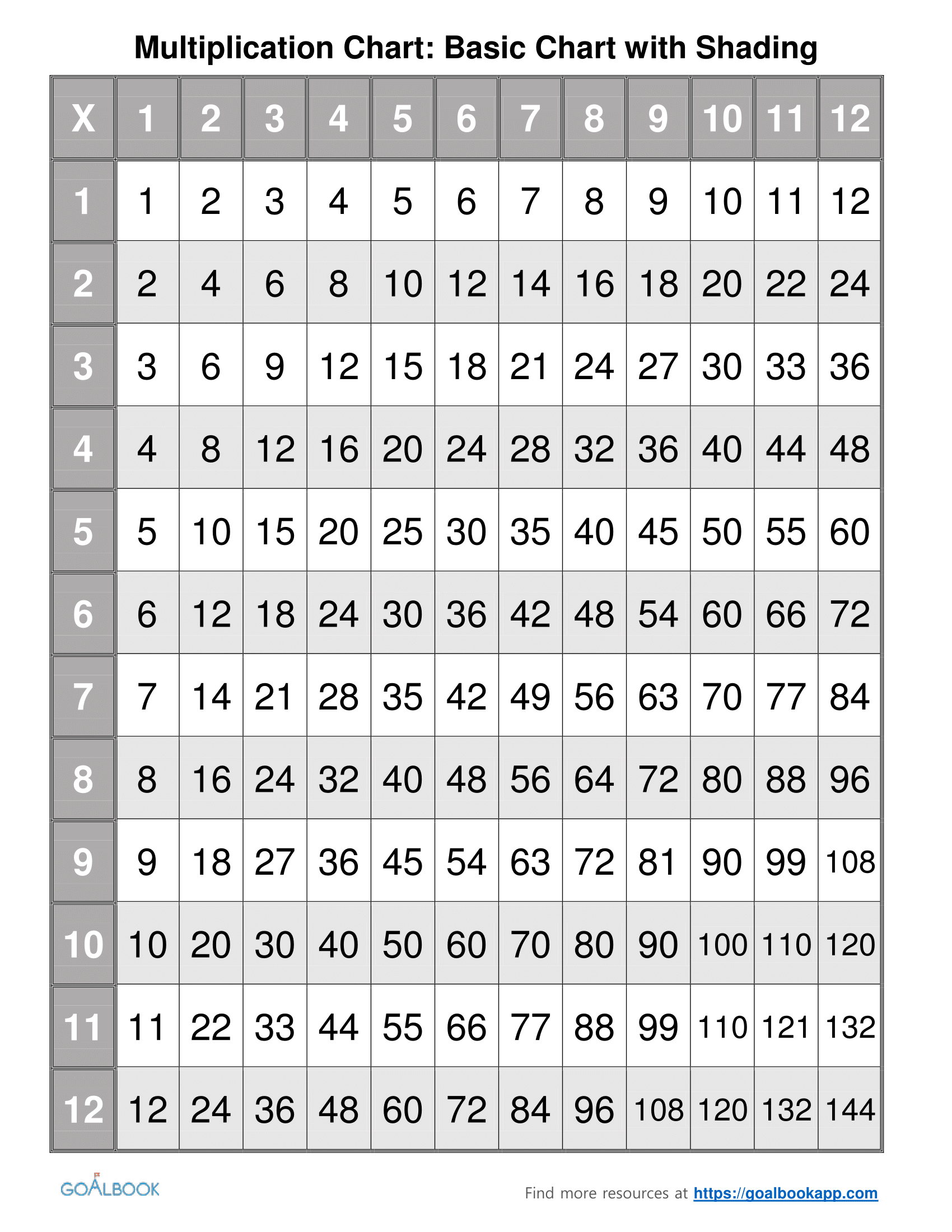
If you’re looking for a serious tool to build multiplication fluency, a complete multiplication table that extends to 30 times 30 deserves a spot in your teaching toolkit. Most standard references stop at 12 times 12, but pushing into the 30s gives students a more comprehensive grasp of number patterns and relationships.
The real value here goes beyond simple memorization. When fourth grade students work through a full 30 by 30 table, they start noticing patterns that don’t appear in smaller ranges. They see how products grow, how certain numbers create symmetrical patterns, and how multiplication connects to division. This kind of pattern recognition actually strengthens their overall mathematical thinking.
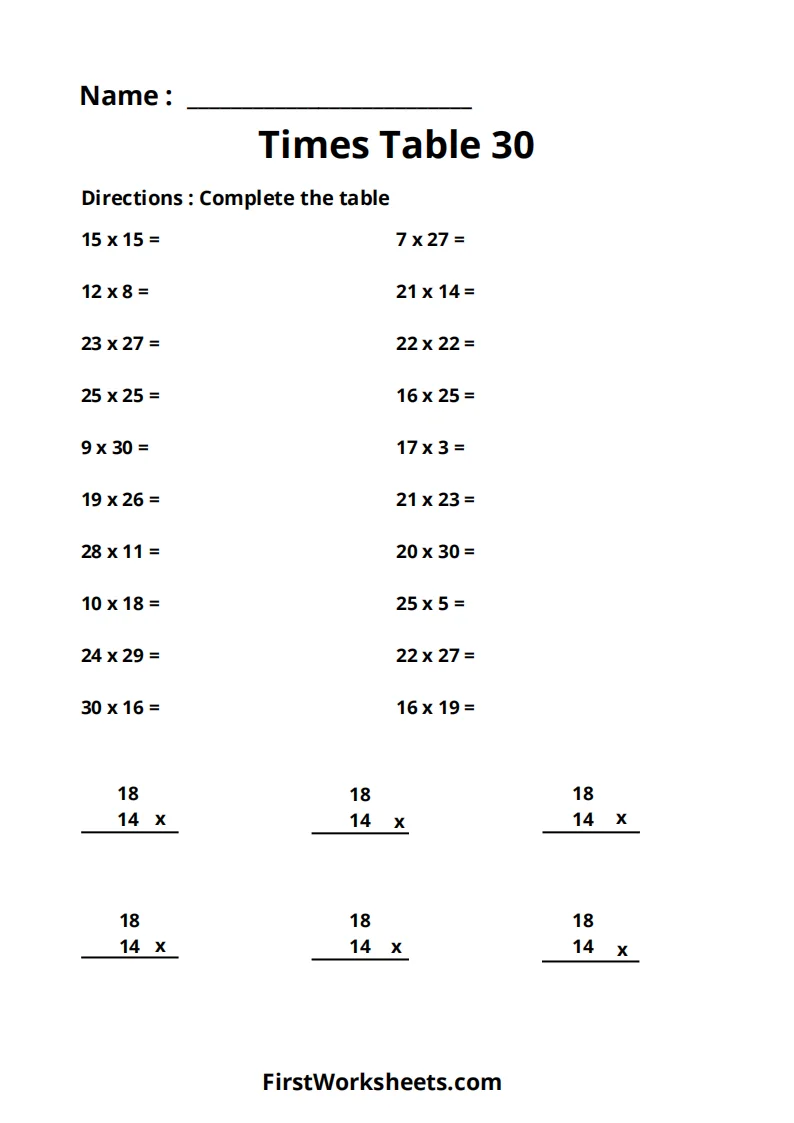
Printable multiplication table worksheets in this range work best when you use them strategically rather than all at once. Start by having students focus on specific rows or columns, then gradually expand their practice. Some teachers find success having students fill in sections of the table themselves, which turns passive memorization into active problem-solving. When students construct their own table, they’re building mental models rather than just copying numbers.
The 30 by 30 range also bridges nicely into other mathematical concepts. As students progress, they’ll encounter these larger products when working with area problems, scaling, or ratios. Building familiarity now pays dividends later when they need quick recall during more complex calculations.
For fourth graders specifically, introducing this extended table works best alongside other practice methods. Pair table drills with real-world applications, like having them calculate the total cost of items or figure out dimensions for classroom projects. You might also connect this to concepts like finding patterns in addition and multiplication, which reinforces how operations relate to each other.
Having a printed 30 by 30 multiplication table available during independent work sessions gives students a reference point without removing the challenge from actual computation practice. Keep one posted in your classroom too, so students can verify their work and build confidence as their speed improves.
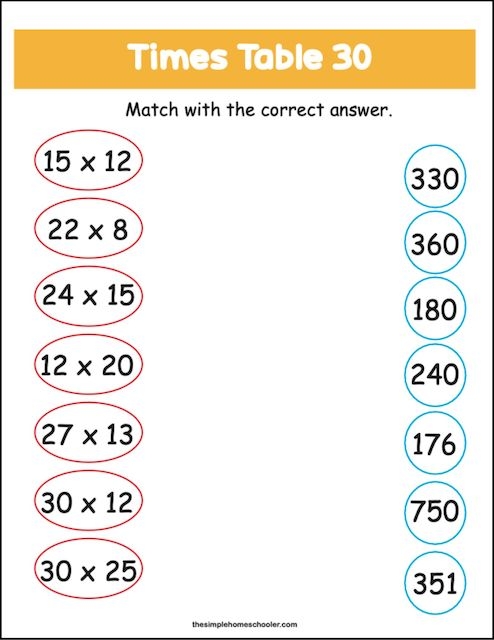
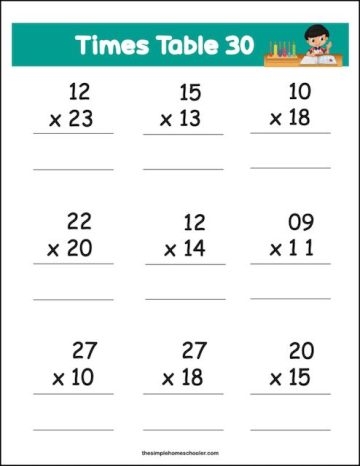
Try These Printable Worksheets