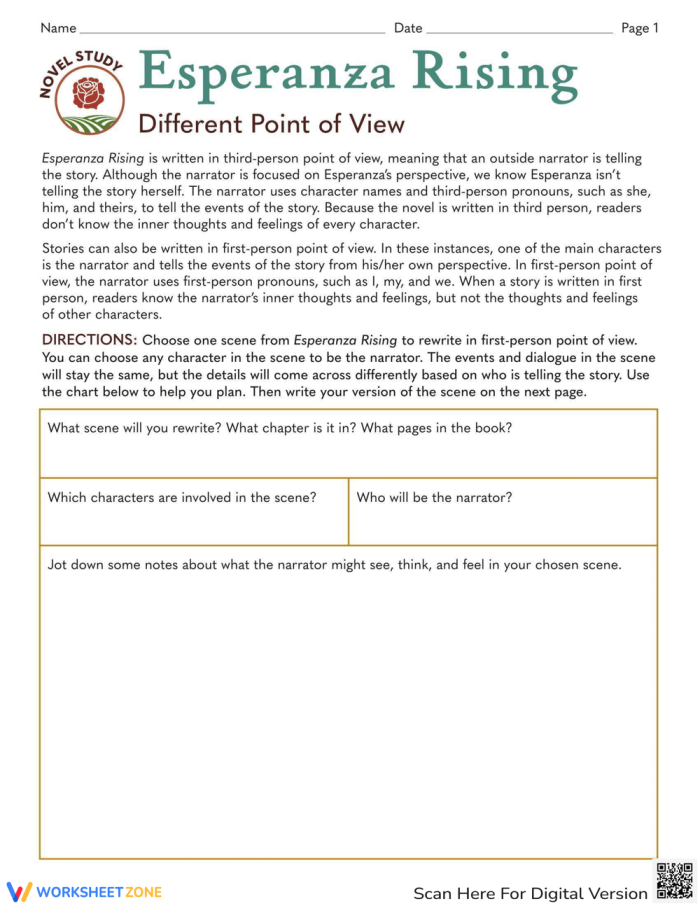
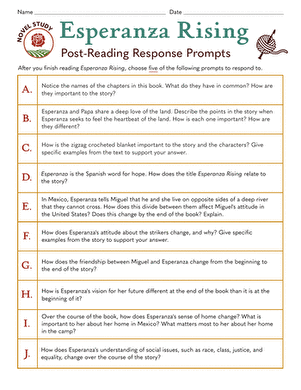
After reading Esperanza Rising, one of the most effective ways to deepen fifth grade students’ understanding is by focusing on point of view. This novel study extension activity encourages learners to explore how the story changes when told from different perspectives. Instead of simply retelling the plot, students are invited to step into the shoes of various characters and imagine how their unique experiences influence the narrative.
Point of view is a key concept in literature that helps students grasp how perspective shapes storytelling. When students consider Esperanza Rising from another character’s angle—whether it’s Miguel, Esperanza’s father, or even a secondary character—they start to recognize how emotions, background, and personal goals affect what is shared and how events are interpreted. This exercise not only builds empathy but also sharpens critical reading skills, essential for fifth graders as they engage with more complex texts.
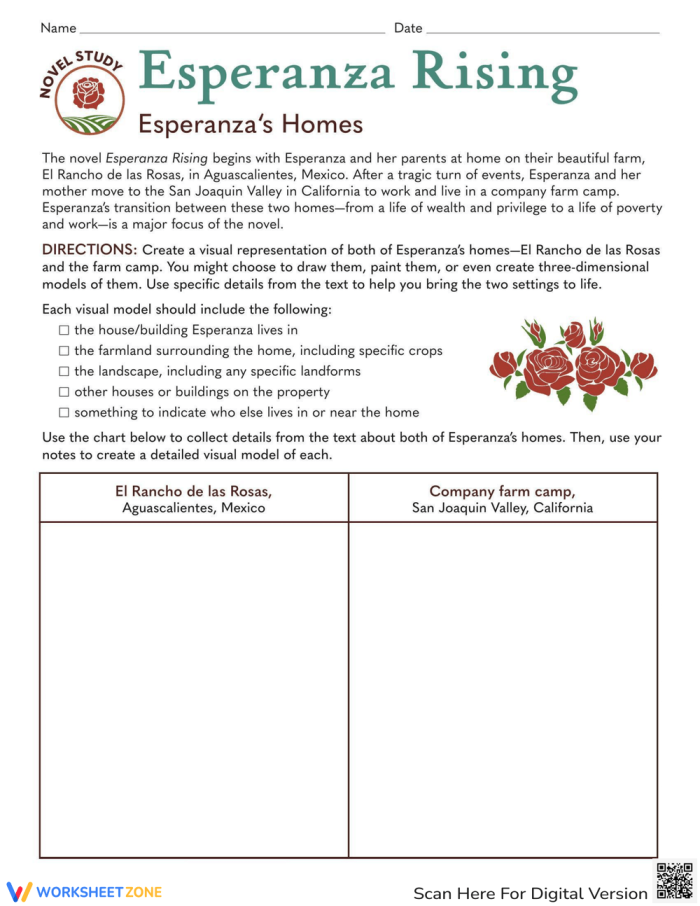
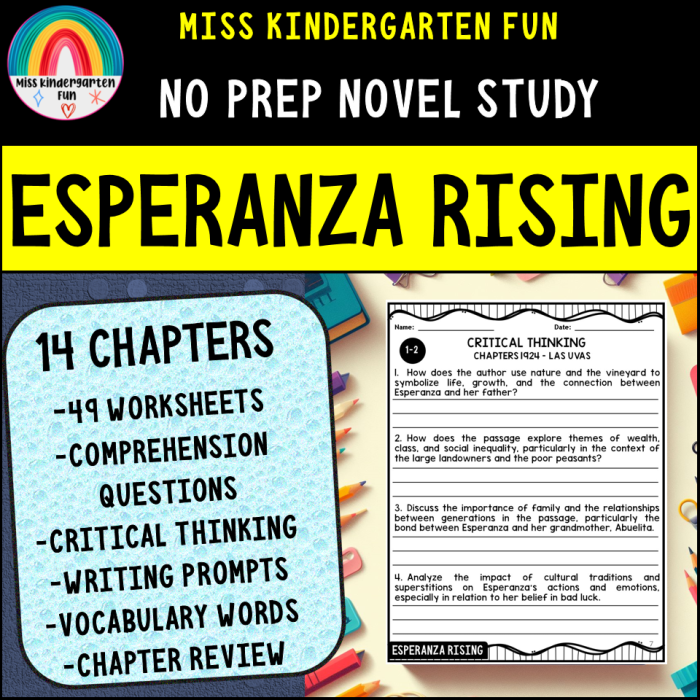
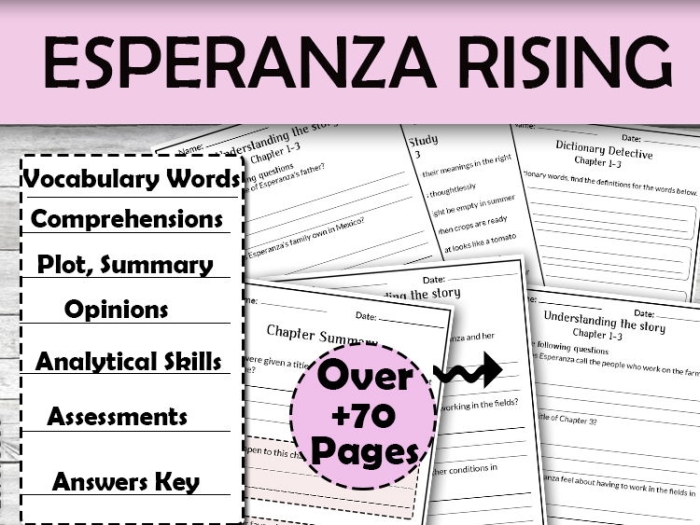
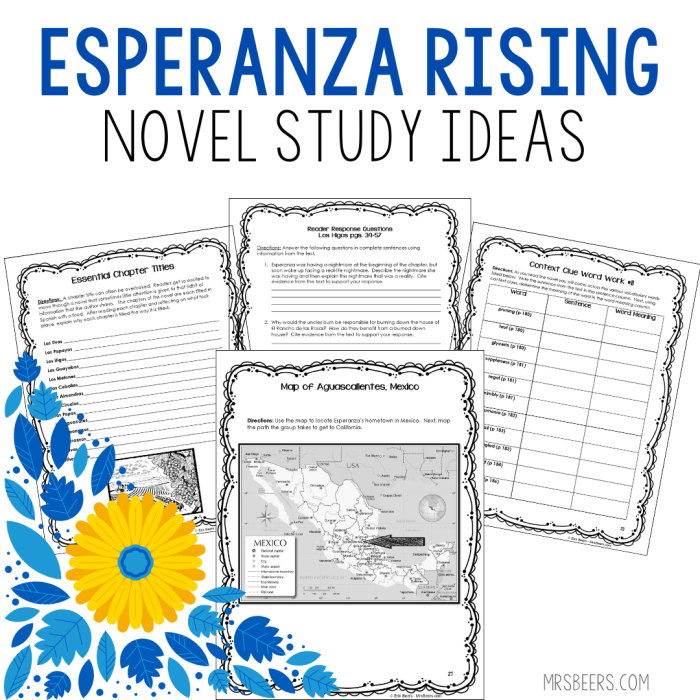
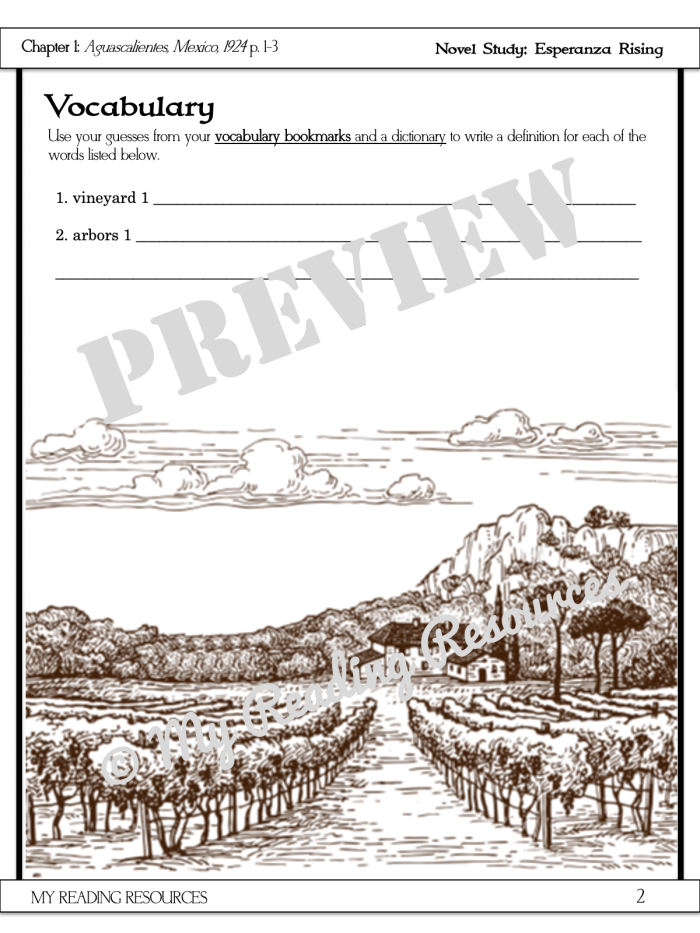
To implement this activity, teachers can provide printable novel study worksheets designed specifically for exploring different points of view. These worksheets guide students through questions that ask who is narrating, what they might notice or overlook, and how their feelings about events differ. This approach integrates well with measurement topics, as students can compare and contrast perspectives much like measuring angles and polygons, which can be reinforced through resources such as the geometry review worksheets on angles and polygons.
In addition, analyzing point of view can connect to language skills by encouraging students to identify parts of speech that convey mood or tone. Using materials like those found in the parts of speech worksheets for fifth grade helps solidify their understanding of how word choice impacts narrative voice.
This kind of novel study activity makes reading Esperanza Rising more interactive and meaningful. By shifting perspectives, students engage actively with the text, improving comprehension and critical thinking without relying on a simple summary. It encourages them to ask questions about the story’s events and characters in a way that builds both their literary skills and their ability to analyze information from multiple angles, a skill that extends beyond reading into other subjects like measurement and vocabulary.
Printable Worksheets for Practice