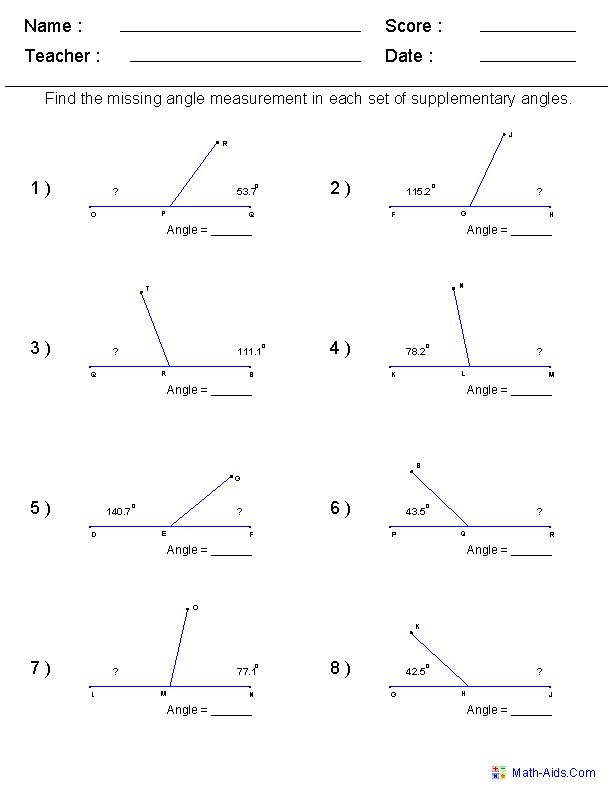
Fifth graders exploring geometry often find themselves fascinated by angles, triangles, and polygons. Understanding these shapes is not just a classroom exercise; it forms the foundation for more complex mathematical concepts. This handy geometry review helps students grasp the characteristics and classifications of various angles and polygons, making learning both engaging and practical.
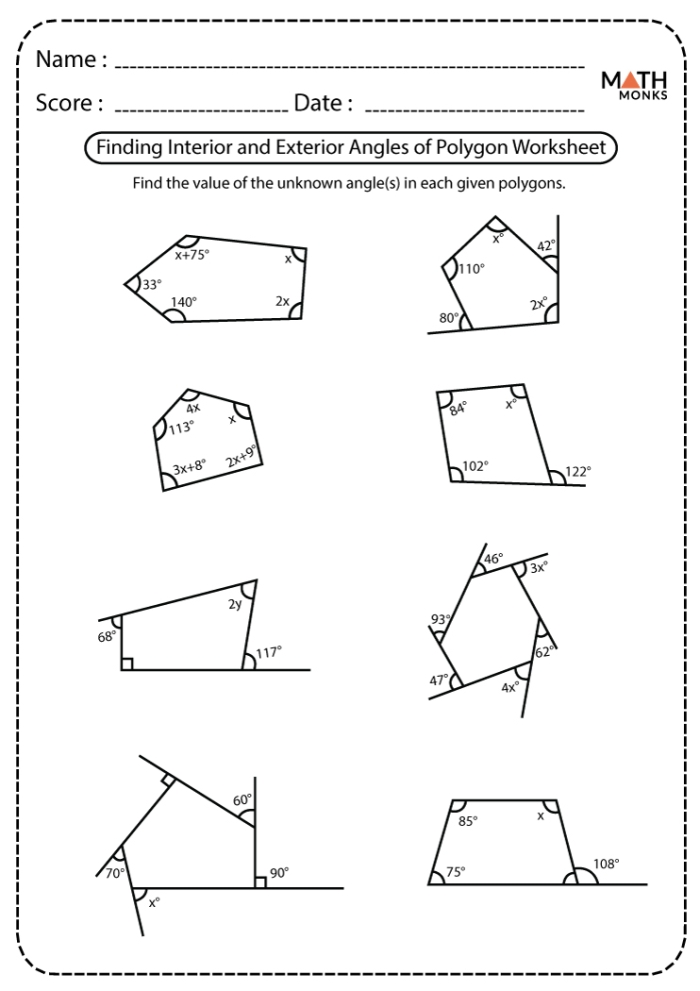
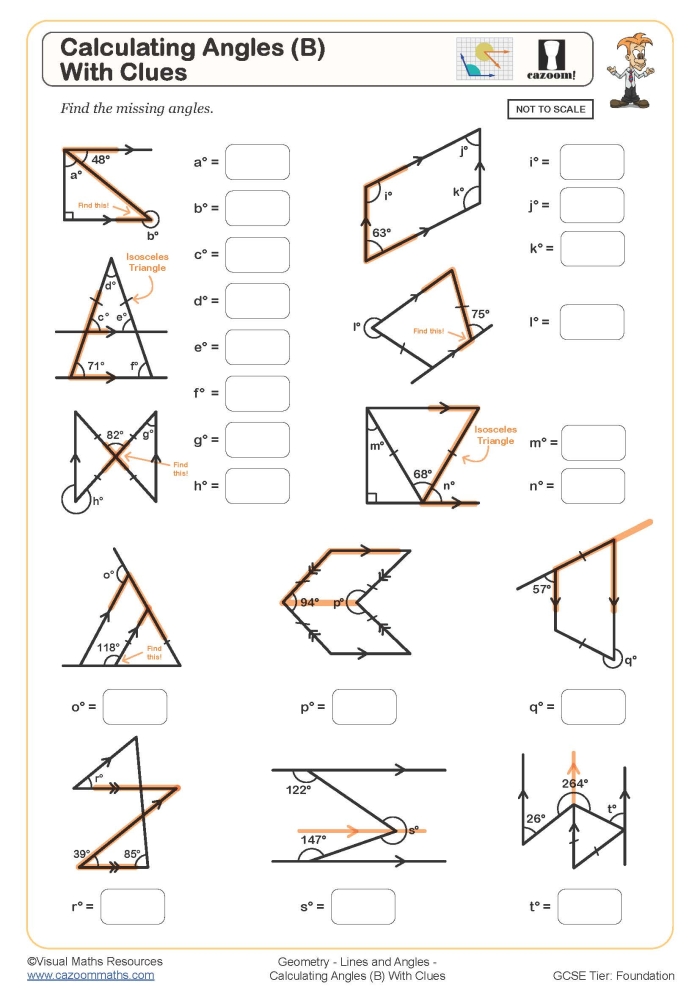
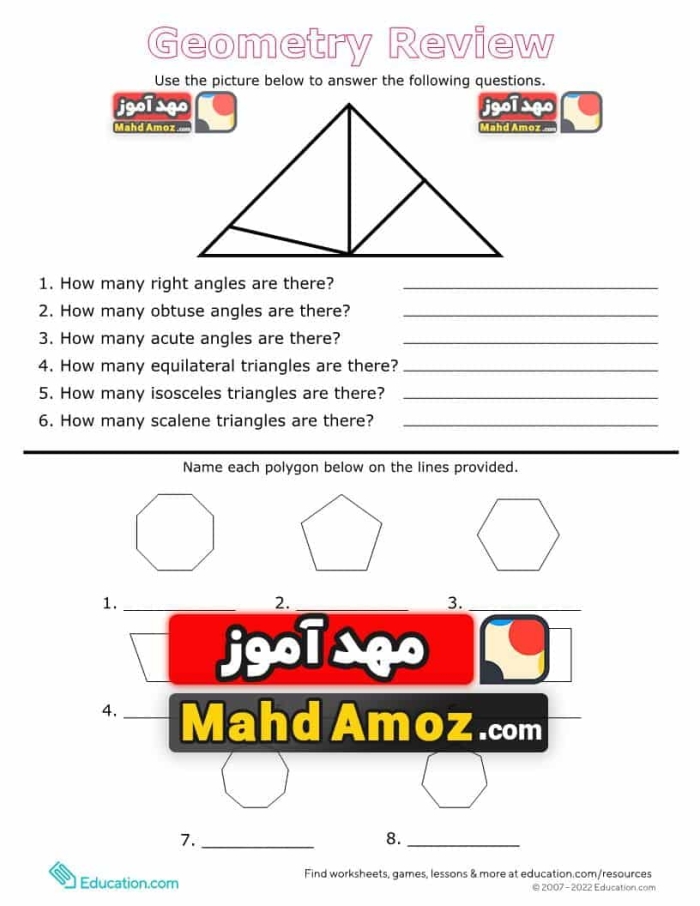
Angles, for instance, are categorized into several types: acute, right, obtuse, and straight. An acute angle measures less than 90 degrees, while a right angle is exactly 90 degrees. The obtuse angle, on the other hand, exceeds 90 degrees but is less than 180 degrees. Knowing the differences among these angles is crucial for students as they begin to identify and measure them in real-world contexts.
Triangles are another essential part of geometry. Fifth graders learn about different types of triangles based on their sides and angles. Equilateral triangles have all sides equal, while isosceles triangles feature two equal-length sides. Scalene triangles, in contrast, have no equal sides. Recognizing these characteristics enables students to understand the properties that govern each triangle’s behavior, which is vital for solving geometric problems.
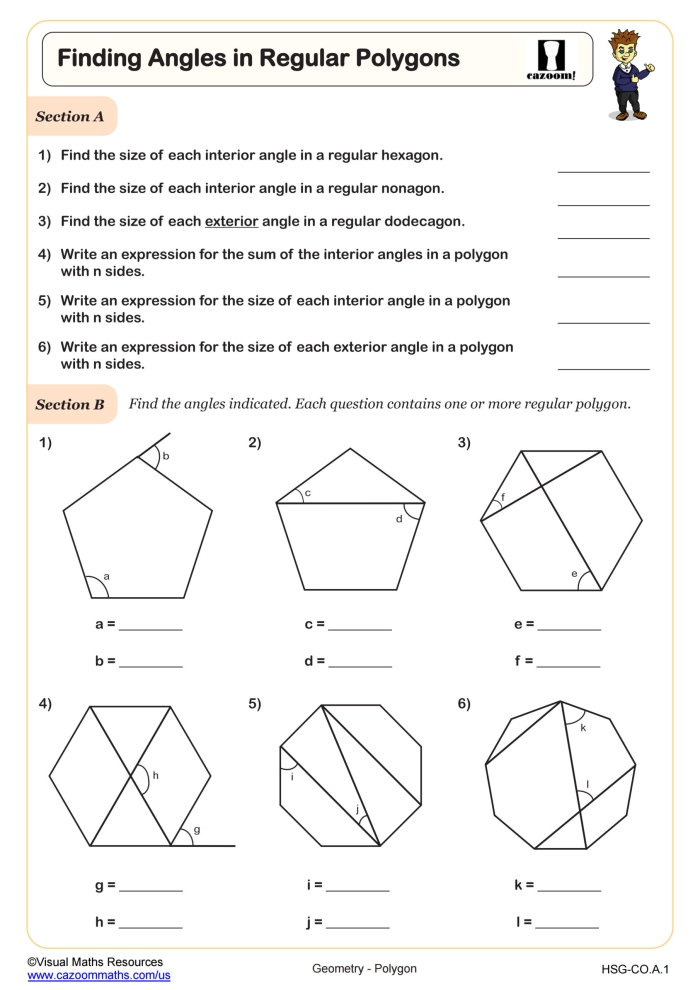
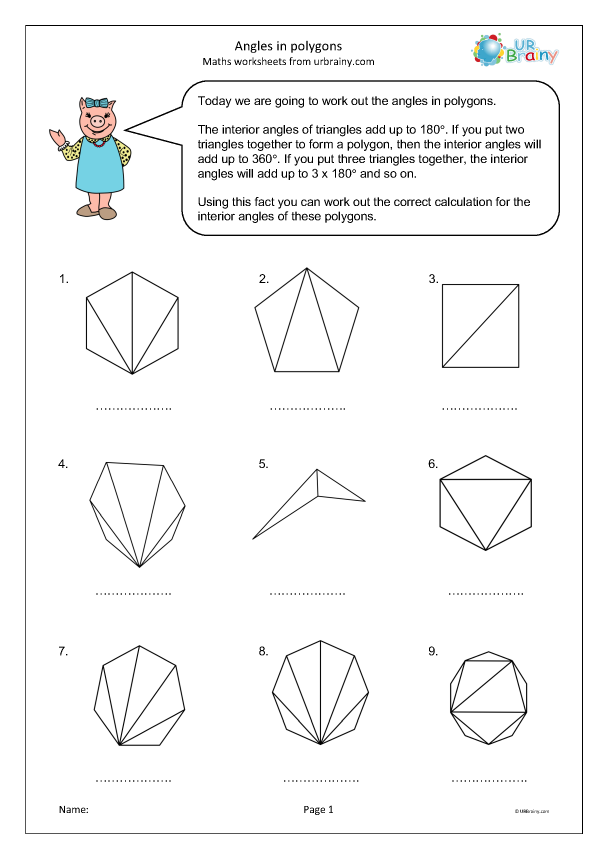
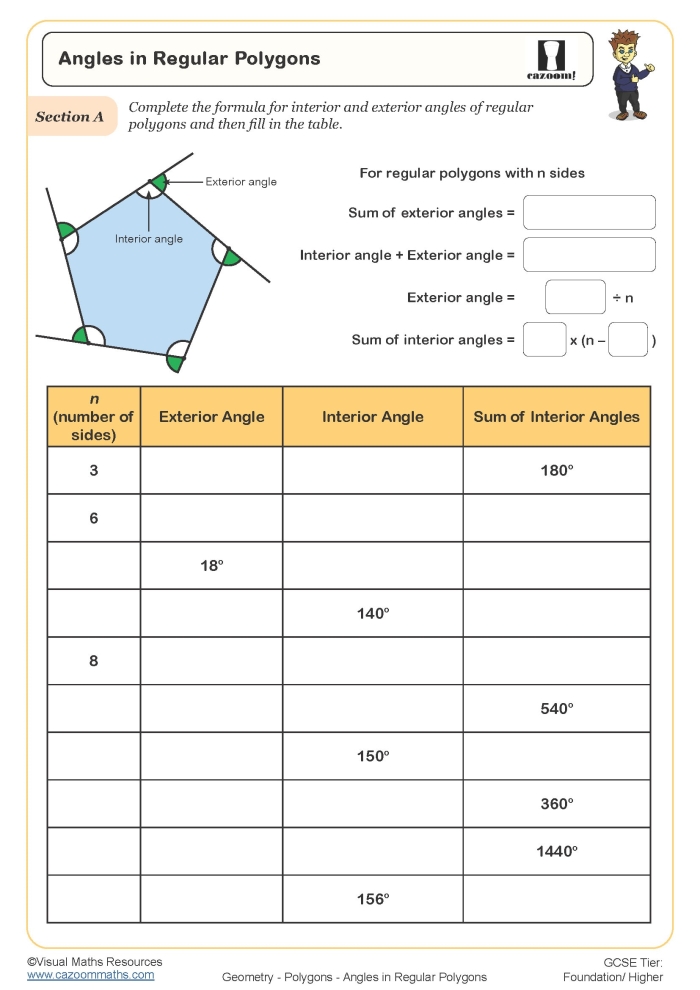
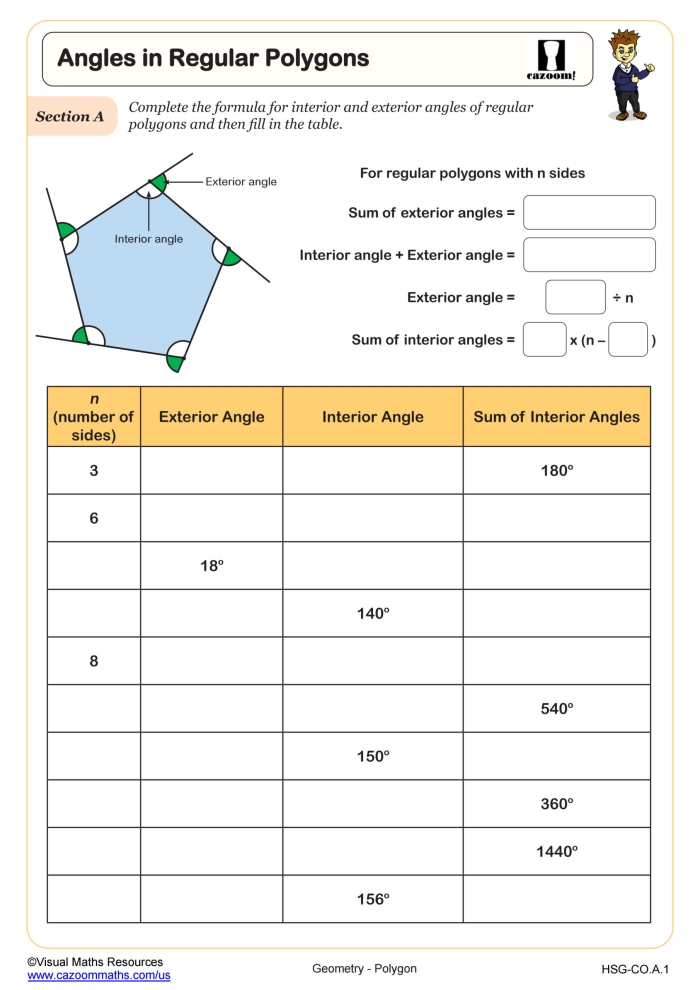
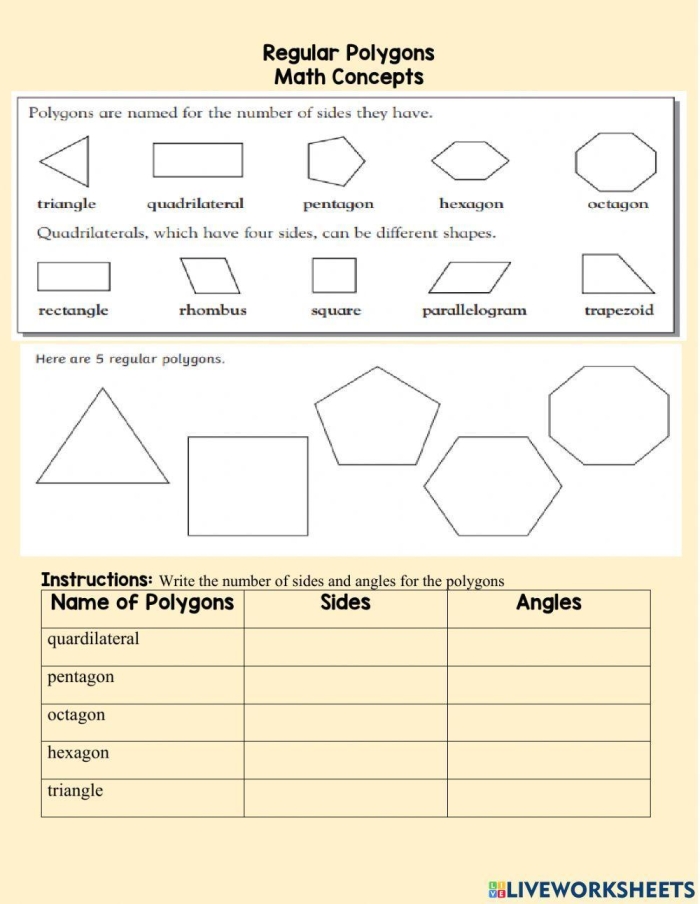
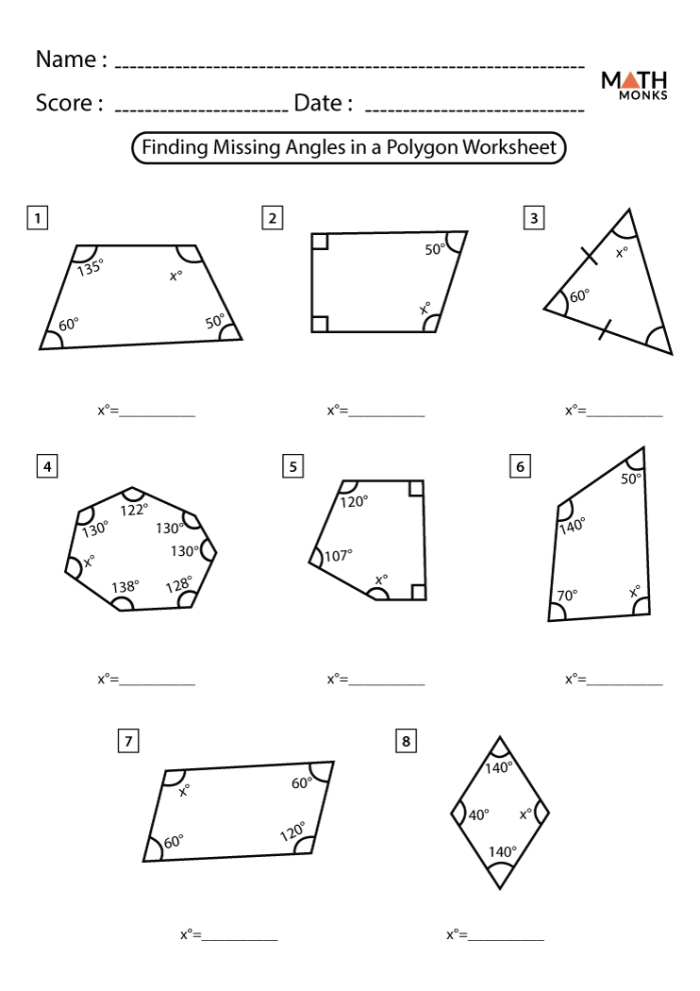
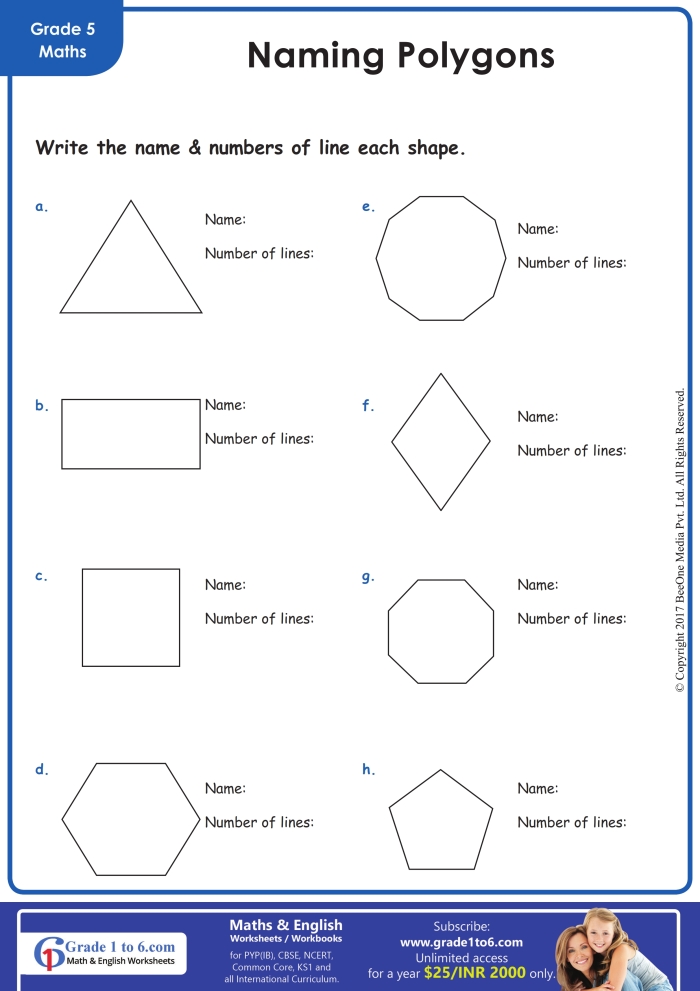
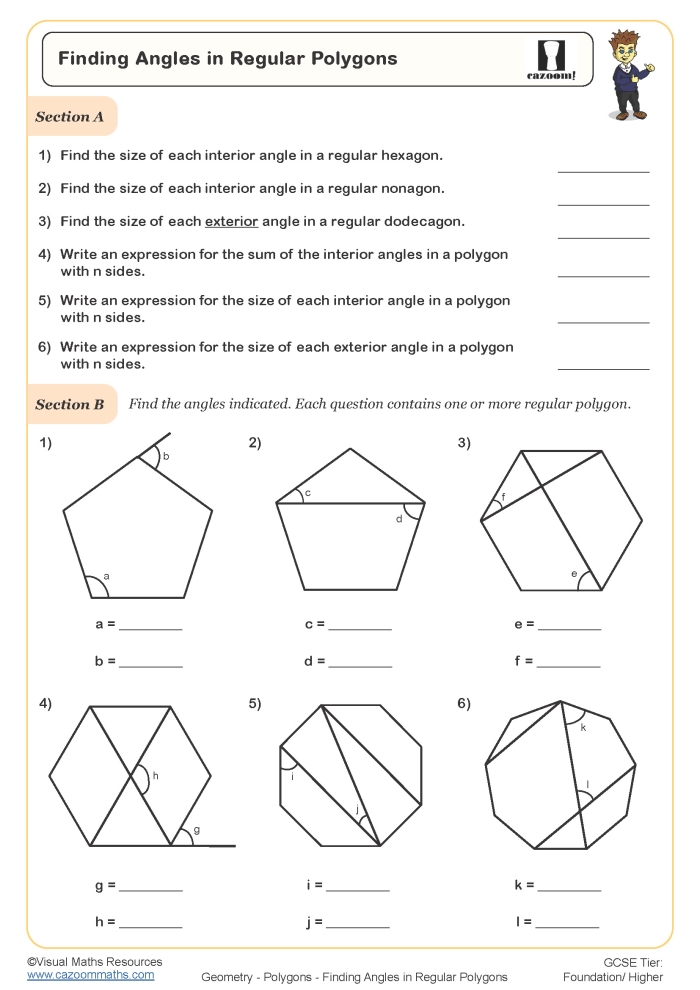
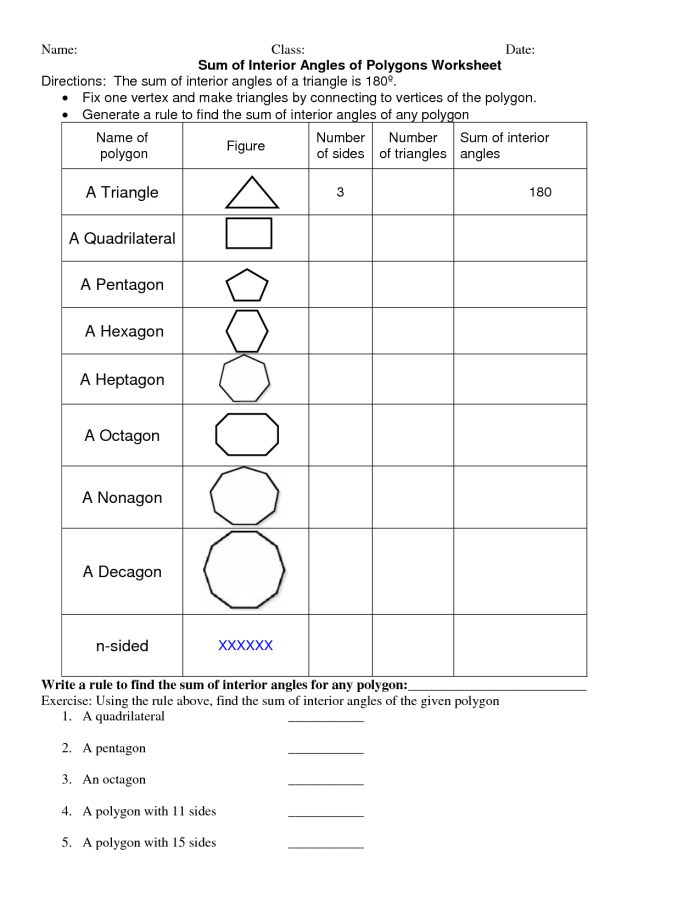
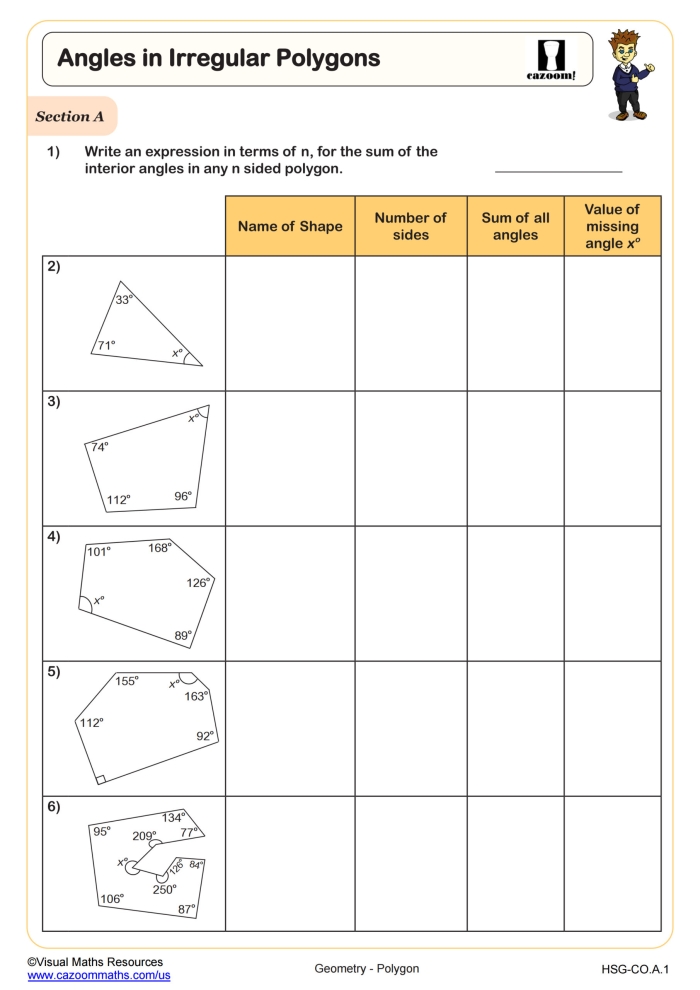
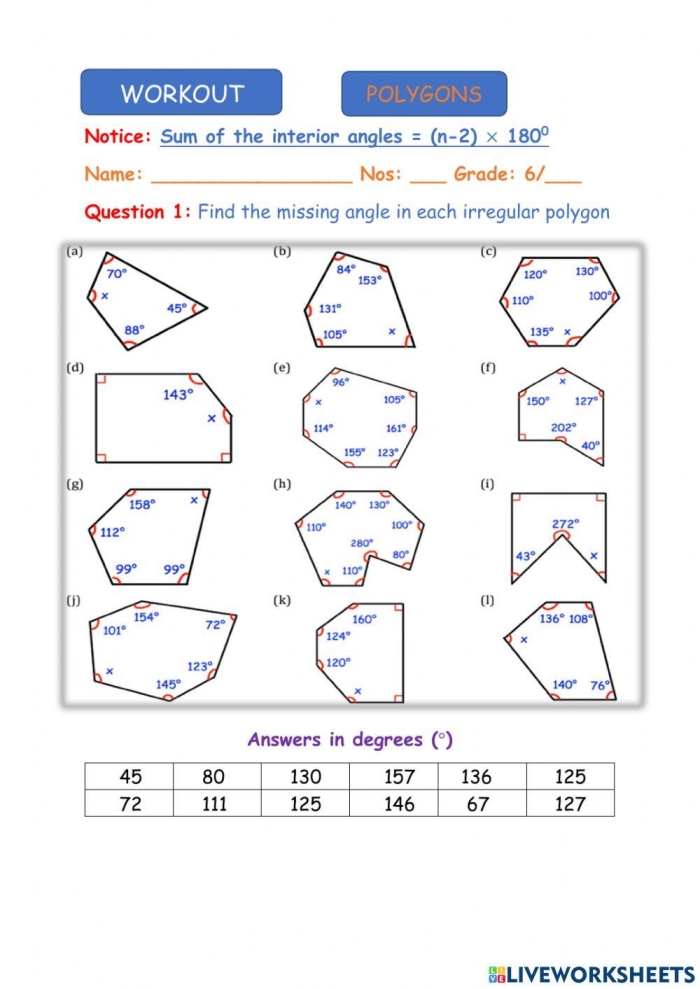
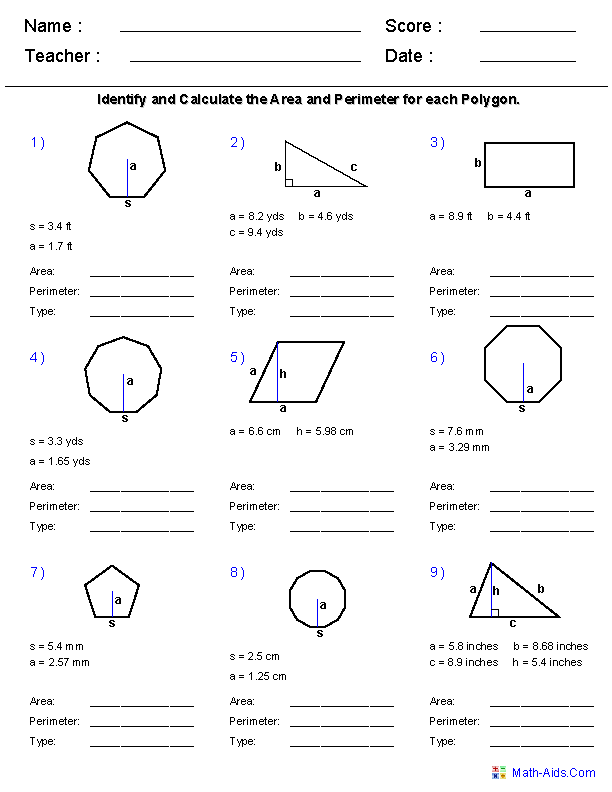
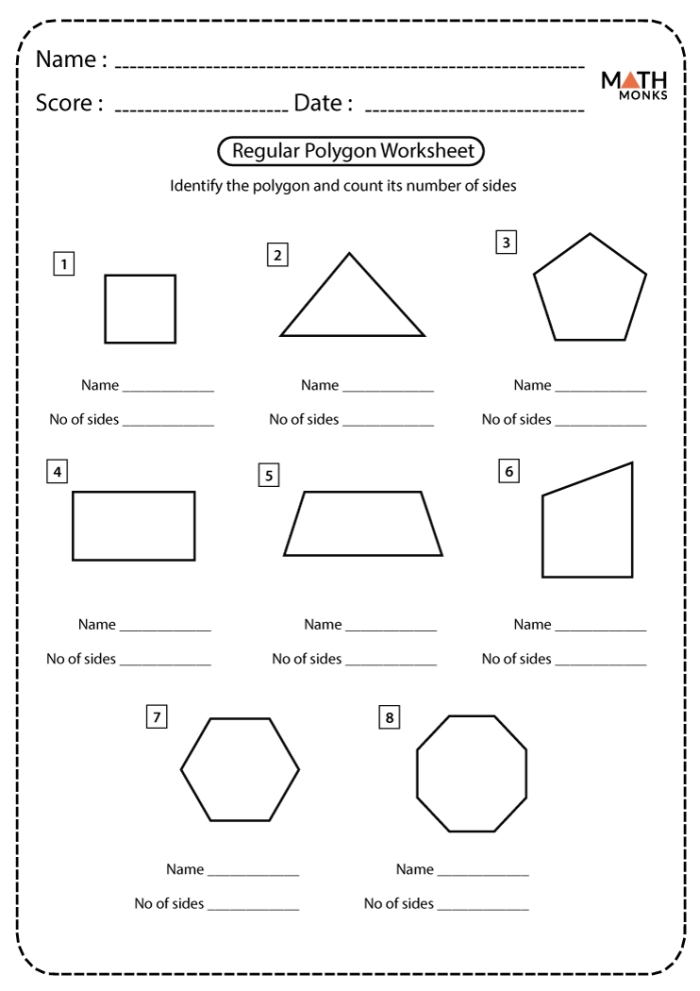
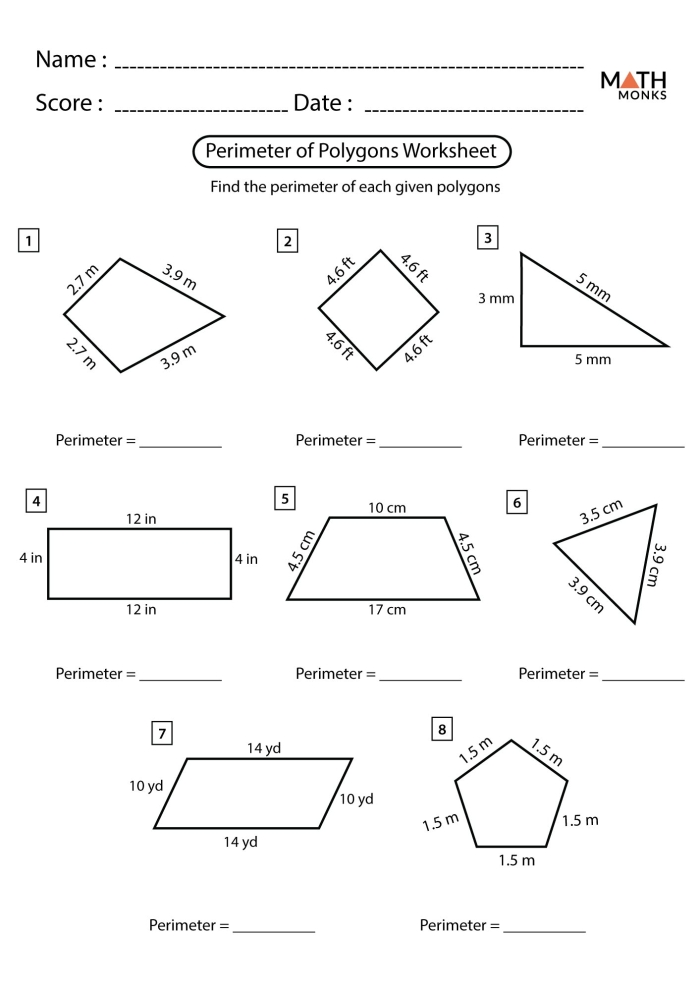
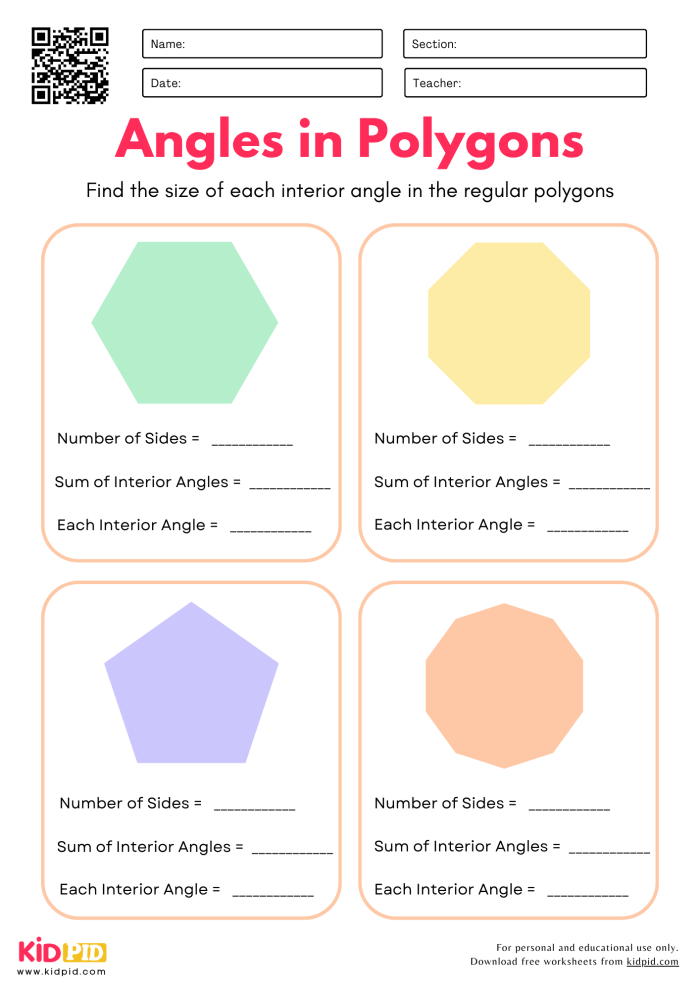
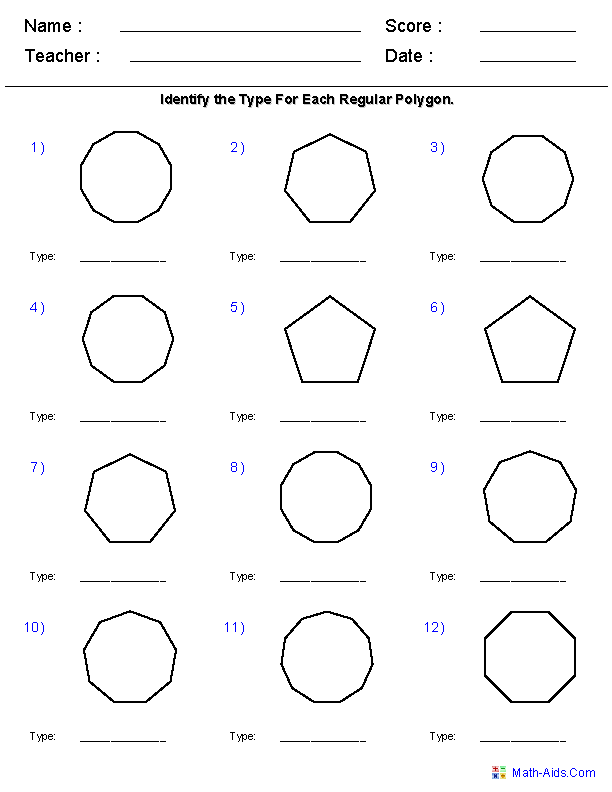
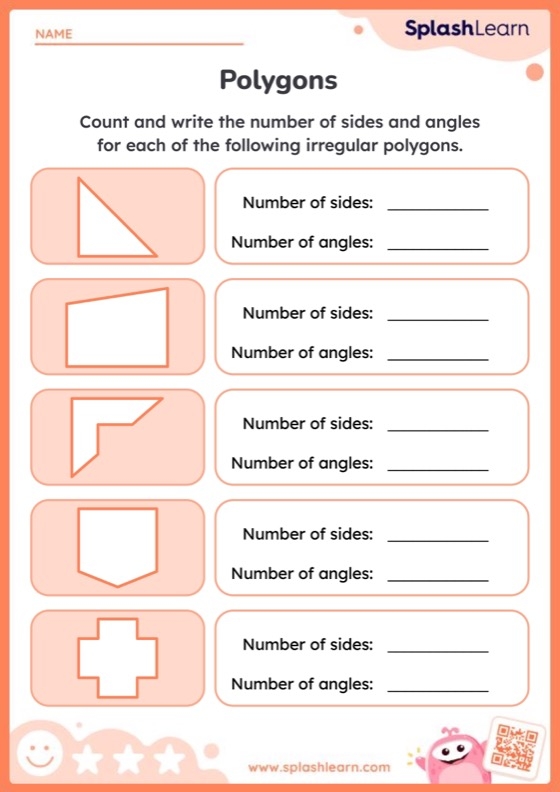
Polygons, which are multi-sided figures, further expand students’ understanding of geometry. Fifth graders explore various types of polygons, including quadrilaterals, pentagons, and hexagons. Each polygon has unique properties, such as the number of sides and angles, which can be calculated and analyzed. This knowledge helps students appreciate how shapes come together to form more complex structures and designs.
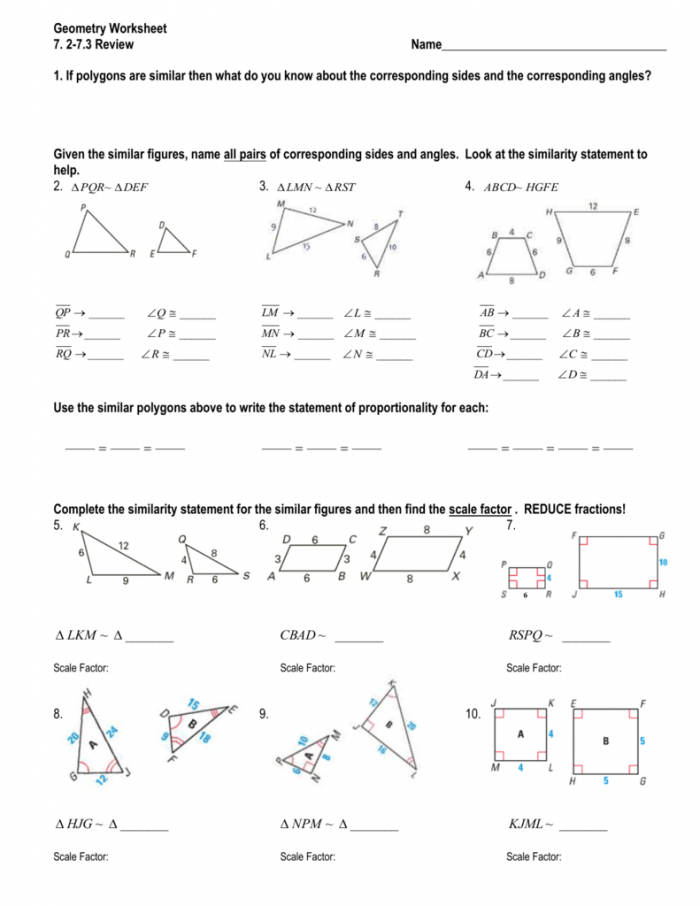
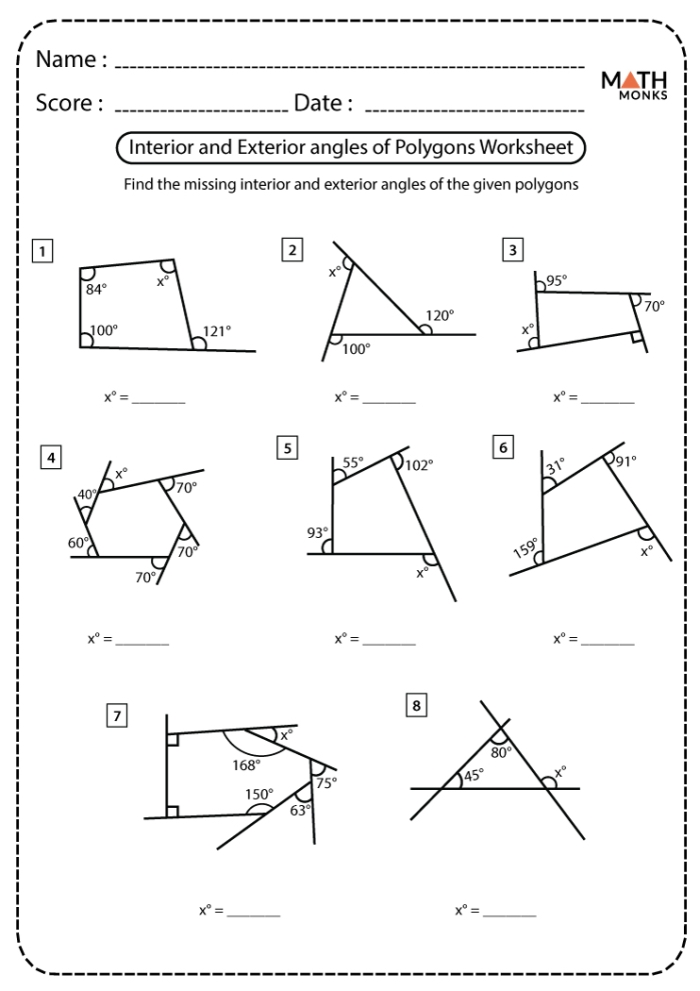
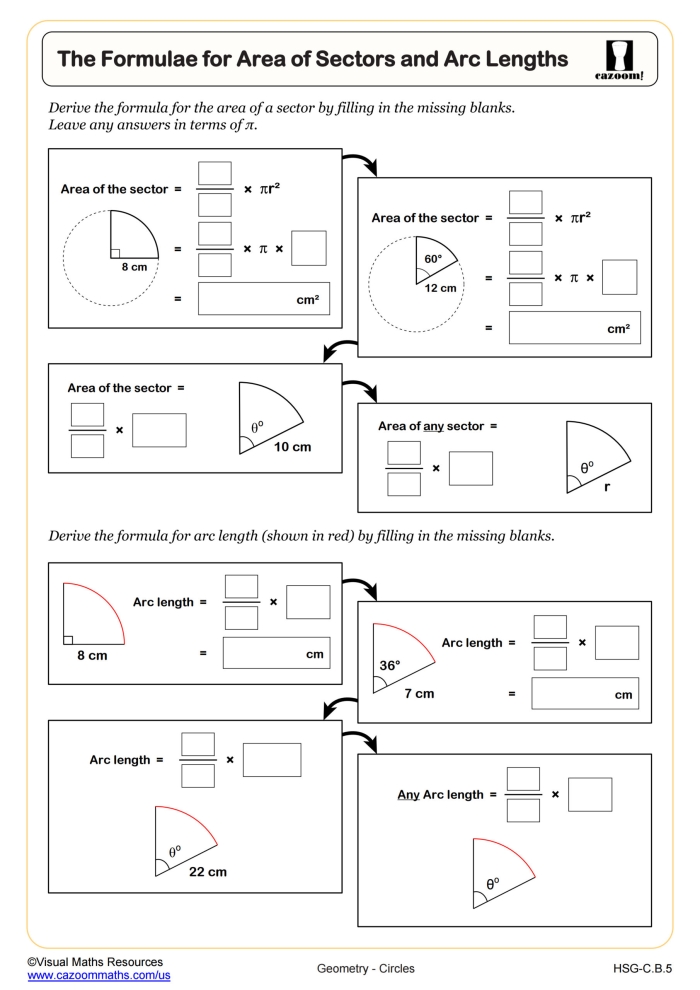
To reinforce their learning, students can utilize printable resources like geometry worksheets that focus on angles and polygons. These worksheets provide practical exercises that enhance their understanding and skills in geometry. Engaging with these materials allows fifth graders to practice what they have learned, ensuring that they solidify their grasp of these fundamental concepts.
Start Practicing with These Worksheets