The metric system might feel foreign at first, but it’s actually more logical than the customary units you’ve probably used your whole life. Once you understand how meters, liters, and grams connect to each other through powers of ten, converting between them becomes straightforward. Fifth grade is the perfect time to build this foundation because metric conversions show up everywhere: science class, cooking, sports, and international travel.
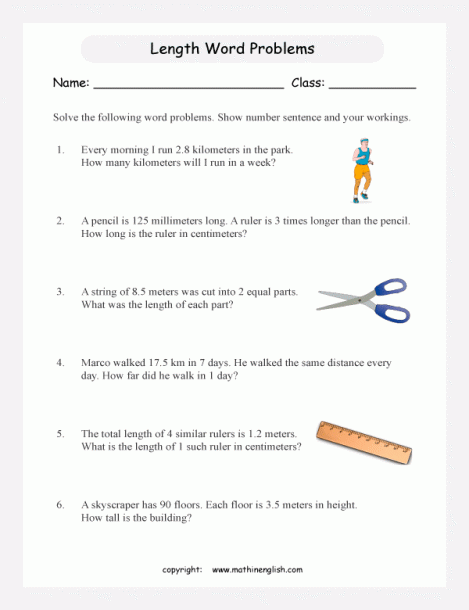
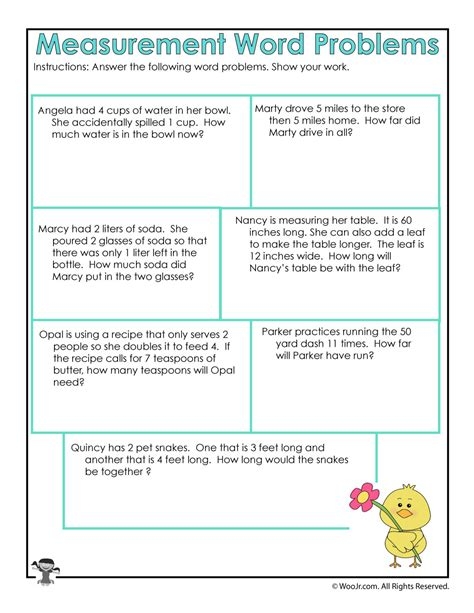
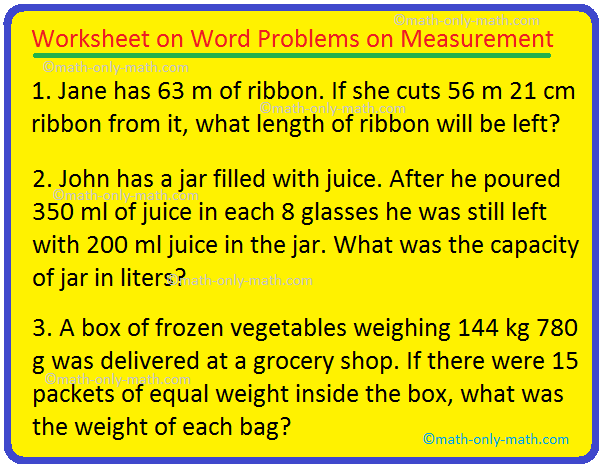
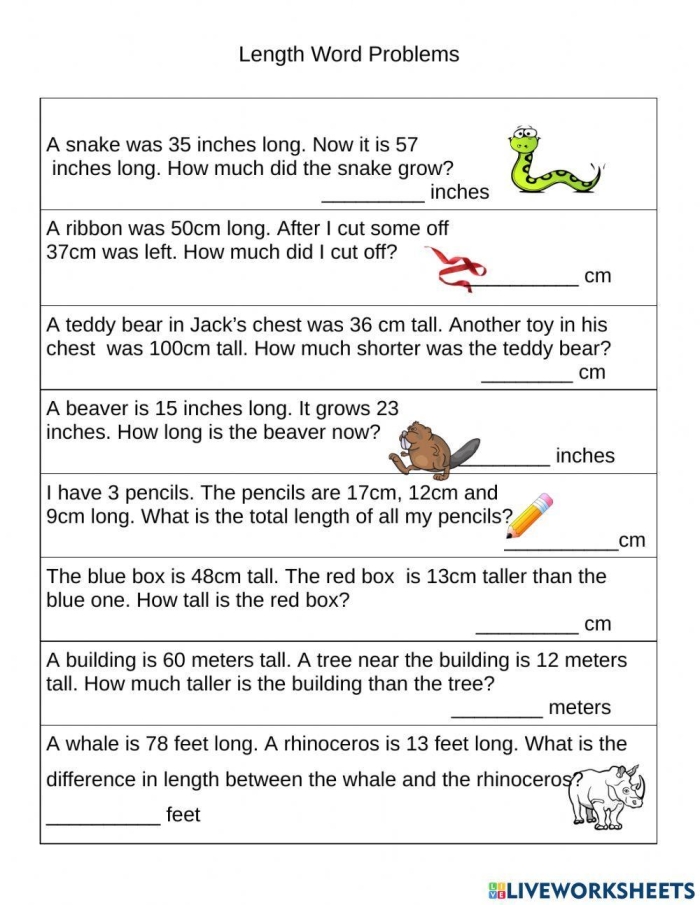
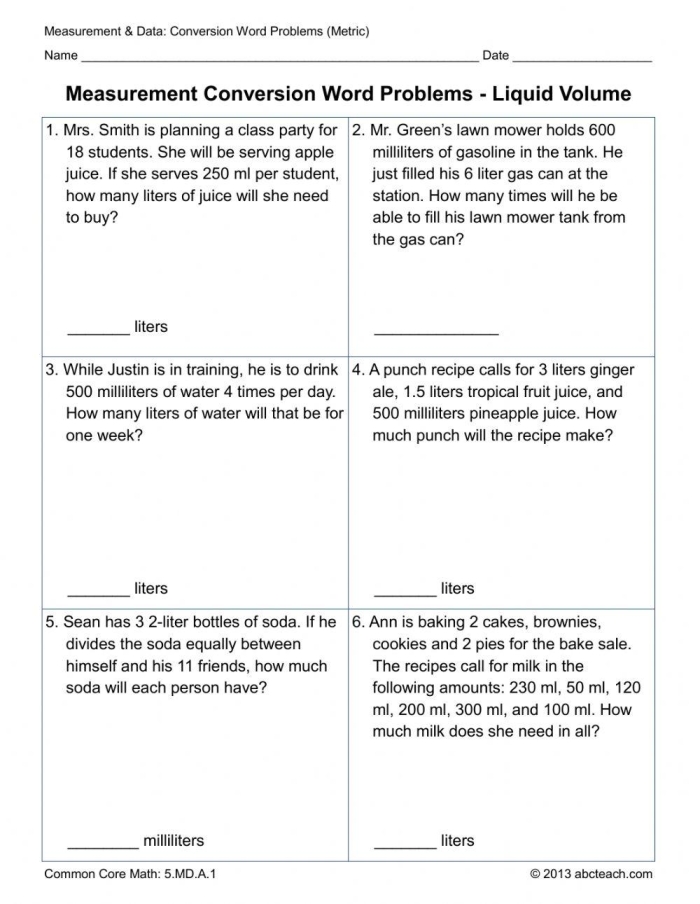
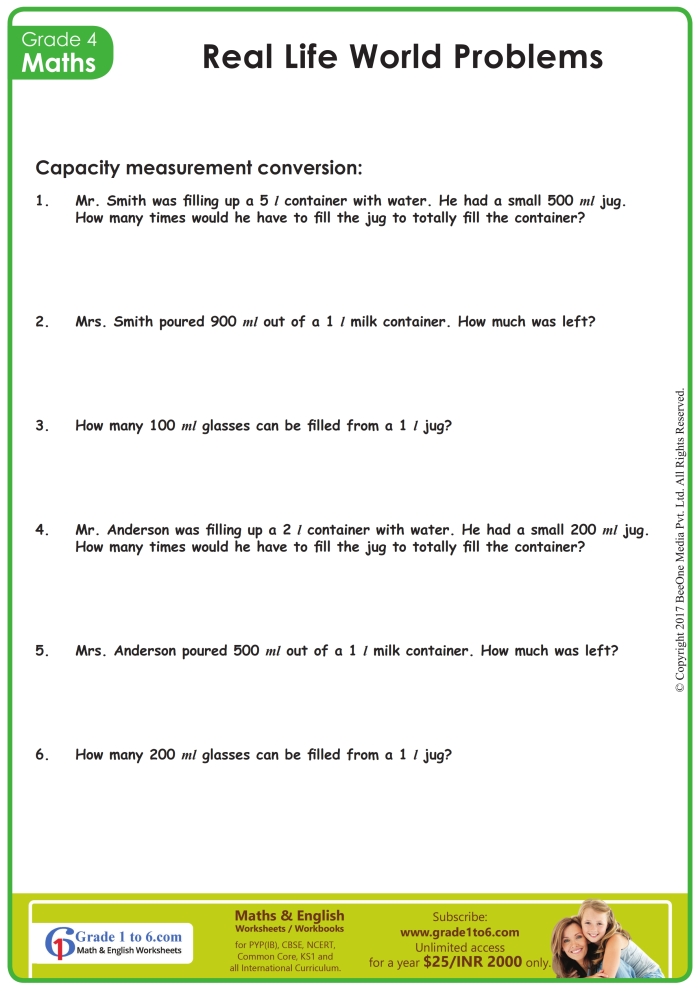
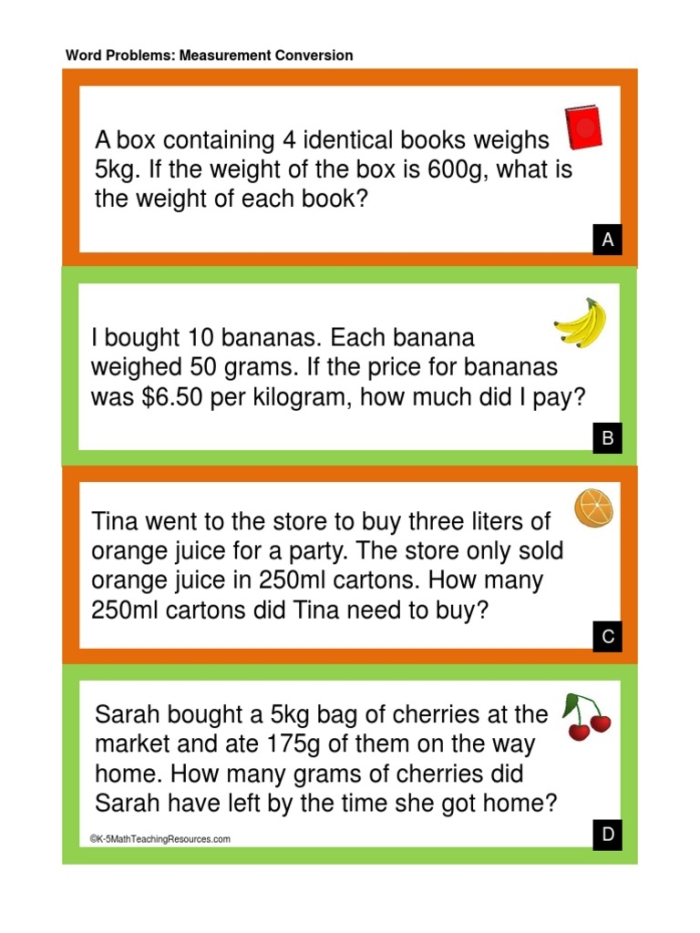
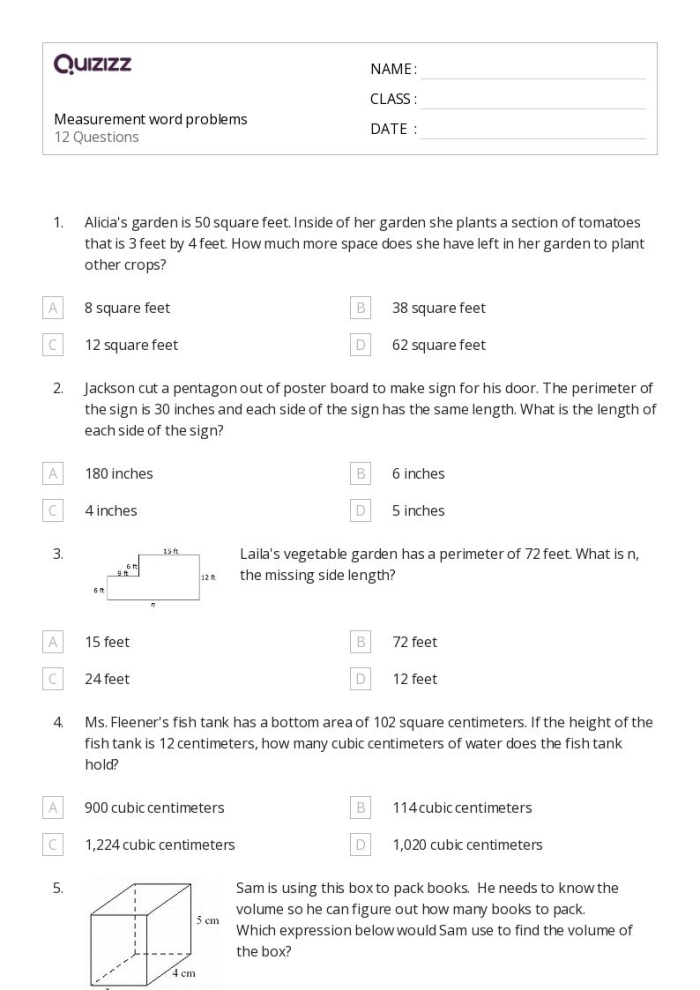
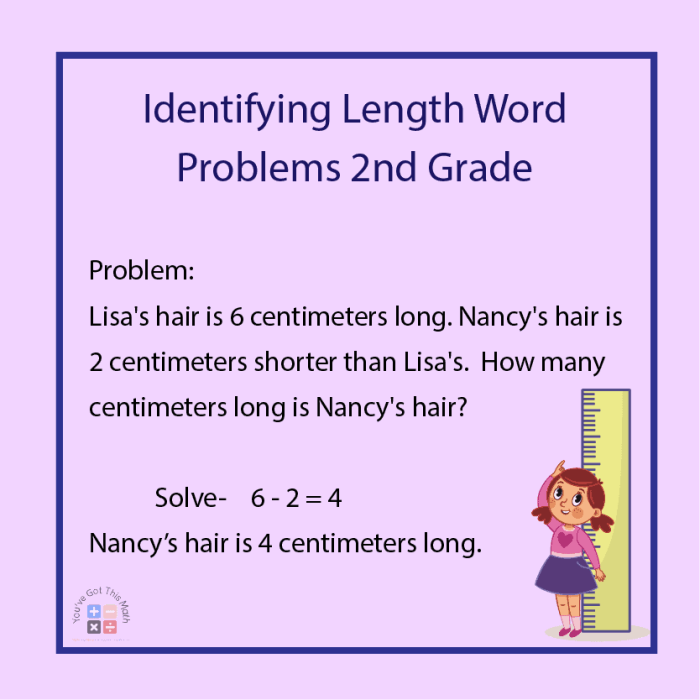
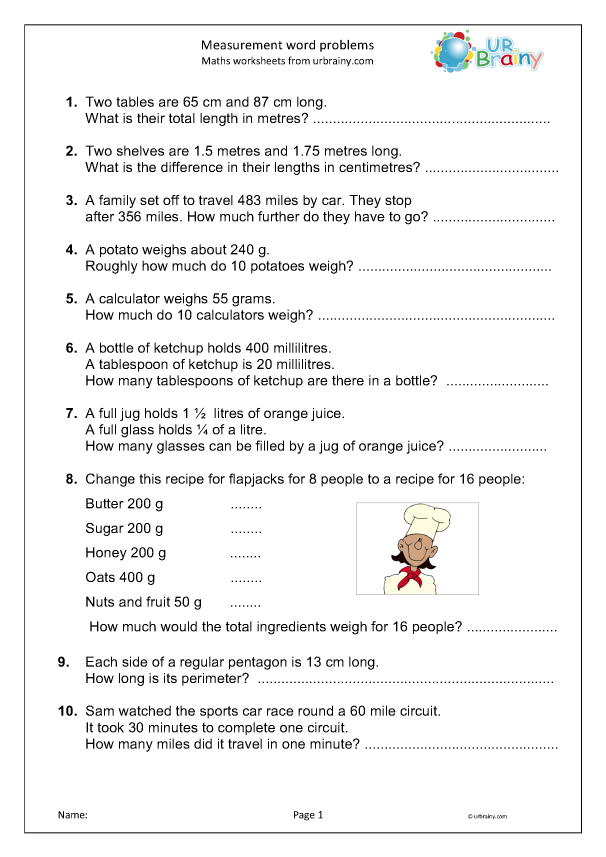
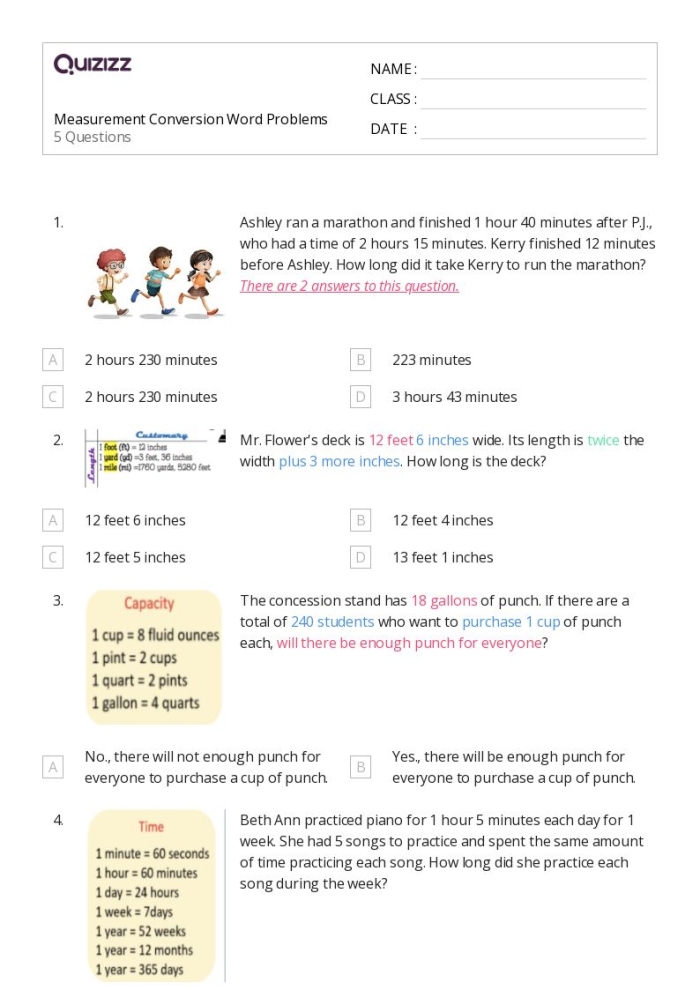
Word problems force you to think about measurement in real contexts rather than just memorizing conversion factors. When you solve a problem about a runner completing a 500-meter race or a recipe that calls for 250 milliliters of water, you’re actually learning how these units apply to your life. This approach sticks with you much better than rote memorization.
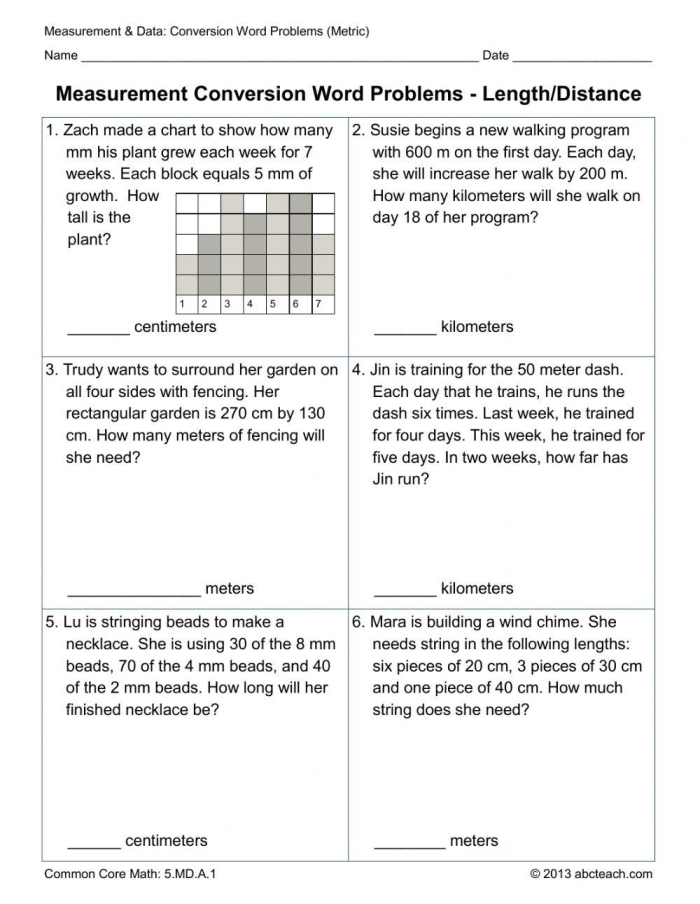
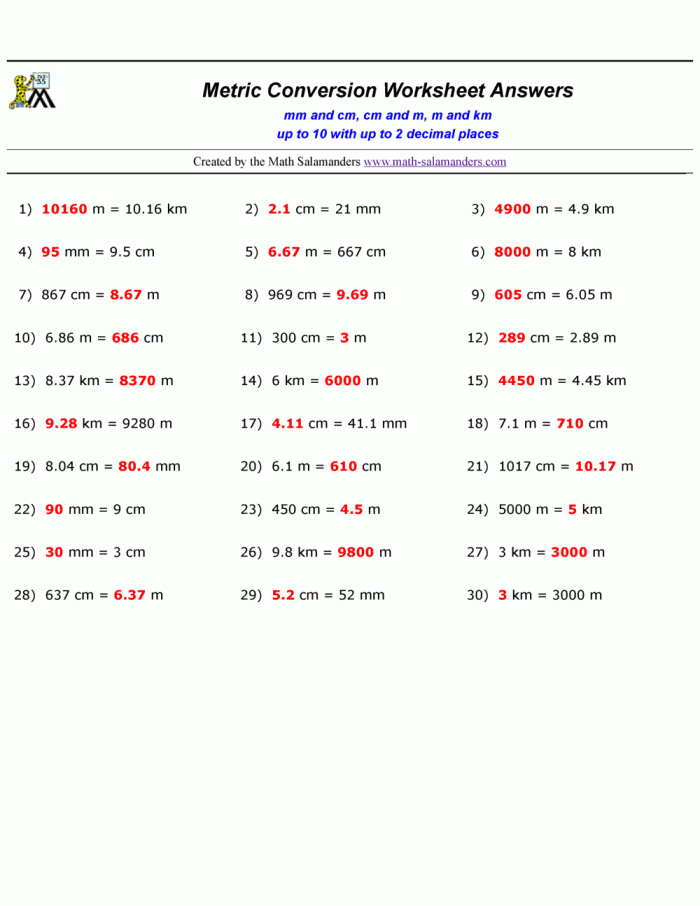
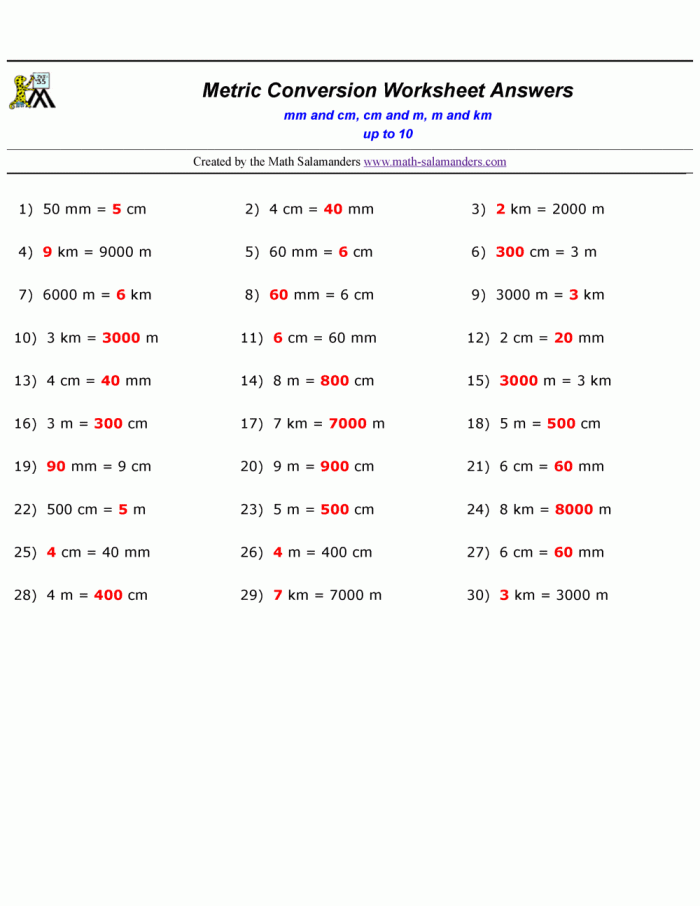
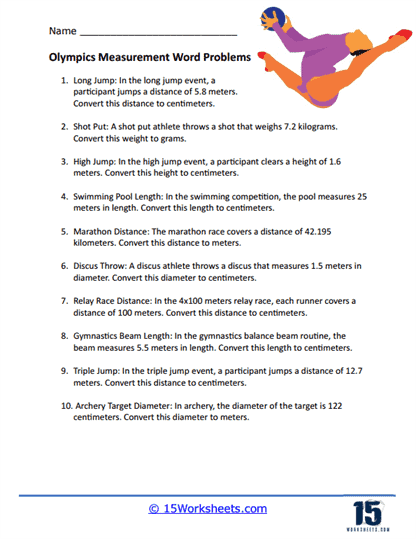
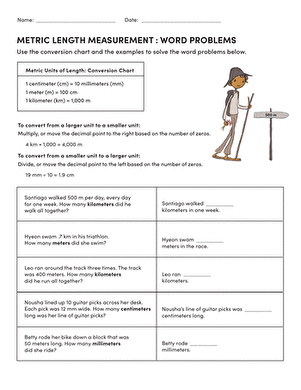
Start by learning the basic prefixes: kilo- means 1,000, centi- means 1/100, and milli- means 1/1,000. These prefixes work the same way across meters, grams, and liters, so once you understand the pattern, you can apply it everywhere. A kilometer is 1,000 meters, just like a kilogram is 1,000 grams.
When you encounter word problems, read carefully for the units involved. If a problem mentions kilometers but asks for your answer in meters, you know you need to multiply by 1,000. If it asks you to convert grams to kilograms, you divide by 1,000. The direction of conversion depends on whether you’re moving to a larger or smaller unit.
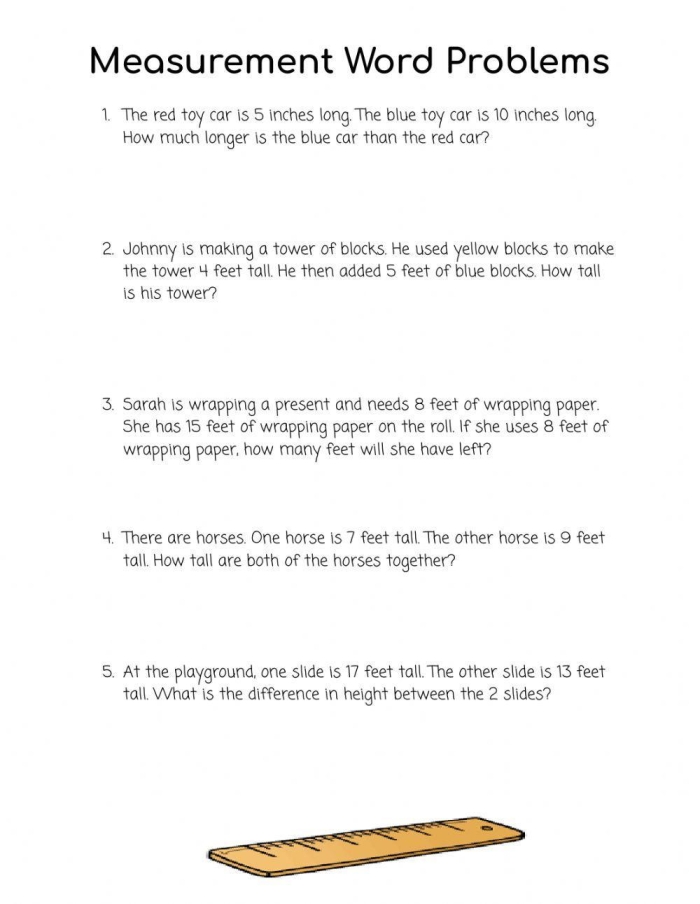
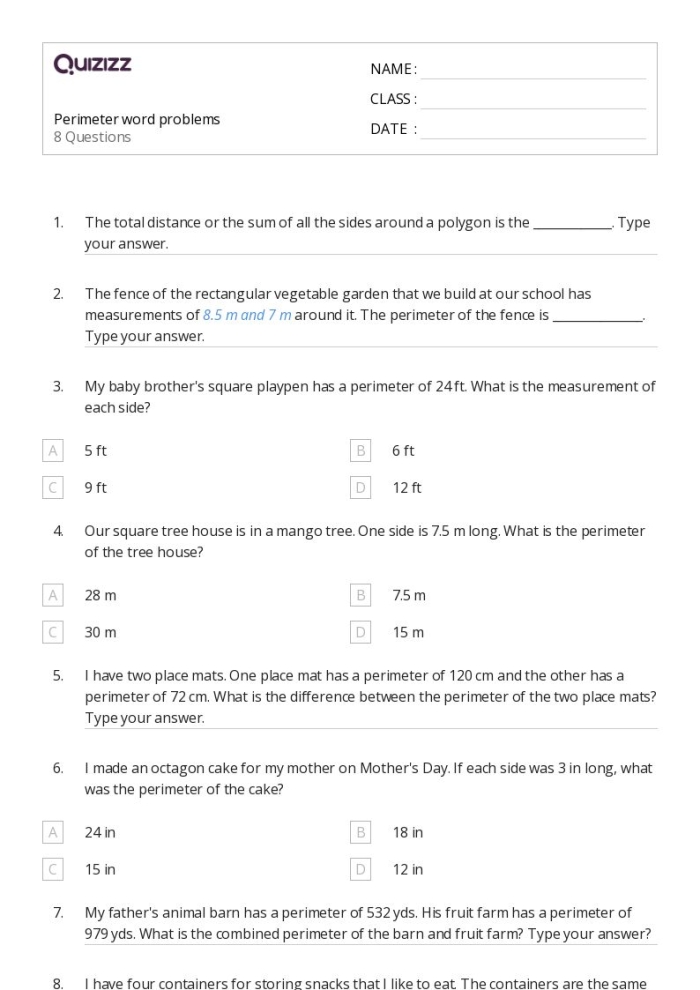
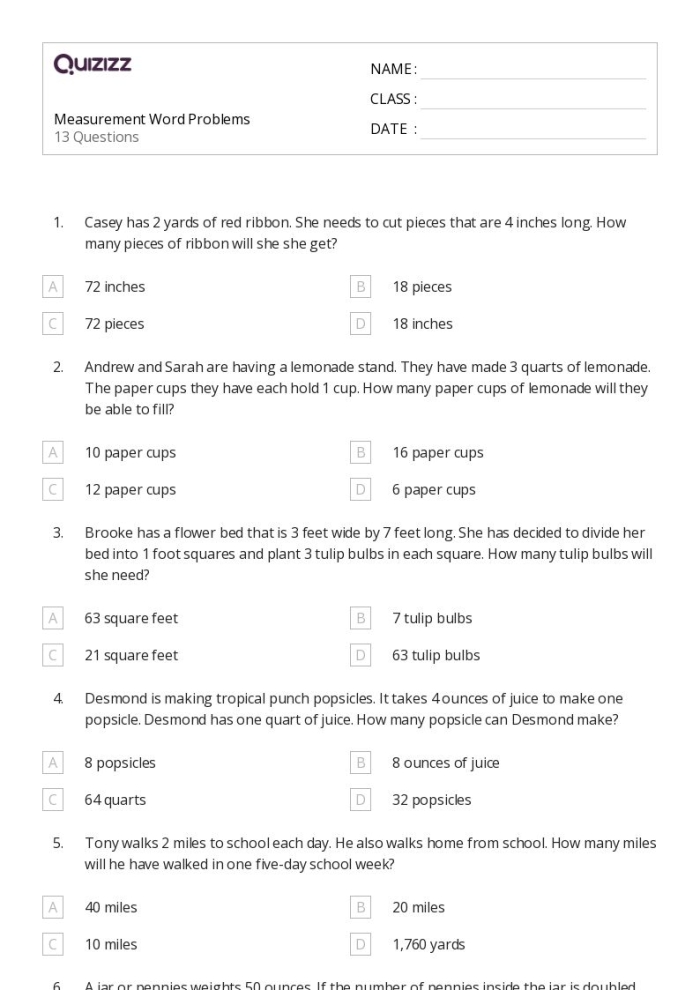
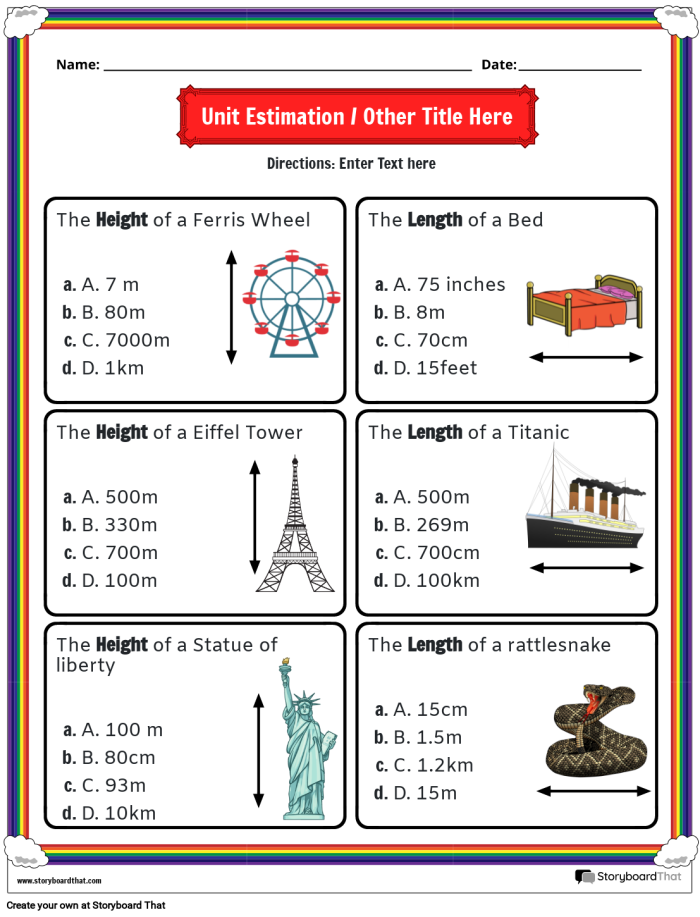
Practice with converting customary units alongside metric ones to see how they compare. You can also strengthen your overall math skills by working through real-world multiplication problems and fraction review exercises. The more you practice with different problem types, the more confident you’ll become with metric conversions.
Start Practicing with These Worksheets