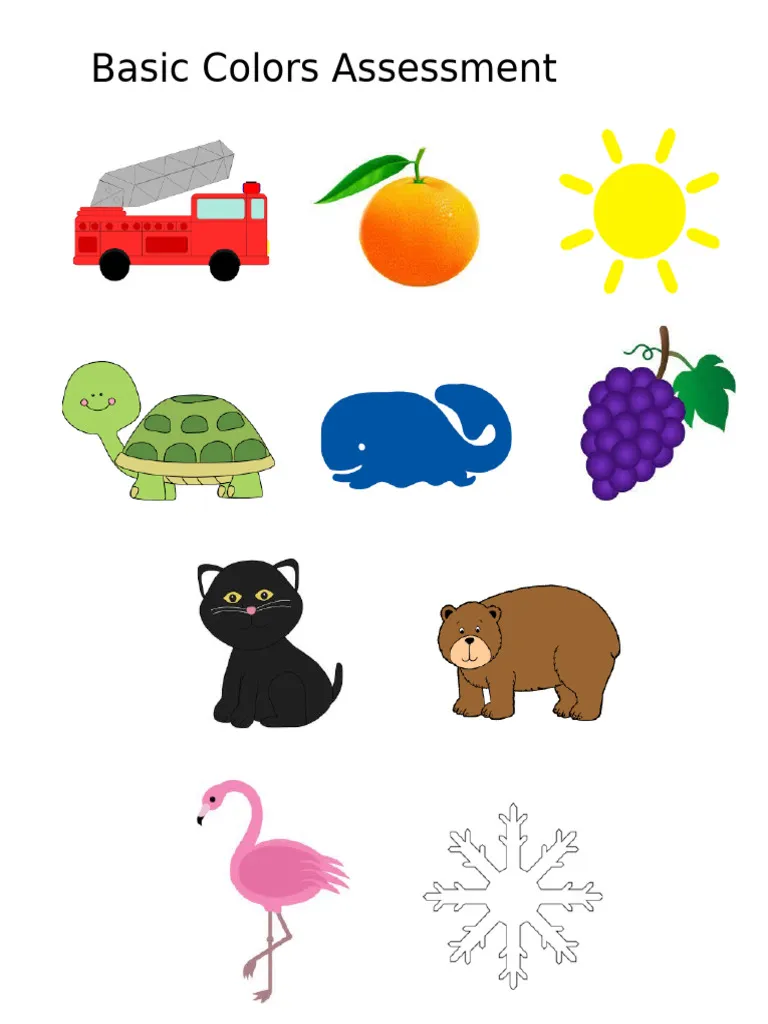
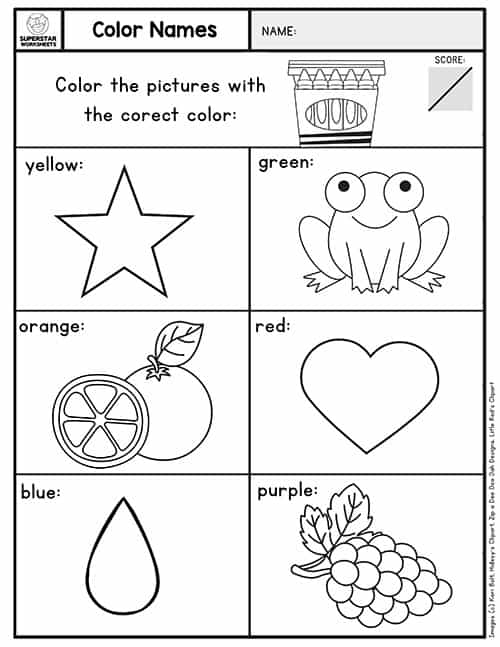
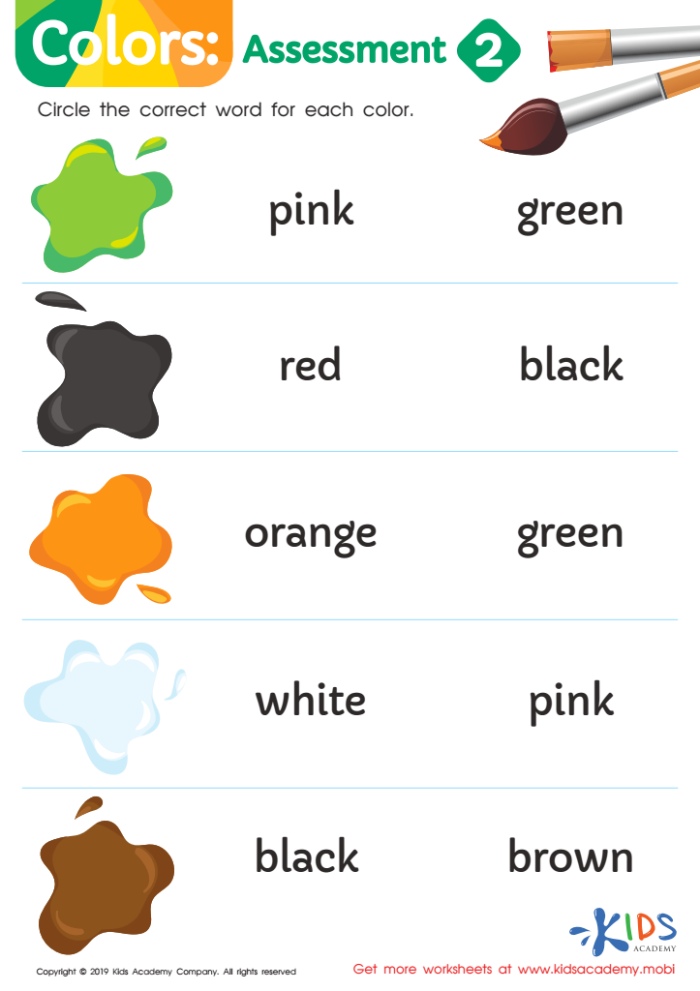
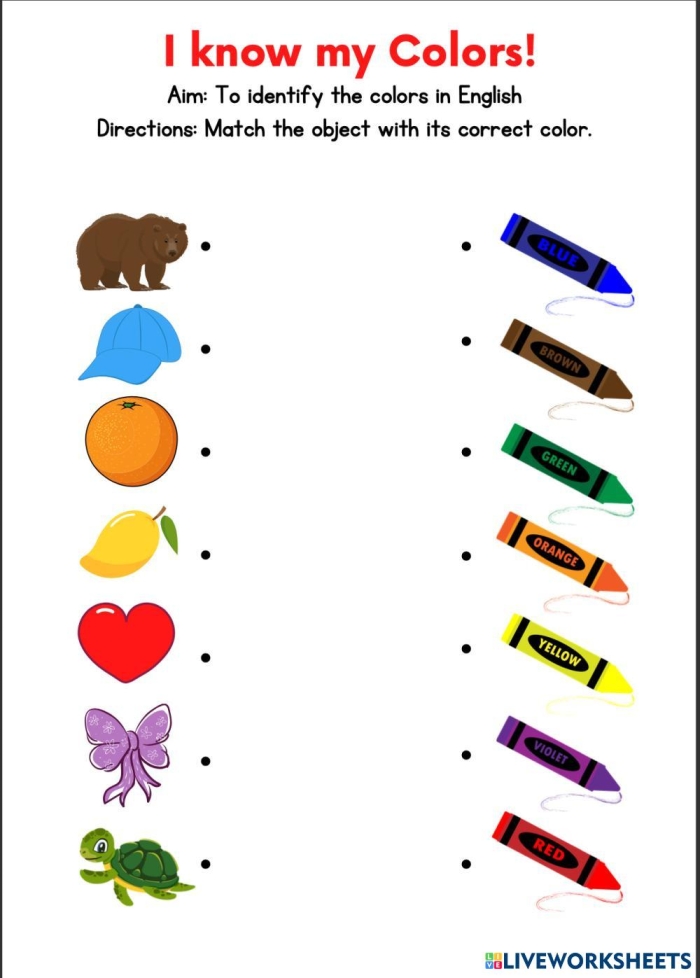
Most Pre-K teachers assume their students can identify basic colors, but the reality is more complicated. Some children recognize red and blue reliably while struggling with shades like teal or coral. This gap in color knowledge often goes unnoticed until you actually test it.
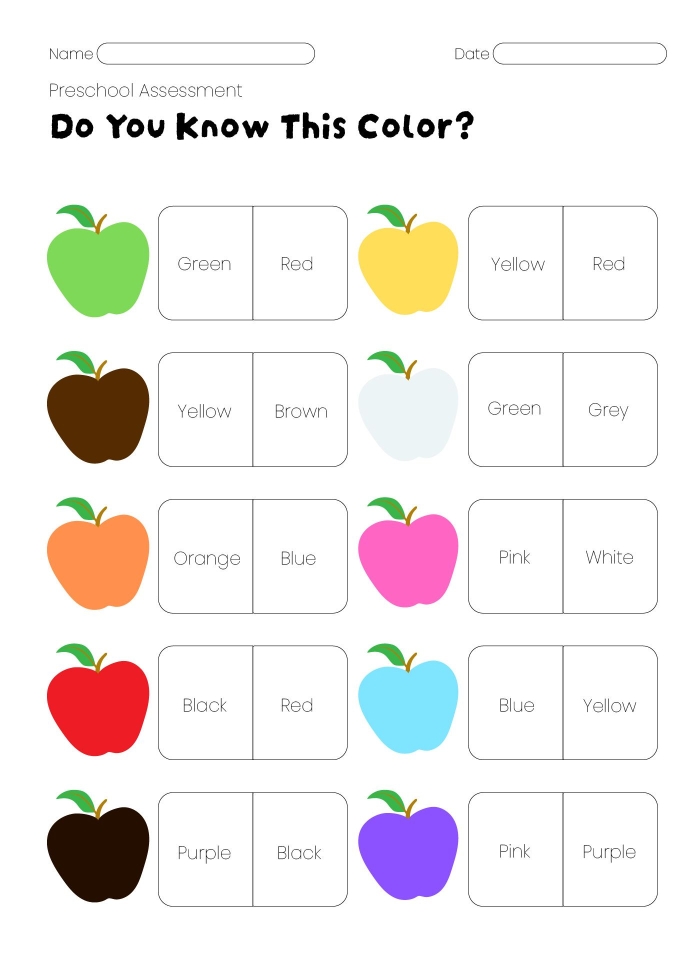
A color matching activity reveals exactly where each student stands. When you ask a child to identify the shade that matches a specific sample, you’re doing more than checking color recognition. You’re building foundational skills for data and graphing, which requires students to categorize information accurately. Before children can read a simple bar graph or sort objects by color, they need confidence in distinguishing one shade from another.
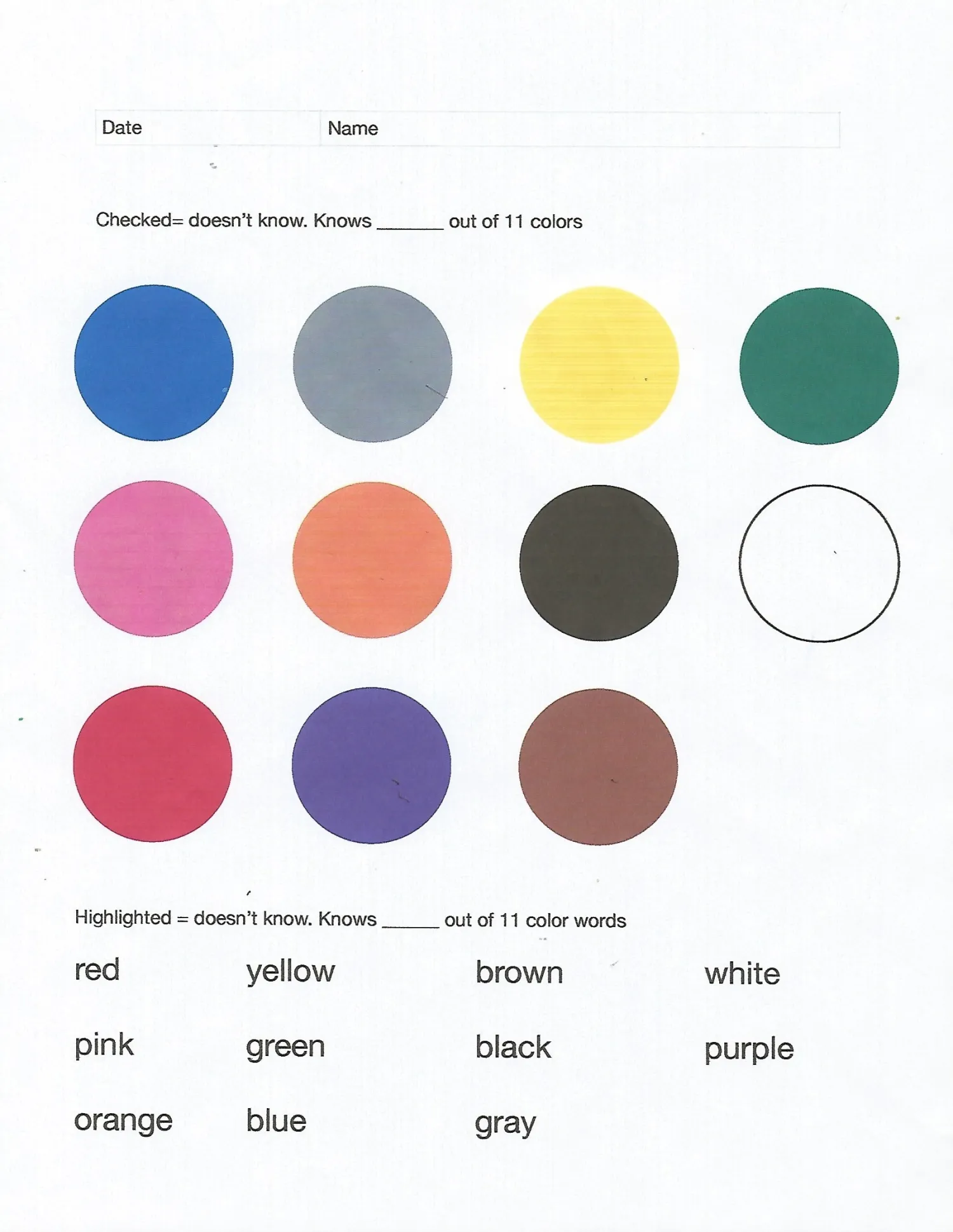
The activity works simply: present students with a reference color and ask them to find its match from several options. Some children will point immediately. Others will hesitate between similar shades, revealing whether they understand color nuance or just memorized primary color names. This diagnostic information helps you plan what comes next in their learning.
Color matching connects to other Pre-K skills naturally. Once students master basic shade identification, they’re ready for more complex tasks. They can progress to activities like sorting transportation images by color or organizing objects into groups. Students who understand color relationships can also tackle matching tasks involving proportions and quantities.
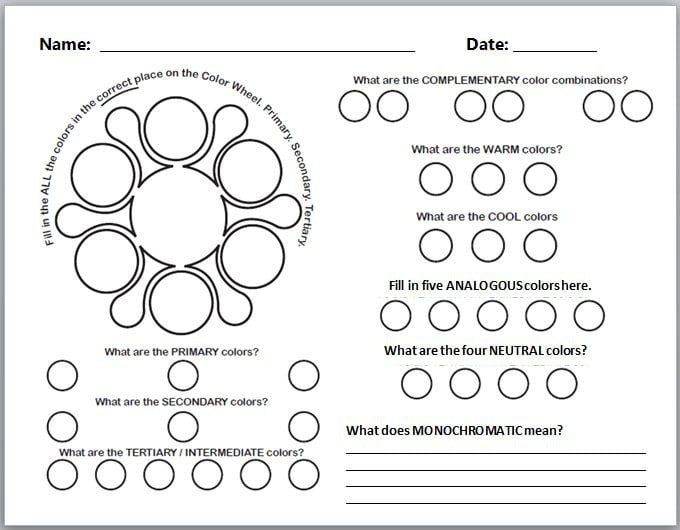
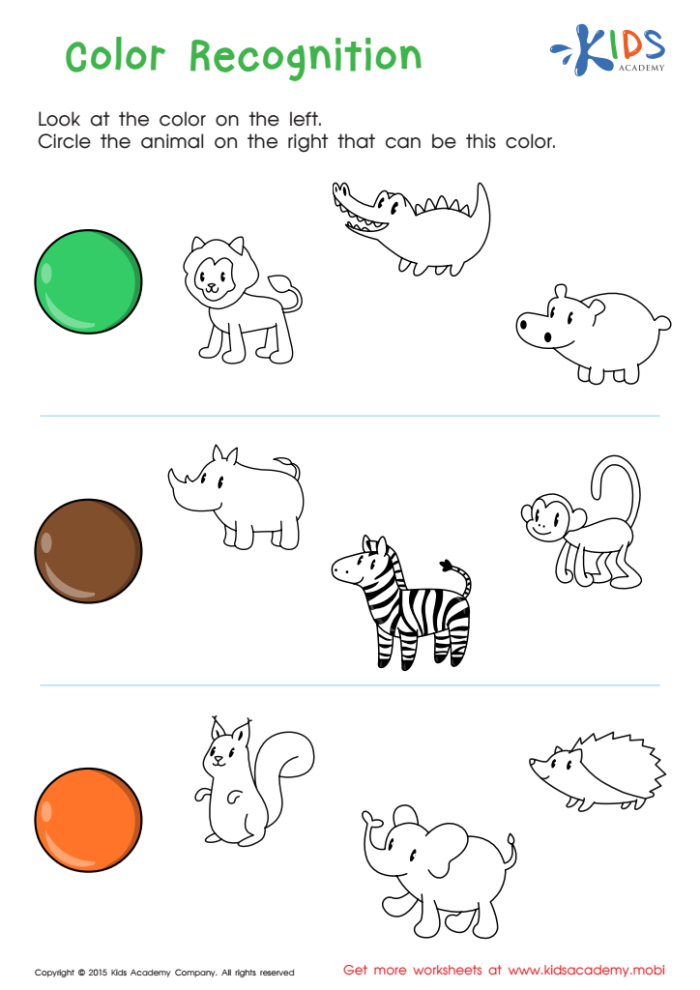
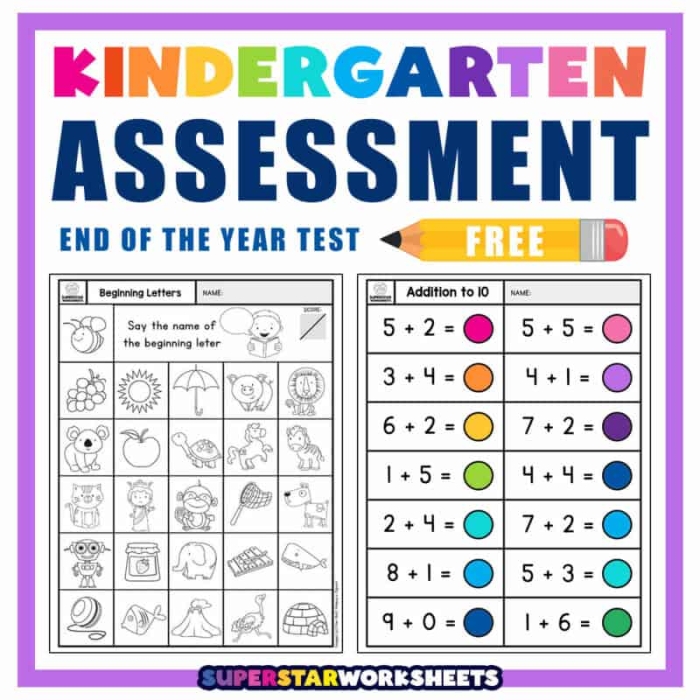
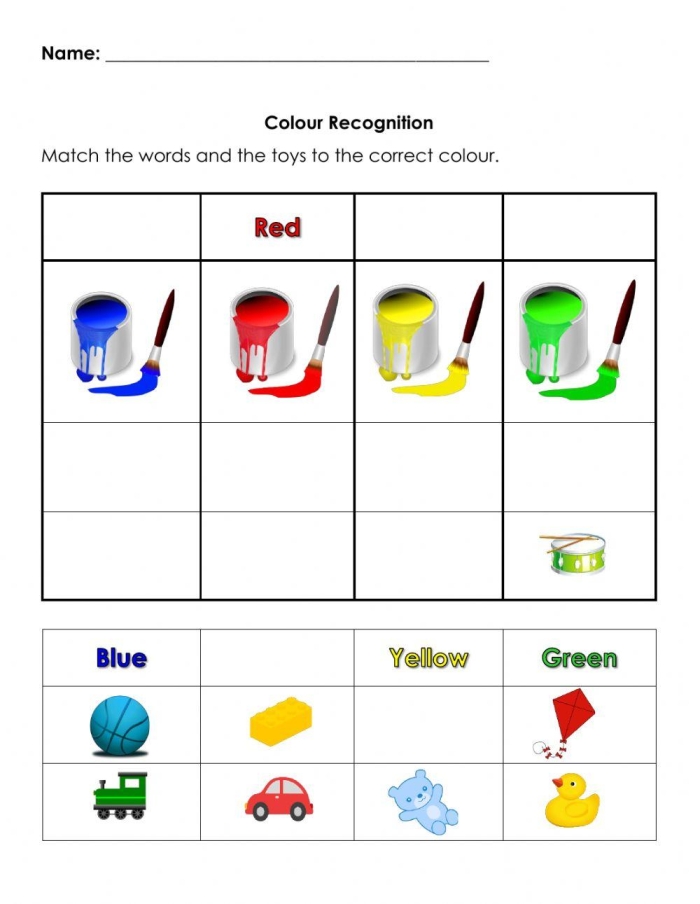
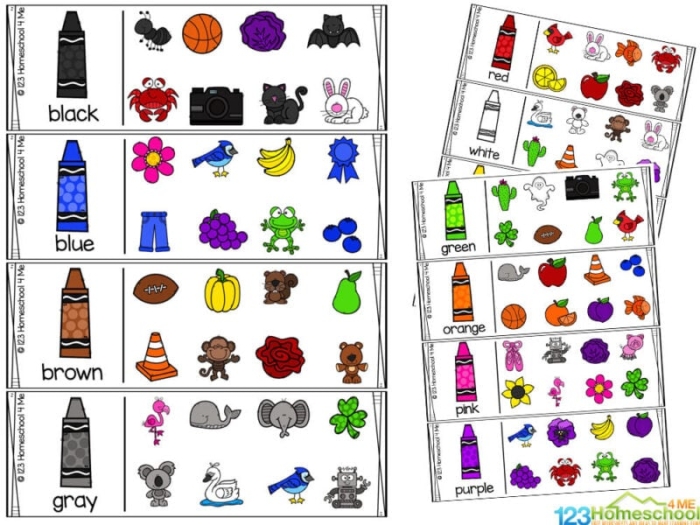
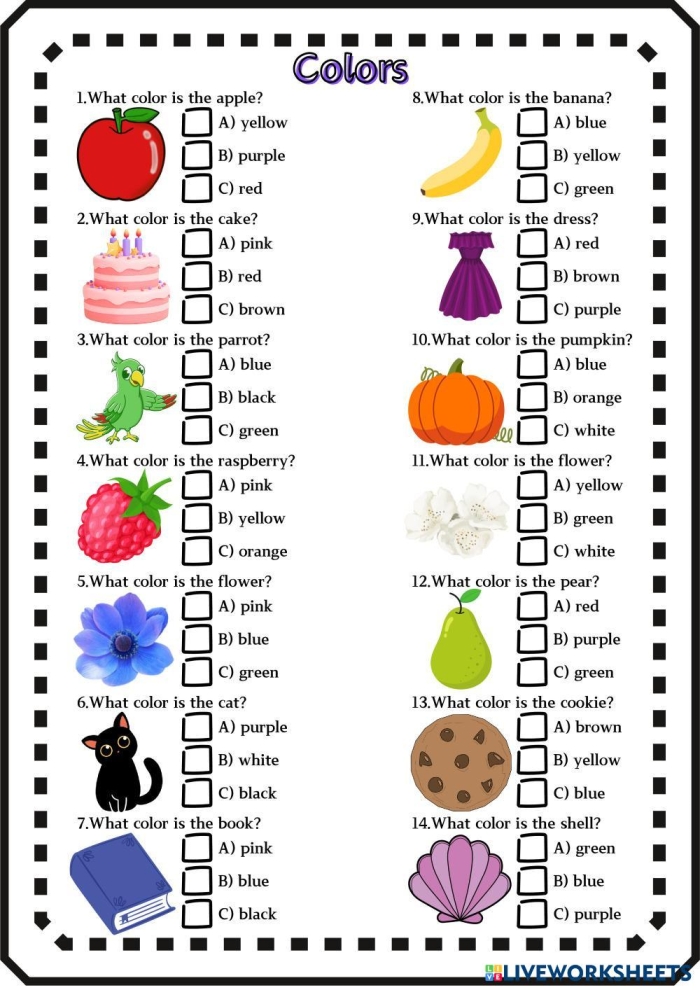
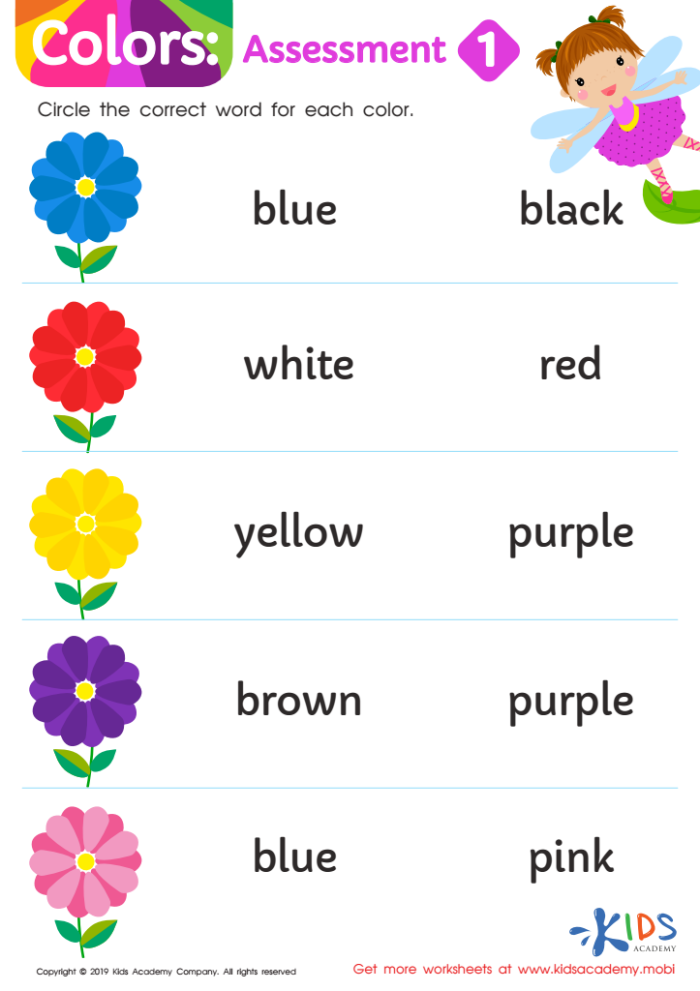
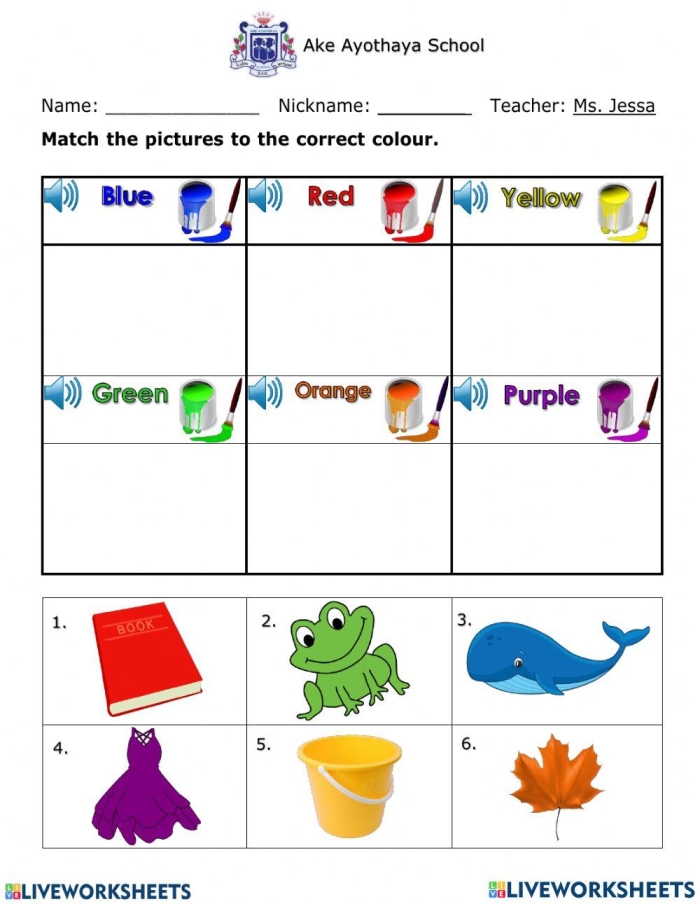
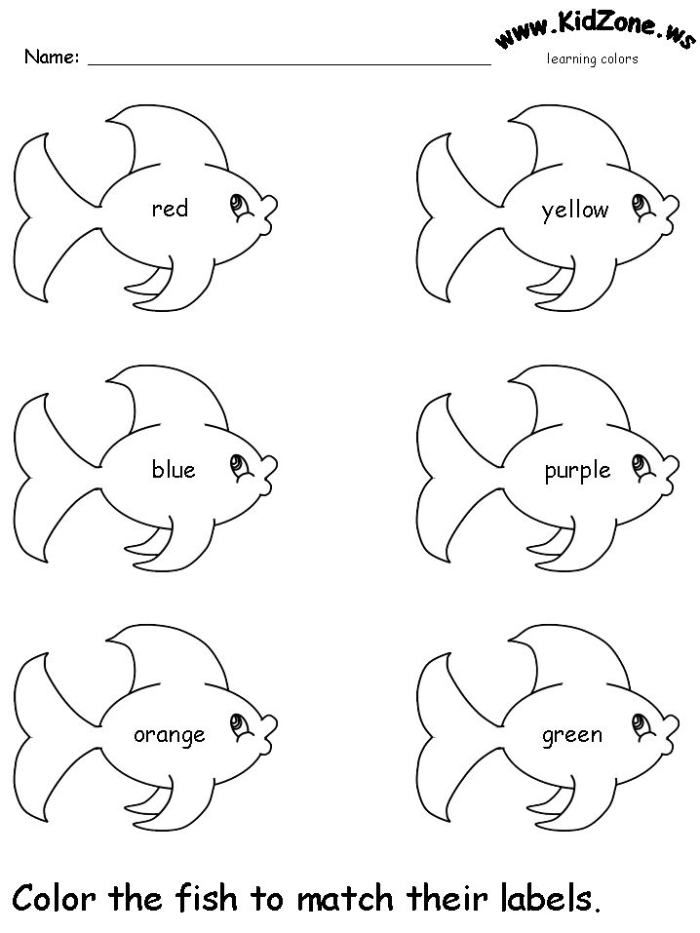
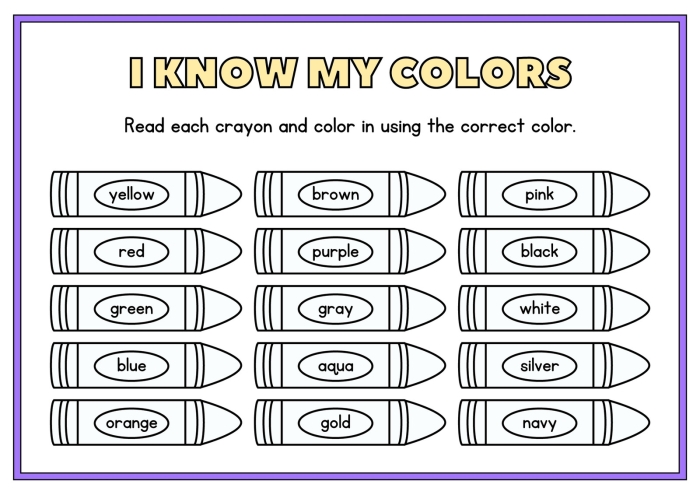
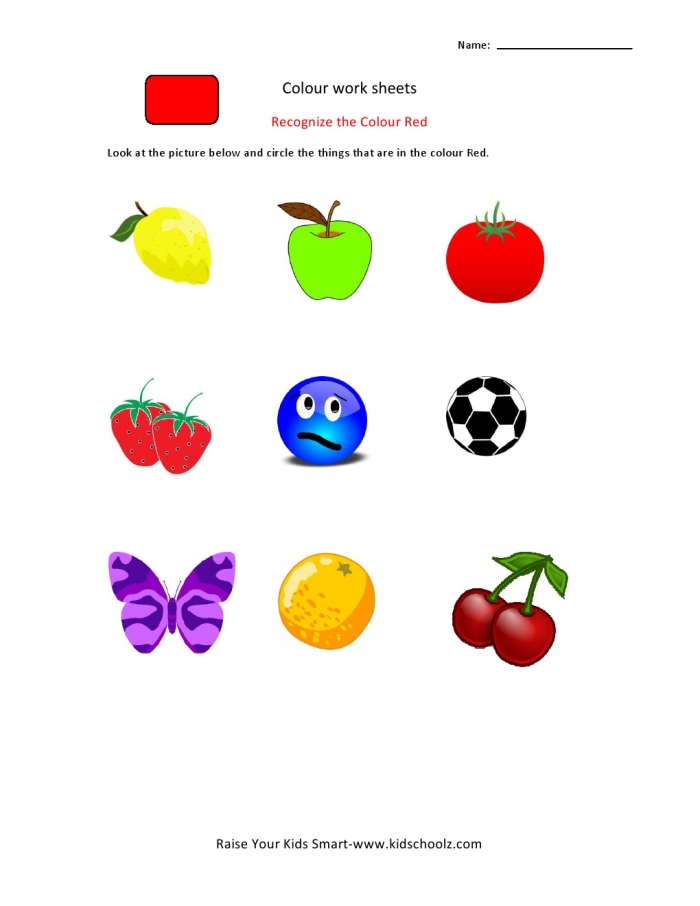
The practical benefit is immediate feedback. You’ll quickly know which students need more exposure to color vocabulary and which are ready to move forward. This assessment doesn’t require elaborate materials either, just colored paper, paint chips, or printed worksheets. Many teachers use printable worksheets that combine color identification with other skills, making the activity serve double duty in your classroom.
Download These Worksheets for Practice