Second grade students often struggle with measurement because it requires them to understand abstract concepts while also managing practical tools. A measurement review quiz that spans calendars, rulers, and other everyday instruments helps solidify these skills before moving into more complex geometry topics.
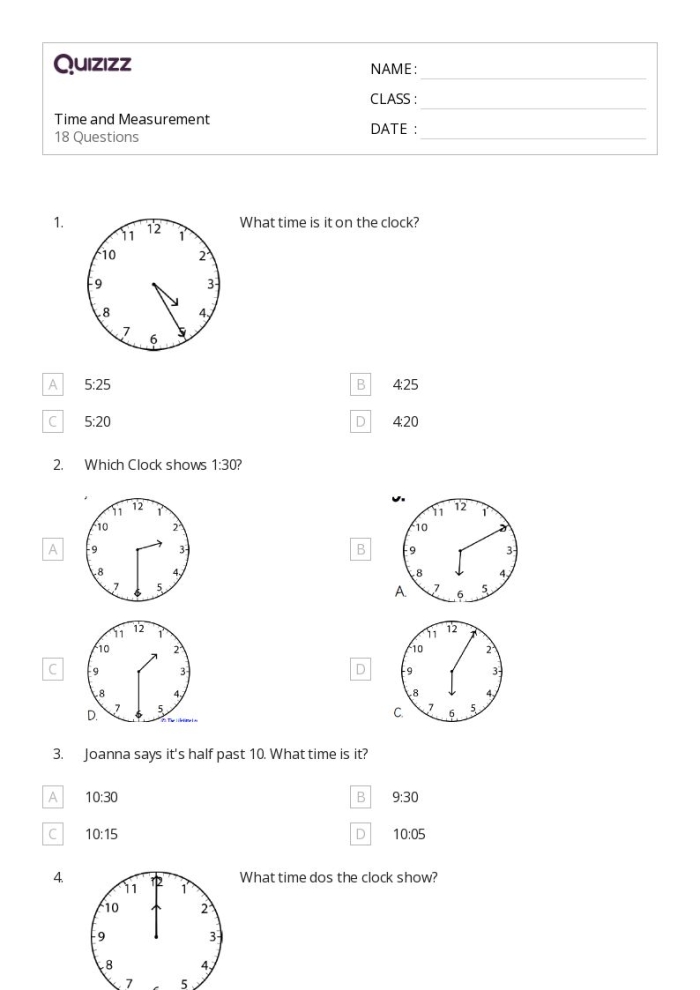
When I work with second graders on measurement, I notice they grasp concepts faster when they can see real applications. Reading a calendar, for instance, teaches time measurement in a context they already encounter. They learn that days have names, weeks follow patterns, and months contain different numbers of days. This foundation makes it easier to move toward telling time with AM or PM, which builds on their calendar awareness.
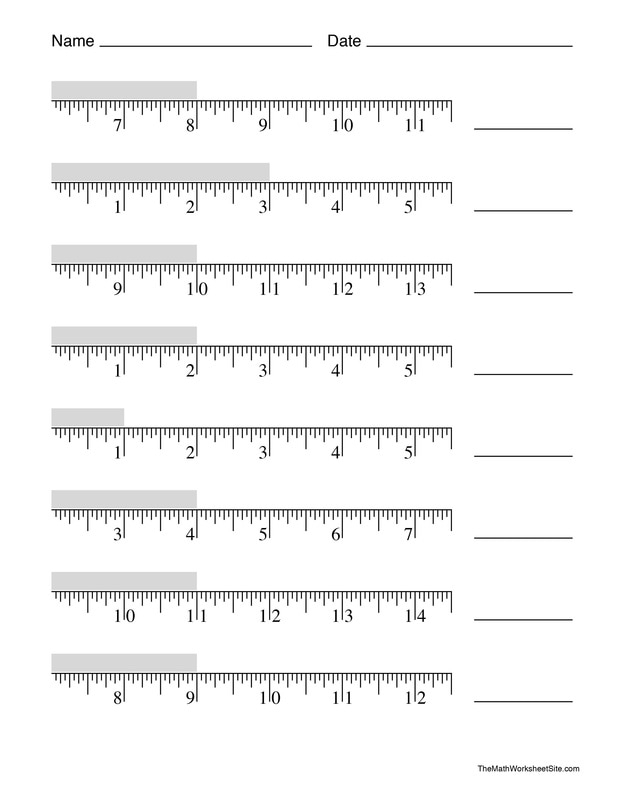
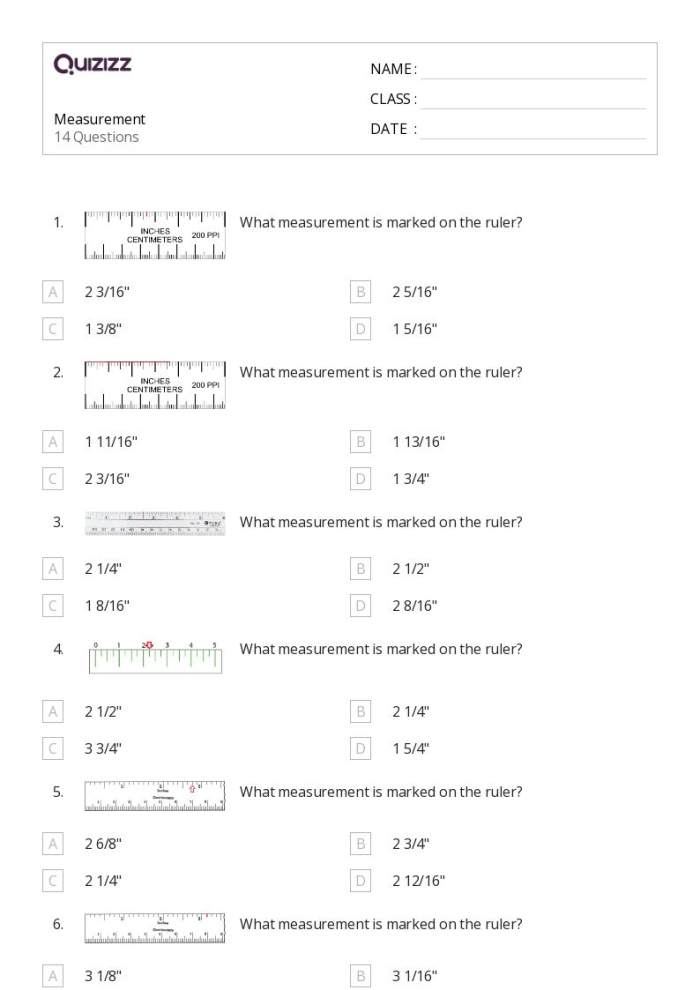
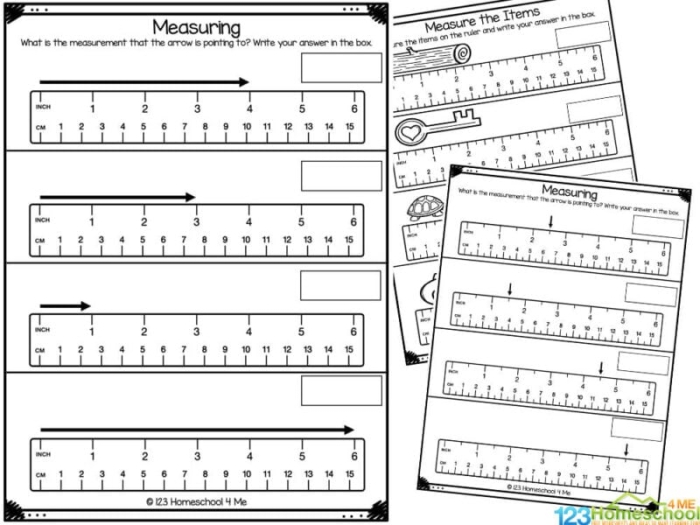
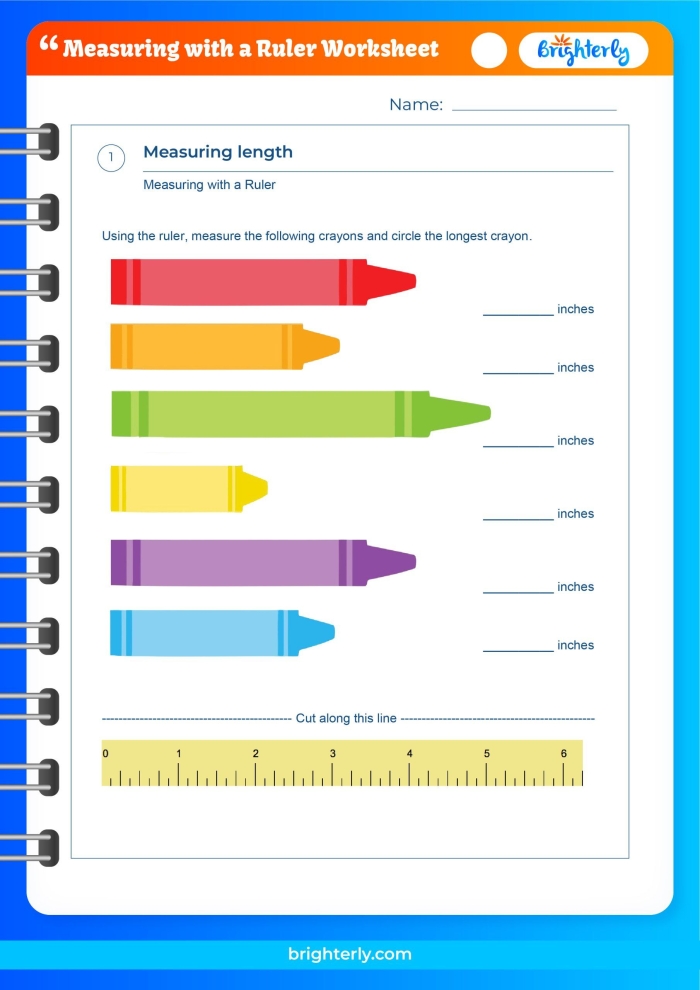
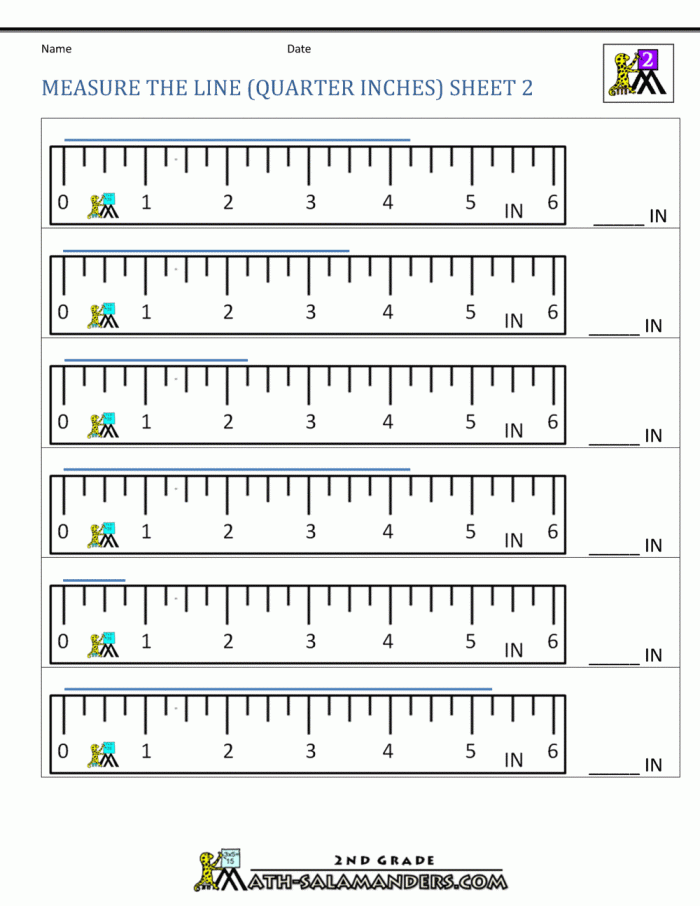
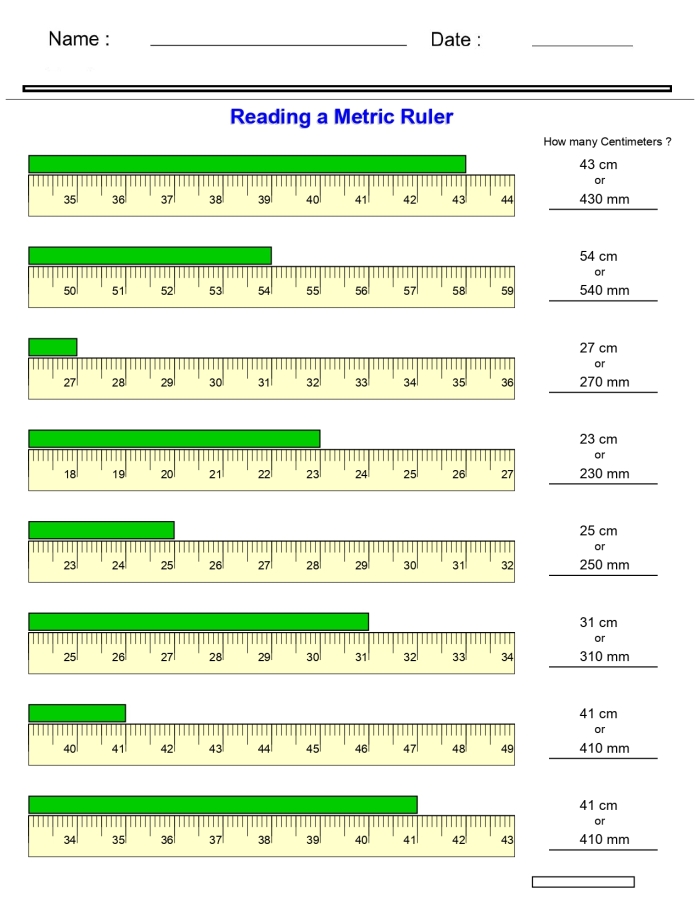
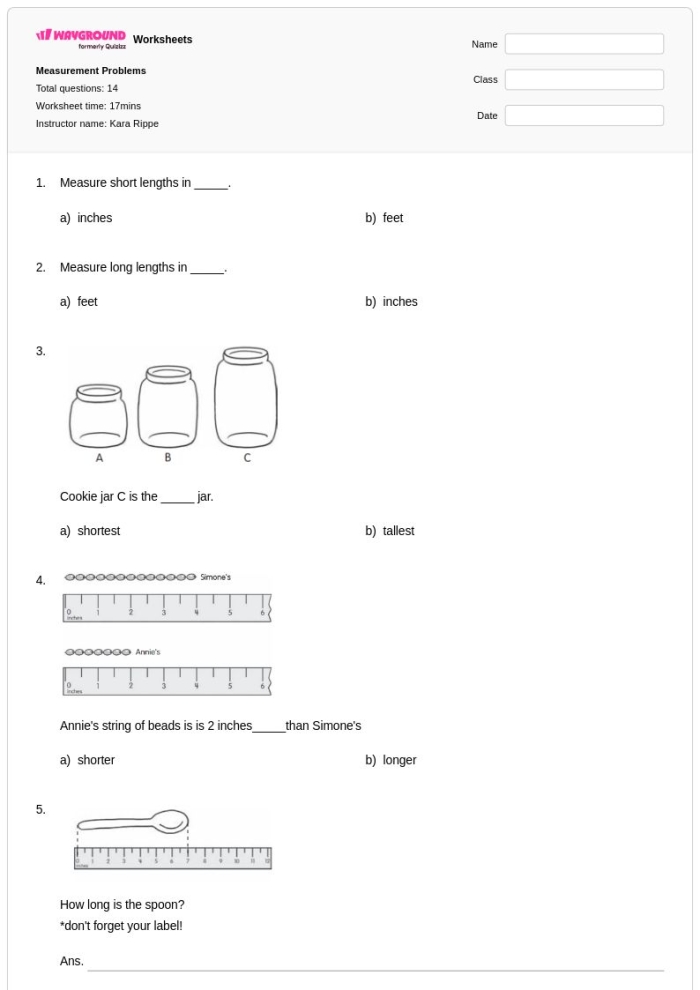
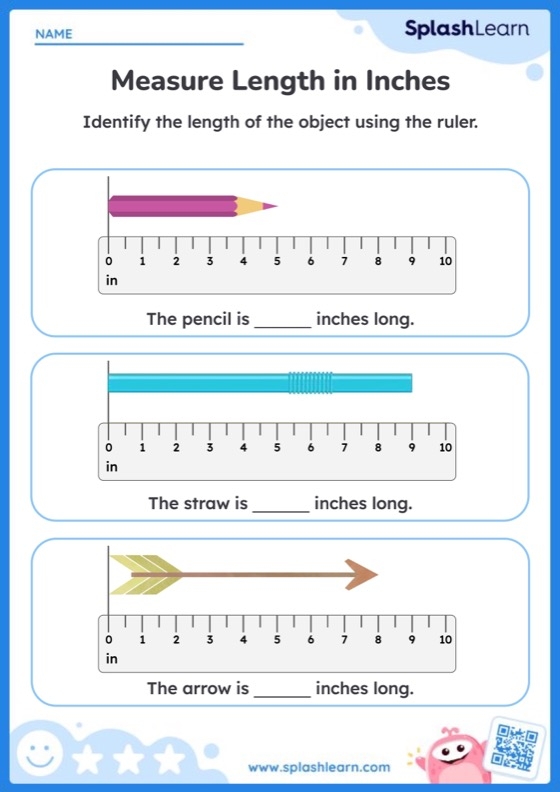
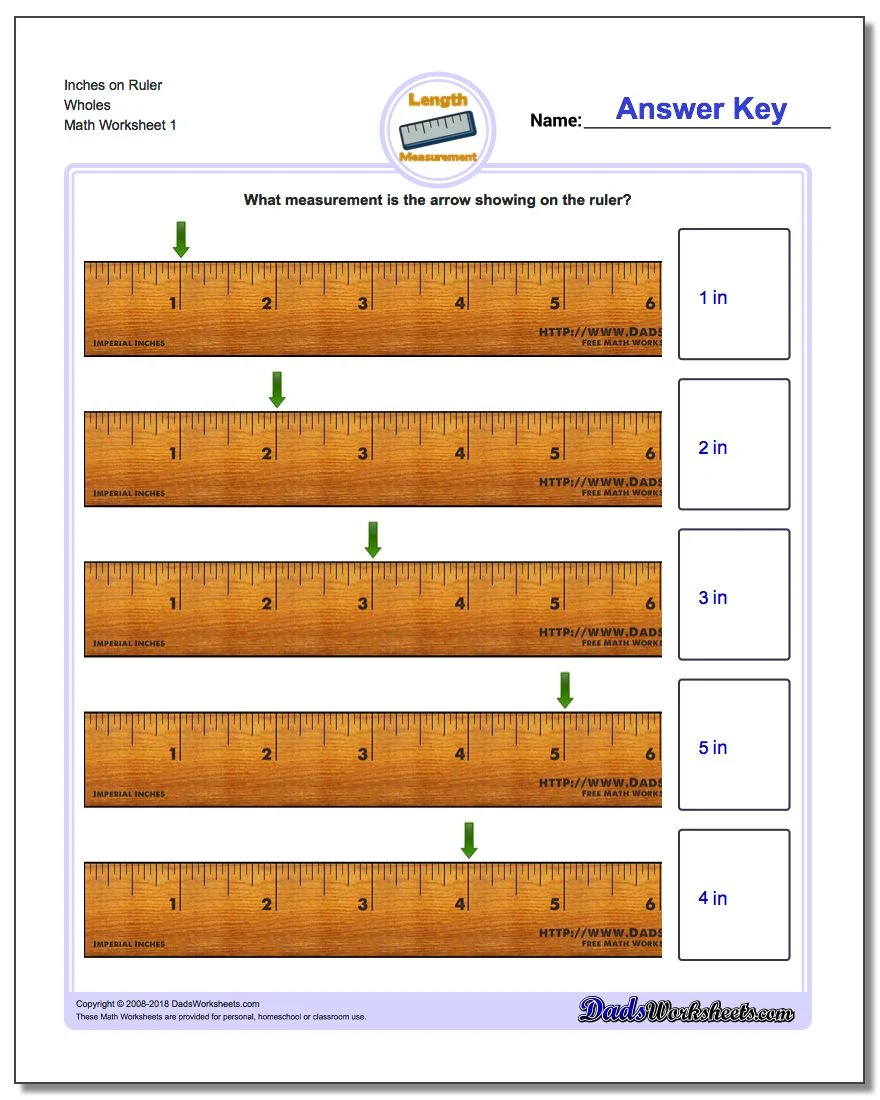
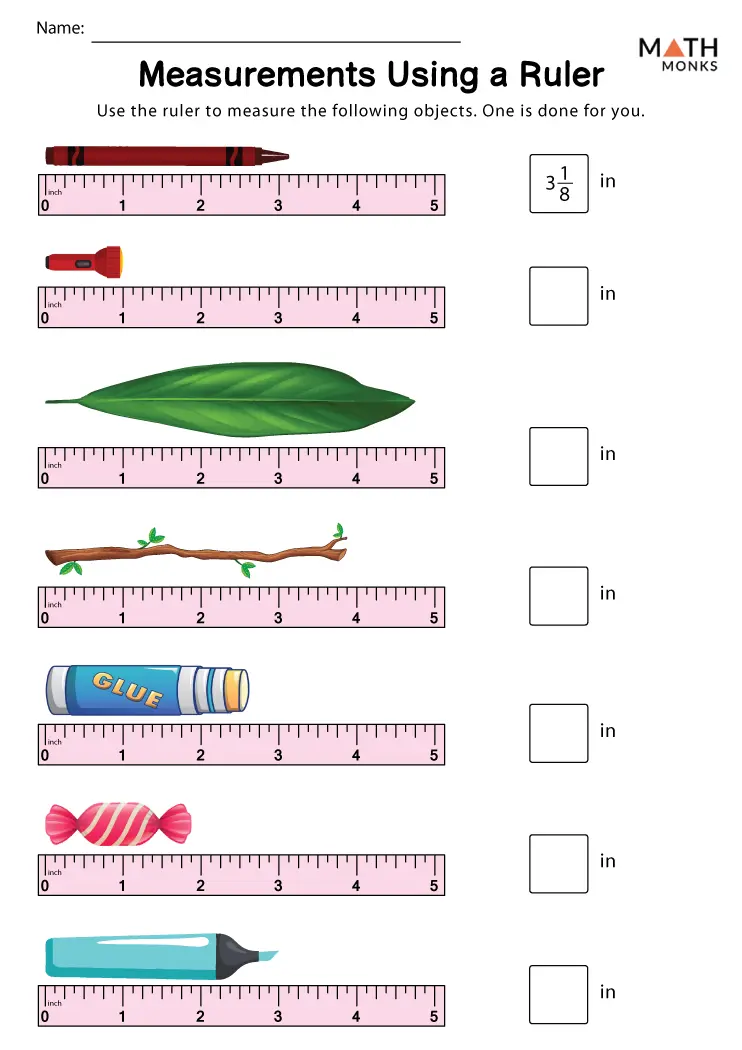
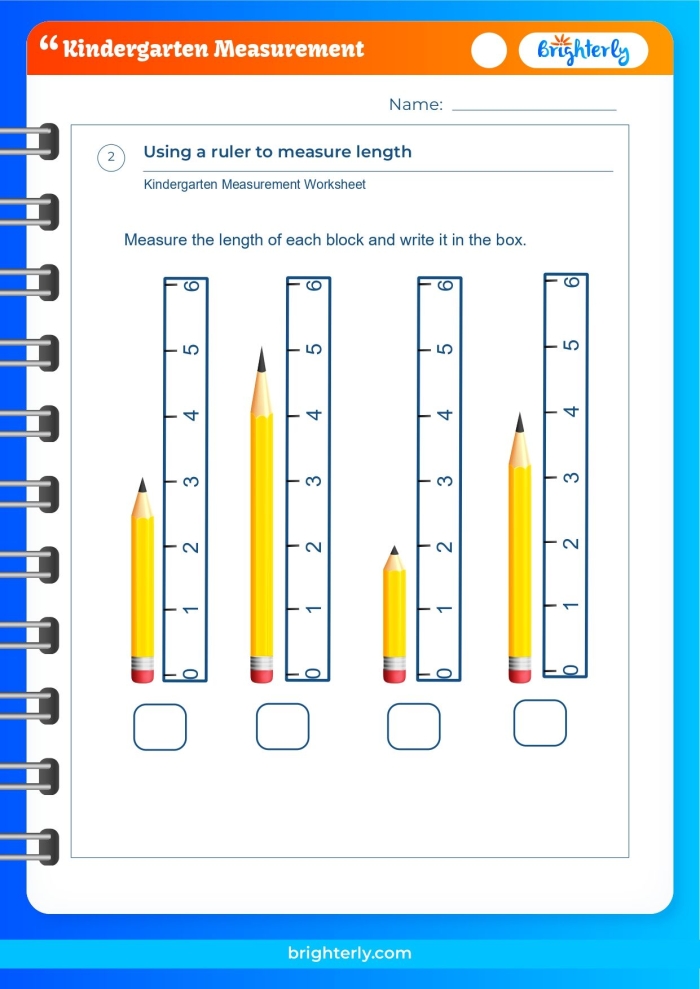
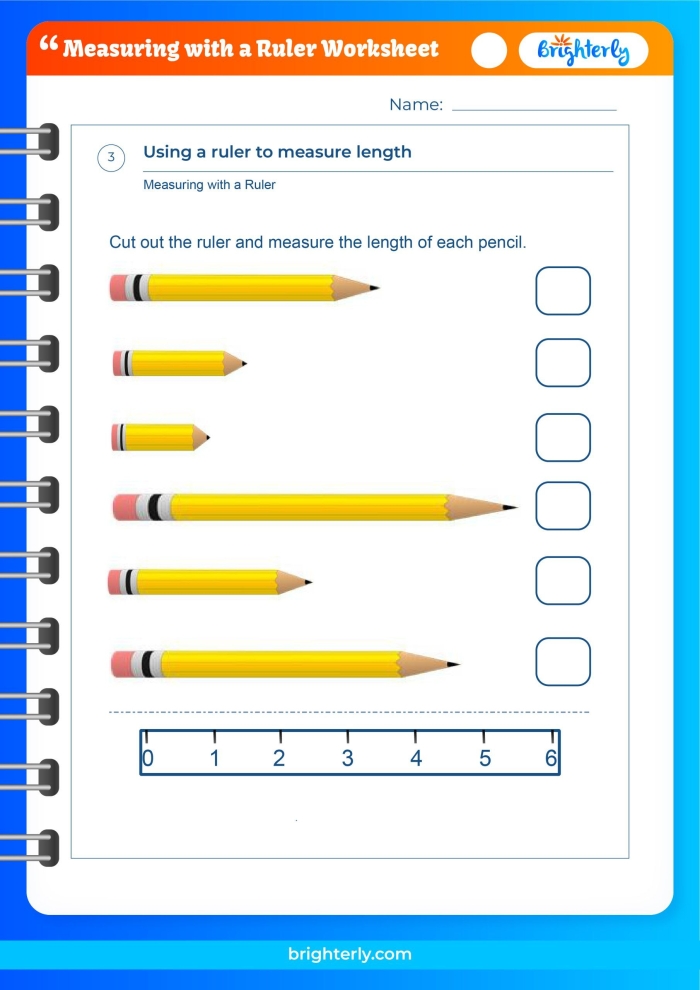
Using a ruler introduces length measurement in a hands-on way. Second graders need practice aligning objects correctly with the starting edge and reading the numbers accurately. A good measurement practice test includes various ruler activities: measuring objects to the nearest inch or centimeter, comparing lengths, and estimating measurements before checking with tools.
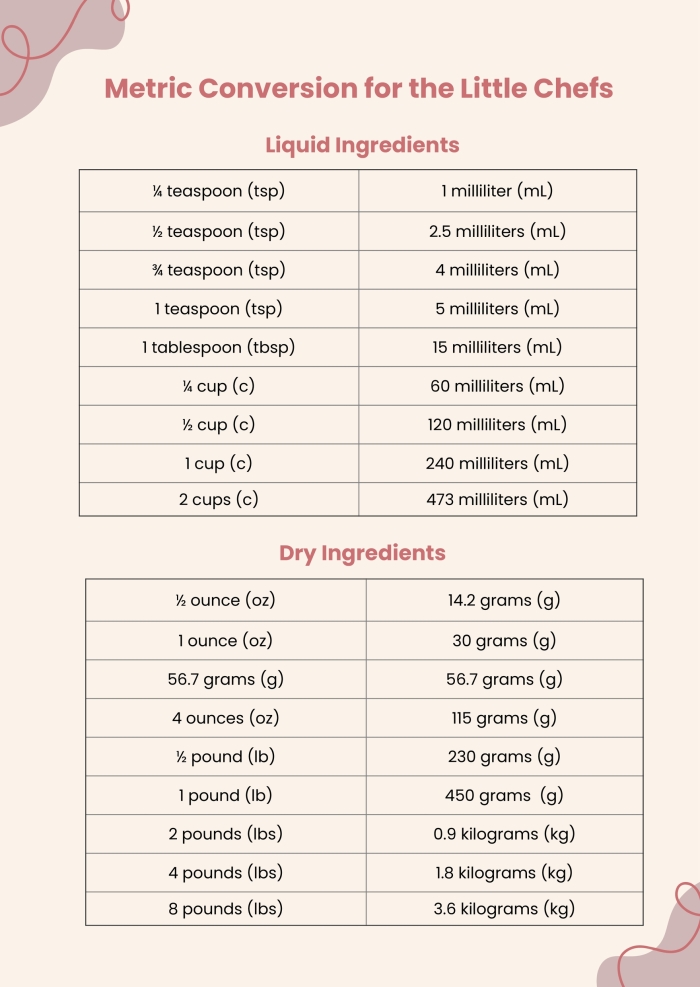
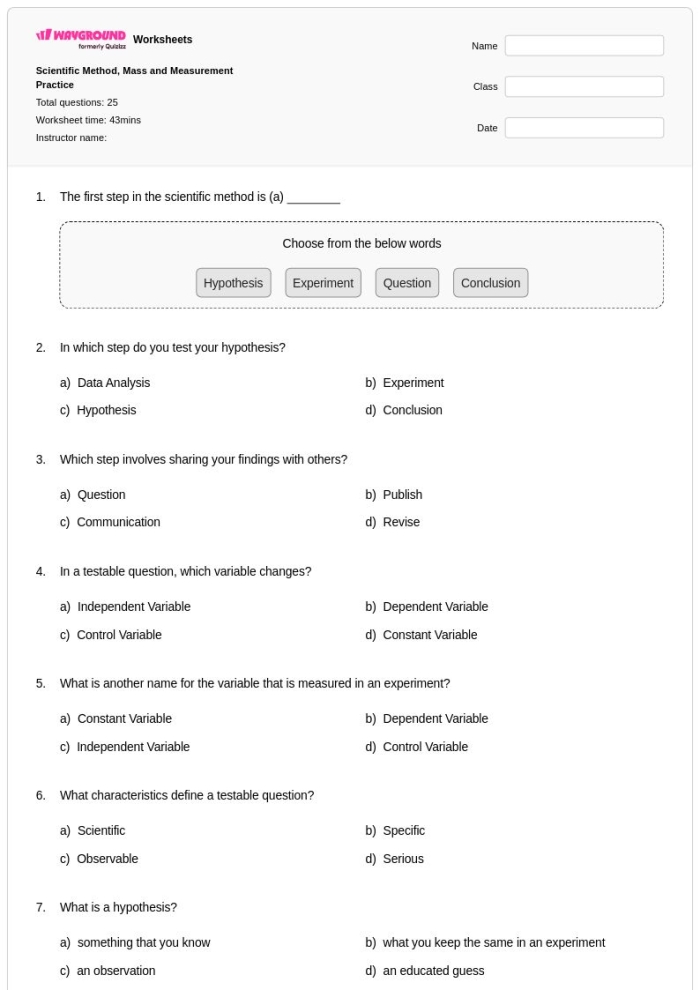
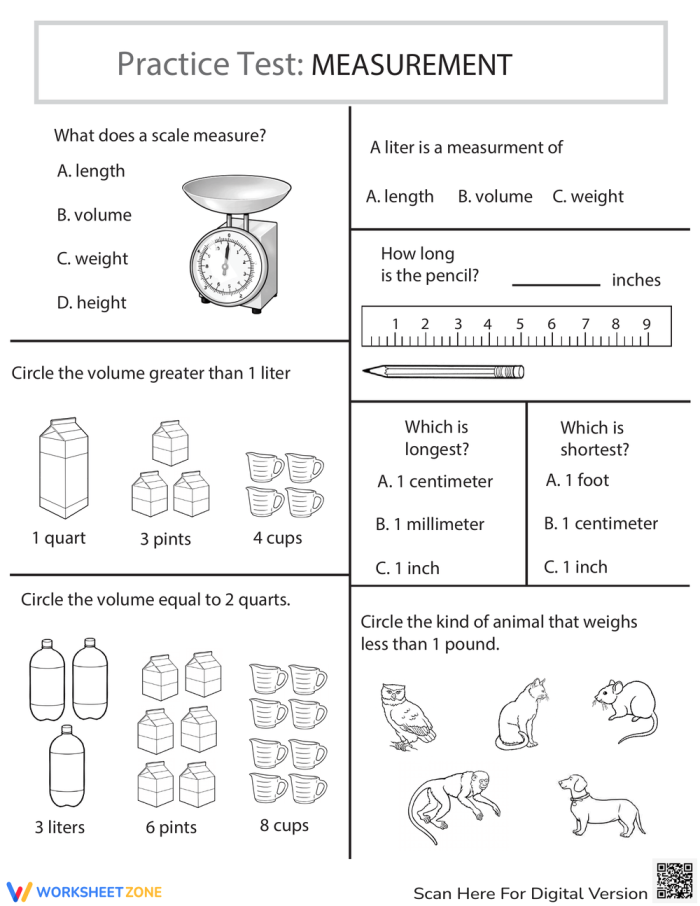
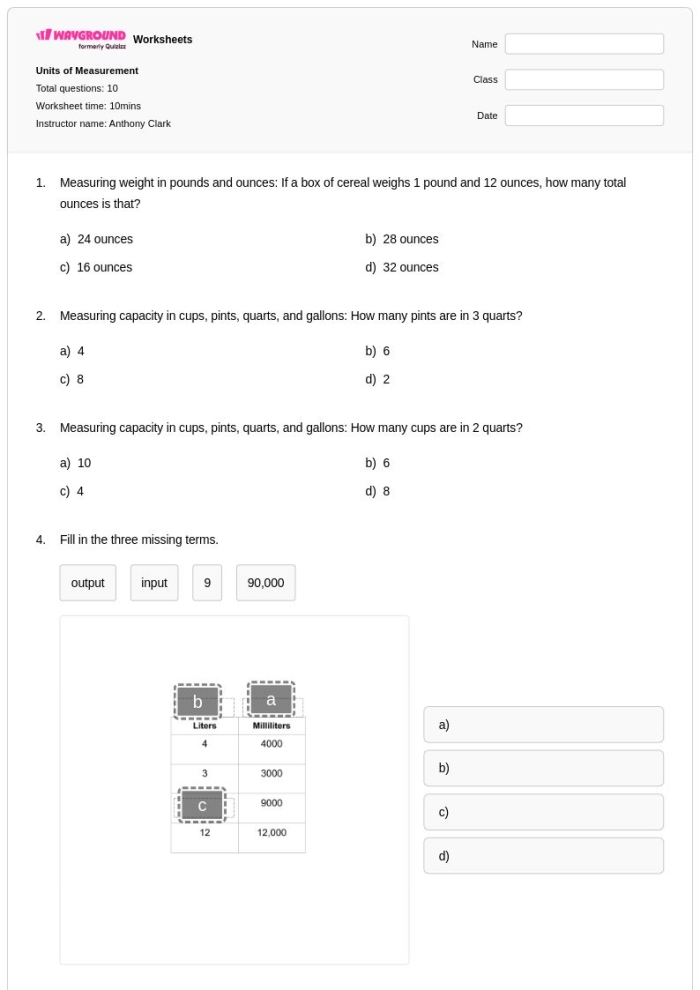
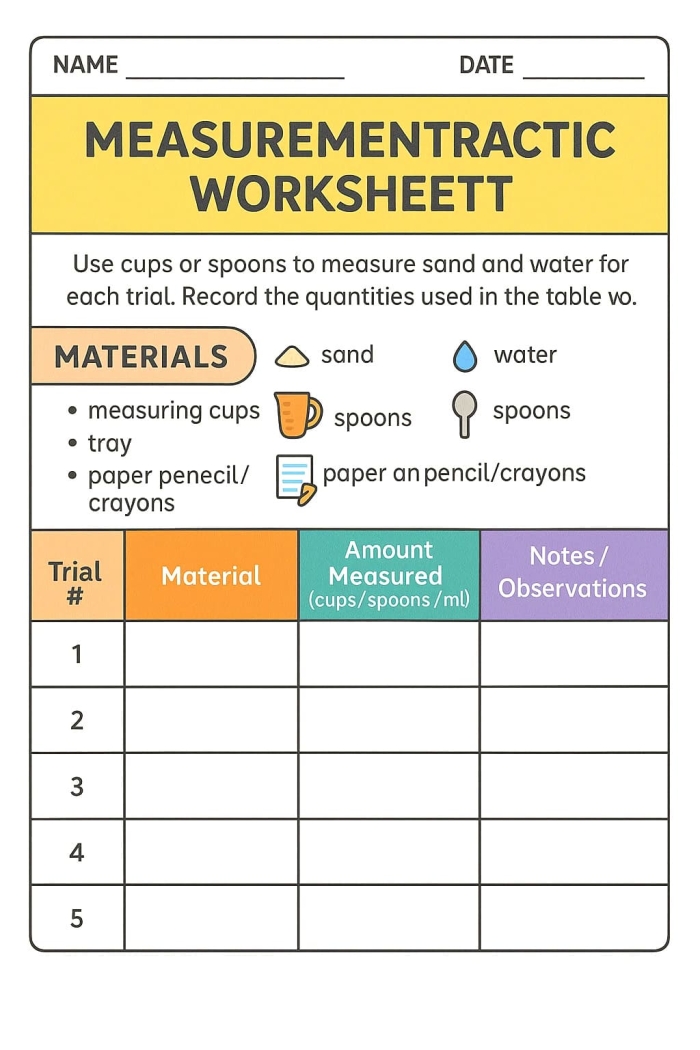
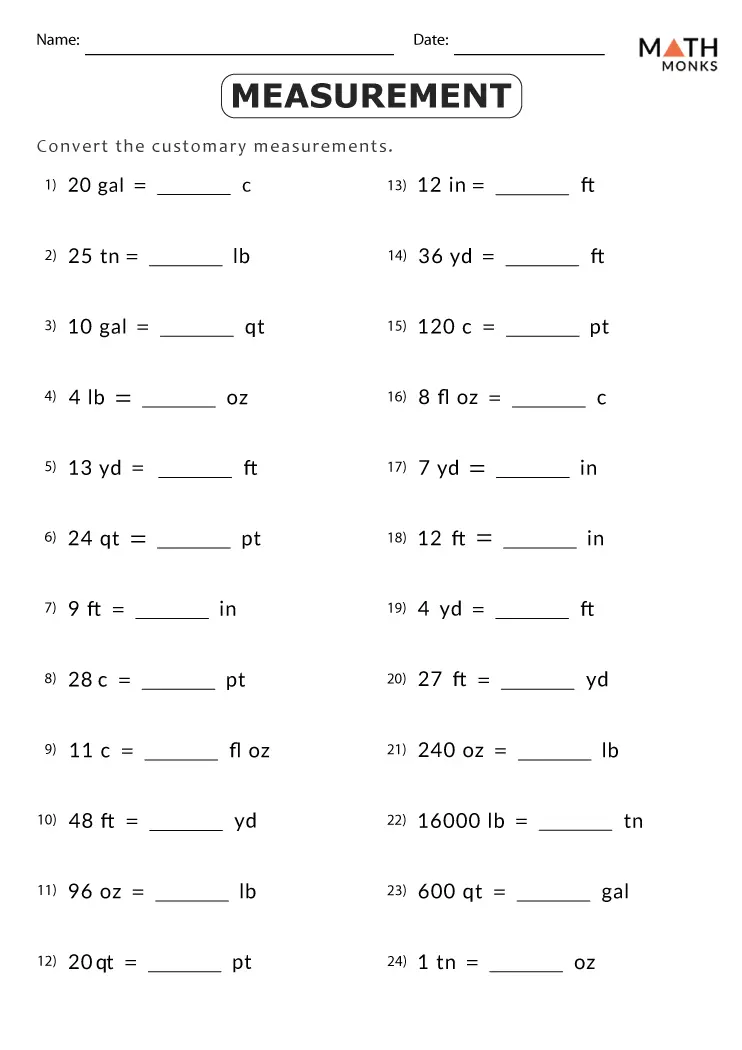
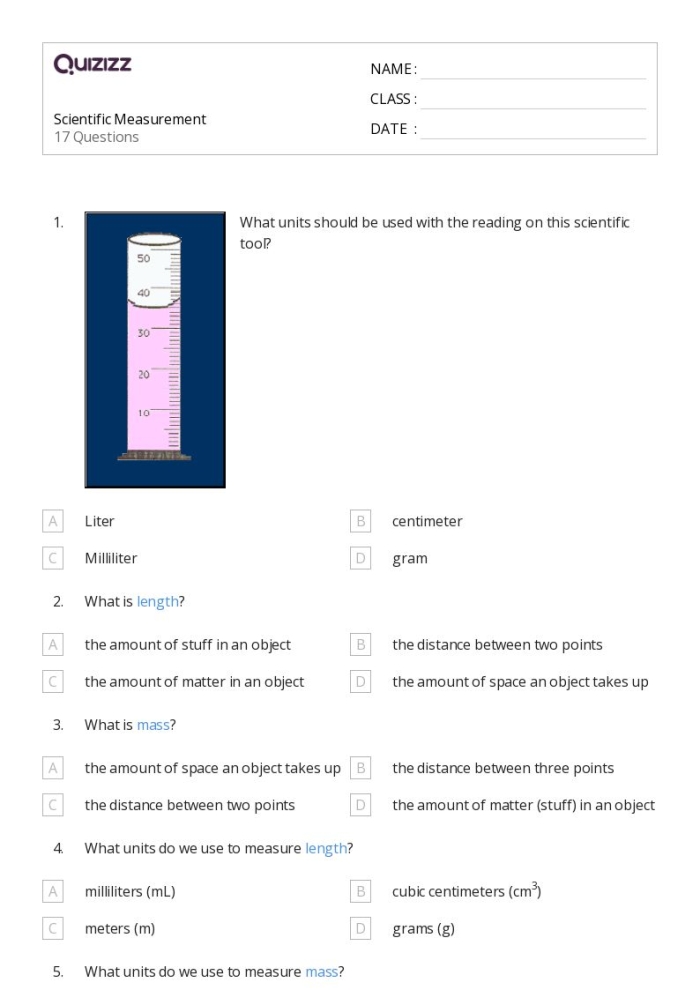
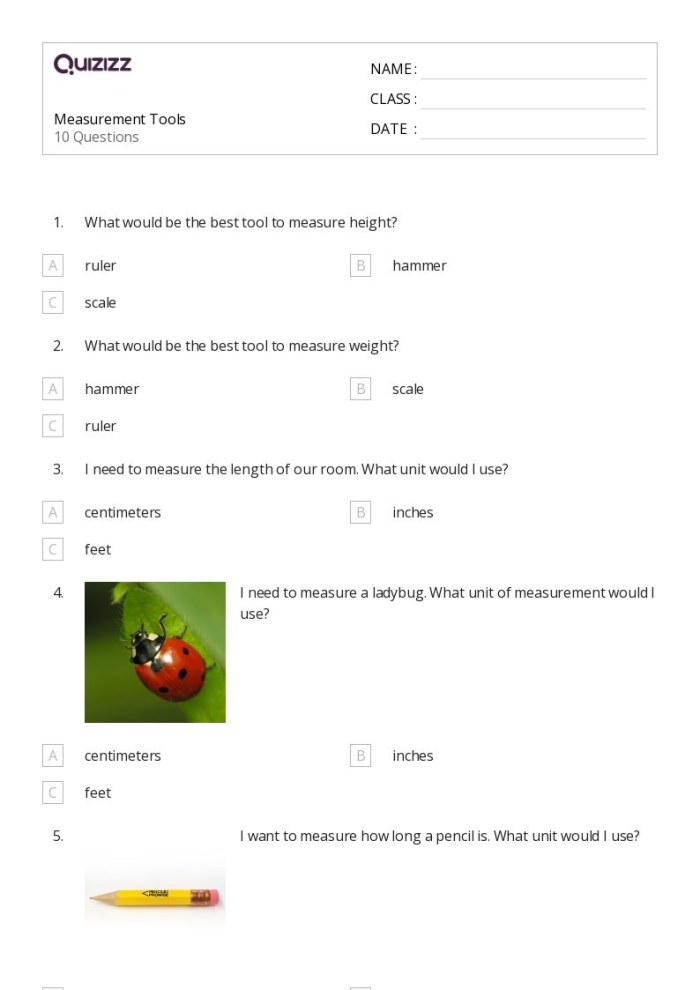
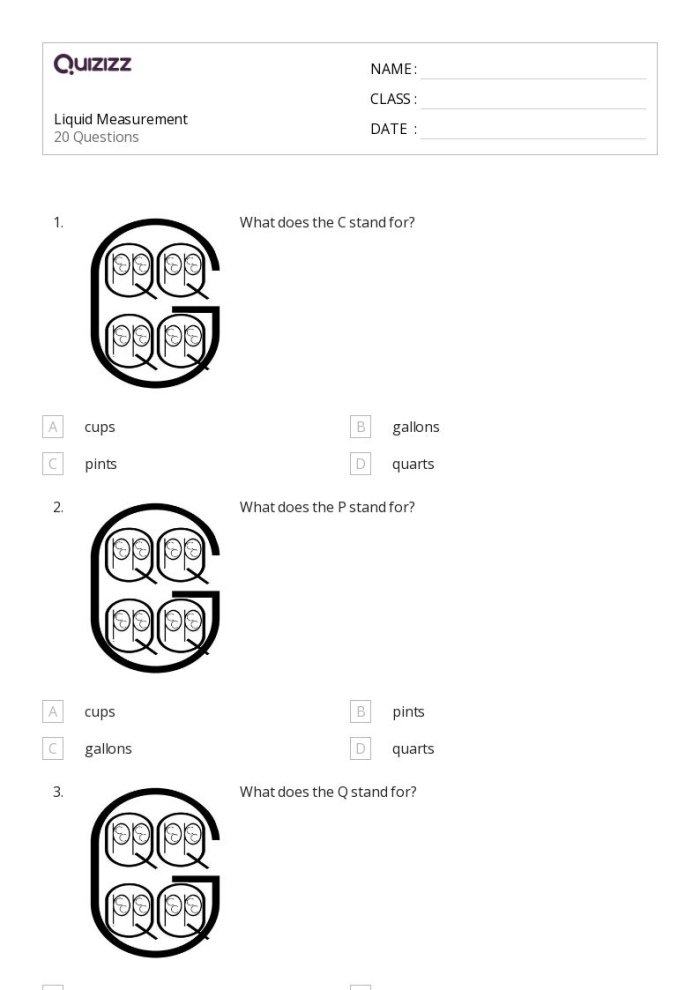
Beyond these basics, a comprehensive review covers additional measurement skills. Students work with weight, capacity, and temperature. They compare objects using words like heavier, lighter, taller, and shorter. They also begin understanding that different tools serve different purposes, which connects to broader geometry concepts.
The strength of a measurement review quiz lies in its variety. By mixing calendar work, ruler practice, and other measurement types, students see that measurement appears everywhere. This approach also keeps the practice engaging rather than repetitive. When students encounter word problems that require understanding prefixes and suffixes, they can often decode measurement vocabulary more easily.
Printable measurement practice test worksheets give teachers and parents a structured way to assess where second graders stand. These tools reveal which students need more ruler practice, which understand time concepts, and which benefit from additional hands-on exploration with real objects and actual measuring experiences.
Hands-On Worksheet Activities