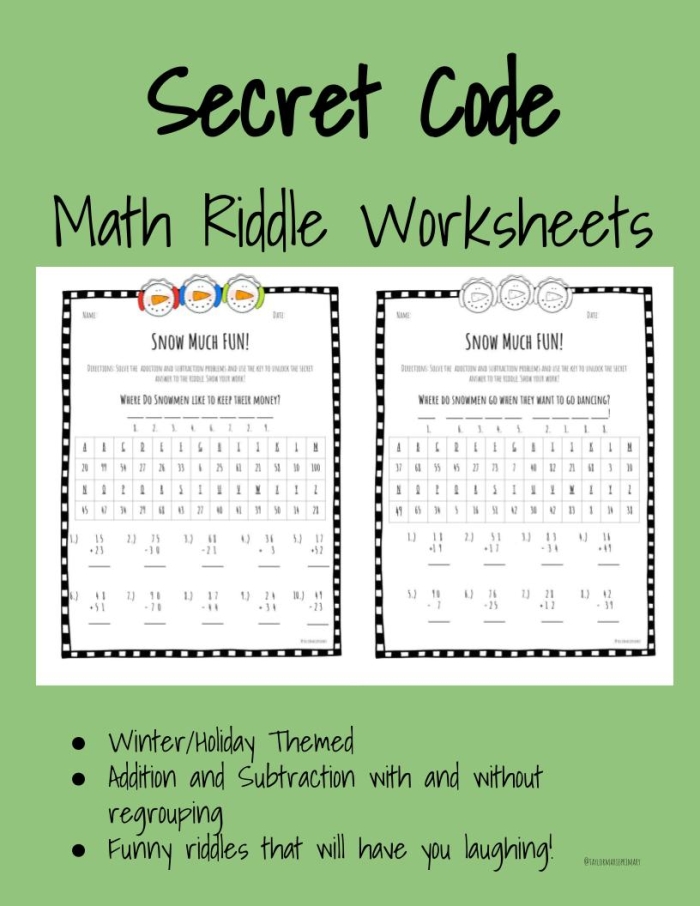
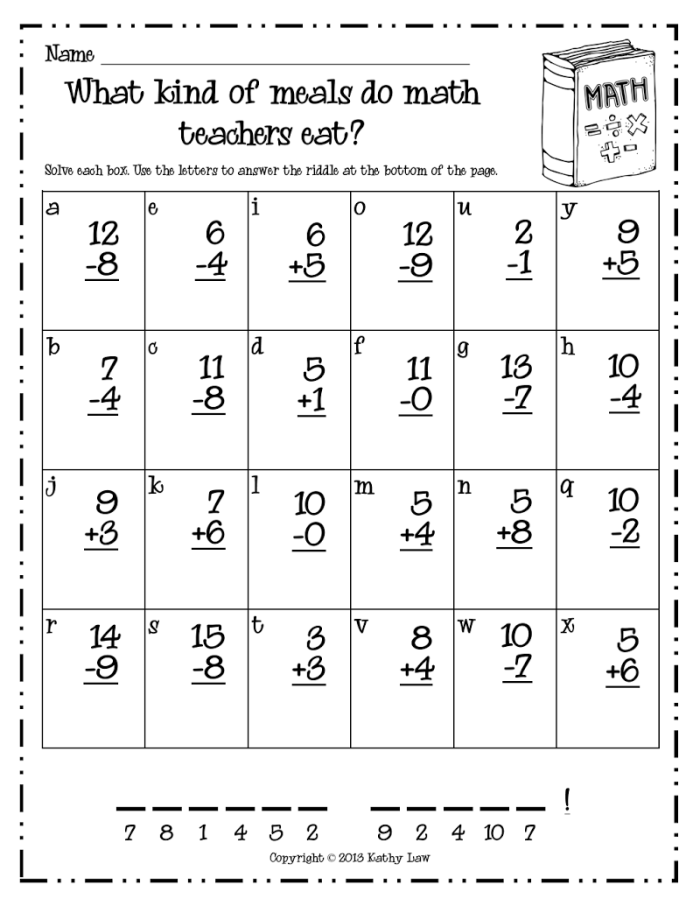
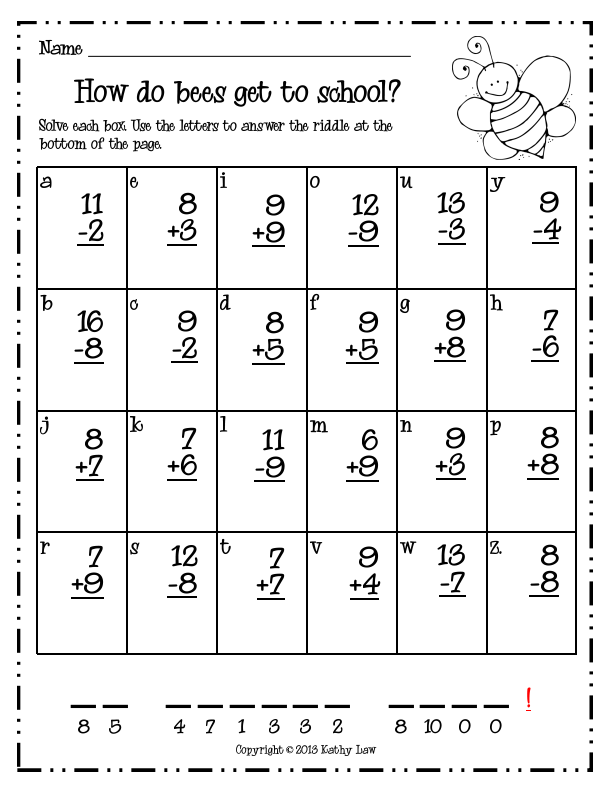
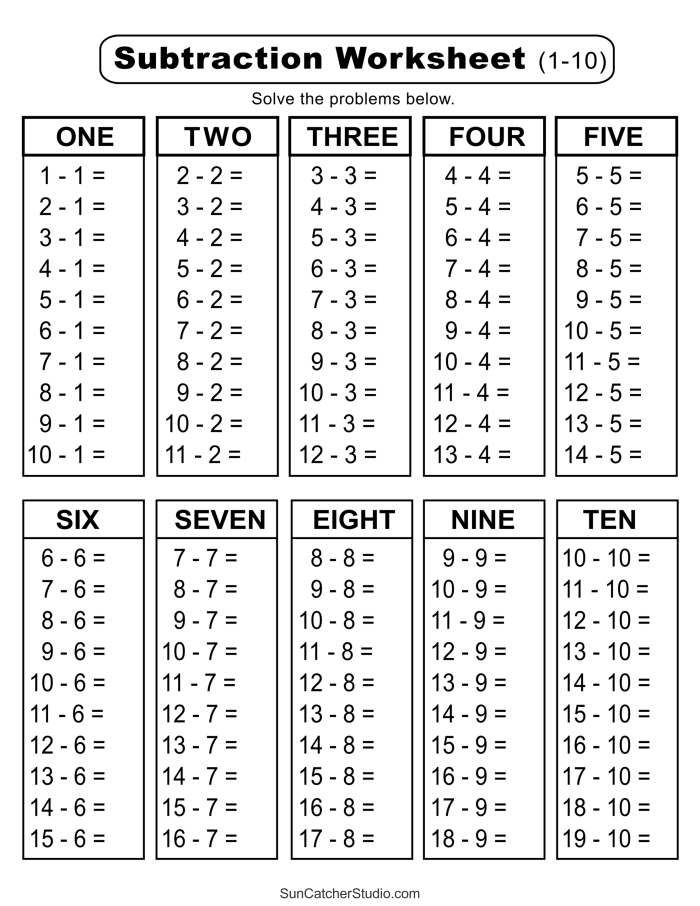
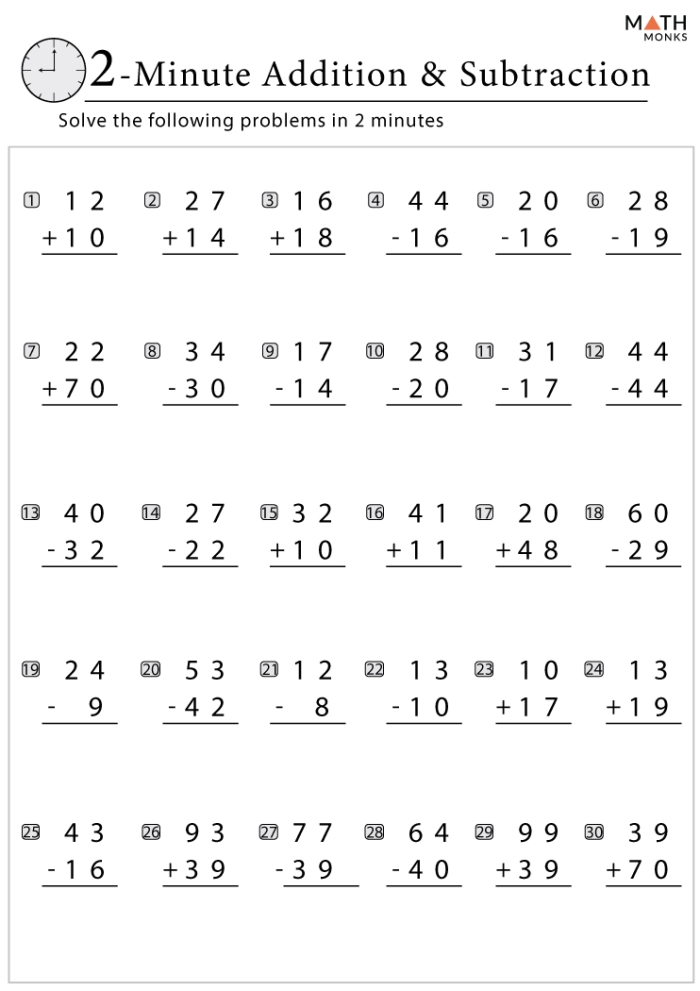
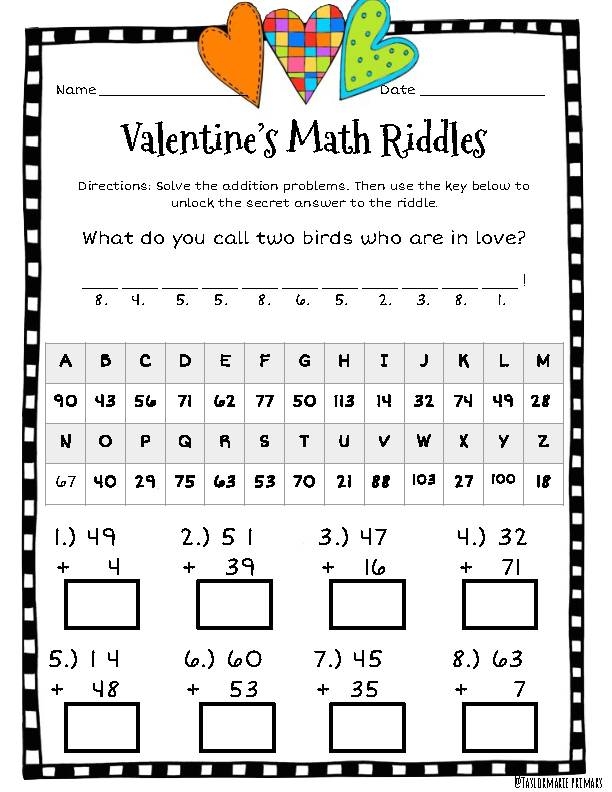
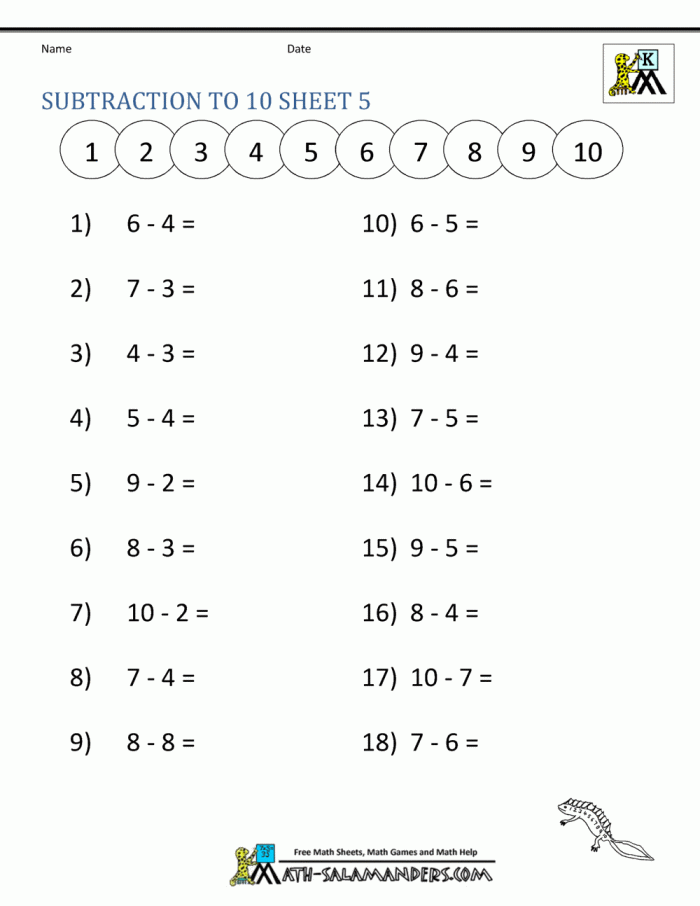
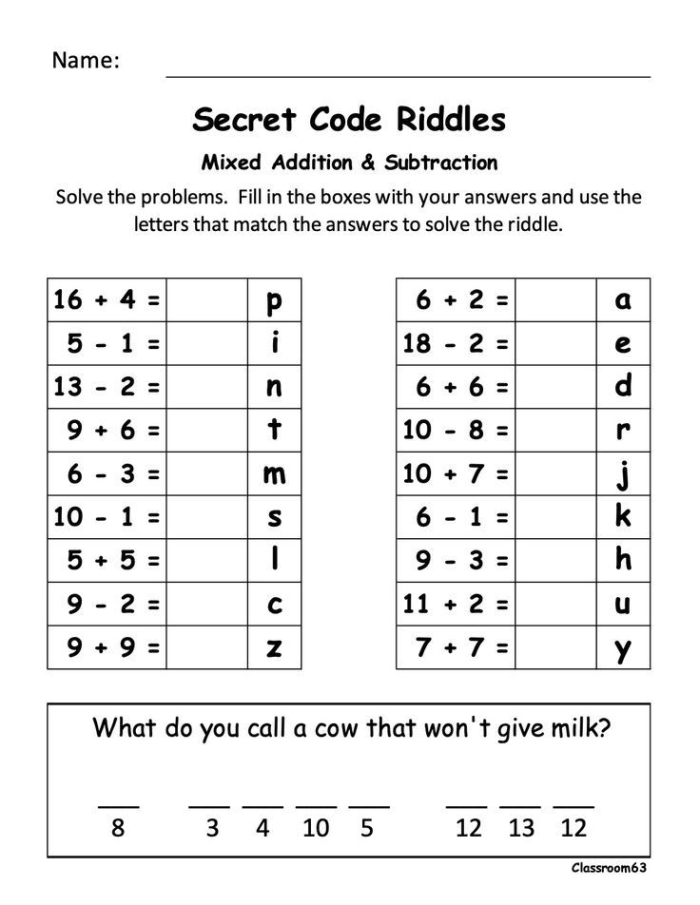
Kids love a good mystery, and this worksheet taps into that natural curiosity by wrapping math practice inside a riddle about why lobsters refuse to share. The premise is simple but effective: students solve addition and subtraction problems to unlock the punchline, making every calculation feel purposeful rather than rote.
The riddle structure works because it gives children a reason to care about getting the answers right. Instead of solving problems in isolation, they’re collecting clues that build toward a satisfying reveal. This approach transforms what could feel like tedious drill work into something closer to a game. Third grade students, who are still developing their computational fluency, benefit from this kind of motivation.
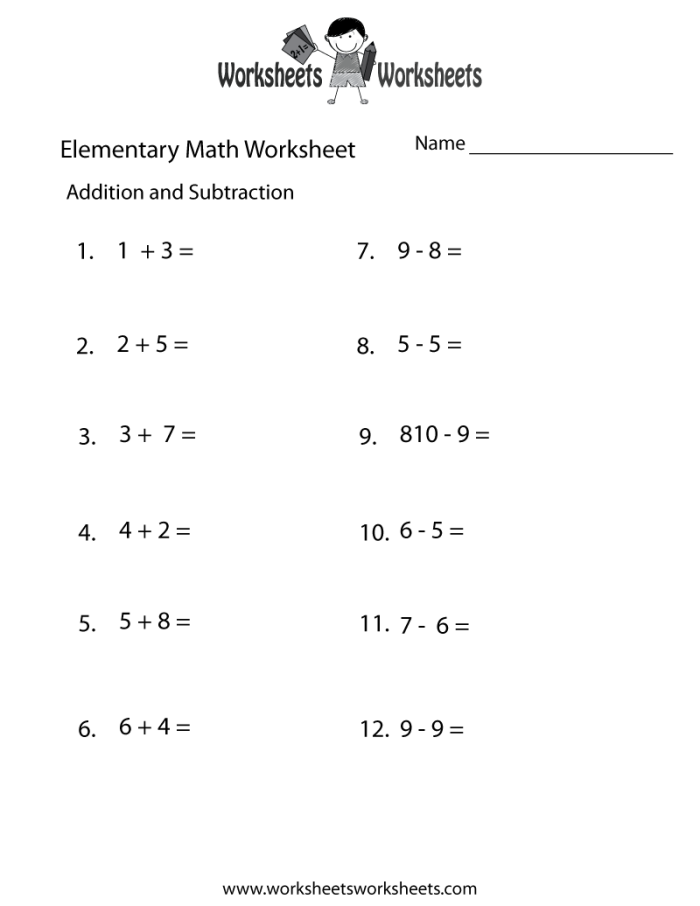
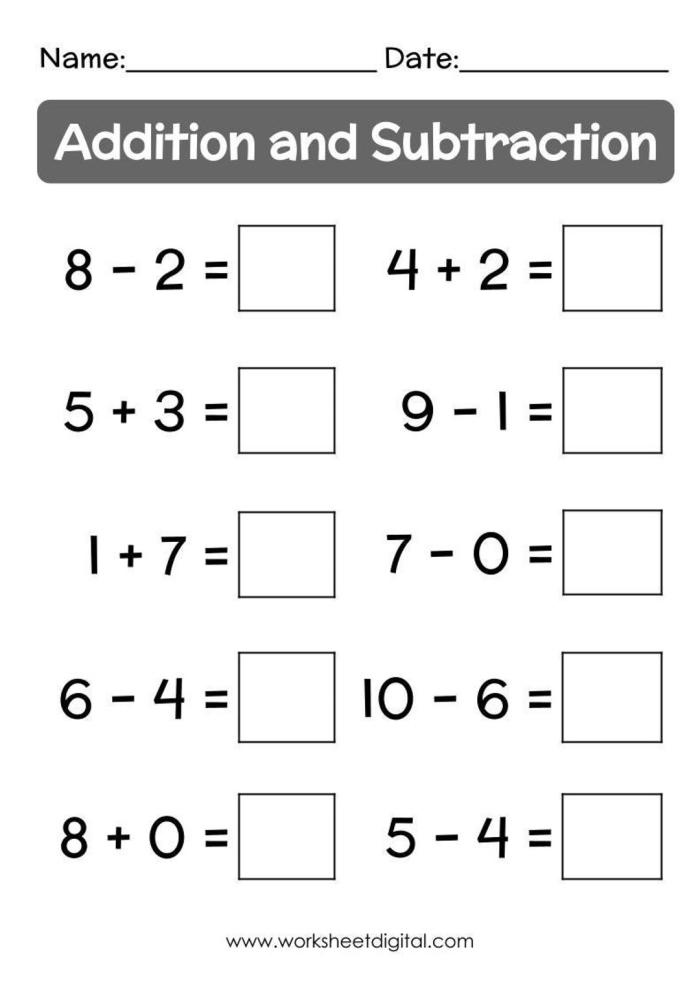
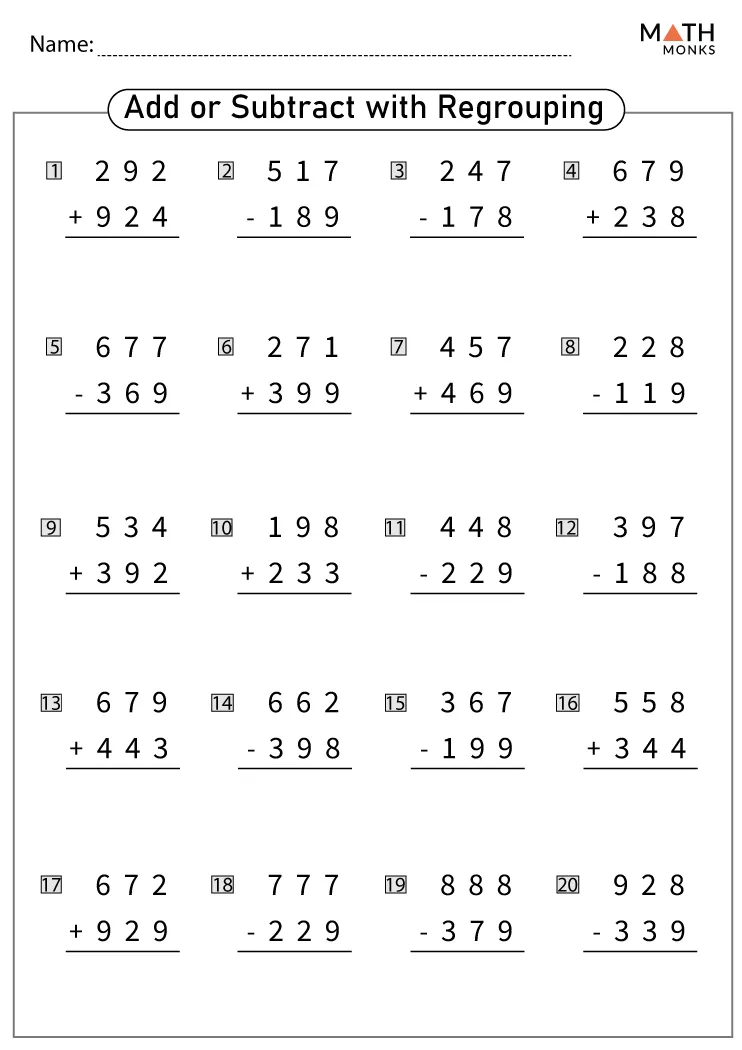
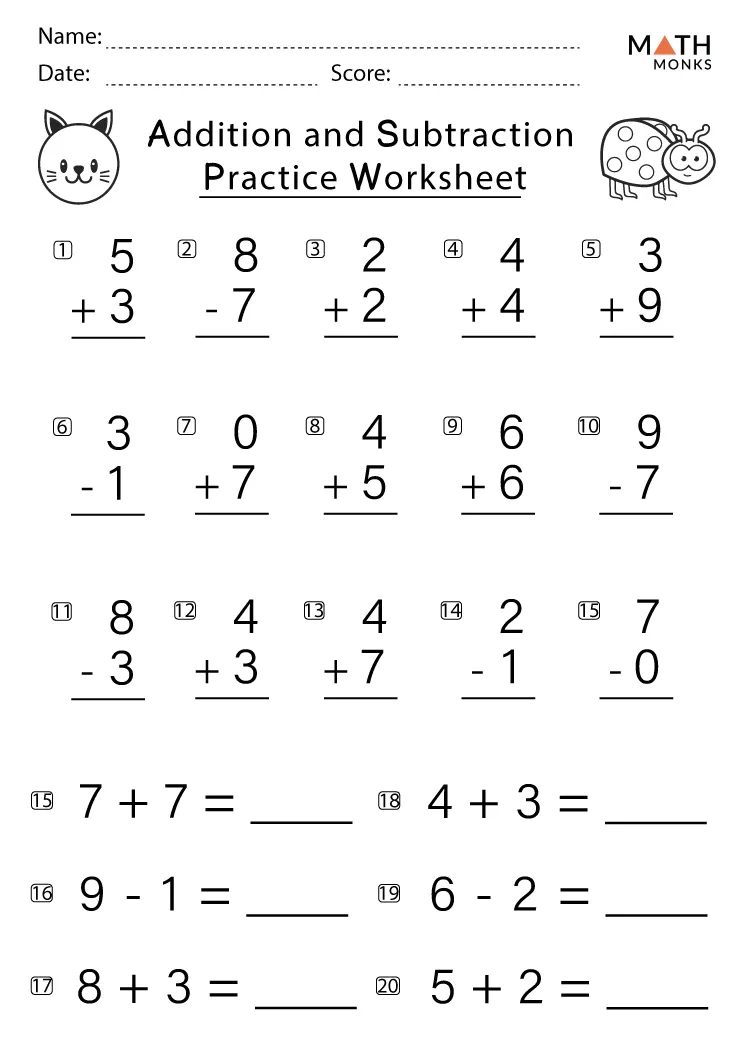
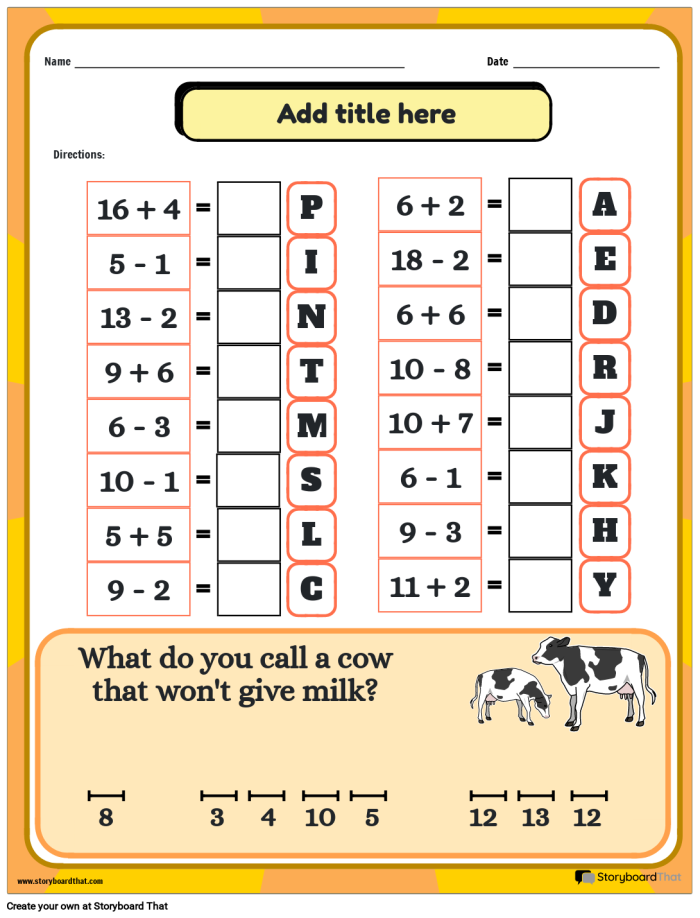
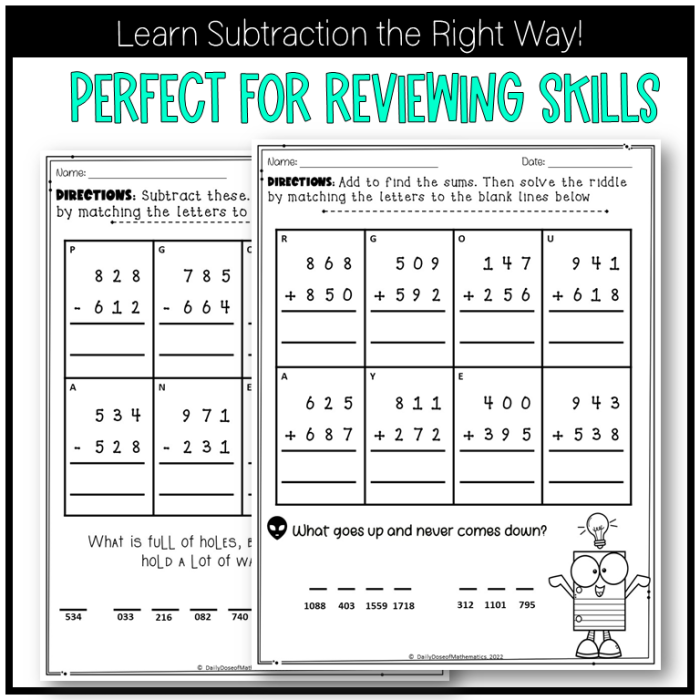
The worksheet typically presents a series of addition and subtraction problems, each with an answer that corresponds to a letter or word fragment. As students work through the problems correctly, they gradually piece together the answer to the lobster riddle. The difficulty level sits right in the sweet spot for third grade reading and math skills, challenging without overwhelming.
What makes this format particularly useful is that it naturally accommodates mixed ability levels. Faster students can move through the problems and enjoy solving the riddle early, while others get the practice time they need without feeling rushed. The riddle payoff keeps everyone engaged until completion.
Teachers often pair these riddle worksheets with other third grade materials. You might use this alongside ratio and proportion worksheets to build a complete math unit, or combine it with grammar practice to reinforce language skills in the same session. The riddle format also pairs well with geometry worksheets that require similar problem-solving approaches.
The lobster riddle itself delivers a light punchline that kids find genuinely funny, which matters more than adults might expect. That moment of laughter at the end creates a positive association with math practice, something that carries forward into future learning.
Try These Printable Worksheets