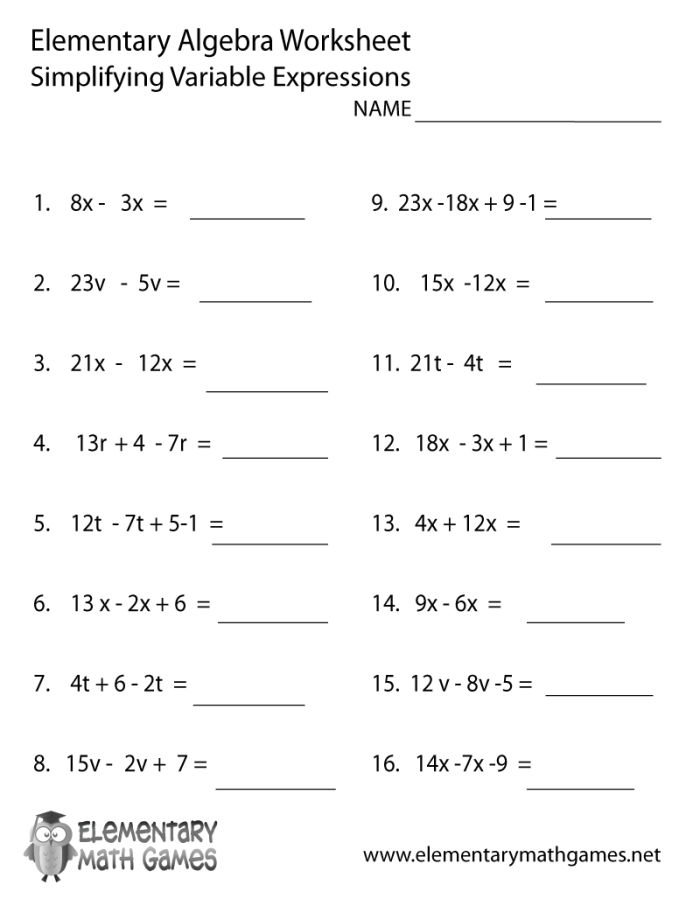
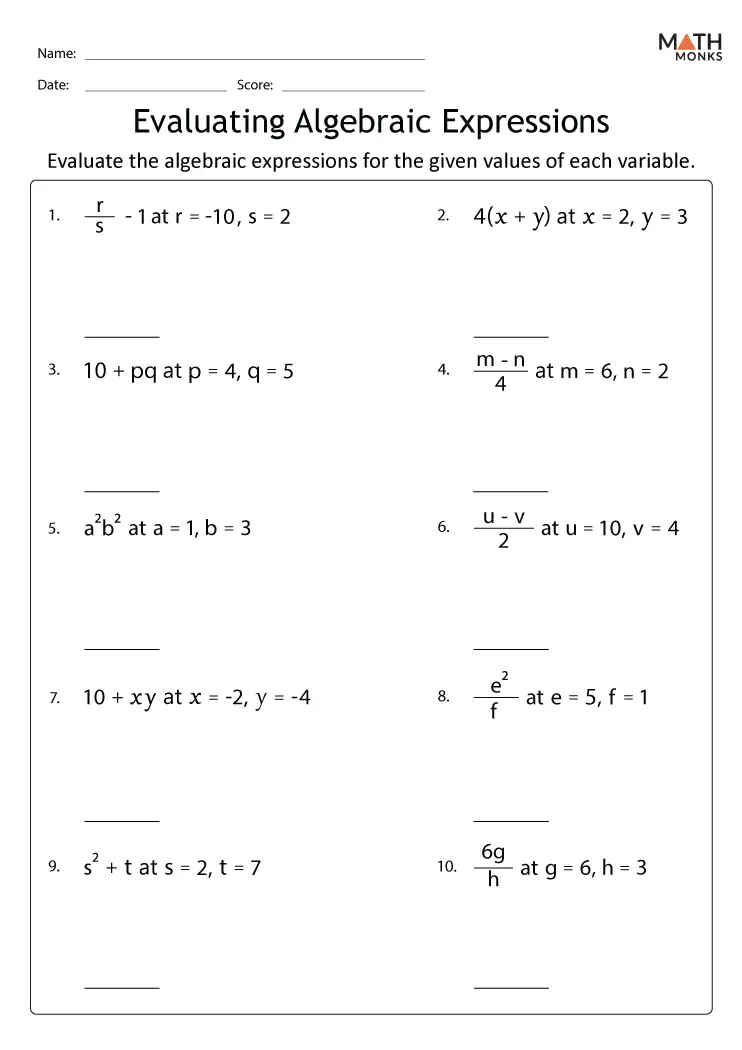
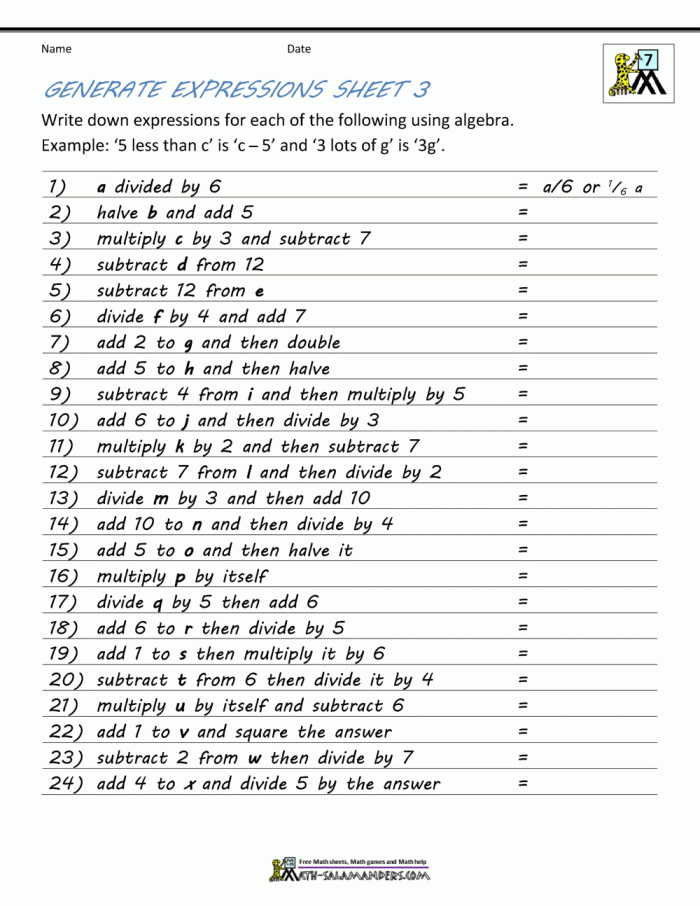
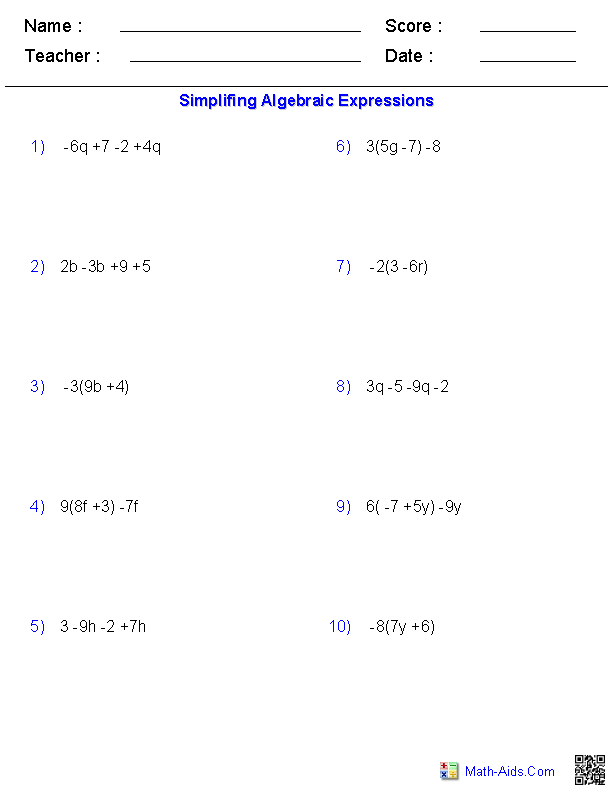
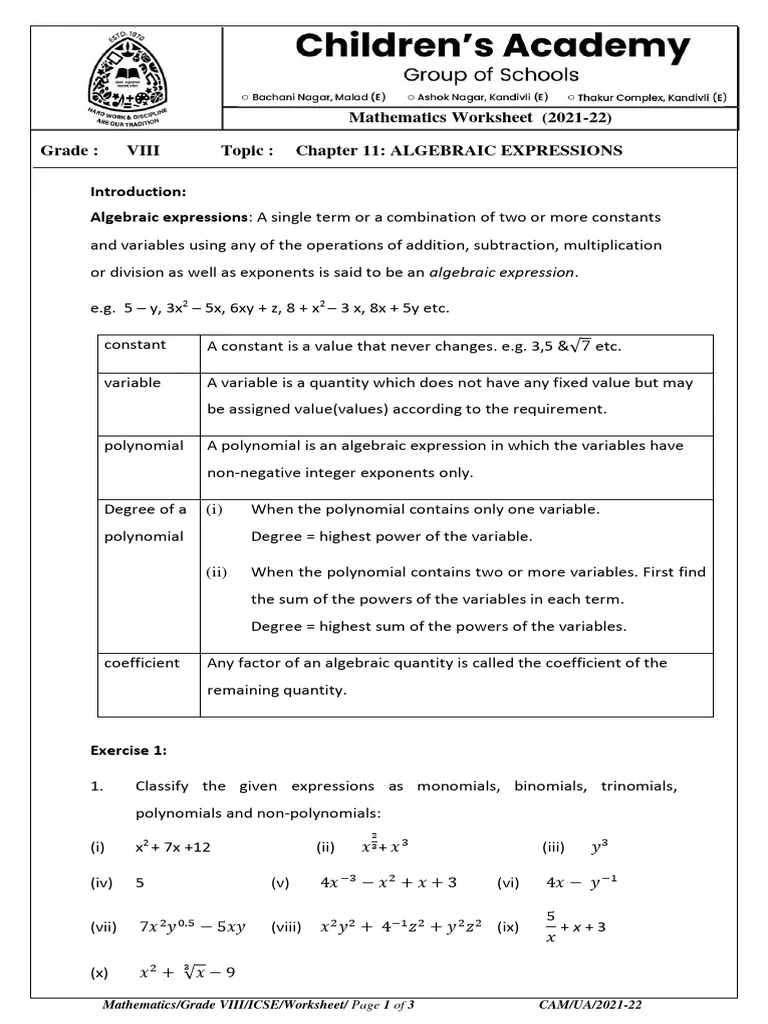
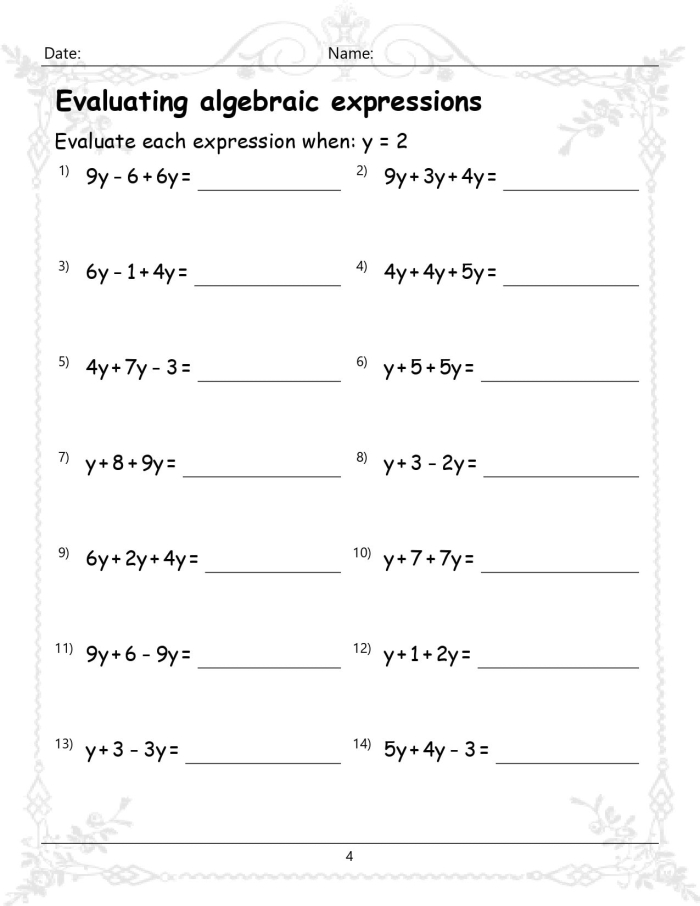
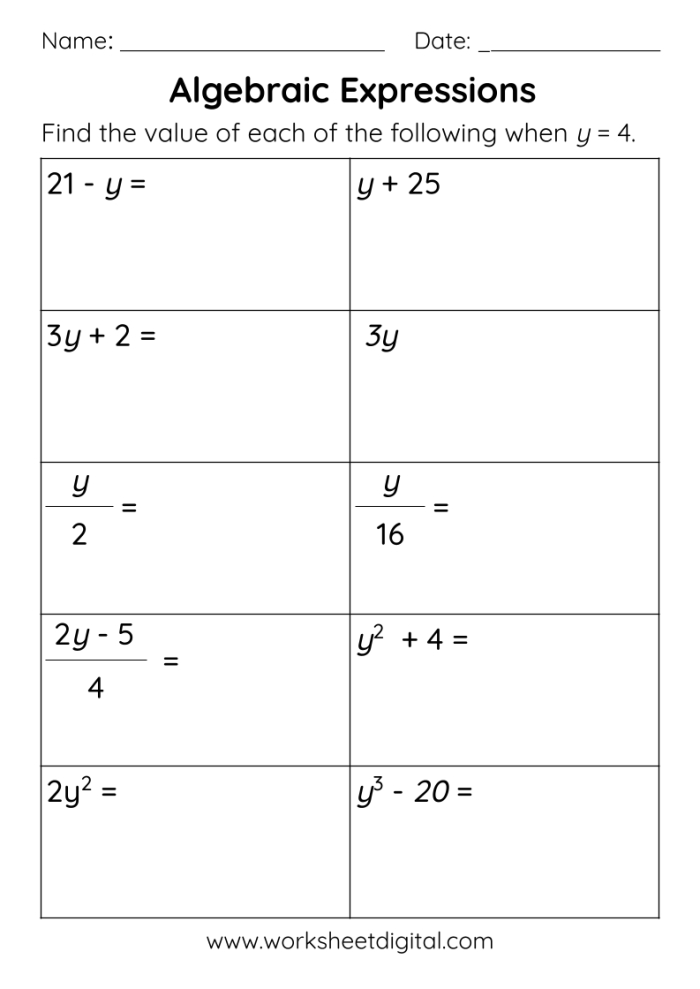
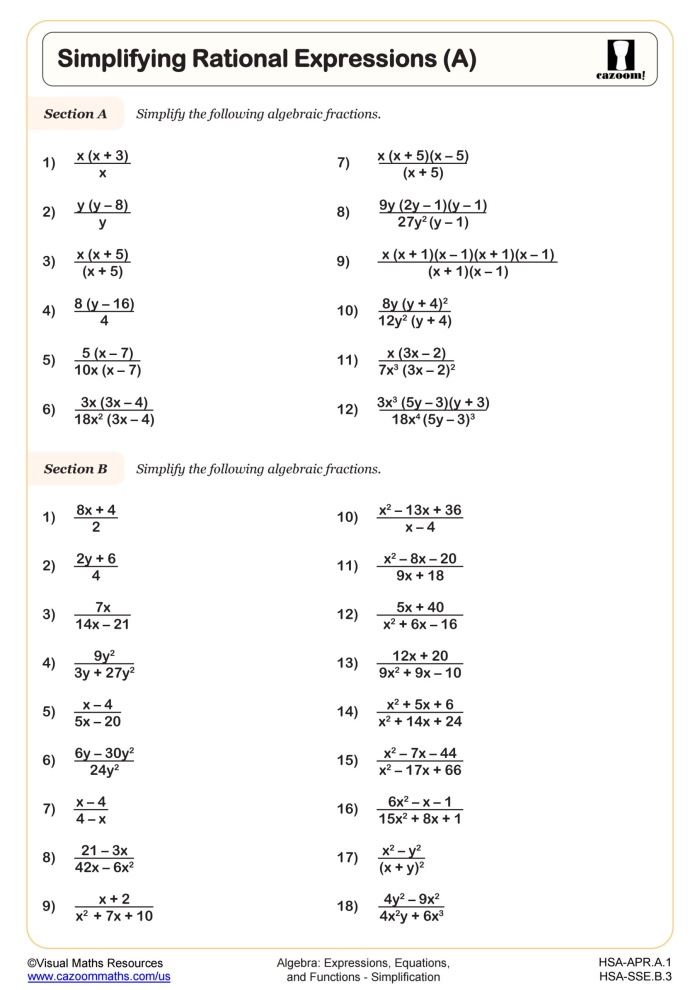
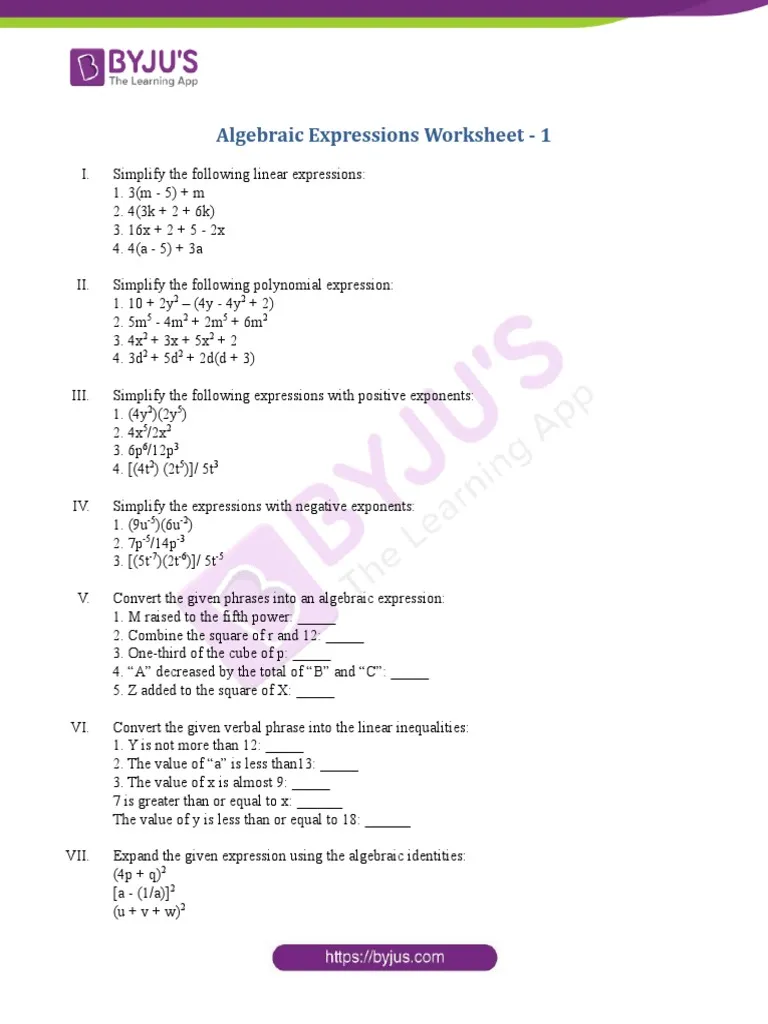
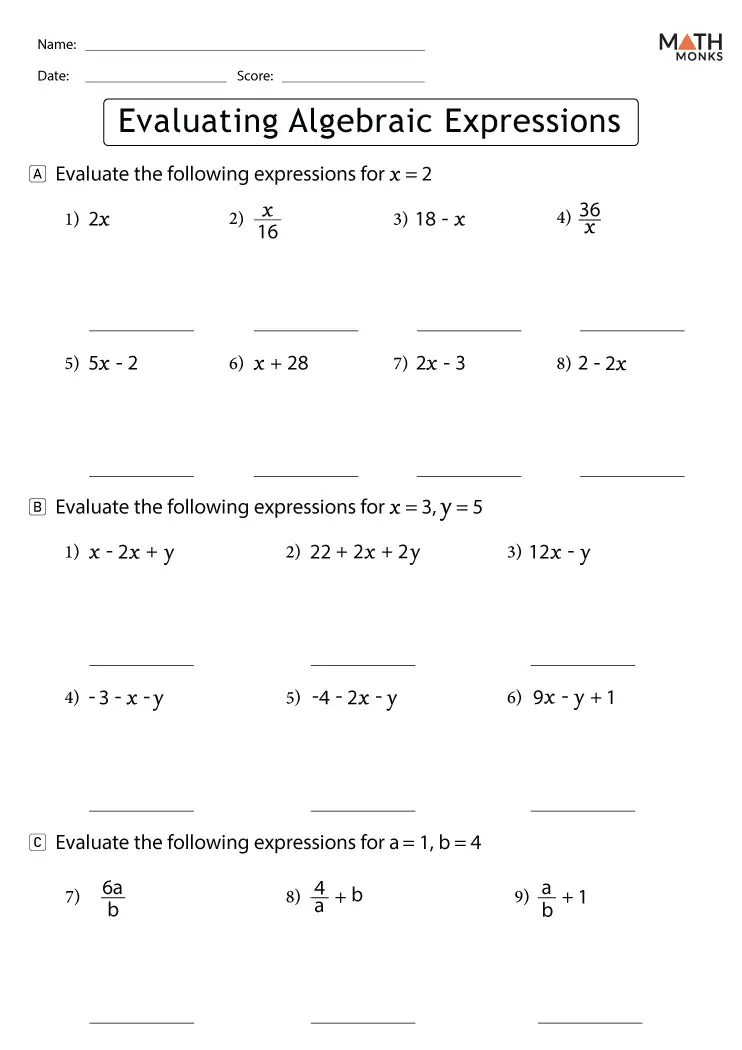
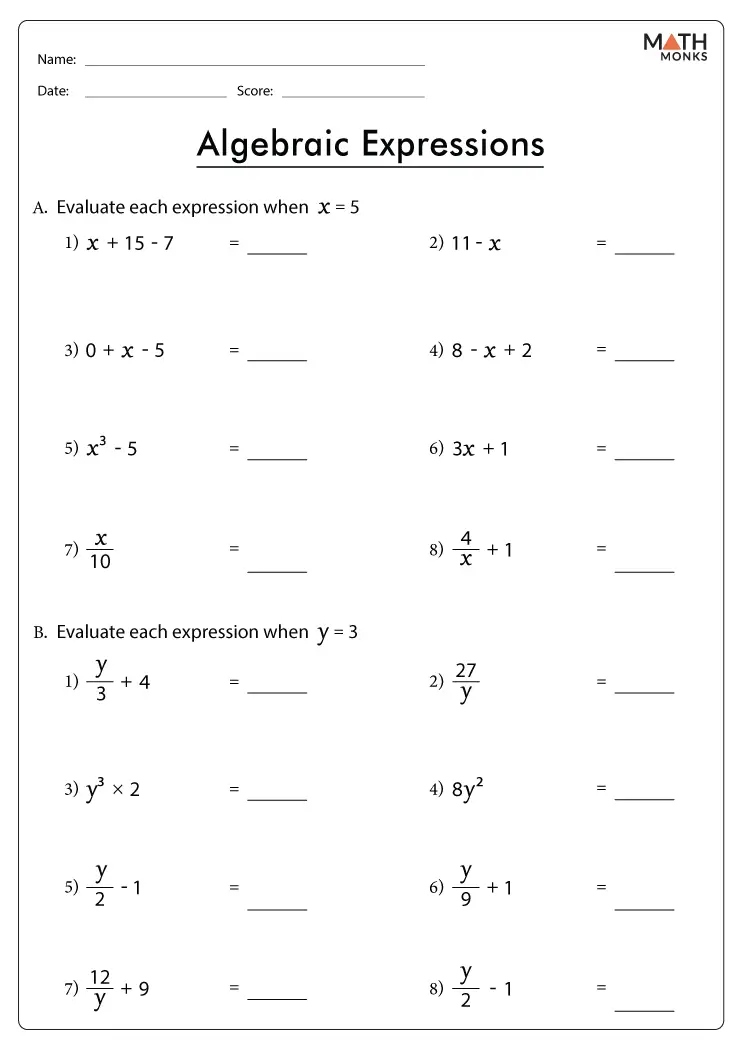
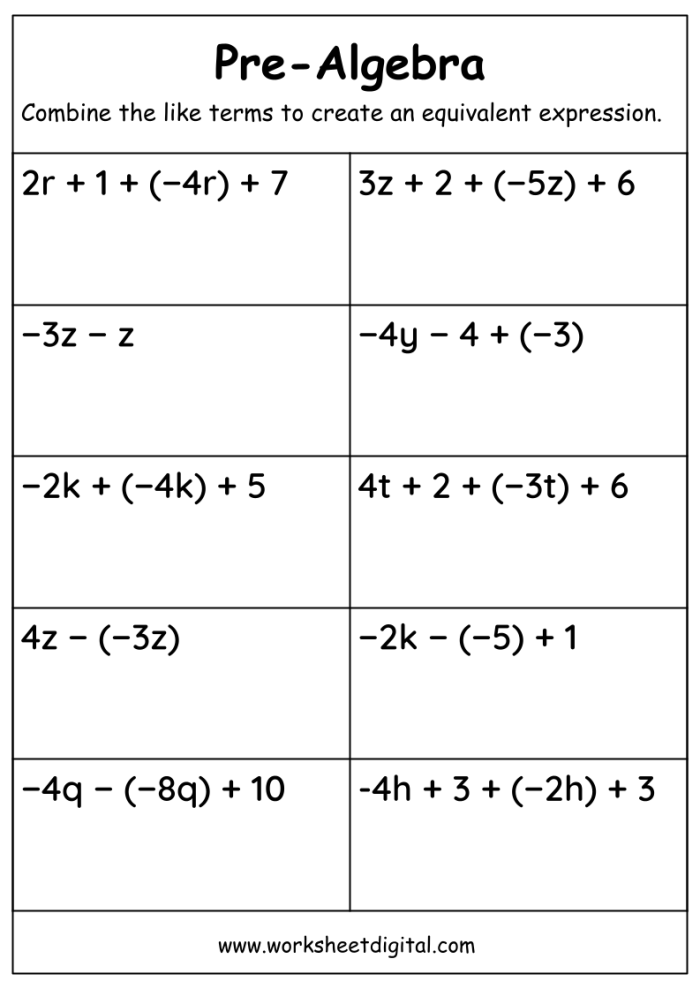
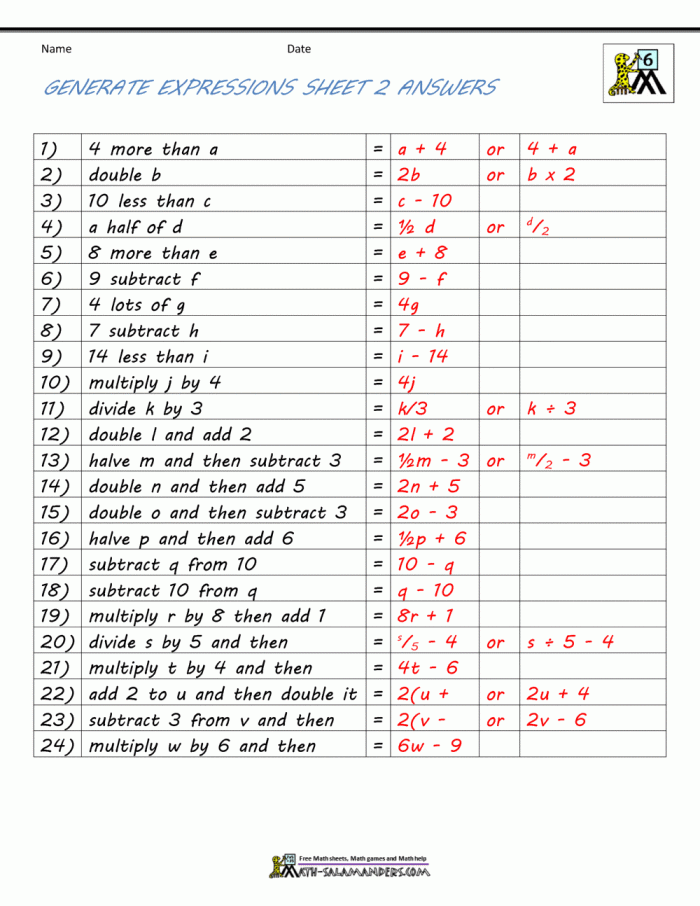
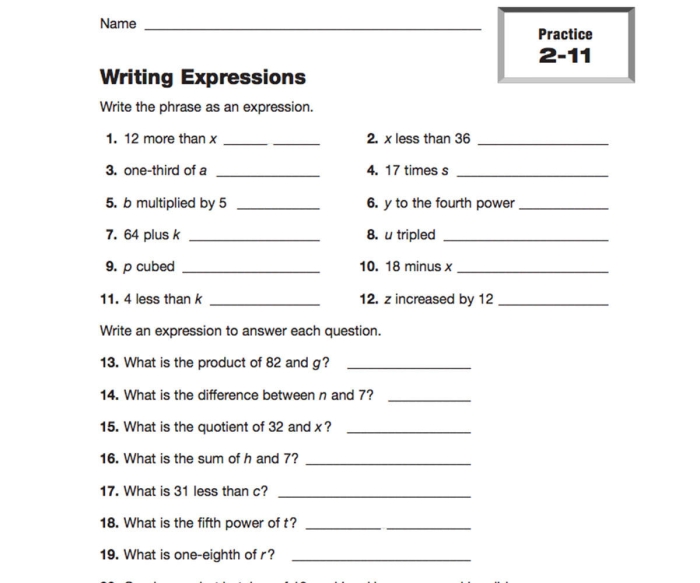
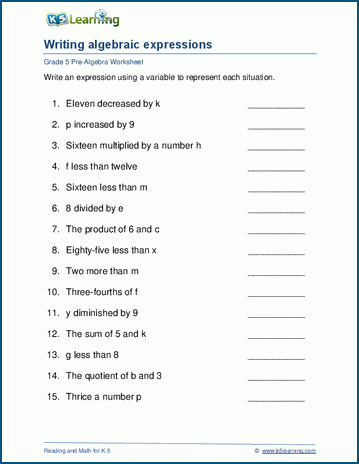
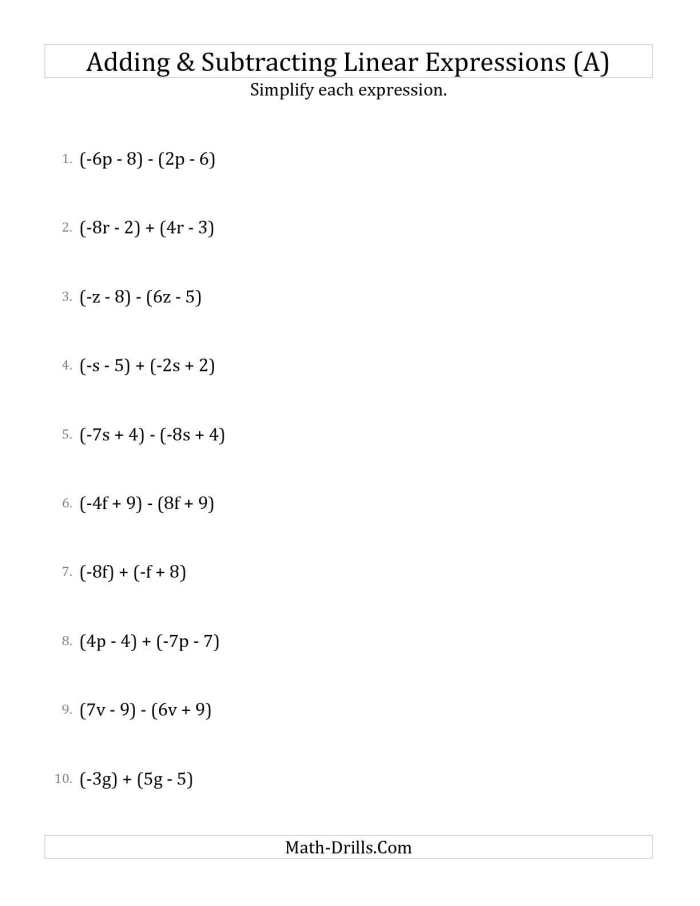
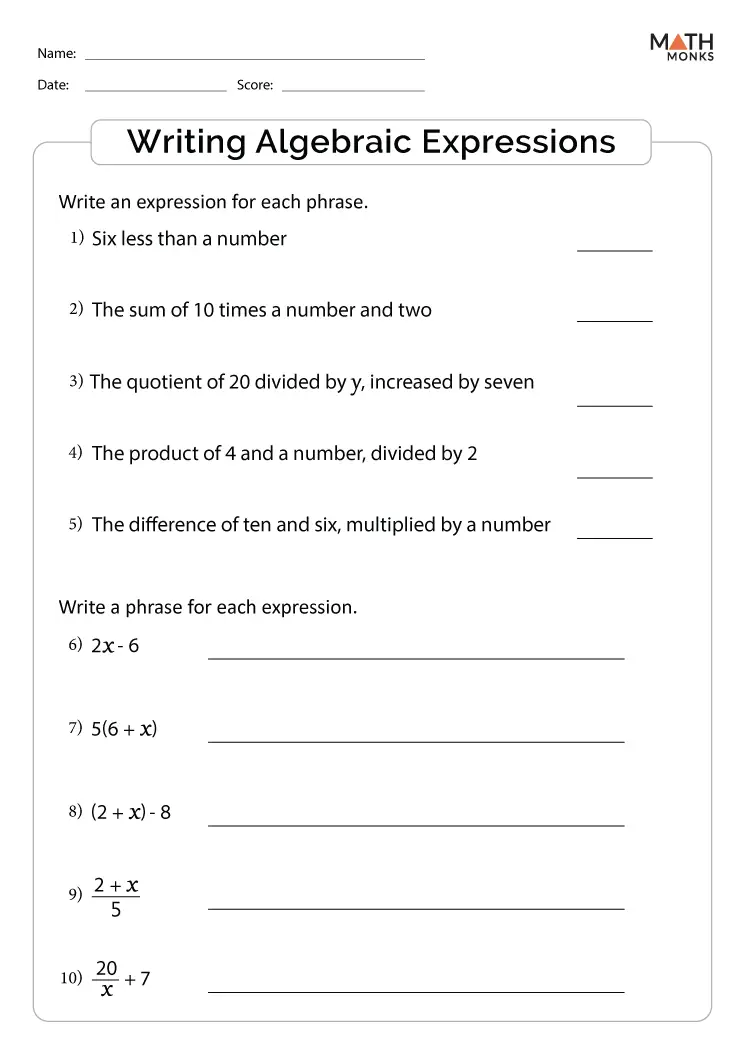
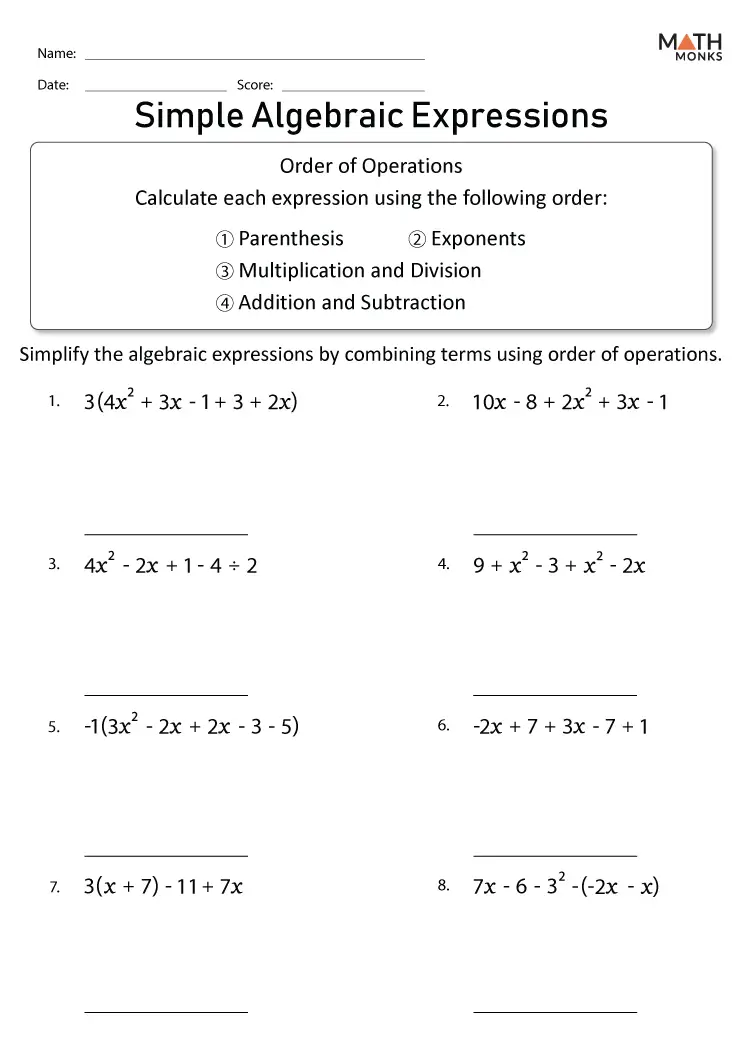
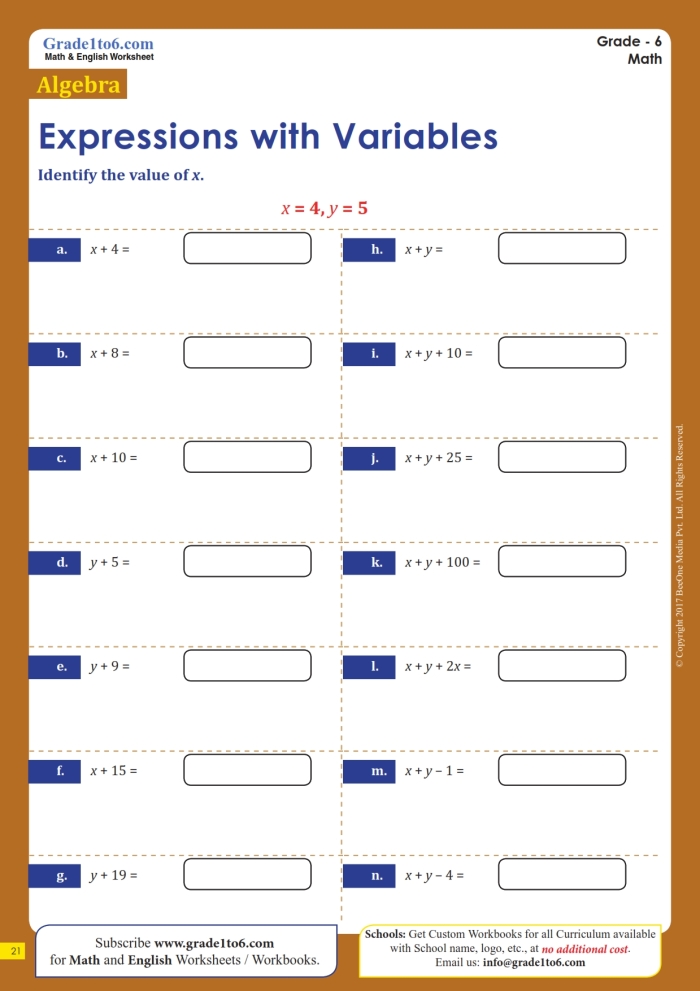
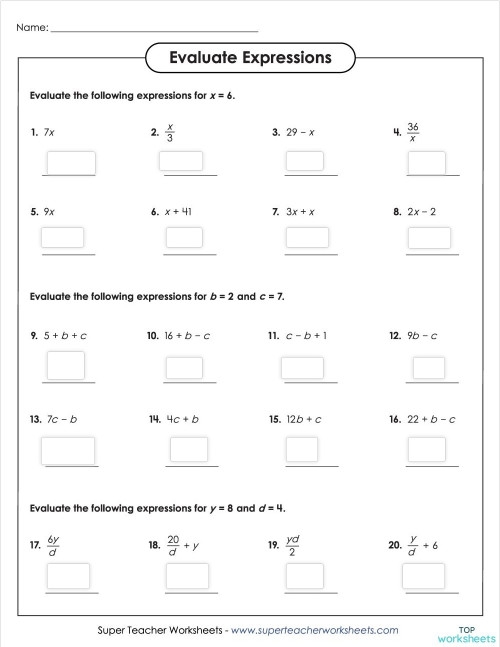
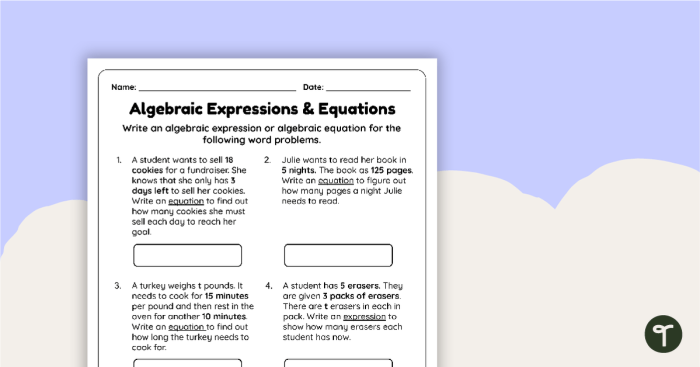
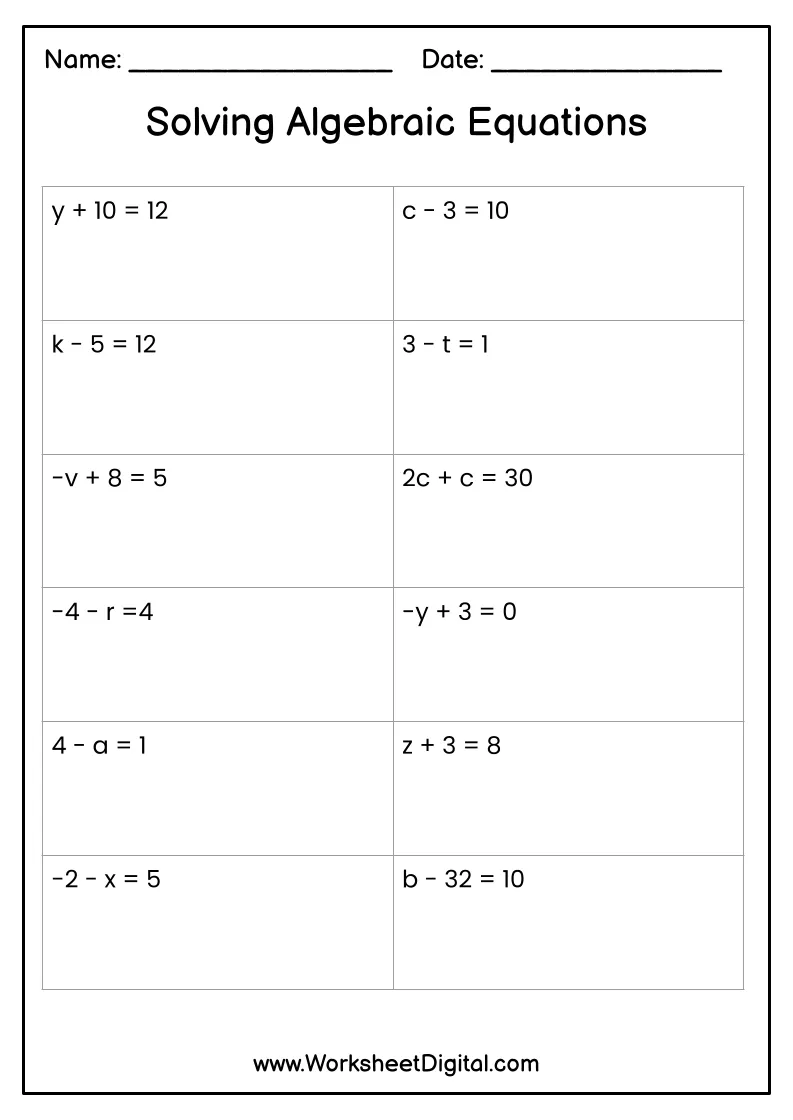
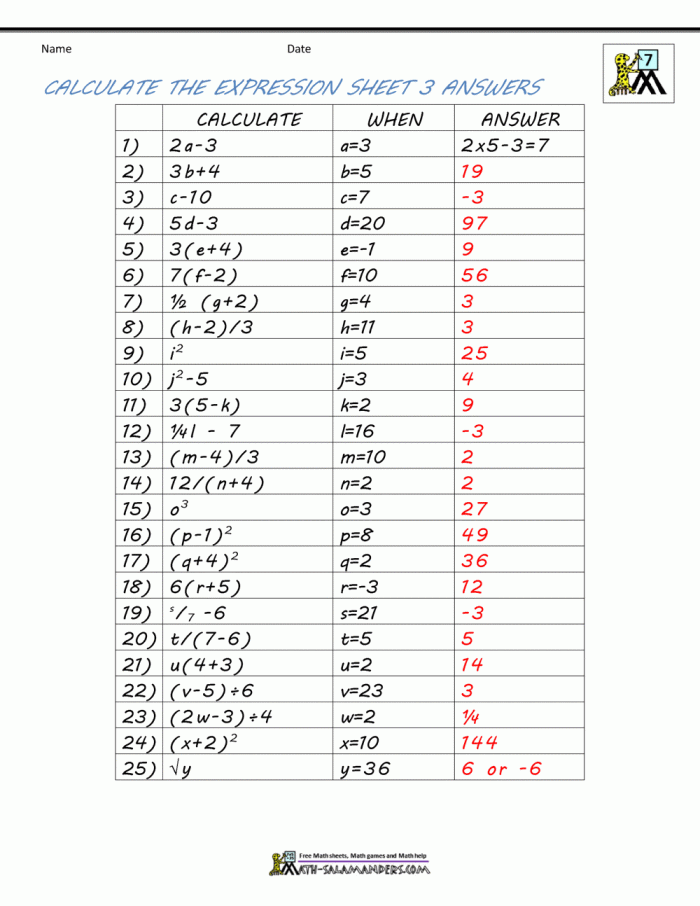
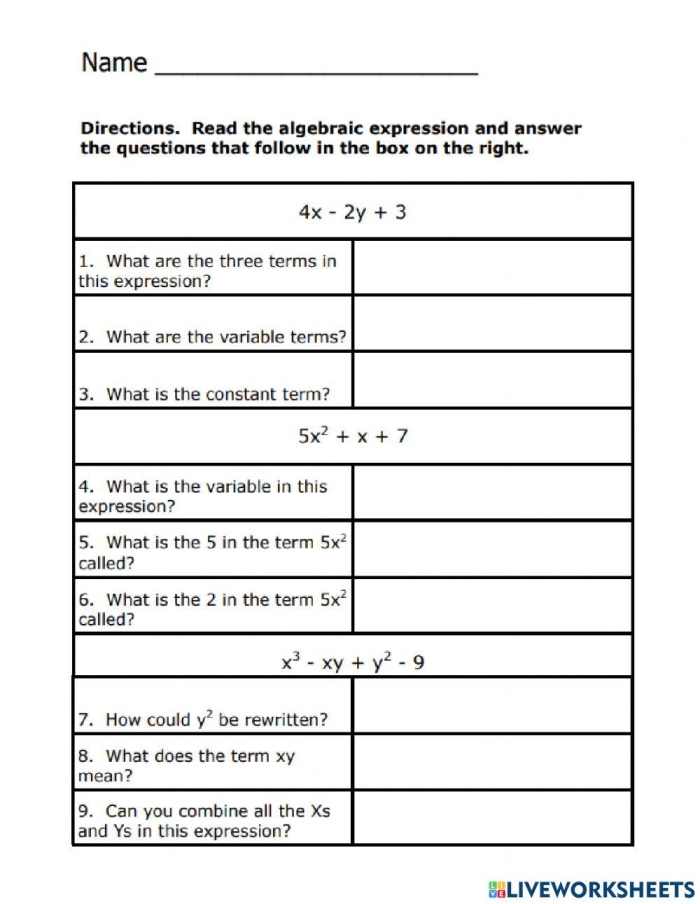
When your sixth grader brings home an algebra worksheet, the order of operations is often where confusion starts. Many students rush through problems and skip crucial steps, leading to wrong answers even when their approach is conceptually sound. The good news is that working through this together with a structured worksheet makes the concept stick far better than any explanation alone.
The order of operations, remembered by the acronym PEMDAS (Parentheses, Exponents, Multiplication and Division, Addition and Subtraction), is the foundation of algebra. Without mastering this sequence, students struggle with more complex equations later. When you sit down with your child and a worksheet focused on this skill, you’re not just helping them finish homework. You’re building confidence in their ability to tackle problems methodically.
A solid algebra worksheet breaks down expressions into manageable steps. Your child learns to identify which operation comes first, then second, and so on. For instance, in an expression like 3 + 4 × 2, many students instinctively add first and get 14. But following the order of operations, multiplication happens before addition, giving the correct answer of 11. Seeing this difference repeatedly on a worksheet drives the lesson home.
Working through these problems together also reveals where your child’s thinking gets tangled. Maybe they understand multiplication but forget that division has equal priority. Perhaps they’re rushing through parentheses without fully simplifying what’s inside. These printable worksheets let you pause, ask questions, and clarify misconceptions in real time.
If your sixth grader needs additional practice with related skills, worksheets covering algebra and historical contexts can make learning feel less isolated. Combining grammar and mechanics practice with math reinforces how different subjects connect. Your involvement with these worksheets transforms a routine assignment into a meaningful learning moment.
Worksheet Practice Section