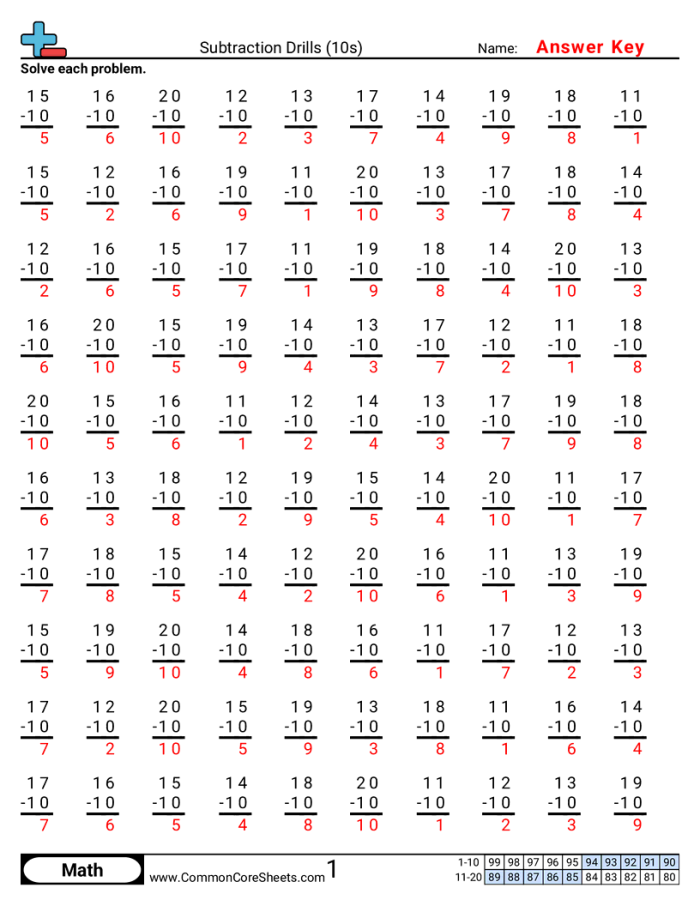
When first graders begin learning math, they often treat addition and subtraction as completely separate skills. A student might confidently solve 3 + 2 = 5 but struggle to see how 5 – 2 = 3 connects to that same problem. This gap in understanding can slow their progress and make both operations feel harder than they need to be.
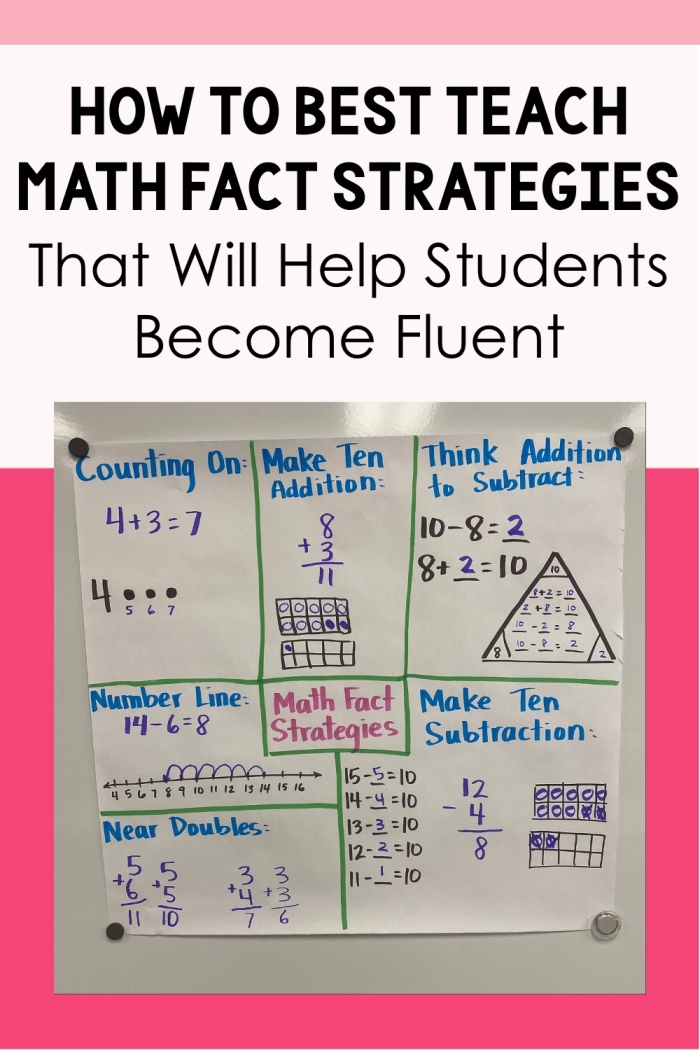
The key breakthrough happens when students recognize that addition and subtraction are inverse operations, two sides of the same coin. If you add 2 to 3 and get 5, then removing 2 from that 5 brings you back to 3. Once this relationship clicks, math facts become easier to remember and apply.
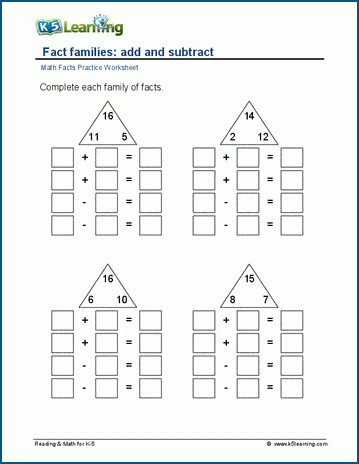
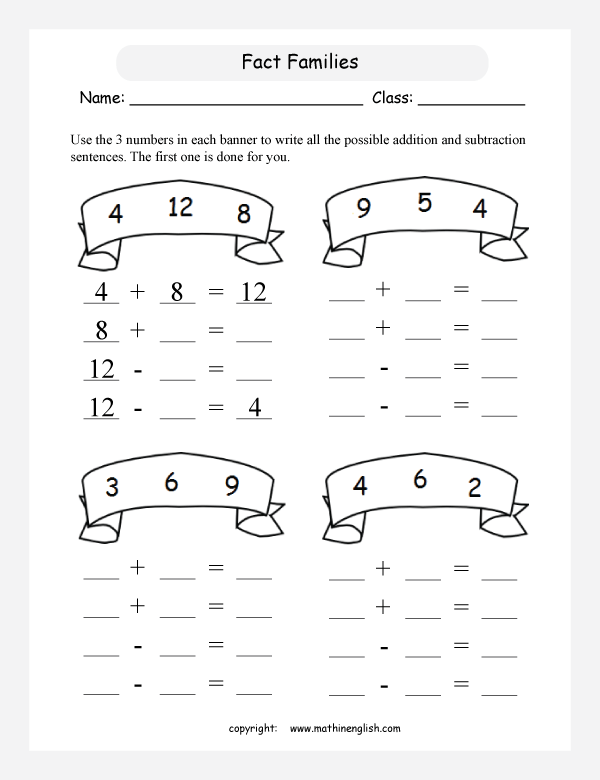
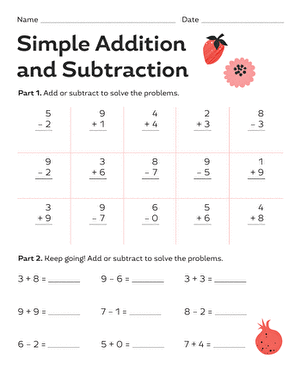
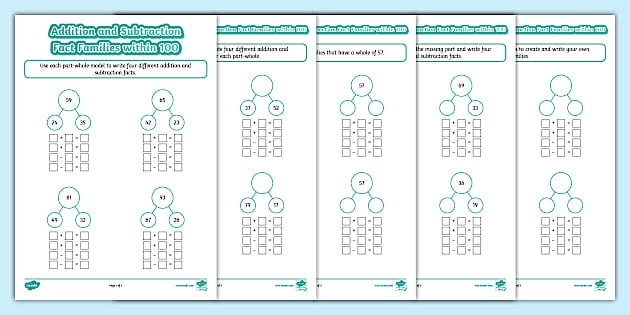
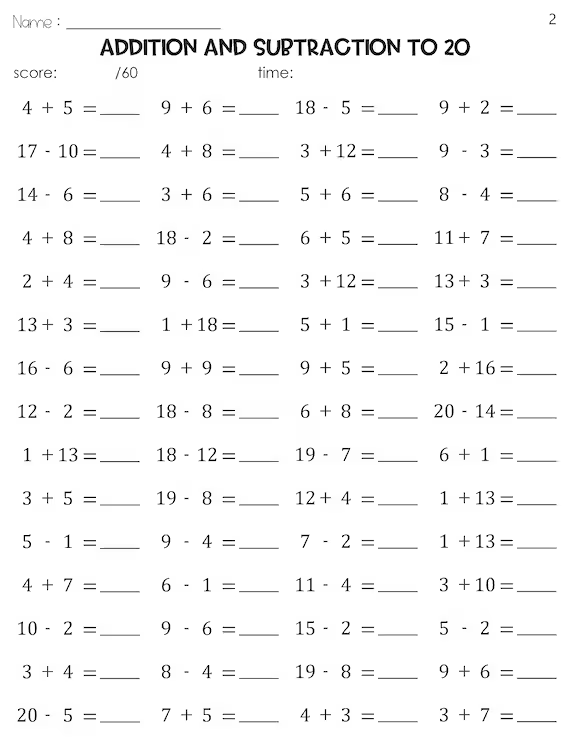
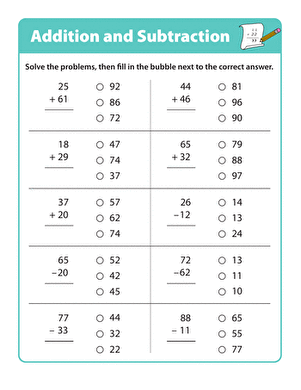
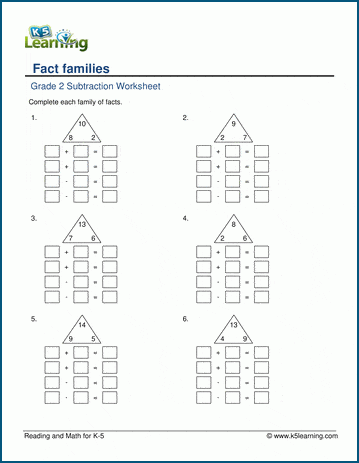
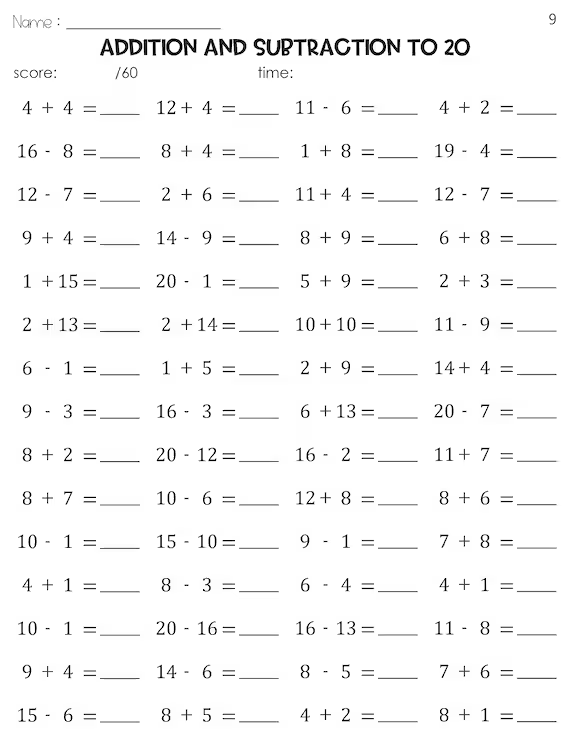
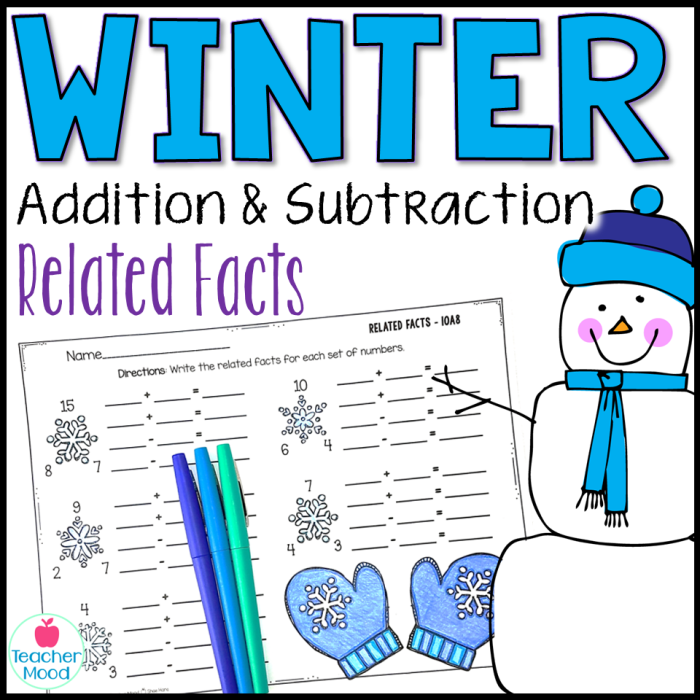
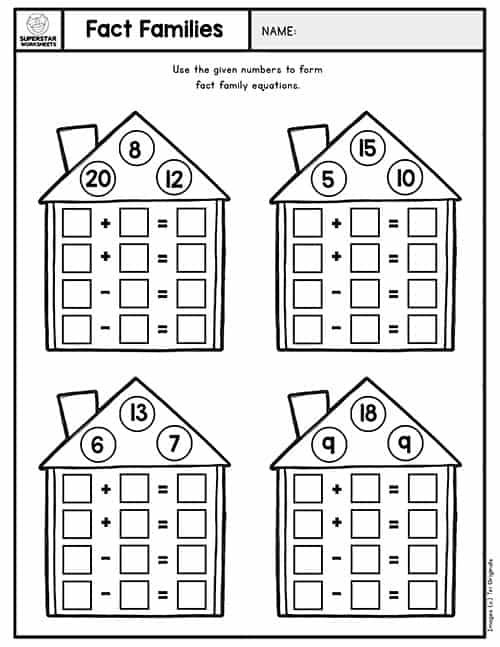
A well-designed worksheet can make this connection visible and concrete. Rather than presenting addition and subtraction problems separately, an effective worksheet groups related facts together, showing students the relationship directly. For example, a worksheet might display 4 + 3 = 7 right alongside 7 – 3 = 4, helping students see how one operation undoes the other.
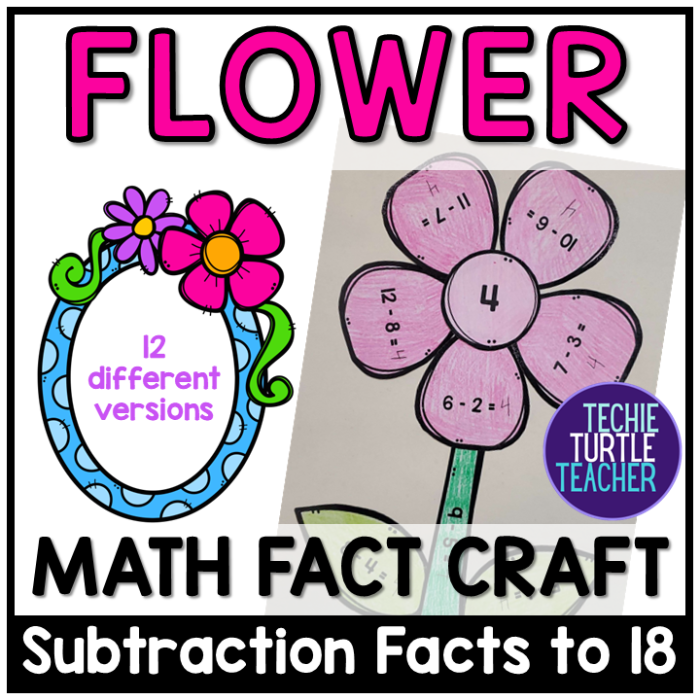
Visual elements matter too. When a worksheet uses appealing colors, illustrations, or engaging activities, students stay focused longer and absorb the concept more naturally. Activities like color by addition facts keep young learners motivated while reinforcing core skills.
For first grade place value practice, combining related operations helps students build a stronger foundation. When students see that 6 + 4 and 10 – 4 work together as a fact family, they develop flexible thinking about numbers. This understanding extends beyond simple worksheets and supports their work with larger numbers and more complex problems down the road.
Teachers and parents who use worksheets that explicitly highlight these connections report that their students develop faster automaticity with math facts and greater confidence when solving problems.
Start Practicing with These Worksheets