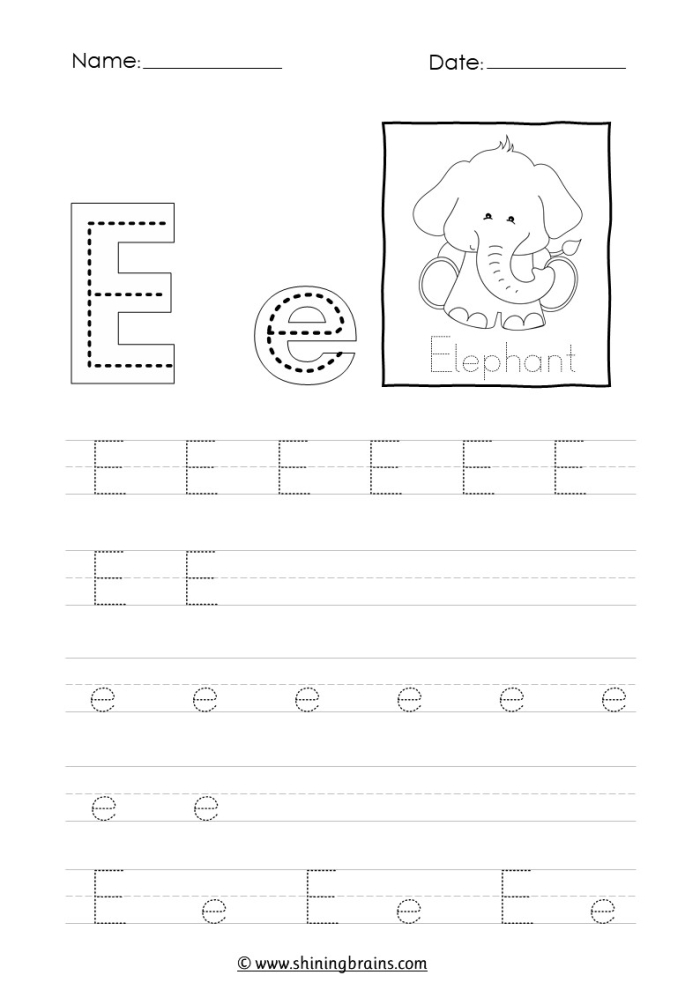
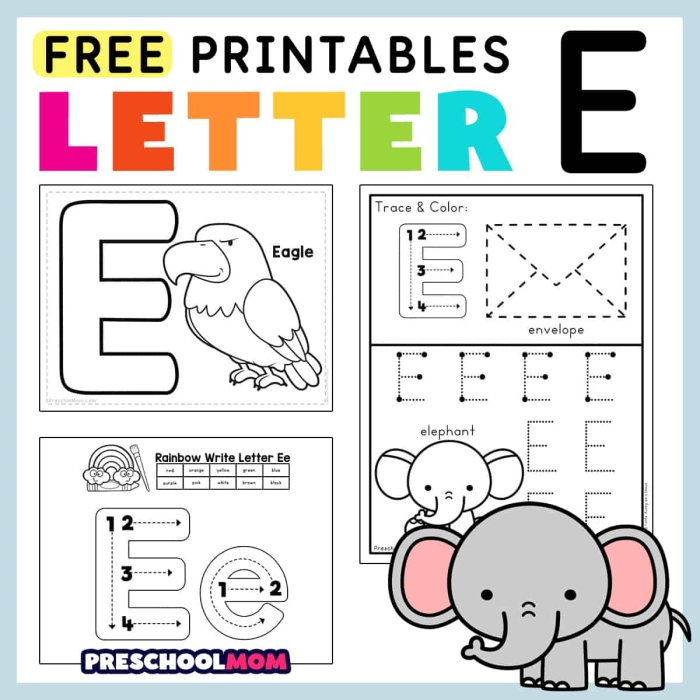
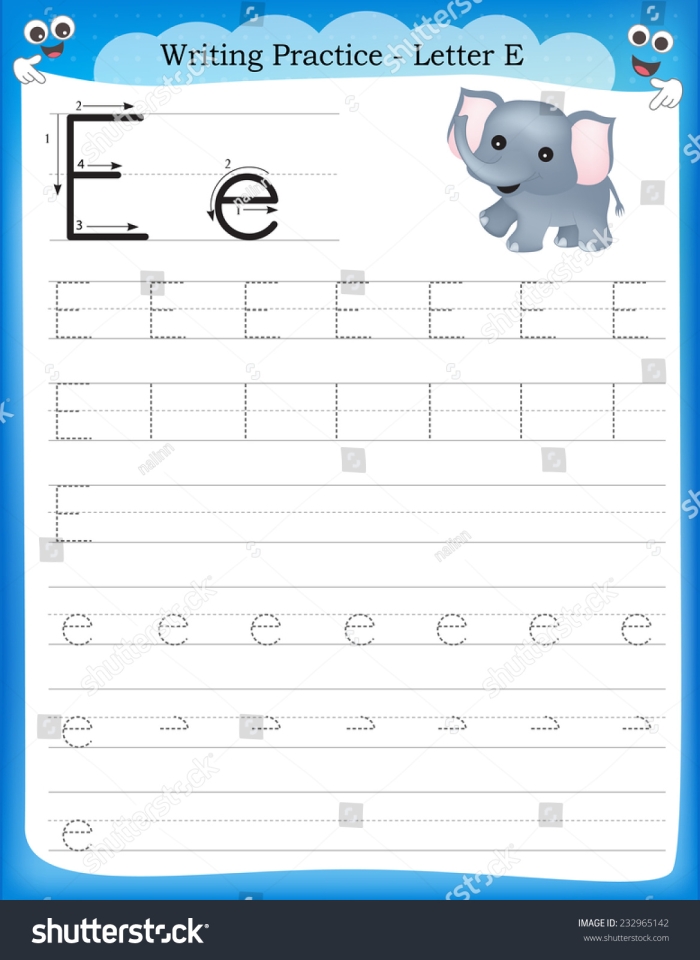
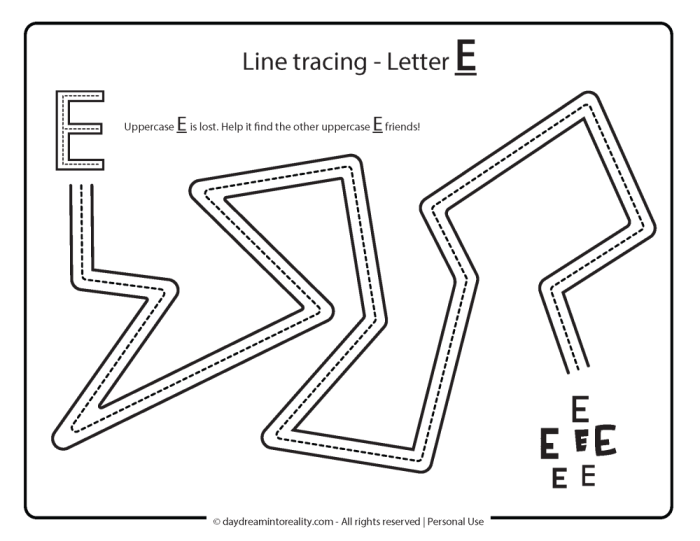
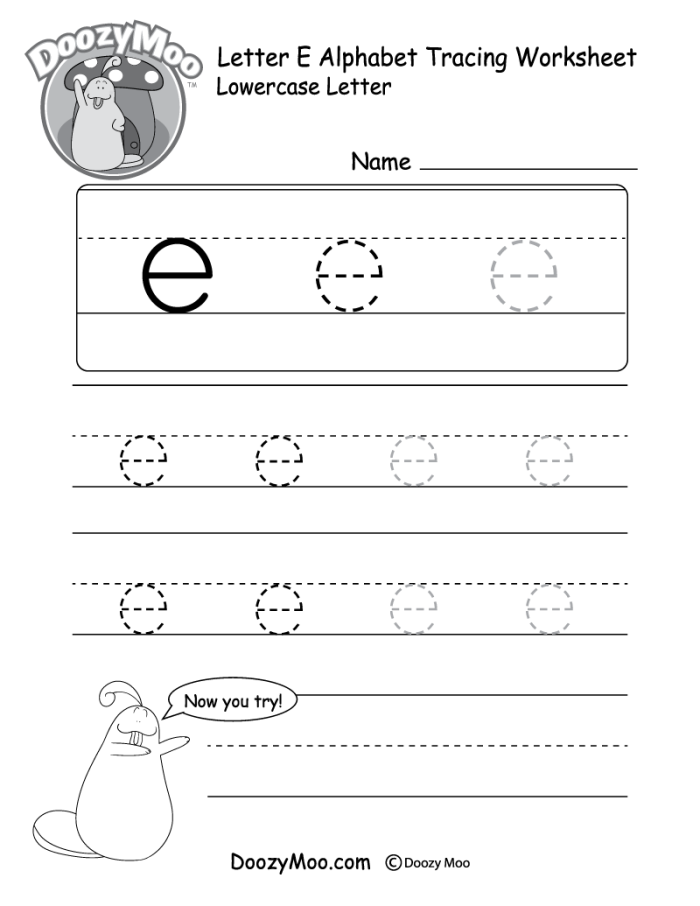
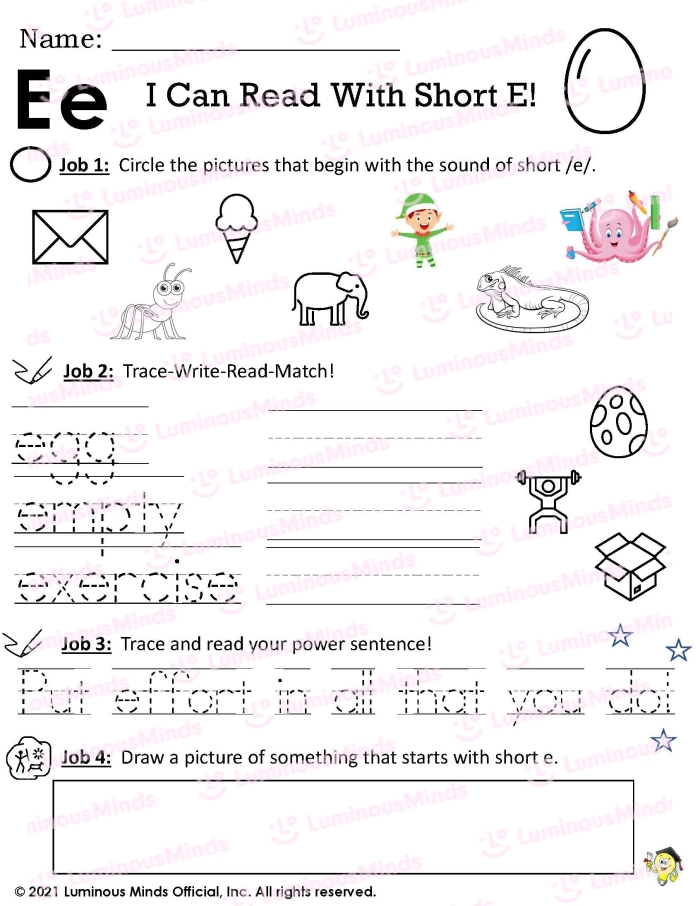
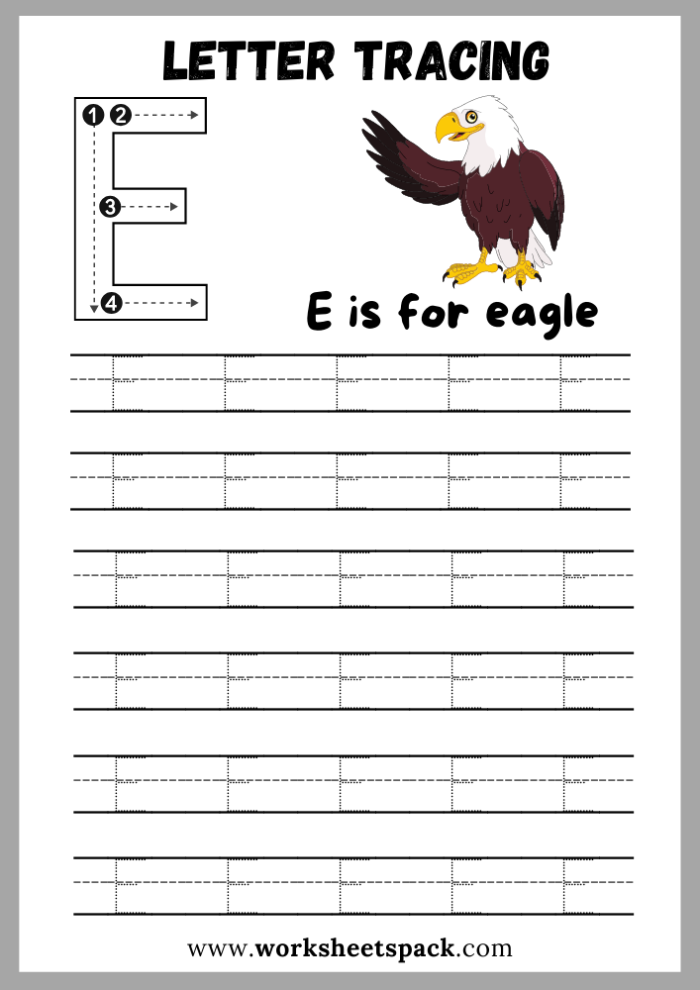
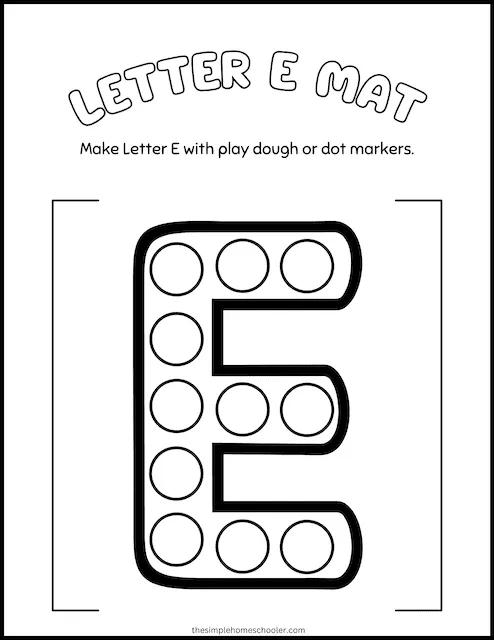
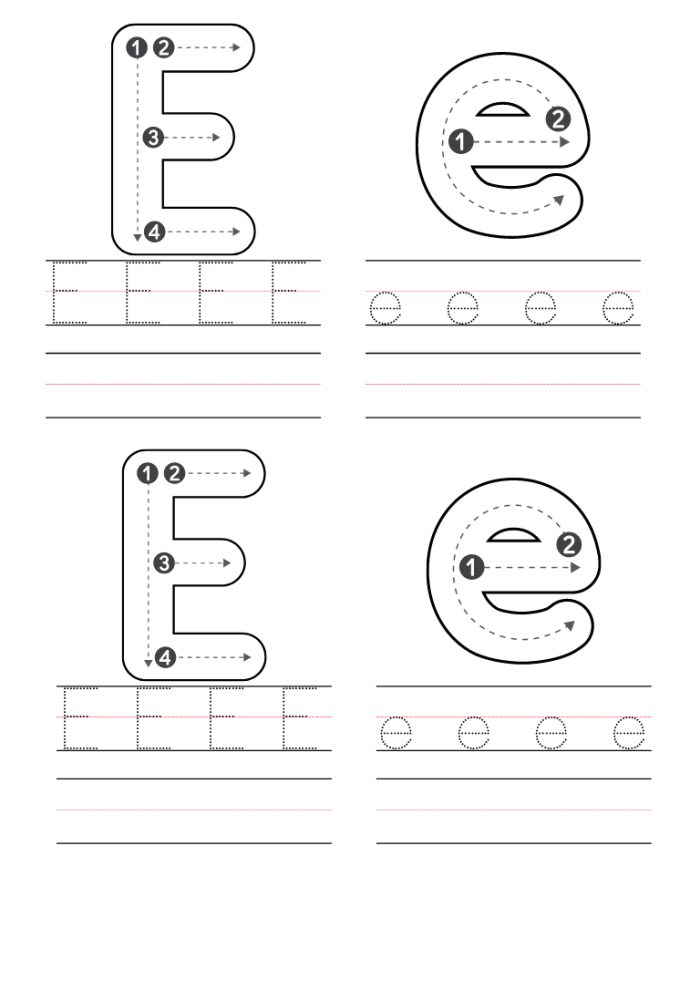
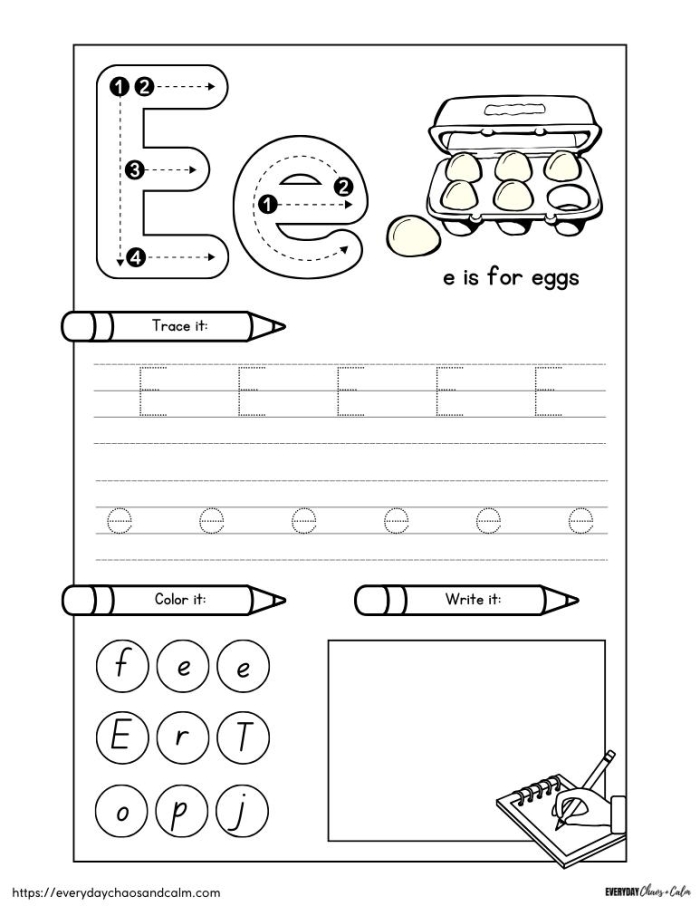
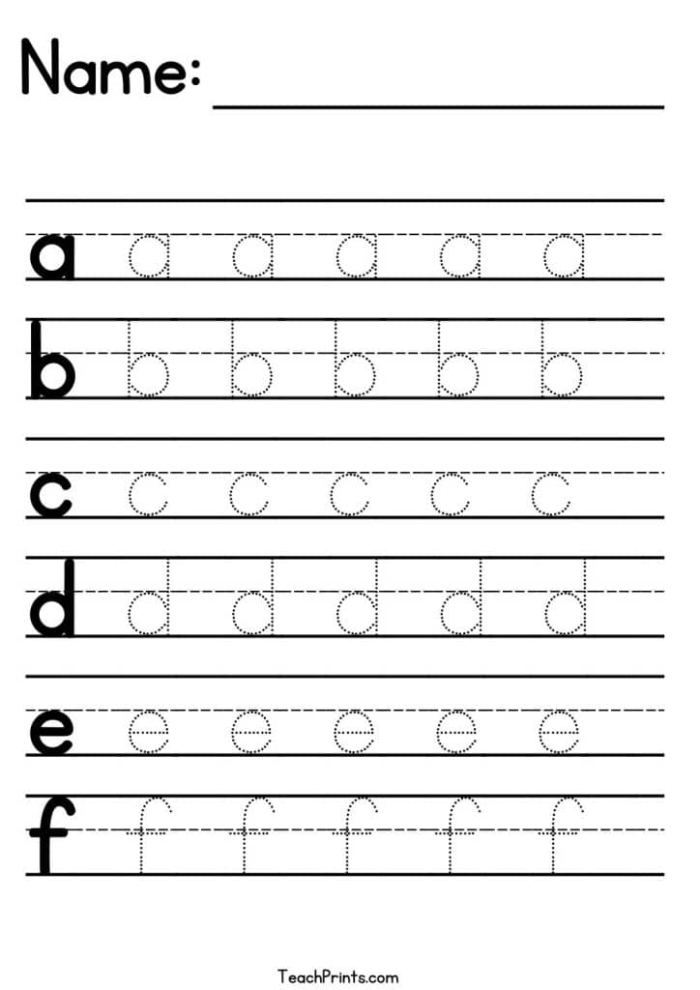
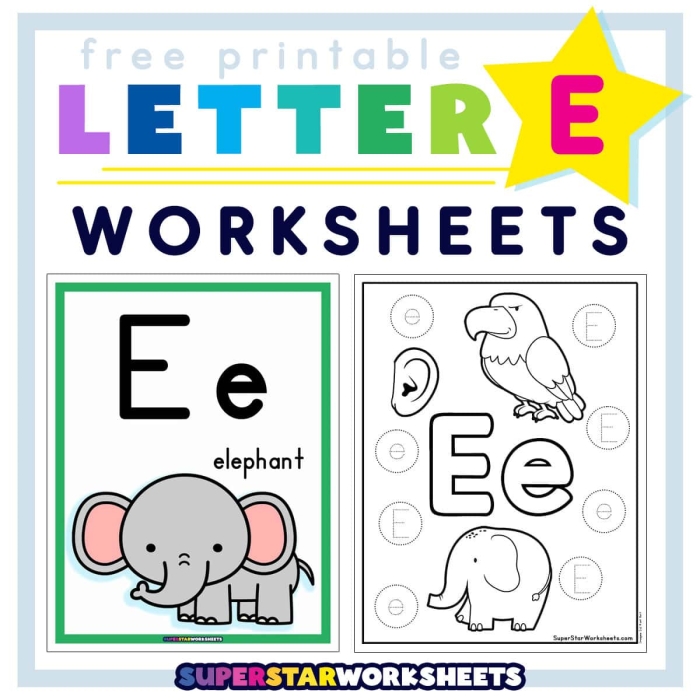
Before children can write letters, their hands need to develop the strength and control to hold a pencil properly. This Pre-K worksheet addresses that fundamental need by starting with line-tracing exercises before moving to letter formation.
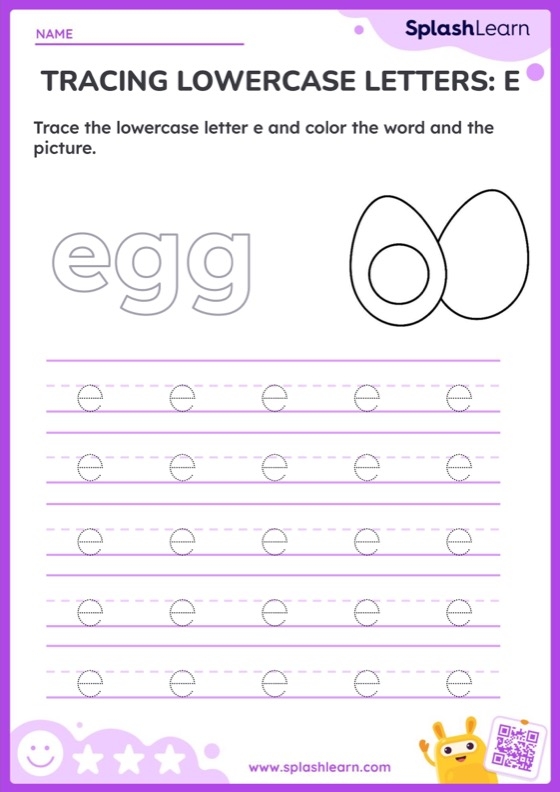
The worksheet begins with simple straight and curved lines that prepare young learners for the specific strokes required to form the letter E. When kids trace these preliminary lines, they’re building what educators call fine motor skills, the small muscle movements in fingers and hands that make writing possible. Research in early childhood development shows that children who practice line tracing before letter formation tend to develop more legible handwriting later on.
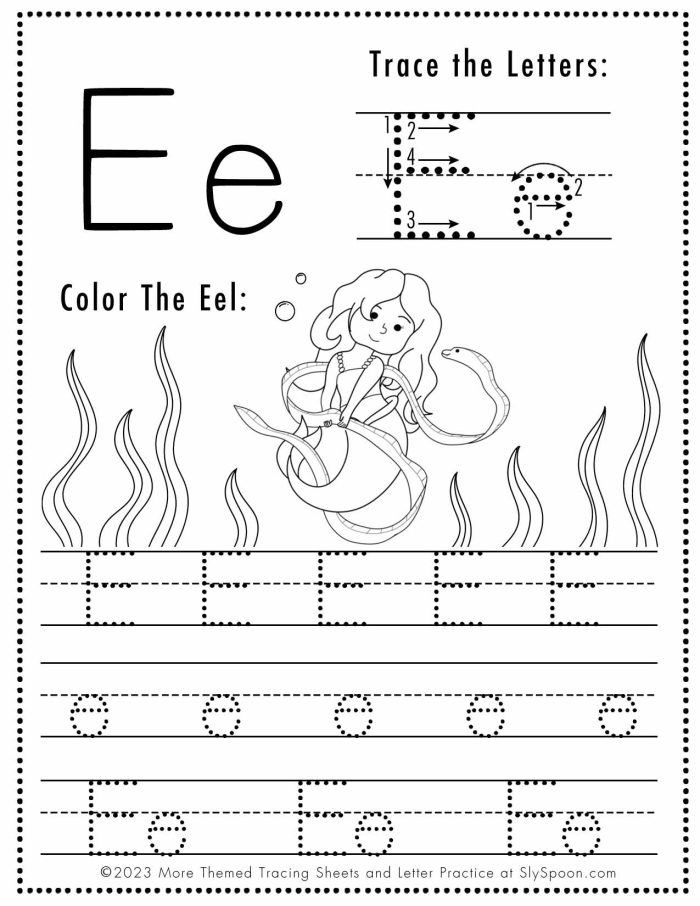
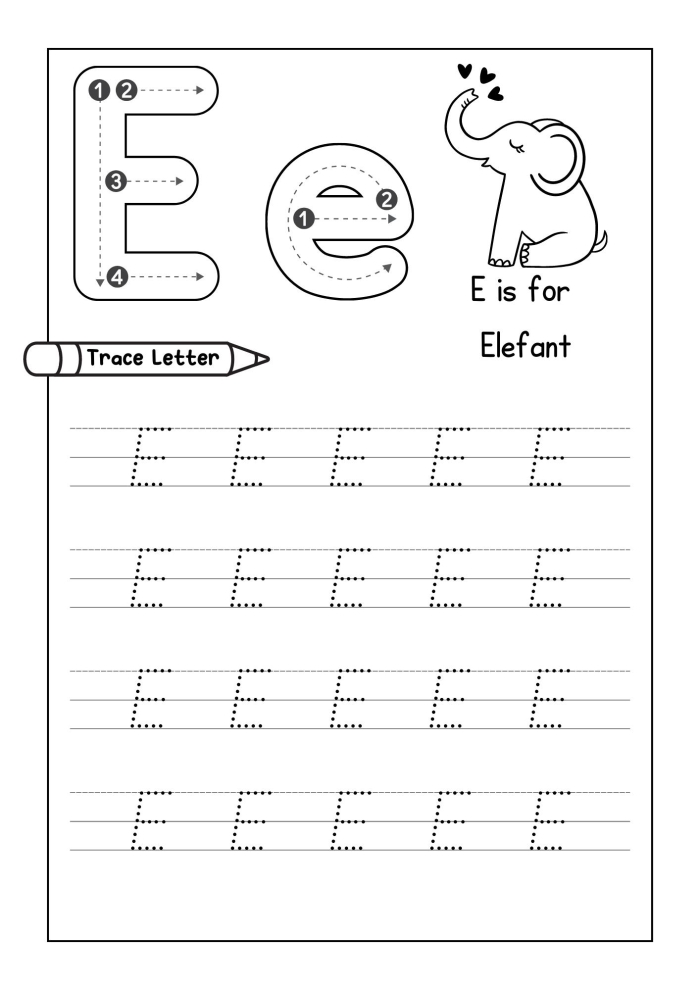
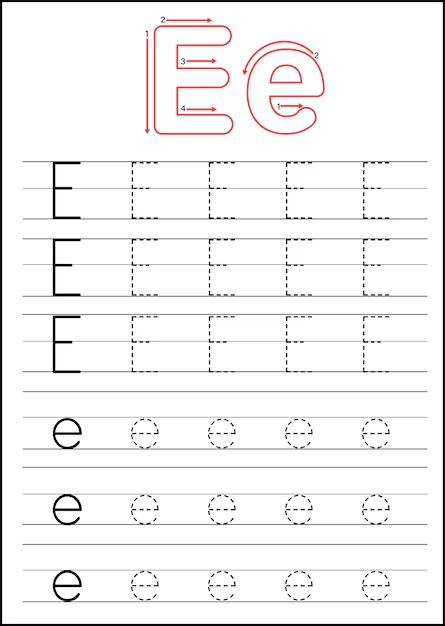
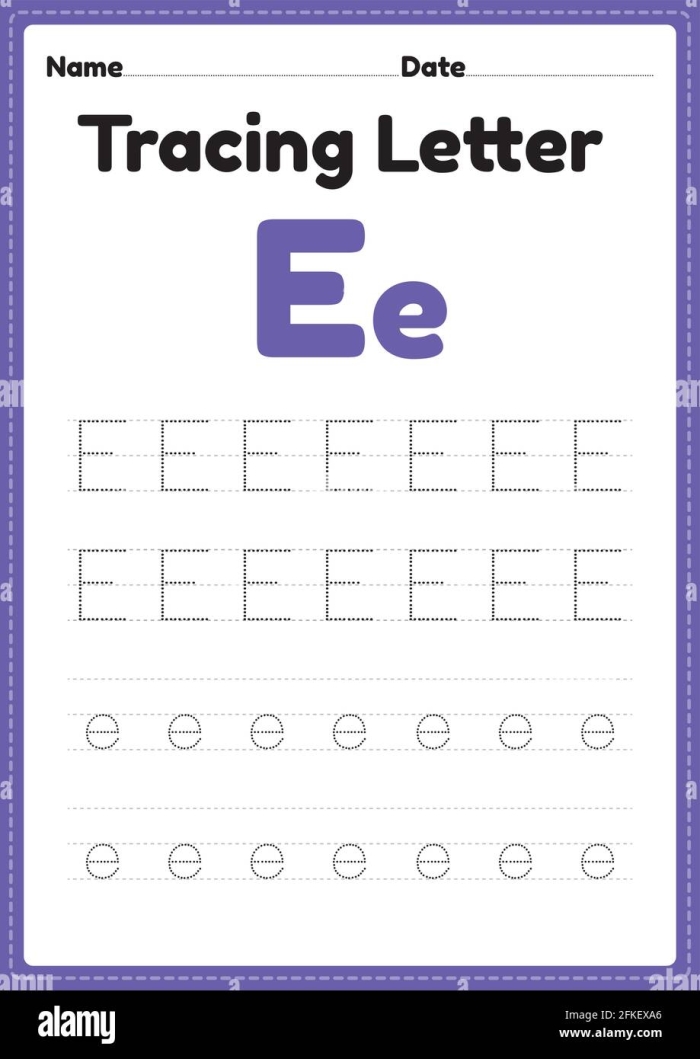
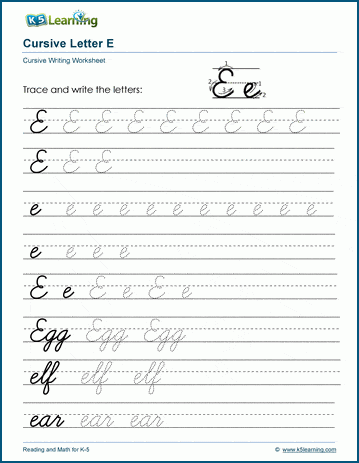
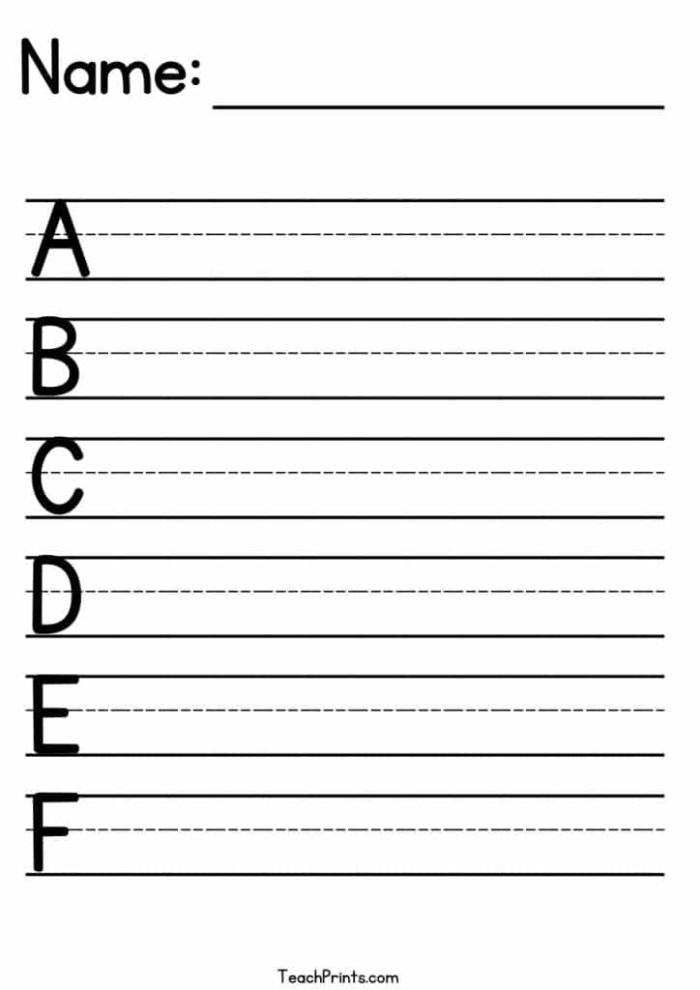
Once students complete the line-tracing section, they move directly to tracing the letter E itself. This letter works well for early practice because it uses only straight lines and horizontal strokes, avoiding the curves that require more advanced motor control. The repetition of tracing the same letter multiple times reinforces muscle memory, helping children internalize the letter’s shape and movement pattern.
For Pre-K students, this type of structured practice fits naturally into a broader literacy foundation. Teachers often pair letter-tracing activities with other foundational skills. Some classrooms combine this with work on morning activities that build routine and awareness, creating a balanced introduction to academic skills.
The progression from lines to letters also teaches children that writing involves breaking complex tasks into smaller, manageable steps. This scaffolding approach helps reduce frustration and builds confidence as young learners see their own improvement through practice.
Use These Worksheets Today