Your sensory nervous system is constantly working behind the scenes, collecting information about the world around you and sending it straight to your brain. Understanding how this system operates gives you real insight into why you can taste your lunch, feel a tap on your shoulder, or react instantly when something touches a hot surface.
The sensory nervous system functions as your body’s information-gathering network. It contains specialized cells called receptors that detect specific stimuli: light enters your eyes, sound waves reach your ears, and pressure sensors sit just beneath your skin. These receptors don’t just passively collect data. They convert physical sensations into electrical signals that travel along nerves toward your spinal cord and brain. This process, called transduction, happens in milliseconds, which is why your response to danger feels instantaneous.
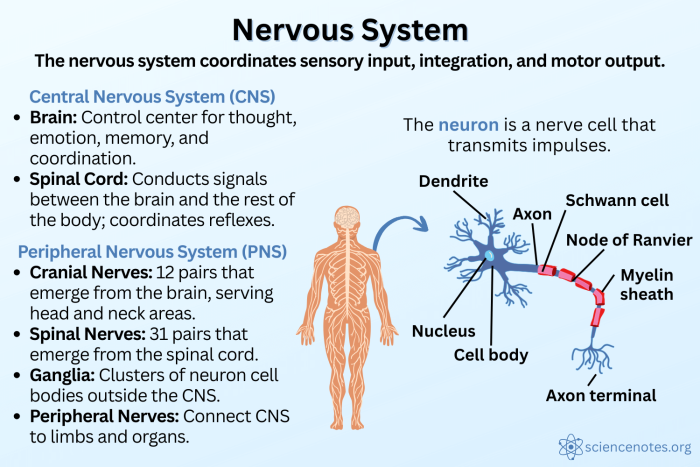
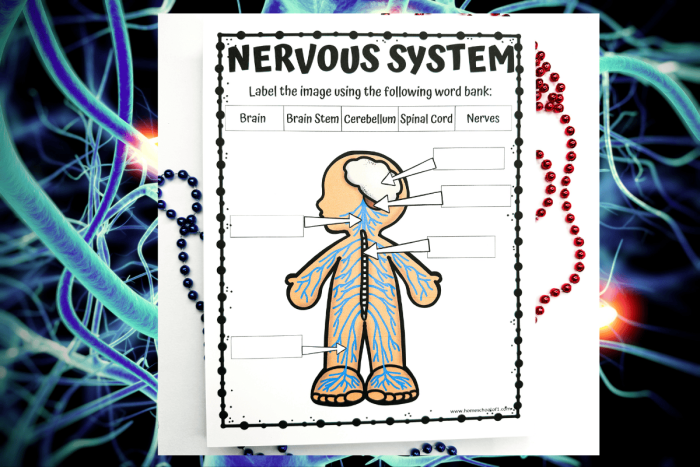
Breaking down the anatomy reveals how precisely organized this system is. Your sensory neurons have long extensions called axons that stretch from your fingertips all the way to your spinal cord. The dorsal root ganglia, clusters of nerve cell bodies located near your spine, act as relay stations. From there, signals travel upward through your spinal cord to reach your brain’s sensory cortex, where the actual perception occurs. This means the sensation you feel happens in your brain, not at the point of contact.
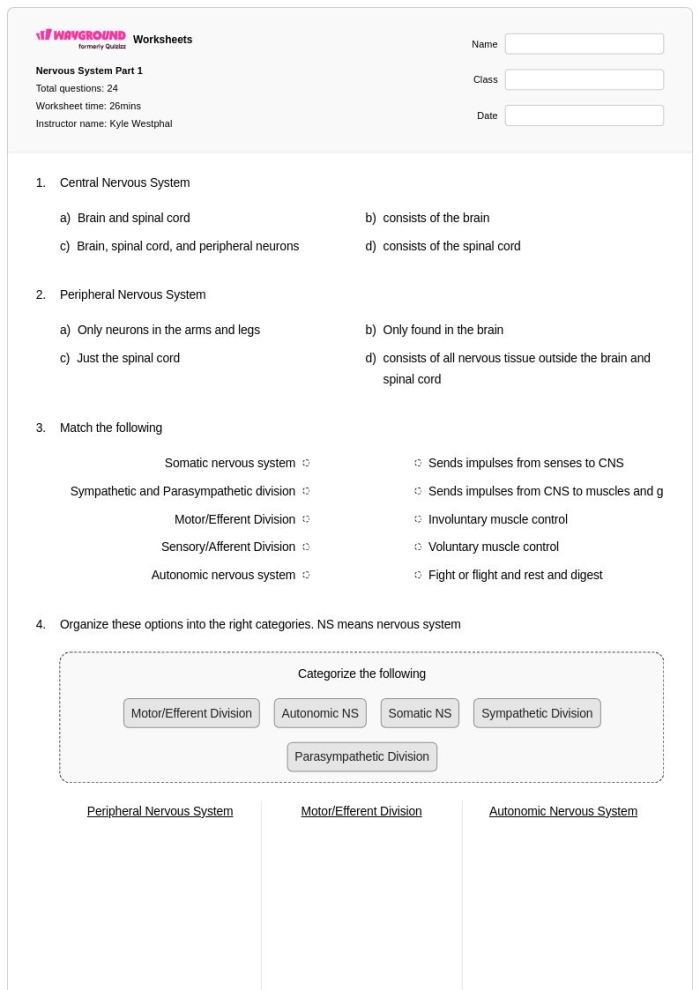
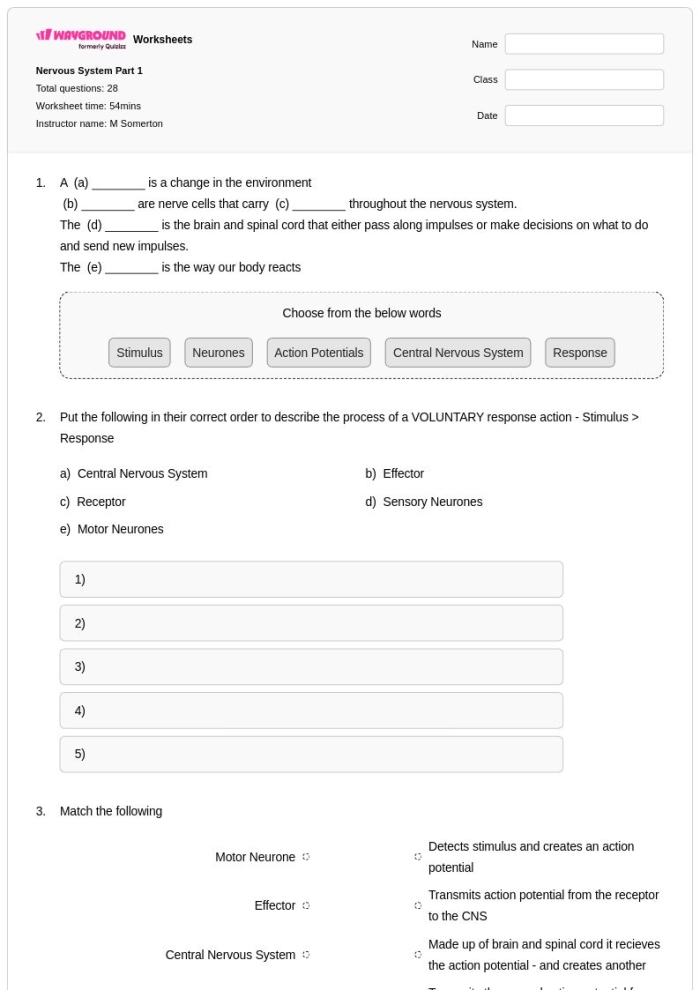
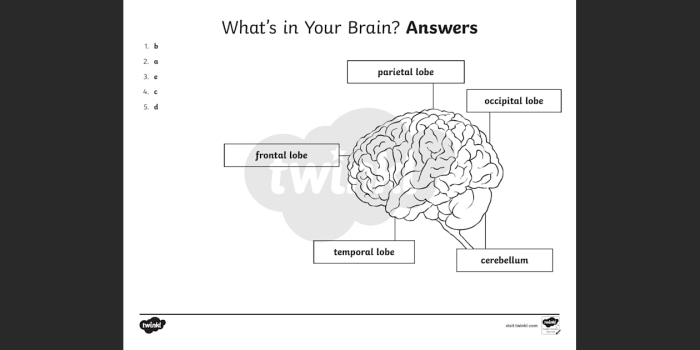
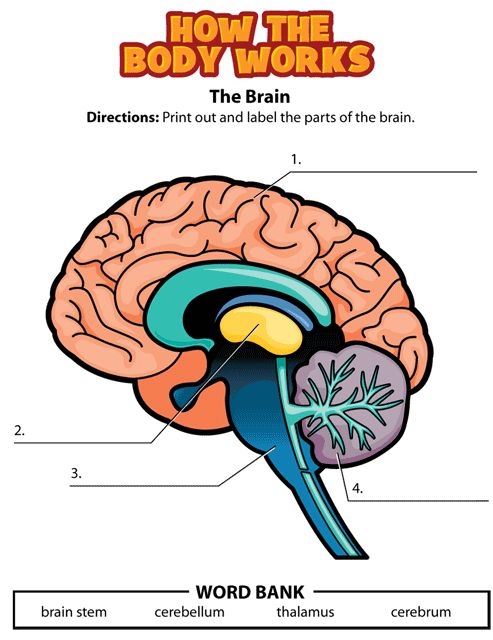
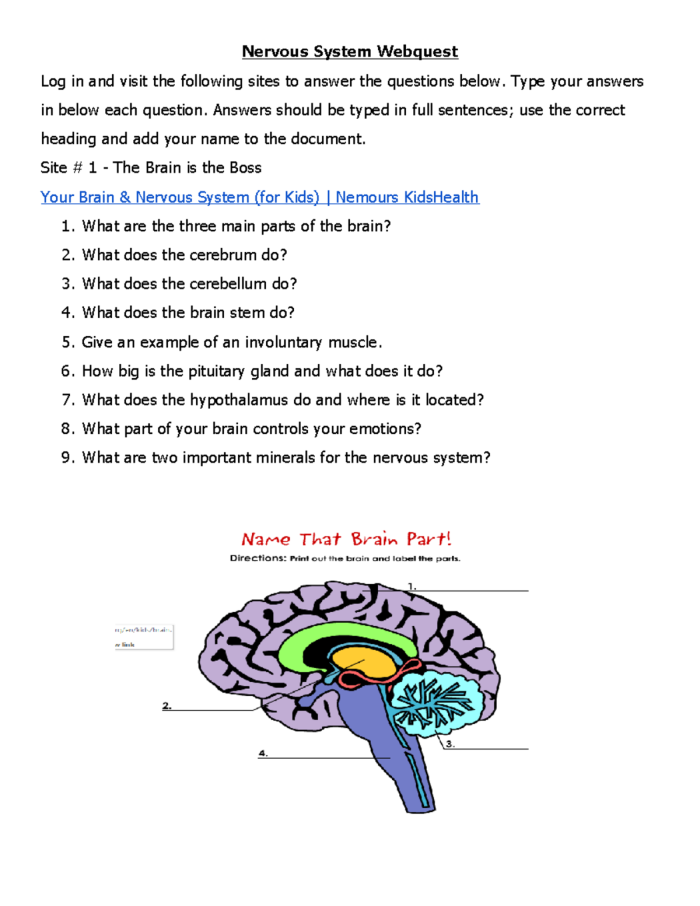
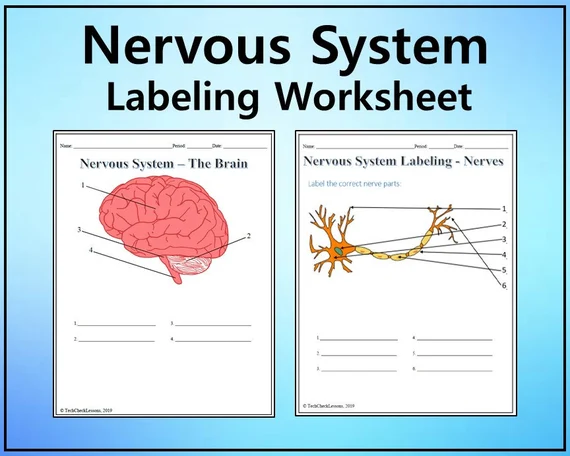
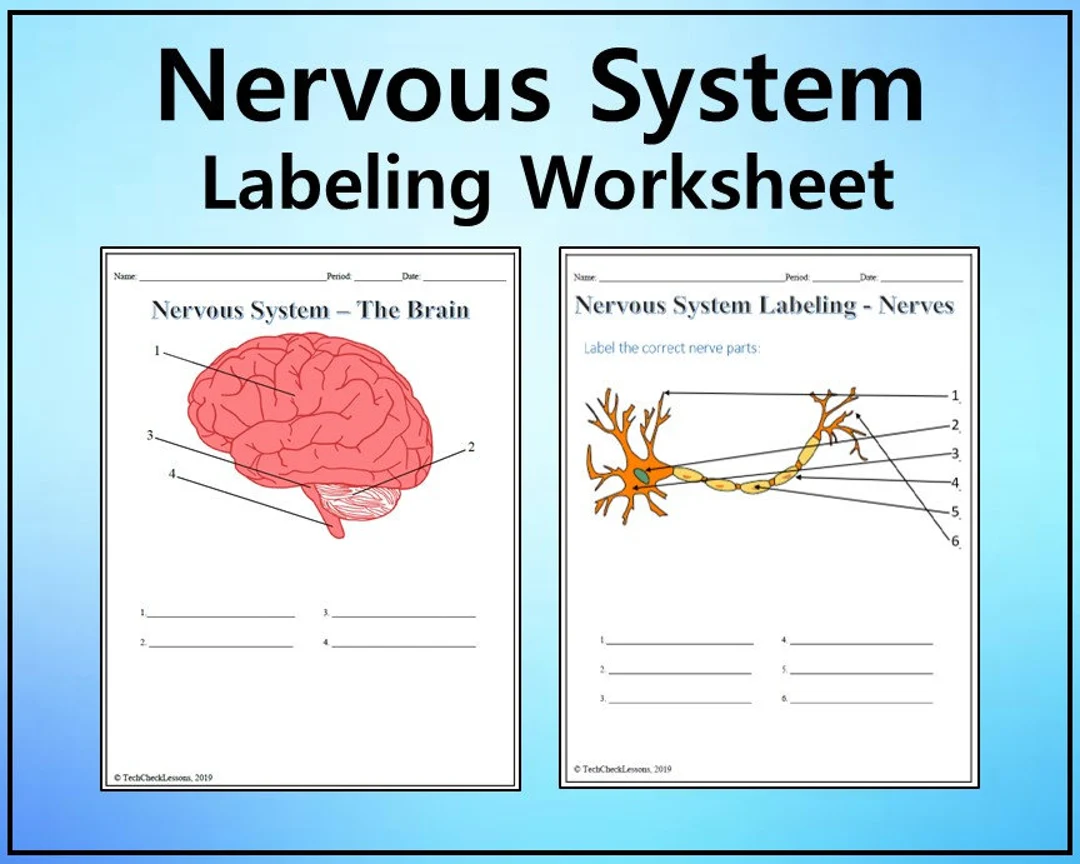
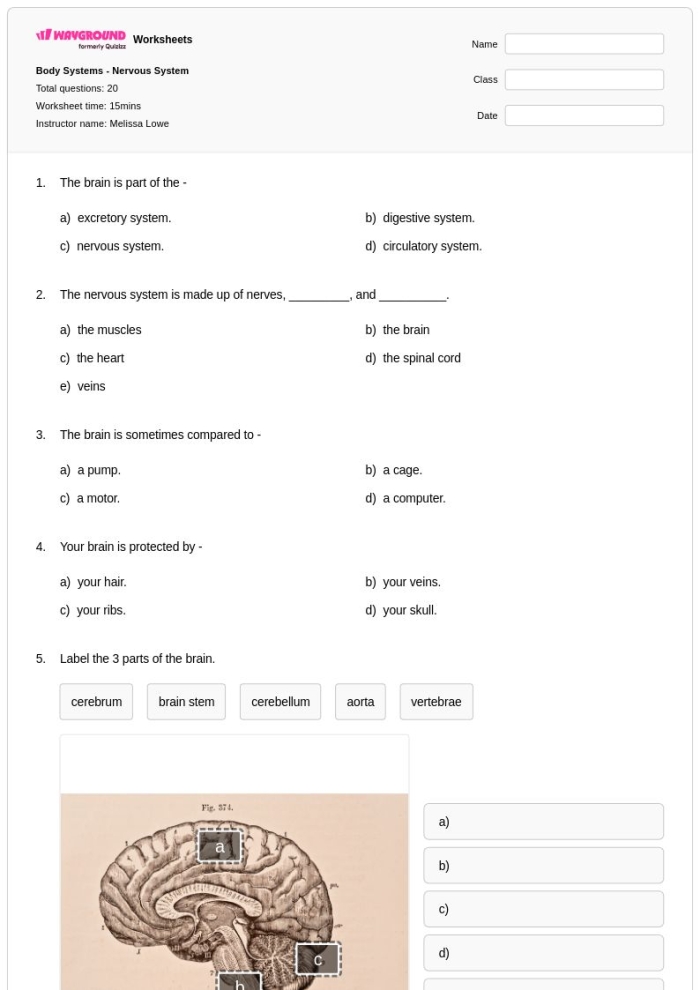
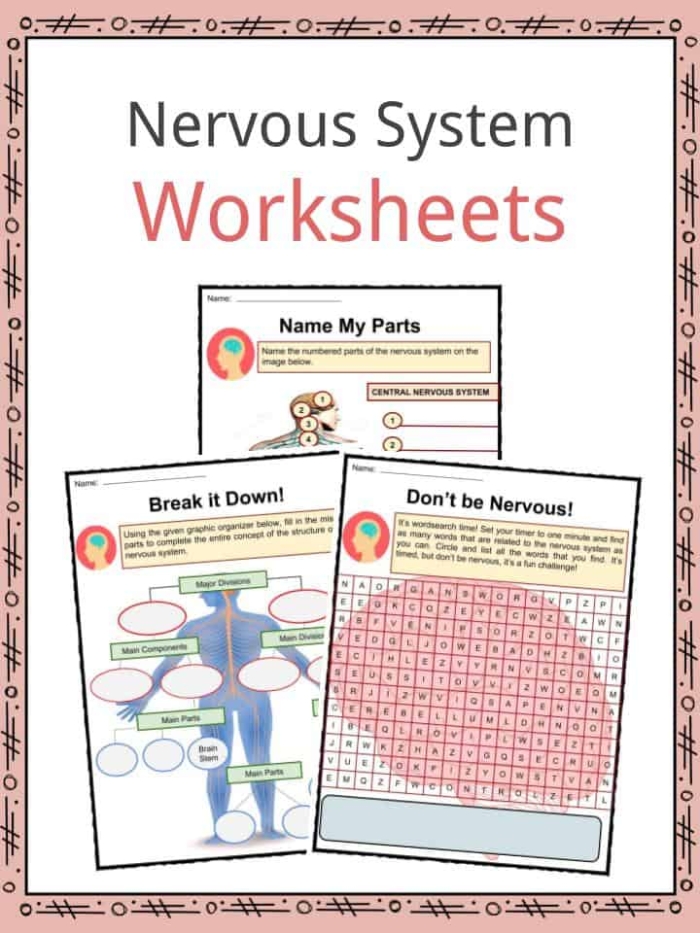
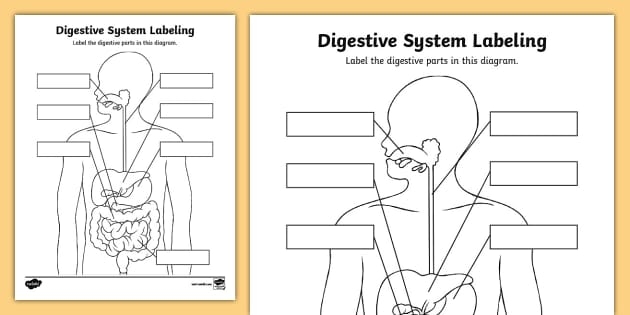
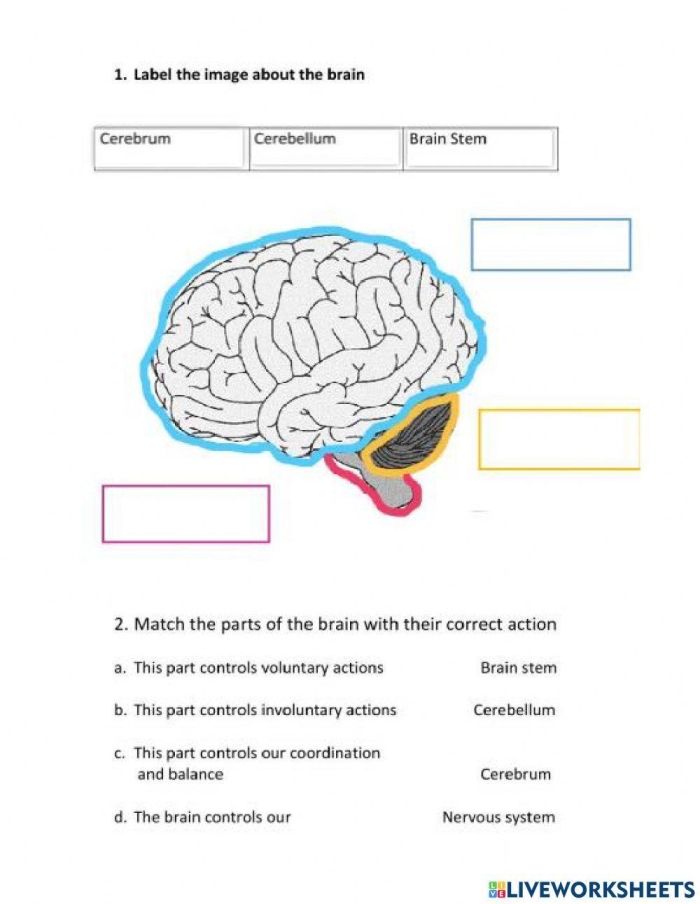
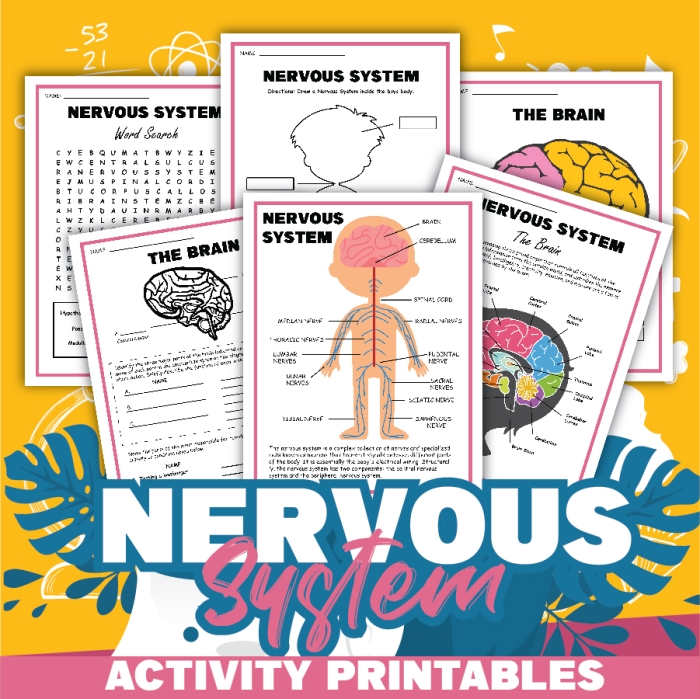
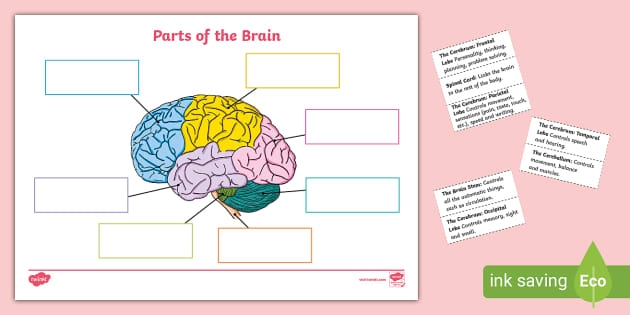
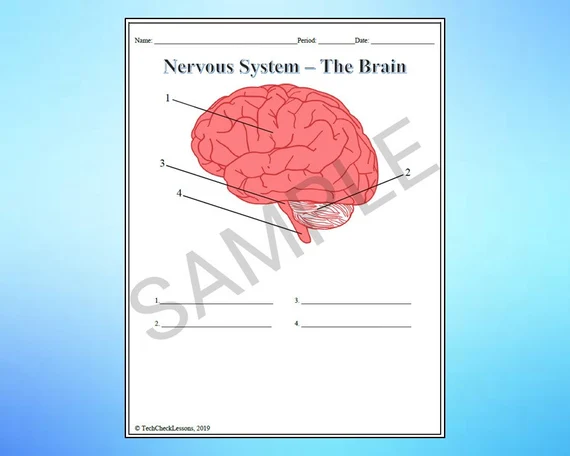
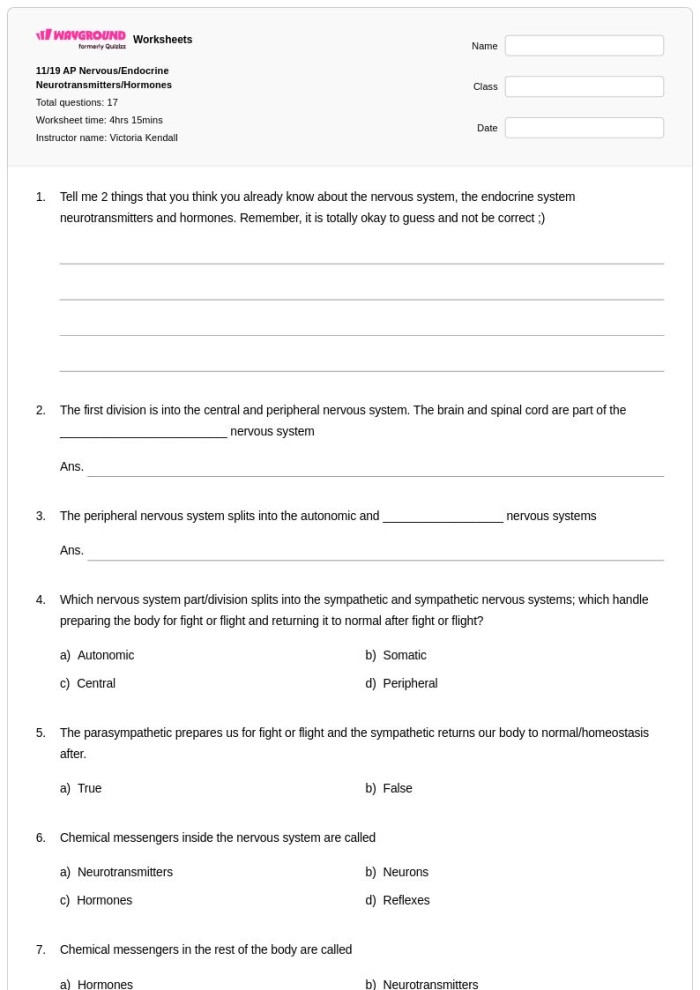
For sixth grade students studying life science, worksheets that explore the sensory nervous system provide hands-on learning that connects anatomy to real experience. When you work through exercises examining how receptors detect temperature, touch, taste, and smell, the abstract concept of “the nervous system” becomes concrete. You start seeing yourself as an integrated biological system rather than separate parts.
These materials help you understand that your sensory system isn’t just about pleasure or comfort. It’s a survival mechanism that protects you from harm and allows you to navigate your environment safely. Combining anatomy study with physiology deepens your grasp of how sensation actually works in your body.
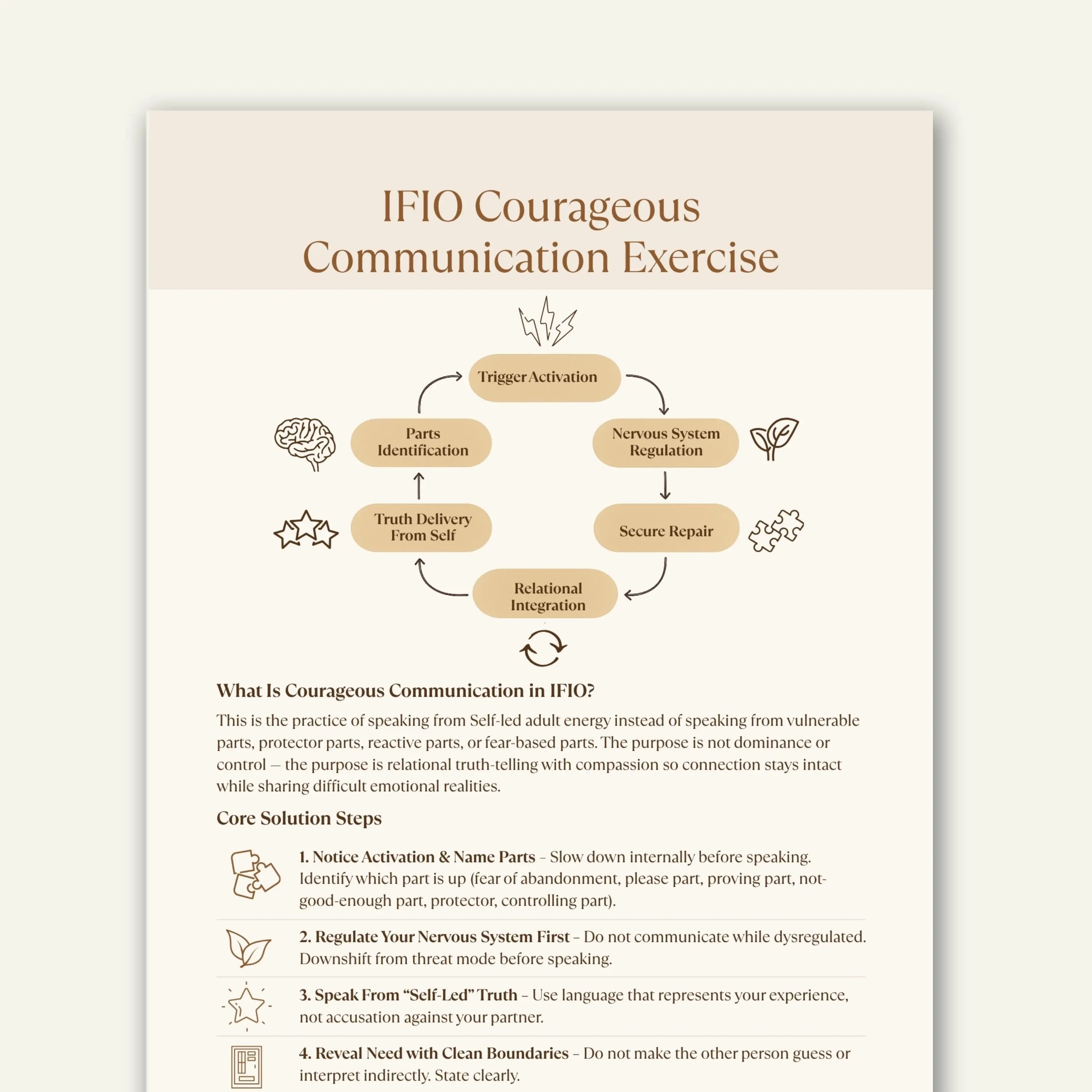
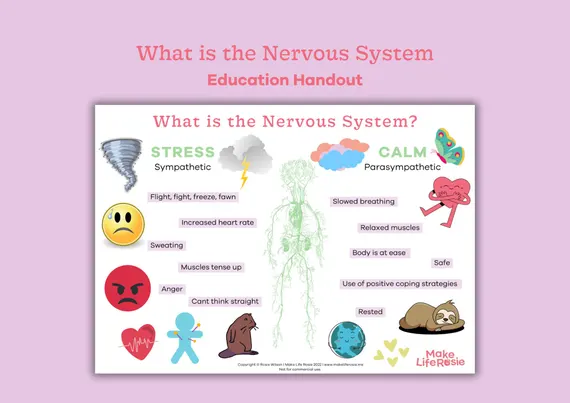
You might also strengthen your understanding by exploring how different systems work together, such as when studying mental health awareness topics that connect to nervous system function. Additionally, developing strong writing skills to explain scientific concepts clearly helps solidify your learning.
Hands-On Worksheet Activities