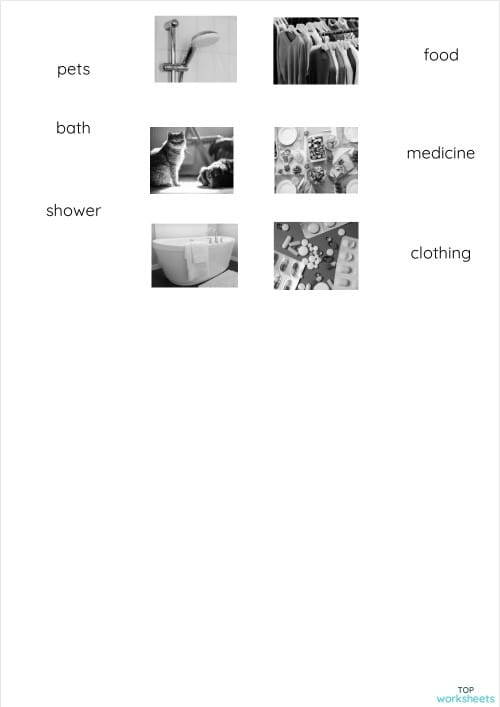
Vocabulary instruction in fourth grade often hits a wall when students encounter words that don’t have obvious meanings from context alone. Words like “persevere,” “eloquent,” or “meager” can leave readers stuck, especially when they appear in stories or texts without helpful surrounding clues. This is where a structured matching activity becomes invaluable.
When your students struggle to connect obscure words with their deeper meanings, a worksheet that provides targeted clues transforms the learning process. Rather than asking students to guess or look up definitions passively, clue-based matching activities engage them in active reasoning. Each clue acts as a bridge between the unfamiliar word and its definition, helping students build mental connections that stick.
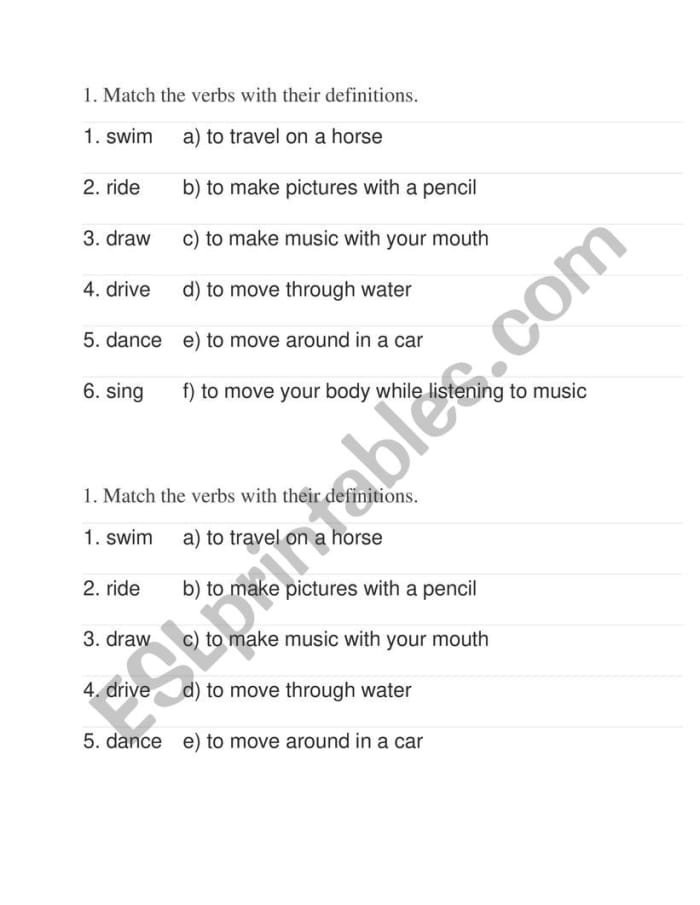
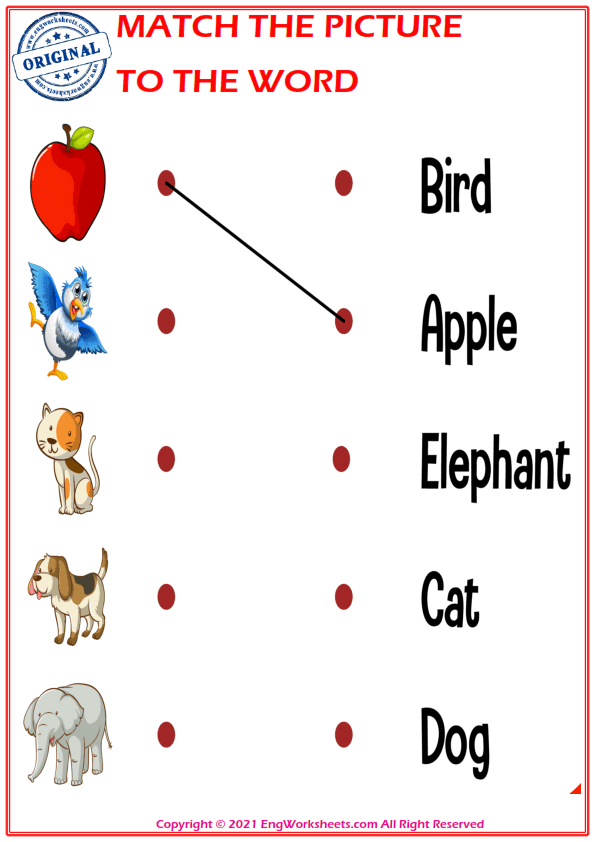
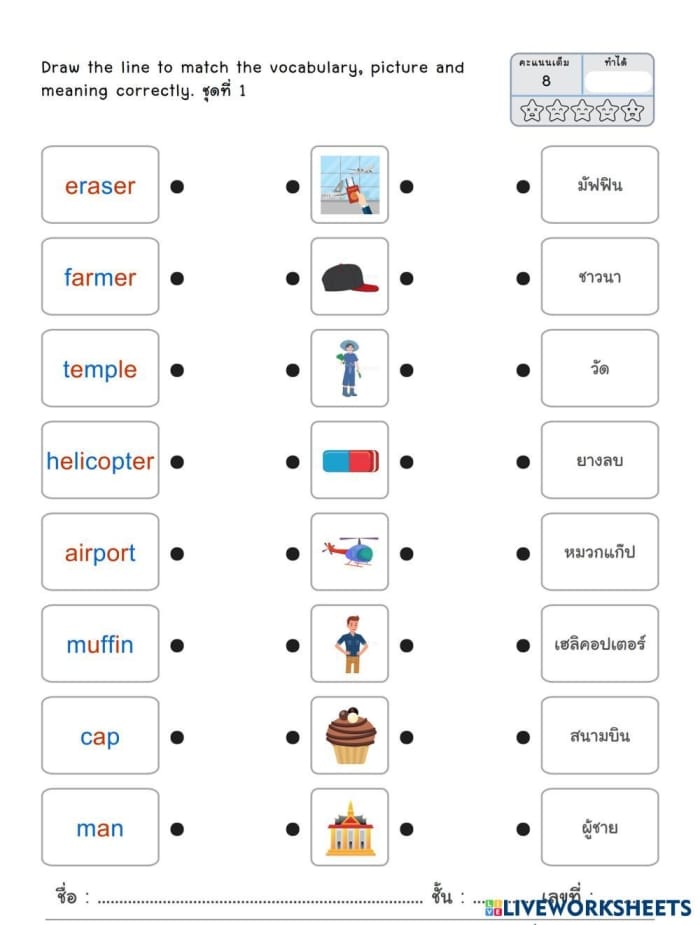
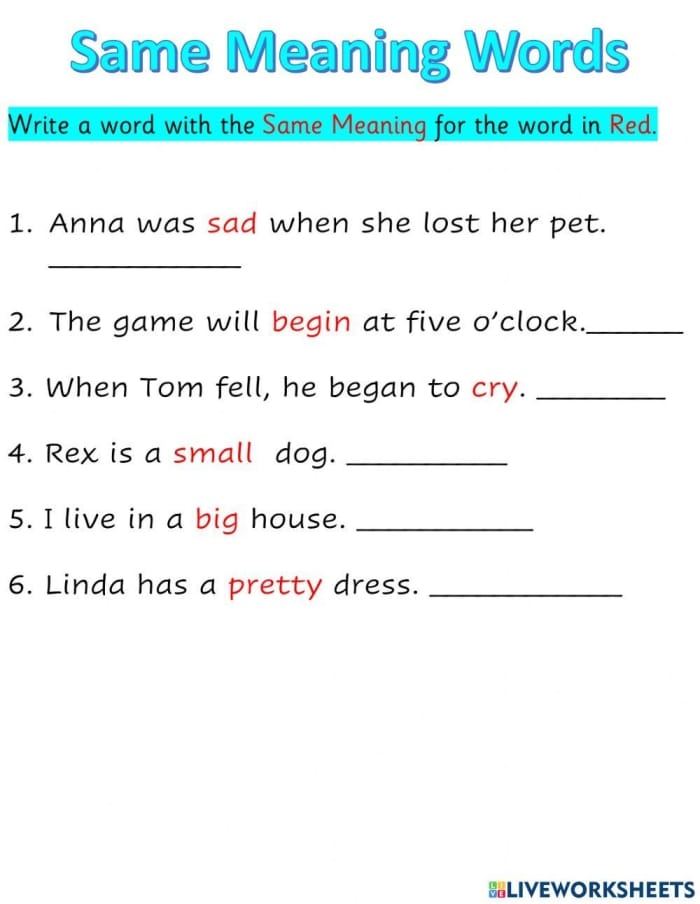
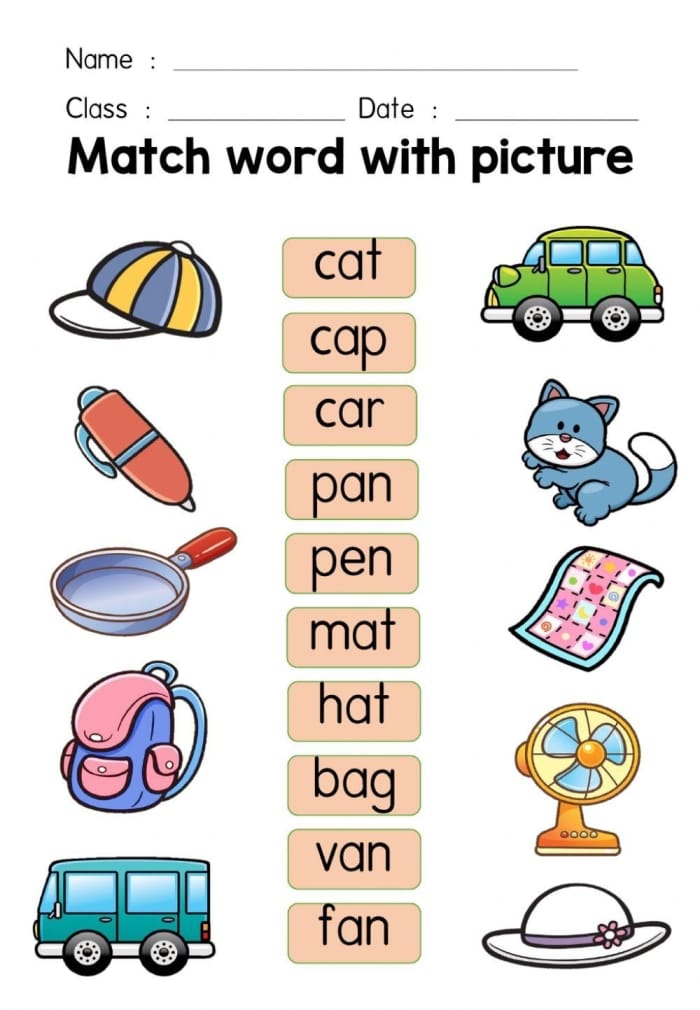
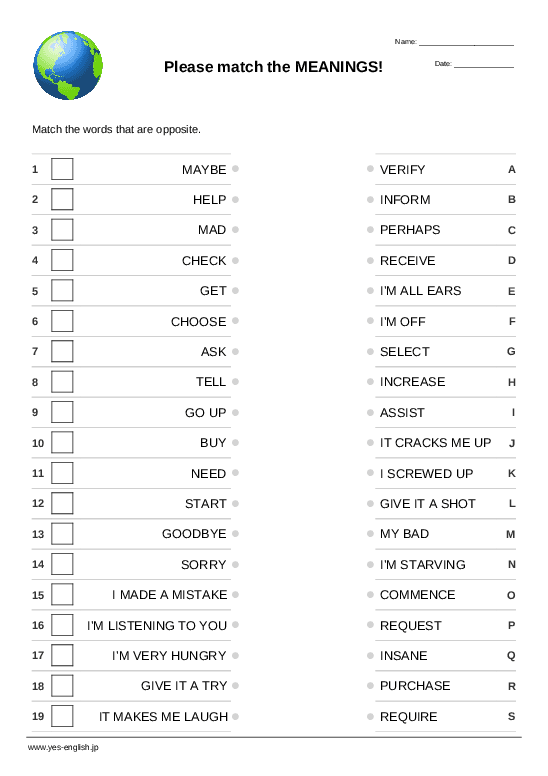
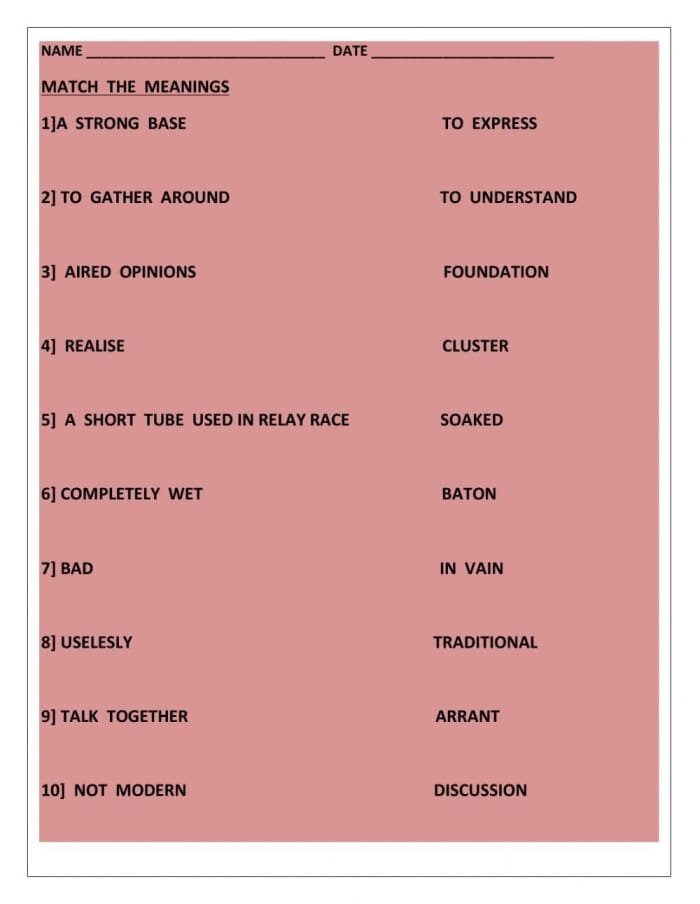
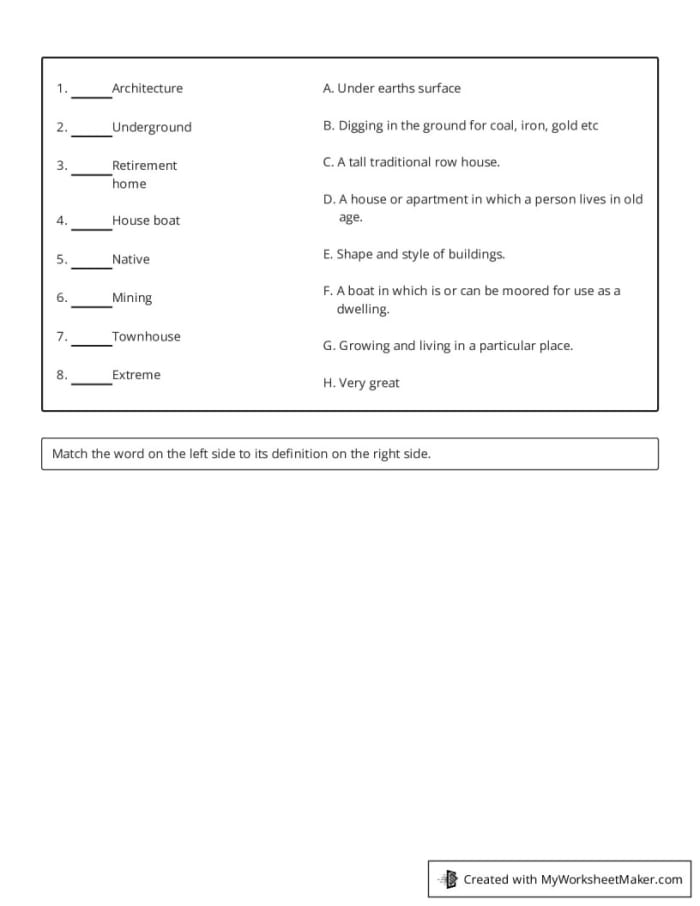
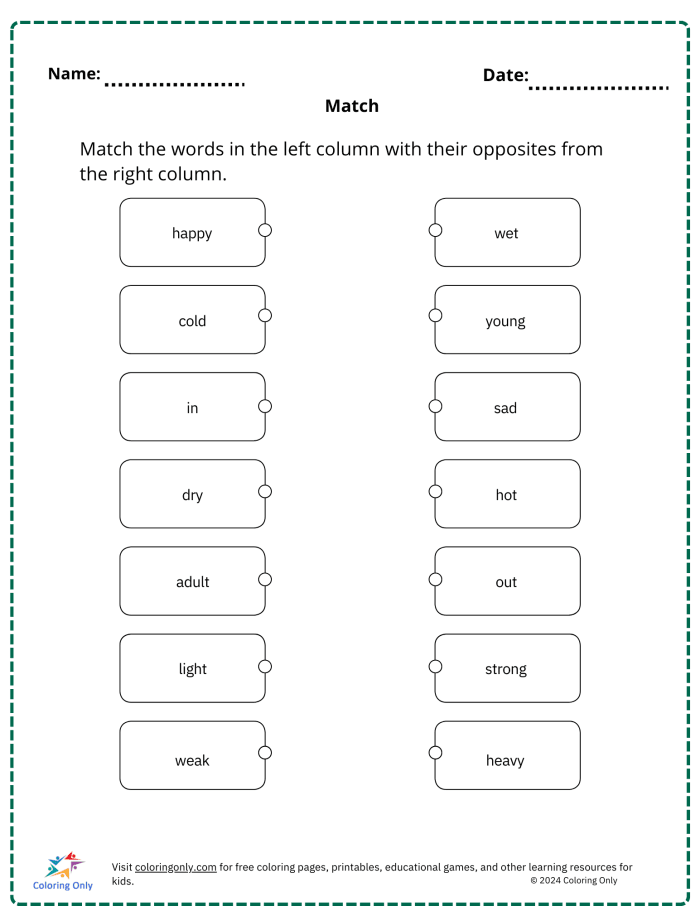
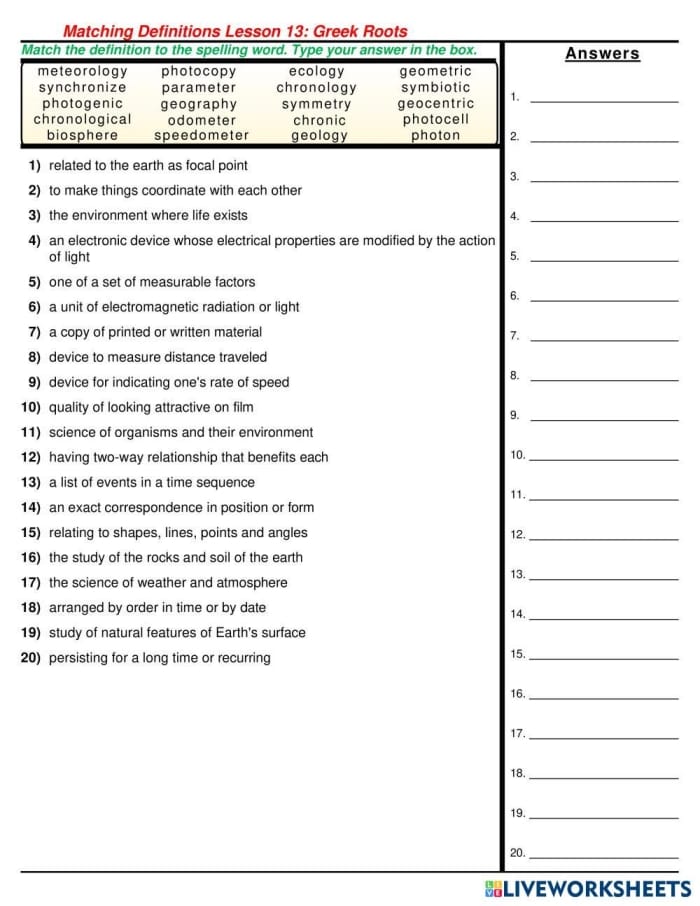
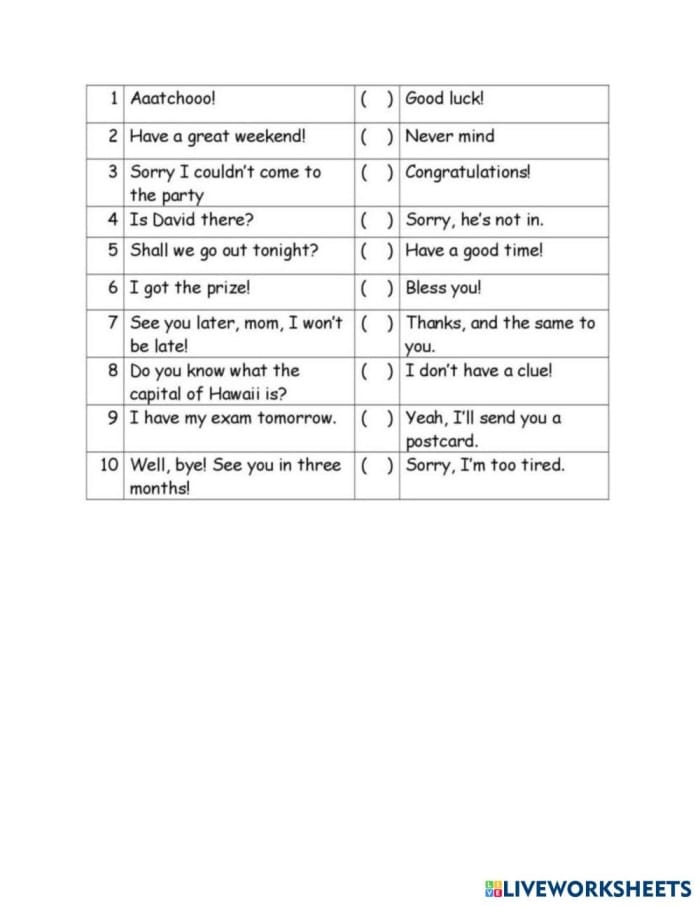
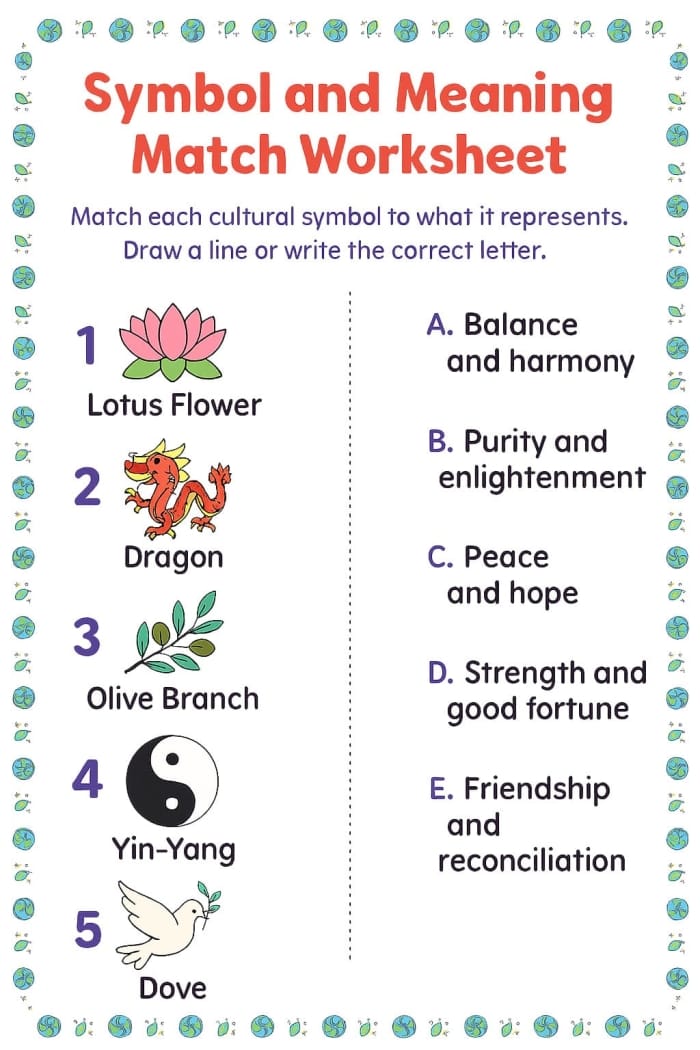
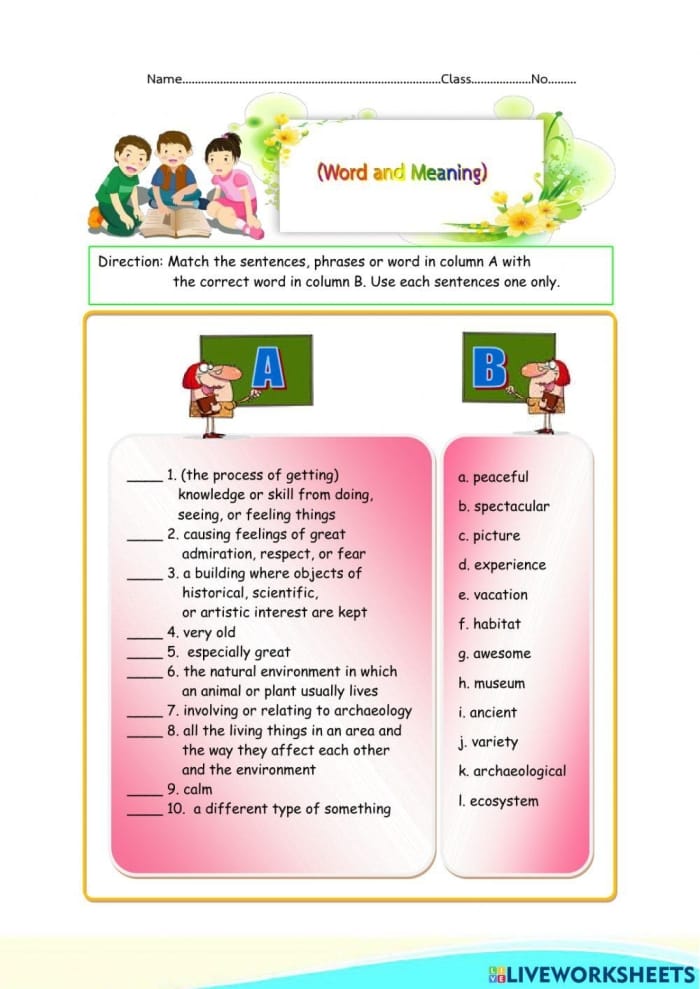
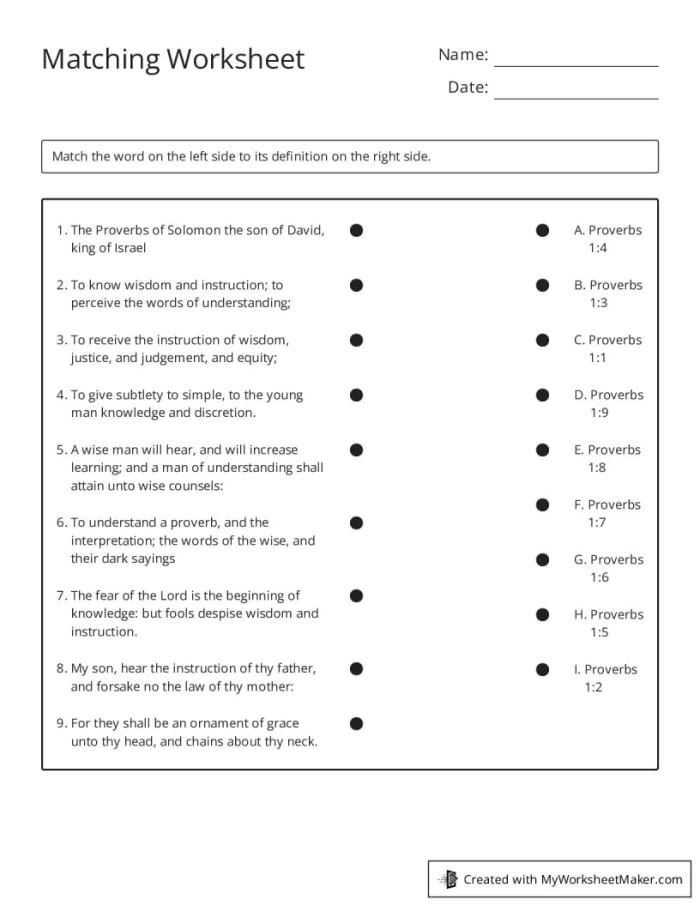
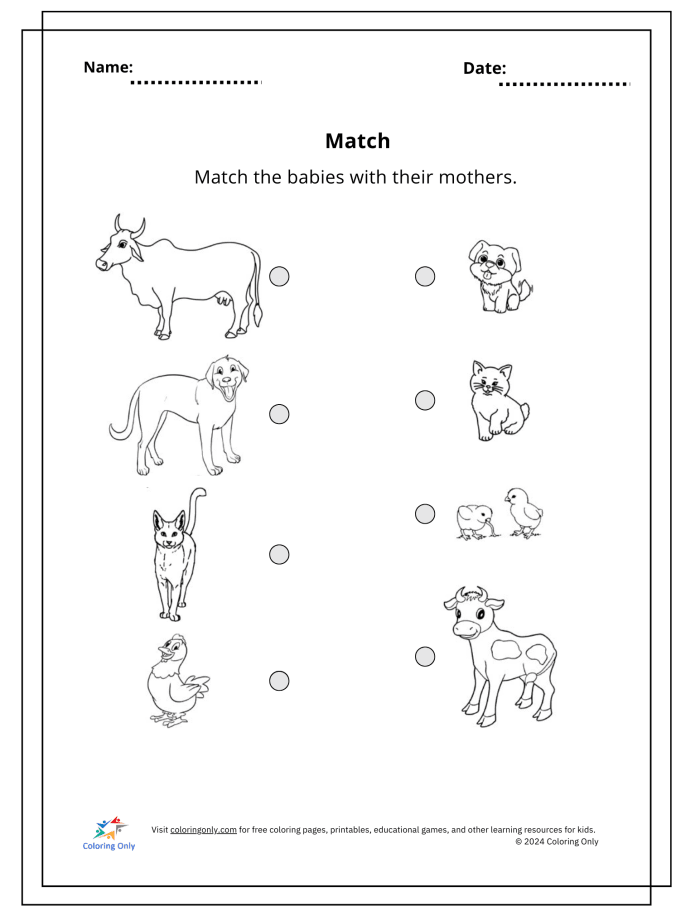
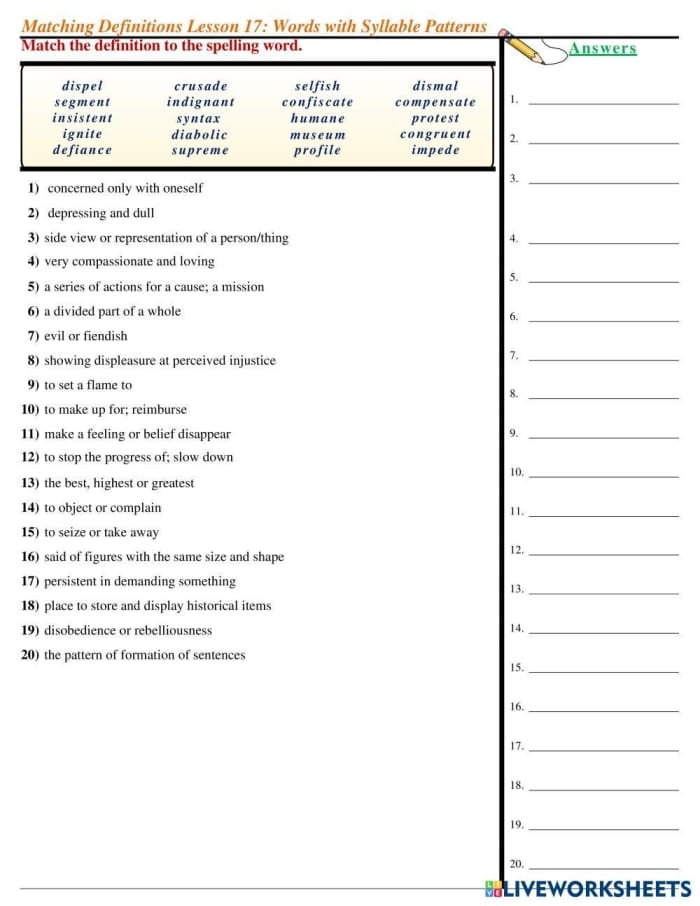
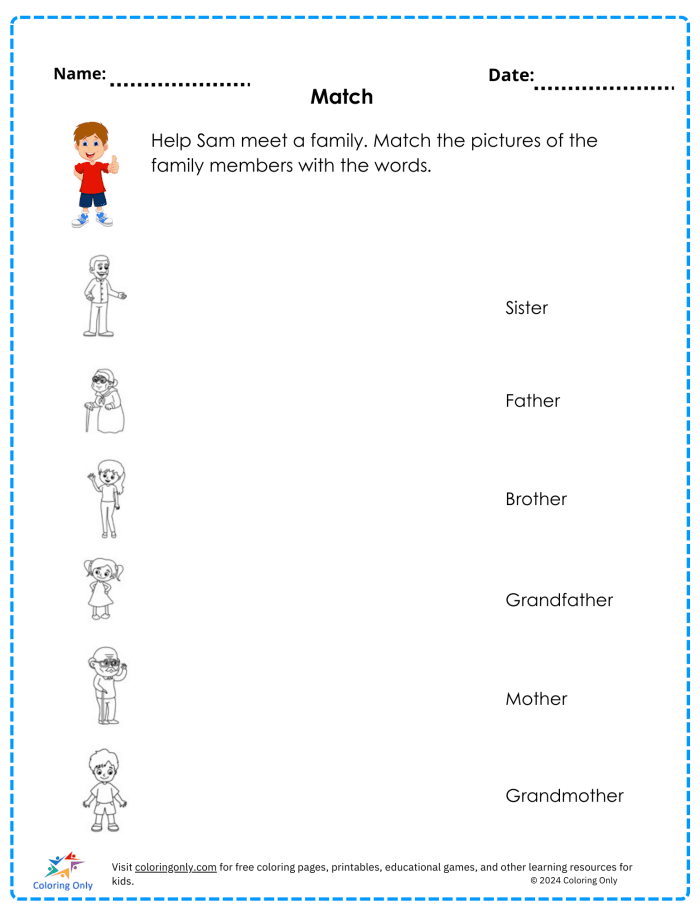
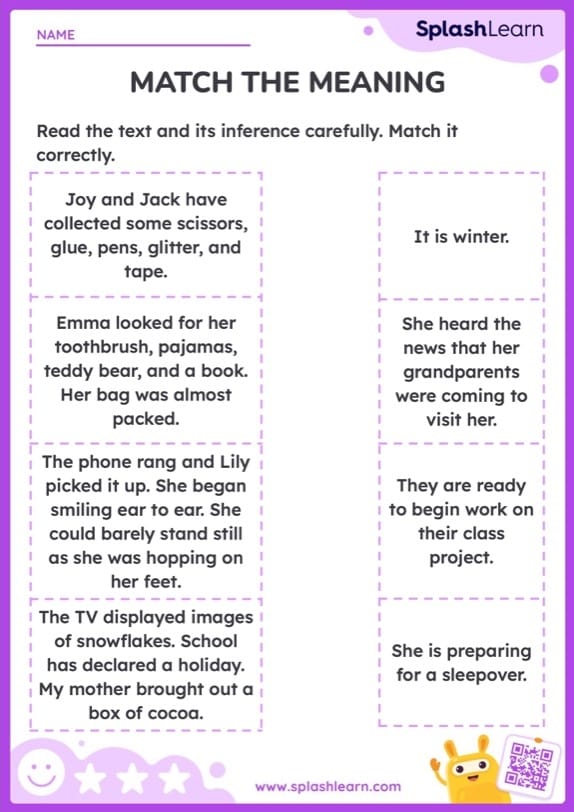
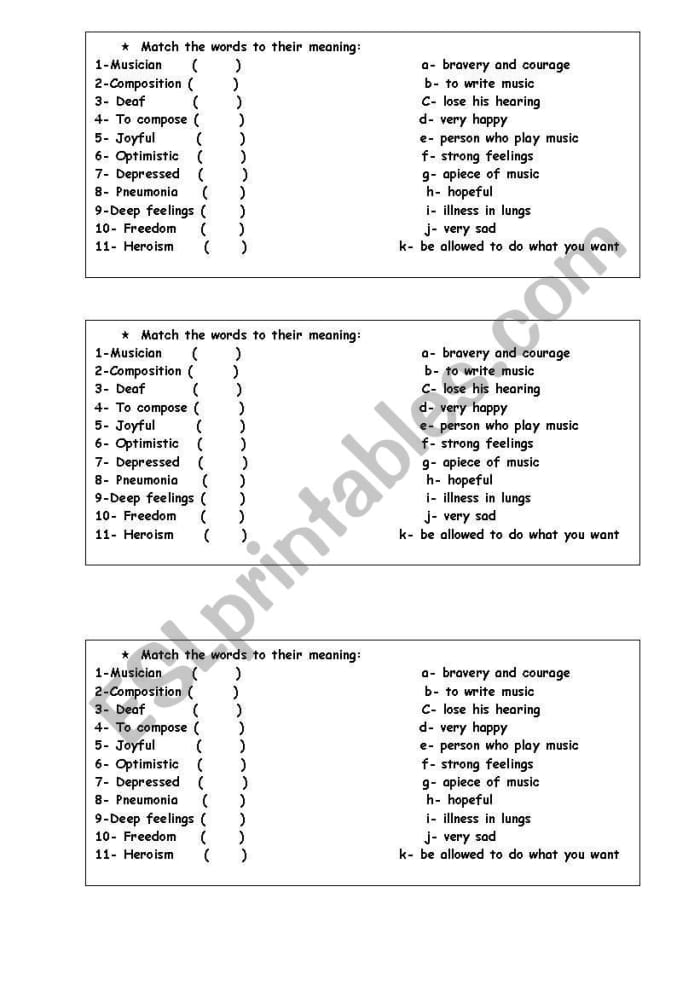
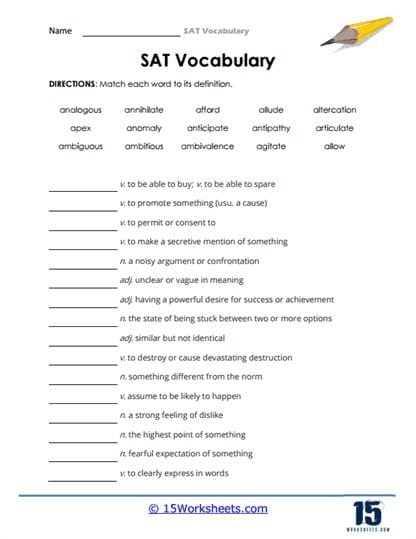
The mechanics are straightforward. Students read a word or phrase, then examine the accompanying clues that hint at the meaning without stating it directly. They use these hints to match the word with its correct definition from a provided list. This approach works because it requires students to think about word meanings in context, which mirrors how they’ll encounter vocabulary in real reading situations.
Fourth grade vocabulary instruction benefits significantly from this method because students at this level are developing independence in their reading comprehension skills. They’re moving beyond simple narratives and encountering more complex texts. Tools like printable match the meaning worksheets provide the scaffolding they need during this transition.
The clue-based format also accommodates different learning styles. Visual learners benefit from seeing words and definitions side by side. Analytical learners appreciate the logical puzzle of connecting clues to meanings. Students who struggle with traditional memorization find success because they’re working through reasoning rather than rote recall.
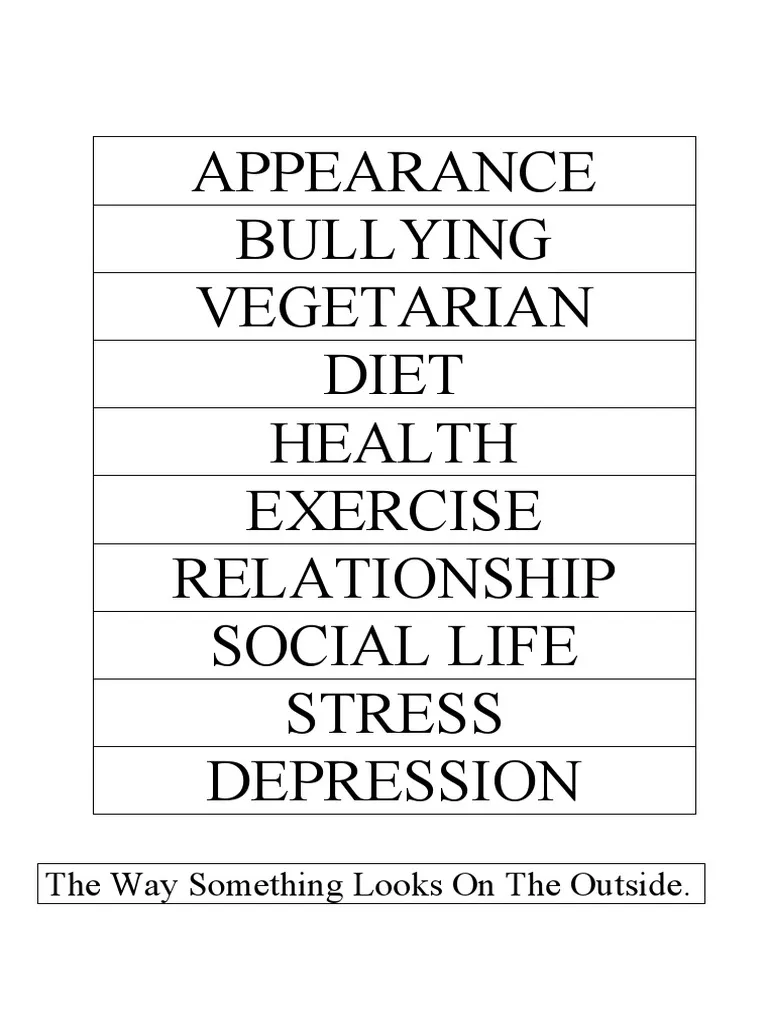
Consider pairing these matching activities with thematic vocabulary sets. If your class is studying plants, a plant vocabulary worksheet with matching clues reinforces both content knowledge and language skills simultaneously. Similarly, historical units work well with themed vocabulary, such as worksheets about Eleanor Roosevelt vocabulary.
The key to success is consistency. Use these worksheets regularly, not as one-off activities, but as part of your ongoing vocabulary routine. Your fourth graders will develop stronger word recognition and deeper understanding of how meanings connect to context and usage.
Practice with These Worksheets